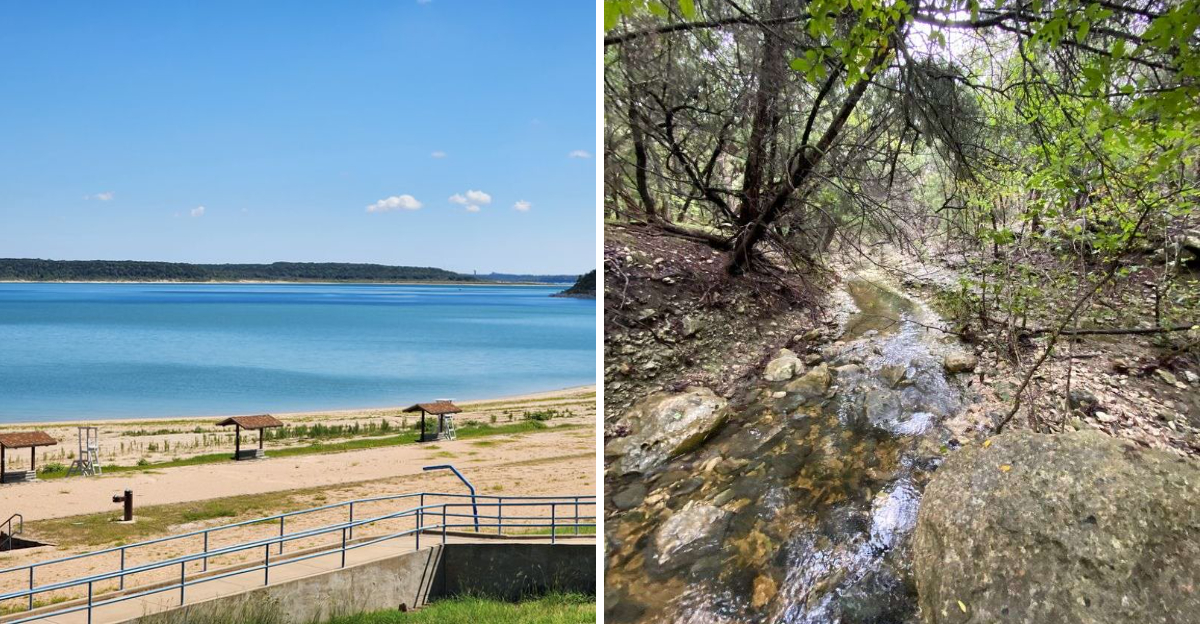
A lake so big it swallowed an entire town. Sounds like a myth.
But it is real. This Texas lake was built over a town that had to be moved to make way for the water.
Today, it is a popular spot for boating, fishing, and camping, but the story beneath the surface is what makes it fascinating. You can paddle across the water and imagine the streets, homes, and buildings that once stood there.
The lake is massive, the views are stunning, and the history is strange and compelling. It is the kind of place that makes you wonder what else is hidden beneath the surface.
If you love a good story with your scenery, this lake delivers.
The Towns That Vanished Underwater
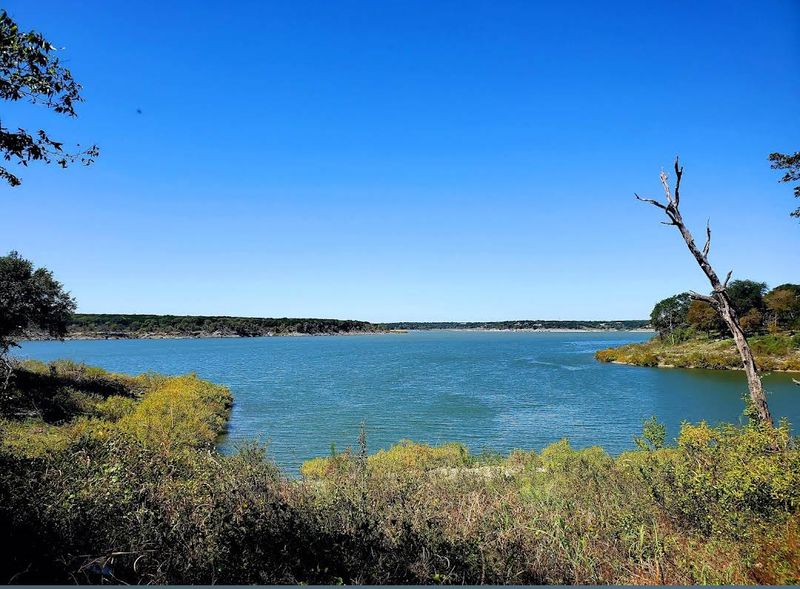
Before the lake existed, there were people living here. Two small communities, Sparta and Bland, sat quietly in what locals called the Tennessee Valley, going about everyday life with no idea that within a few decades, their homes would be underwater.
Sparta was founded back in 1854, settled along Cowhouse Creek about nine miles northwest of Belton. It had a mill, a general store, a blacksmith shop, and even a post office that ran from 1873 until it closed in 1920.
The population likely never climbed above 100 people, but it was a real, functioning community with roots and history.
Bland came along around 1880 and had a personality all its own. It was originally nicknamed “Pokerville” because the owner of a local store had a habit of hosting poker games.
When a post office was established in 1894, the name was changed to the far more respectable “Bland.” By 1925, around 63 people called it home, though by 1949, only about 20 elderly residents remained.
When construction on the dam began in July 1949, both towns were evacuated. Many grave sites were carefully relocated before the flooding started.
Some old structures and possibly even unmarked graves may still rest beneath the lake today. Local roads and schools still carry the name Sparta as a quiet tribute to what once stood here.
There is something deeply moving about that, a name outliving a town by more than 70 years.
Why the Lake Was Built in the First Place
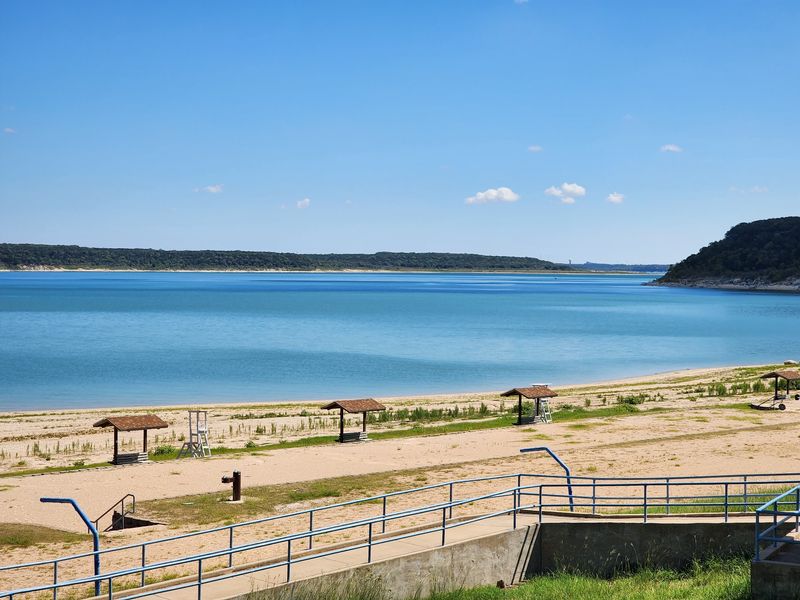
The decision to flood an entire valley and displace its residents was not made lightly. A series of brutal flash floods hit the central Texas region in the 1940s and early 1950s, causing serious loss of life and widespread destruction in Belton and the surrounding communities.
Something had to change.
The U.S. Army Corps of Engineers, Fort Worth District, stepped in with a plan.
Construction officially kicked off in July 1949, and the dam was completed in 1954. The impoundment of the lake began on March 8, 1954, and within months, the Leon River had been transformed into a massive reservoir.
The goals were straightforward but urgent: flood control, water conservation, and creating reliable drinking water for Belton, Temple, and nearby towns. Those goals have been met and then some.
The lake today still supplies drinking water to tens of thousands of people across the region.
Fish and wildlife habitat preservation was also part of the original mission, and that aspect has flourished in ways the engineers probably hoped for but could not have fully predicted.
The lake now supports a rich ecosystem with dozens of fish species, over 100 bird species, and a wide variety of mammals roaming the surrounding land.
What started as an emergency engineering response became one of the most ecologically vibrant spots in central Texas. The history behind the dam gives the whole place a weight and significance that goes far beyond a typical day at the lake.
The Lake Itself, Long and Winding and Gorgeous
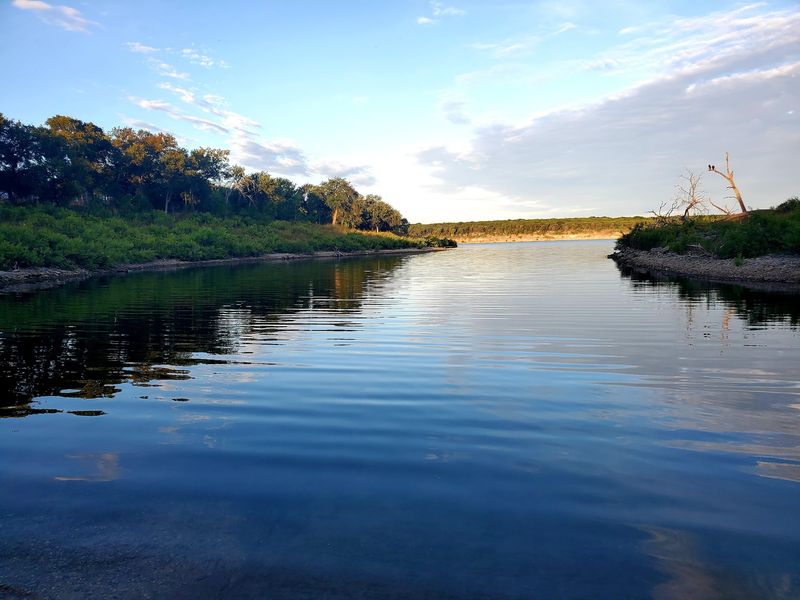
The first thing that strikes you about Belton Lake is how it moves. Unlike the wide, open reservoirs you might picture, this one twists and curves through the landscape like a river that simply decided to slow down and spread out.
Coves cut into the rocky shoreline every few hundred yards, and the whole thing feels more intimate than its size suggests.
At full conservation pool, the lake covers about 12,385 acres and reaches a maximum depth of 124 feet.
It spans both Bell County and Coryell County, stretching across terrain defined by rugged limestone bluffs, long rocky points, and steep drop-offs that give it a dramatic visual character unlike softer, sandier lakes elsewhere in the state.
The water itself tends to run clear and green, especially in calmer coves away from boat traffic. On a calm morning, the reflections of the bluffs on the surface are genuinely stunning.
I remember watching the light shift across the water from a rocky point near one of the parks and thinking it looked more like a painting than a real place.
The winding shape of the lake also means that no matter where you set up for the day, you feel like you have your own private section of shoreline. That sense of space and quiet is hard to find at busier Texas lakes.
Belton Lake manages to feel both vast and personal at the same time, which is a rare combination that keeps people coming back year after year.
Fishing at Belton Lake, A Serious Angler’s Playground
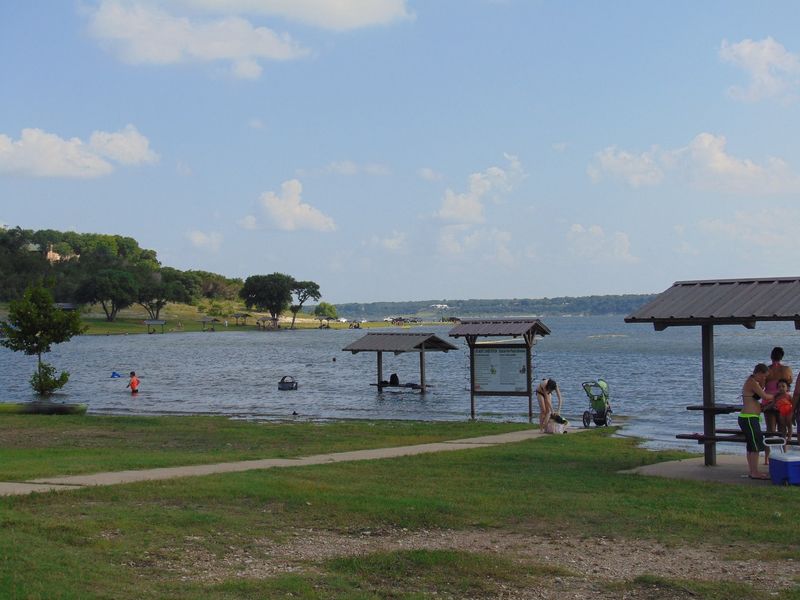
Ask any local angler about Belton Lake and you will get an enthusiastic response almost immediately. The lake has built a strong reputation among fishing communities across central Texas, and for good reason.
The variety of species here is genuinely impressive.
Largemouth bass and smallmouth bass are the headliners, drawing tournament anglers from across the region. Hybrid striped bass and white bass add to the excitement, especially during seasonal runs when they move through the shallower areas in large numbers.
Blue catfish and channel catfish round out the bigger catches, while sunfish and crappie keep casual anglers happy on slower days.
Bank fishing is allowed in many areas around the lake, making it accessible even without a boat. Fishing docks can be found at spots like Temple Lake Park and Frank’s Marina, which also offers boat rentals for those who want to get further out onto the water.
Fishing tournaments are a regular occurrence here, drawing competitive crowds and adding a fun, energetic atmosphere to the lake on certain weekends.
What makes the fishing experience at Belton Lake feel special is the setting. You are casting a line against a backdrop of limestone cliffs and cedar-covered hillsides, with the occasional osprey circling overhead.
It does not feel like a crowded, over-fished spot. The lake is well-managed, the populations are healthy, and there is enough water and structure to keep things interesting no matter the season or your preferred technique.
Good fishing and great scenery rarely come packaged this well.
Boating and Water Sports on a Lake Built for Adventure
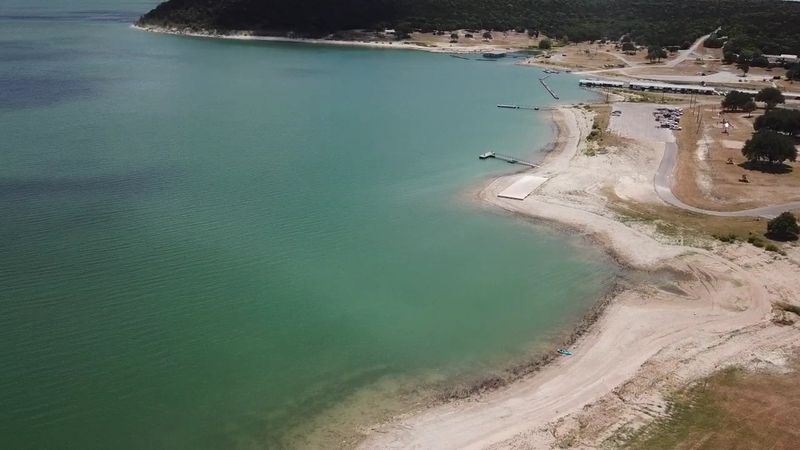
On a hot Texas summer afternoon, Belton Lake comes fully alive. Boats pull water skiers across the open stretches, kayakers hug the quieter coves, and the sound of laughter carries across the water from one group to the next.
The lake has enough room and variety to keep everyone happy without things feeling too crowded.
Public boat ramps are spread across several parks managed by the U.S. Army Corps of Engineers, including Temple Lake Park, Belton Lakeview Park, Westcliff Park, and Leona Park.
Frank’s Marina is a well-known local hub for boat rentals, making it easy for visitors who do not own their own watercraft to still get out and enjoy the full experience.
Kayaking deserves a special mention here. The winding coves and narrow arms of the lake are perfect for paddling at a relaxed pace, exploring the rocky shorelines and spotting wildlife along the way.
Tubing and jet skiing are popular on the more open sections, adding a louder, faster energy to the mix. There really is something for every comfort level and personality type on this water.
Even if you are not the type to get behind a motor or pick up a paddle, just sitting near the water and watching the activity is its own kind of entertainment.
The lake has a lively, communal energy during warmer months that makes it feel like a neighborhood gathering spot rather than just a recreational facility.
Belton Lake is the kind of place where people genuinely enjoy being present, and that feeling is contagious.
Hiking and Wildlife at Miller Springs Nature Center
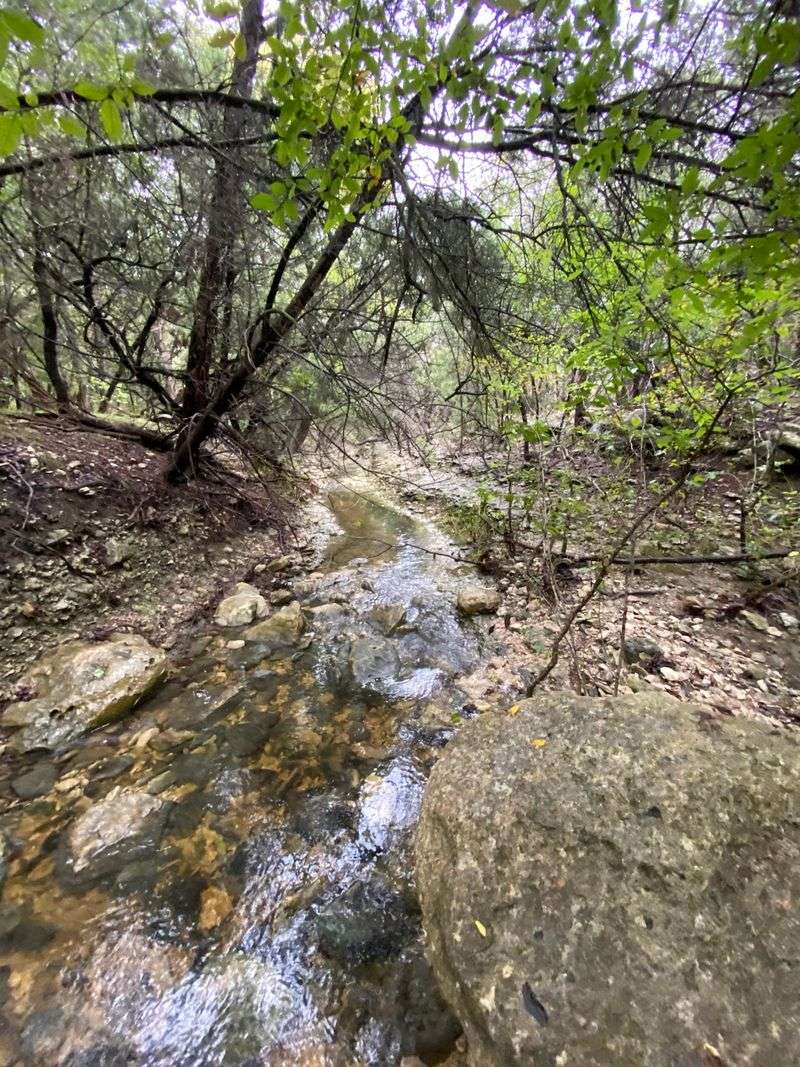
Just off the edge of the lake, Miller Springs Nature Center offers one of the most rewarding outdoor experiences in the entire region.
Nearly 11 miles of trails wind through a surprisingly diverse mix of habitats, including upland prairies, limestone canyons, riparian zones along the Leon River, and dense cedar woodlands.
It is a lot more varied than you might expect from a lakeside park.
I spent a morning out there once and lost track of time entirely. The canyon sections have a quiet drama to them, with exposed rock walls and unexpected shade that makes the Texas heat feel almost manageable.
The prairie stretches open up into wide sky views that feel like a different world from the wooded sections just a few hundred yards away.
Wildlife sightings are common and genuinely exciting. White-tailed deer are almost guaranteed if you go early in the morning.
Armadillos rustle through the brush with their usual oblivious confidence. Coyotes, gray foxes, fox squirrels, and wild turkeys all call this area home, and over 100 bird species have been recorded in the Belton Lake region.
Bald eagles and ospreys are spotted regularly, which never gets old no matter how many times it happens.
The Belton Lake Outdoor Recreation Area, known locally as BLORA, also provides hiking and biking options nearby. Between these two spots, outdoor enthusiasts can easily fill multiple days without repeating the same trail twice.
Miller Springs feels like a hidden gem that the locals know about but somehow has not been overrun yet. Go soon and enjoy the quiet while it lasts.
Camping Around Belton Lake, Nights Worth Remembering
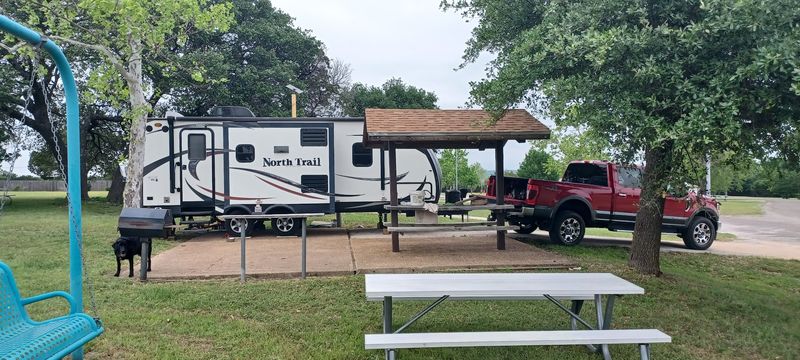
Camping at Belton Lake hits differently than camping at a lot of other Texas reservoirs. The combination of rugged limestone scenery, relatively clear water, and dense cedar and oak woodland creates an atmosphere that feels genuinely wild, even when a campground host is just a short walk away.
Several fully developed campgrounds circle the lake, each with its own character. Cedar Ridge Park tends to be a favorite for its shaded sites and proximity to the water.
Live Oak Ridge Park offers a more open feel, while Westcliff Park and White Flint Park each have their own loyal regulars who return season after season. Both RV hookup sites and tent camping areas are available across the different parks, so there is room for every style of camper.
Nights out here are something special. Once the boats quiet down and the sun drops behind the limestone ridges, the sky above Belton Lake fills up with stars in a way that surprises people who are used to city light pollution.
The sounds shift too, from the buzz of activity during the day to the chorus of frogs, crickets, and distant owls that take over after dark.
Morning coffee by the water, with mist still sitting on the surface and a great blue heron standing perfectly still nearby, is the kind of simple moment that sticks with you long after you drive home. Camping here is not glamorous or fancy.
It is just genuinely good, the kind of outdoor experience that reminds you why people have always been drawn to places like this.
Planning Your Visit to Belton Lake
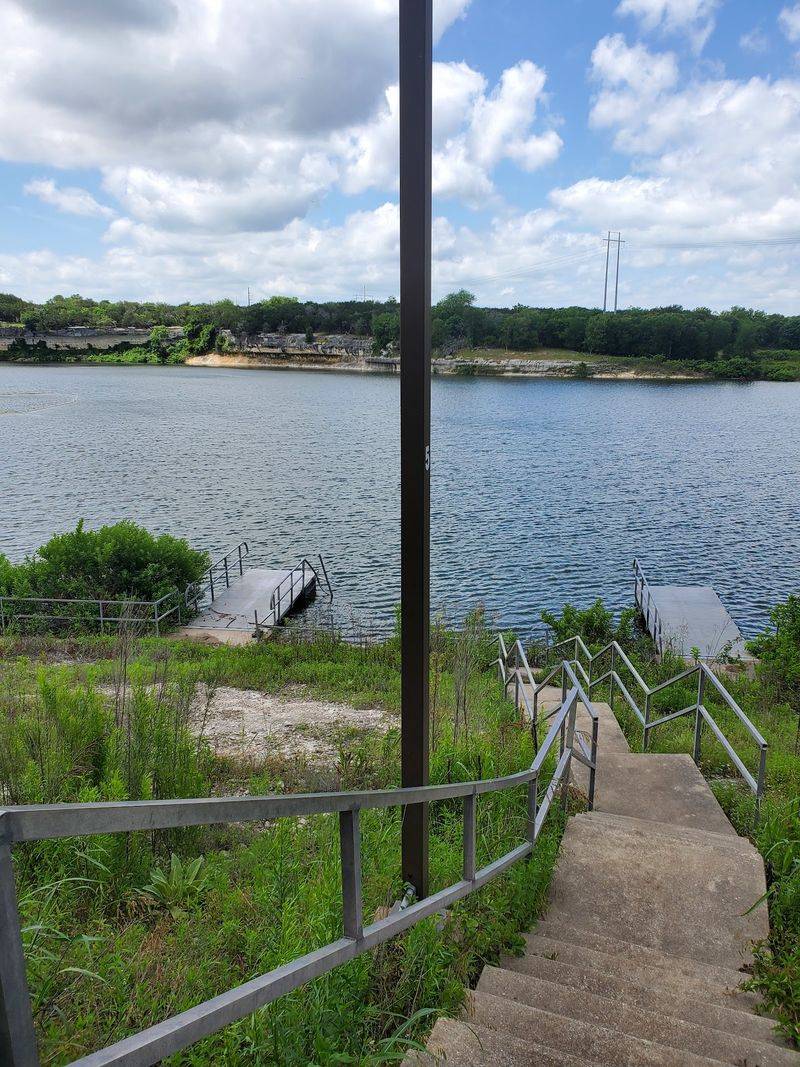
Getting to Belton Lake is straightforward. The lake sits about three miles north of the city of Belton in Bell County, roughly halfway between Austin and Waco on Interstate 35.
That central location makes it an easy day trip from several major Texas cities, and a very comfortable base for a longer weekend getaway.
Spring and fall are the most comfortable seasons to visit. Summer brings the biggest crowds and the hottest temperatures, but the water activities make the heat manageable if you stay close to the lake.
Winter is quieter and surprisingly pleasant for hiking and wildlife watching, when the trails are nearly empty and the animals are more active during daylight hours.
Swim beaches are available at several of the Corps of Engineers parks, so families with young kids have safe, designated areas to splash around without worrying about boat traffic. Picnic shelters, playgrounds, and open grassy areas fill out the amenities at most of the major parks around the lake.
It is well set up for a full day with the whole family.
The Belton Lake Office is the best first stop for maps, park information, and current conditions. The staff there are knowledgeable and genuinely helpful, especially for first-time visitors trying to figure out which park fits their plans.
Wherever you end up spending your time, the lake has a way of making the hours disappear in the best possible way. A place this layered in history and this rich in natural beauty earns every visit it gets.
Address: 3110 FM 2271, Belton, TX 76513
