What if the oldest rocks in the country were hiding at the top of a Missouri trail? Some of the most ancient exposed rock in the United States awaits hikers at the summit of a trail in the state .
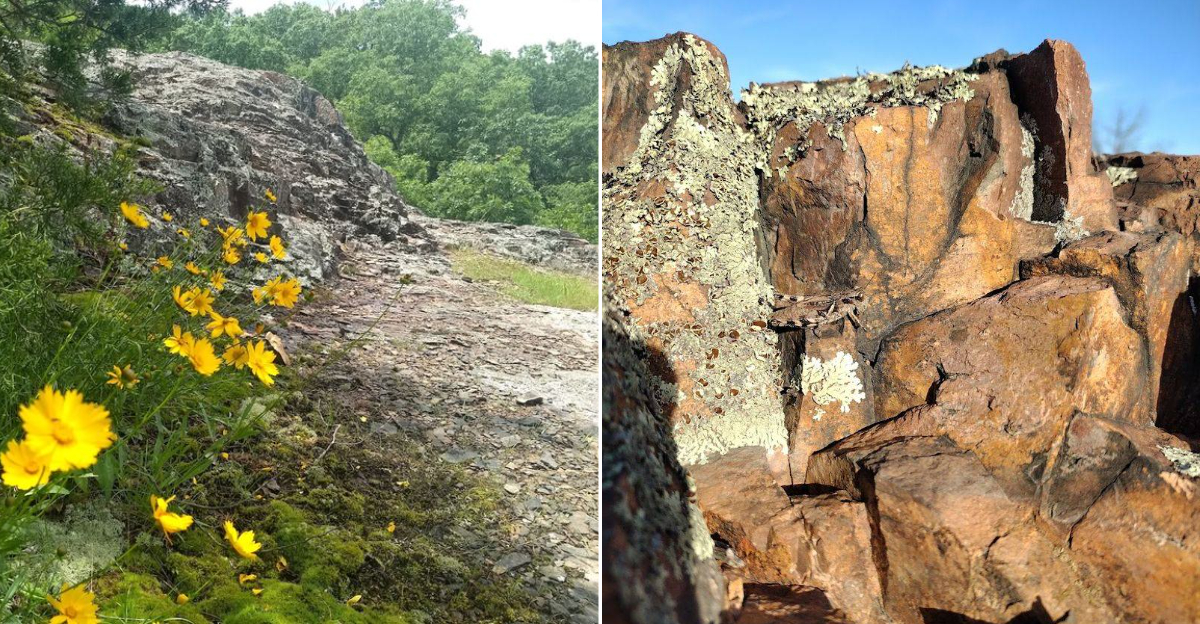
The rhyolite at the peak is a geological wonder, a series of multi-sided columns formed over a billion years ago when lava cooled and cracked . You can climb the trail, and at the top, a panoramic view stretches across the Missouri countryside .
The trail is a moderate climb, and the parking is easy to find . It is free to visit and open year-round.
The reward is a view most visitors never realize is there, and the ancient rock formations make the hike unforgettable.
The Trail Starts Off Almost Too Calm
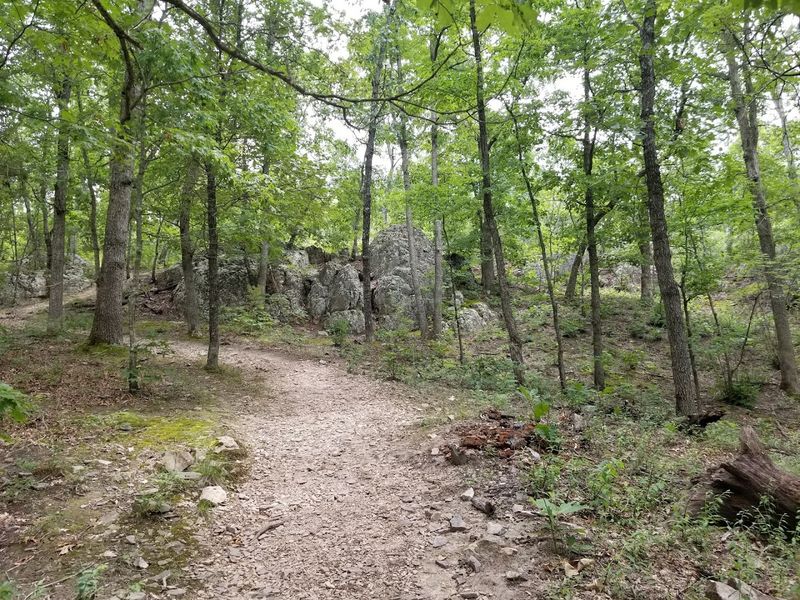
At first, this trail does not act like it is leading anywhere especially strange, and I kind of love that about it. The opening stretch moves through oak and hickory woods with a steady, easy rhythm, and if you did not know better, you might think the whole hike would stay soft and familiar.
It gives you time to settle in, listen to birds, and stop thinking about whatever you were doing before you got here.
Then the climb begins to matter a little more, and the path starts showing its real personality. You notice more rock underfoot, more open patches, and that gradual shift every good trail has when the landscape begins hinting at what waits ahead.
Nothing feels abrupt, but everything starts leaning toward something older and rougher.
That slow build is part of why the hike works so well for me, because it does not hand you the payoff too early. Instead, the mountain keeps introducing itself piece by piece, like it wants you to notice the details before the big reveal.
In Missouri, that kind of pacing can make a place feel even more memorable, because you are not just rushing to a viewpoint, you are actually arriving there.
Getting There Without Overthinking It
Let me make this easy, because the drive out feels more remote than complicated once you settle into it. Hughes Mountain State Natural Area is at Hughes Mountain Road, Potosi, MO 63664, and getting there feels like one of those little Missouri drives where the roads get calmer and the trees start doing more of the talking.
You are not pulling into some flashy attraction, which is honestly part of why the place still feels so grounded.
When you arrive, the trailhead has that straightforward, low-key feeling that usually means the hike is going to speak for itself. There is no big buildup, no overdone entrance moment, and that works in its favor because your attention stays on the landscape instead of the setup.
I always appreciate that, especially when the destination is unusual enough to carry the whole experience on its own.
The area sits outside Potosi in Washington County, and the surrounding countryside already hints at the rocky terrain you are about to step into. By the time you lace up and start walking, the drive has done its job and shifted you out of everyday mode.
It feels like you have arrived somewhere quiet, a little overlooked, and very much worth the effort.
Then The Rocks Start Acting Strange
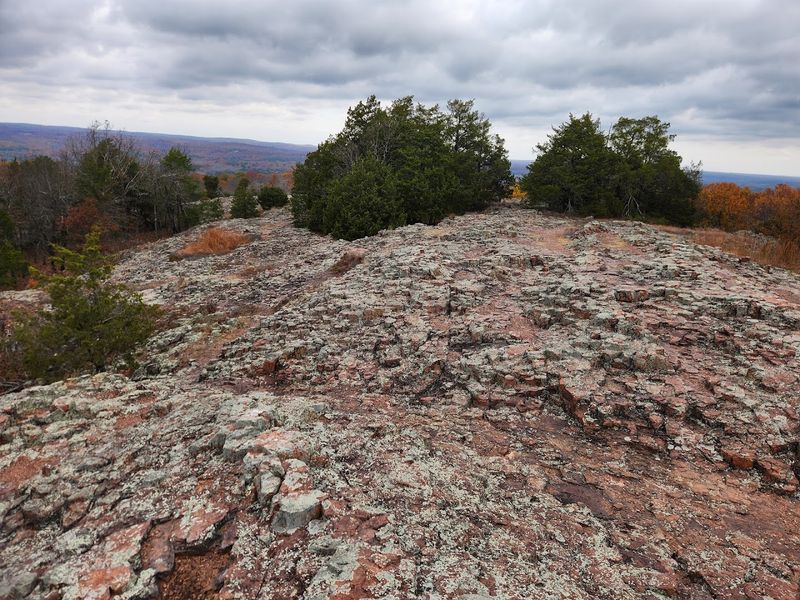
Somewhere along the way, the trail stops feeling ordinary and starts giving off that quiet what-is-going-on-here energy. The woods thin out, the ground turns rockier, and you begin seeing surfaces and shapes that do not match the softer forested sections below.
It is a subtle transition at first, but once you notice it, the whole mountain starts reading differently.
This is where Hughes Mountain really separates itself from a lot of other hikes in Missouri. You are not just climbing toward a wider view, you are walking into a landscape shaped by volcanic rhyolite that has been sitting here for an almost impossible stretch of time.
Even if geology is not usually your thing, the texture alone gets your attention because the stone looks rugged, angular, and strangely deliberate.
I think that is what makes the approach fun, because curiosity takes over before you even reach Devil’s Honeycomb. You start looking around more carefully, slowing down without meaning to, and trying to figure out how this place can feel so familiar and so alien at the same time.
By then, the trail is no longer just a route uphill. It has turned into the beginning of the story you came here to see.
The View Past The Columns Keeps Pulling You In
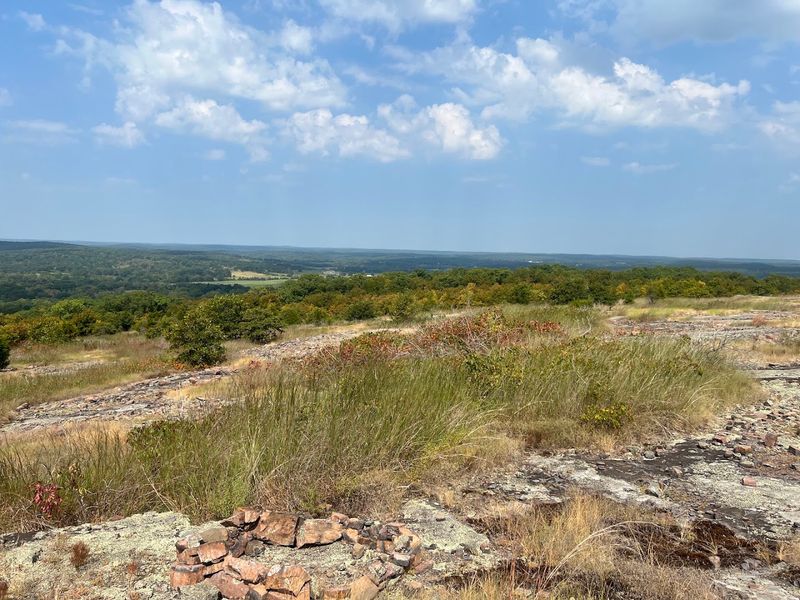
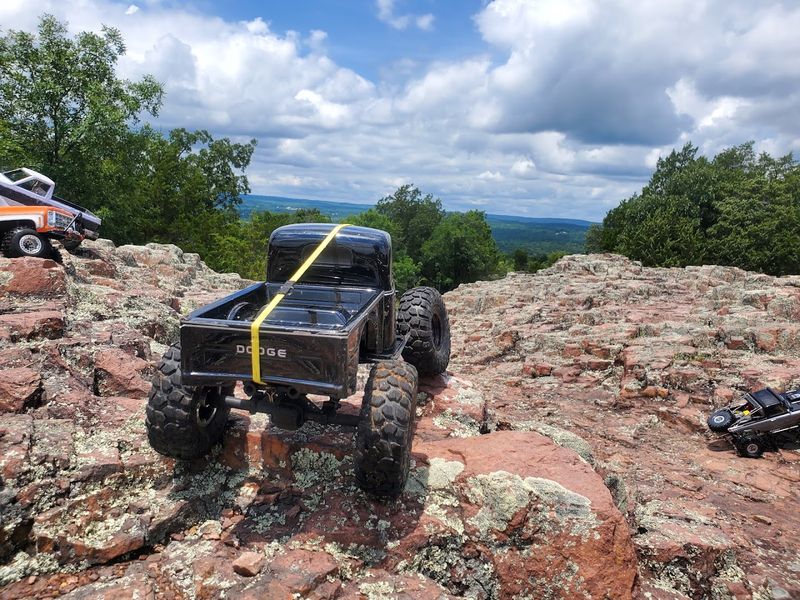
It would be enough if the trail ended with those volcanic columns, but then the overlook keeps going and gives you another reason to linger. From up there, the land rolls out across Washington County in long wooded ridges and open patches that make the Ozarks feel wide and quietly dramatic.
The view has a grounded, rural calm to it, and that balances the odd intensity of the rock formation really well.
I like standing there for a while because the mountain gives you two completely different moods at once. Right beside you, the stone looks fierce, ancient, and almost severe, while the landscape beyond it feels soft, layered, and deeply settled into itself.
That contrast is part of what makes Hughes Mountain stick in your head after you leave.
If you catch good light, the textures become even more interesting, because the columns sharpen and the distant hills soften. Nothing about the scene feels overworked or staged, and that is exactly why it feels so satisfying.
Missouri has plenty of places where the view is nice, but this one feels different because the foreground tells a story just as compelling as the horizon.
Why The Ending Feels So Unexpected
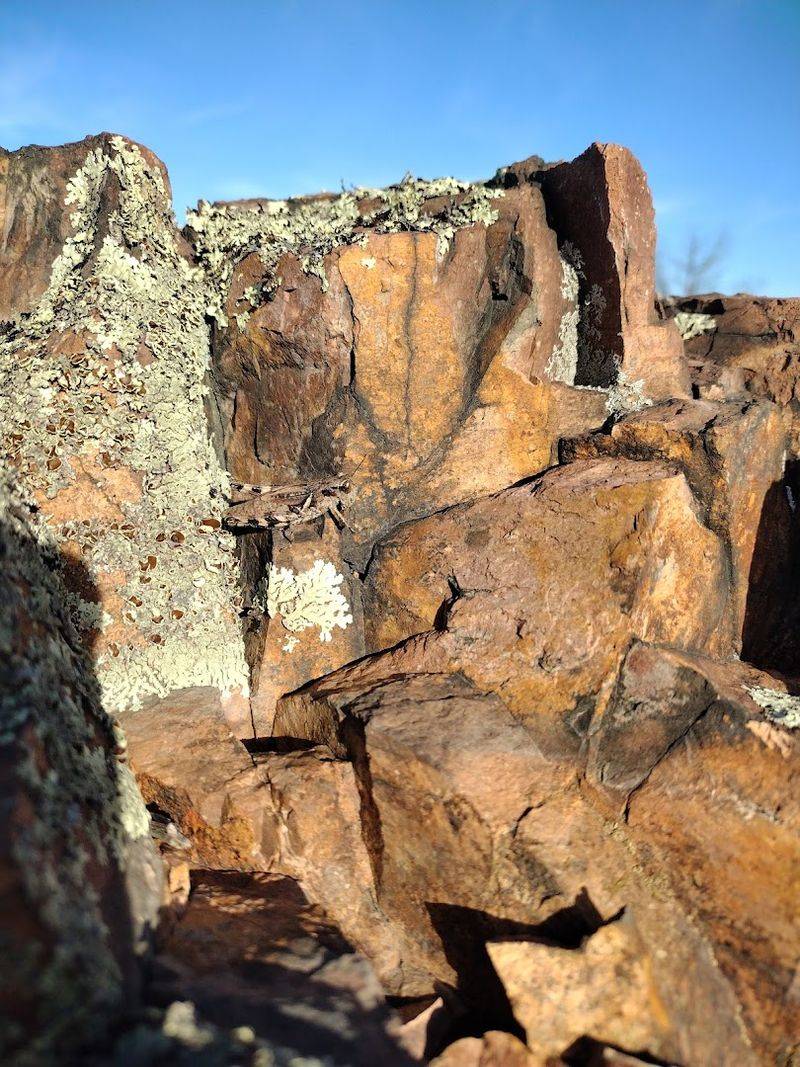
You know that feeling when a trail seems pleasant enough, and then the last stretch completely changes the story? That is exactly what happens on Hughes Mountain, because the woods lull you into thinking this will be a simple Ozark walk, and then the rock starts getting weird in the best possible way.
By the time you reach the upper glade, the whole place feels older, rougher, and far more dramatic than most people expect from Missouri.
The real surprise is Devil’s Honeycomb, a cluster of volcanic rhyolite columns that looks almost assembled instead of formed. The shapes are angular, stacked, and oddly orderly, which gives the overlook this strange ancient energy that stays with you longer than a standard scenic stop ever could.
I think that is why people talk about the finish with such a specific kind of excitement, because it does not just give you a view, it gives you a jolt.
What I like most is how the reveal happens slowly, without any flashy setup or crowded boardwalk mood. You earn it by walking uphill through quiet forest, and then the mountain just lets go of its secret all at once.
That ending feels memorable because it catches you a little off guard, and honestly, that is half the fun.
There Is More Going On Here Than Just The Big Rocks
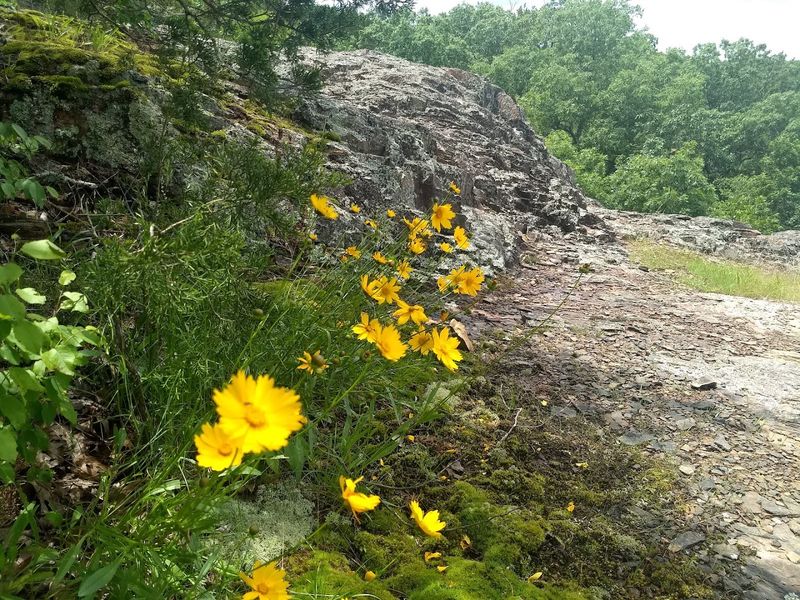
Once you stop focusing only on Devil’s Honeycomb, the rest of the natural area starts showing off a little too. Hughes Mountain includes glade habitat, woodland, and those rocky open spaces that make the whole place feel brighter and more textured than a standard forest hike.
You can tell pretty quickly that the mountain supports its own mix of plants and wildlife, and that gives the walk a layered, lived-in feeling.
The glades are especially interesting because they break up the woods with exposed stone, scrubby growth, and sun-loving plants that feel almost unexpected. In warmer seasons, the mountain can look sharper and more colorful at the same time, with tough little species settling into cracks and thin soil where they somehow seem completely at home.
That setting fits the volcanic backdrop perfectly, because everything up there feels adapted, stubborn, and a little unusual.
I always think places like this are better when you let your attention widen beyond the headline feature. Sure, the columns are why you came, but the surrounding habitat is what makes the experience feel complete instead of one-note.
Missouri has plenty of wooded trails, but this one keeps shifting under your feet and around your eyes, which makes the whole walk much more engaging.
A Few Trail Notes Make The Walk Smoother
Here is the practical part I would tell you if we were planning the walk together in the car. The trail is not hard to follow when you stay aware, but the upper rocky areas can make you pause for a second because the route feels less enclosed than it does in the woods.
That is not a bad thing, and it just means you should pay attention once the landscape opens up.
The climb is steady enough to feel like a real hike, especially as you near the top, so comfortable shoes and a little patience go a long way. I would also say this is a place where you want to look around instead of charging ahead, because the interesting details begin showing up before the overlook itself.
Part of the fun is catching those shifts in terrain as the trail moves from forest floor to glade and stone.
What matters most is giving yourself room to enjoy it without rushing the finish. Hughes Mountain is not the kind of place where you sprint to a platform, snap a photo, and head back down.
It works better when you walk with a little curiosity, because the trail experience and the volcanic endpoint really belong together.
