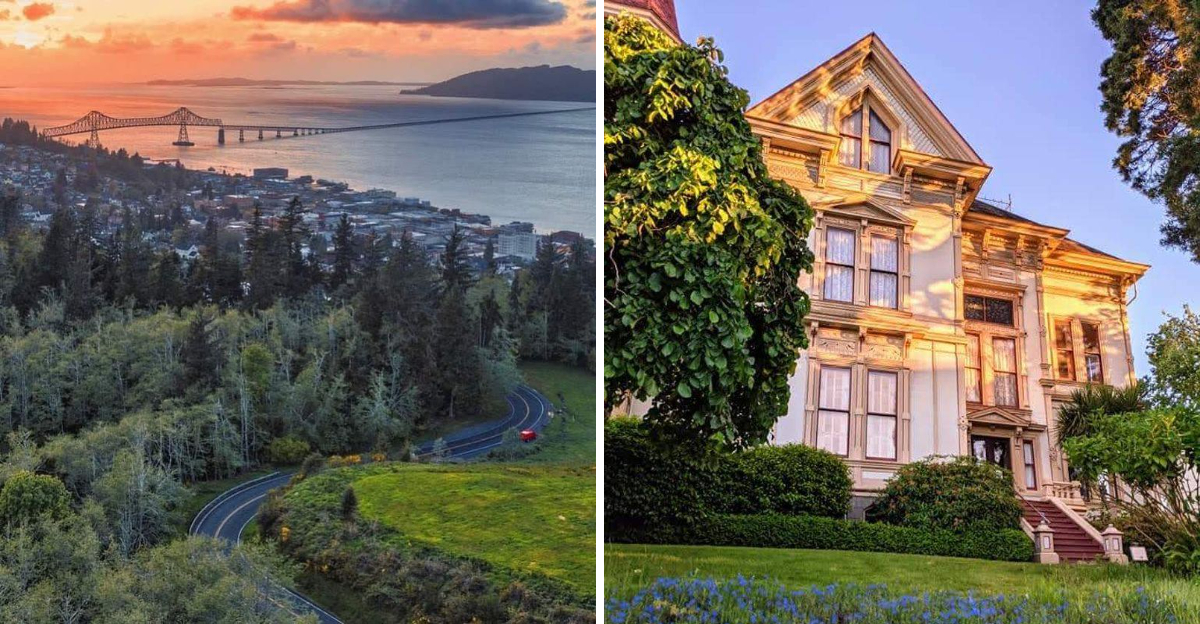
You have probably seen it in movies without realizing it, a timeless coastal town perched where a mighty river meets the vast Pacific. Recent national recognition has put this hidden Oregon gem on the map as one of the most beautiful waterfront towns in the country.
The town is a unique blend of historic charm and breathtaking natural beauty, framed by a steel bridge that stretches across the river. Restored Victorian homes cling to the hillsides, offering stunning views. You can ride a trolley along the waterfront and spot sea lions lounging on the docks.
But it is the river itself that steals the show. It is the lifeblood of the town, where fishing boats bob in the harbor and sunsets paint the sky with colors that seem almost too vivid to be real. Oregon hides its treasures well, but this time the secret is starting to get out.
The Astoria Column, A Landmark That Puts the Whole Town in Perspective
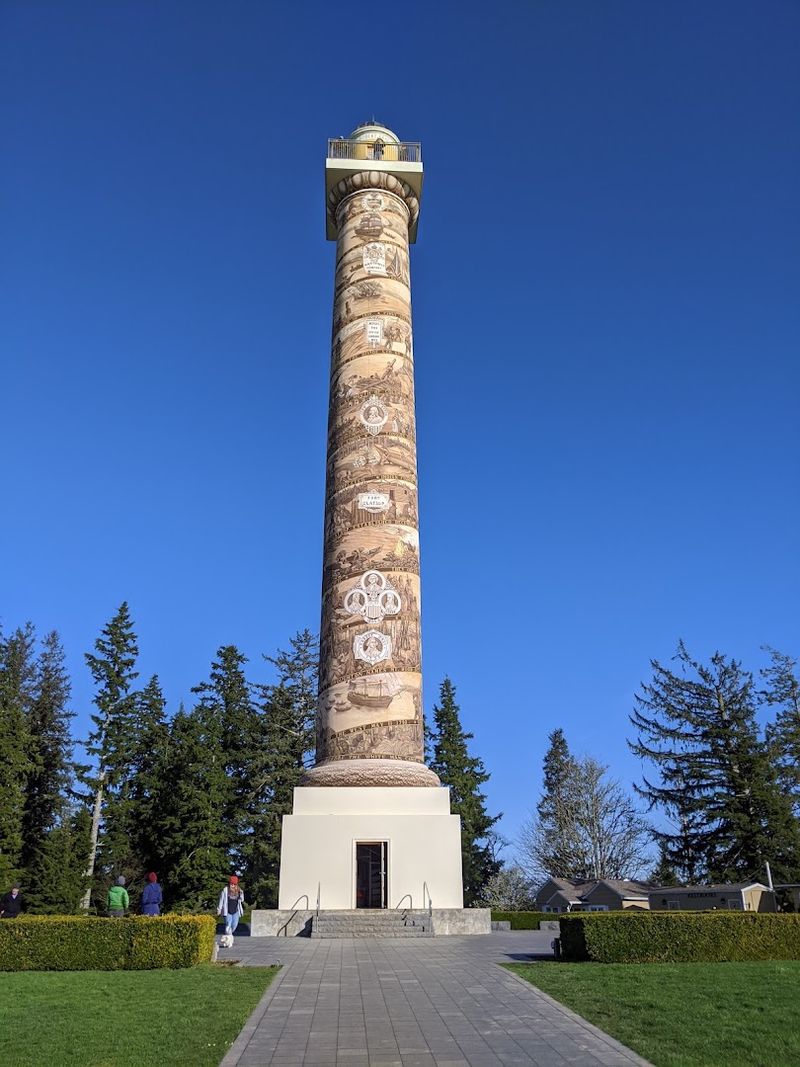
Some places earn their reputation slowly, but the Astoria Column earns it the moment you reach the top.
Rising 125 feet above Coxcomb Hill, this painted tower is covered in a spiraling mural that tells the story of the region. From Native American history to the arrival of Lewis and Clark to the settlement of the Pacific Northwest.
The climb up the interior staircase is tight and a little dizzying, but the view from the top is absolutely worth it. You can see the Columbia River stretching wide to the north, the Pacific glinting in the distance to the west, and the town of Astoria laid out below like a miniature version of itself.
Kids love launching small balsa wood gliders from the top, which you can pick up at the gift shop near the base. It’s a small, cheerful tradition that somehow makes the whole experience feel even more memorable. The column sits at 1 Coxcomb Dr, Astoria, Oregon.
Columbia River Maritime Museum, Where the Water Tells Its Own Story
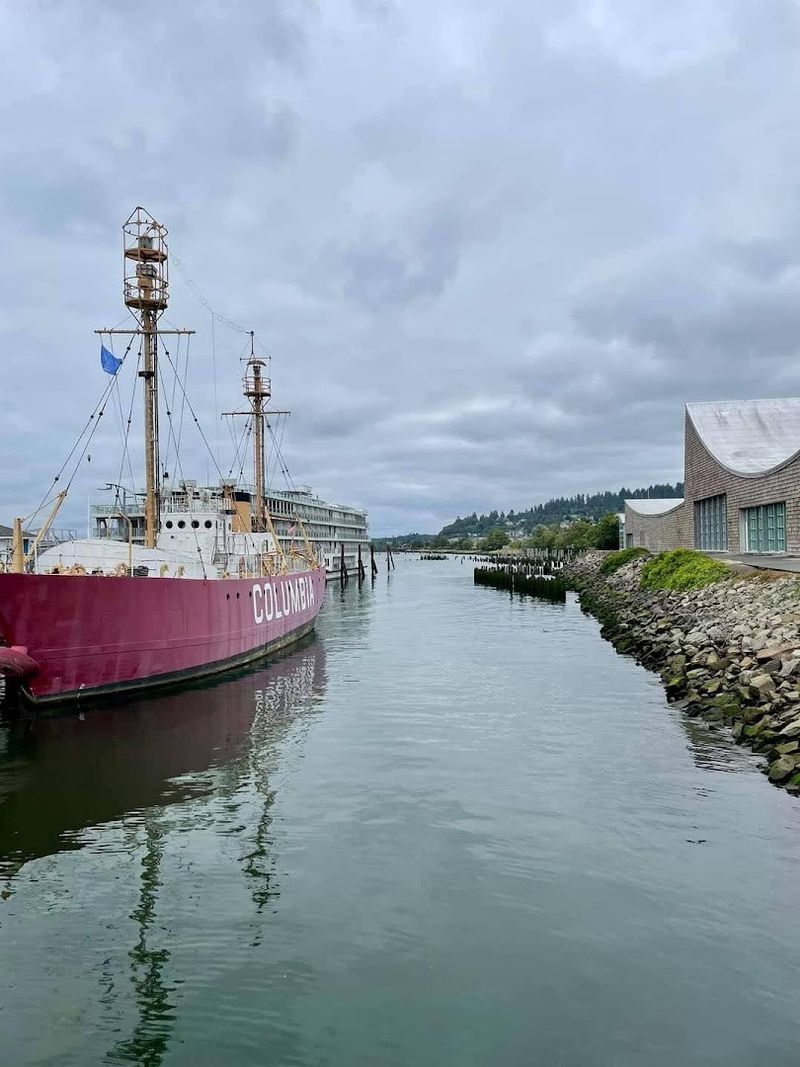
There’s something about standing near the Columbia River that makes you want to understand it better, and the Columbia River Maritime Museum does exactly that. This museum is one of the finest of its kind on the entire West Coast, and that’s not an overstatement.
Inside, you’ll find exhibits on fishing, shipping, and the Coast Guard’s regional history. The bar pilots’ stories are genuinely gripping. They navigate the dangerous Columbia River Bar, known as the Graveyard of the Pacific.
One of the highlights is the actual lightship Columbia, moored just outside and open for tours. It’s a working piece of maritime history you can walk through and touch. The museum manages to make naval history feel personal and immediate rather than dry or distant.
Plan to spend at least two hours here because there’s more to absorb than you’d expect.
Flavel House Museum, Victorian Grandeur Frozen in Time
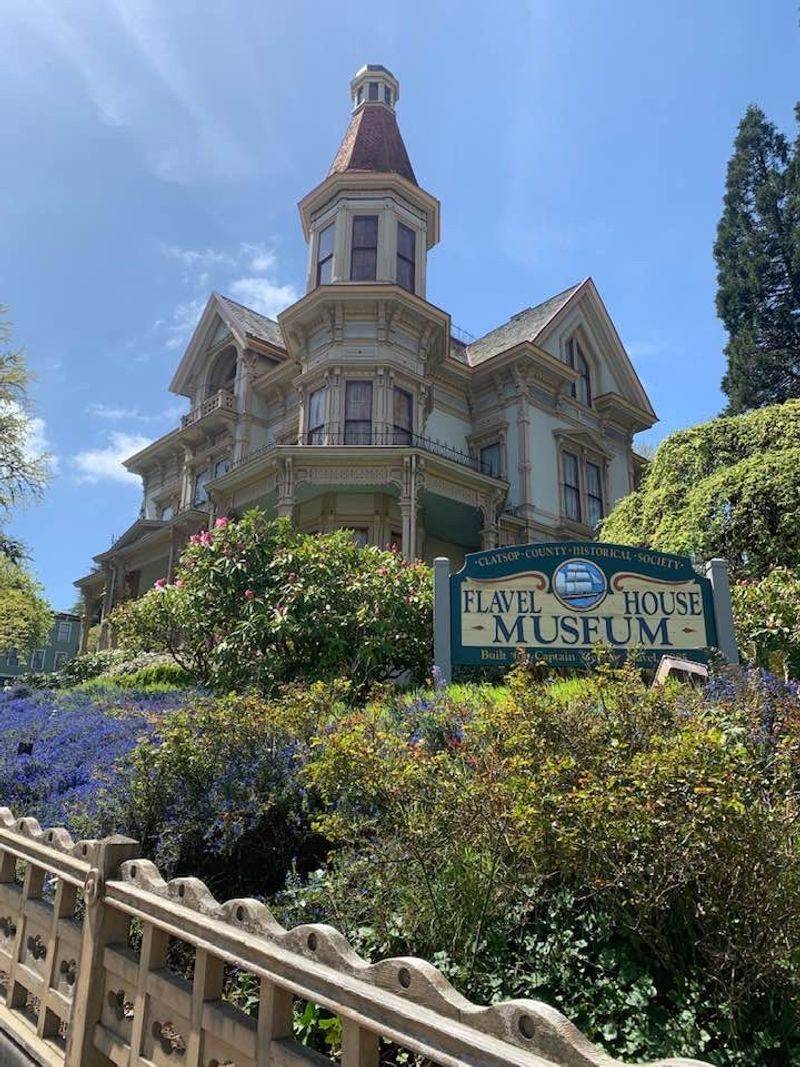
Captain George Flavel built this Queen Anne Victorian mansion in the 1880s. The house has barely changed since. The Flavel House Museum offers a rare view of wealthy Pacific Northwest family life during the Gilded Age. The interior detail is genuinely jaw-dropping.
Original period furniture fills every room, from the parlor to the bedrooms. Carved woodwork, stained glass windows, and towering fireplaces reflect the ambitions of a man who wanted to make a statement.
The surrounding gardens are neatly kept. They add a peaceful, unhurried quality to the visit.
What makes this museum feel different from other historic homes is how lived-in it still feels. Nothing seems overly staged or roped off to the point of sterility. You can almost picture the family moving through the rooms.
It’s a quiet, absorbing stop that history lovers and architecture fans will find genuinely rewarding.
The Astoria Riverfront, a Waterfront Walk That Actually Delivers
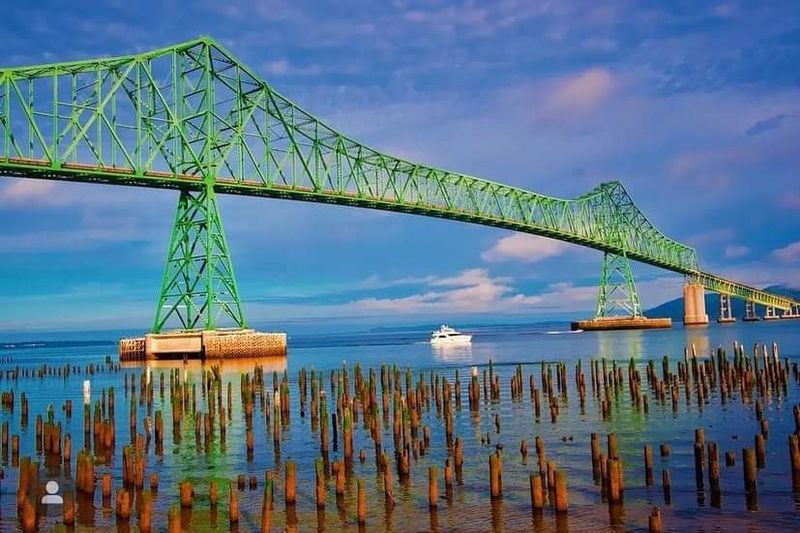
A lot of waterfront areas promise atmosphere and deliver concrete and tourist shops. Astoria’s riverfront is genuinely different. The Astoria Riverwalk stretches for about six miles along the Columbia River.
It passes old cannery buildings, working docks, public art, and sweeping views of the water that change with the light and weather.
The vintage trolley that runs along the waterfront is one of those small, charming details that makes a place feel like itself rather than a generic destination. It rattles along on old tracks with a cheerful bell and connects the west end of the riverfront to the east.
Sea lions often haul out on the old dock pilings near the east end of the walk, barking loudly and completely unbothered by onlookers. It’s one of those unexpected wildlife moments that catches you off guard in the best possible way.
The riverfront is free, open, and endlessly photogenic at almost any hour.
Fort Clatsop, Where Lewis and Clark Spent a Very Wet Winter
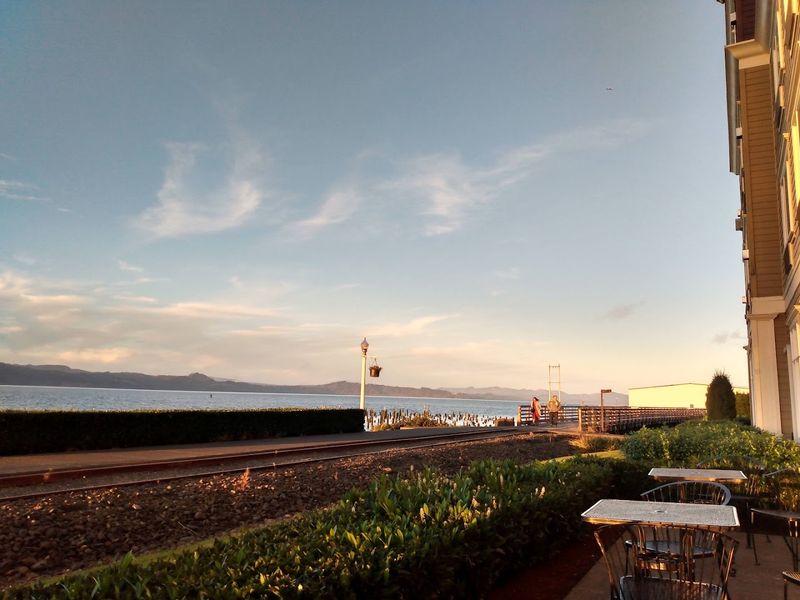
Most people know Lewis and Clark made it to the Pacific. Fewer people know they spent an entire miserable winter just south of present-day Astoria, huddled in a small wooden fort they built themselves.
Fort Clatsop, now part of Lewis and Clark National Historical Park at 92343 Fort Clatsop Rd, Astoria, preserves that story with surprising depth and honesty.
The replica fort is small, which is part of the point. When you step inside and see how tight the quarters were, you get a real sense of how difficult that winter of 1805 to 1806 must have been.
It rained for all but a handful of days during their stay, and the journals from the expedition make it clear morale was not exactly high.
Rangers at the site are knowledgeable and genuinely enthusiastic, which makes the history feel alive rather than textbook-flat. Trails through the surrounding forest add a contemplative layer to the visit. This is the kind of historical site that sticks with you long after you leave.
Astoria’s Victorian Homes, a Neighborhood That Belongs on a Postcard
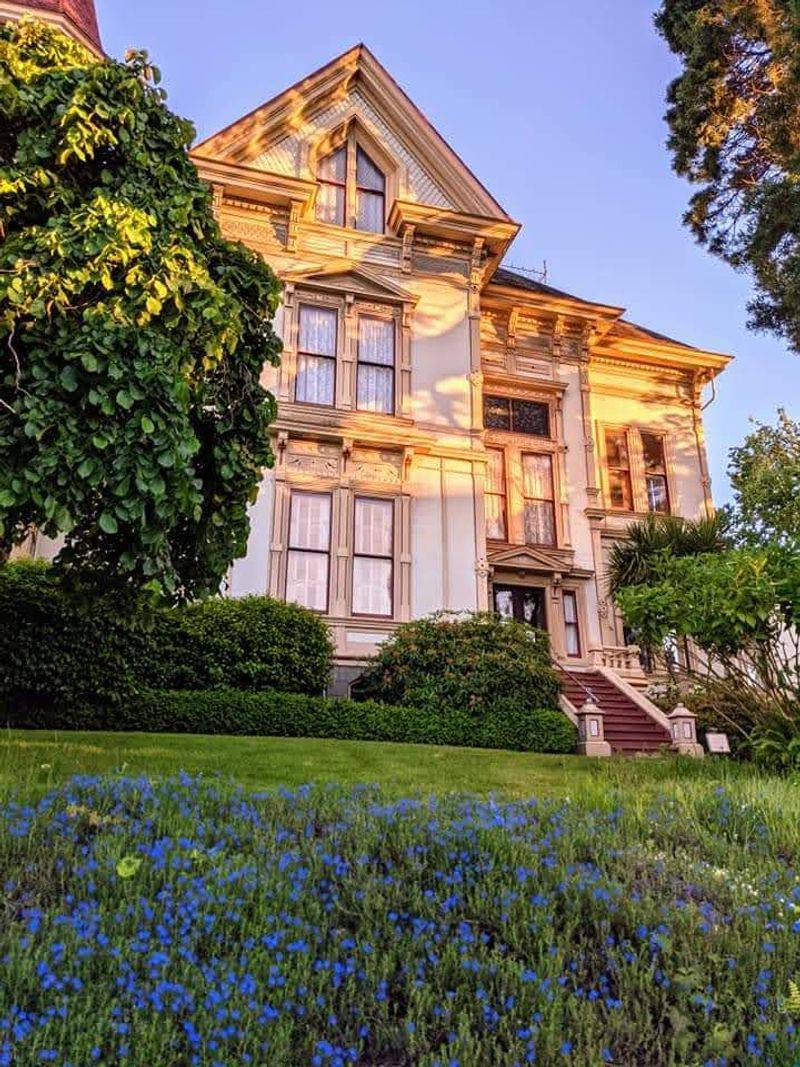
Few towns in the Pacific Northwest can match Astoria’s collection of Victorian-era homes, and the best way to appreciate them is simply to wander. The hillside neighborhoods above the waterfront are lined with Queen Anne cottages and ornate painted ladies.
The steep streets add a certain drama to the whole thing. You’re climbing and descending constantly, catching glimpses of the river between rooftops and through garden gates, which gives the neighborhood a layered, cinematic quality.
I kept stopping to photograph houses I had no intention of photographing when I started walking.
Many of the homes are occupied year-round by locals, which keeps the neighborhood feeling real and lived-in rather than museum-like. Some operate as bed and breakfasts, offering guests a chance to actually sleep inside one of these gorgeous old buildings.
Even a short walk through the upper residential streets of Astoria feels like a genuine discovery.
Local Food Scene, Small Town Cooking With Serious Ambition
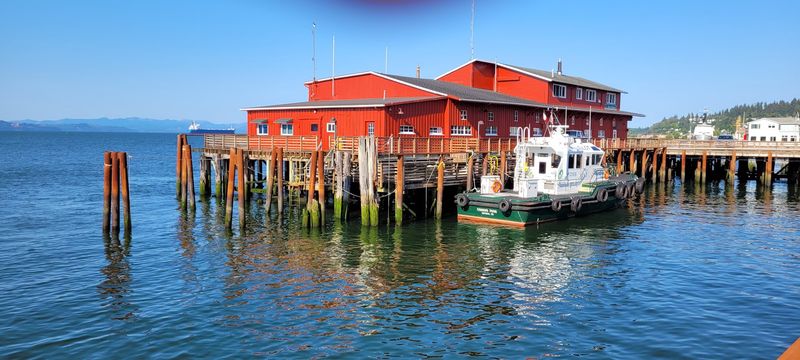
Astoria’s food scene punches well above its weight for a town of its size. Fresh Pacific seafood, local farms, and chefs who clearly care create dining experiences that would hold their own in a much bigger city.
Clemente’s Restaurant at 1198 Commercial St, Astoria, is a local favorite known for its fresh Dungeness crab, which arrives in season from nearby waters and tastes exactly as good as you’d hope.
The dining room is relaxed and unpretentious, which suits the town perfectly. You’re not there to be impressed by the decor; you’re there for the food.
Beyond seafood, the café culture in Astoria is genuinely strong. Coffee shops and bakeries are tucked throughout the downtown area, many with river views or at least a warm, independent character that makes lingering feel natural.
Eating your way through Astoria is one of the most enjoyable ways to understand what the town is actually about.
The Astoria Bridge, an Engineering Marvel You Can’t Stop Looking At
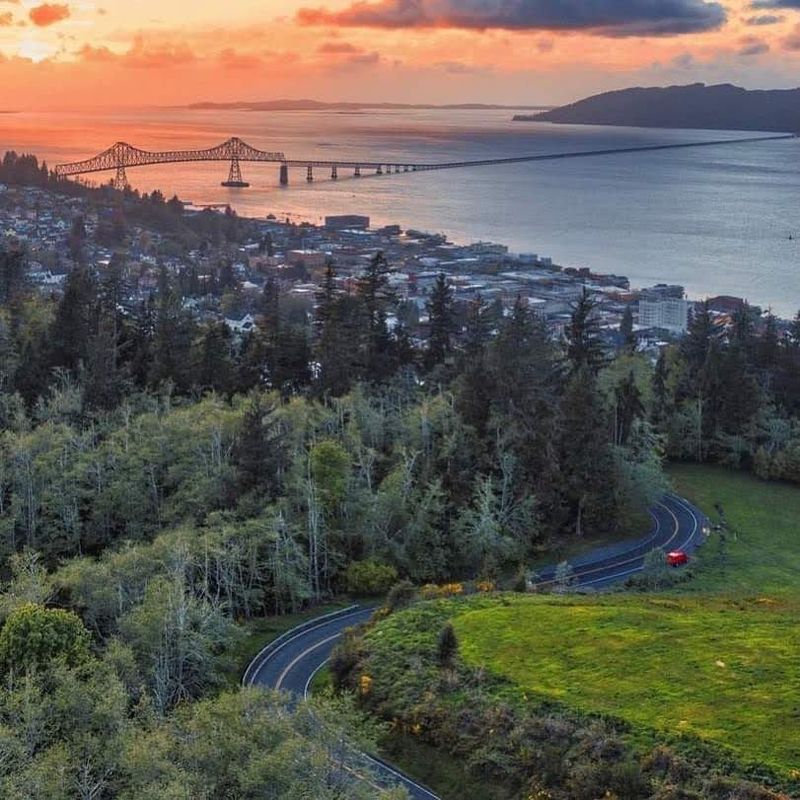
The Astoria-Megler Bridge doesn’t just cross the Columbia River; it commands it. At just over four miles long, it’s one of the longest continuous truss bridges in North America.
From the Astoria waterfront, it stretches across the river in a long, low arc that seems almost impossibly elegant for something so massive.
Watching the bridge at different times of day is its own quiet entertainment. In the early morning, it disappears into the fog and reappears in pieces as the mist clears. At sunset, the whole structure catches fire in shades of orange and pink that reflect off the river below.
You can drive across it into Washington State, which is a worthwhile experience on its own. The height above the water at the center span is significant, and the views back toward Astoria from the bridge deck are spectacular.
Most visitors photograph the bridge from the waterfront, but crossing it gives you a completely different perspective on just how wide and powerful the Columbia River really is.
Ecola State Park, Coastal Drama Just Minutes From Town
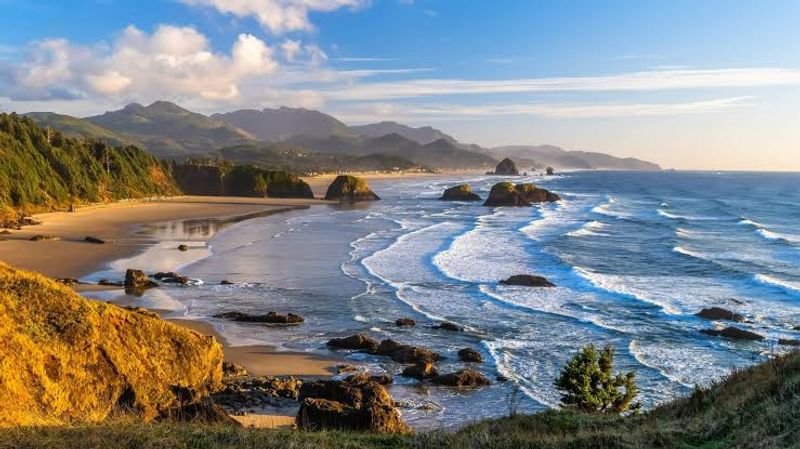
About twenty minutes south of Astoria, Ecola State Park delivers the kind of coastal scenery that makes you genuinely stop talking mid-sentence. The park sits on a headland above the Pacific and offers views of Cannon Beach andTillamook Rock Lighthouse.
Trails through the park wind through old-growth Sitka spruce forest before opening onto cliff-edge viewpoints where the Pacific crashes against sea stacks far below. The contrast between the dark, dense forest and the open ocean is one of those combinations that never gets old.
Ecola is also a well-known surf spot, and watching surfers navigate the cold Pacific swells from the bluffs above is a surprisingly compelling way to spend an afternoon. The park doesn’t charge a steep entrance fee, and the trails are well-maintained and clearly marked.
It’s the kind of place that earns a return visit every single time.
The Spirit of Astoria, a Town That Feels Genuinely Like Itself
What ultimately sets Astoria apart from other small waterfront towns isn’t any single attraction. It’s the feeling the whole place carries, like a town that knows exactly what it is and has no interest in being anything else.
There’s no manufactured charm here, no artificial quaintness designed to attract a certain kind of visitor.
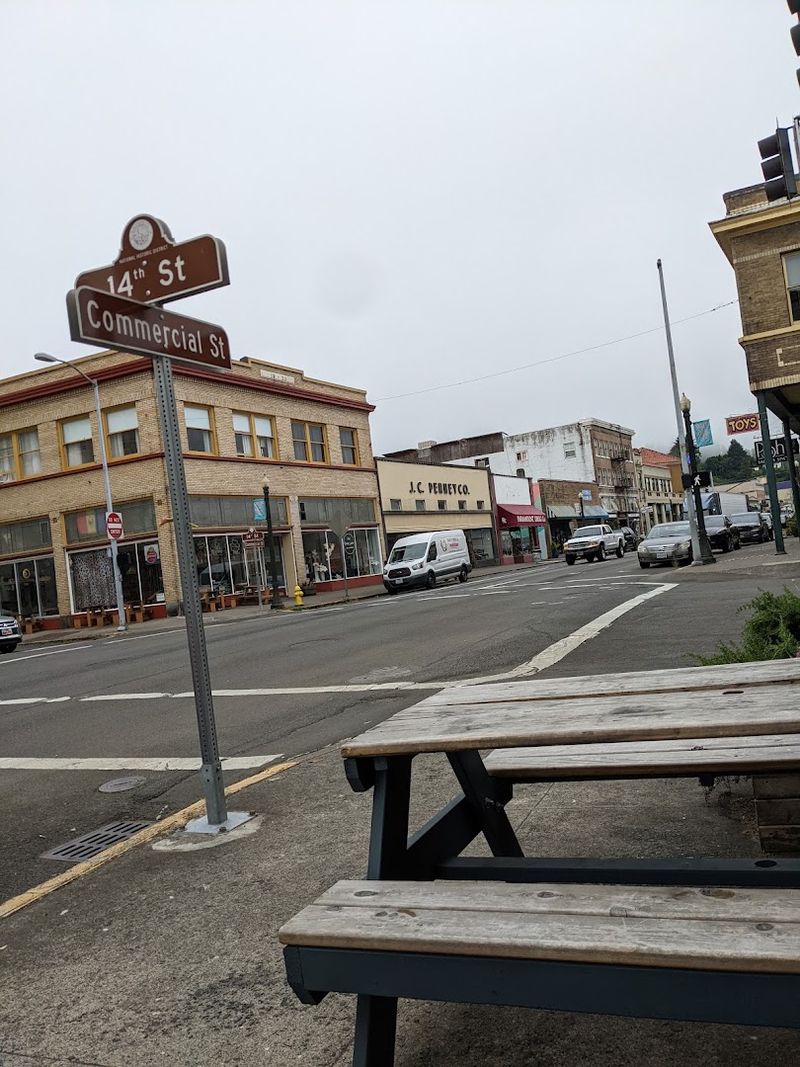
The downtown commercial district along Commercial Street has a genuine mix of independent bookshops, local galleries, working-class diners, and small boutiques. All of them reflect the actual personality of the people who live here.
It feels used in the best sense of that word. Real and honest and slightly weathered by the coastal air.
Astoria has appeared in several films over the years, most famously as the setting for The Goonies, and locals carry that piece of pop culture history. The town wears its identity lightly. After a few days here, you start to understand why people who visit often end up thinking about moving here.
It has that particular pull that’s very hard to explain and very easy to feel.
