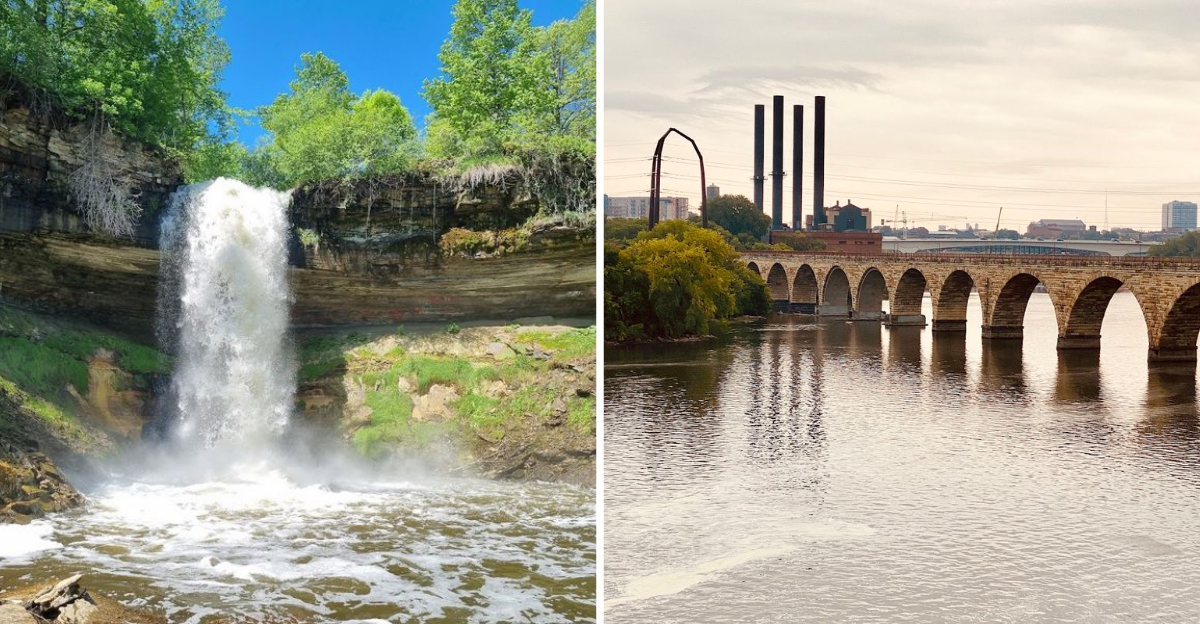
Urban landscapes can hold surprising pockets of nature, and Minnesota has places where rivers, trails, and wildlife exist alongside city life. Scenic overlooks, peaceful paths, and natural spaces create opportunities to enjoy the outdoors without traveling far away.
These destinations offer a different kind of adventure, blending local history with beautiful scenery and easy access.
It is the perfect reminder that memorable outdoor experiences are not always found deep in the wilderness. Sometimes the most unexpected escapes are hiding in plain sight, waiting for curious travelers to take a closer look.
A National Park Unlike Any Other You Have Visited
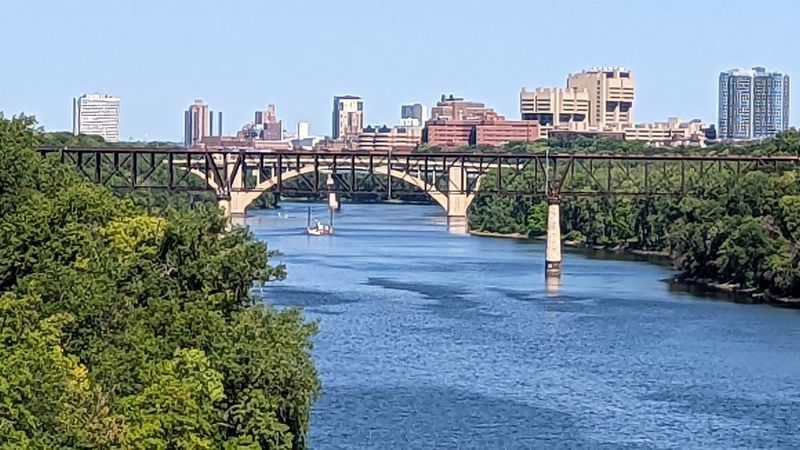
Forget everything you think a national park should look like. The Mississippi National River and Recreation Area does not have a grand entrance gate or a ranger booth at the end of a long mountain road.
It sits right inside one of the country’s most vibrant metro areas, and that is exactly what makes it so unexpected and exciting.
Established in 1988, this park protects a 72-mile corridor of the Mississippi River as it flows through Minneapolis and St. Paul. It covers roughly 54,000 acres, though the National Park Service itself manages only a small portion of that land directly.
The rest is a collaborative patchwork of city parks, regional reserves, wildlife refuges, and natural areas all working together.
This “partnership park” model is rare in the national park system. It means the experience here feels layered and dynamic, more like exploring a living community than touring a preserved wilderness.
You might walk from a limestone bluff trail into a neighborhood coffee shop and back to a riverfront path all within an hour.
That urban-meets-wild energy is part of the charm. Tourists often overlook it because it does not fit the classic national park image.
But locals know better. They come here for morning runs, weekend paddles, and quiet afternoons watching the river move.
It is a park built into everyday life, and that is something genuinely special.
The Stone Arch Bridge and St. Anthony Falls Historic District
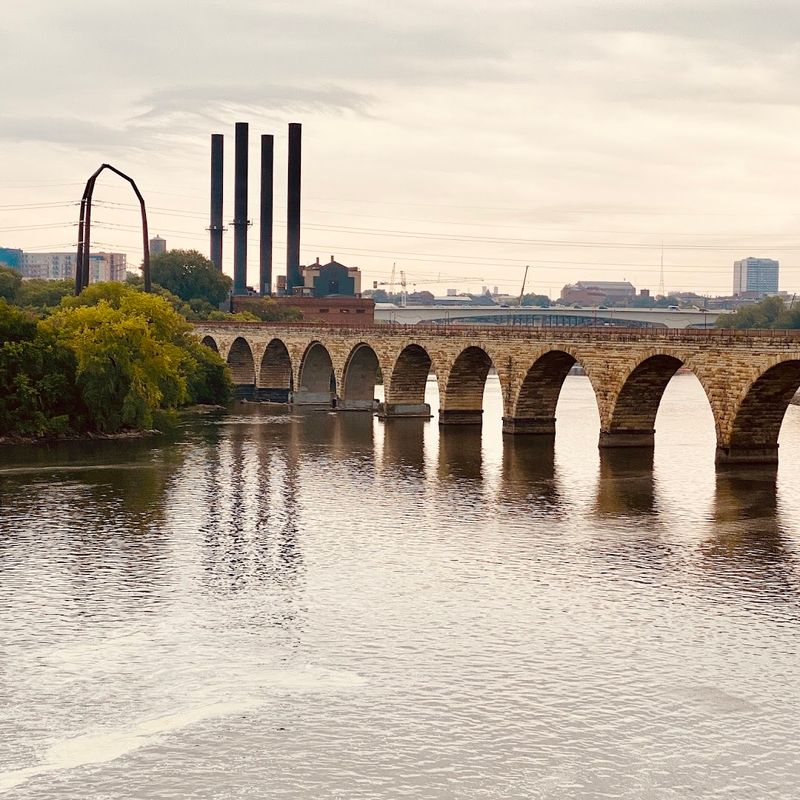
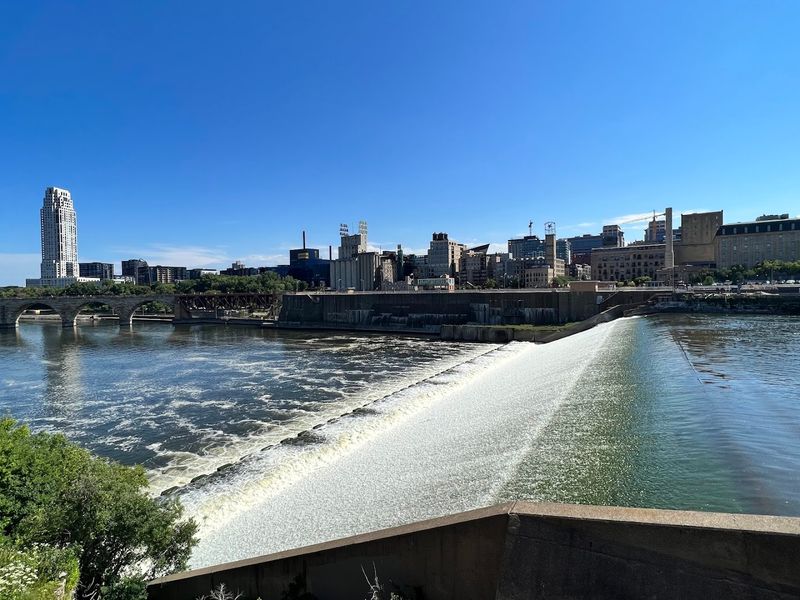
There is something almost cinematic about seeing St. Anthony Falls for the first time. It is the only natural waterfall on the entire Mississippi River, and it sits right in the heart of Minneapolis, framed by an old railroad bridge that has been around since 1883.
The Stone Arch Bridge is now a pedestrian walkway, and the views from it are genuinely hard to forget.
The St. Anthony Falls Historic District tells the story of how this waterfall powered the flour mills that once made Minneapolis the milling capital of the world. Interpretive signs along the riverfront walk explain the industrial history in a way that actually holds your attention.
The Mill Ruins Park nearby adds another layer to that story, with the remains of old stone foundations visible right along the riverbank.
On weekends, the bridge fills with cyclists, joggers, and families pushing strollers. It is one of those places where history and daily life overlap in the most natural way.
You can feel the weight of what happened here without it feeling like a museum visit.
The area is also a great spot for photography, especially in the early morning when the mist rises off the falls. Parking can be tight near the Guthrie Theater and Mill District, so arriving early or biking in from the Midtown Greenway is a smart move.
The whole stretch is free to explore and open year-round.
Minnehaha Falls: The Waterfall Locals Treat Like a Backyard
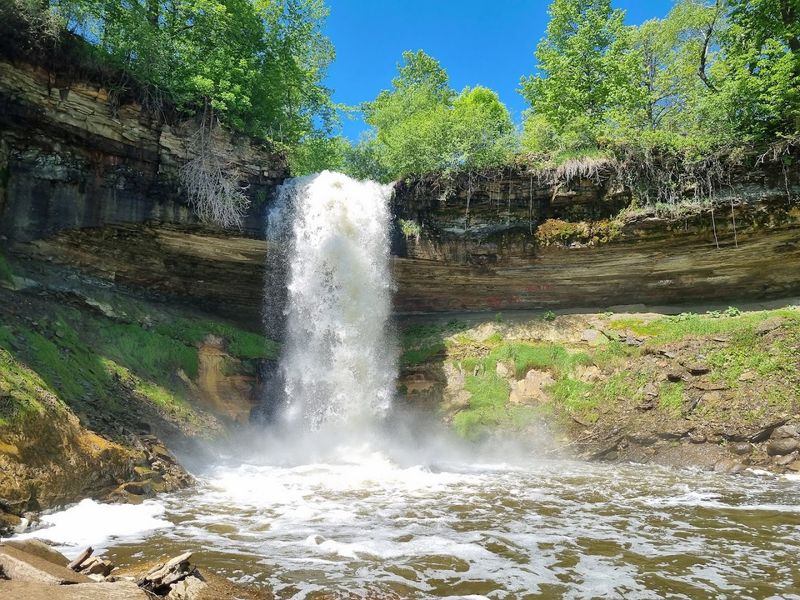
Minnehaha Falls has a way of stopping people mid-sentence. You are walking through a neighborhood park, birds chirping, kids on bikes, and then suddenly there is a 53-foot waterfall dropping into a wooded gorge right in front of you.
It genuinely catches you off guard every time, no matter how many times you have been.
The falls sit within Minnehaha Regional Park, which connects to the MNRRA corridor and offers some of the best trail walking in the Twin Cities. The path from the falls down to the Mississippi River is a particular favorite among locals.
It winds through a narrow gorge with limestone walls on either side, and the temperature drops noticeably as you descend. It feels completely removed from the city even though you are still very much inside it.
Henry Wadsworth Longfellow immortalized this spot in his poem “The Song of Hiawatha,” which added a layer of literary history to an already beautiful place. A statue of Hiawatha and Minnehaha stands near the falls as a nod to that legacy.
In winter, the falls can freeze into a dramatic ice sculpture that draws photographers from across the region. Summer brings picnickers, live music at the nearby bandshell, and families cooling off near the creek.
The park is accessible via the Minneapolis bike trail network, making it easy to build into a longer river day. Address: Minnehaha Park, 4801 Minnehaha Ave, Minneapolis, MN 55417.
Paddling the River: Kayaks, Canoes, and the Paddle Share Program
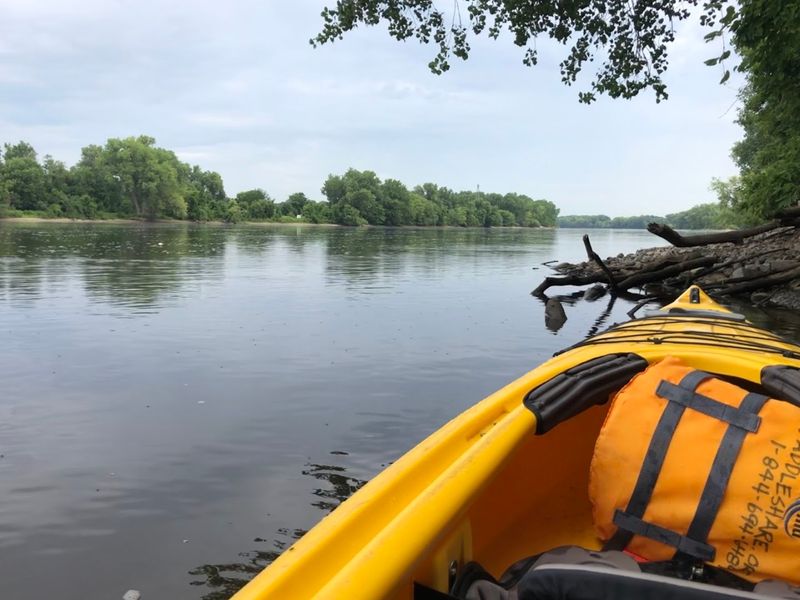
Getting on the water here changes everything. From the shore, the Mississippi looks wide and a little imposing.
But once you are in a kayak or canoe, the river becomes something else entirely, quieter, more personal, and full of small details you simply cannot see from a trail.
The park supports a Paddle Share program that makes it easy for people to rent kayaks and canoes without hauling their own gear across the city. Launch points are spread along the corridor, with East River Flats Park in Minneapolis being one of the most popular starting spots.
Paddling from there down to Harriet Island Regional Park in St. Paul is a route that takes you through Lock and Dam No. 1, which is a genuinely cool experience.
Going through the lock feels a bit like a mini adventure. The gates close behind you, the water level adjusts, and then you float out the other side.
It is one of those moments that makes you feel like you actually did something, not just watched it from a distance.
Birdwatching from the water is also surprisingly rewarding. Great blue herons, bald eagles, and wood ducks are common sightings along the quieter stretches.
Early mornings on the river tend to be calm and misty, which adds a certain magic to the whole thing. If you have never paddled in an urban river before, this is an ideal place to try it for the first time.
Fort Snelling and the Deep History Beneath the Surface
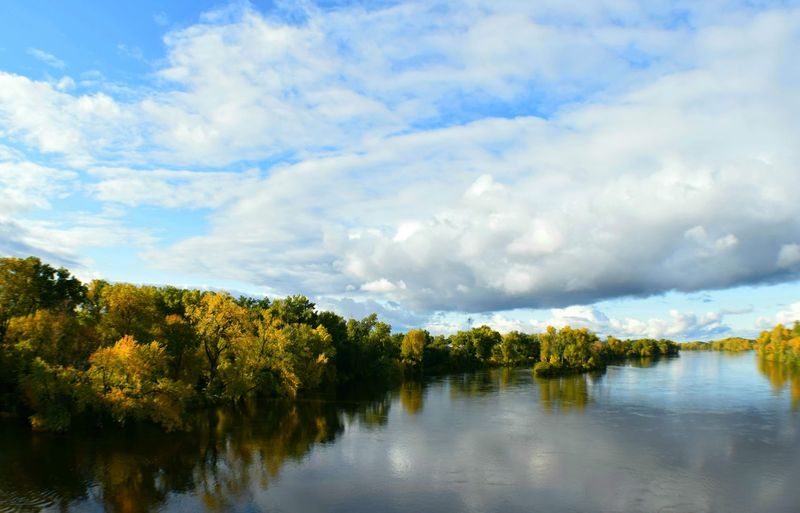
Some places carry history in a way you can actually feel, and Fort Snelling is one of them. It sits on a dramatic bluff at the confluence of the Mississippi and Minnesota Rivers, a spot that has been considered sacred by the Dakota people for thousands of years and later became one of the most strategically important military outposts in the early American frontier.
The fort was built in the 1820s and played a central role in the history of the Upper Midwest. Today it operates as a living history site managed in partnership with the Minnesota Historical Society.
Interpreters in period clothing bring different eras of the fort’s complex history to life, including stories that are not always comfortable but are absolutely necessary to understand.
The park and the fort together sit within the MNRRA corridor, making this one of the most historically rich stops along the entire 72-mile stretch. The views from the bluff down to the river confluence are stunning in any season.
Fall is especially dramatic when the trees on both riverbanks turn gold and orange.
Getting there is straightforward from both Minneapolis and St. Paul, and there is ample parking on site. Spending a few hours here alongside a paddle or a trail walk in the same day is very doable.
The combination of natural beauty and layered human history makes this one of the most compelling stops in the entire park system. Address: Fort Snelling, St. Paul, MN 55111.
Year-Round Trails and the Joy of Hiking Inside a City
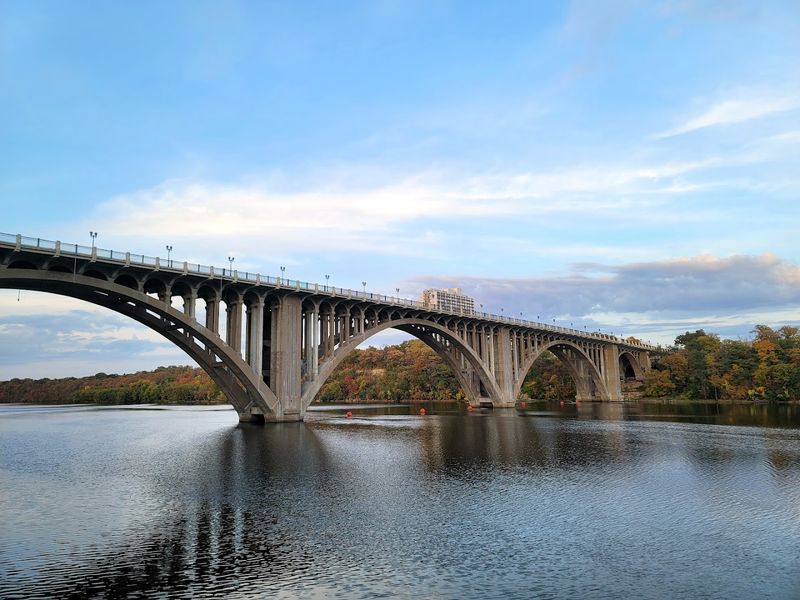
The Winchell Trail might be the best-kept secret in Minneapolis hiking. It hugs the west bank of the Mississippi River gorge for several miles, dipping in and out of the trees, offering unexpected river views and the kind of quiet you do not expect to find inside a major city.
I did it on a weekday afternoon and passed maybe a dozen people the whole time.
The MNRRA trail network extends far beyond Winchell, connecting parks, neighborhoods, and landmarks across both cities. The Mississippi River Trail, a long-distance cycling and walking route, runs through the entire corridor and is part of a much larger national trail system.
Whether you want a short flat walk or a longer hike with elevation changes along the gorge, there is something that fits.
Winter hiking here is genuinely underrated. The gorge fills with snow, the frozen river glints in the low afternoon sun, and the trails stay relatively clear thanks to consistent maintenance.
Some sections near the bluffs get icy, so traction devices for your boots are worth packing from November onward.
Spring brings wildflowers and migrating birds, making the trails feel refreshed and lively after the long Minnesota winter. Summer mornings are ideal for longer outings before the heat builds.
Autumn is simply gorgeous, with the river corridor turning into a tunnel of red, orange, and yellow. Every season offers a genuinely different experience on the same trails, which is rare and worth appreciating.
Rangers, Events, and the Community That Makes This Park Alive
One thing that sets the Mississippi National River and Recreation Area apart from most parks is how actively the National Park Service engages with the communities around it. This is not a place where rangers stay behind a desk.
They lead bike rides, paddle trips, nature walks, and interpretive sessions throughout the year, often free and open to anyone who shows up.
The visitor center is located at 120 W Kellogg Blvd in St. Paul, inside the Science Museum of Minnesota. It is a smart setup that draws in families who might not have originally planned to learn about the river.
The exhibits inside are accessible and genuinely interesting, covering the ecology, geology, and human history of the Mississippi in a way that works for kids and adults equally well.
Community events here range from lighted night hikes along the bluffs to guided birdwatching mornings and youth fishing programs. The park also supports the Twin Cities Water Rats water ski show, a free weekly event on summer Thursday nights that draws big crowds and a lot of genuine enthusiasm from locals.
What you feel here is investment. People care about this river and this park in a personal way.
Volunteers pick up trash, local organizations run programming, and neighborhoods treat the riverfront as an extension of their own backyards. That sense of shared ownership is something you cannot manufacture, and it makes every visit feel warmer and more connected than a typical park experience.
Address: 120 W Kellogg Blvd, St Paul, MN 55102.
