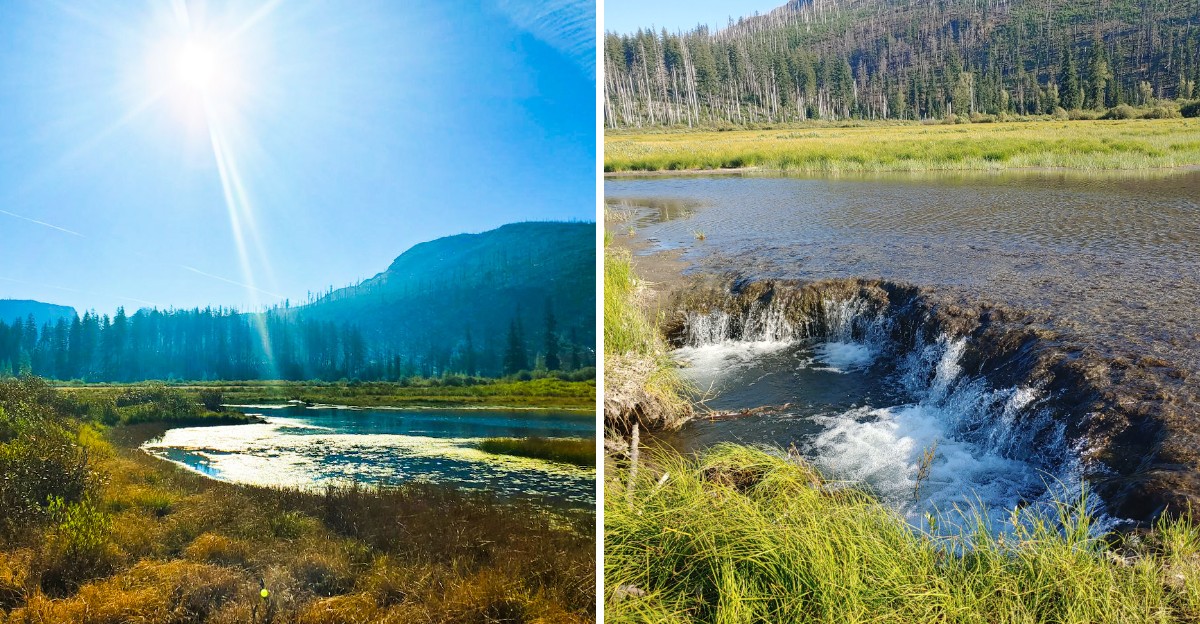
No pipes, no pumps, no suspicious guy with a drain plug. This Oregon lake just vanishes on its own schedule every year.
Water fills the basin steadily through spring, looking like any normal lake for months at a time before gradually sinking straight down through volcanic rock hidden beneath the surface. Nobody built a drainage system here either.
Lava tubes handle the job naturally, swallowing the entire lake until barely a puddle remains by late summer.
Explaining a disappearing act this consistent takes real geology, not magic, though it’s tempting to believe otherwise standing at the empty basin. Volcanic rock did all the engineering here, leaving behind a lakebed that empties itself like clockwork every single year.
A lake that vanishes without explanation sounds like folklore until you watch it happen yourself. Come back twice in one year in Oregon, and the same spot looks like two completely different places.
A Lake With a Drain Nobody Built
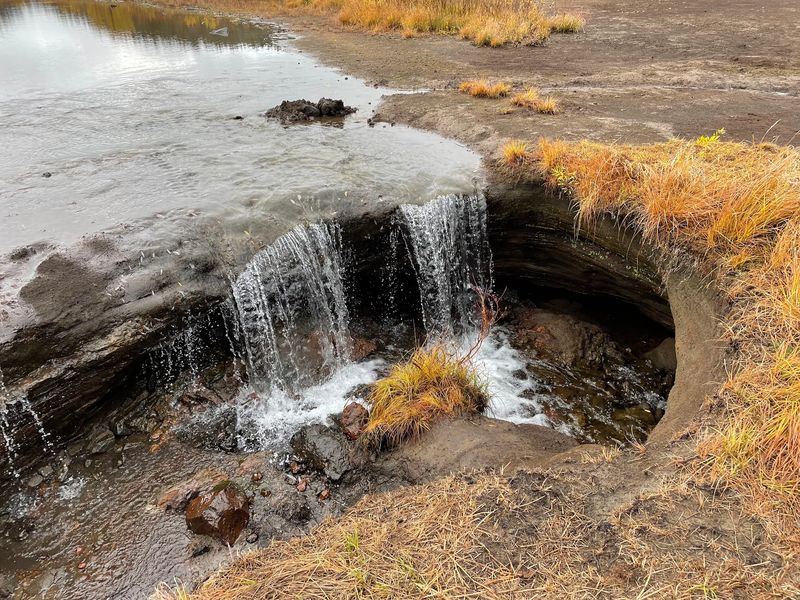
Water pouring into the ground is not something you expect to see on a casual afternoon. At Lost Lake, it happens every year, and it still surprised me. Creeks and snowmelt fill the basin, then the water finds openings in old volcanic rock and simply vanishes.
Those openings are lava tubes. Long ago, rivers of molten lava flowed through this area near the Cascade crest. The outside of each flow cooled and hardened first, while the hot center kept moving and eventually drained out, leaving hollow tunnels behind.
Today, those tunnels act like giant natural pipes. Water seeps and tumbles into them, then travels underground through porous rock. Pretty wild, right? No pumps, no dams, no engineers. Just geology doing its slow, patient work.
Knowing the backstory makes the visit far more fun, especially since the site has no signs explaining any of it. Read up a little before you go, and bring kids if you can. Watching their faces when they realize the lake is sinking into the earth is worth the trip alone.
Finding the Hidden Turnoff
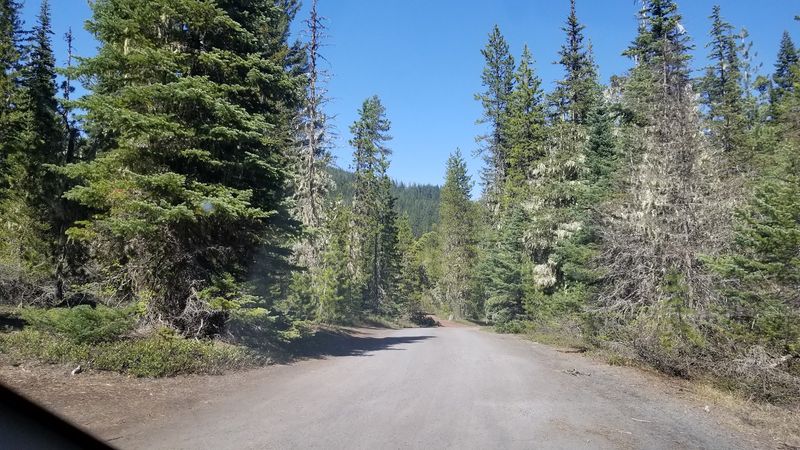
Getting a little lost on the way to Lost Lake feels almost fitting. The turnoff from Highway 20/22 is easy to miss, and road markings are sparse. Slow down near the Santiam Pass area west of Sisters and keep your eyes open.
Once off the highway, a short dirt road of roughly a quarter mile leads to the campground and day-use parking. The drive takes only a few minutes. Ordinary cars handle it fine in dry weather, though potholes can appear after storms.
From the parking area, a short walk of about five minutes crosses a grassy field toward the lake bed. There is no official trail sign pointing to the tubes. Honestly, that adds to the treasure hunt feeling.
A handy trick is to listen. When water is flowing, the sound of it splashing into the rock gives away the location before you even see it. Download offline maps beforehand, since cell service can be spotty in the mountains.
With a little patience, the hidden hole in the ground reveals itself, and the search becomes part of the memory.
Spring Brings the Full Show
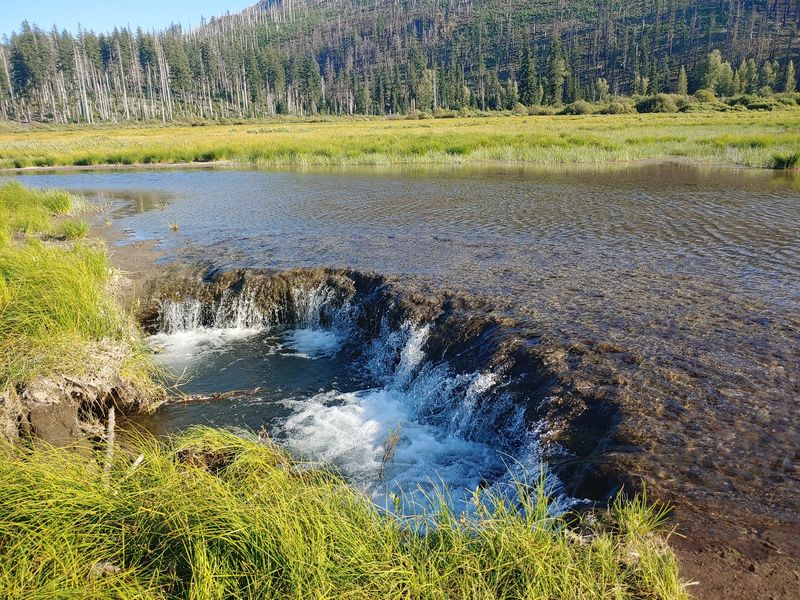
Timing matters here more than almost anywhere I have visited in Oregon. Come in May or early June, and the lake is full, shimmering, and busy draining into the rocks with real energy.
Snowmelt from the surrounding Cascade slopes feeds the basin through late spring. That extra water means a louder, more dramatic flow into the lava tubes. You can often hear the gurgle and rush from a good distance across the meadow.
The scenery shines brightest in this season too. Grass turns a deep, almost glowing green. Wildflowers start poking up along the edges, and the air smells fresh and piney after cold mountain nights.
Keep in mind that higher elevation means lingering snow some years, especially early in May. Check road and weather conditions before heading out, and pack layers because mornings can feel surprisingly chilly. Waterproof shoes help as well, since the ground near the water stays soggy.
Spring visitors get the best version of the disappearing act, so plan accordingly if seeing the drain in full motion is your main goal.
When Summer Steals the Water
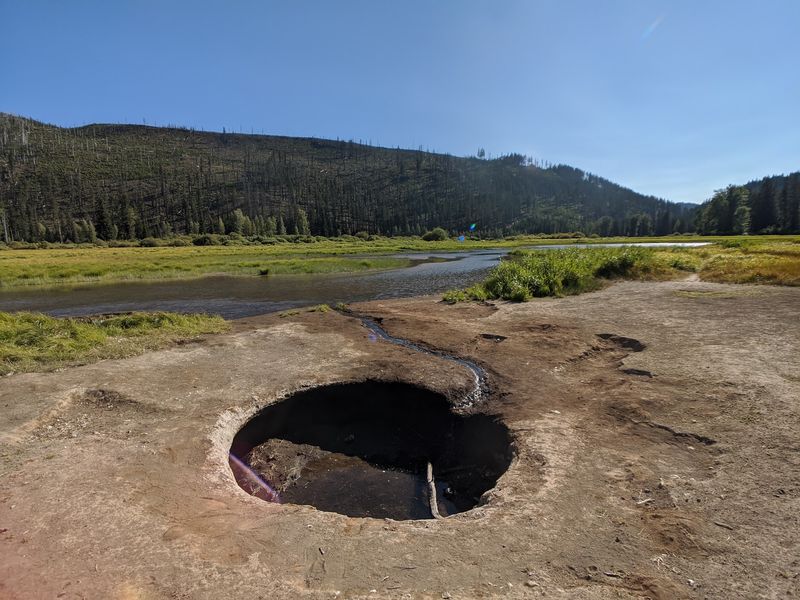
By August, the lake often looks like it packed up and left town. Visitors arriving late in the season sometimes find only a marsh with a few shallow pools scattered across the basin.
Here is the upside. With the water gone, the lava tube openings become much easier to see and approach. Earlier in summer they can hide under the surface, but later you can walk right up to the holes and peer into the dark rock.
Some years, there are two visible openings. Others report a third appearing as the ground shifts. The landscape keeps changing, which means no two visits look quite the same.
Expect dry, crunchy grass and warm afternoons. Sunscreen and a hat are smart, since the meadow offers little shade. A small trickle might still flow into the pit, or it might be completely quiet.
Meadows Made for Wandering
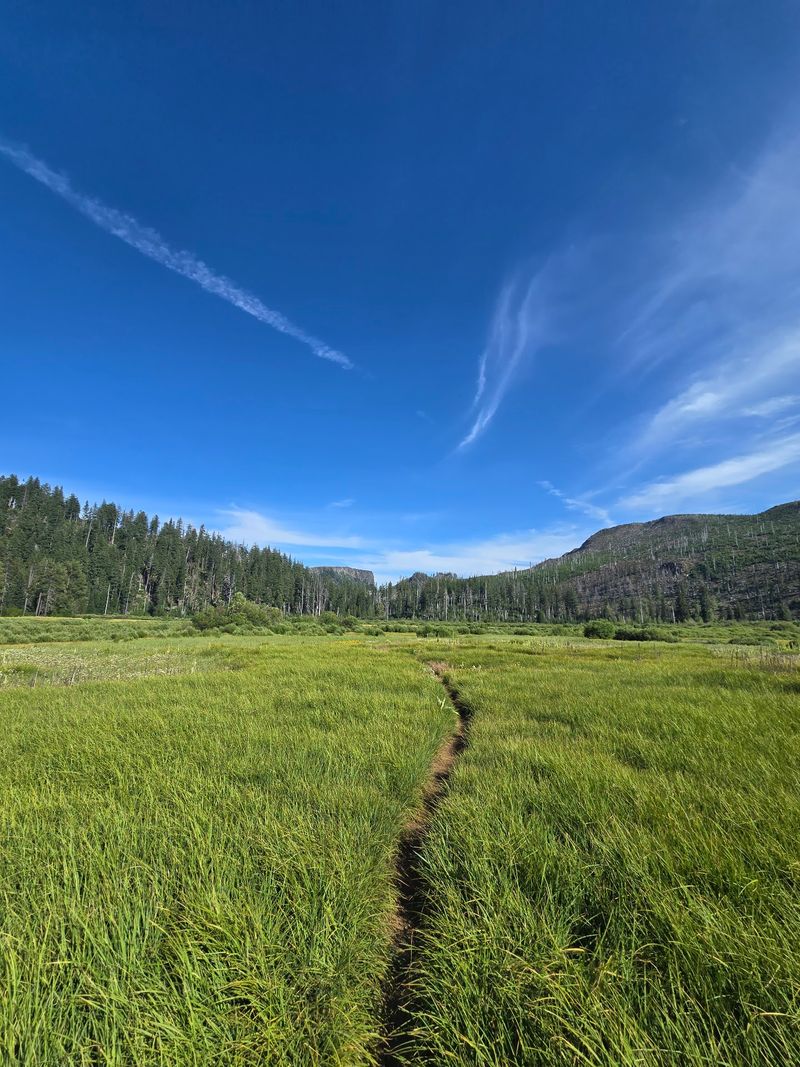
Big, open fields have a way of making grown adults want to skip. The meadows around Lost Lake are exactly that kind of place, soft and wide and framed by tall evergreen forest.
Wander freely, but wander kindly. The grass hides plenty of small life, including tiny frogs that hop out from under your feet without warning. Step carefully, especially near wetter areas, and stick to existing paths when you spot them.
The views shift as you move. Toward the edges, dark conifers rise like a wall. Out in the middle, the sky opens up and the whole basin feels peaceful, almost hushed.
Bring a blanket and a simple picnic if the weather cooperates. Kids can burn off energy after hours in the car. Photographers will love the light in early morning or late afternoon, when the grass glows gold.
Frogs, Fish, and Hunting Ospreys
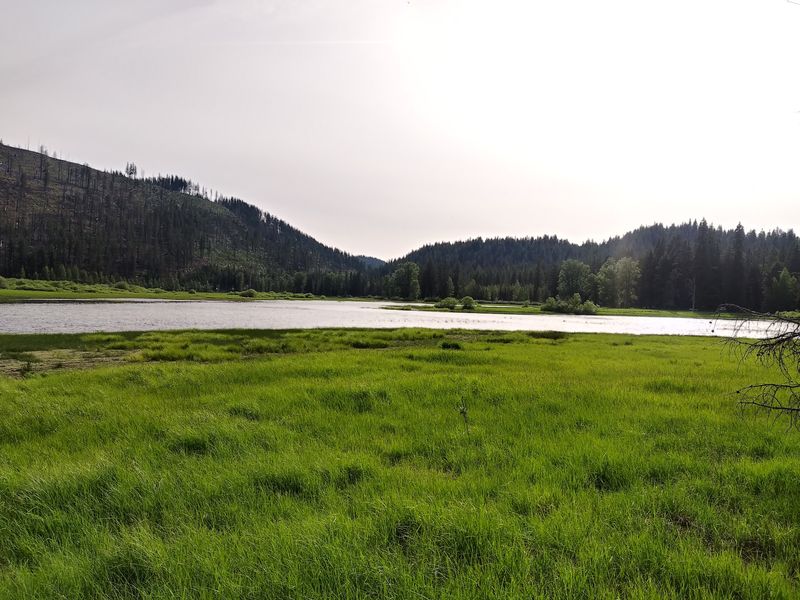
Something rustled near my boot, and a frog the size of a thumbnail launched itself into the reeds. Moments like that happen constantly at Lost Lake, where wildlife seems to treat the marsh like a busy neighborhood.
Frogs are the stars, especially in spring and early summer. Baby frogs scatter across the damp ground in huge numbers. Watch your step, seriously.
When the water is higher, fish sometimes jump near the surface, sending little rings rippling outward. Those fish attract hungry visitors from above. Ospreys circle overhead, then fold their wings and plunge toward the water with impressive speed.
Bring binoculars if you have them. Early morning offers the best chance to see birds hunting, and the marsh often hosts ducks, songbirds, and the occasional deer near the forest edge.
Give animals space and never feed them. Quiet voices help too, since wildlife tends to stay put when people move slowly. A patient half hour sitting on a log can turn into the highlight of the entire trip.
Campsites With Room to Breathe
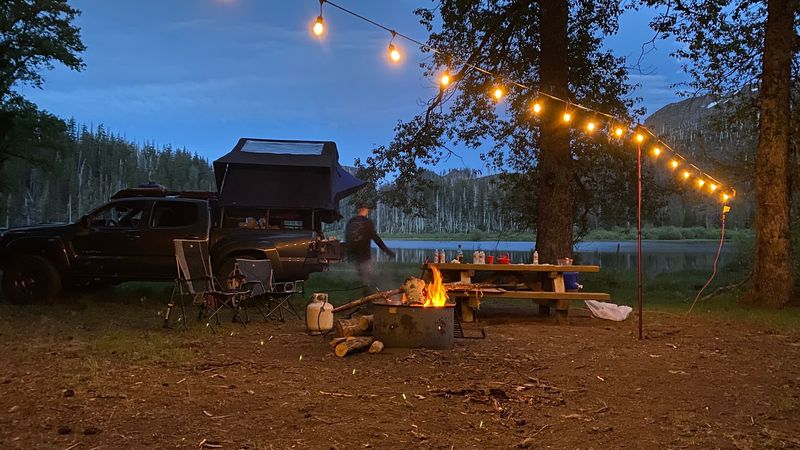
Plenty of campgrounds squeeze you next to the neighbors. Lost Lake Campground does the opposite, spreading generous sites around the edge of the seasonal lake with lots of breathing room.
Sites are first come, first served. Each one typically includes a picnic table and a fire pit, and vault toilets sit around the grounds, although some campsites require a longish walk at night. Bring a headlamp. You will thank yourself at 2 a.m.
The location works beautifully as a stopover for road trips across the Cascades toward Sisters and Bend. Day visitors can also use the picnic area for lunch and a leg stretch.
Fallen trees from past storms appear in places, but the main camp and picnic spots remain open. Check current fire restrictions before lighting anything, since summer bans are common in central Oregon forests.
Arrive earlier in the day on summer weekends for the best pick. Stays have a maximum limit, so plan longer trips with that in mind and keep your site tidy for whoever rolls in next.
Fog Over the Marsh at Dawn
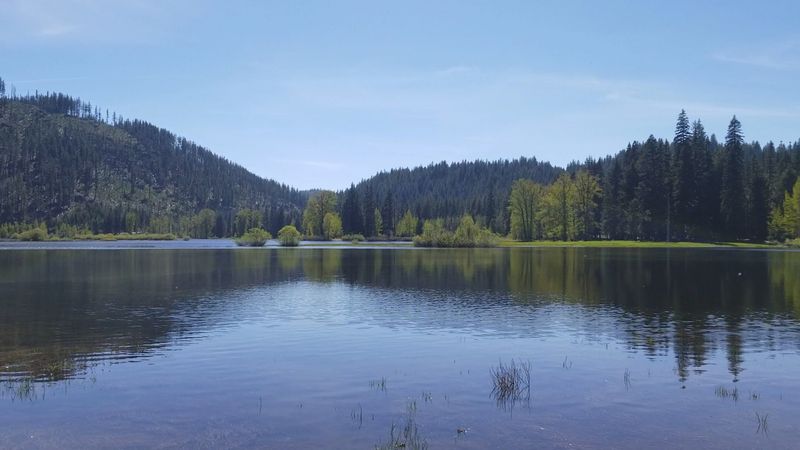
Setting an early alarm while camping sounds terrible until you see what waits outside the tent. Around seven in the morning, fog often drifts low across the marsh, turning the whole basin soft and silvery.
Everything feels slower at that hour. Bird calls echo across the water. Dew clings to the grass, and the trees fade in and out of the mist like a dream that cannot decide whether to stay.
Highway noise, which can carry across the valley during the day and into the evening, mostly fades by late night and early morning. That makes dawn the calmest window of all.
Grab a warm drink, wrap up in a jacket, and find a spot near the edge of the meadow. No need to do anything. Just watch the light change as the sun climbs and burns the fog away bit by bit.
Photographers, this is your moment. Bring a tripod for the low light, and shoot quickly, since the mist can vanish within minutes once the sun gets serious.
Bring Bug Spray, Trust Me
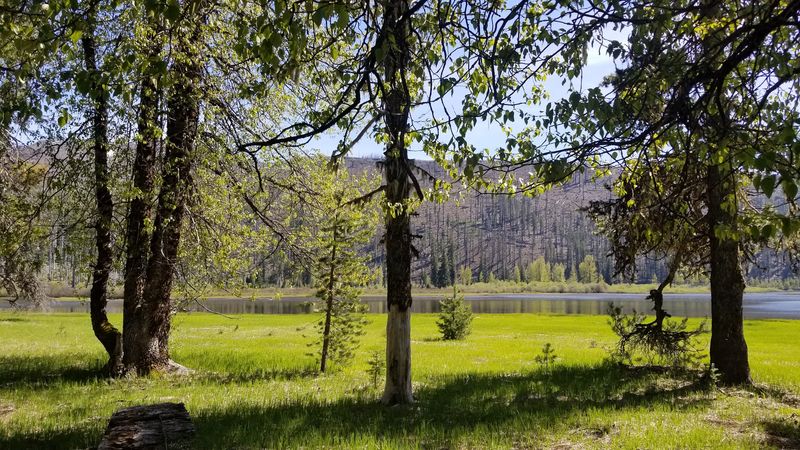
Mosquitoes love Lost Lake just as much as people do, maybe more. Standing water and marshy ground make perfect breeding spots, so summer evenings can get buggy fast.
The worst stretch usually runs from late spring through August, especially near the water at dusk. Some campers find their sites fine while the marsh edge buzzes like a tiny orchestra. Others get swarmed right at the picnic table.
Preparation fixes most of it. Pack a reliable insect repellent, and reapply after sweating or swimming. Long sleeves and pants help a lot once the sun dips, and a light hoodie can feel like armor.
Choosing a campsite a little farther from the wettest areas can reduce the bites too. A breezy spot is even better, since mosquitoes struggle in wind.
Daytime tends to be much easier, so plan meadow walks and lava tube visits for midday if bugs bother you. A little planning keeps the itching to a minimum and lets the peaceful atmosphere win the day instead of the insects.
A Quiet Stop Worth Slowing Down For
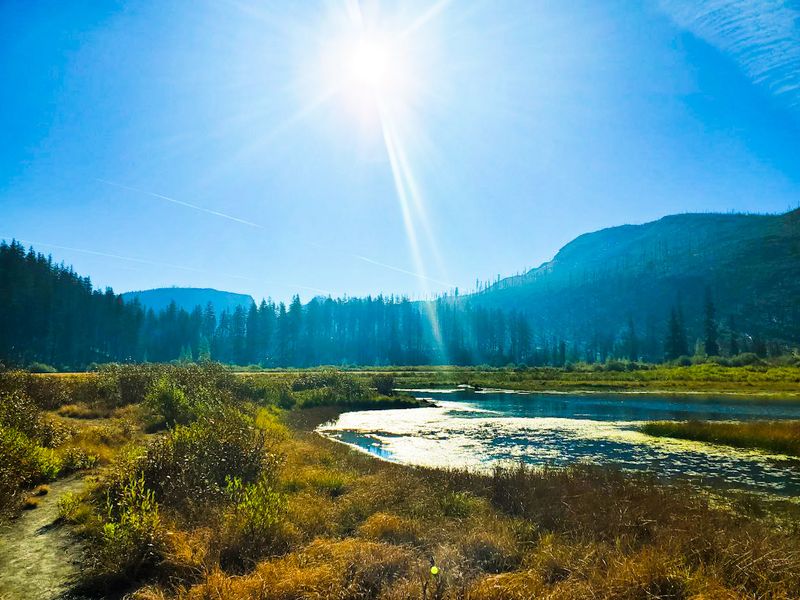
Plenty of travelers pull in, glance around, and nearly leave because it does not look like much at first. Stay a little longer. The magic here reveals itself slowly, one sound and one small discovery at a time.
There is no visitor center, no gift shop, and no information board explaining the geology. That simplicity is part of the charm. It feels like stumbling upon a secret that nature forgot to advertise.
Many people find genuine calm here. The open sky, soft meadow, and gentle trickle of water create a peaceful mood that helps shake off stress from long drives or busy weeks.
Treat it with care. Pick up any trash you see, stay on durable ground, and keep fires inside designated rings. Small actions protect this fragile, ever-changing spot for future visitors.
Whether you camp overnight or stop for a quick lunch, give yourself time to listen for falling water and watch the light shift. You will find Lost Lake Lava Tube at Lost Lake, Sisters, OR 97759, just off Highway 20 near Santiam Pass.
