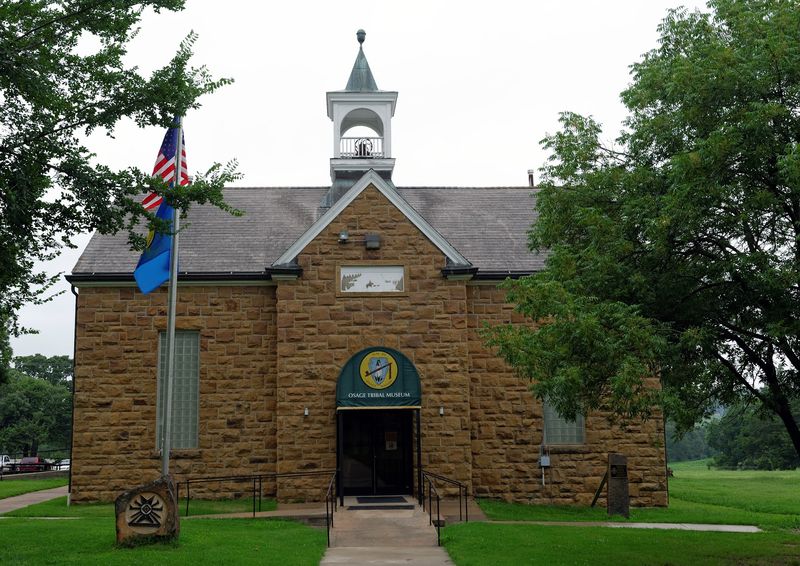
I pulled off a quiet road in northeast Oklahoma expecting a quick stretch and maybe a vending machine snack, nothing more. Instead I found a modest stone building that held more history than some big-city museums twice its size.
The people inside did not just display the past; they told it in their own words, with pride and warmth. If you have ever wanted proof that Oklahoma hides its best stories in the most unassuming places, keep reading.
A Stone Chapel With a Big Purpose
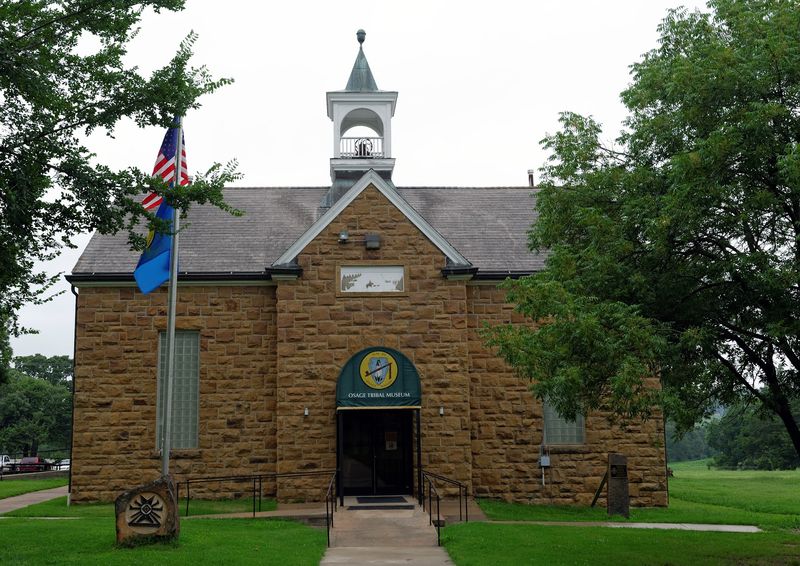
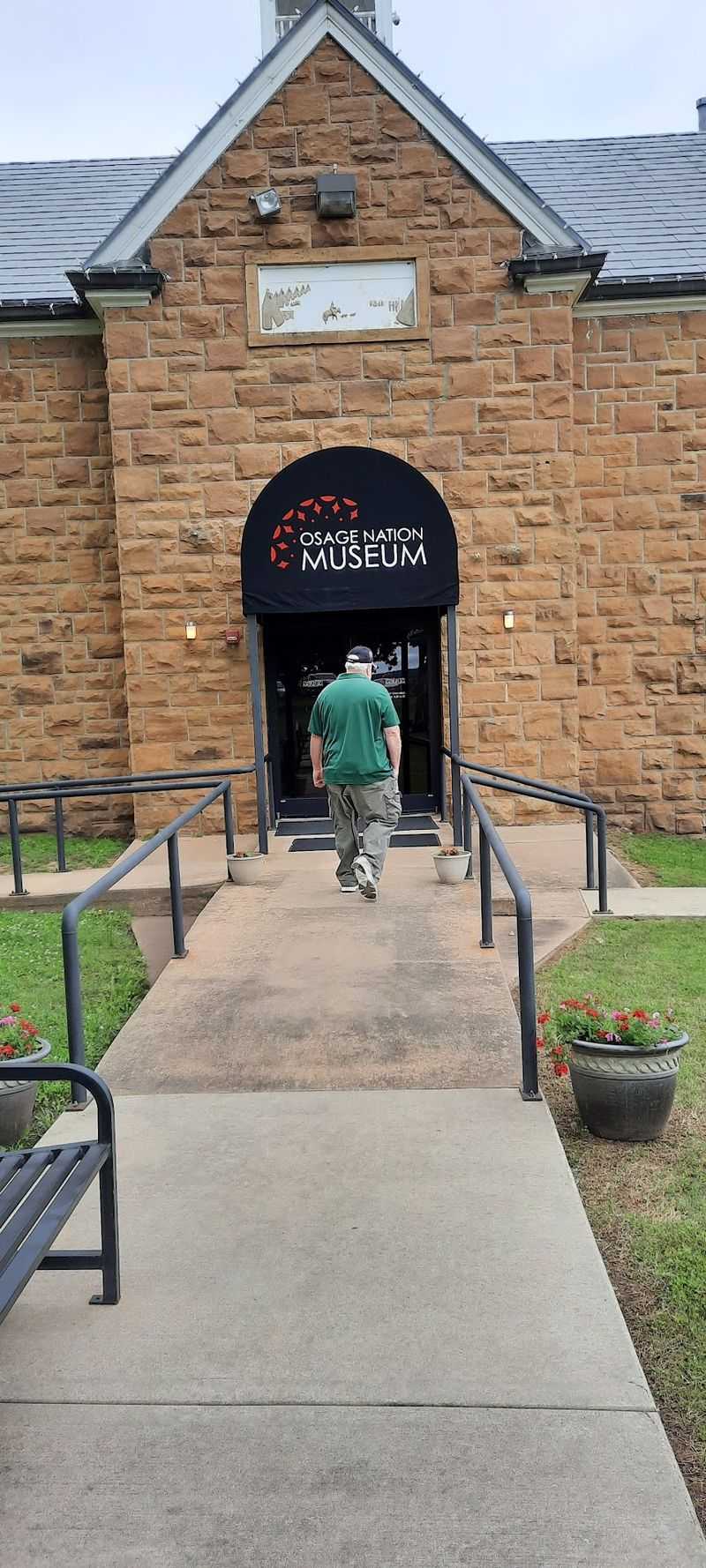
Picture a sturdy stone chapel from 1872 sitting on a hillside in Osage County. That old building is home to the Osage Nation Museum, and it carries a title no other place can claim.
It is the oldest tribally owned museum in the United States.
Founded in 1938, the museum was created so the Osage people could preserve and share their history from their own point of view. That idea sounds simple today, but back then it was rare for a tribe to run its own museum.
The Osage did it anyway, and they have kept the doors open for generations.
Inside, you will find art, artifacts, photographs, and stories that trace the Osage journey from long before European contact up to modern life. The collection covers language, traditional clothing, ribbon work, beadwork, and much more.
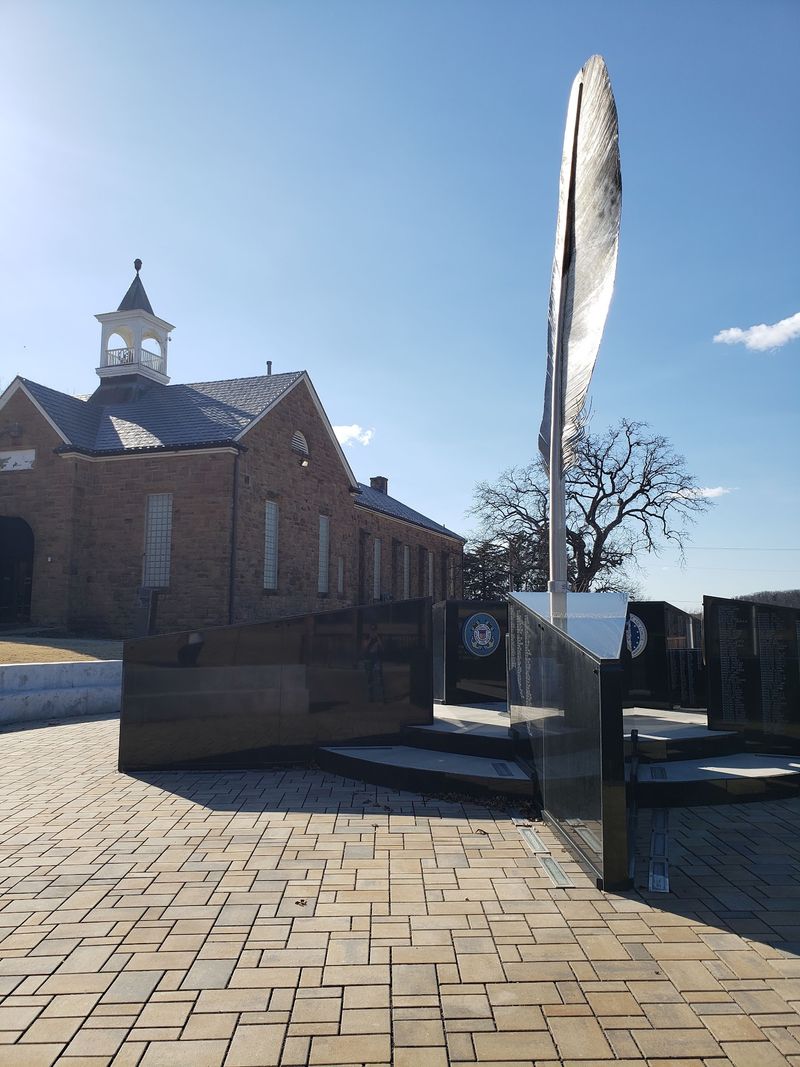
Outside, the grounds hold a veterans memorial and a statue that make the visit feel complete.
The space is small, and visitors often say it surprises them anyway. Two rooms might not sound like much, but every wall seems to carry meaning.
Many guests plan a quick peek and end up staying far longer than they expected, simply because the stories pull them in.
How John Joseph Mathews Planted the Idea
Every lasting place starts with someone who refuses to let a good idea fade. For this museum, that person was John Joseph Mathews, an Osage Tribal Councilman and writer.
He believed the Osage people needed a central home for their art, artifacts, and history.
Mathews did not work alone. Chief Fred Lookout supported the effort, and together they helped bring the museum to life in 1938.
Their goal was clear: the Osage story should be kept safe and told by the Osage themselves, not by outsiders guessing at the details.
That choice still shapes the visit today. When you read the signs or listen to a staff member, you are hearing history from the people who lived it and inherited it.
Few museums in the country can offer that kind of direct connection.
Here is a fun link to the present. One staff member, Julia Lookout, is the great-granddaughter of Chief Fred Lookout, according to visitors who have met her.
So the family tie that helped start the museum still walks its halls. It is a living thread running from 1938 right up to your own visit, and many guests find that detail deeply moving.
Land, Oil, and a Hard-Won Home
Long before Pawhuska became a road trip stop, the Osage were moved away from their ancestral homelands. In the 19th century, they purchased land here in northeastern Oklahoma.
Smartly, they secured both the land and its mineral rights.
That decision mattered more than anyone could have guessed. In the early 20th century, oil was discovered beneath Osage land, and the nation entered a boom era that changed everything.
The museum addresses this chapter directly, helping visitors understand both the wealth and the hardships that followed.
Outside the building, a stone placard explains the connection between the Osage Nation and oil. It is a quick read, but it gives helpful context before you step inside.
Many visitors say it frames the whole experience.
The museum also presents the events described in Killers of the Flower Moon, the book and later film that brought national attention to this era. Guests who know the story often say the exhibits line up closely with what they read or watched.
For anyone curious after seeing the movie, this is a respectful, grounded place to learn more straight from the source. The rolling hills around town add their own quiet weight to it all.
Finding the Museum on Grandview Avenue
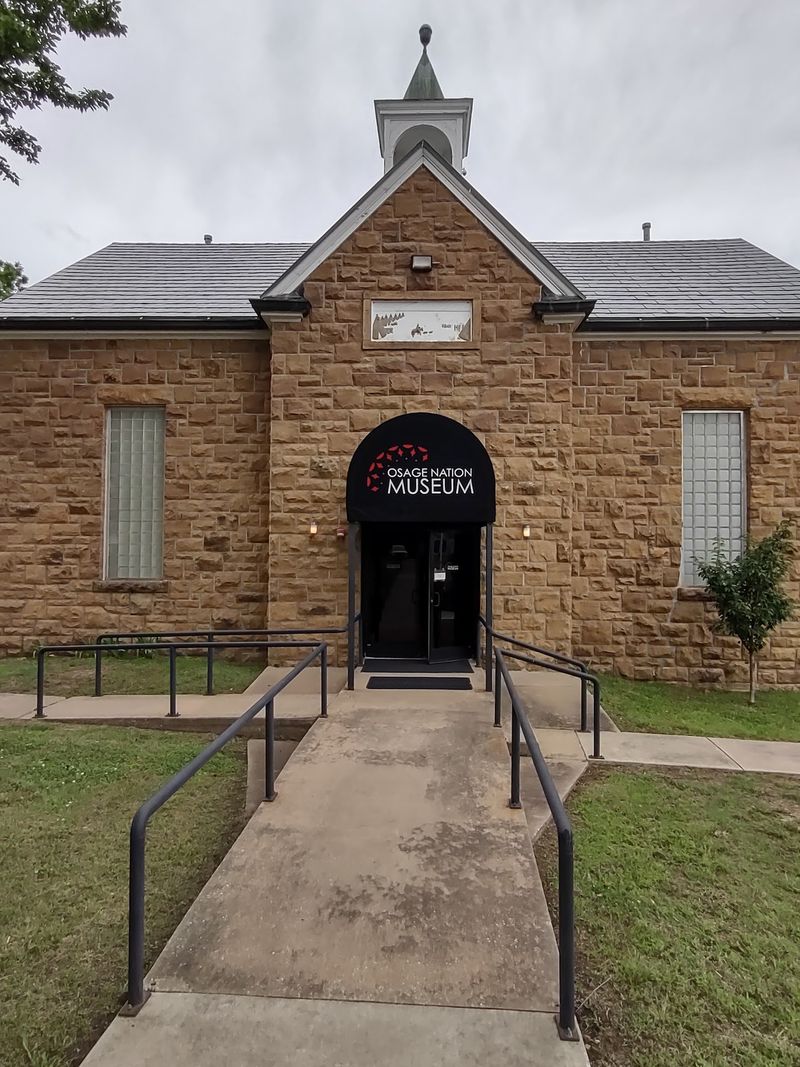
Now for the address you have been waiting on. The Osage Nation Museum sits at 819 Grandview Ave in Pawhuska, Oklahoma, right on the Osage Nation campus.
Neighboring buildings include the Tribal Council building, offices, and a medical center.
Pawhuska is an easy day trip for a lot of Oklahomans. Drivers coming from Tulsa or Bartlesville will find it a manageable trip, and folks from Oklahoma City can make a full day of it.
The drive itself winds through Osage County’s rolling hills, which feel especially pretty in spring and fall.
Parking is free and plentiful, according to local tourism info. There are spaces for handicapped visitors, and even room for motorcoaches if you are traveling with a church group or tour bus.
That makes it a simple stop for families and seniors alike.
Because the museum shares a campus with working tribal offices, it is smart to be respectful of the space. Keep voices low near office buildings and follow posted signs.
One visitor noted that a cafe and gift shop were mentioned on signs but could not tell where they were, so plan on bringing snacks or eating in downtown Pawhuska before or after.
Four Walls of Faces in the Allotment Photo Room
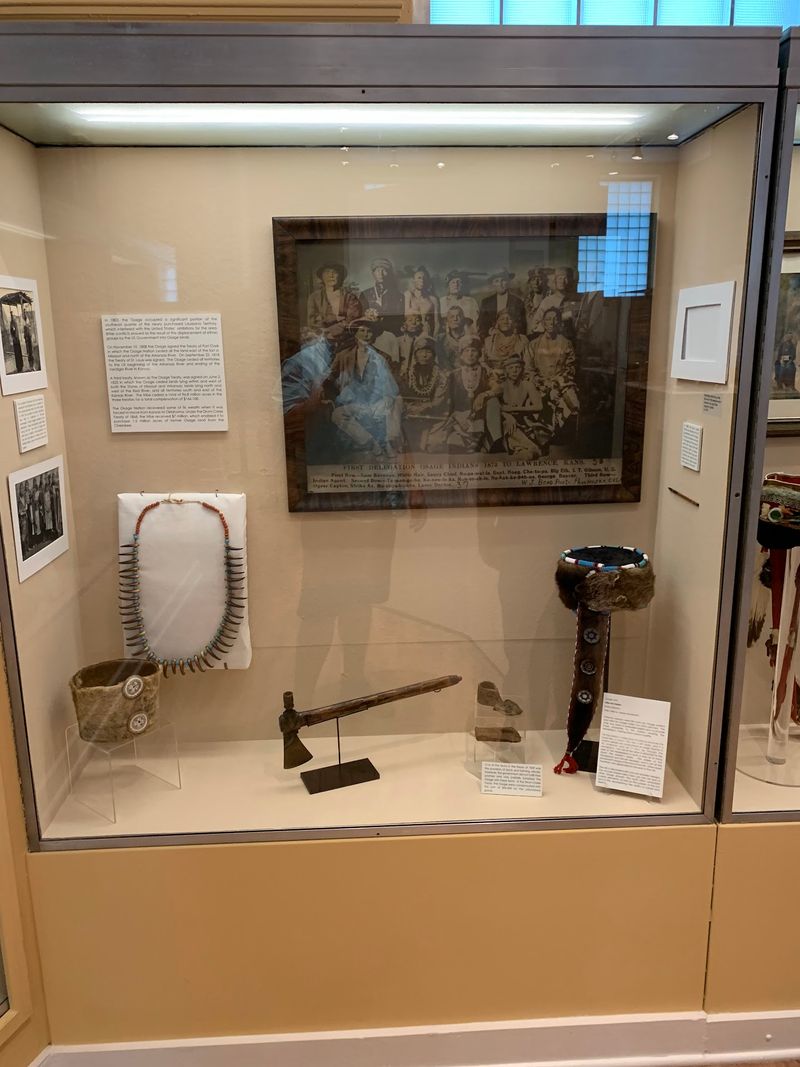
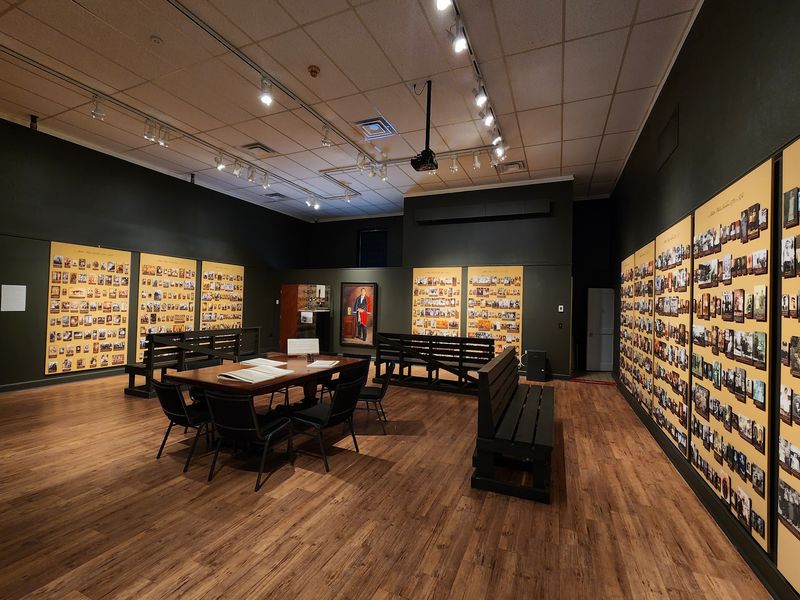
Walk into the second room and you will be surrounded. Four walls are lined with photographs from a collection showing Osage people from the allotment era.
It is a striking sight, and many visitors say it is the part they remember most.
The Allotment photo and stories project gives these faces names and histories whenever possible. One guest with Osage ancestry described it as visionary and well done.
A staff member spent several hours helping that visitor and their father search for relatives in the collection.
Even if you have no family ties, the room is powerful. You can see how Osage life and style changed over time, simply by studying clothing, posture, and setting in each image.
It feels less like a display and more like a family album for a whole nation.
Here is a lovely touch. There is a book of photos featuring people who have not been identified.
If you recognize someone, or you are related to them, you can add information to help the museum. That small act turns visitors into helpers, and it shows how much the Osage value every single story.
Bring older relatives who might know a face or two.
Beadwork, Ribbon Work, and Wedding Traditions
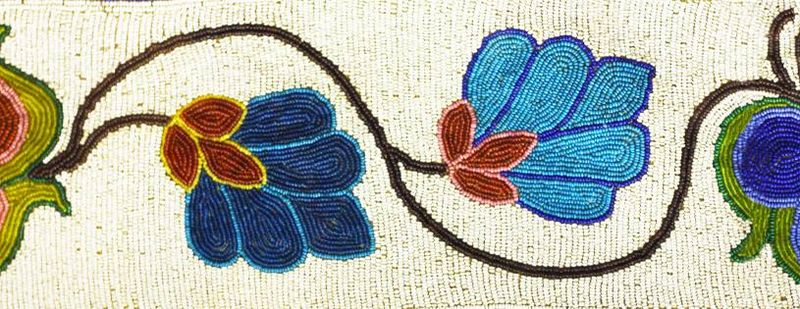
Colors pop the moment your eyes land on the ribbon work. Bright strips of fabric are layered and cut into bold patterns, a traditional Osage art that still thrives today.
Nearby, detailed beadwork shows just how much patience and skill went into each piece.
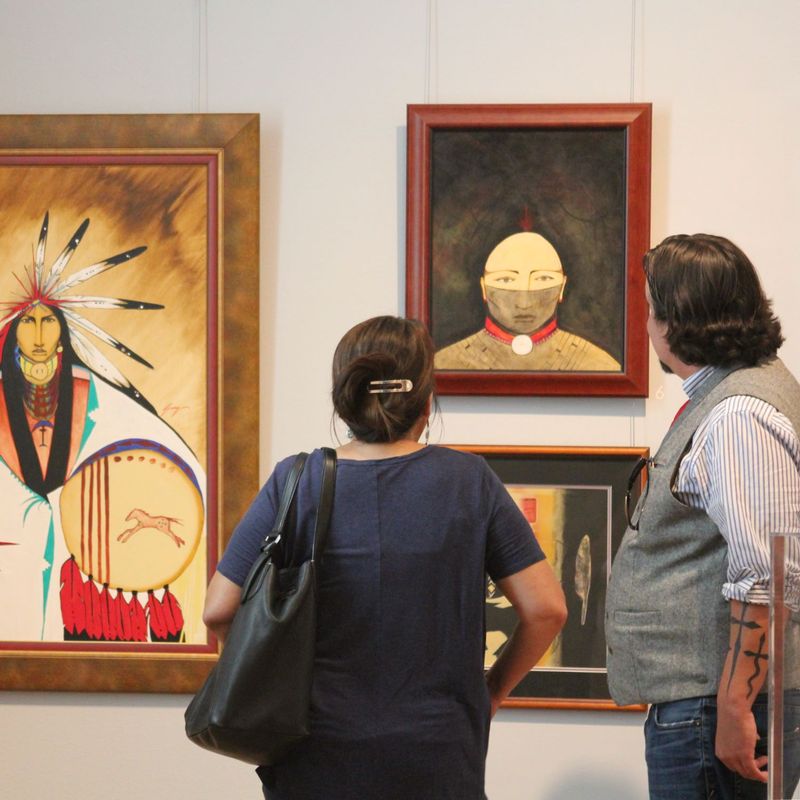
The museum holds traditional clothing, historical artifacts, ethnographic materials, and archival documents. It also features contemporary Osage art, so the collection does not stop in the past.
You get to see how old traditions inspire modern artists.
One past visitor was especially charmed by an exhibit on Osage wedding traditions. They called it enthralling and said they spent most of their time reading the signs.
That is a common theme: the artifacts catch your eye, but the explanations keep you there.
Exhibits rotate, so what you see may differ from a friend’s trip. A recent show called Wah-Zha-Zhi Spirit: A Celebration of Osage History and Culture explored government, warfare history, and traditional arts.
It also highlighted work by current Osage artists. Check ahead if you want to know what is on display.
Quick tip for crafters: bring a small notebook. Sketching patterns from memory afterward is a fun way to remember the visit.
Language, Leaders, and Lifelike Busts
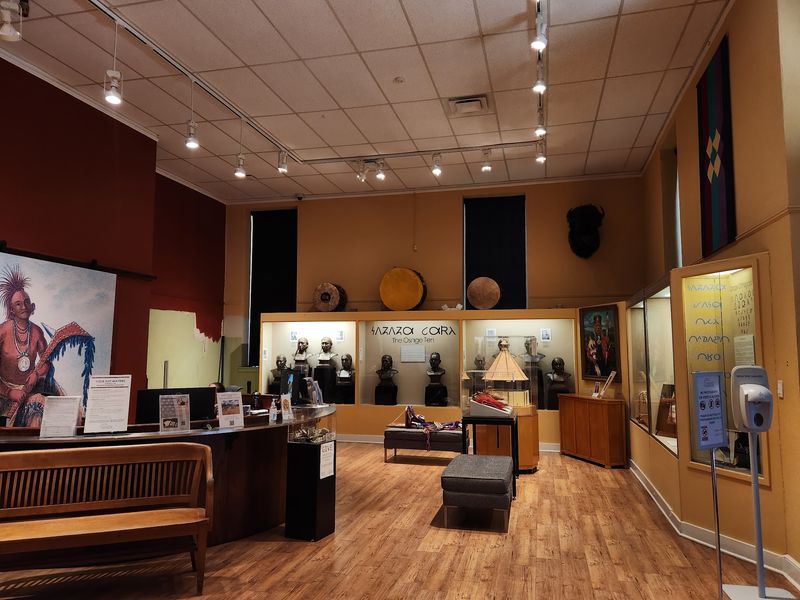
Ever wondered what the Osage language looks like written down? The museum has a thoughtful presentation on it, and visitors often call it one of the most interesting sections.
Seeing the words on display helps you understand that this is a living language, not a relic.
Language work matters to the Osage Nation, and the exhibit reflects that care. Even a few minutes here gives you new respect for how culture is carried through speech.
Kids may enjoy trying to sound out a word or two.
Close by, busts of influential Osage people line part of the space. Each comes with an explanation of the person’s role in tribal history.
It is a helpful way to put names and faces to the big events covered elsewhere in the museum.
These portraits also tie into the bigger picture of leadership. Exhibits touch on Osage government and how the nation has guided itself through changing times.
For anyone who thinks tribal history ended long ago, this section offers a gentle correction.
Take your time reading each panel. The text is clear and approachable, and many guests say they walked away knowing far more than they expected from such a compact room.
The Veterans Memorial and Chief Claremore Statue
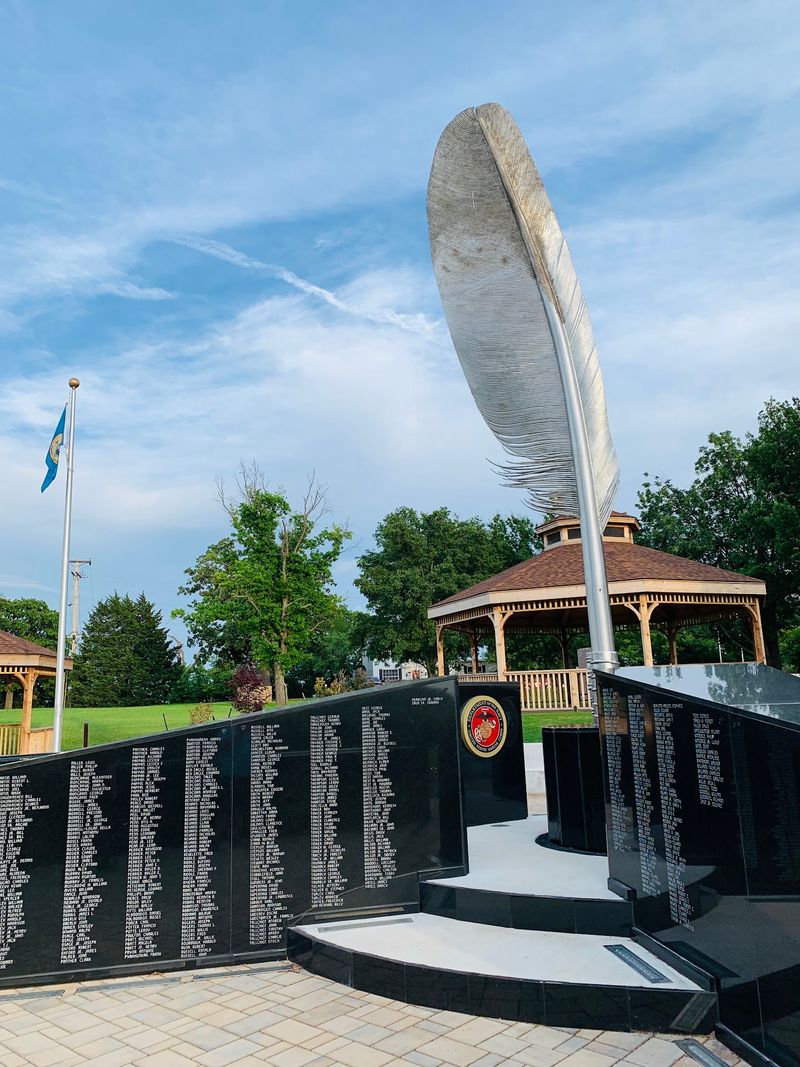
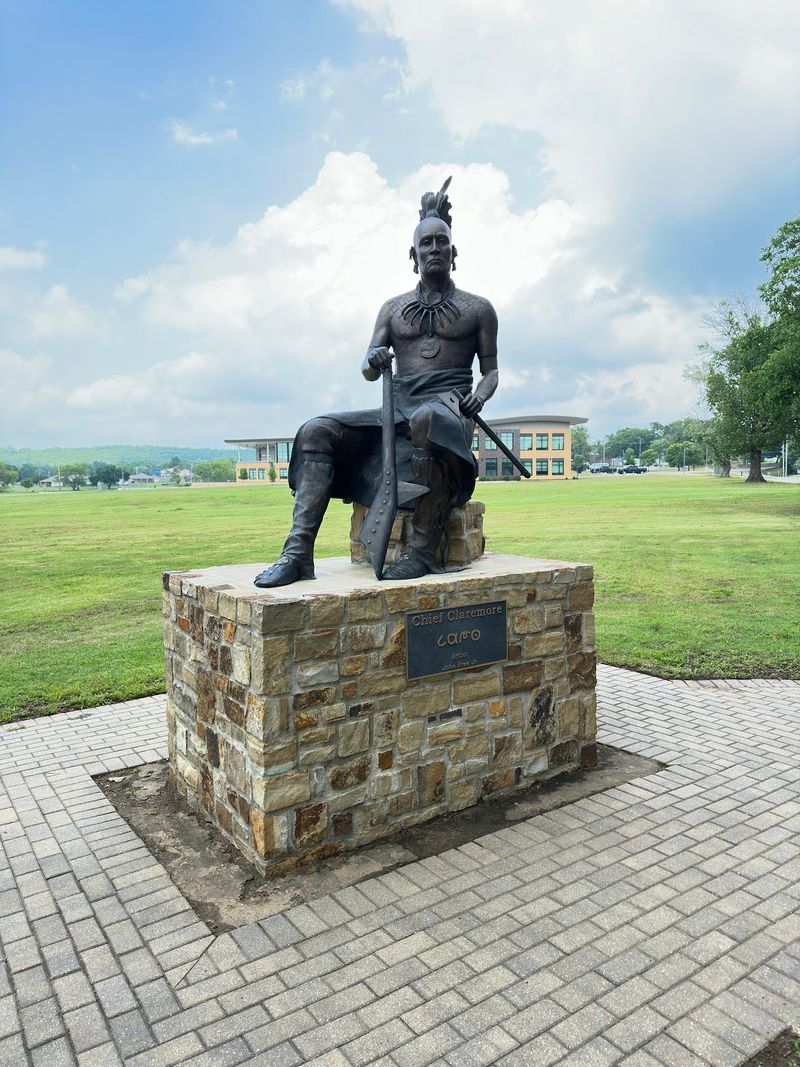
Step back outside before you leave, because the grounds deserve their own visit. A veterans memorial honors Osage service members, and visitors speak of it with real admiration.
One guest even called it among the best in the United States.
The memorial is peaceful and well kept. Benches and shade trees make it a comfortable place to pause, which matters on a hot Oklahoma afternoon.
A traveler once noted the grounds stayed pleasant even in 95 degree heat thanks to that shade.
Honoring veterans runs deep in Osage culture, and the memorial reflects that respect. Many visitors mention feeling a calm come over them as they walk the space.
It is a fitting place for grandparents to share family stories of service.
Nearby stands a statue of Chief Claremore, a respected Osage leader. You will also find the stone placard about oil and a few other markers worth reading.
Together, they turn the lawn into an open-air extension of the museum.
Even if you arrive after closing time, the grounds can still be worth a stroll. One past visitor found the doors shut but enjoyed the memorial and campus anyway.
Staff Who Turn Visits Into Conversations
Funny how a two room museum can hold someone for an hour or more. Much of the credit goes to the staff, who visitors repeatedly describe as friendly, knowledgeable, and proud of their heritage.
They do not just guard the exhibits; they bring them to life.
Julia Lookout comes up often. One mother and daughter planned a ten minute stop, then met her behind the glass door to the exhibit room.
She spent nearly an hour sharing her culture and answering every question they had.
Another family arrived just as a private tour was starting and was kindly invited to join. They called it one of the highlights of their day.
Stories like these show the welcoming spirit that runs through the place.
Not into guided tours? No problem.
The museum offers self-guided, guided, group, and customized options, so you can choose your pace. Even guests who explore alone often overhear helpful details from nearby guides.
A friendly suggestion: ask questions. Staff seem happiest when visitors show real curiosity.
Whether you have Osage roots or are simply passing through, you are likely to leave with a story nobody else could have told you quite the same way.
Free Admission, Hours, and Handy Visiting Tips
Good news for anyone watching the gas budget: admission costs exactly $0. The museum is free, and donations are welcomed to support its mission.
Many visitors encourage dropping a few dollars in the box, since the experience feels worth far more.
Hours are typically Tuesday through Saturday, 10 a.m. to 5 p.m. The museum is closed on Sundays, Mondays, and federal holidays.
Schedules can shift, so calling ahead at 918-287-5441 may save you a wasted trip.
Plan on anywhere from 15 minutes to a couple of hours. A quick walk-through works, but if you read signs closely or chat with staff, time slips by fast.
Add extra minutes for the veterans memorial outside.
One important rule: photos and video are not allowed inside the building. Leave the phone in your pocket and simply take it all in.
The grounds outside are a nice spot for pictures instead.
Weather is worth a thought, too. Summer afternoons can be hot, while spring brings storm season across Oklahoma.
Visiting in the morning may help you beat the heat, and the shady grounds offer welcome relief either way.
Why This Small Museum Earns the Drive
Some places shout for attention. The Osage Nation Museum does the opposite, quietly holding its ground since 1938 and letting its stories speak.
That calm confidence is exactly why it stays with people.
Families will find it easy and welcoming, with activities, events, and workshops offered at times for kids, teens, and adults. History lovers will appreciate authentic artifacts and an inside view rarely found in textbooks.
One visitor even said they would choose it for real tribal history over other well known stops.
Is it large? No, and visitors are honest about that.
Some wish it had more space, and there has been talk of plans to expand. Still, nearly everyone agrees the two rooms are packed with meaning and nicely presented.
Pair your visit with a stroll through downtown Pawhuska and lunch at a local spot to round out the day. For anyone across Oklahoma looking for something affordable, meaningful, and close to home, this is an easy yes.
Go for the history. Stay for the conversations.
Leave with a deeper respect for a nation that has always insisted on telling its own story, in its own voice.
