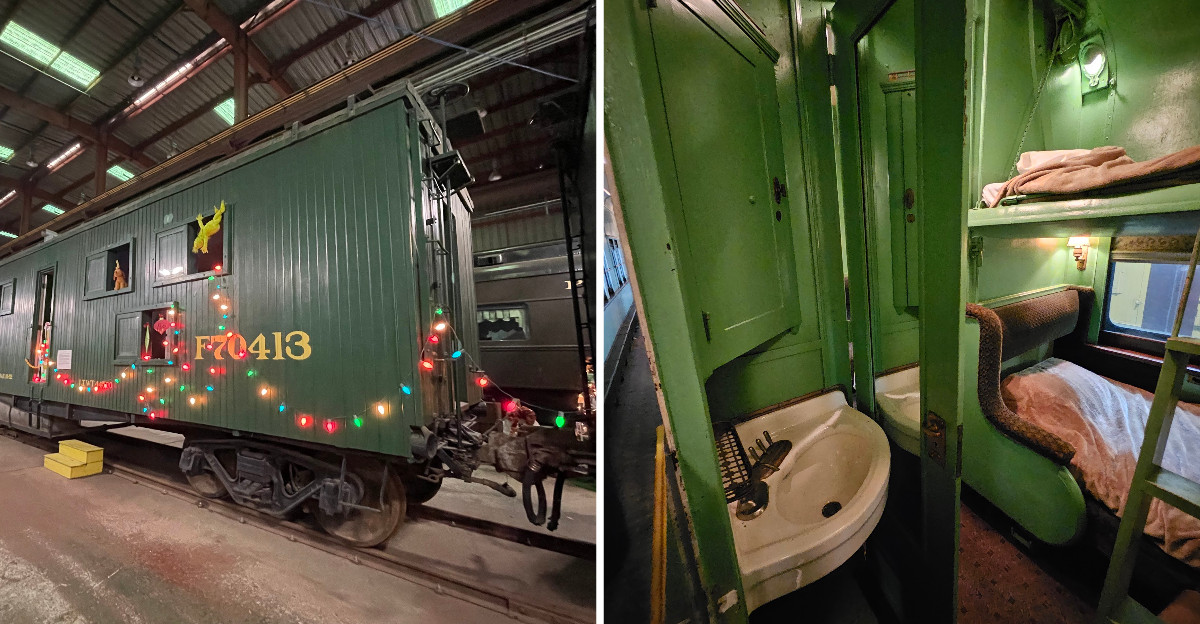
Presidential history rides on steel wheels inside a Georgia museum, where one train car still holds the story of a cross-country funeral in 1923. Rusty cabooses and shiny locomotives surround it, but this car is the one that carried a president’s body through grieving towns and whistle-stop speeches.
Stepping onto its brass-railed back platform brings a chill that has nothing to do with the weather. The car heard the nation mourn, then found a forever home in the state.
Visitors can climb aboard, peek into the bedrooms, and imagine the long ride east. The museum around it lets you explore more trains, more stories, and more of the past.
One of the most moving pieces of presidential history sits on a quiet patch of land in Georgia, and it deserves a spot on your weekend plan.
Meet Superb, a Steel Giant Born in 1911
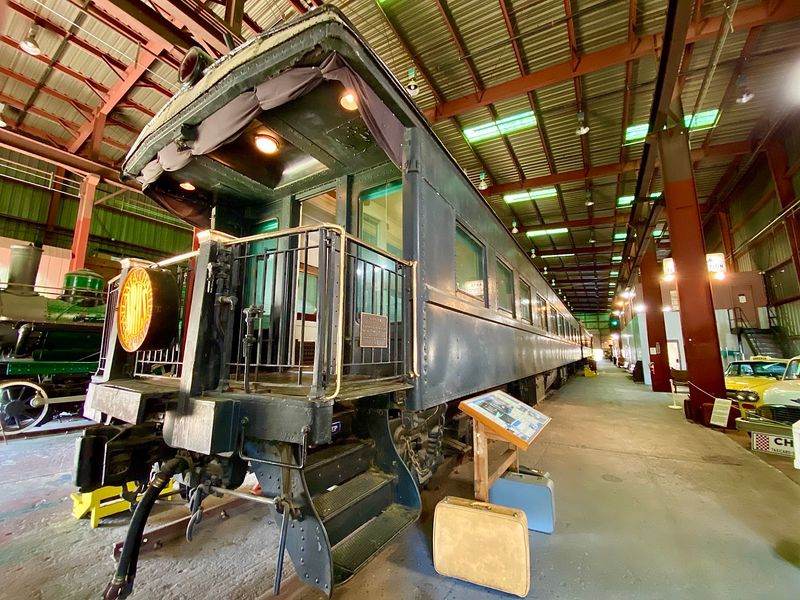
My first thought was how heavy it looked, like a bank vault that decided to grow wheels. Superb was built by the Pullman Company in March 1911, and it is the oldest steel private car Pullman ever made that still exists today.
Only one other steel private car in the country is older.
Back then, most rail cars were still made of wood, which could splinter or burn in a crash. Superb was different.
Its riveted steel body and concrete floor made it one of the famous heavyweight cars, and that weight gave passengers a smooth, steady ride.
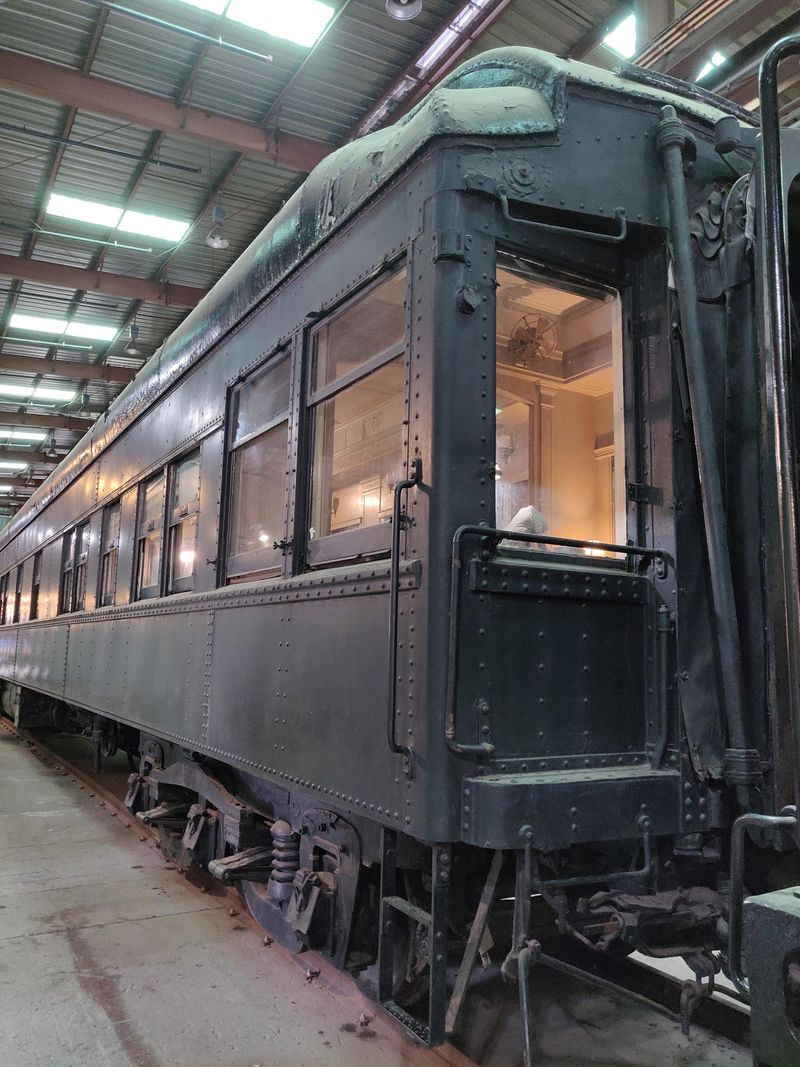
You can actually see the rivets up close when you walk around the outside. Rows and rows of them line the panels, each one pounded in by hand more than a century ago.
I caught myself running a finger along them, trying to picture the workers in a noisy Pullman shop.
Here is a fun detail to share with kids on your visit. The concrete floor was not there to look pretty, it was there to keep the car from bouncing and swaying.
Think of it as a very old version of a comfy car seat.
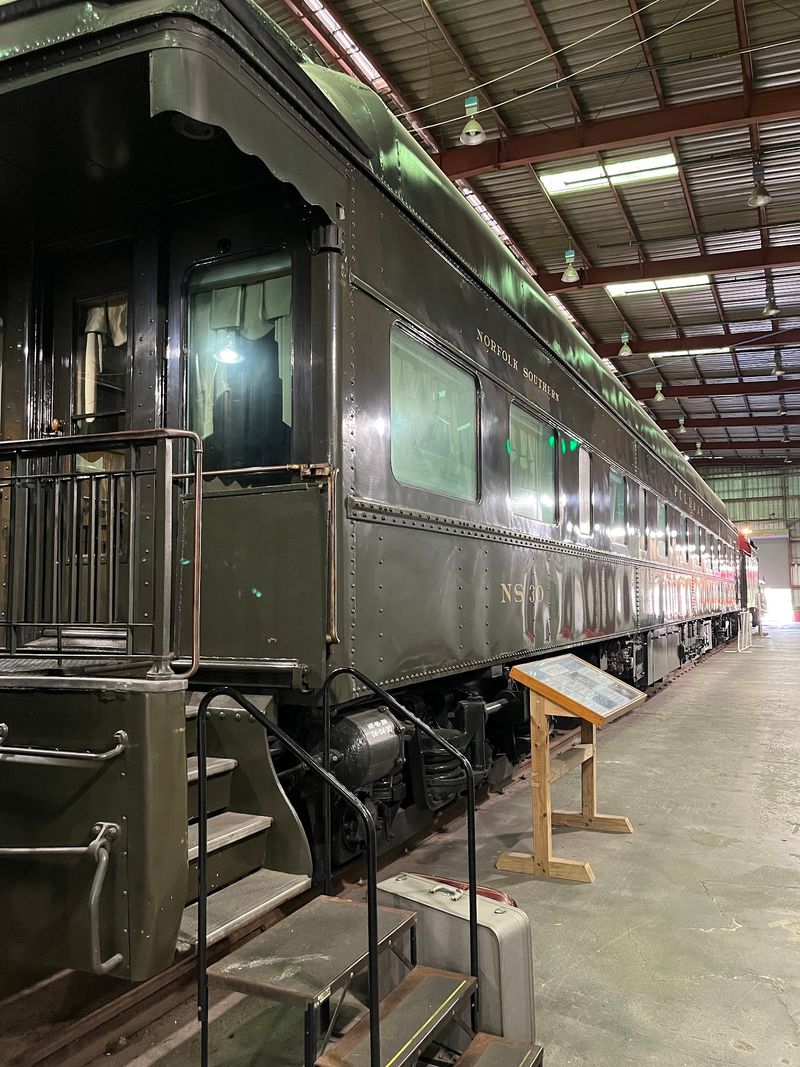
Take a slow lap around the car before heading inside. The shape, the windows, and the rear platform tell a story of their own, and it is a great warm-up for the history waiting within.
The Voyage of Understanding and a First for Radio
Picture a summer in 1923, when radio was still brand new and most people had never heard a president speak out loud. President Warren G.
Harding left Washington, D.C., in June for a big cross-country trip he called the Voyage of Understanding. Superb was his home on wheels.
The Pullman Company gave the car some amazing upgrades for the journey. Workers added a public address system so Harding could give whistle-stop speeches right from the rear platform to crowds gathered by the tracks.
That was not all. Superb also carried a transmitter, making it the first rail car with wireless equipment, and it helped bring about the first nationwide broadcast of presidential speeches.
Families far from the tracks could listen in from home.
I love this part of the story because it feels so modern. Today we stream everything on our phones without a second thought, but in 1923 a talking train car was pure magic.
It makes the old car seem surprisingly high-tech for its age.
When you stand near the back platform, try to imagine it. A crowd of farmers and townspeople would have packed in close, straining to hear the president over the hiss of a steam engine.
Honestly, it is one of those spots where history feels close enough to touch, so give yourself a quiet minute there.
A Somber Ride from San Francisco to Marion
Things took a sad turn that summer. President Harding became sick during the trip and passed away in San Francisco on August 2, 1923, before his tour was finished.
Suddenly, the car that had carried speeches and cheering crowds was given a much heavier job.
Superb carried the president’s body all the way from San Francisco to Washington, D.C., for the state funeral. After that, it rolled on to Marion, Ohio, where Harding was buried.
That is a lot of miles for one car to travel with so much grief aboard.
Here is the fact that stopped me in my tracks. Superb is the only rail car still in existence known to have carried the casket of a president who passed in office, which makes it truly one of a kind in America.
History books say people lined the tracks along the way to pay their respects. I kept thinking about that when I stepped inside, and the car felt calmer and quieter than the others at the museum.
If you visit with children, this is a good moment to talk about how people honor leaders and share sadness together. It does not need to be gloomy.
You can simply explain that this car helped a whole nation say goodbye, and that is a pretty powerful thing for anything made of steel and rivets.
Bedrooms, Brass, and Air Conditioning Made of Ice
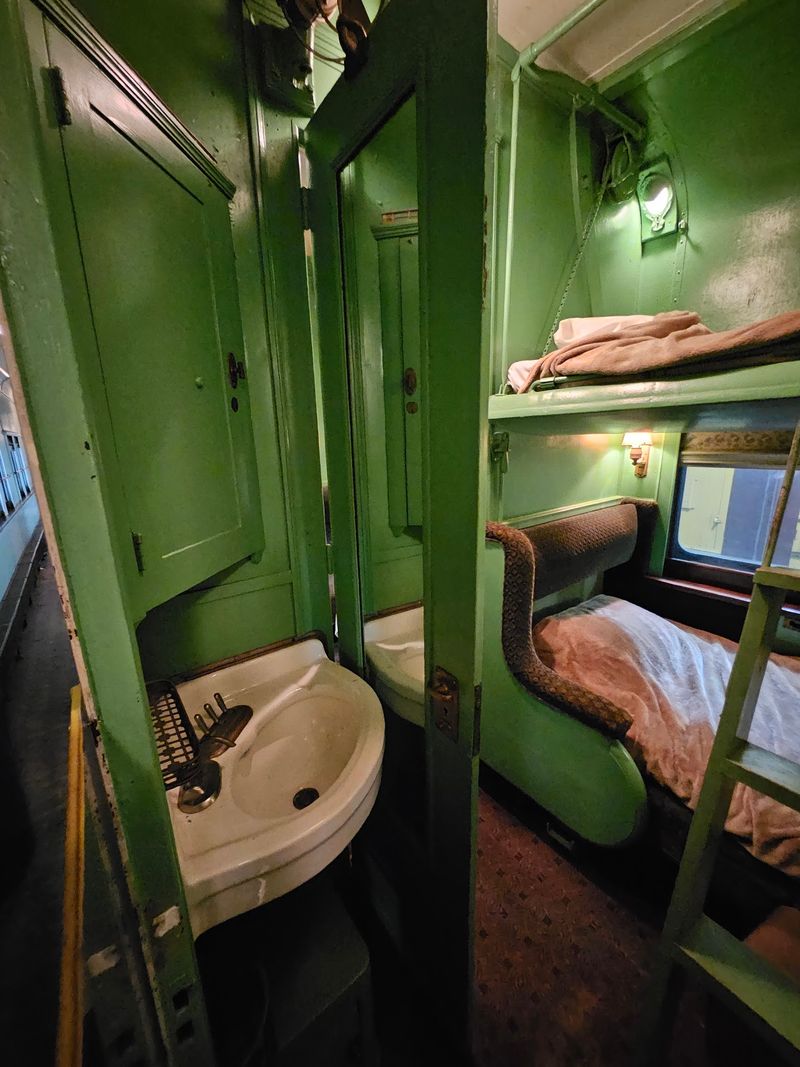
Okay, confession time. I spent way too long poking my head into every little room, because the inside of Superb is like a tiny rolling hotel.
The car still keeps its original floor plan, so the layout is the same one presidents knew.
Inside, there were once five fancy bedrooms for passengers, plus space for a two-person crew who took care of everything. Wood trim, soft linens, and careful lighting help you picture how cozy it must have been on a long night ride.
Now for my favorite quirky detail. Superb had steam heat for chilly days, and in summer it used big blocks of ice to cool the air.
Yes, the air conditioning was basically a giant ice cube, which made me laugh and also feel grateful for my car’s AC on the drive home.
The museum worked hard to make the inside look right. In April 2020, it started an interior renovation to update the paint, lighting, and linens so everything matches its historic style.
Out back, the brass-railed rear platform shines like a trophy. Take a photo there, since it is the same spot where speeches once rang out.
A small tip from me is to go slowly and look up, down, and around, because the tiny details are where the real charm hides.
From Cardinal’s Train to Georgia’s Treasure
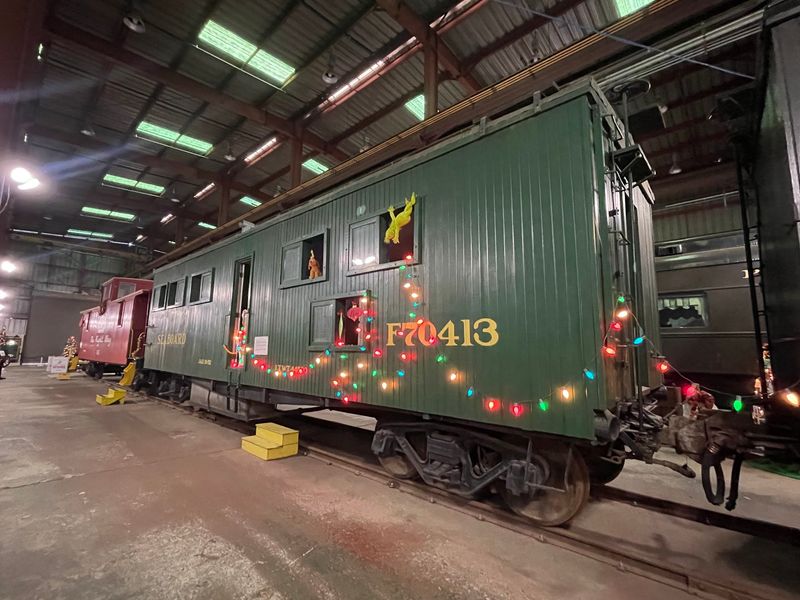
Some objects live one life. Superb, it turns out, lived several, and the twists surprised me more than any museum sign I have read in years.
In 1926, the car got a temporary makeover. It was renamed Pope Pius XI and painted red and gold for the Cardinal’s Train, which carried church leaders from New York City to Chicago for a large Eucharistic Congress.
Imagine seeing that bright car roll by!
Later, it went to work as an office car for several railroads. The Charleston and West Carolina, the Atlantic Coast Line, and the Seaboard Coast Line all used it over the years, so it traveled plenty of southern tracks.
Then came the big move. In 1969, the Seaboard Coast Line Railroad donated Superb to the Southeastern Railway Museum, and it finally had a permanent home in Georgia.
Restoring it took a long, careful effort of about 20 months. The car opened to the public in 1995, and in March 1999 it was listed on the National Register of Historic Places, which is a big honor for any building or object.
Knowing all this made me appreciate the car even more. It is not just a presidential relic, it is a survivor that kept finding new ways to be useful, and that feels a little inspiring.
A 35-Acre Playground of Rails and Wheels
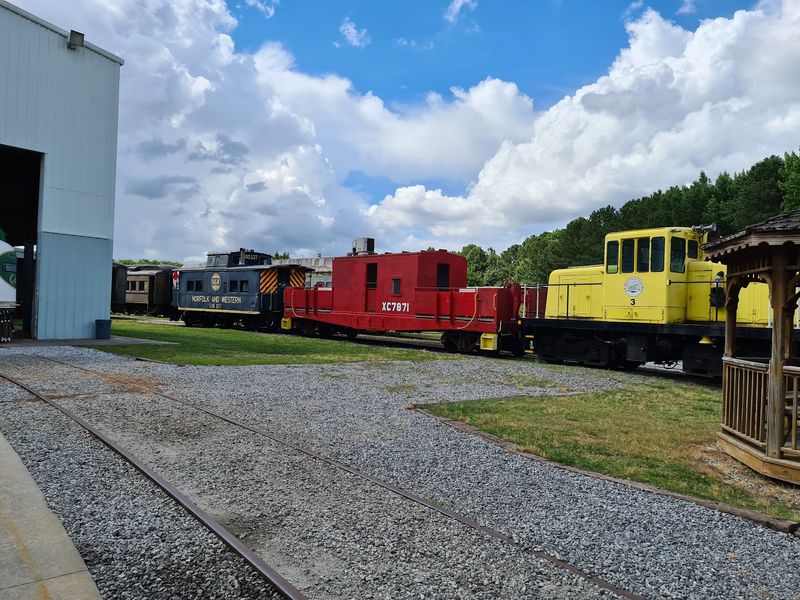
After leaving Superb, I wandered for a good while and still did not see everything. The museum spreads across 35 acres in suburban Atlanta, and it holds Georgia’s largest collection of rolling stock, with more than 90 pieces of historic railroad equipment.
Founded in 1970 by the Atlanta Chapter of the National Railway Historical Society, it was named Georgia’s Official Transportation History Museum by the state legislature in May 2000. That title makes sense once you spot the buses and cars too.
Right nearby sits another presidential gem, the Pullman car Marco Polo, which President Franklin D. Roosevelt used.
Seeing two presidential cars in one visit felt like a history bonus round.
There is also the Atlanta and West Point Railroad No. 290 steam locomotive and the Southern Railway E8 diesel No. 6901. You will find a restored Checker cab, vintage MARTA buses, and a restored 1871 Duluth passenger depot.
The best part is that many cars and engines are open for climbing aboard. Kids can pretend to drive, and grown-ups can peek into old mail and passenger cars.
Most of the collection sits outdoors, so wear comfy walking shoes and dress for the weather. Georgia sun can be strong, so a hat is a smart call.
Caboose Rides, Model Trains, and Picnic Breaks
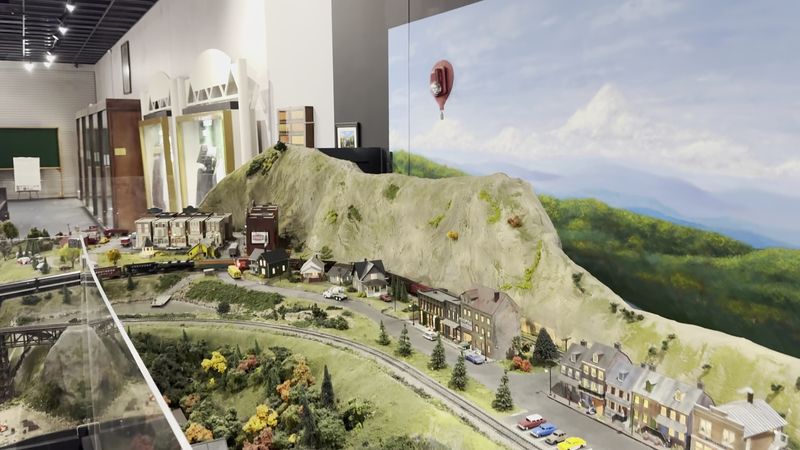
There is a special kind of happy that comes from hearing a real horn blast while you sit in a caboose. The museum offers rides in restored cabooses pulled by antique diesel locomotives along tracks that run across the property.
For smaller riders, the G16 Park train is a real hit, chugging past the old depot at a gentle pace. It also makes a nice rest for tired legs.
Inside Building 1, an HO-scale model railroad shows tiny trains rolling through miniature towns. I stood there far longer than planned, spotting little details like a kid at a toy store window.
Food is not really the focus here, so pack a lunch. Picnic areas are ready and waiting, and a sandwich under the trees tastes better after a morning of climbing into train cabs.
Plan your timing, too. The museum is open Thursday through Sunday from 10 AM to 5 PM and closed Monday through Wednesday, so check before you go.
Special events keep things lively all year, like Wheels and Rails, Track Speeder Days, Trucks Tractors and Trains, Train-or-Treat in October, and the Festival of Trees in December. Any of them make a fun excuse for a return trip.
Address: 3595 Buford Hwy, Duluth, GA 30096
