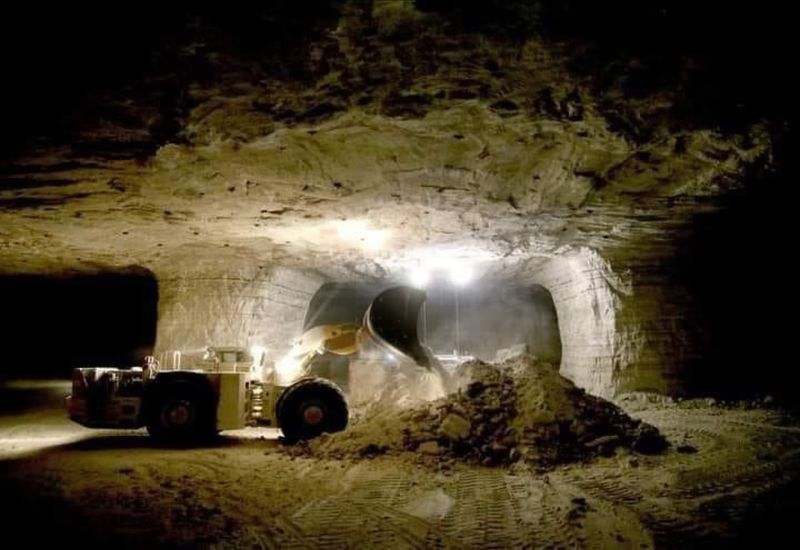
I always assumed the salt on my winter roads just showed up in a truck from nowhere in particular. Then I learned that some of the salt keeping Ohio drivers safe comes from tunnels dug deep under a Great Lake, and I could not stop thinking about it.
From the road, the spot looks like a plain industrial yard with a bridge and a busy gate. Underneath, though, sits one of the most surprising working places in the state, and it is worth knowing about every time the snow starts falling.
An Industrial Yard on the Ships Channel
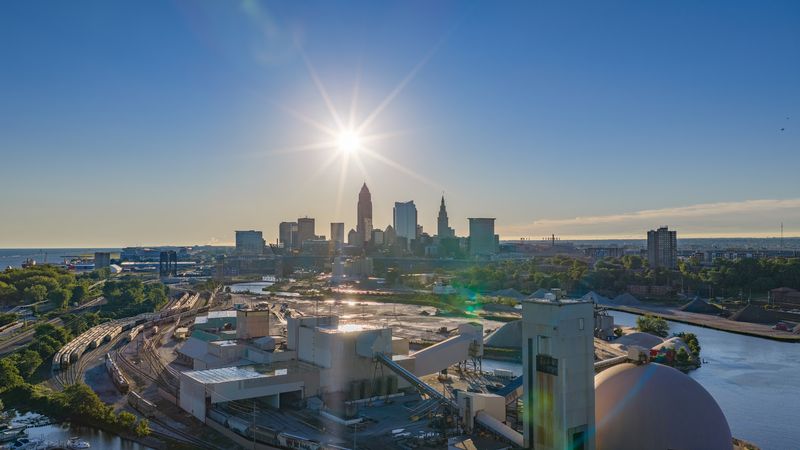
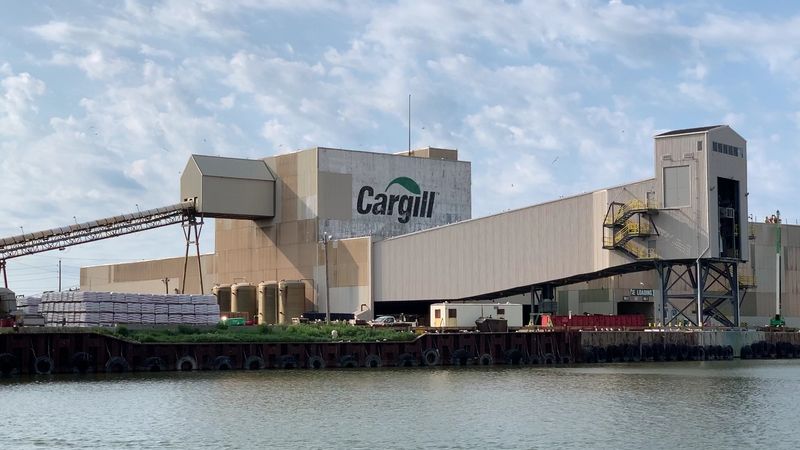
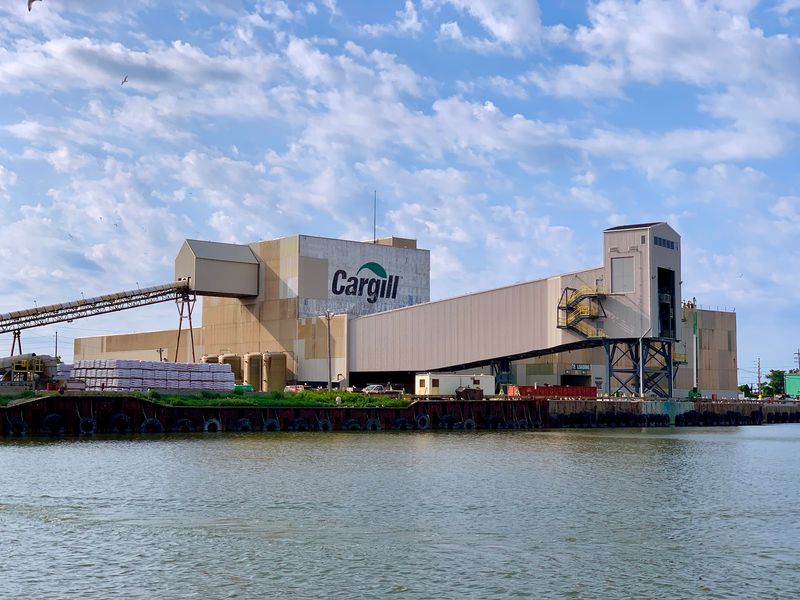
At first glance, nothing about the place shouts adventure. Picture loading docks, truck scales, a security vehicle near the gate, and a steady line of tractor trailers rolling in and out along the water.
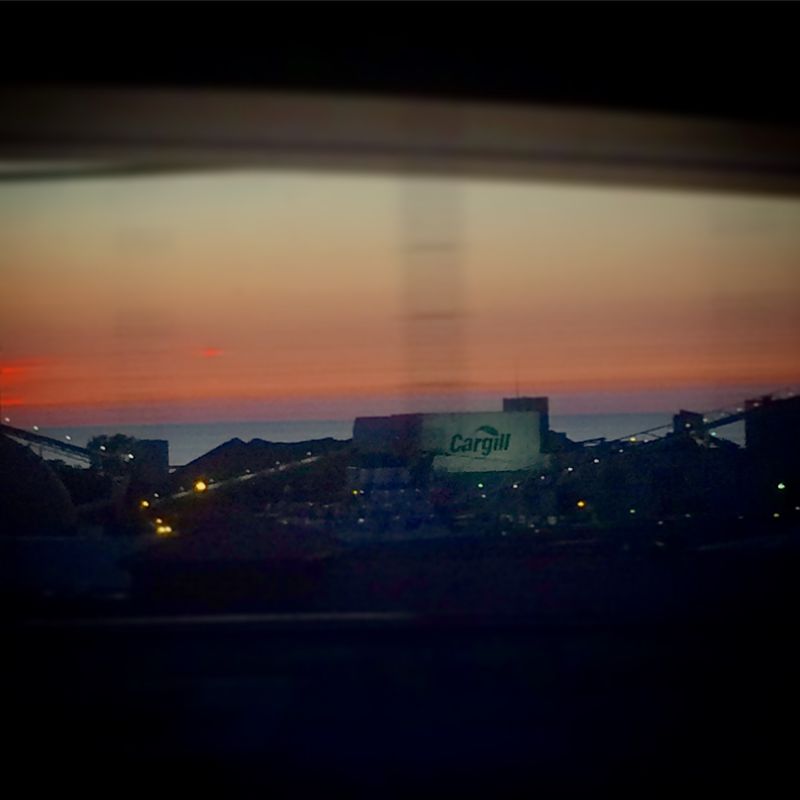
Yet the operation known as Cargill Deicing Technology is the entry point to something far bigger than what you see from the road. Down below, tunnels stretch out under Lake Erie, and that is where the road salt begins its trip to Ohio streets and highways.
Above ground, the site works more like a busy shipping hub than a tourist stop, with trucks taking on heavy loads and drivers following escorts to their assigned spots.
Google lists the business as a snow removal service, which tells you a lot about its purpose. Everything here points toward one job: getting salt out of the ground and onto the roads before winter gets the upper hand.
The setting near the river and lakefront gives it a gritty, working-harbor feel that many Clevelanders may drive past without a second thought. Once you know what lies underneath, it becomes hard to see the place the same way again.
You can find it at 2400 Ships Channel, Cleveland, OH 44113.
Tunnels Far Below Lake Erie
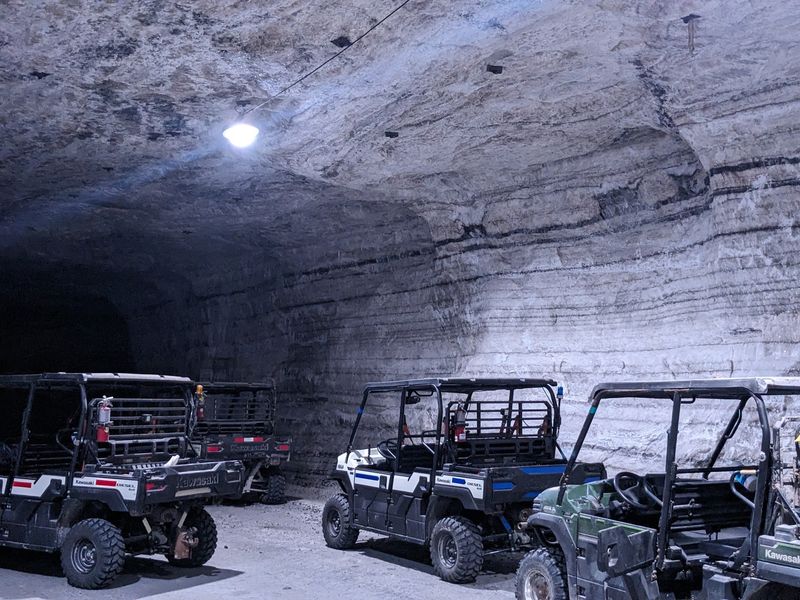
Try to imagine standing on a busy Cleveland street while miners work in tunnels far beneath your feet and even beneath the lake itself. That is the strange, wonderful truth behind this operation.
Long ago, Lake Erie country sat over ancient seas, and when those waters faded away they often left thick layers of rock salt behind. Over time, those layers ended up buried deep underground.
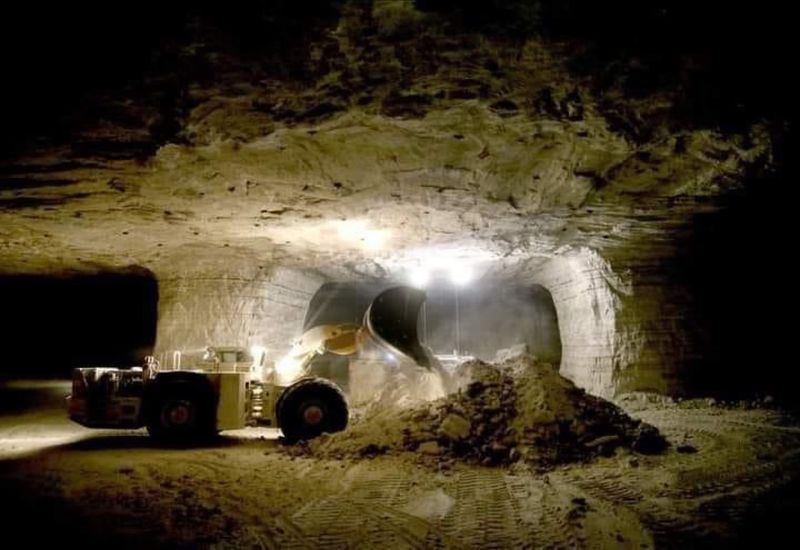
Mining companies learned they could reach the salt by digging shafts and carving out wide tunnels, and that is the basic idea behind the Cleveland mine.
The exact depth and size of the tunnels are not something most visitors ever get to see firsthand. Still, the title of the story says it all: the salt comes from far below the city and the water.
For anyone who grew up near the lake, it can be a real jaw-dropper to realize there is a working world down there.
Kids especially tend to love this kind of fact. Mention that Ohio has salt under its biggest lake, and you may suddenly have a car full of curious questions on your next winter drive.
Not bad for something most of us only notice as white crunch on the pavement.
Winter Work for Northeast Ohio
Ask anyone in Northeast Ohio about winter, and you will probably hear a story about lake-effect snow. One local even pointed out that it can feel like it snows five months out of the year around here.
That is exactly why a road salt operation in the heart of Cleveland matters so much. When storms roll off Lake Erie, highways, side streets, and school routes need treatment fast.
Salt from facilities like this one helps keep families moving to work, school, and grandma’s house.
Most of us never think about where the salt truck fills up. We just hear the scrape of the plow and the rattle of salt hitting the pavement, and we feel a little safer heading out the door.
Behind that simple moment is a long chain of miners, loaders, drivers, and dispatchers.
The mine sits right in the region that needs its product most, which feels almost poetic. The lake that brings the snow also sits above the salt that helps melt it.
If you are planning a winter drive in this part of the state, always check road conditions before leaving. Lake-effect bands can change quickly, even with plenty of salt on the roads.
The Drawbridge on the Way In
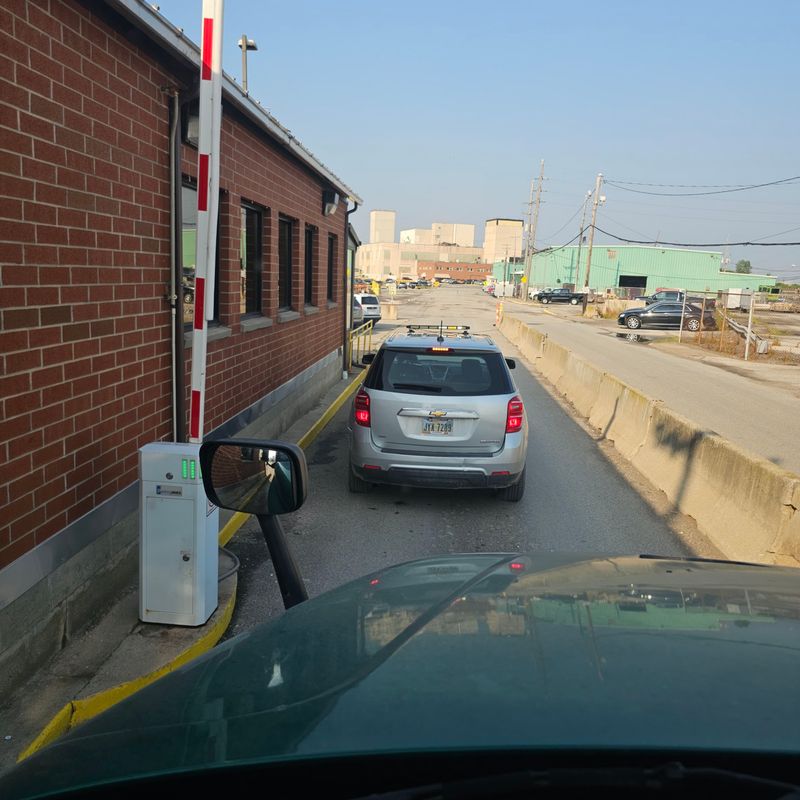
Here is a detail you will not find at most job sites: sometimes the road in simply goes up in the air. Drivers heading to the facility cross a drawbridge, and ships pass underneath it.
One longtime driver who used to haul loads here noted that every once in a while you just have to sit and wait while the bridge does its thing. For truckers on a schedule, that can test patience.
For anyone who loves big boats, it sounds like a front-row seat to Cleveland’s working waterfront.
Another driver mentioned that the draw bridges fit truck height, which is reassuring when you are hauling a full trailer. A third simply said to look for the bridge right before arriving, since it is one of the clearest landmarks on the route.
There is something charming about it, honestly. In a world of highways and interchanges, a lift bridge feels old-fashioned and very Cleveland.
One clever habit shared by an experienced driver is worth repeating. He would lightly tighten his load straps at the dock, then stop once he was back across the bridge to check everything carefully, so he would not hold up anyone behind him.
A Security Escort to the Dock
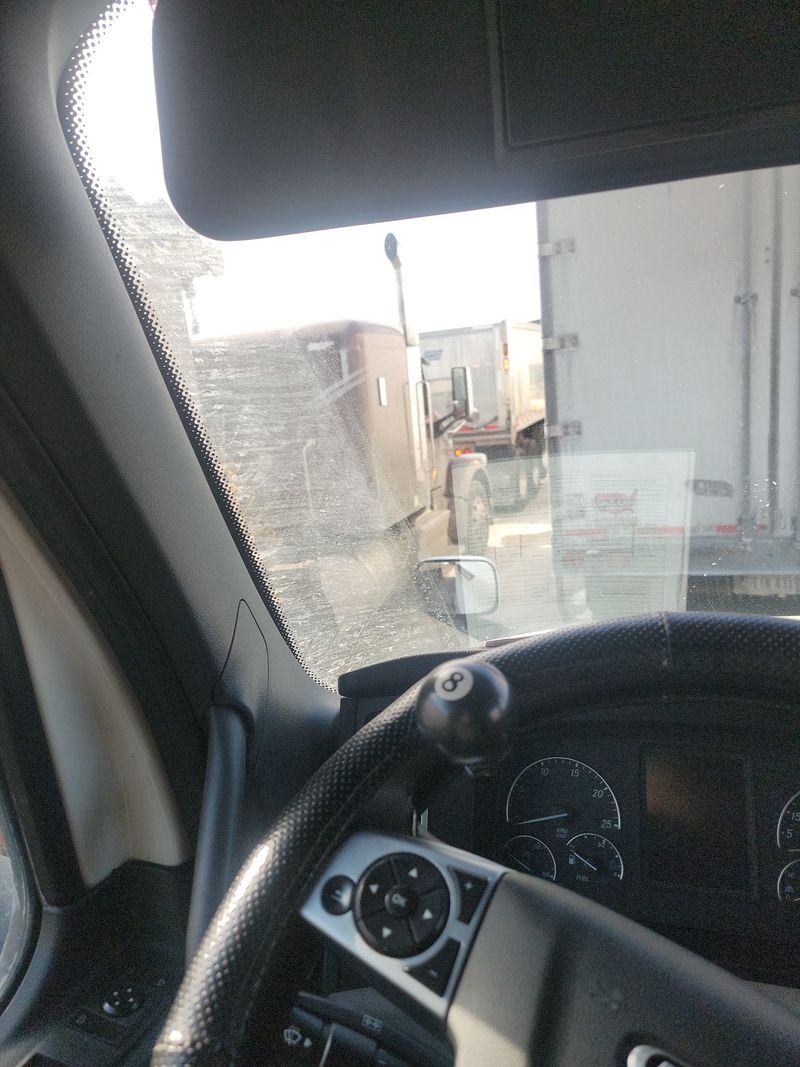
No wandering around on your own here. Arriving drivers are met by security, and the process is surprisingly hands-on.
According to one first-timer, the guard stays in a vehicle and there is no need to get out of your truck. He points you to a parking spot, collects your information, and then leads you to the entrance scale and on to your assigned dock.
Several drivers mention being escorted exactly where they needed to go, which is a big help in an unfamiliar industrial yard.
Plenty of visitors speak warmly about the guards. One driver who felt nervous before arriving said the man who came to the truck was very helpful and made the whole visit easier.
Others praised a guard supervisor for sorting out paperwork and calling the place well organized, and one simply said the escort was friendly and informative.
Not every experience lines up perfectly, of course. A few drivers felt directions from the vehicle could be clearer, especially for someone who has never been there.
Truck searches may take a little time at first. As one veteran driver put it, safety comes first, and that seems to be the guiding rule at the gate.
Scales, Docks and a Drivers Lounge
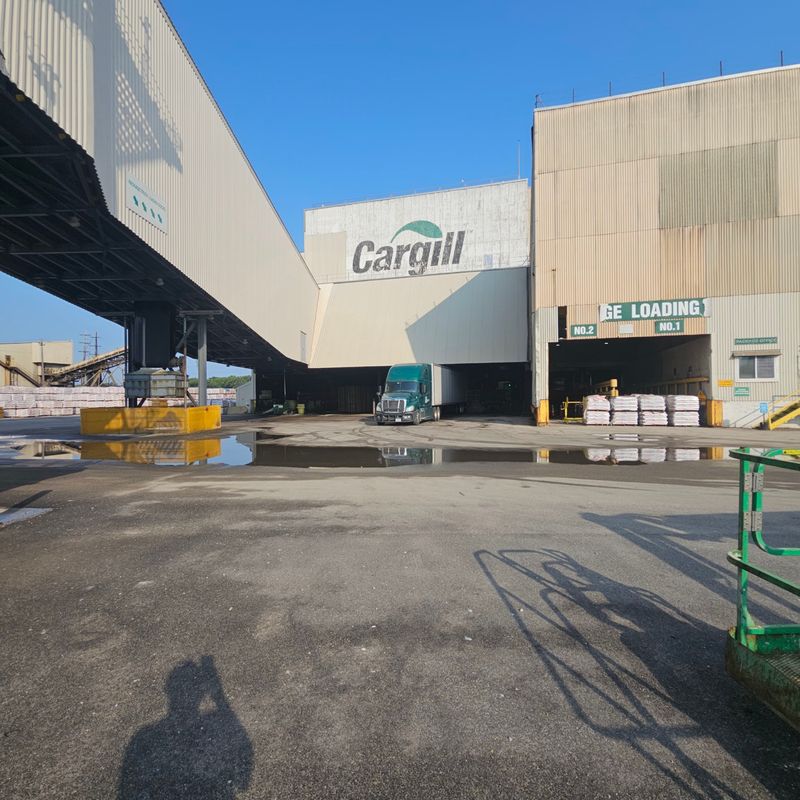
Step by step, the routine almost feels like a well-rehearsed dance. Drivers describe a clear order that turns a big operation into something manageable.
First comes the entrance scale, where the empty trailer is weighed. Next, the escort guides the truck to its dock.
Once parked, drivers head inside to a lounge or office room and wait until someone lets them know the load is done.
That indoor wait is a rule, not a suggestion. Several visitors mention that drivers must go inside while loading or unloading happens, which keeps people clear of the heavy equipment.
After loading, trucks roll across an exit scale, one driver noted scale number eight, and then pick up the bill of lading.
For a first-timer, knowing this order ahead of time can take a lot of stress out of the visit. You are not expected to figure it all out alone, but it helps to have a picture in your head before pulling in.
Behind those simple steps sits a massive flow of salt moving from deep underground to waiting trailers. A veteran hauler once said it is amazing how many tractor trailers get loaded here, and that may be the best summary of all.
Loads Done in Under Half an Hour
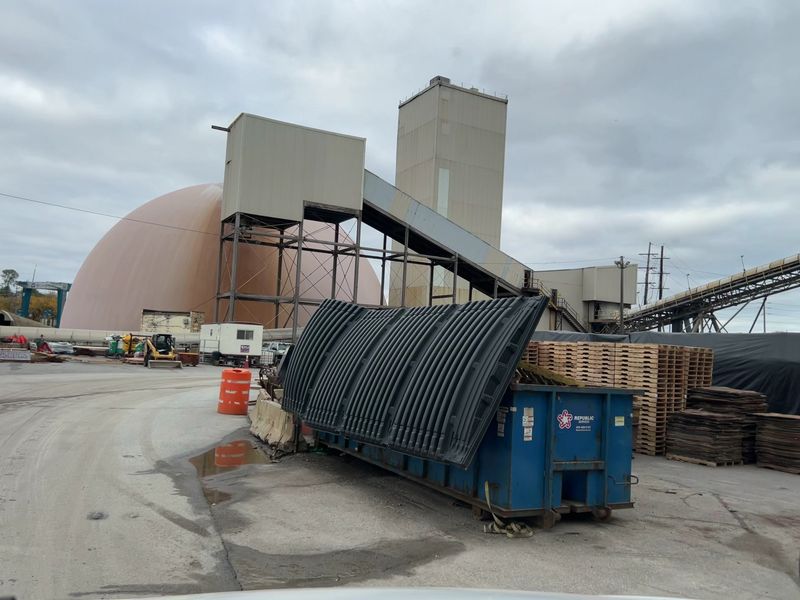
Twenty minutes. That is how long one crew needed to offload a truck, according to a driver who called it super quick.
Speed is easily the most talked-about feature of the place. Drivers repeatedly mention fast loading, and many say they were in and out in about 30 minutes.
One shared that a full 45,000-pound load was finished in half an hour, which is a lot of salt in very little time.
Another visitor described the docking as smooth enough that the whole trip took under 30 minutes. A different driver called loading almost first come, first served once you are in line.
Not every load goes perfectly, and one older comment complained that a load had been spread poorly across the trailer. Still, the more recent pattern from drivers points toward quick, efficient work at the chutes.
For the rest of us, the speed is kind of fascinating to think about. Salt that may have spent ages locked in rock under Lake Erie can be sitting in a trailer and headed for the highway in less time than it takes to watch a cartoon movie.
That is the hidden rhythm keeping winter roads moving across the region.
Busy Mornings and Long Lines
Early birds tend to win here. One driver advised arriving early if you can, because the site gets busy.
When salt season heats up, so to speak, the lines can stretch. A few drivers shared frustration about waiting around three hours, even with an appointment.
One felt that dump trucks were given priority, which made scheduling seem less helpful for other haulers.
That mix of quick loads and long waits might seem confusing, but it likely comes down to timing. On a calm day, the process can move fast.
When a storm is coming and every truck in the region needs salt, demand can stack up quickly.
Construction has also played a role at times. One visitor mentioned that work in the area made the docks a little harder to reach, even though the loading itself stayed fast.
The best takeaway for anyone hauling here is simple: build in extra time, especially in the heart of winter. Bring snacks, keep your paperwork handy, and expect that a busy day may stretch longer than planned.
A relaxed mindset can make even a slow line feel a lot more bearable, and the quick-loading days become a happy bonus.
Turn-by-Turn Tips From the Road
Getting lost in the Flats is practically a Cleveland rite of passage. Thankfully, drivers have shared plenty of route advice over the years.
One suggestion: take W 25th, bear slightly right onto Main Ave, turn left on Center St, then right on River Rd, cross the bridge, and keep slightly left toward the signs. Another driver came in by Abbey Ave, turned right on Columbus Rd, left on Center St, and right on River Rd through the bridge before following the curve.
A third skipped the GPS route full of lights and busy intersections from I-71. Instead, he took I-90 and Route 2 west along the shore, used exit 194, then went right on Washington St and right on 25th Street.
He warned that a left on 25th is marked no trucks and said the turns near Main and Mulberry are pretty tight.
Opinions on signs vary a bit. One visitor said there were road signs at every turn starting from 25th Street, while others felt the markings were hard to spot.
Whatever route you pick, slow down, watch for the bridge, and give yourself room for those snug corners.
Salt Shortages and Snowy Streets
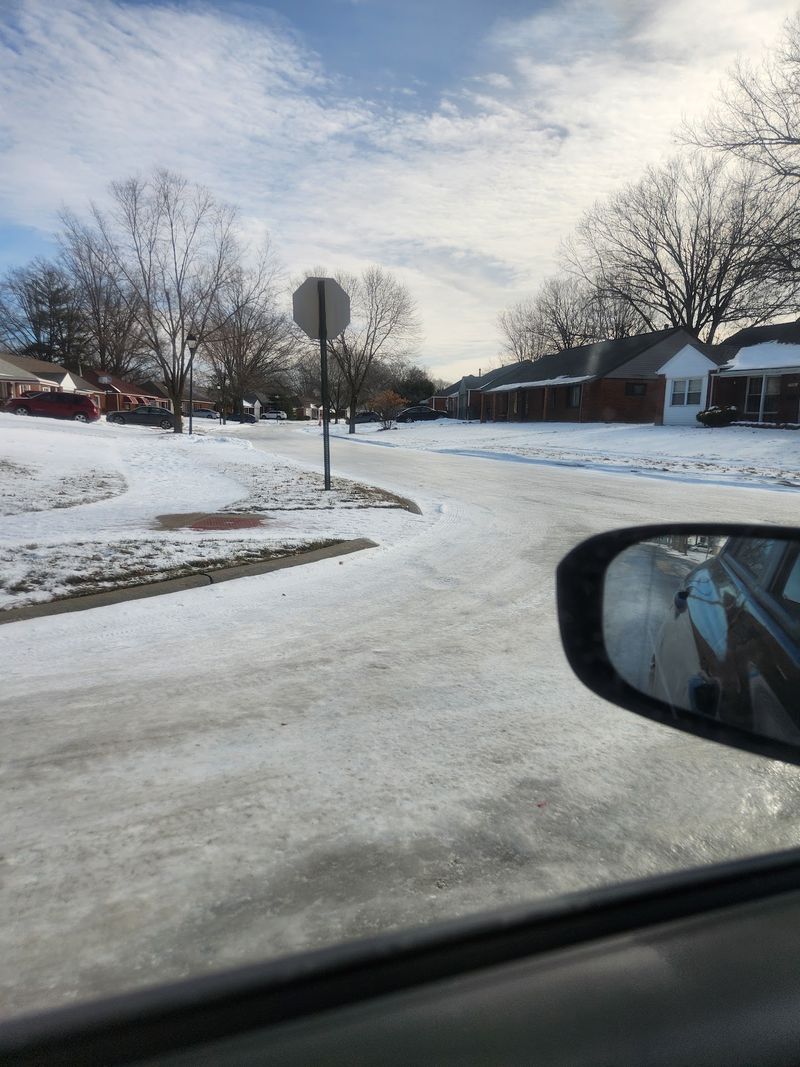
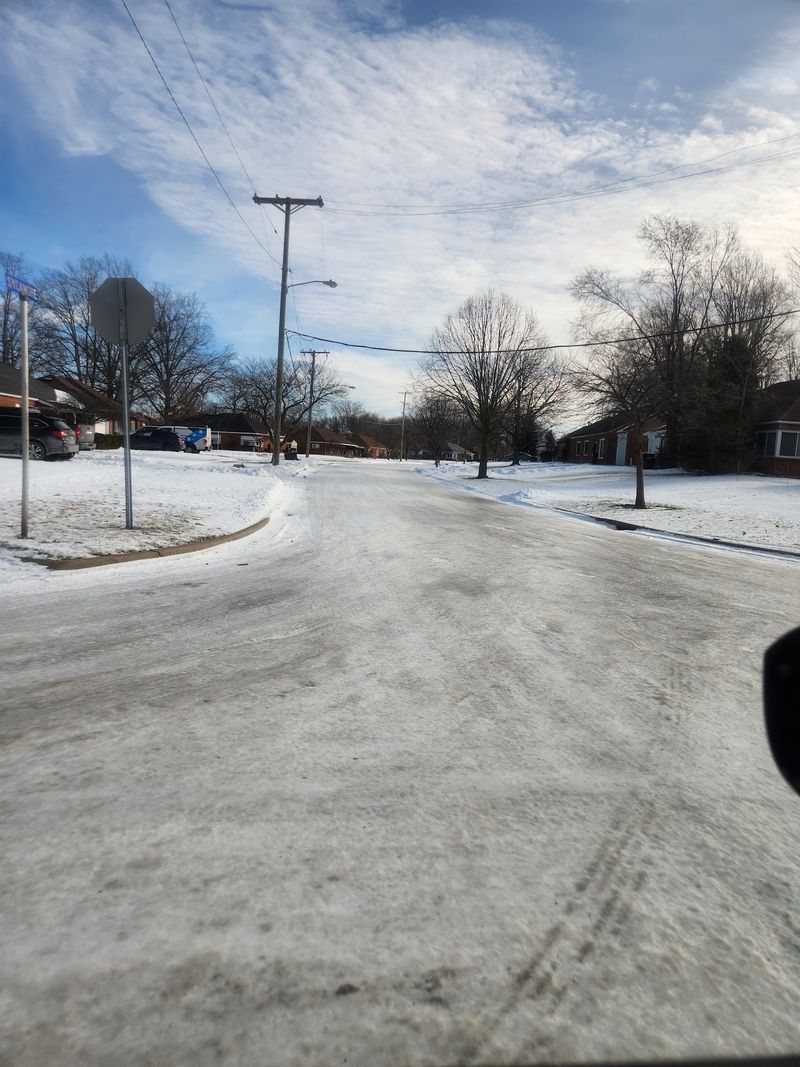
Living right next to a salt mine and still dealing with icy roads? Some locals have found that hard to swallow.
A few residents shared real frustration during a salt shortage. One person from Euclid described driving on untreated roads as a strong winter storm moved in.
Another felt that with a salt operation right in Cleveland, the city should not come up short when the snow piles up.
Those feelings make sense. When you know the salt is basically under your feet, empty storage domes can feel puzzling.
Supply and delivery, though, often depend on contracts, schedules, weather, and many moving parts that the public may never see.
Including these concerns gives a fuller picture of the place. It is not a polished attraction with a gift shop.
It is a working business that plays a big role in how a whole region handles winter, and people care deeply when things do not go smoothly.
If anything, the strong reactions prove how important the mine really is. Folks only get this passionate about something they rely on.
For families in Northeast Ohio, salt is not a small detail but part of getting through the season safely.
Who Belongs Behind the Gate
Let’s be clear up front: the gate is meant for working drivers, not curious sightseers. Tours of the tunnels are not part of the regular routine described by visitors.
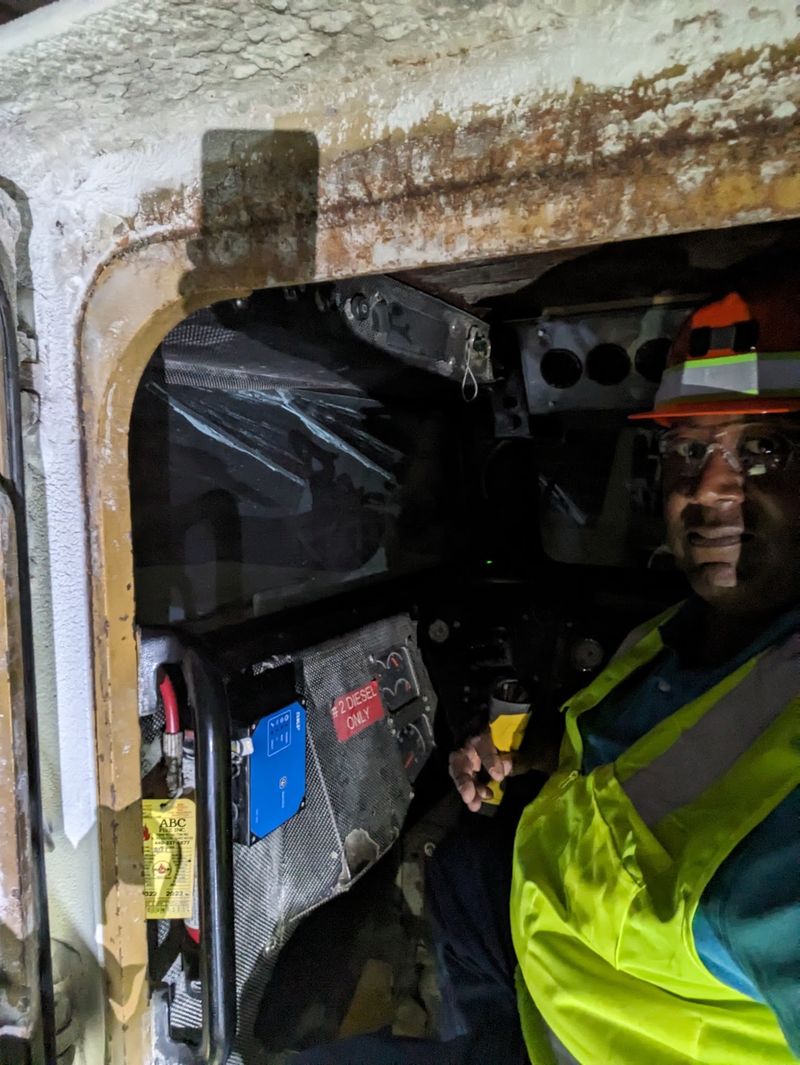
The folks who pass through are mostly truckers picking up salt or dropping off loads, along with contractors. One former contractor praised the company for treating its workers with respect and keeping safety at the top of the list.
A veteran driver always wore work gear and carried a driver’s license for the security check.
Families should know one important point. A parent once arrived with a daughter in the truck and was told anyone under 18 could not come in for loading.
That parent wished the rule had been posted clearly, so it is smart to plan ahead if you drive professionally with family aboard.
So who does the place suit? Drivers who value quick loading, organized escorts, and helpful staff tend to come away happy.
Those who need flexible timing on a busy storm day may find it more trying.
For everyone else, the mine works best as an amazing fact and a fun story. It is a place to admire and talk about, rather than a weekend stop.
Family Curiosity From a Distance
Kids cannot ride the elevator down into the tunnels, but they can still catch the salt bug. Sometimes the best family adventures start with a single surprising fact.
Tell your crew on the next drive into Cleveland that salt is being mined deep under Lake Erie. Then watch for salt trucks, plows, and freighters along the river.
A big boat passing under a raised bridge is often enough to make a car ride feel special.
At home, you can turn the idea into a mini science lesson. Talk about how ancient seas could leave salt behind, or sprinkle a little table salt on an ice cube and watch what happens.
Suddenly, the white stuff on the road makes sense in a fresh way.
Remember not to pull into the facility itself just to look around. It is an active industrial site with security, heavy trucks, and an age rule for loading areas, so admiring from public spots is the respectful choice.
Winter is a great time to spark these conversations. Every snowfall becomes a reminder of the hidden world beneath the lake, and that can make even a slushy commute feel a little more like a discovery.
Weekday Hours and Practical Details
Timing matters more than anything else for drivers headed this way. The posted schedule runs Monday through Friday from 6 AM to 2 PM.
Weekends are closed, so Saturday and Sunday plans will need to wait. Because the window closes in the early afternoon, an early arrival gives you the best shot at moving through quickly, especially on busy winter days.
Questions can go to the main line at 216-651-7200. The company also points people to its website, cargill.com, for broader information.
Calling ahead may help with appointments, paperwork, or anything unusual about your load.
A few extra tips from drivers are worth tucking away. One mentioned a couple of parking spots available overnight nearby, along with staff checking in and pointing the way.
Others recommended keeping your license and documents ready for security.
No pricing information is listed for the public, since this is a commercial operation rather than an attraction with tickets. It is simply where trucks pick up the salt that heads to roads across the area.
Finally, watch the weather. Lake-effect snow can roll in fast, so check road conditions before heading out, and remember that the drawbridge may add a short wait.
Worth Knowing Every Time It Snows
Some Ohio treasures come with a ticket booth and a gift shop. Others hide beneath a lake and quietly keep the state moving all winter long.
This salt operation belongs firmly in the second group. It is plain on the surface, busy at the gate, and not built for sightseeing, yet the story underneath is genuinely remarkable.
Tunnels far below Cleveland and Lake Erie supply salt for roads that families depend on every snowy morning.
Drivers who pass through often talk about fast loading, helpful guards, and an organized system once you know the steps. Others remind us that long lines and shortages can happen, especially when storms hit hard.
Both sides show how much this place matters to the region.
For most Ohioans, the best way to enjoy it is with a little wonder. Point out the salt trucks, wave at a passing freighter, and share the fun fact with the kids in the back seat.
Next time you hear the crunch of salt under your tires, think about where it may have started. Somewhere deep beneath that big, cold lake, Ohio is digging up its own winter safety net, and that feels like something worth bragging about.
