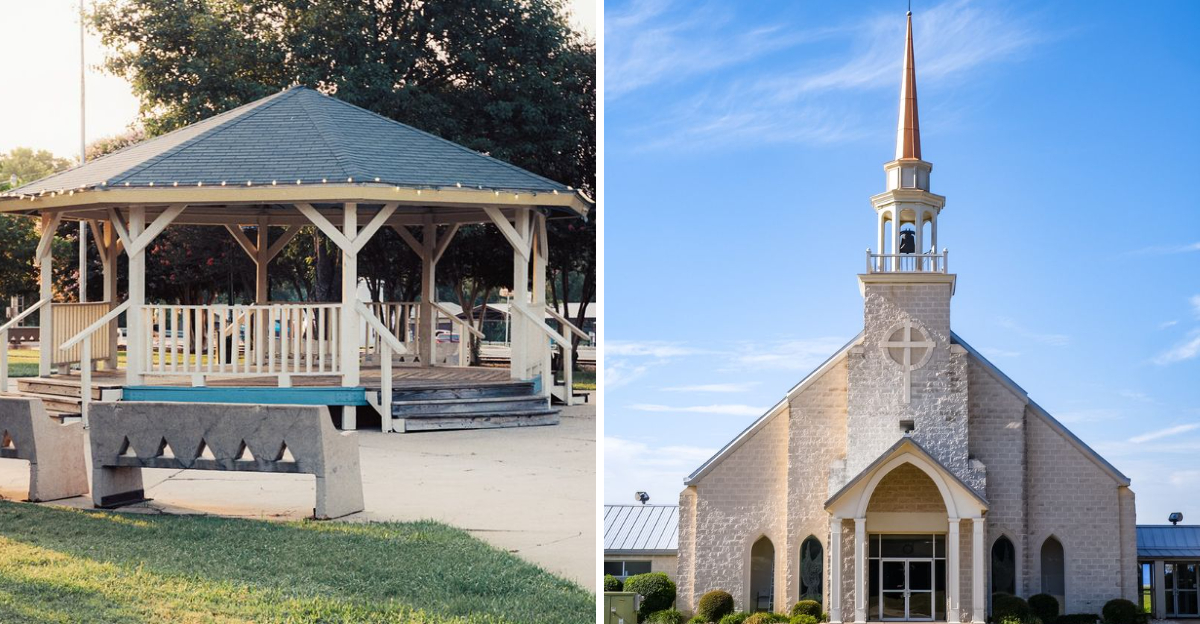
A good day trip should not require a spreadsheet, six parking apps, and military-level timing just to see everything.
This Texas town keeps things refreshingly manageable, with a historic downtown district full of restaurants, shops, public art, and more than 67 historic structures that can be explored on foot.
It also happens to be known as the Sausage Capital of Texas, so anyone who believes sightseeing improves dramatically when smoked meat is involved already has a solid reason to pay attention.
Monthly sip-and-stroll events and local shops add enough browsing to stretch the afternoon without making the whole outing feel overplanned.
Texas has plenty of destinations that demand a full weekend, but this one works beautifully for people who want good food, historic streets, and a little shopping without needing to unpack a suitcase.
Smoked Sausage With a 140-Year Head Start
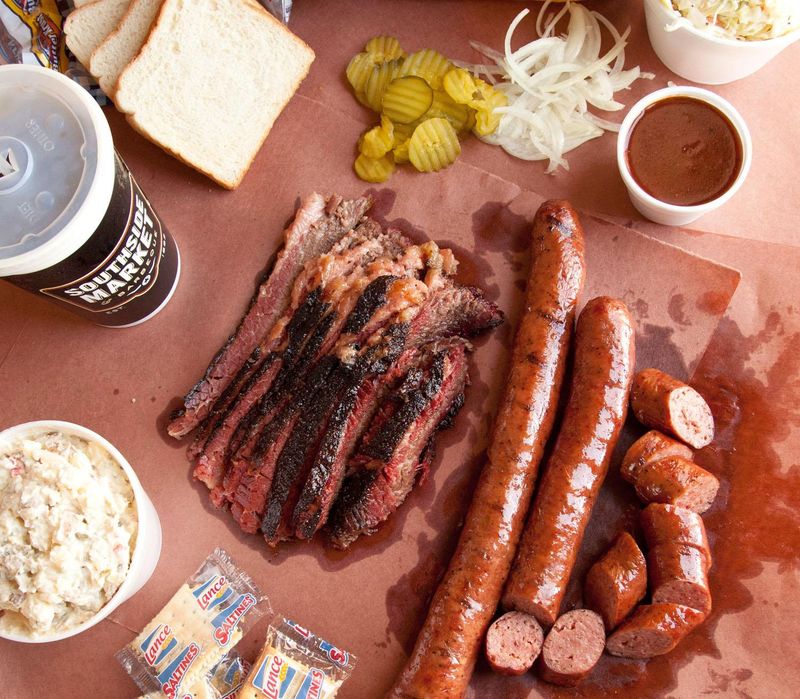
Barbecue in Elgin is not a trend. Southside Market and Barbeque opened in 1882, making it the oldest barbecue joint in Texas, and the Original Elgin Hot Sausage is still the thing people drive out here for.
The links come out with a snap and a slow heat that builds after the second or third bite. Brisket and ribs share the tray, but the sausage is the reason the town earned its nickname.
A short distance away sits Meyer’s Elgin Smokehouse, running since 1943 and still family-operated across generations. Their smoked sausage leans a little different, and honestly, trying both in one day is the smartest plan available.
Portions are generous at either spot, so consider splitting an order if a full afternoon of eating is on the schedule. Both places serve counter-style, which keeps the line moving even when it stretches toward the door.
Arriving before noon helps, since the popular cuts sometimes sell out on busy weekends. Take a look at the walls too, because old photographs and hand-painted signs tell a good chunk of the town’s story.
Sausage-making here started in the 1880s when butchers needed a way to use every scrap of meat. That practical habit turned into an identity, and Elgin never let it go.
Grab extra links to take home, packed cold for the drive.
Red-Brick Sidewalks and a Downtown Built to Last
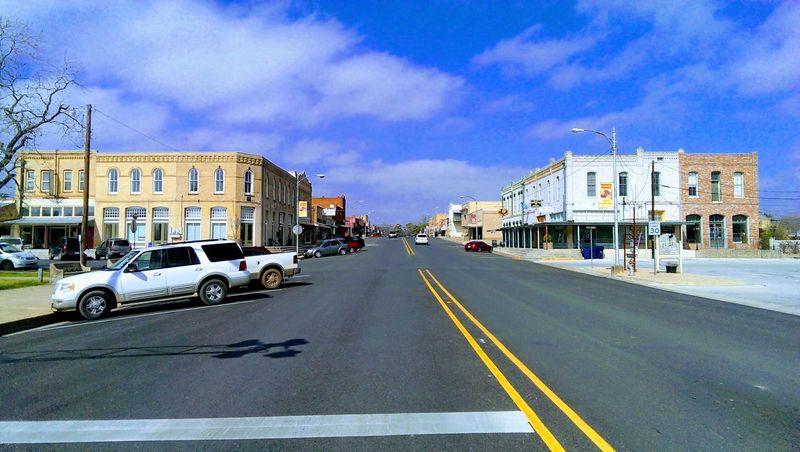
Look down while wandering Main Street and the sidewalks explain everything. Those red bricks came from local kilns, and Elgin produced so many of them that people started calling it the Brick Capital of the Southwest.
Brick production began around 1882, right as the town was hitting its stride. The buildings lining downtown, most built between 1872 and 1947, went up using the same material.
The whole district is listed on the National Register of Historic Places and covers 14 city blocks of old commercial and industrial structures. Restoration work has kept the facades looking sharp without scrubbing away their age.
Walking it takes maybe forty minutes at a slow pace, less if the heat is pushing. Shade comes and goes depending on the block, so morning tends to be more comfortable than mid-afternoon.
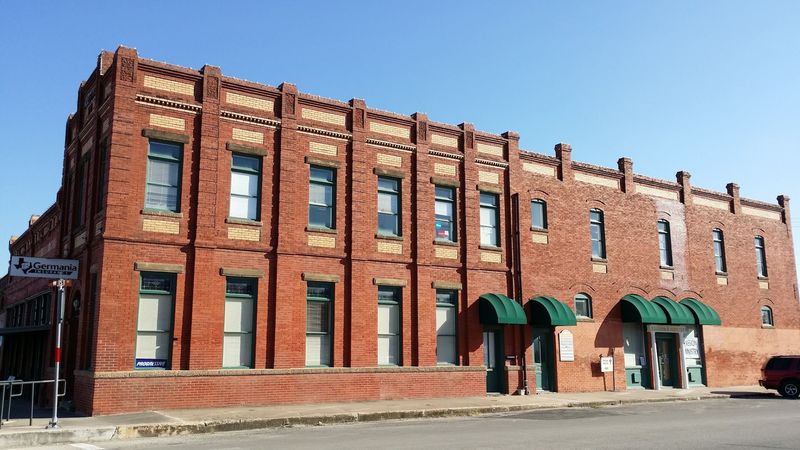
What struck me was the scale of the place. Two stories, mostly, with tall windows and decorative brickwork above the doorways that most people never look up to notice.
Ghost signs appear on several walls, faded advertisements painted decades ago and left to weather naturally. Some are barely legible, which somehow makes them better.
Elgin is a designated National Main Street Community, and the preservation effort has picked up awards over the years. That work shows in small details like matching mortar and restored transom windows.
Bring comfortable shoes. Brick is charming but uneven in spots, and the whole point is to slow down anyway.
Murals, Ghost Signs, and Art You Find by Accident
Turning a corner near Main Street, I found a mural covering an entire brick wall in colors that had no business looking that good against old masonry. Elgin has quietly filled its downtown with public art.
The Elgin Public Art Tour maps out murals, hand-drawn cartoons, and those weathered vintage advertisements still clinging to building sides. Following it takes an hour, though wandering without the map works fine too.
Some pieces are big and bold, meant to be seen from across the street. Others hide in alleys and above doorways, rewarding anyone who looks around instead of straight ahead.
The Clever Tiger operates downtown as an art studio and gallery, hosting classes and exhibitions throughout the year. Stopping in gives a sense of who is actually making things around here.
The Elgin Arts Association helps drive much of this energy, organizing shows and art walks that pull people into the district. She Creates Union supports women makers and artists in and around town.
An Artists and Makers Market pops up with paintings, jewelry, pottery, clothing, and handmade body care goods. Timing a visit around it adds a whole extra layer to the day.
Photography is easy here because the light bounces off brick in a warm, forgiving way. Late afternoon is especially good for the west-facing walls.
Kids tend to love the mural hunt, which makes this a decent way to keep everyone moving.
Shops Where Somebody Actually Greets You

Shopping in Elgin runs on conversation more than commerce. Elgin Dry Goods has anchored the downtown block since 2014, stocking women’s fashion, accessories, gifts, candy, and gourmet items in a space that feels curated rather than crammed.
The candy counter is a trap in the best way. Several people I passed walked out with a small bag and no apparent regret.
The Owl Wine Bar and Home Goods Store bills itself as Elgin’s first home goods store, filled with vintage decor and furniture worth browsing slowly. Pieces rotate, so what is there one month may be gone the next.
The Painted Raven leans into fabric, crafts, and gifts, which makes it a solid stop for anyone who sews, quilts, or just likes handling good material. Crafters tend to lose track of time in there.
Store hours vary more than in a big city, and some places close earlier on Sundays. Checking ahead saves a wasted trip across town.
What makes browsing here different is the pace. Nobody hovers, nobody pressures, and questions get answered by someone who probably knows the person who made the item.
The Elgin Farmers Market runs weekly at Veterans Memorial Park with produce, homemade goods, and local crafts. Live music often plays alongside the stalls.
Parking downtown is straightforward and free in most spots, which removes one more thing to worry about.
Coffee, Pancakes, and Everything Between Meals
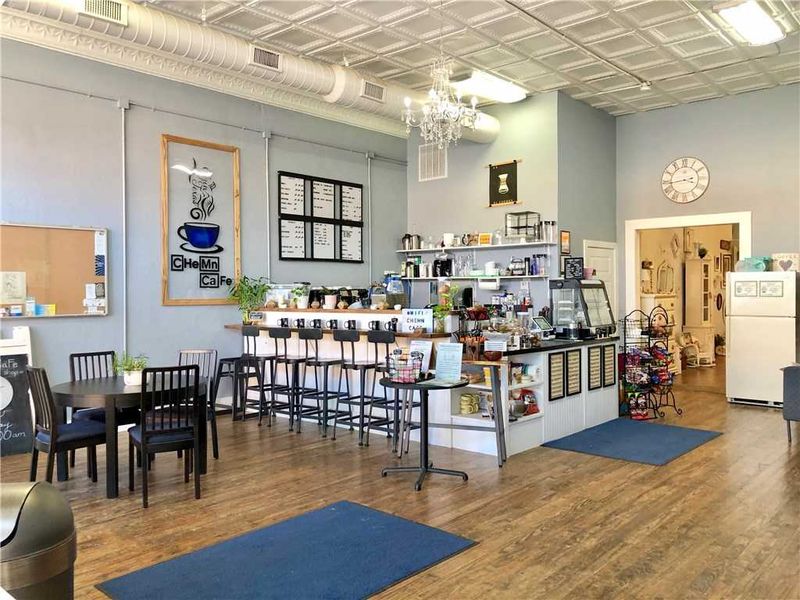
Not every meal in Elgin involves a smoker. Lucy’s Kitchen handles breakfast with fluffy pancakes, crispy bacon, and the kind of homestyle plates that fill you up before ten in the morning.
Burgers and meatloaf show up on the menu later in the day. The atmosphere is friendly diner, nothing fancy, exactly what a road trip needs.
Chemn Cafe sits on North Main with a clean, minimalist setup and a menu of lattes, teas, and pastries. It works well as a mid-walk reset when the sun starts winning.
Millie’s on Main has become a gathering spot downtown, mixing American favorites with Hispanic-inspired dishes and rotating local food trucks out front. Portions are generous and the focus stays on quality ingredients.
Firewild on Main takes a different angle entirely, running pop-ups and community gatherings around a menu described as Texas meets Mediterranean. Ingredients come from local farms, and the room is genuinely nice to sit in.
Napoli’s Italian Bistro II covers pasta cravings, while Morelia Mexican Grill handles Mexican plates. Between all of them, nobody in a group goes unfed.
Spacing meals out is the real strategy here. Coffee mid-morning, barbecue at lunch, something lighter in the evening.
The 1903 Depot That Explains How Elgin Happened
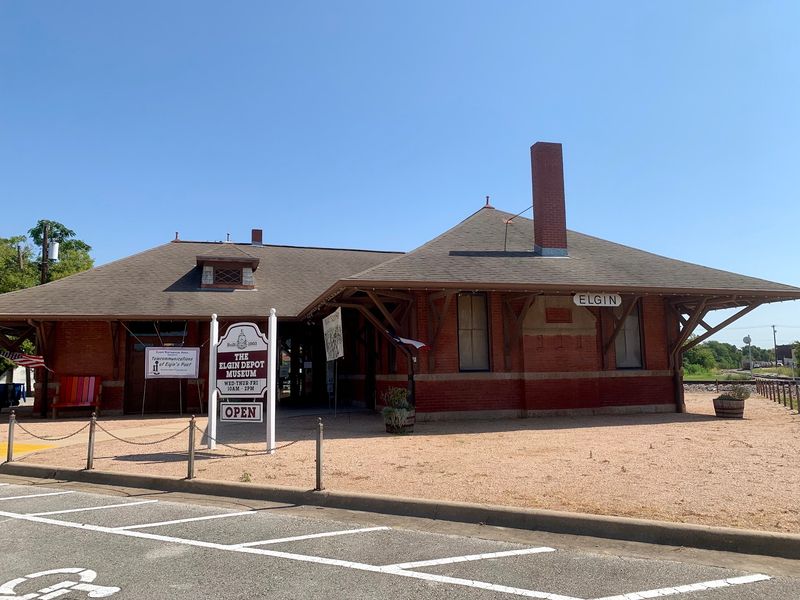
Here is a fact that reshapes the whole town: Elgin exists because of a flood. In 1869 the Colorado River flooded badly enough that the Houston and Texas Central Railroad scrapped its original route plan, and the new line created a townsite in 1872.
The town took its name from Robert Morris Elgin, the railroad’s land commissioner. The original plat put the depot dead center in a one-square-mile grid.
By 1885, two major rail lines crossed here and eight passenger trains rolled through daily. That traffic built the downtown that still stands.
The Elgin Depot Museum occupies a restored 1903 train depot and holds historic photographs, artifacts, and exhibits on railroads, agriculture, and the sausage trade. It is compact, which means nobody gets museum fatigue.
The H and TC Freight Depot from 1872 is Elgin’s oldest surviving building, a plain but important survivor from the founding year. Worth a look even from outside.
Another piece of the story sits in the Dr. I.B. Nofsinger House, built in 1906 and restored in 2003, now used for city administrative offices.
Cotton mattered too. A bumper crop in 1900 kept five cotton gins and a cotton oil mill running at the same time.
A Heritage Walking Tour ties these sites together for anyone who prefers structure. The route makes the architecture downtown suddenly make a lot more sense.
Green Spaces for When the Sidewalks Get Warm
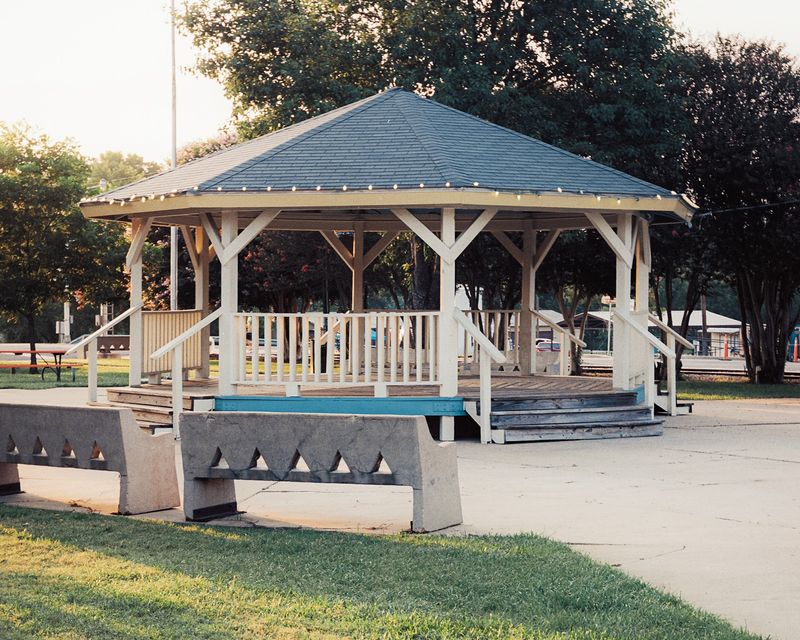
Texas afternoons have a way of ending conversations, and Elgin’s parks solve that problem nicely. Veterans Memorial Park sits right downtown with walking trails, picnic areas, and a splash pad that kids treat like the main attraction.
The park doubles as the venue for markets, concerts, and community events. Timing a visit around one of those turns a quiet stop into something livelier.
Elgin Memorial Park spreads across 23 acres with trails, sports courts, playgrounds, and space for the bigger annual festivals. There is enough room to spread out without feeling on top of anyone.
Thomas Memorial Park keeps things calmer with a pond and open lawn, good for a slow loop after a heavy barbecue lunch. It is the kind of place where nobody is in a hurry.
For a longer stretch of legs, the Shenandoah Greenbelt covers 40 acres with a hike and bike trail running just over a mile from FM1100 to ACC. Open prairie sections along the way suit picnics or kite flying.
Shade is limited in places, so a hat and water bottle earn their spot in the bag. Early morning and the hour before sunset are the sweet spots.
Wildflowers show up along the greenbelt in spring, which is reason enough to plan a March or April visit.
Building the Perfect One-Day Route
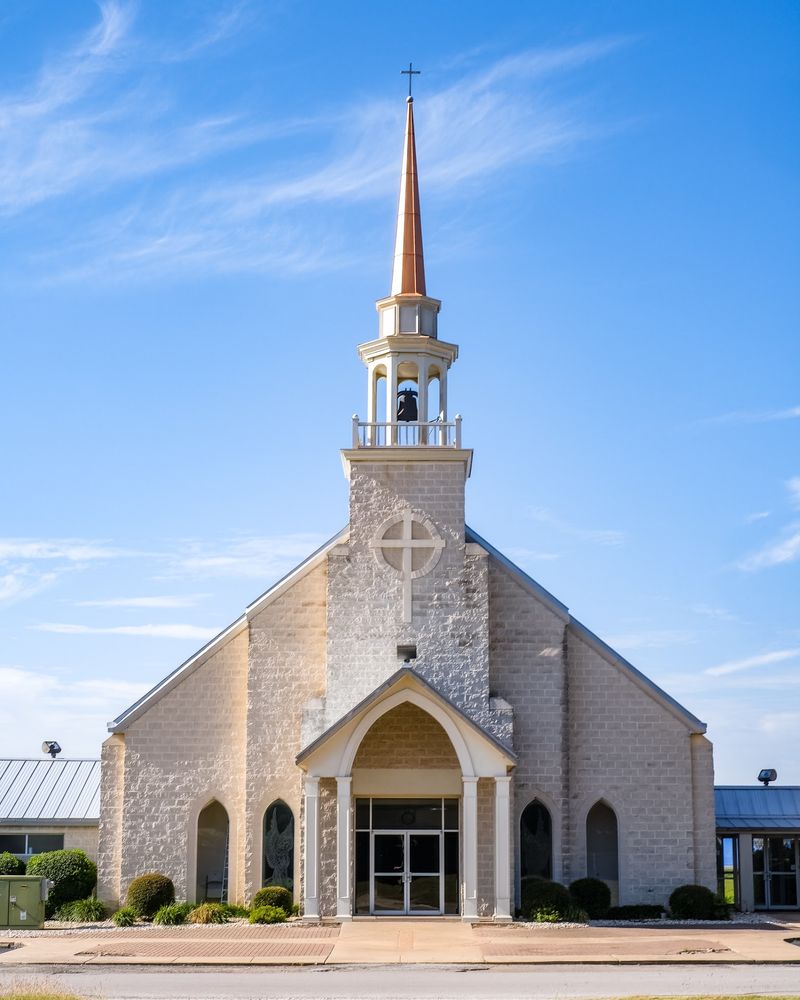
Elgin sits close enough to Austin that the drive barely registers, which is part of why a single day works so well. Start early with breakfast, then hit downtown before the sun climbs.
Morning is best for the walking tours, both the Heritage Walking Tour and the Elgin Art Walking Tour. Cooler air makes brick sidewalks a lot more pleasant.
Shops generally open later than restaurants, so browsing fits naturally into late morning. Elgin Dry Goods, The Painted Raven, and the home goods store cluster close together.
Lunch belongs to barbecue, no debate. Whether Southside Market or Meyer’s wins depends entirely on which sausage style appeals more.
Afternoon works for the Depot Museum, since it is indoors and air-conditioned. History goes down easier after a full plate.
Cap the day with a park loop or a coffee downtown, depending on energy levels. Golden hour on those brick facades is genuinely beautiful.
Saturdays bring the farmers market and more foot traffic, while weekdays feel quieter and easier for parking. Both versions of Elgin have their appeal.
Wear shoes made for walking, bring water, and leave room in the trunk for sausage and whatever the shops talk you into. Cash is handy at markets.
The whole thing fits between breakfast and sunset without feeling rushed, which is rare for a town with this much packed into it.
