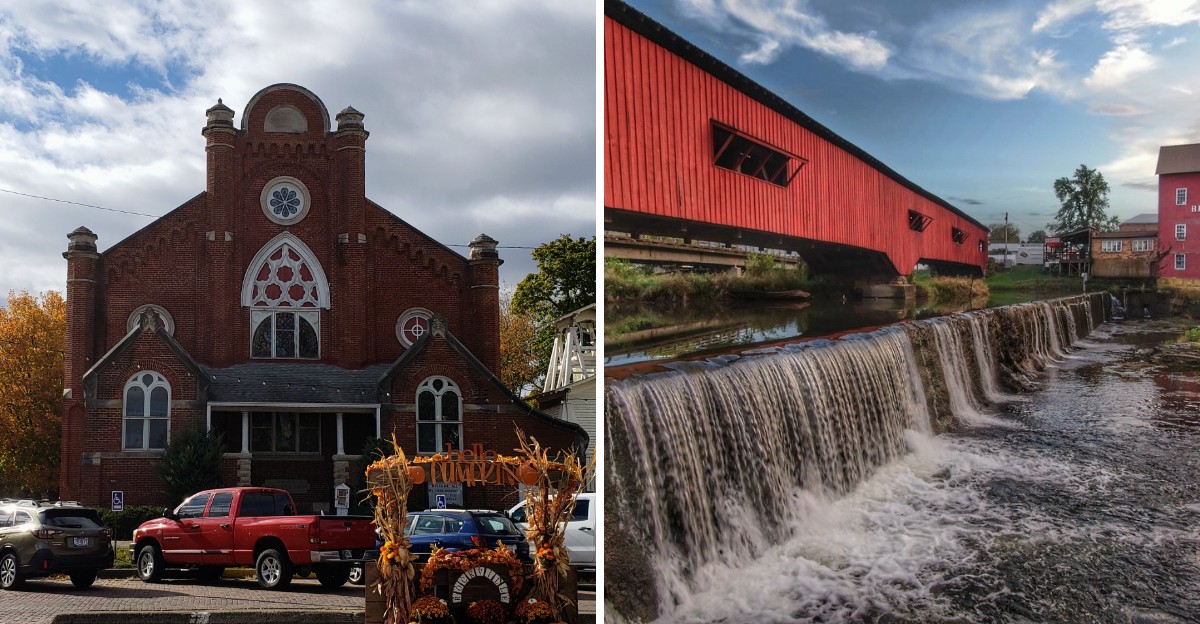
The town has 2,500 residents. For ten days, that number becomes almost irrelevant.
Suddenly there are cars everywhere, tents covering the courthouse lawn, kettle corn in the air, and enough people wandering around to make a quiet Tuesday feel like a county fair with traffic problems.
This Indiana town has perfected the annual transformation, opening its streets to a massive fall festival built around old wooden covered bridges.
Parking becomes a tactical exercise. Lines develop personalities.
Someone inevitably asks where they left the car. And yet, year after year, everybody comes back.
That might be the strangest part. A tiny town becomes temporarily inconvenient on purpose.
Two Million Guests and One Courthouse Lawn
Traffic usually gives it away first. Cars line up for miles on U.S.
Route 36 as the Parke County Covered Bridge Festival kicks off on the second Friday of October, and Rockville turns into the busy headquarters of Indiana’s largest yearly festival.
Estimates put the crowd at somewhere between 1.5 and 2 million visitors over ten days. That is a lot of people for a town this size!
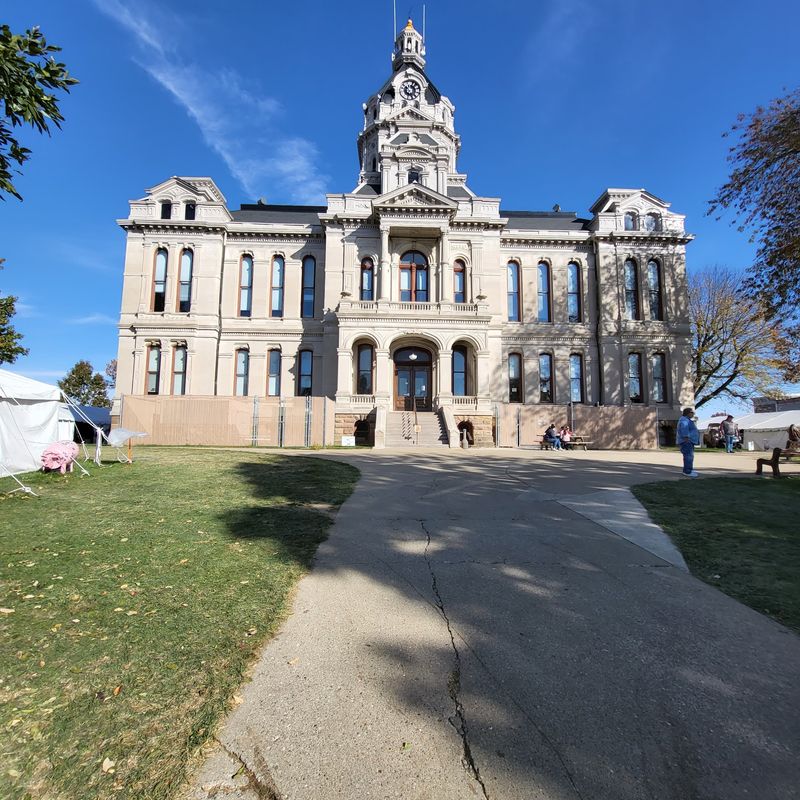
The heart of it all sits on the historic courthouse lawn, where rows of tents pop up around the square like mushrooms after rain.
Vendors sell handmade crafts, antiques, quilts, and homemade treats. Many food booths are run by local churches, schools, and community groups, so every bite helps a good cause close to home.
The smell of fried biscuits and apple butter seems to follow visitors from one corner to the next.
Admission is free, which makes the festival easy on families. Still, a little planning goes a long way.
Arriving early in the morning beats the worst crowds, and weekdays tend to feel calmer than weekends.
Comfortable shoes are a must, since parking spots often sit a good walk away from the square. A small backpack helps carry treasures found along the way.
Rockville is only one stop too, because nine other Parke County communities join the party with their own vendors and specialties, so there is always another place to explore.
Thirty One Bridges and Counting the Creaks
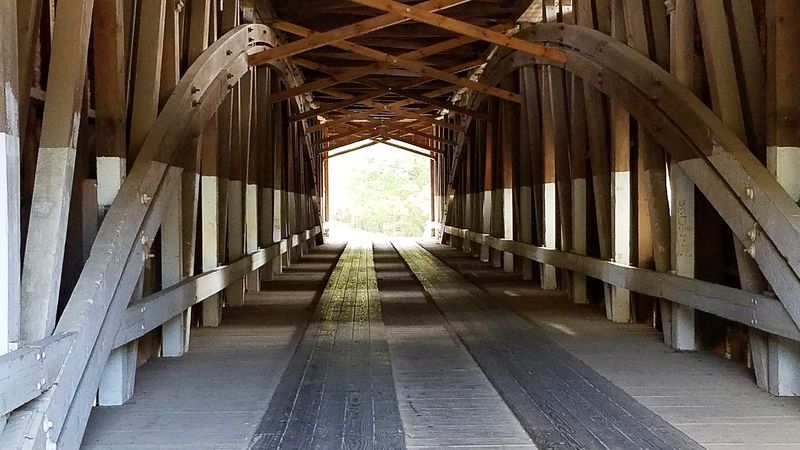
Wooden planks rumble under tires in a way modern roads never do. Parke County holds 31 historic covered bridges, more than any other county in the country, and that explains how Rockville earned its famous nickname.
Most of these bridges were built in the 1800s using the Burr arch truss design. Big curved timbers run along each side, giving the bridges strength and a graceful shape.
Many were built by local craftsmen like J.J. Daniels, whose work still stands more than a century later.
Some favorites are easy to reach. The Portland Mills Covered Bridge dates to 1856 and ranks among the oldest in the county.
The Mansfield Covered Bridge stretches 247 feet across Big Raccoon Creek, making it one of the longest around.
A quirky one sits right in Rockville. The Catlin Covered Bridge, first built in 1907, was moved to the Parke County Golf Course, where it now crosses Bill Diddle Creek.
Golfers get a history lesson between holes!
Self guided driving routes are color coded and marked with signs, so getting lost is harder than it sounds. During the festival, guided bus tours also roll out for anyone who would rather skip the driving.
Bring a camera and plan to stop often. October leaves turn these old red and white bridges into postcard scenes, especially in soft morning light.
Where the 1800s Still Hang Around
A horse snorts, wagon wheels crunch over gravel, and suddenly the modern world feels far away. Billie Creek Village sits just east of Rockville along U.S.
Route 36, and it gives visitors a hands on look at rural life in the 1800s.
The village is a living history museum filled with carefully preserved buildings. Kids can peek inside an old schoolhouse and imagine learning without tablets or even electric lights.
A general store shows what shopping looked like long before supermarkets.
Here is a fun detail. The village has three historic covered bridges right on its grounds.
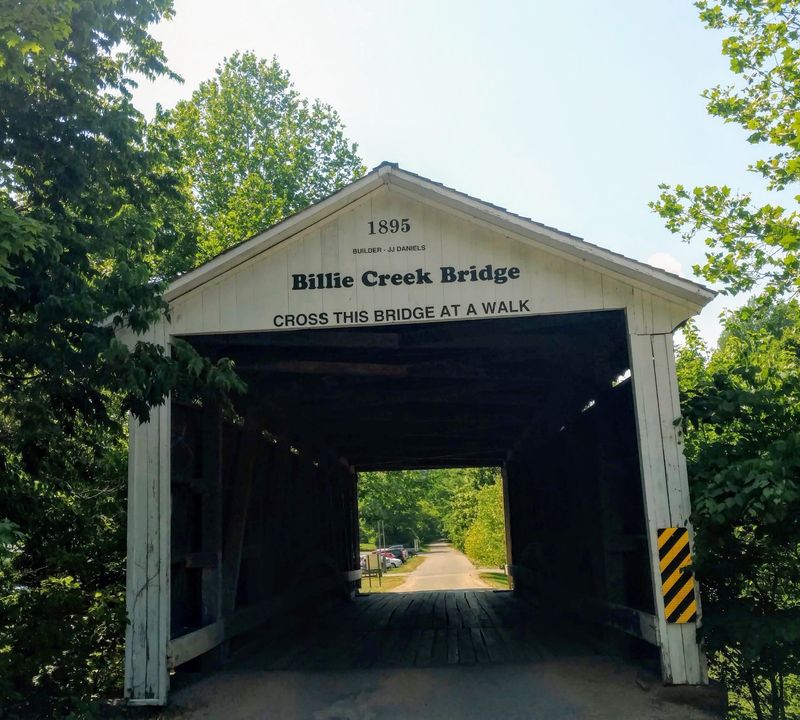
The Beeson Covered Bridge, built in 1906, works as a walking entrance, while the 1895 Billie Creek Bridge stands proudly inside the property.
Wagon rides pulled by horses offer an easy way to see everything. They also give tired legs a break after a long festival day downtown.
Craft demonstrations pop up throughout the year and especially in October.
Watching skilled hands work at traditional crafts helps the past make sense in a real way. Families with young children often find this stop a highlight, since there is plenty to see, touch, and ask about.
Teachers and history fans tend to love it too. Plan at least a couple of hours to wander slowly, ask questions, and soak up the old fashioned pace.
A Downtown That Never Lost Its Marquee
Some small towns lose their old buildings over time, but Rockville held on tight. The historic downtown still circles the grand 1882 Parke County Courthouse, a tall stone landmark that watches over the square like a proud grandparent.
Rockville was founded in 1824 and quickly became the county seat. Farmers from all around came here to trade, shop, and handle business.
That history shows in the brick storefronts that still line the streets today.
Browsing is the main event outside festival season. Antique shops, small boutiques, and art galleries invite slow wandering.
Local artists often display paintings and crafts inspired by the bridges and countryside.
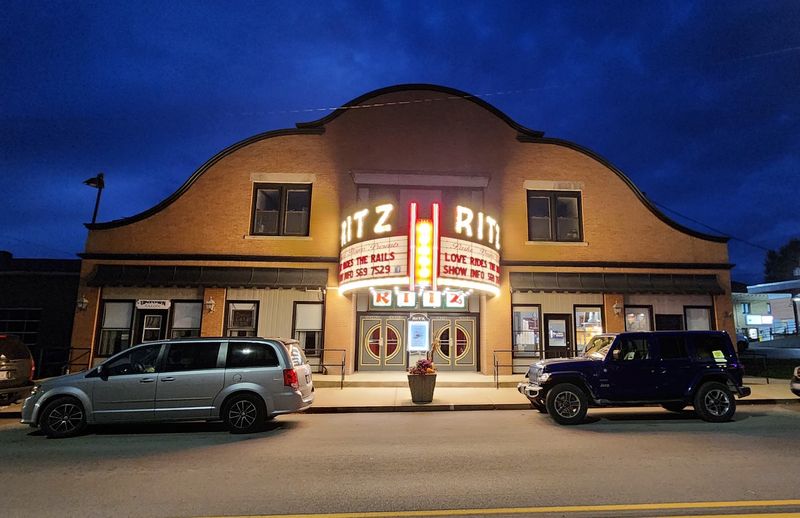
Movie lovers should look for the Ritz Theater at 116 West High Street, Rockville, Indiana. Its classic marquee glows like a scene from an old film.
It makes a great photo spot, especially at dusk.
History hides in surprising places here. A former jail built in 1832 at the corner of High and Virginia Streets now serves as the Rockville Boarding House, which is quite a glow up for an old lockup!
The town’s historic district, including the Rockville Chautauqua Pavilion, appears on the National Register of Historic Places.
Cozy local restaurants serve hearty, home style meals. After a day of crowds, grabbing a warm plate in a friendly diner feels like the perfect reward.
Ladders, Ravines, and a Wobbly Bridge at Turkey Run
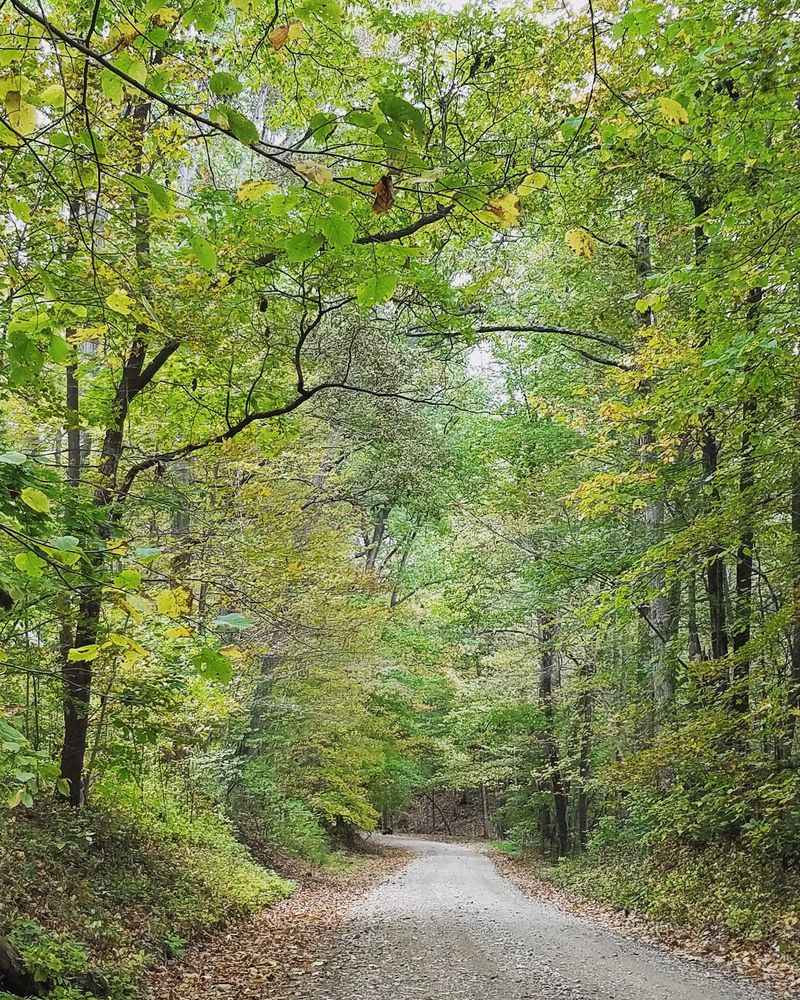
Hiking boots get muddy fast at Turkey Run State Park, and nobody seems to mind. Just a short drive north of Rockville, this park swaps festival noise for deep sandstone canyons, cool hemlock forests, and the sound of Sugar Creek.
The park sits at 8121 Park Road, Marshall, Indiana. It offers more than 14 miles of trails, from easy creekside walks to rugged routes that require climbing ladders and stepping through streambeds.
Trail 3 is famous for its adventure, so wear shoes with good grip and expect wet feet.
A swaying suspension bridge crosses Sugar Creek. Walking across gives a fun little wobble and a great view of the water below.
Kids usually want to go twice.
History lives here too. The Lusk Home and Mill Site shows how early settlers lived along the creek.
The Colonel Richard Lieber Cabin honors the man known as the father of Indiana’s state park system.
Curious minds should stop by the nature center. Its displays explain the plants, animals, and rocks that make this place so special.
Programs often run on weekends.
Canoeing and kayaking on Sugar Creek are popular when water levels allow. The park opens daily from 7 AM to 11 PM, while trails stay open from dawn to dusk, so plan hikes around daylight hours.
Grinding Corn the Old Fashioned Way in Mansfield
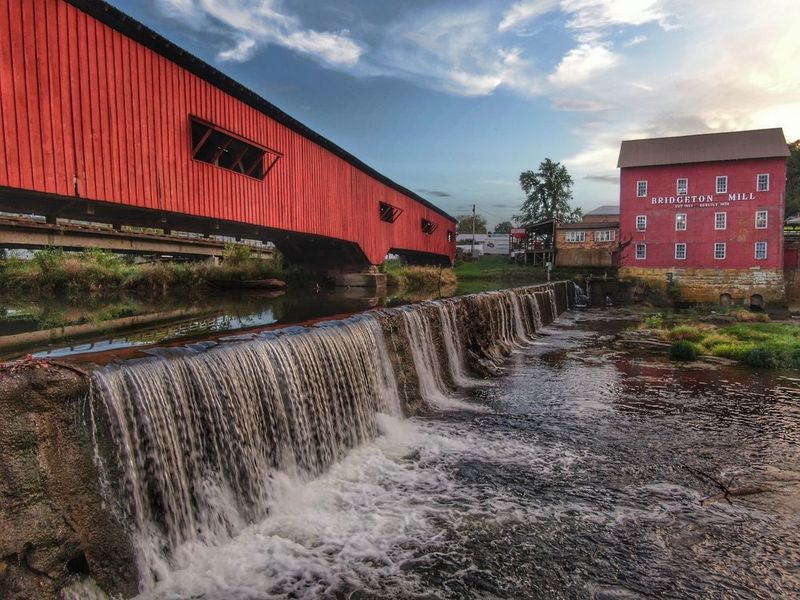
Big wooden gears turning slowly have a calming effect, almost like watching a clock from the inside. That is part of the magic at the Mansfield Roller Mill, a short drive south of Rockville and one of the busiest stops during festival season.
Mansfield was settled in 1820 and grew around its flour mill. The current mill dates to the 1880s and still holds its original machinery.
It sits at 6564 Martin Road, Carbon, Indiana, and tours show how grain becomes flour step by step.
Demonstrations of corn grinding make the process easy to understand. Seeing it in action beats reading about it in a textbook any day.
The rumble and the dusty smell add to the experience.
Right next door stands the Mansfield Covered Bridge, built in 1867. Together, the mill and bridge create one of the prettiest scenes in the whole county.
Photographers often set up on the creek bank for the best angle.
During the festival, hundreds of vendors fill the village. Shoppers find handmade crafts, antiques, and plenty of comfort food.
Steaming bowls of chicken and noodles and jars of fresh apple butter are local favorites.
Crowds here can rival Rockville’s, so arriving early helps. Outside October, the village becomes peaceful again, with rolling hills and quiet roads that feel wonderfully slow.
Lakes, Back Roads, and Amish Farm Stands
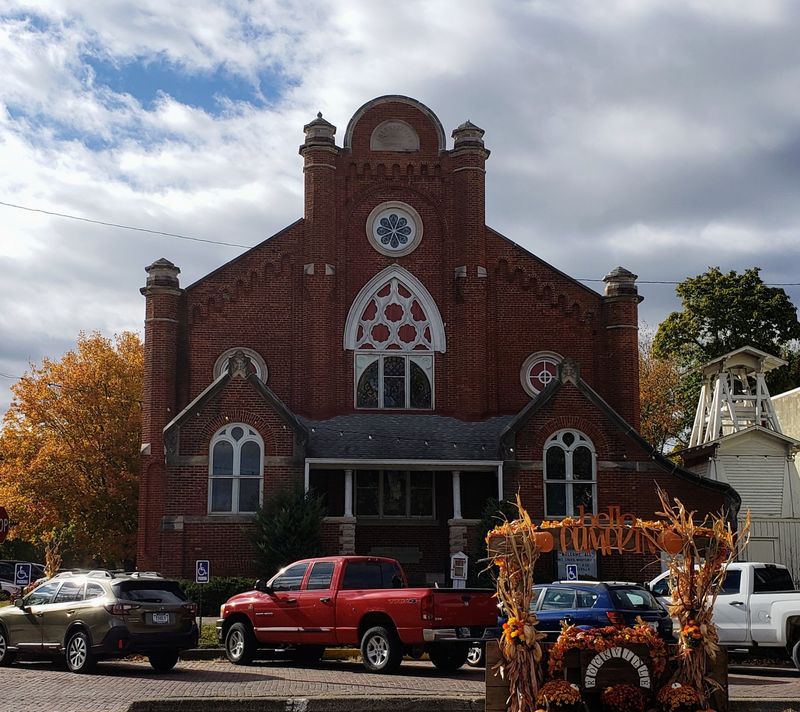
Once the festival tents come down, the countryside around Rockville still has plenty to say. Rolling hills, quiet lakes, and winding creeks make Parke County a lovely spot for slowing down and breathing fresh autumn air.
Raccoon Lake, also called Cecil M. Harden Lake, is the big player.
Boaters, swimmers, and anglers enjoy its wide waters, while picnic shelters and trails line the shore. Boat ramps make launching simple for anyone bringing a small craft.
Closer to town, Rockville Lake offers a calmer setting. Small boats glide across the water, and walkers enjoy easy shoreline paths.
There is even a disc golf course for a playful afternoon.
Paddlers love Sugar Creek. Canoes and kayaks drift past rocky bluffs and sometimes slide right under historic covered bridges.
That is a view few rivers in the Midwest can match.
Scenic drives might be the best treat of all. Country roads wind past Amish farms where horse drawn buggies share the road.
Slow down and give them plenty of room.
Roadside stands sell fresh produce, baked goods, honey, and handmade items. Buying straight from local families adds a personal touch to any trip.
Keep some cash handy, since many small stands do not take cards. With leaves blazing red and gold, even a wrong turn turns into a happy surprise.
