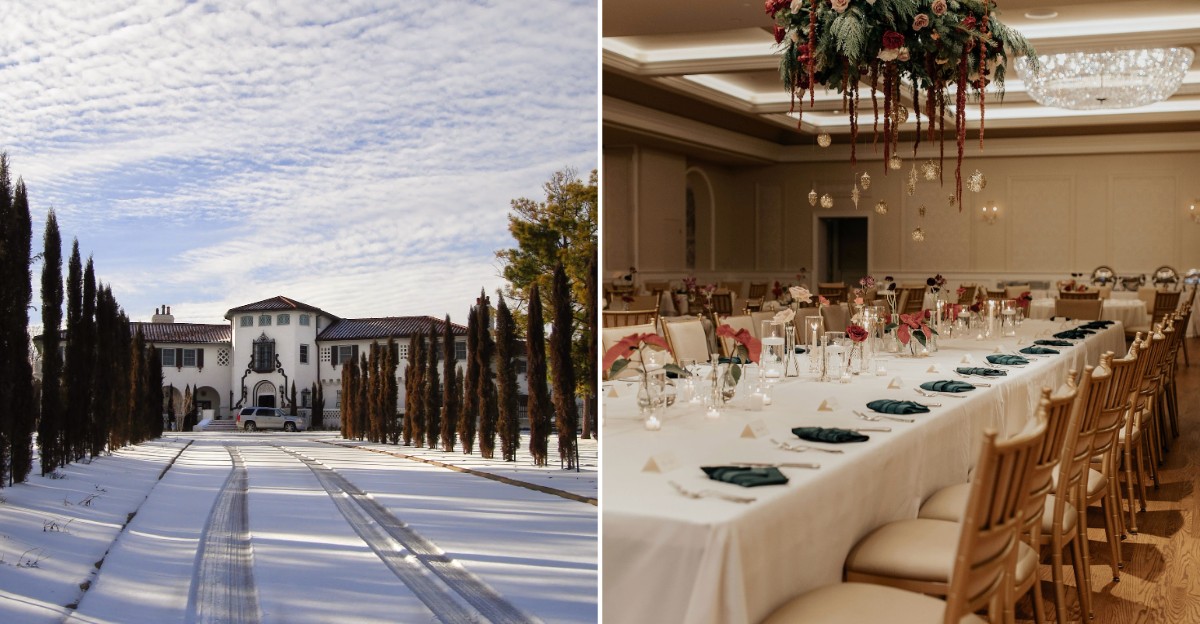
Back in the early 1930s, this tiny city asked a much bigger neighbor to absorb it. The answer was no. So the residents shrugged, kept their independence, and built one of the priciest zip codes around.
Today the typical owner-occupied home there is valued at $818,500. That’s a big number for a place with fewer than 4,000 residents.
Around 91.5 percent of occupied homes are owner-occupied.
I like how the streets curve and wander instead of marching in a grid. Many are named after English towns.
The whole thing feels planned by someone who preferred trees over traffic.
This little city sits right in the middle of the Oklahoma City metro area in Oklahoma. It runs its own police, fire, and city services.
What makes one small town worth that much?
The Rejection That Created A Proud Little City
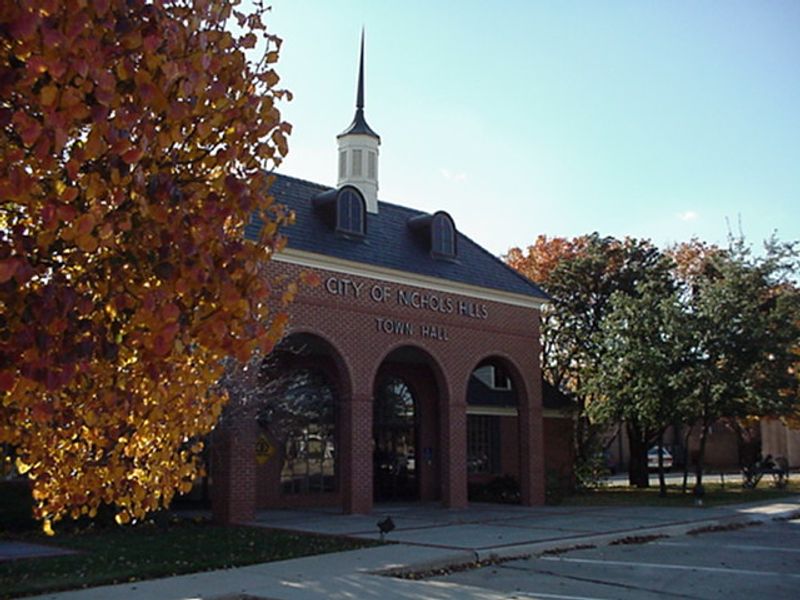
Getting turned down can be the best thing that ever happens to you. Just ask the City of Nichols Hills.
During the Great Depression, the young town petitioned Oklahoma City for annexation, and the bigger city refused.
Residents responded by doubling down on independence. They kept their own government and never looked back.
In 1959, the city adopted its first charter, making that independent spirit official on paper.
Nichols Hills City Hall stands as the center of that story today. It’s where local government meets, decides, and keeps this small Oklahoma city running on its own terms.
For a town of fewer than 4,000 people, that’s a serious amount of self-reliance.
By 1950, Oklahoma City had annexed the land all around it. Now Nichols Hills is bordered by Oklahoma City on the south, east, and west.
The Village sits to the north.
That makes it a true island city. You can drive across a street and change municipalities without noticing a sign.
I believe that quirky geography is part of the charm, and it explains why City Hall matters so much to locals who chose this independence decades ago.
A Price Tag That Makes Jaws Drop
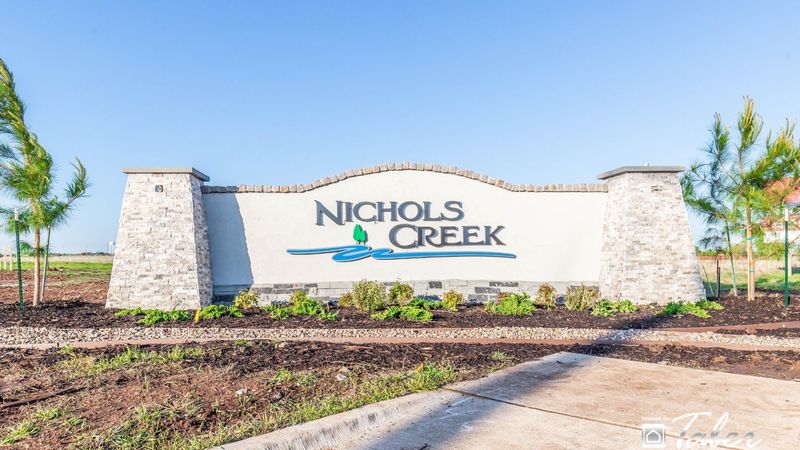
$818,500. That’s the median value reported for owner-occupied homes in Nichols Hills in 2024.
For comparison, plenty of American towns would be thrilled with half that number.
And the figure hasn’t sat still. Newer estimates put median home prices somewhere between roughly $862,500 and nearly $990,000, depending on the source.
Either way, the trend points upward.
So why the big numbers? Part of it is simple supply and demand.
The city covers about 1,280 acres, and it has stayed mostly residential since day one.
Strict zoning rules have shaped Nichols Hills from the start. Large lots, mature trees, and limited commercial building keep the neighborhood quiet and leafy.
Buyers pay for that calm.
Homeownership is another clue. Around 91.5 percent of homes are owner-occupied, which is remarkably high.
Fewer rentals usually mean more long-term neighbors and more care put into each property.
If you’re house hunting in Oklahoma on a modest budget, this might be a window-shopping trip. Still, it’s fascinating to see how planning choices made back in 1929 continue to shape values today.
Good decisions, it turns out, age like fine furniture.
Curvy Streets Designed By Landscape Pros
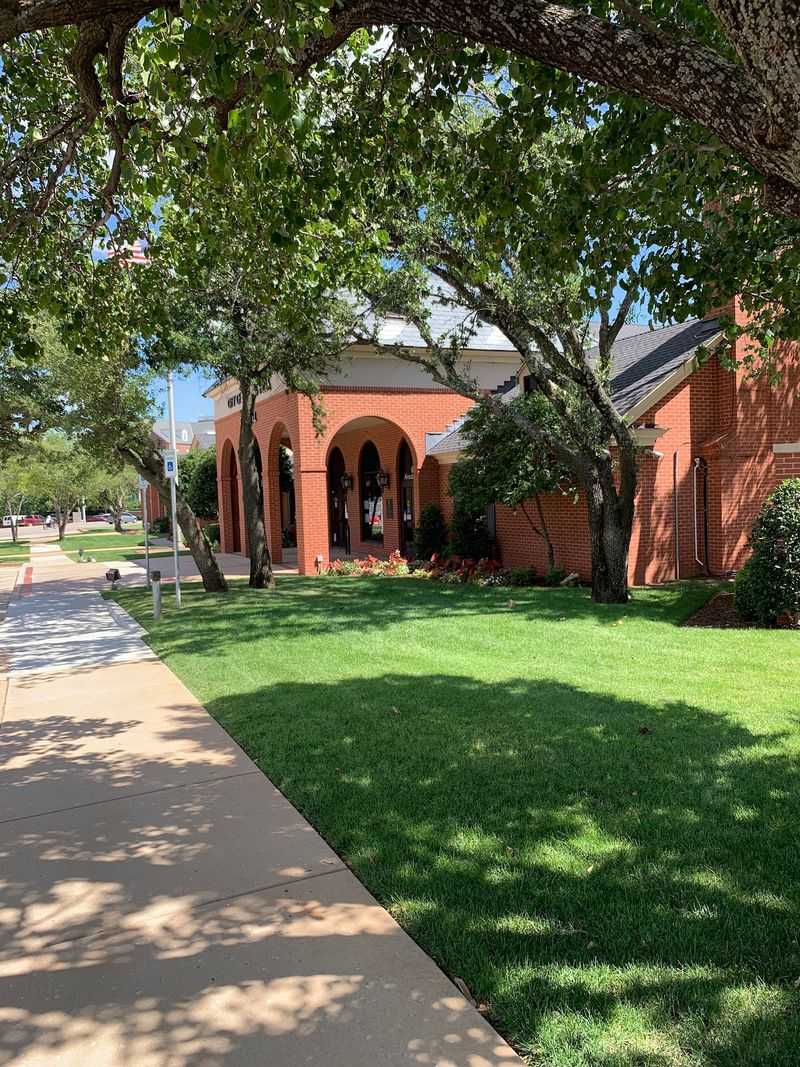
Grid streets? Not here.
When Dr. G.A. Nichols began developing this community in 1929, he hired Hare and Hare, a landscape architecture firm from Kansas City.
The designers let the land lead. Streets bend and loop with the natural terrain instead of running in straight lines.
Many carry names borrowed from English towns, giving the map a storybook feel.
Driving through can feel a little like a puzzle. You may take a turn expecting one street and land on another.
Honestly, that’s half the fun.
Dr. Nichols was an Oklahoma City real estate pioneer with big ideas. His original plan included two golf courses, tennis courts, bridle paths, and even a polo field.
Horses and golf carts were part of the dream.
Those early choices still shape daily life. The winding roads slow traffic and make walking more pleasant.
Big trees shade the sidewalks during hot Oklahoma summers.
Before visiting, I’d suggest pulling up a map near the City Hall area on Avondale Drive. Notice how few right angles you see.
It’s a neat lesson in how thoughtful design nearly a century ago can still make a neighborhood feel special.
Finding City Hall Is Easier Than Finding A Cheap House
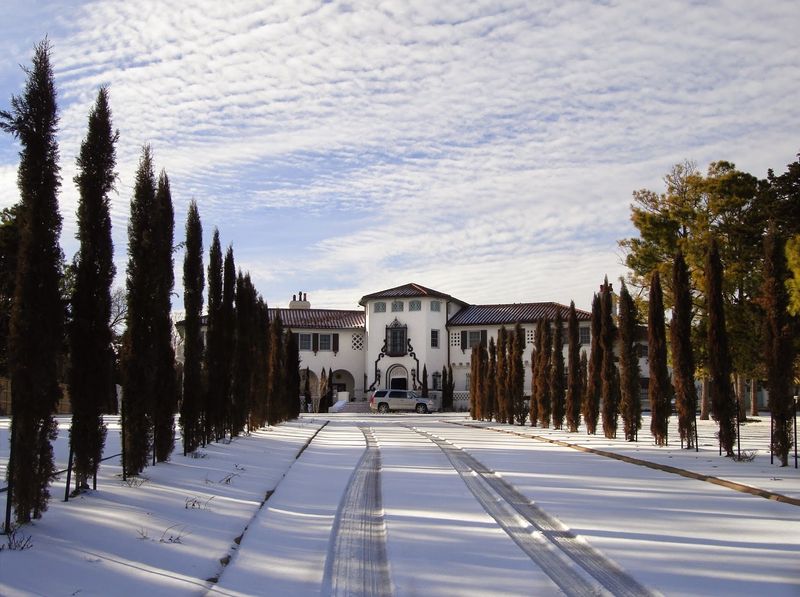
Here’s some welcome news. Nichols Hills City Hall sits at 6407 Avondale Dr, Nichols Hills, OK 73116, right near some of the area’s best-known shopping.
Avondale Drive is a central spot for the community. Residents come here for city business and local information.
It’s the kind of place where small-town government feels close and personal.
Just around the corner, Nichols Hills Plaza adds a dash of everyday life. The plaza is a key shopping destination with boutiques, specialty shops, and local restaurants.
Running errands and handling city paperwork can happen in the same trip.
That pairing makes sense for a mostly residential city. Commercial space is limited in Nichols Hills, so the businesses that exist tend to cluster in specific areas.
This keeps neighborhood streets peaceful.
If you’re visiting Oklahoma City and want a feel for this independent enclave, City Hall works as a handy starting point. Park nearby, stroll the plaza, and then drive the curving residential streets.
You’ll get a quick snapshot of how the town balances quiet homes with useful services. Plus, you’ll understand why people happily pay a premium to live within a few minutes of all this.
Your Own Police And Fire Crew, Just Down The Road
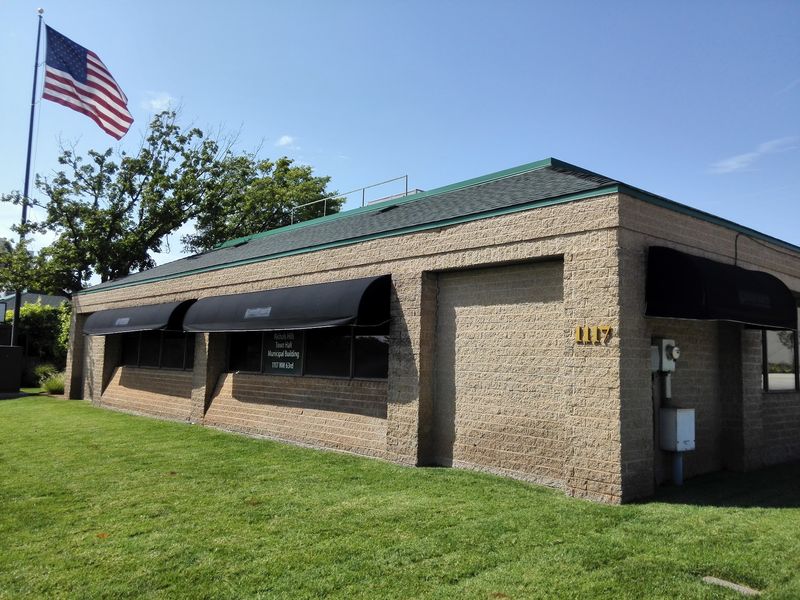
Small cities often borrow services from bigger neighbors. Nichols Hills chose a different route and runs its own police and fire departments.
That independence ties right back to City Hall. City leaders oversee these municipal services for fewer than 4,000 residents.
The result is a government that operates on a very local scale.
Why does that matter for home values? Local services can shape how people feel about a neighborhood.
Nichols Hills reports low crime rates, which naturally makes the area appealing to families and retirees alike.
Having dedicated departments also means residents know who keeps their streets safe. It’s a small-town arrangement tucked inside a large metro.
Few places in Oklahoma pull that off quite like this.
The city also maintains its parks, public spaces, and community information through its own offices. Questions about permits, rules, or neighborhood matters usually lead back to City Hall on Avondale Drive.
For prospective buyers, it’s smart to learn how local rules work before purchasing. Strict zoning has been part of Nichols Hills since the beginning.
A quick check with the city can save headaches later, especially if you’re dreaming about renovations or additions.
Dozens Of Little Parks Waiting To Be Explored
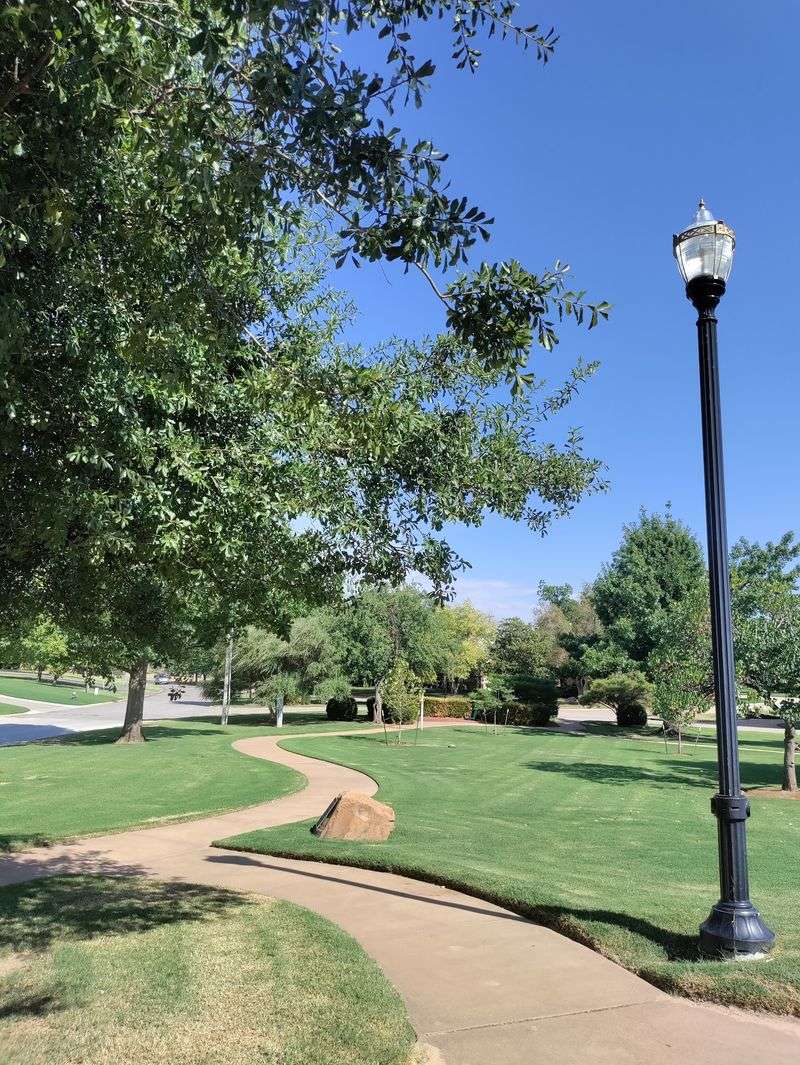
Thirty-plus parks in a city this size? Yep.
Nichols Hills maintains somewhere around 31 to 38 landscaped parks scattered throughout its neighborhoods.
These green spots aren’t afterthoughts. Parks were built into the community’s design from the beginning, part of that original Hare and Hare plan.
Many offer walking paths, benches, and public art.
Think of them as pocket-sized escapes. You can wander from one leafy corner to the next without ever leaving town.
For dog walkers and morning joggers, it’s a pretty sweet setup.
Public art adds another layer of interest. Spotting sculptures while you stroll turns an ordinary walk into a mini scavenger hunt.
Kids might enjoy keeping count.
Green space also plays a role in property values. Homes near well-kept parks tend to feel more desirable, and buyers notice tree canopies and open lawns.
After a stop at City Hall, consider exploring a few parks nearby. Bring comfortable shoes and maybe a water bottle for warmer days.
The shade from mature trees helps a lot in Oklahoma heat. It’s one of the easiest, friendliest ways to enjoy a place most people only know for its pricey houses.
Tudors, Colonials, And A Few Mid-Century Surprises
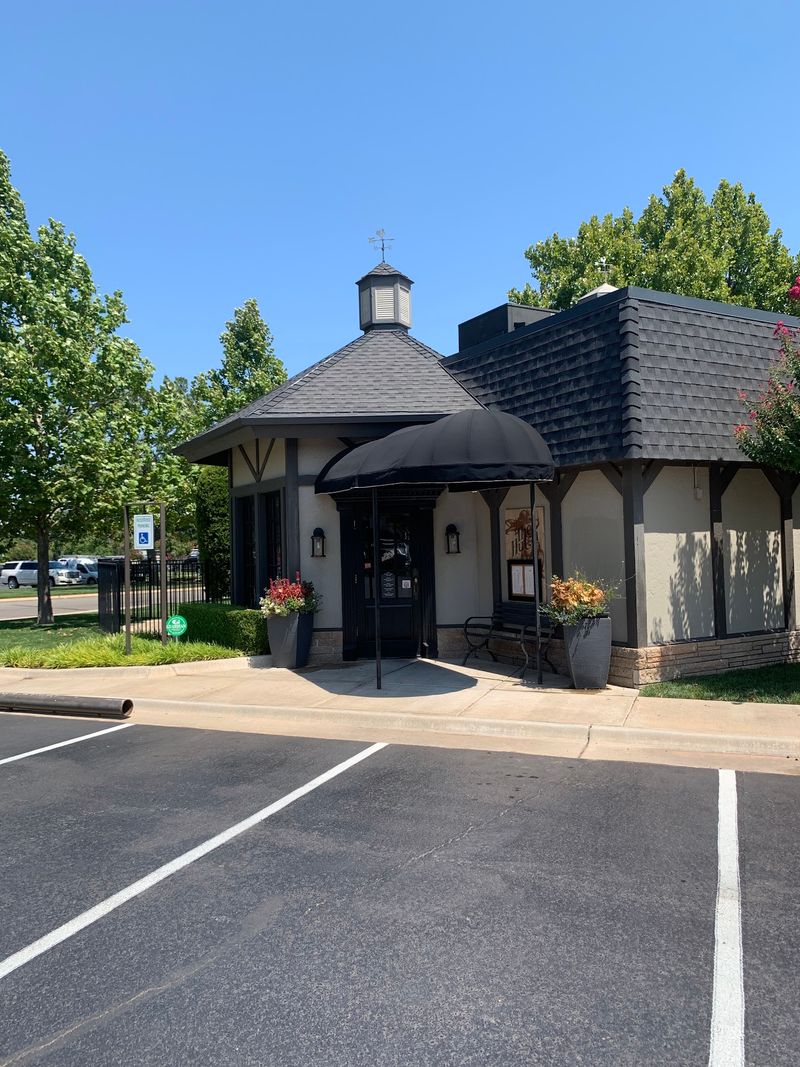
Architecture fans, get your cameras ready. The homes around Nichols Hills cover an impressive range of styles.
Classic English Tudor houses fit nicely with streets named after English towns. Colonial estates add stately symmetry.
French Country and other European-inspired homes bring a softer, old-world look.
Then the decades shift. Mid-century ranch homes and contemporary designs show up too, proving the town didn’t freeze in 1929.
Some historic homes have been carefully renovated, while others have made way for high-end new construction.
That mix keeps a drive through town interesting. One block might feel like a countryside village, and the next might look like a modern design magazine.
Variety is the theme.
Large lots give each house room to breathe. Mature trees frame many properties, softening the edges and adding privacy.
It all contributes to that famously serene atmosphere.
Please remember these are private homes. Admire them from the street and respect residents’ privacy.
A slow, respectful drive works best. Starting near City Hall on Avondale Drive, you can easily loop through nearby streets.
You’ll quickly see why the typical owner-occupied home here commands such a high value.
A Legendary Golf Course Lives Inside City Limits
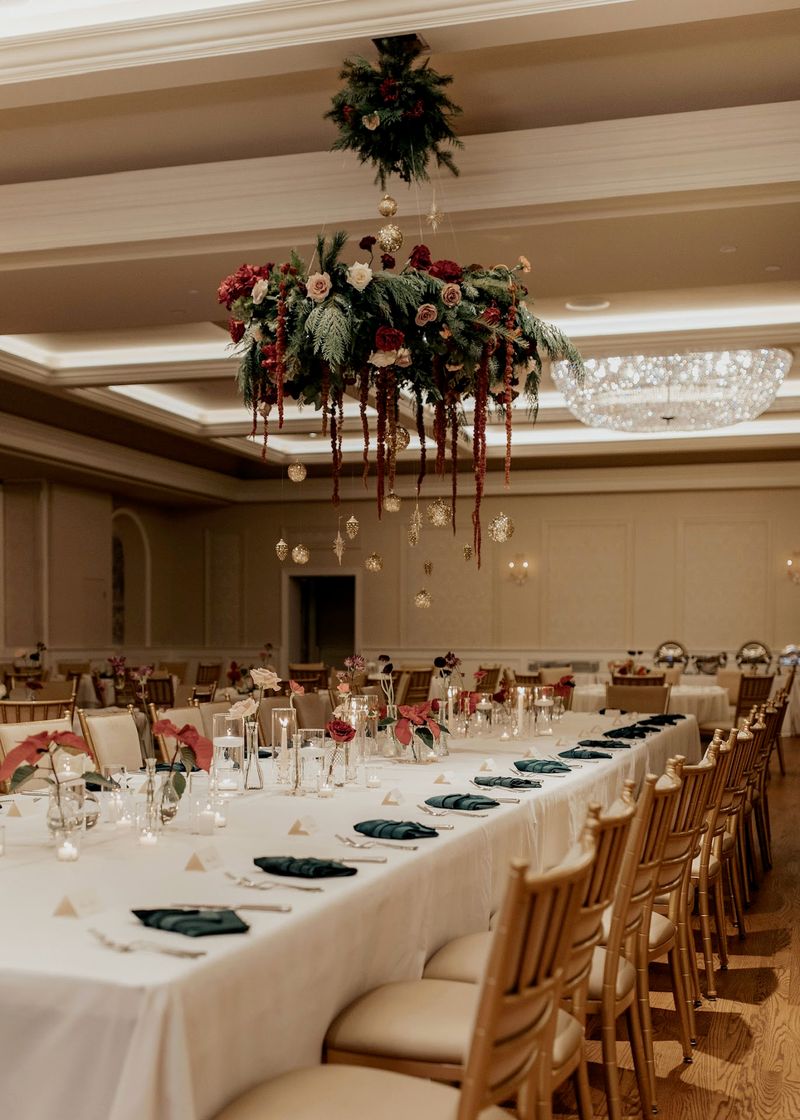
Two famous names share the credit here. Perry Maxwell and Alister MacKenzie designed the championship course at Oklahoma City Golf and Country Club, located in Nichols Hills.
Golf history buffs will recognize both architects instantly. MacKenzie is known for celebrated courses around the world.
Maxwell is a big name in Oklahoma golf history.
The club is historic and private, so it isn’t a drop-in spot for casual visitors. Still, its presence says a lot about the community’s character.
Golf was part of the plan from the very beginning.
Remember that original vision from Dr. Nichols? It included two golf courses alongside tennis courts and bridle paths.
Recreation was baked into the town’s identity.
Today the club adds rolling greenery to the landscape and prestige to the neighborhood. Living near a renowned course often appeals to buyers, which can nudge home values upward.
If golf isn’t your thing, don’t worry. The surrounding scenery is pleasant on its own, especially during spring and fall.
I can’t imagine a better backdrop for a slow afternoon drive. It’s one more reason this little Oklahoma city punches far above its population.
Shopping Stops Make The Visit Worth Extending
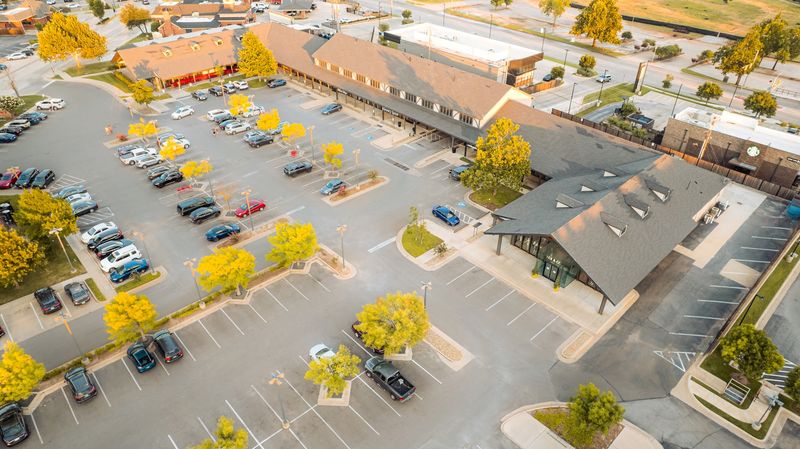
A trip to City Hall doesn’t have to be all business. Nichols Hills Plaza sits close by, and it’s one of the area’s go-to shopping destinations.
Boutiques and specialty shops fill the plaza. Local restaurants make it easy to grab a bite between errands.
It’s a relaxed way to see where residents actually spend their days.
Want more options? Classen Curve is nearby, offering another cluster of upscale shops and places to eat.
The Western Avenue District adds even more local flavor within a short drive.
Together, these spots balance the city’s quiet residential character. Nichols Hills keeps most commercial activity in a few areas, so neighborhoods stay calm while shopping stays convenient.
For visitors, this setup creates a tidy little itinerary. Start at Nichols Hills City Hall, browse the plaza, then explore Classen Curve or Western Avenue.
Finish with a drive past parks and historic homes.
It’s a fun half-day outing for anyone curious about Oklahoma’s most exclusive small city. You might not leave with an $818,500 house.
You could, however, leave with a nice lunch, a new gift, and a much better understanding of why people love this place.
