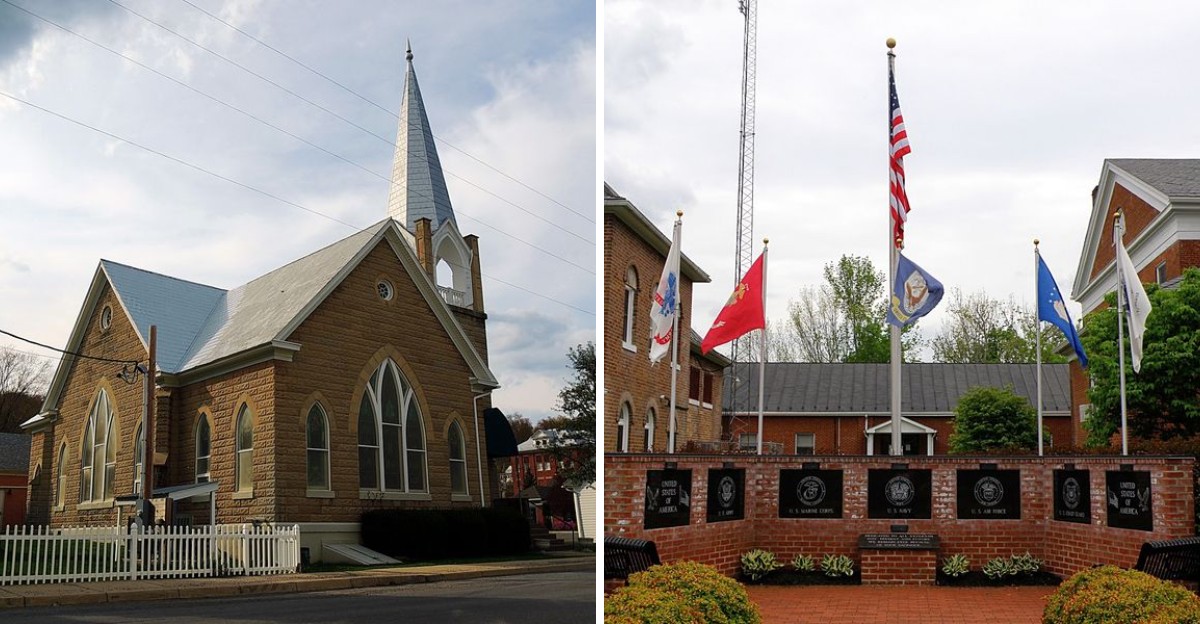
The heat is relentless, the humidity is thick, and the air conditioner is running nonstop. But there is a Virginia town where summer temperatures barely reach 75 degrees, a place where you can escape the heat without leaving the state.
I visited on a sweltering July afternoon and stepped out of the car into air that felt crisp and cool. The town sits at a high elevation, which keeps the temperatures mild even when the rest of the state is baking.
The streets are quiet, the pace is slow, and the views of the surrounding mountains are spectacular. The town is small, with a population that barely registers, but it has a charm that makes you want to stay.
Virginia has plenty of summer destinations, but this one offers relief from the heat without the crowds.
Cool Mountain Air That Works Like Free Air Conditioning
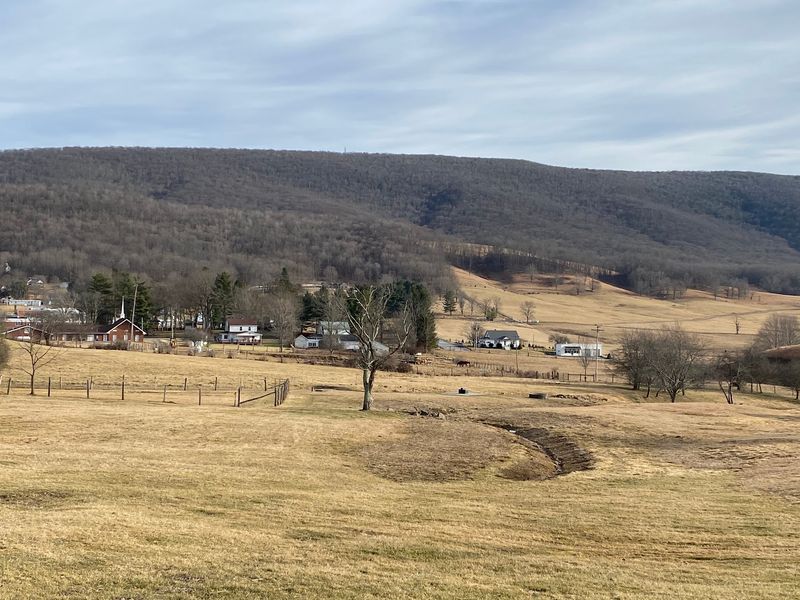
My dashboard thermometer kept sliding downward as I climbed west out of the Shenandoah Valley, and by the time the road leveled off, I had already rolled the windows down.
Highland County averages a higher elevation than any other county east of the Mississippi River, and that altitude works genuine magic on summer.
Afternoons stay mild while the rest of Virginia sweats through another sticky spell. Shade up here feels almost refrigerated.
Evenings ask for a flannel shirt, even in the thick of July, and I learned that lesson the hard way after packing nothing but shorts.
Monterey rests near the clouds in a bowl of long ridges that catch cool air and shrug off humidity.
Air conditioning barely registers as a concern in these houses because mountain breezes handle the work at no charge. Windows stay open at night, and crickets replace the hum of a condenser unit.
Mornings arrive with mist sliding along the pasture lines and dew heavy enough to soak your boots.
Pack layers if you come in summer, then pack a few more, because the mountain sets the dress code and it does not negotiate. Nobody up here complains.
That single truth reshapes an entire vacation.
A Main Street You Can Walk in One Song
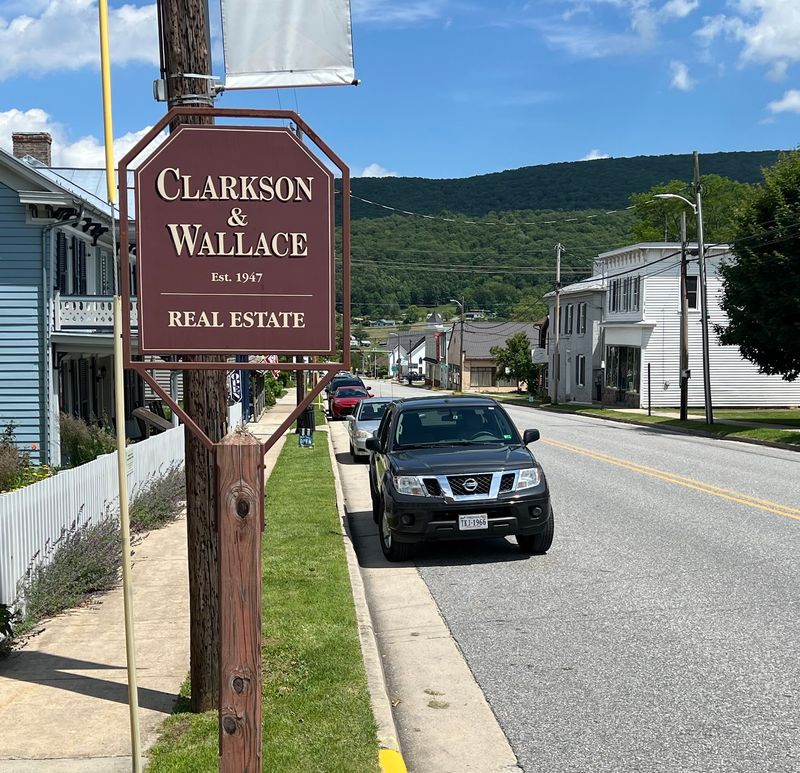
Walking the entire downtown takes roughly the length of one good song, and I mean that as high praise.
Main Street carries a historic district listed on the National Register, with storefronts, churches, and porches that never got bulldozed for anything modern. White clapboard, brick, and tin roofs line the way.
Monterey serves as the county seat, which means the courthouse anchors the block and everything else grew politely around it.
Shops here lean toward wool, pottery, quilts, hand tools, maple products, and books about mountain life. Nobody rushes you.
Conversation on the sidewalk moves at the speed of a porch swing, and I found myself slowing down to match it.
Hevener’s Store still stands as one of the recognizable landmarks on the strip, a reminder of the general store era. Dogs nap in doorways.
Cell service wobbles, which I consider a feature rather than a flaw.
Give yourself an unhurried afternoon, poke into every shop, then sit somewhere and watch the mountains change color as the light shifts. Small does not mean empty, and Virginia proves it right here.
Maple Season Turns the Whole Valley Sweet
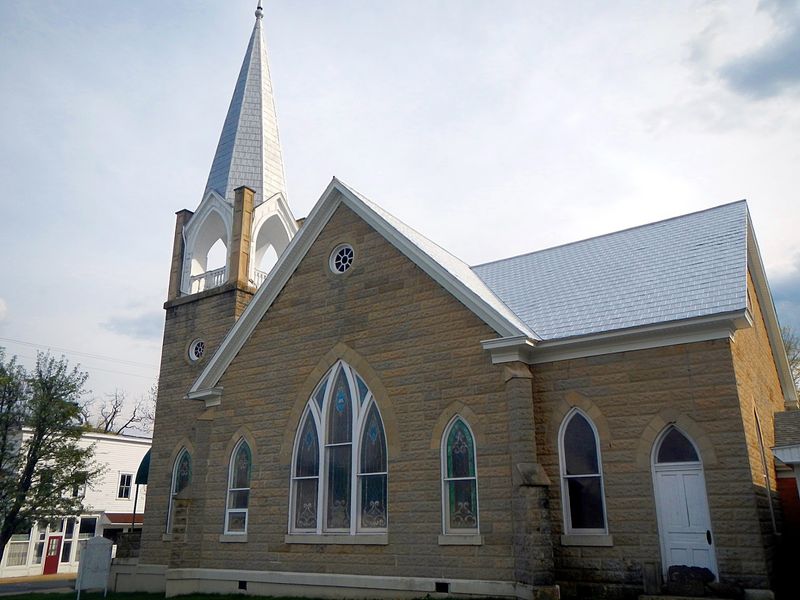
Sugar season turns this town into the sweetest corner of Virginia.
Maple sap runs when nights freeze and days thaw, a rhythm the mountains deliver reliably. Highland County built an entire identity around that seesaw, and the Highland Maple Festival fills Monterey every March.
Sugar camps open their doors, steam pours from evaporator houses, and the smell of boiling sap drifts across the valley. I could follow my nose from one camp to the next.
Crafts, music, and food line the streets during festival weekends, and the little town swells far beyond its usual head count. Parking becomes an adventure sport.
Maple doughnuts and maple candy sell out fast, so early arrival pays off.
Outside festival season, syrup still moves through local shops year round, packaged by families who have been tapping the same trees for generations.
Virginia might not be the first state you associate with maple, yet these high elevations pull it off with quiet confidence.
Buy the dark stuff. It tastes like a campfire in a bottle and ruins supermarket pancake syrup forever.
An Old Schoolhouse With a Second Act
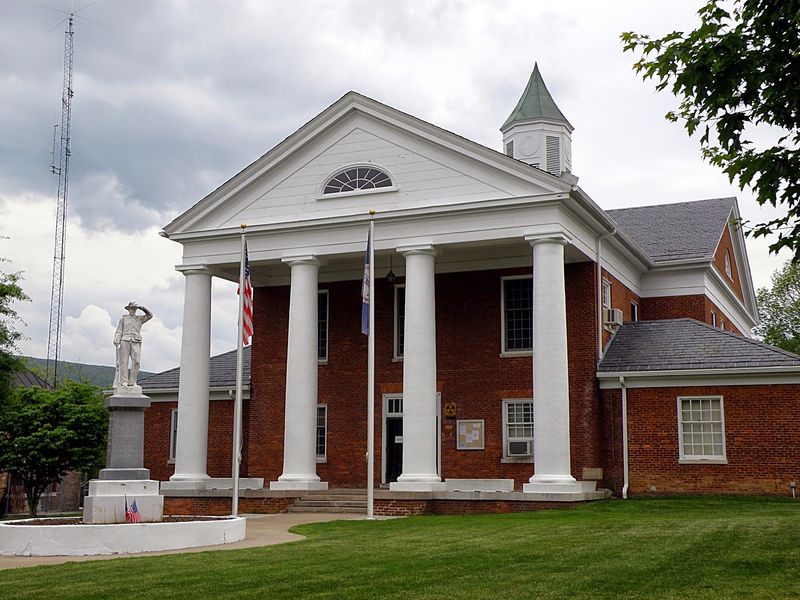
The old schoolhouse never truly retired, it simply changed careers.
The Highland Center occupies the former school on the edge of town and now functions as a community hub. Classes, gatherings, exhibits, and workshops fill the calendar.
I like places that recycle their bones instead of knocking them down, and this building wears its second act well.
Local craft, agriculture, and small business programs run through the space, which matters enormously in a county with more livestock than residents. Hallways still feel like a school.
Volunteers keep the lights on and the doors open.
Trails and open ground surround the property, giving you room to stretch after a drive over the mountains.
Monterey uses the center as a gathering point during festivals, so timing your visit around an event usually pays dividends. Check what is happening before you arrive.
Photographs and heritage displays give context to the farms you pass on every back road. History here lives at eye level rather than behind velvet rope.
Even on a quiet weekday, the grounds make a pleasant place to walk off breakfast while cool air does its thing. Small towns survive on shared spaces, and this one clearly understands the assignment.
Route 250 and the Climb Over Shenandoah Mountain
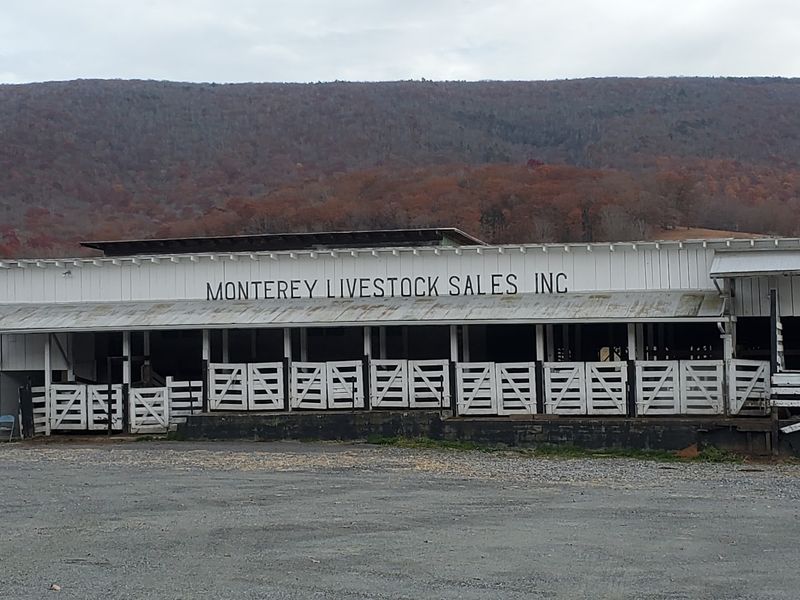
Few roads in Virginia earn a soundtrack, but Route 250 west of Staunton does.
The highway climbs Shenandoah Mountain, curls through switchbacks, and drops into valley after valley before reaching town. Overlooks appear without warning.
I pulled over more times than I planned, which turned a short drive into a half day.
The Confederate Breastworks sit along the crest, where earthworks from the Civil War remain visible beside a short interpretive loop. Views stretch across ridge lines that fold into blue haze.
Motorcyclists love this stretch, and so do cyclists with strong legs and stronger nerves.
Fog settles into the hollows on cool mornings, turning the whole scene into something out of a painting. Autumn colors arrive early up here, another gift of elevation.
Watch for deer, turkey, and the occasional bear crossing without looking both ways.
Cell signal drops out along the ridges, so download your map before leaving pavement you recognize.
Monterey greets you at the end with a flat, tidy grid of streets and the sudden realization that you sit much higher than you did an hour ago.
Take the drive slowly. Rushing it would be a crime against scenery.
Blue Grass Valley Where Cranes Steal the Show
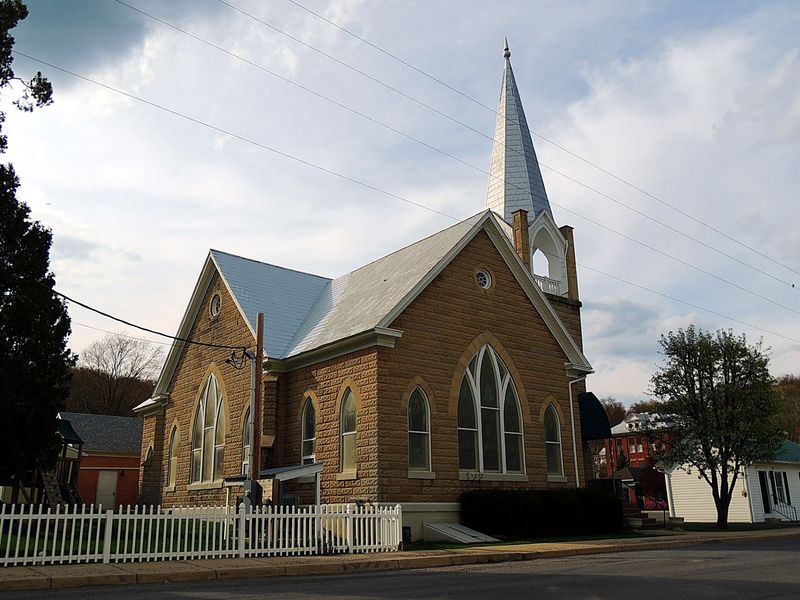
Birders speak about this valley the way collectors talk about rare stamps.
Blue Grass Valley spreads north of town in a broad sweep of hayfields, fences, and farmhouses framed by steep ridges.
Sandhill cranes turn up during migration, and their rattling calls carry across the open ground. I stood at a pull off and simply listened.
Roads through the valley stay narrow and quiet, ideal for slow driving with the windows down. Cattle outnumber cars by a comfortable margin.
Golden eagles pass through in the colder months, and the open country gives them room to hunt. Farm dogs supervise everything.
Hay bales dot the fields in late summer like scattered puzzle pieces. Barns lean where they want to lean.
Photographers chase the light here at dawn and again in the last hour before sunset, when the ridges glow.
Respect fence lines and private property, because this is working farmland rather than a park.
Silence stretches long enough that you notice your own footsteps. Nothing here has been staged for anyone’s benefit.
That honesty is the whole appeal.
Virginia rarely looks this much like a high plateau, yet the valley pulls it off with alpine attitude. Bring binoculars, patience, and a thermos.
Bullpasture Gorge and Its Ice Cold Pools
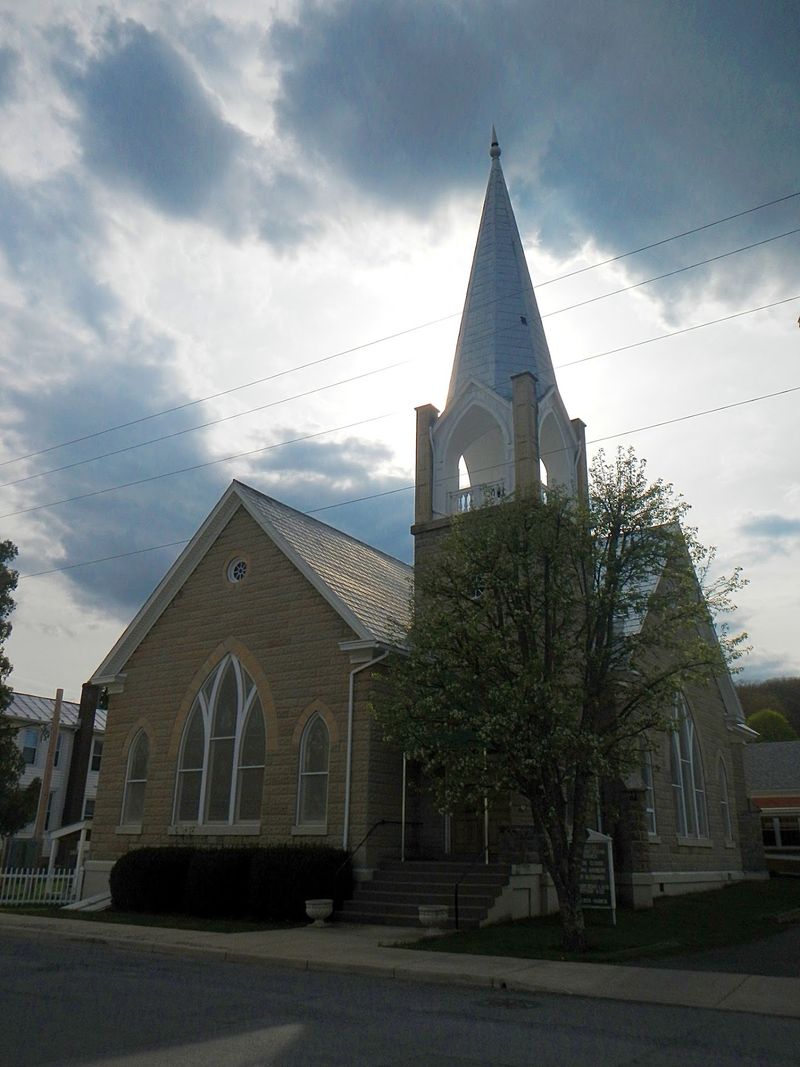
Cold water, steep rock, and almost no crowd, that is the recipe here.
The Bullpasture River carves a dramatic gorge southeast of Monterey, with cliffs rising above pools that stay chilly all summer.
Trout fishing draws anglers to this stretch, and the water gets stocked during the season. Rocks are slick.
I picked my way along the bank slowly and still managed to soak one boot.
Hiking trails climb from the gorge into the Highland Wildlife Management Area, gaining elevation in a hurry. Views from the upper reaches reward the burn in your calves.
Swimming holes tempt on warm days, though the water never really warms up, which is the entire point of visiting a place this high.
Snakes live here, so watch where you put your hands on the rocks. Cell coverage disappears in the canyon.
Spring runoff makes the current pushier, so time your visit accordingly.
Tell someone your plan before heading out, carry water, and give yourself more daylight than you think you need.
Fall turns the canyon walls into a wash of copper and gold. The gorge feels wilder than most of central Virginia, and it stays that way because reaching it takes real effort.
Laurel Fork Feels Like Canada Wandered South
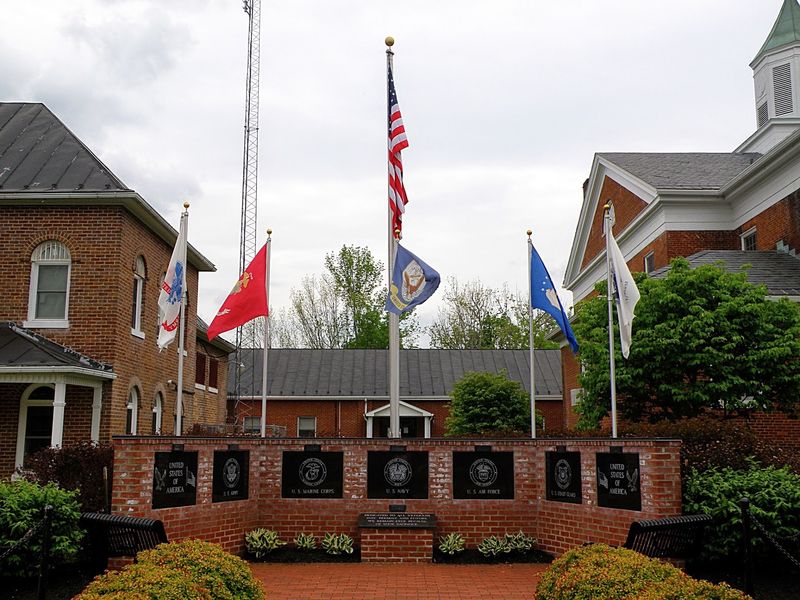
Some landscapes forget which state they belong to.
Laurel Fork occupies the far northwest corner of the county inside the George Washington National Forest, and it feels borrowed from Canada.
Red spruce, beaver ponds, and northern hardwoods thrive at these elevations. Species that usually nest much farther north raise families here, a leftover from a colder age.
Trails wind through open meadows and dense evergreen stands. I lost track of time watching a beaver dam hold back a slow brown creek.
Snow lingers longer in this corner than almost anywhere else in Virginia. Summer stays remarkably cool, even by local standards.
Grouse burst from cover and startle you into wakefulness. Deer, turkey, and black bear all use this country.
Trail markings can be faint, so a paper map earns its keep. Bring bug spray in early summer.
Wildflowers appear late, following a schedule set by altitude rather than the calendar. Pack rain gear, because weather changes fast up top.
Solitude comes standard, and the loudest sound most afternoons is wind moving through spruce needles. Leave the trail cleaner than you found it.
Nothing about this landscape matches the postcard idea of the South. That contradiction keeps pulling me back.
Night Skies Without a Single Streetlight Fighting Back
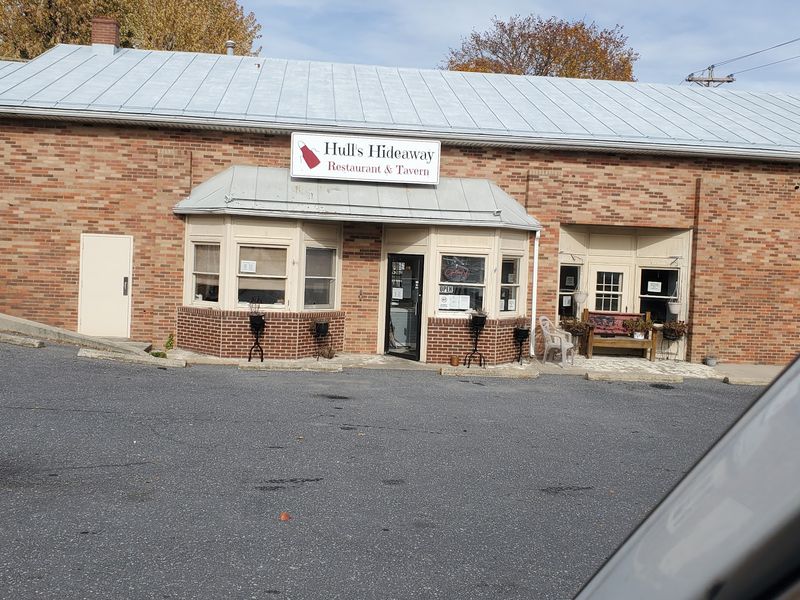
Streetlights are in short supply, which is precisely the point.
Darkness arrives here in a way city dwellers rarely experience, thick and complete. The Milky Way shows up without any effort on your part.
I stepped outside the car, looked up, and forgot what I was doing.
Cool, dry mountain air steadies the view, which is why high ground and clear skies go together so well. Humidity stays low, keeping the stars crisp rather than smeared.
Meteor showers hit differently at this elevation.
Bring a blanket, because temperatures fall quickly after sunset, even during the warmest weeks. Red flashlights help preserve your night vision.
Bring binoculars for the moon’s craters, which look absurdly sharp up here.
Open pastures and pull offs along the ridge roads make natural viewing spots, though private land should always be respected.
Owls call from the tree lines. Frogs handle the bass parts.
Clouds move fast, so patience usually pays.
Few places in Virginia deliver this much sky, and Monterey barely glows on a satellite map. Autumn nights offer the clearest windows of all.
Nothing beats the moment your eyes finally adjust. Set an alarm for the small hours and thank me later.
Picking the Right Season Before You Point the Car West
Timing turns a good trip here into a memorable one.
Two seasons dominate the local calendar, sugar time in early spring and harvest time in autumn.
The Highland County Fair fills the fairgrounds in Monterey during the late summer stretch, with livestock, competitions, and small town spectacle.
Hands and Harvest arrives in October, spreading craft and studio stops across the county while the leaves put on their show.
Lodging is limited, so book early. Cash comes in handy at roadside stands.
Restaurants keep short hours, and I have learned to check before assuming anything will be open late in the evening. Sunday hours can be sparse across the county.
Fill your fuel tank before heading into the backcountry.
Winter brings real snow and real wind, and roads over the mountains demand respect.
You will find Monterey at Virginia 24465, west of Staunton along the highway that climbs over Shenandoah Mountain.
Summer remains the headline act, since the thermometer here rarely climbs into territory that ruins a hike.
Plan loosely and let the mountains dictate the pace. Pack a jacket, a curious appetite, and zero expectations of traffic.
Then go, before everyone else figures out where the cool air hides.
