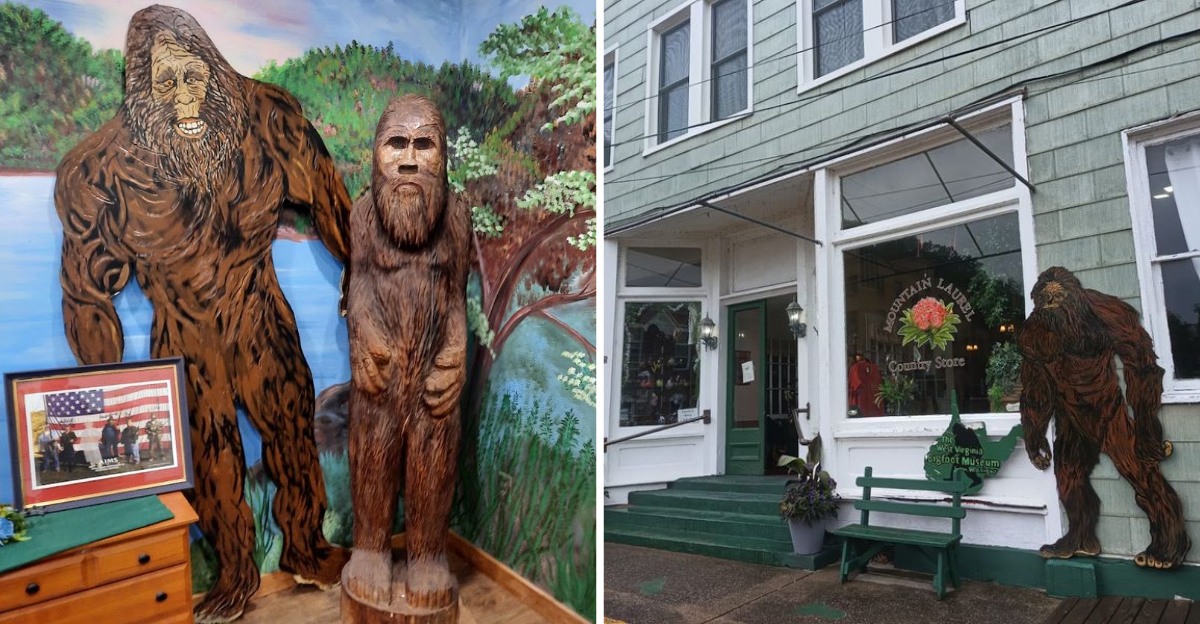
The owners will tell you it is not a monster at all. It is just a shy neighbor, the old man of the mountain who wants to be left alone.
That is the refreshingly casual attitude at this West Virginia museum, where the staff never believed in the creature until local pastors, prison guards, and everyday folks started sharing their own encounters.
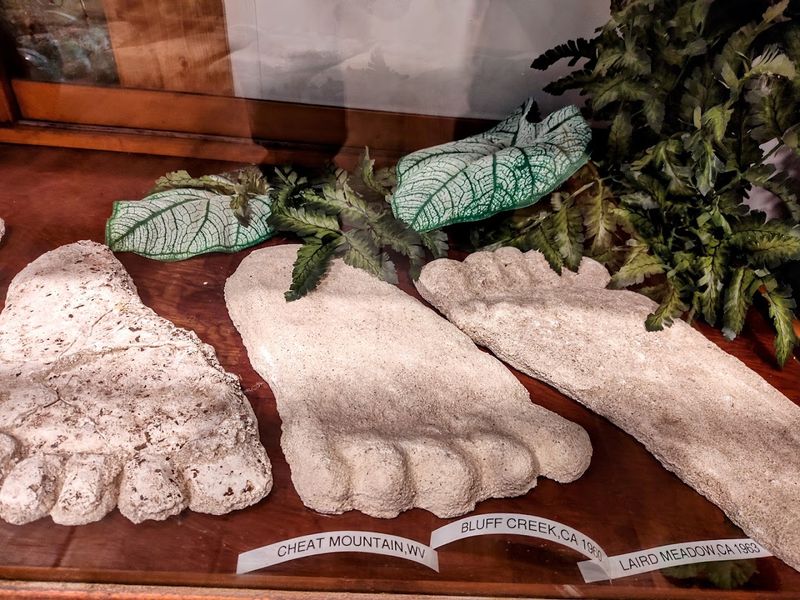
You will find an impressive collection of casts on display, along with possible hair samples that came back from testing as an unknown animal.
The whole place is dedicated to the idea that the world is still full of undiscovered wonders. It is free to visit, attached to a charming country store, and absolutely worth the detour.
The real question is, after seeing all that evidence, will you still be a skeptic?
A Museum Where Bigfoot Is Treated Like Family
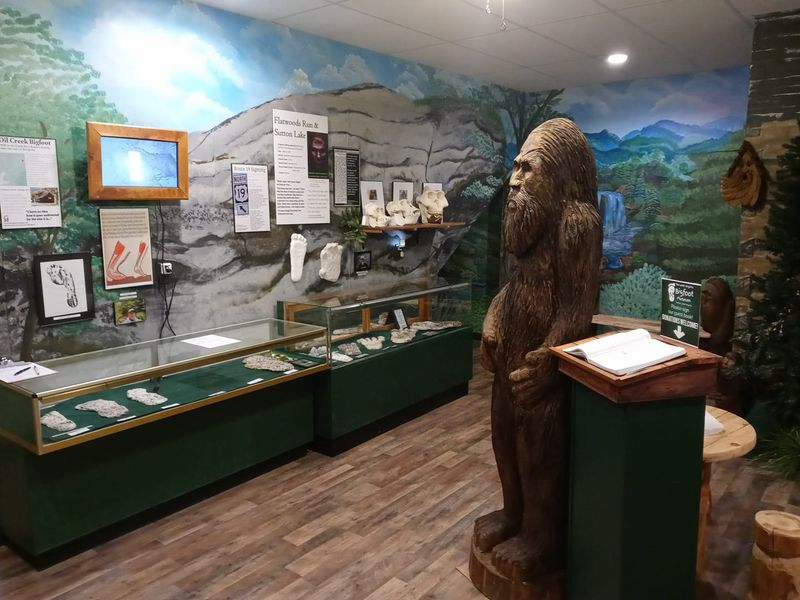
There is something immediately disarming about walking into a space where Bigfoot is displayed not as a threat, but as a neighbor.
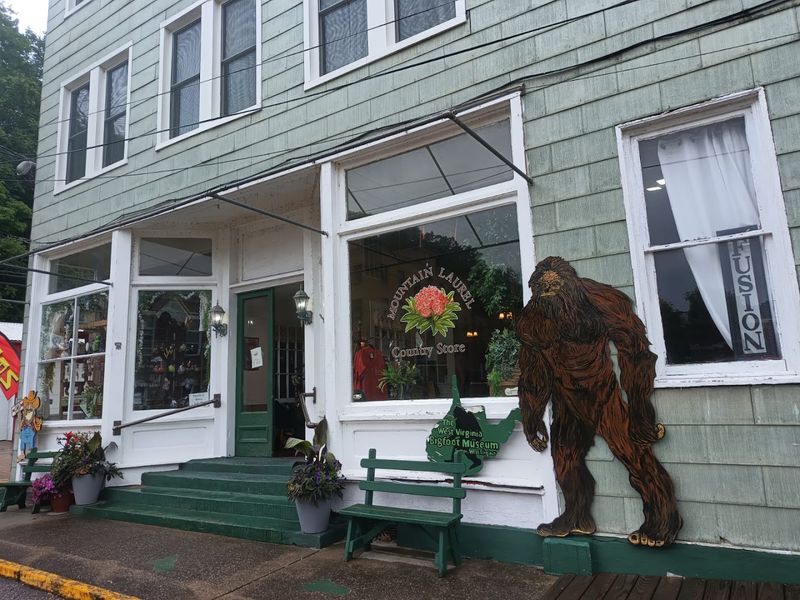
The West Virginia Bigfoot Museum, founded in 2021 and tucked inside the Mountain Laurel Country Store on 4th Street in Sutton, carries a warmth that feels more like a family living room than a traditional exhibit hall.
The founders, Louis R. Petolicchio and his son David S.
Petolicchio, built this place with a clear and personal mission: to present Bigfoot through a scientific and open-minded lens rather than a sensational one. Every corner of the museum reflects that philosophy.
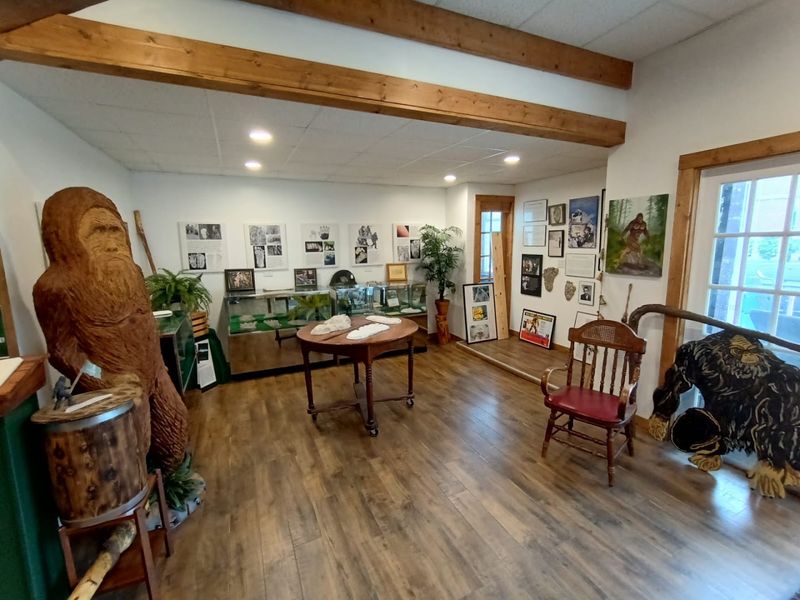
Footprint casts sit beside carefully organized binders of documented accounts, and each display feels like it was put together by someone who genuinely cares about the subject.
Free to enter and open most weekdays, the museum feels accessible and inviting to absolutely everyone. Curious skeptics and lifelong believers both tend to leave with a smile.
Exhibits That Portray Sasquatch As A Gentle Neighbor
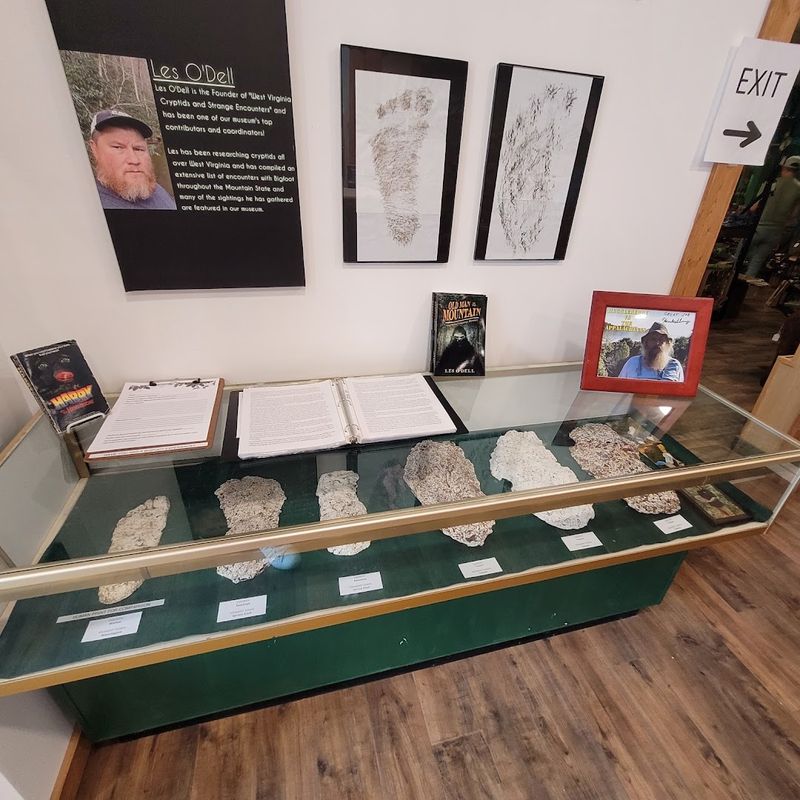
Forget the roaring movie monster. The exhibits at the West Virginia Bigfoot Museum tell a very different story, one of a creature that moves quietly through the forest and mostly just wants to be left alone.
Footprint casts collected from across West Virginia and other parts of the United States form one of the most tangible parts of the collection.
These casts are remarkable up close. Seeing the size and detail of each impression makes the legend feel less like campfire fiction and more like a genuine wildlife mystery worth exploring.
Hair samples are also part of the display, contributing to the museum’s commitment to presenting evidence in a calm, factual way rather than leaning on shock value.
Posters and a detailed binder of local sighting accounts round out the exhibits, each one emphasizing encounters that were more surprising than threatening.
The overall effect is a portrait of Sasquatch as a reclusive animal, not a predator, and that reframing changes everything about how you experience the space.
Eyewitness Accounts Suggest He’s More Curious Than Scary
Some of the most compelling material in the museum comes straight from the people who live closest to the forests of Braxton County. Locals have long called their version of the creature “The Old Man of the Mountain,” a name that carries more affection than alarm.
That nickname alone says a lot about how the community relates to the legend.
The accounts collected at the museum consistently describe encounters that were startling but not violent. The most dramatic behavior reported involves rock throwing, and even that is interpreted as a way of saying “please move along” rather than any real aggression.
Farmers, hunters, and everyday residents have contributed their stories, and the museum presents each one with respect and seriousness.
Reading through those accounts, you start to build a picture of a creature that is deeply aware of its surroundings and deeply uninterested in confrontation. It watches.
It retreats. It keeps its distance.
That pattern across so many independent stories is genuinely thought-provoking and hard to dismiss.
Artifacts And Photos Keep The Legend Alive In Sutton
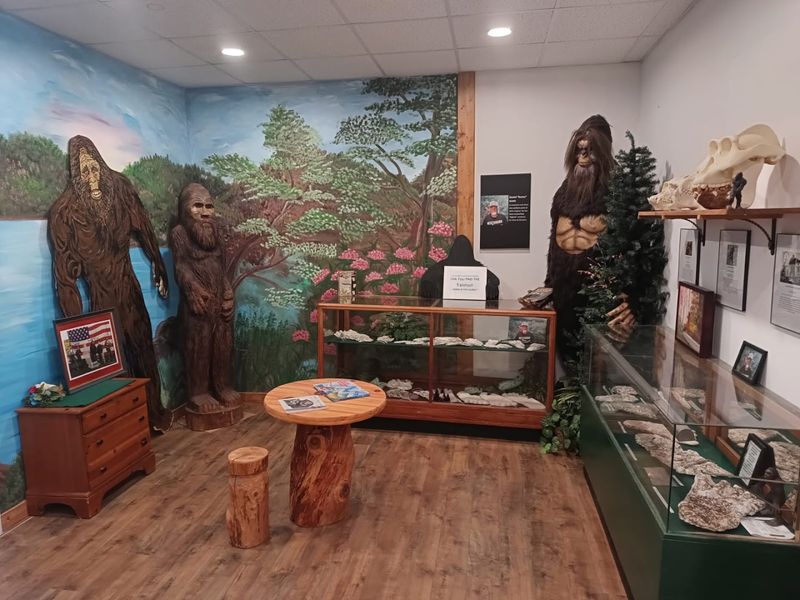
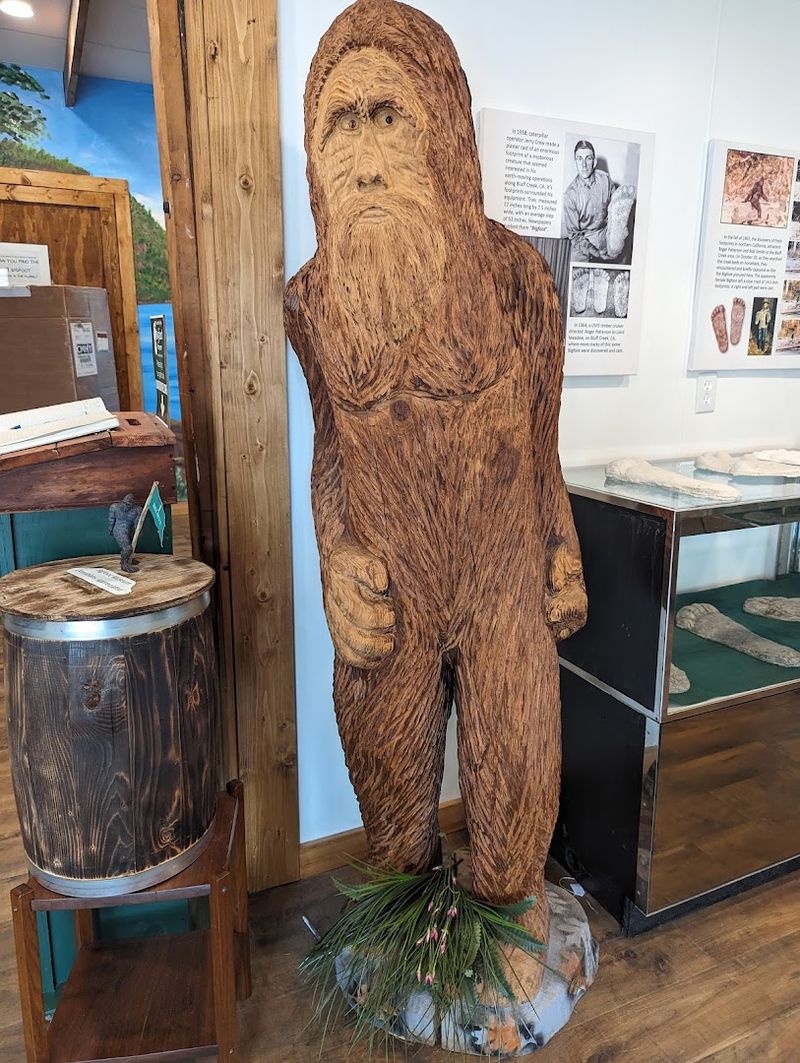
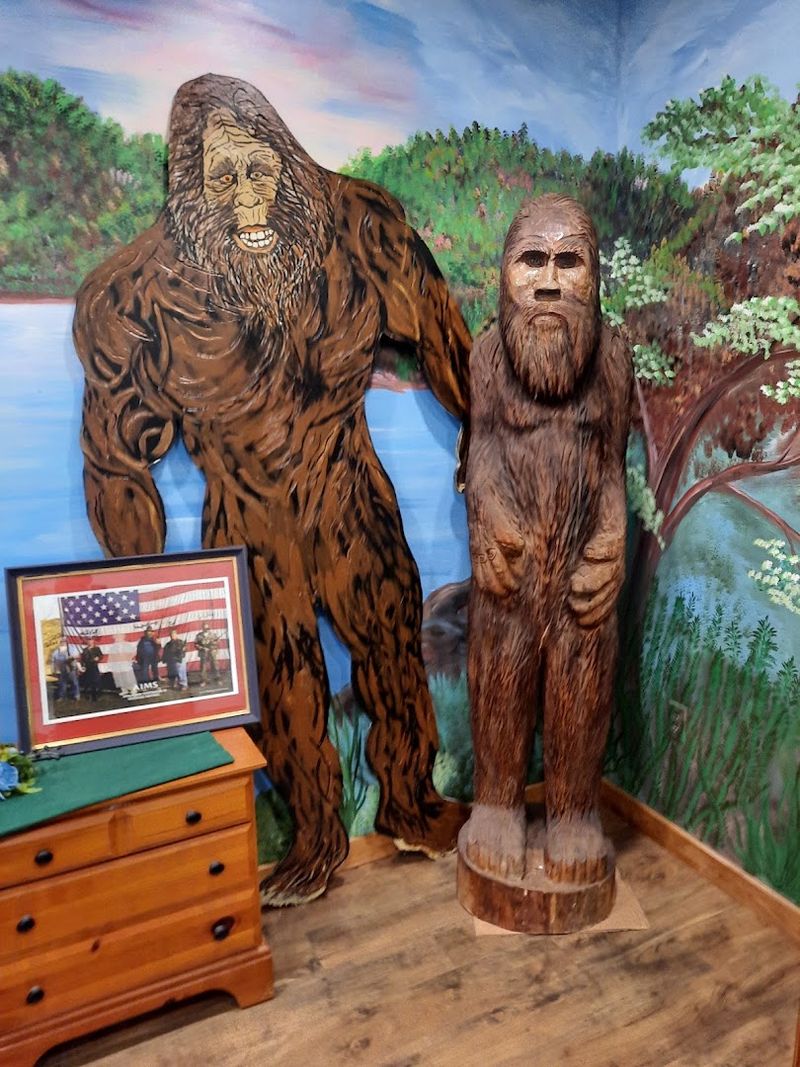
Standing face to face with a six-foot wooden Bigfoot carving is an experience that is equal parts funny and strangely moving. The sculpture, which represents the local “Old Man of the Mountain” version of the creature, was described by its carver as “not mean,” and honestly, looking at it, you believe them.
There is something almost dignified about the piece.
Beyond the carving, the museum features a detailed Bigfoot sightings map of West Virginia that lets visitors see just how widespread the reported encounters have been. Dots spread across the state in a way that makes you realize these stories are not limited to one quirky corner of Appalachia.
They come from everywhere.
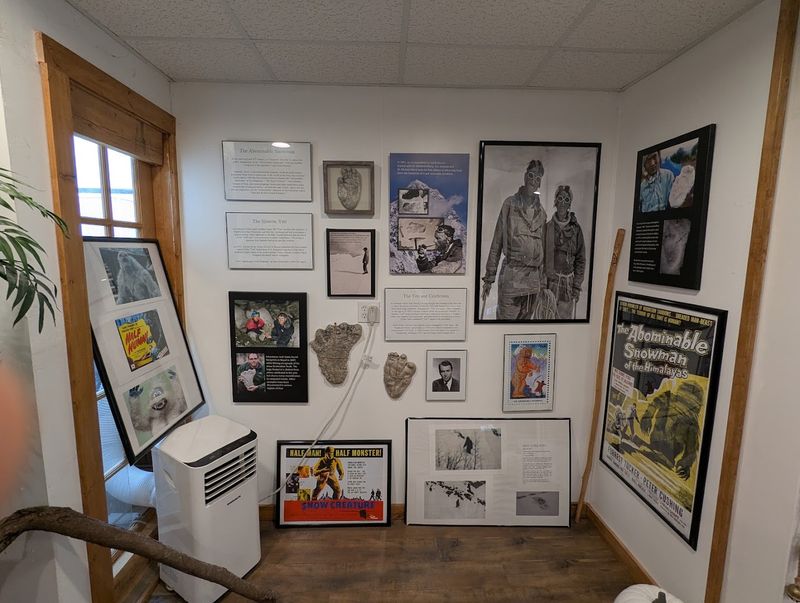
Educational displays featuring museum-quality replica skulls of large primates, including orangutans, mountain gorillas, and the prehistoric Gigantopithecus, add a layer of scientific context that elevates the whole experience.
These pieces help frame the Bigfoot question as a legitimate zoological puzzle rather than just folklore.
The combination keeps the legend vivid and genuinely engaging.
A Place Where Folklore Meets Friendly Storytelling
Folklore lives differently in Appalachia than it does in other parts of the country. Here, the stories are not just entertainment.
They are passed down through families, shared between neighbors, and treated as genuine accounts of real experiences. The West Virginia Bigfoot Museum honors that tradition in a way that feels completely authentic.
Reports of a “wild man” roaming the hills of this region go back to the 1940s, and those early stories form the foundation of what the museum presents today. The collected accounts build a timeline that stretches across generations, giving the legend a historical weight that is hard to ignore.
Each tale adds another layer to the portrait of a creature that has been part of this community’s consciousness for a very long time.
The storytelling atmosphere inside the museum is relaxed and welcoming, encouraging visitors to engage rather than just observe. You get the sense that the people behind this place genuinely love sharing what they know.
That enthusiasm is contagious, and it makes the whole experience feel personal rather than performative.
Bigfoot Festival Connections Highlight Community Spirit
The West Virginia Bigfoot Museum does not just sit quietly on 4th Street waiting for curious travelers to wander in. It anchors a much larger community event that has grown into something genuinely impressive.
The annual West Virginia Bigfoot Festival, launched the same year the museum opened in 2021, has quickly become one of the biggest cryptid celebrations in the entire country.
The festival fills Sutton with energy, drawing thousands of visitors each year who come for speakers, live music, themed vendors, and all kinds of Bigfoot-related activities.
One of the most beloved parts of the event is the campfire story session, where attendees gather to share their own sighting experiences in a relaxed and supportive setting.
People who might feel awkward bringing up Bigfoot at a dinner party suddenly find themselves surrounded by others who completely understand.
That sense of shared enthusiasm is exactly what makes the festival so special, and the museum serves as its beating heart. Community spirit and local legend become one and the same thing here, and the result is something genuinely joyful.
Displays That Challenge The “Monster” Narrative
Popular culture has spent decades painting Bigfoot as something terrifying, a snarling giant lurking in the dark. The West Virginia Bigfoot Museum pushes back against that image steadily and thoughtfully throughout every section of its exhibits.
The local version of the creature, known affectionately as “The Old Man of the Mountain,” is described consistently as calm, private, and even somewhat predictable in behavior.
The museum makes a careful distinction between aggressive Bigfoot depictions from other regions and the more easygoing encounters documented in West Virginia. That regional nuance matters.
It suggests that if Bigfoot does exist, it may behave differently depending on habitat and human activity in the area, much like any wild animal would.
Displays framing the rock-throwing behavior as defensive rather than aggressive are particularly effective. Reinterpreting that action as a boundary-setting response rather than an attack completely changes the emotional tone of the encounter stories.
By the time you finish moving through the exhibits, the “monster” label feels not just inaccurate but almost absurd. The museum replaces fear with something far more interesting: respectful curiosity.
Visitors Leave Seeing Sasquatch In A Softer Light
Something shifts inside the West Virginia Bigfoot Museum that is hard to fully explain until you experience it yourself. You walk in with whatever preconceptions you brought from movies, TV, and campfire stories, and you walk out with a genuinely different impression.
The creature that scared people in old horror films somehow transforms into something more like a misunderstood forest dweller.
The museum earns that shift honestly, through evidence rather than theatrics. Footprint casts, documented sighting patterns, hair samples, and carefully preserved historical accounts all work together to build a case that feels grounded.
Visitors who self-identify as skeptics often admit that the sheer consistency of the accounts gives them pause.
The free admission also removes any barrier that might make someone hesitate at the door. There is no pressure, no upsell, no dramatic presentation.
Just a well-organized collection of evidence and stories that invite you to make up your own mind. Most people find that process surprisingly enjoyable, and they leave with a fondness for the subject they did not expect to feel.
Sutton’s Bigfoot Hub Proves Legends Can Be Kind
Sutton, West Virginia is a small town with a big identity, and the West Virginia Bigfoot Museum sits right at the center of it.
Housed within the Mountain Laurel Country Store, the museum blends seamlessly into the fabric of local life rather than feeling like a tourist gimmick dropped into an otherwise ordinary place.
That integration is part of what makes it work so well.
The museum’s mission, to compile evidence and approach the subject with scientific seriousness, gives the whole operation a credibility that casual cryptid attractions often lack. The Petolicchio family built something that respects both the legend and the people who have experienced it firsthand.
That respect comes through in every exhibit, every artifact, and every account on display.
By the time you step back outside onto 4th Street, Bigfoot feels less like a punchline and more like a genuine piece of Appalachian heritage worth preserving. The museum proves that a legend does not have to be frightening to be compelling.
Sometimes the most fascinating stories are the ones where the monster turns out to be a shy neighbor after all.
Address: 400 4th St, Sutton, WV 26601, United States.
