One single organ pipe here is 64 feet long and weighs 3,350 pounds. It’s so tall it has to bend into an L-shape just to fit inside its room.
That pipe is only one of more than 33,000. Together they make up the largest and loudest musical instrument ever built, according to Guinness World Records.
Some pipes run on wind pressure double that of any other organ on Earth.
I love that this monster sits inside a building better known for concerts, boxing, and beauty pageants. Most people walk right past it on their way to the beach in New Jersey.
They have no clue a sleeping giant is waiting behind the walls.
A Guinness Record Holder Lives Behind These Walls
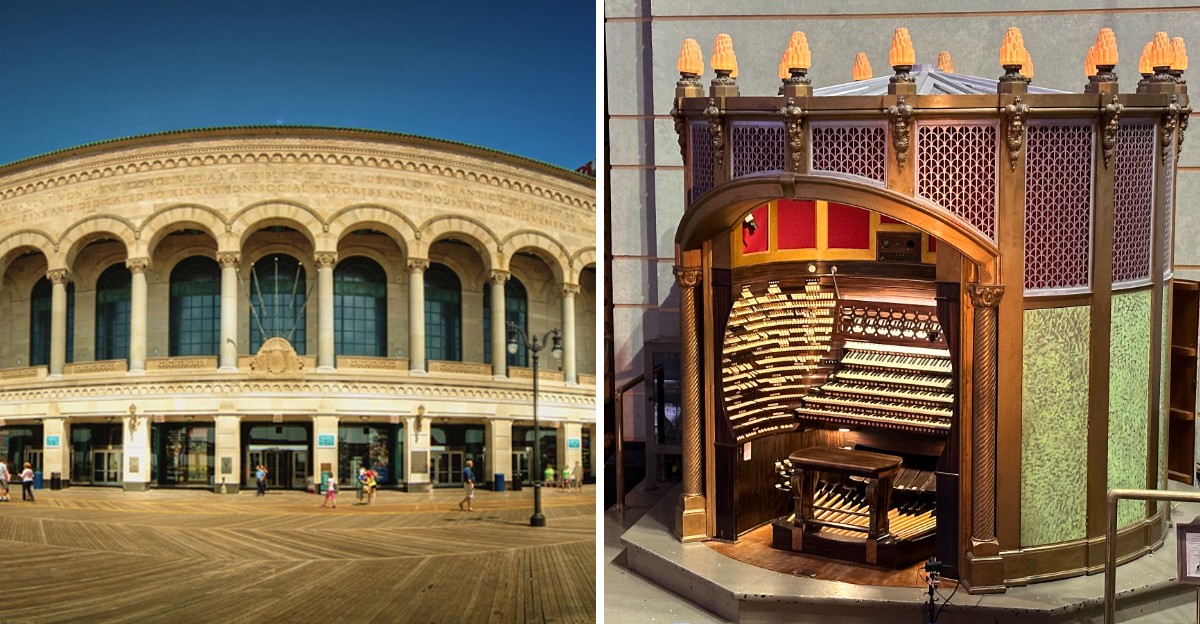
Concert fans file into Jim Whelan Boardwalk Hall all the time for big-name shows. Many of them never realize they’re sitting beside a world champion.
The champ just happens to be made of pipes, wood, and metal.
The Boardwalk Hall Auditorium Organ holds Guinness World Records as the largest and loudest musical instrument ever constructed. It also holds the title of the largest pipe organ.
That’s a lot of trophies for something most people can’t even see.
Fans call it by a few names. Some say the Midmer-Losh, after the company that built it.
Others call it the Poseidon, which feels fitting for a giant living a short walk from the ocean.
The hall itself was formerly called Historic Atlantic City Convention Hall. Today it carries the name Jim Whelan Boardwalk Hall.
Same building, same booming secret tucked into its chambers.
I believe that’s the best part of this whole story. The organ isn’t on a pedestal in some quiet museum.
It’s built right into a working arena on the Atlantic City Boardwalk in New Jersey.
So the next time you hear someone call this place just a concert venue, smile politely. You’ll know it’s also home to one of the strangest record holders in America.
Counting Pipes Could Take You All Week
Thirty-three thousand, one hundred and twelve. That’s the official pipe count for this organ, and it’s a little hard to wrap your head around.
Historical records don’t always agree on the exact number. Still, every count lands comfortably above 32,000.
Either way, that’s more pipes than some small towns have people.
Each pipe makes its own sound, so more pipes means more voices. Builders used materials like lead, tin, zinc, sugar pine, and fir.
Metal pipes and wooden pipes don’t sound the same, which gives the organ a huge range of tones.
The size range is just as wild. The smallest pipe is only 3/16 of an inch across and about 7 inches long.
You could mistake it for a pencil that wandered off a desk.
Compare that to the giants at the other end, which stretch longer than a city bus. All of them live together inside the same building.
They wait for an organist to call on them.
Here’s a fun trick for your next visit. When the organ plays, try to guess whether you’re hearing tiny pipes or massive ones.
High, sparkling notes come from the little guys. The rumble you feel in your seat belongs to the heavyweights.
Meet The 64-Foot Pipe That Had To Bend To Fit
Some pipes are big. One pipe here is ridiculous, and that’s meant as a compliment.
The largest single pipe in the organ stretches 64 feet long. It measures 27 by 27 inches square at its open end.
It weighs 3,350 pounds, which is about as heavy as a small car.
It’s made of sugar pine, so it’s wood, not metal. Even inside a hall this enormous, it didn’t fit standing straight.
Builders bent it into an L-shape so it could squeeze into its chamber.
That pipe belongs to something called the Diaphone-Dulzian stop. This organ is the only one with a full-length 64-foot Diaphone-Dulzian stop.
It’s also one of only two organs in the world with an open 64-foot pipe rank.
Notes from pipes this long sit so low that you feel them more than hear them. Think of the deep rumble of thunder rolling across the sky.
Now picture that coming from a wooden box indoors.
I can’t imagine the moving crew who had to haul it inside. Somebody definitely said, “Lift with your legs,” more than once.
Thanks to their effort, Atlantic City got bragging rights no other city can match.
Seven Keyboards And A Cockpit Full Of Buttons
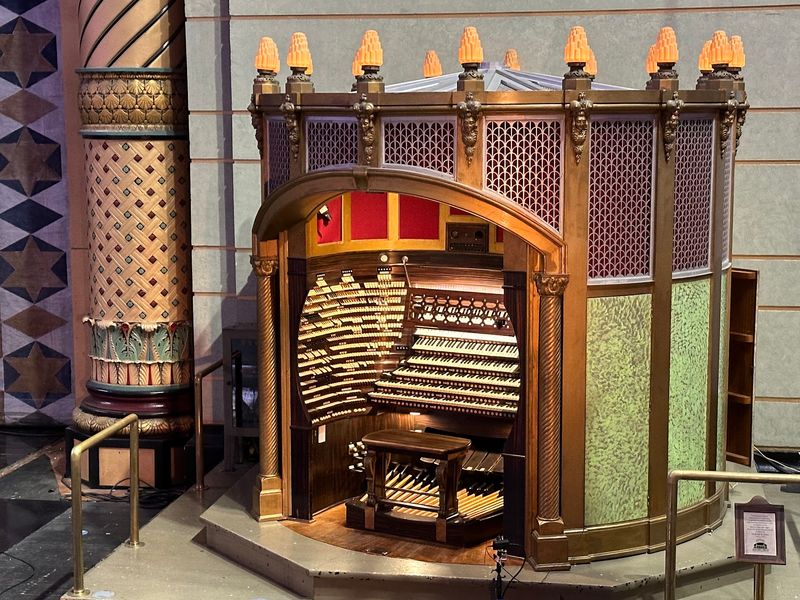
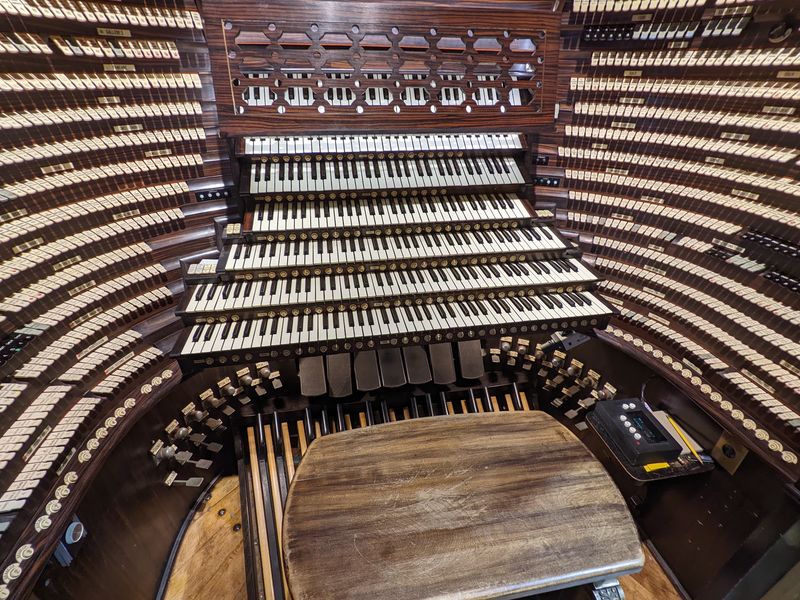
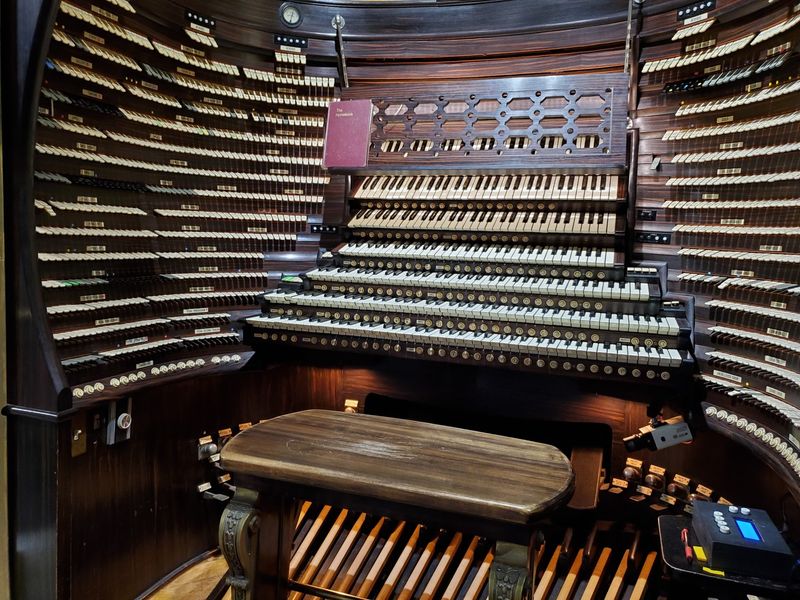
Most pianos have one keyboard. The main console of this organ has seven of them, stacked like stairs.
Organists call those keyboards manuals. Around them sit 1,235 stoptabs, the little switches that turn different sounds on and off.
Each tab calls up a different voice, from soft flutes to booming brass-like tones.
Looking at photos, it resembles an airplane cockpit more than a music station. A player has to think with both hands, both feet, and a quick brain.
Pedals for the feet add even more notes to juggle.
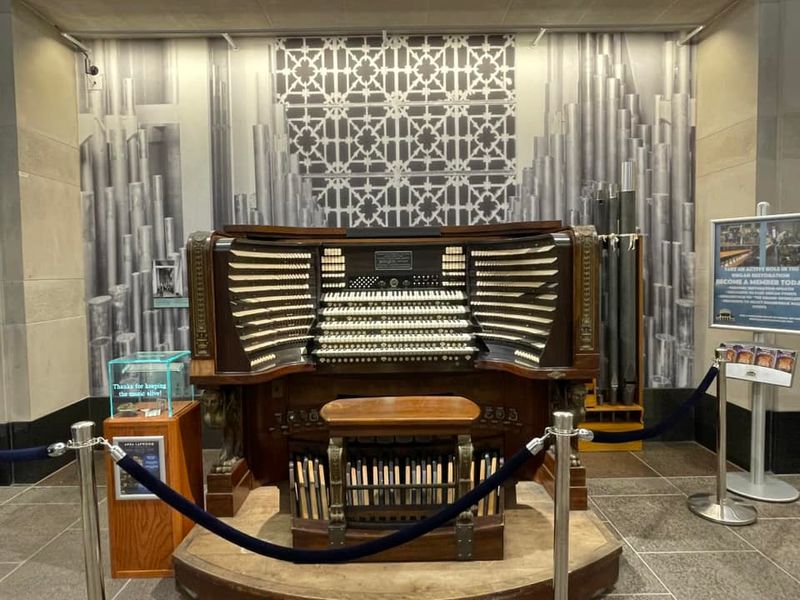
There’s also a movable console with five manuals. That gives performers a little flexibility in how they play.
Five keyboards would be plenty for most people, honestly.
It’s a good reminder that this organ was designed as a full orchestra in one machine. One person at the controls can sound like an entire band.
That’s a big job for two hands.
If you catch a concert, watch the organist closely. Their hands will dance between levels while their feet work the pedals below.
It’s like watching someone pat their head, rub their stomach, and solve a puzzle at once. Then remember they’re making music, too.
No Speakers Needed, Just A Hurricane Of Air
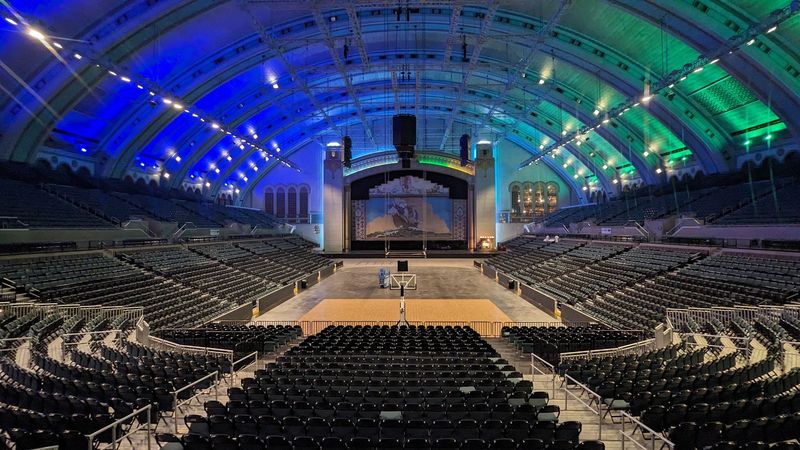
Forget plugging into an amplifier. This organ was built to fill a giant room with nothing but air and pipes.
The secret is wind pressure. Some of its pipes are voiced on 100 inches of wind pressure.
That’s double the pressure of any other organ ever built.
Why so much push? The main auditorium holds about 5.5 million cubic feet of air.
A normal church organ would sound like a whisper in a space that size.
The organ also boasts a famous voice called the Grand Ophicleide. Guinness World Records once named it the loudest organ stop in the world.
It sits in the organ’s Pedal Right division, ready to rattle the rafters.
All that power comes out of the walls with no electronic speakers involved. The sound travels on its own across the whole hall.
That was the plan back when it was designed.
I like how bold that idea feels. Someone looked at one of the largest rooms in America and said, “Let’s fill it the old-fashioned way.” Then they actually pulled it off.
Earplugs aren’t required, but you might find yourself grinning at the first big chord.
Born In The Roaring Twenties With Big Dreams
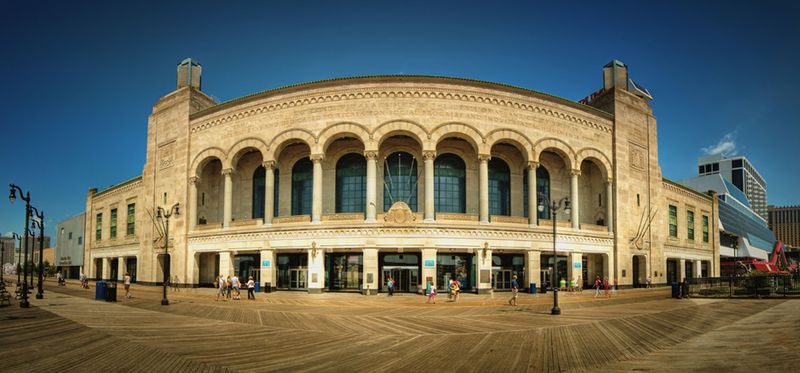
Atlantic City wanted something nobody else had in the 1920s. It got a building and an organ that still turn heads.
Construction on the hall ran from 1926 to 1929. It was dedicated on May 31, 1929.
Boston firm Lockwood, Greene and Co. designed it as a self-contained entertainment center on 7 acres.
The hall was built as the world’s largest unobstructed indoor space. Its interior measures 456 feet long, 310 feet wide, and 137 feet high.
No columns block the view across that huge floor.
The organ came next. The Midmer-Losh Organ Company built it from May 1929 through December 1932.
It cost somewhere between 450,000 and 500,000 dollars, a jaw-dropping amount back then.
The mastermind was Emerson Lewis Richards, an Atlantic City native and New Jersey State Senator. He called himself an “Organ Architect.” Most lawmakers stick to bills and budgets, but he dreamed in pipes.
The building earned recognition as a U.S. National Historic Landmark in 1987.
That’s a nice gold star for a place built on pure ambition. Standing on the Boardwalk outside, you can still sense the big thinking behind it.
The Comeback Story Is Still Being Written
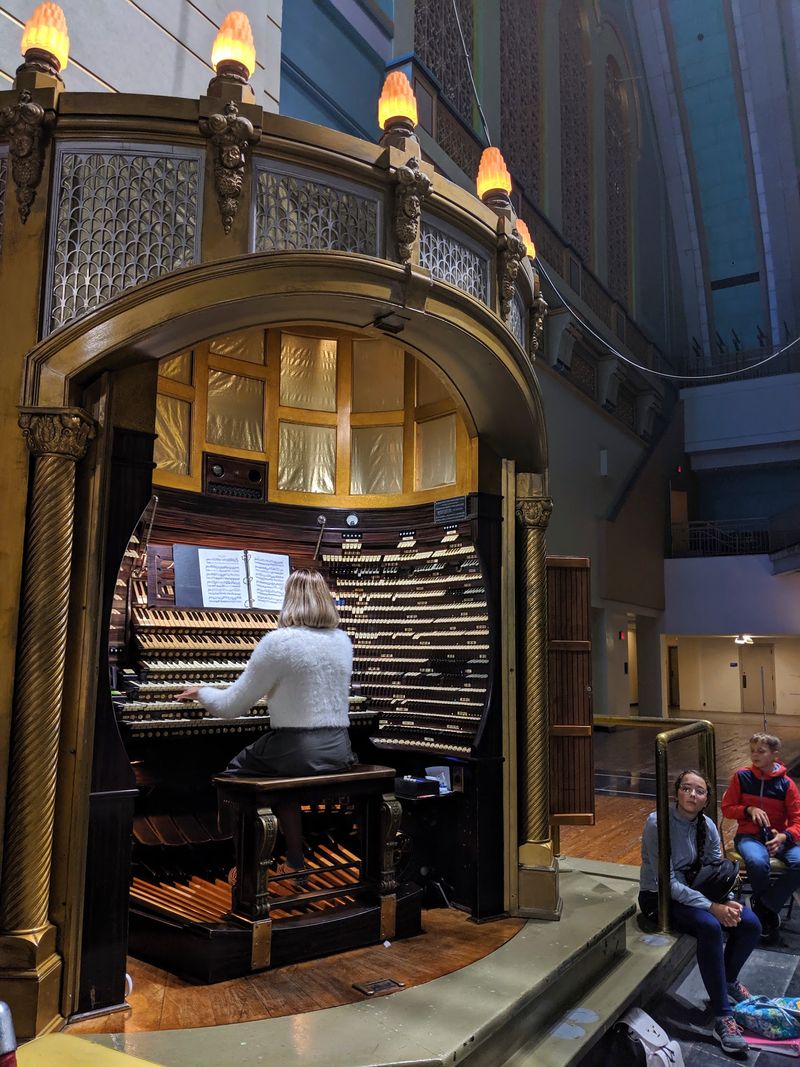
Every great giant has a rough chapter. For this organ, it arrived with the Hurricane of 1944.
That storm caused major damage. For decades afterward, the instrument wasn’t fully working.
By the 1980s and 1990s, it had mostly fallen silent.
Luckily, people refused to let it fade away. A restoration effort began in the 1990s and continues today.
The Historic Organ Restoration Committee, a New Jersey nonprofit, leads the work.
Bringing back tens of thousands of pipes is no weekend project. The restoration team hopes to complete the work around the organ’s 100th birthday in 2032, although the timeline depends on funding.
As of September 2026, the main Auditorium Organ was approximately 64 percent playable, with nearly half of its restoration completed.
That number might sound modest. Still, two-thirds of the world’s largest instrument is louder than most whole organs anywhere.
Not a bad halfway point.
There’s a second organ in the building too. The Adrian Phillips Theater organ is about 95 percent playable and 75 percent restored.
It’s a smaller instrument, but it brings plenty of charm.
I believe this slow, careful comeback is part of the magic. You’re not just visiting a finished monument.
You’re catching a legend in the middle of getting its voice back, one pipe at a time.
Free Lunchtime Concerts And A Peek Inside The Pipes
Lunch break plans just got way more interesting. You can hear this giant without buying a concert ticket.
Free 30-minute organ concerts and tours run Monday through Friday at 12 noon. They happen from Memorial Day through Labor Day.
They also return during select weeks in December.
Thirty minutes is a sweet spot. It’s long enough to feel the low notes in your chest.
It’s short enough to still hit the beach afterward.
Want more? Curator’s Tours take place on Wednesdays at 10 in the morning, April through December.
These two-hour tours carry a small fee and dig much deeper.
They take visitors inside the organ chambers and the restoration shop. That means standing among the pipes instead of just hearing them.
Few music fans ever get that close to an instrument this famous.
Schedules can shift, so check ahead before you plan your trip. Comfy shoes are a smart idea for the longer tour.
Bring curiosity, too, because the questions will come fast.
Kids who think organs are boring might change their minds here. Watching a pipe taller than a house is a pretty convincing argument.
Rock Legends, Pageants, And A Front Row Seat To The Ocean
The Beatles played here. So did The Rolling Stones, Elton John, and Madonna, which makes for one stacked guest list.
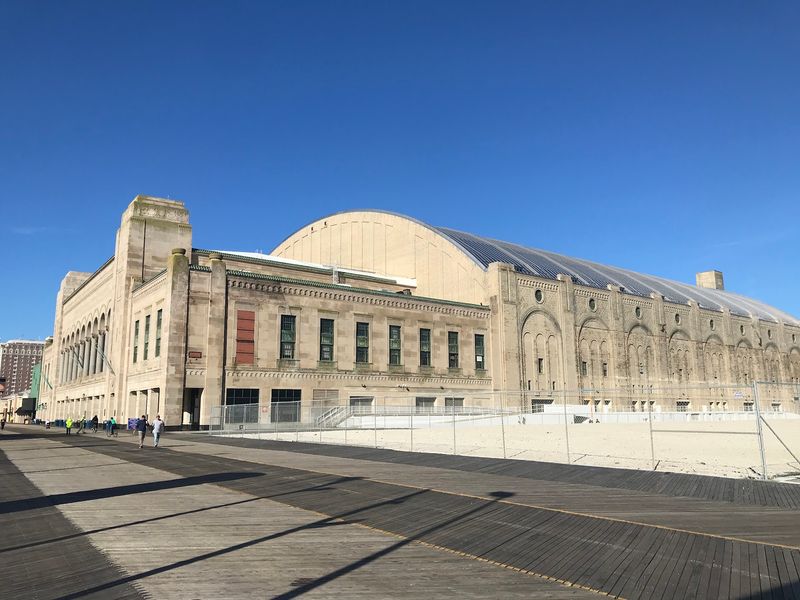
Jim Whelan Boardwalk Hall works as a busy multi-purpose arena. It has hosted championship boxing, comedy tours, and family shows.
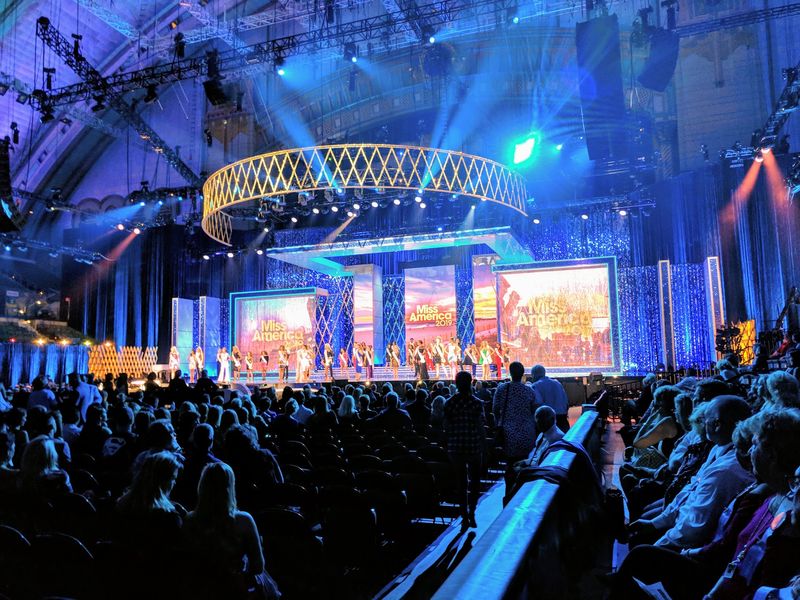
It was also the longtime home of the Miss America Pageant.
You’ll find it at 2301 Boardwalk, Atlantic City, NJ 08401. It sits right on the famous boardwalk, with the beach just steps away.
Few arenas in New Jersey offer an ocean breeze on the way in.
That location makes planning easy. You can stroll the boards, grab a snack, and wander over for a show.
Nearby hotels and casinos keep the whole area lively.
Inside, look around before you rush to your seat. The building’s Art Deco style and long history show up in the details.
It’s a lot of character for a sports and concert venue.
I like how the organ and the arena share the same roof. One night brings a pop star, and the next brings a pipe concert.
Either way, Jim Whelan Boardwalk Hall gives you a story worth telling on the drive home.
