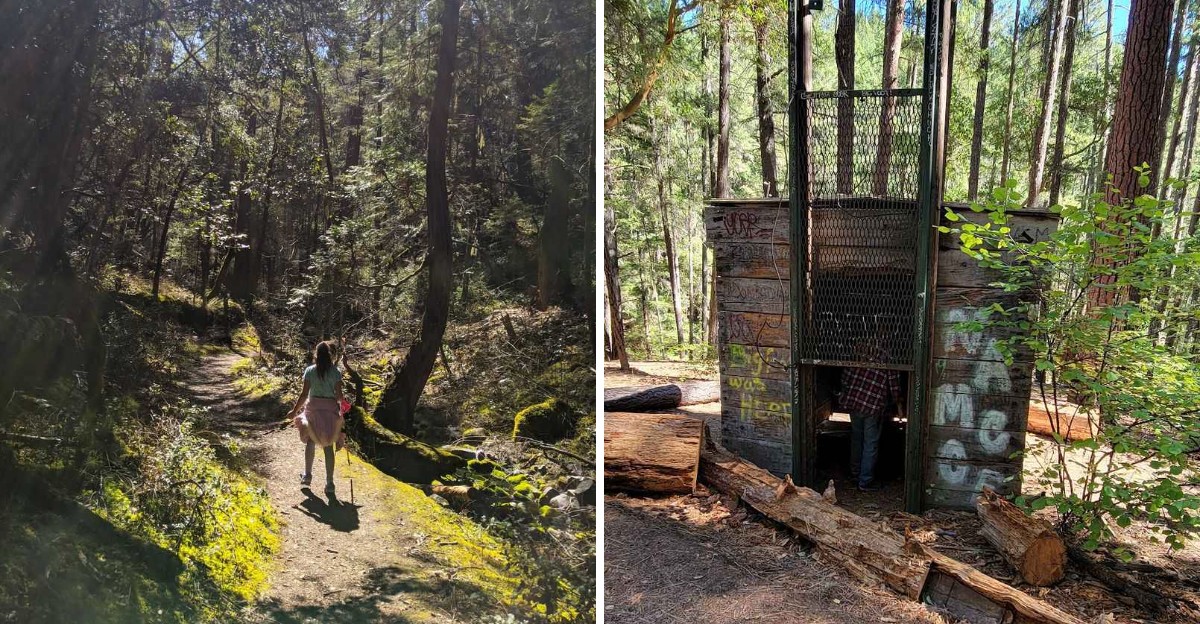
Traps built for imaginary creatures don’t usually stick around this long. Somehow, this one still sits exactly where it was built decades ago, waiting for a capture that’s never come.
Wooden and rusted now, the structure looks almost forgotten, tucked along a trail most hikers wouldn’t expect to hold anything unusual at all. Stories about its original purpose vary depending on who’s telling them.
Believing in Bigfoot isn’t required to appreciate how strange this landmark actually is. Hikers stumble onto it expecting a joke, then leave oddly impressed by how much effort went into something built to catch a creature nobody’s ever proven exists.
Oregon trails hide plenty of oddities, but few commit this hard to a legend nobody can confirm.
How a Sasquatch Trap Got Built on Collings Mountain
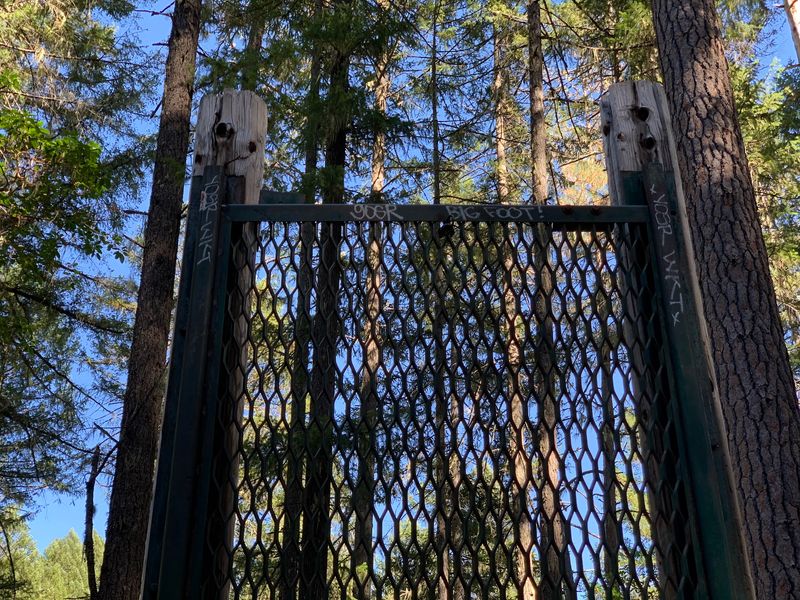
History here is oddly well documented for a legend chase. In the mid 1970s, a wildlife research group secured a permit from the Forest Service and built the box on Collings Mountain, hoping to catch a Sasquatch alive rather than harm one.
Bait was placed inside and the site was checked regularly for about six years. Records from that period note the only animal ever caught was a bear, which pretty much sums up the odds.
The permit eventually lapsed, and the trap was left standing as a curiosity instead of an active experiment. Land managers kept it in place because people kept walking up to see it, and it slowly became local folklore in wood form.
What makes the story stick is the sincerity behind it. Someone genuinely believed, filed paperwork, hauled timber up a hillside, and waited. Even for the doubtful, that effort has charm, and it gives this hike an actual plot rather than just a destination at the end of a dirt path.
Finding the Trailhead and Following the Path
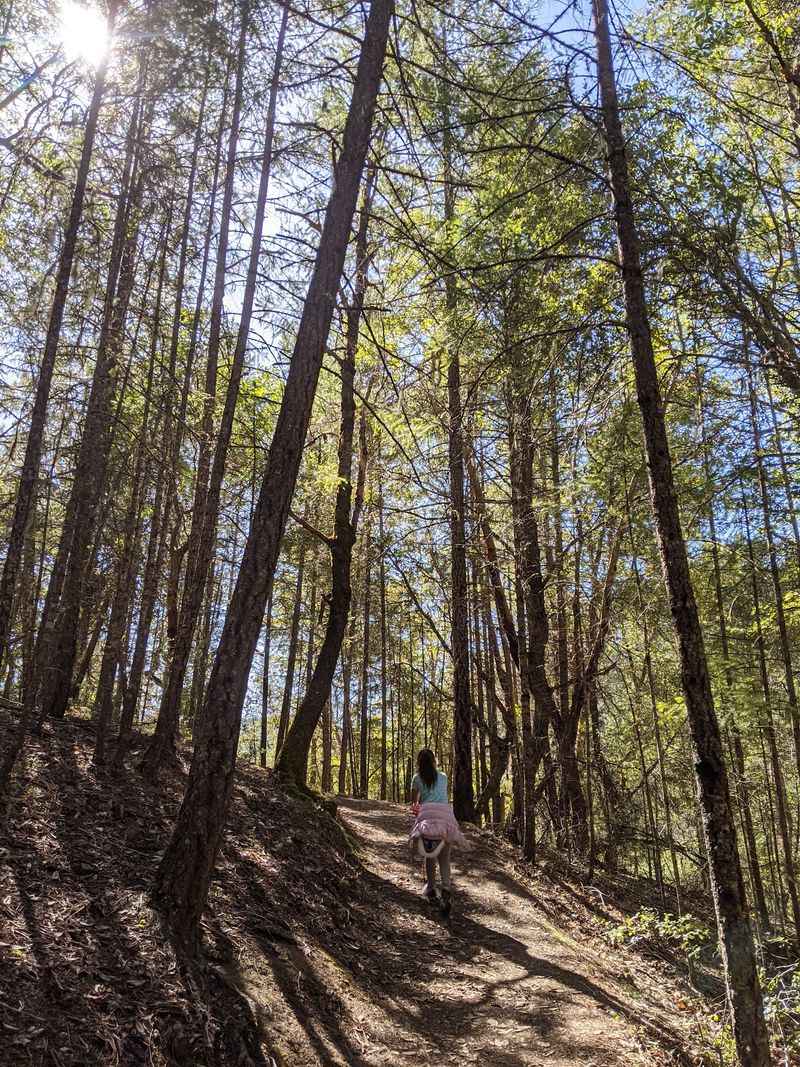
Signage is thin, so the outing starts with a small guessing game near the Hart-tish Park area along Upper Applegate Road. Once on the path itself, the route is clear enough, wide and packed down by years of curious boots.
Most hikers reach the trap in roughly three quarters of a mile to a mile, depending on where the car ends up and which junction gets chosen. The advice repeated most often is refreshingly simple, stay left at the forks and keep climbing.
Budget about forty minutes each way if photos and breaks are part of the plan. Faster walkers finish sooner, though rushing skips the best part, which is the little canyon on the way in. Sturdy soles help on the loose sections, and trekking poles are a welcome extra for sensitive knees.
Because the distance is modest, the hike pairs beautifully with a lakeside picnic afterward. That combination turns a quirky curiosity stop into a genuinely satisfying half day outdoors.
The Wooden Trap Still Holding Its Ground
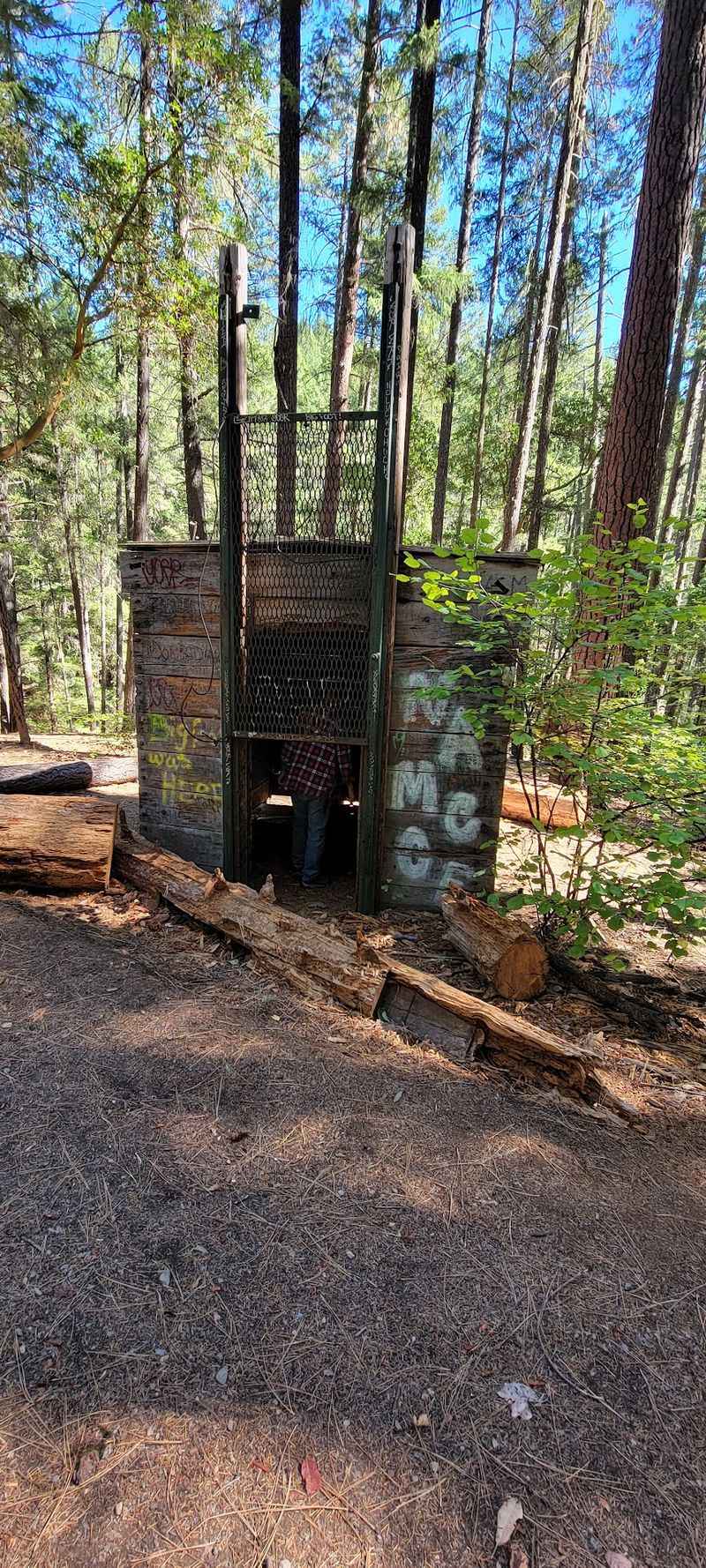
A wooden box roughly ten feet on each side hides among the conifers, held together with thick beams and panels of metal. Nothing about it screams monster movie. Yet this plain little structure is widely known as the only Bigfoot trap ever built and permitted on public land. The design was simple.
A heavy door was rigged to drop once something pulled at bait hung inside, sealing whatever entered until researchers arrived. Over the years the boards have softened with rain and moss, so the whole thing now leans into the forest floor like a forgotten garden shed.
Visitors are asked to look rather than climb, since the wood is fragile and repairs are limited. Photos turn out best in late morning, when light filters through the canopy and the metal edges catch a faint shine. Up close, the scale is surprising. Big enough to walk into, small enough to feel homemade.
That mix of serious ambition and rough carpentry is exactly what makes the stop stick in memory long after the drive home.
Poison Oak Deserves Real Respect Here
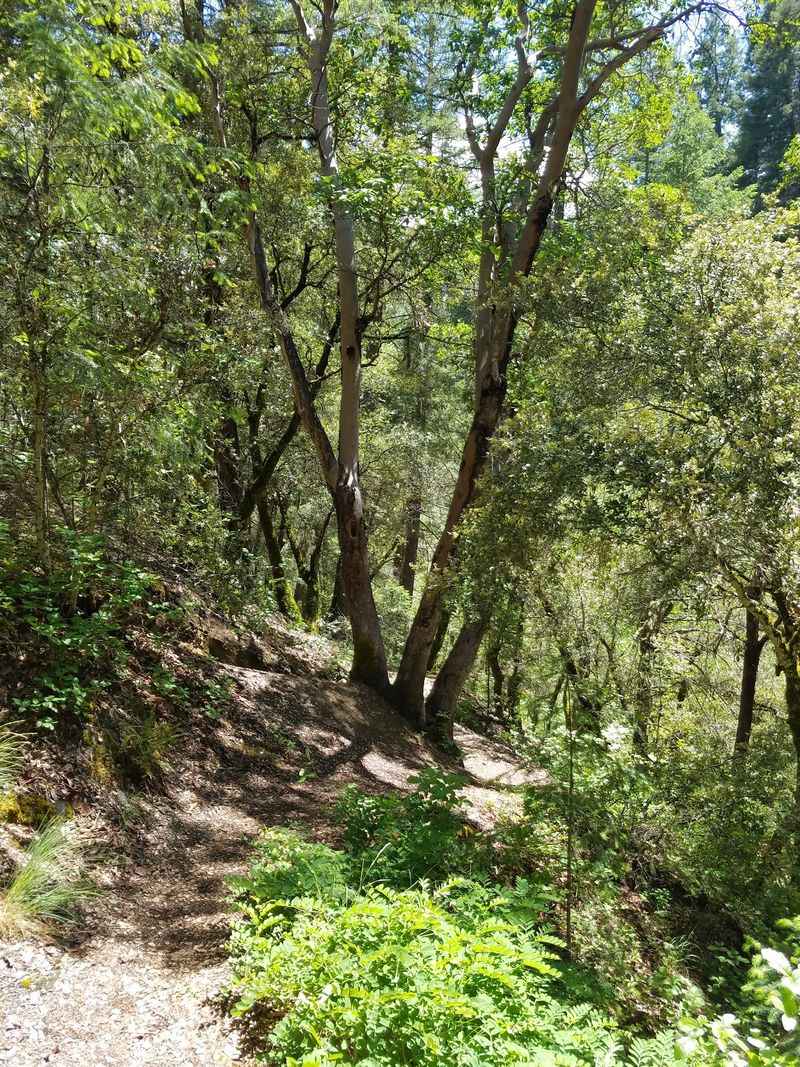
Poison oak grows along this trail with real enthusiasm, especially on the lower stretches where sunlight reaches the path edges. The tread stays wide enough to avoid it, but brushing past is easy when attention drifts.
Learn the three leaf shape before setting out, since the plant shifts color through the seasons and turns bright red in autumn. Long pants are the simplest defense of all.
Dogs can carry the oils home on their fur, so a wipe down afterward saves everyone some misery. Keeping pets toward the center of the trail helps too.
Ticks and the occasional yellow jacket also show up in warm months, which is another vote against shorts. Nothing out here is truly risky with basic care, just itchy if ignored.
Rinsing exposed skin with cool water and soap within a couple of hours makes a big difference. Stashing a towel and a water bottle in the car handles that nicely. Respecting the plants keeps the memory focused on the trap, not on a week of scratching.
Moss, Ferns, and a Canyon Full of Green
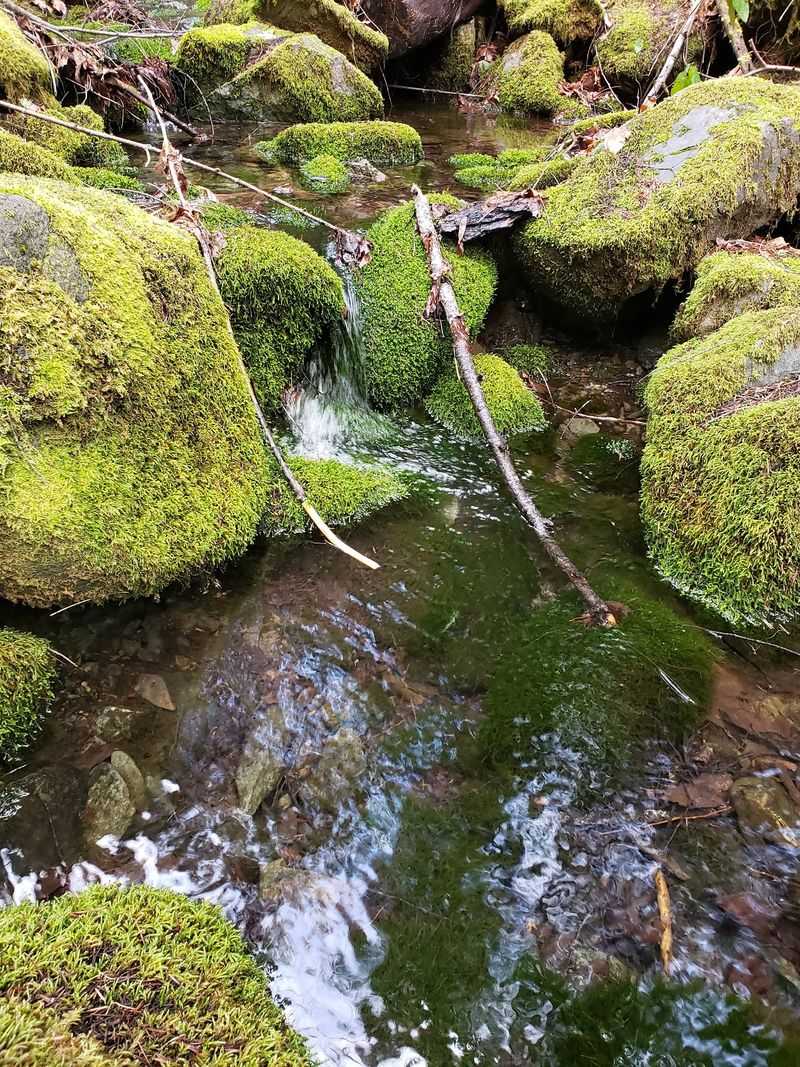
Green is the loudest thing on this trail. Moss drapes over branches and stumps, sword ferns crowd the lower slopes, and the canopy filters daylight into soft patches that shift as clouds pass overhead.
Spring brings the deepest color, with damp bark and wildflowers tucked into shaded corners. After rain, the whole canyon smells like cedar and wet earth.
Photographers do well here without any fancy gear, since diffused light under the trees flatters nearly every angle. Cloudy mornings are especially kind to a phone camera.
Birdsong carries through the drainage, and the creek adds a low background hum in wetter months. Quiet arrives easily, particularly on weekday visits.
Look down as often as up. Tiny mushrooms, lichen patterns, and curled fern fiddleheads reward slow walking far more than any wide vista does. The forest alone would justify this drive even if the trap had never been built, which is a pleasant thing to realize somewhere halfway up the hill.
Uphill Both Ways, Or So It Feels
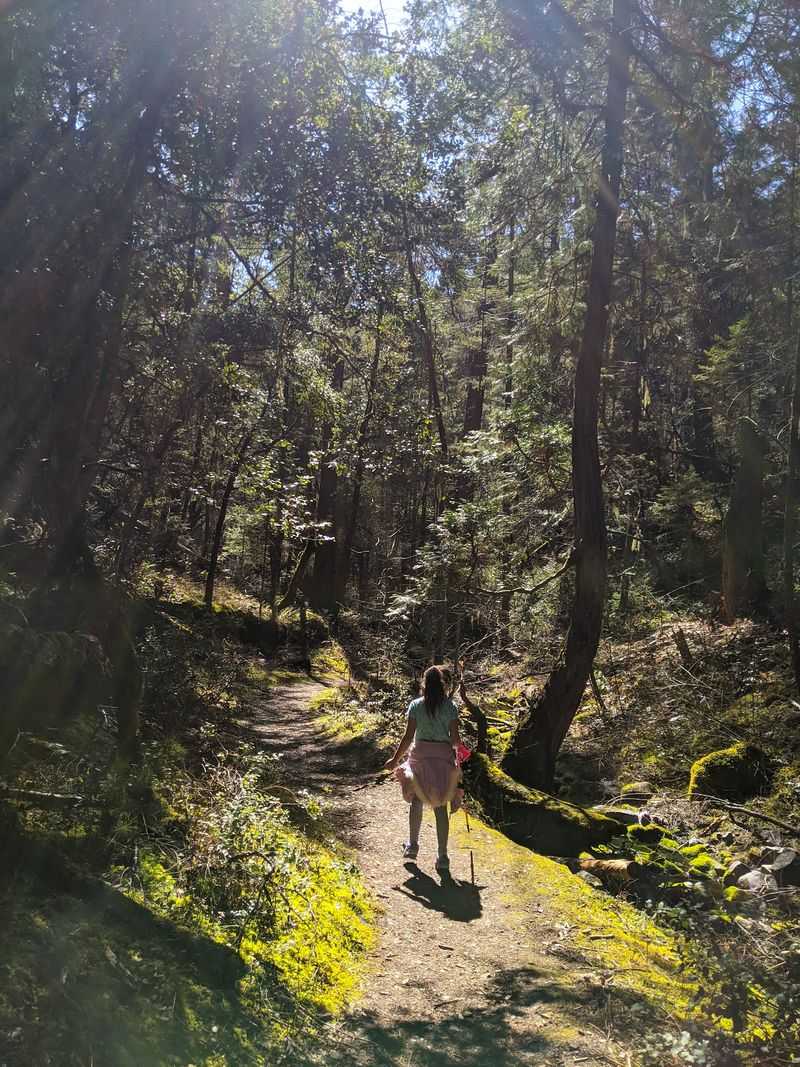
Short does not mean flat. The climb begins almost right away and holds a steady grade, with a few pitches steep enough to reduce conversation to single words.
Regulars joke that it is uphill both ways, and the rolling terrain genuinely makes the return leg feel like work. Knees notice the downhill more than the climb.
Pacing solves most of that. Two or three short pauses turn a huffing march into a pleasant stroll, and shaded bends and fallen logs offer natural rest spots. Footing is generally solid, though loose dirt and roots appear on the steeper bits. Shoes with grip beat casual sneakers by a wide margin.
Anyone with limited mobility should know that strollers and wheelchairs will not work on this route. Baby carriers do fine, and plenty of families manage the whole thing.
Carry more water than a one mile hike would suggest, because effort stacks up quickly on warm afternoons beneath a closed canopy.
Views Over Applegate Lake From Higher Up
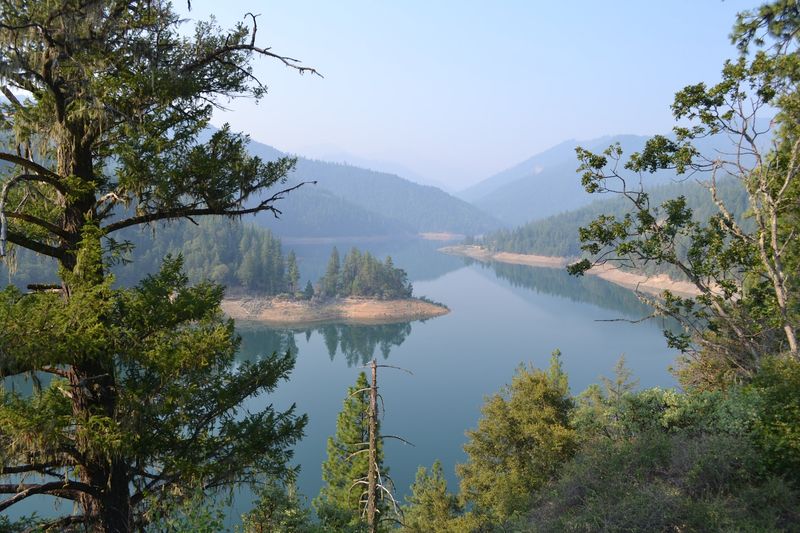
Past the trap, the trail keeps climbing and the trees start opening in places. Those gaps frame Applegate Lake below, a blue shape cradled between forested ridges.
Pushing on even fifteen more minutes changes the character of the whole outing. A quirky curiosity walk becomes a viewpoint hike, and the reward arrives without much added effort.
Morning light suits the water best, while late afternoon throws long shadows across the far slopes. Either way, these overlooks are casual openings rather than official platforms, so watch for breaks in the brush.
The lake is a reservoir on the Applegate River, ringed by trails and day use areas that make an easy addition once the hike wraps up. Pack a snack for the higher benches of the trail. Sitting still up there, wind through the firs does most of the talking.
Turning around is simple whenever energy fades, since the route works as an out and back unless the full loop is the plan.
Stretching It Into the Full Collings Mountain Loop
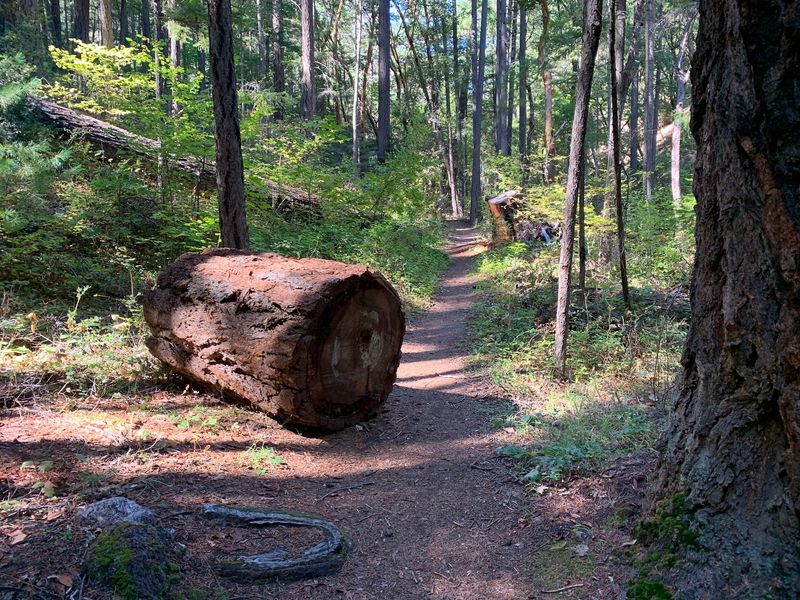
For anyone wanting more than a quick errand into the woods, the Collings Mountain Trail rolls onward into a loop of roughly ten miles, with a paved stretch closing the circuit.
Grades are long rather than technical, which suits steady hikers and trail runners who prefer rhythm over scrambling. Elevation gathers gradually instead of all at once.
Plan on four to six hours with breaks, and start early in summer to beat heat on the exposed sections. Shade is generous down in the canyon and thinner up high.
Navigation takes attention, since junction markers are inconsistent. Downloading an offline map before leaving cell coverage is a smart move. The payoff is variety, from mossy creek bottoms to open ridge stretches with wide views across the Applegate valley.
Carry proper supplies for this version, including at least two liters of water per person, real food, and a light layer. What feels like a short stroll near the trailhead becomes a full mountain day once the loop commits.
Kids Love a Hike With a Monster at the End
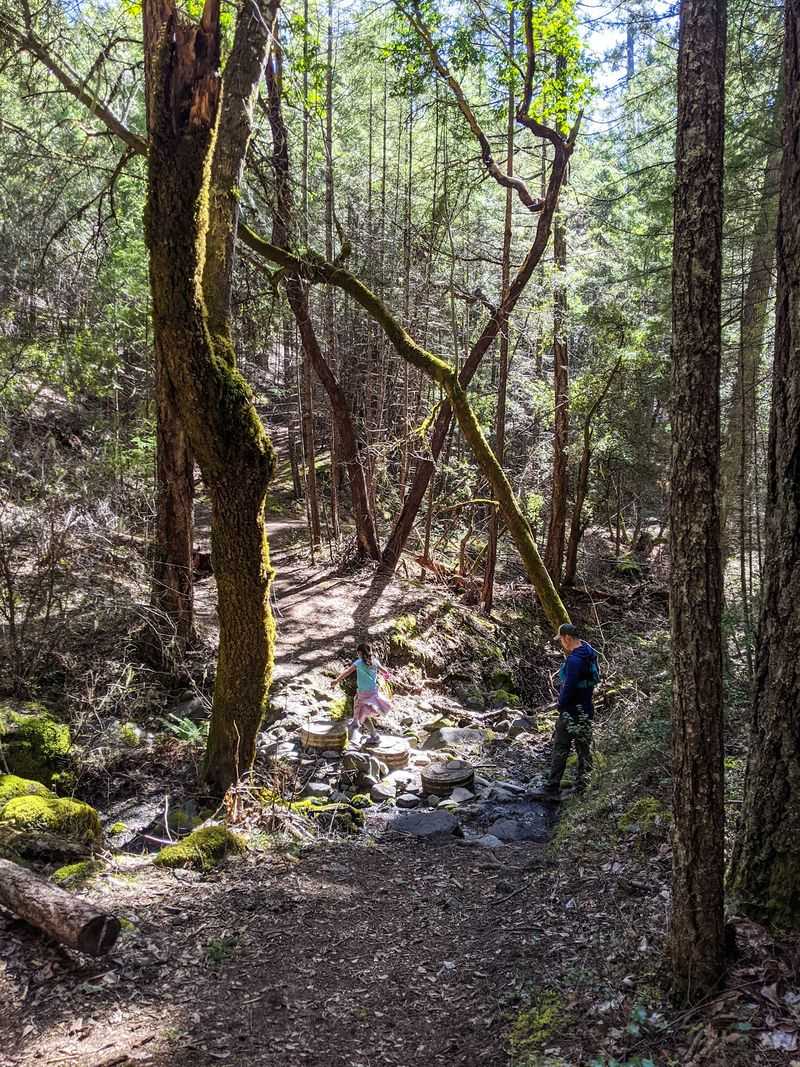
Families do well on this trail, and the short distance is a big part of why. A wooden Bigfoot trap is exactly the sort of goal that keeps young legs moving without much complaining.
Turn the walk into a game. Counting ferns, spotting woodpecker holes, and guessing what could fit inside the box all stretch attention spans nicely.
Carriers work well for babies, and confident walkers around five or six usually handle the climb with a few breaks. Strollers, once again, are a firm no.
Talk about poison oak at the start, since kids naturally reach for leaves. One quick lesson at the trailhead prevents a rough evening later. Snacks at the trap make a fine picnic, provided every wrapper leaves with the group. There is no trash service and no restroom out there.
Remind everyone to stay off the structure. Explaining that the wood is old and irreplaceable tends to land better than a plain rule.
Parking, Seasons, and Getting There Smoothly
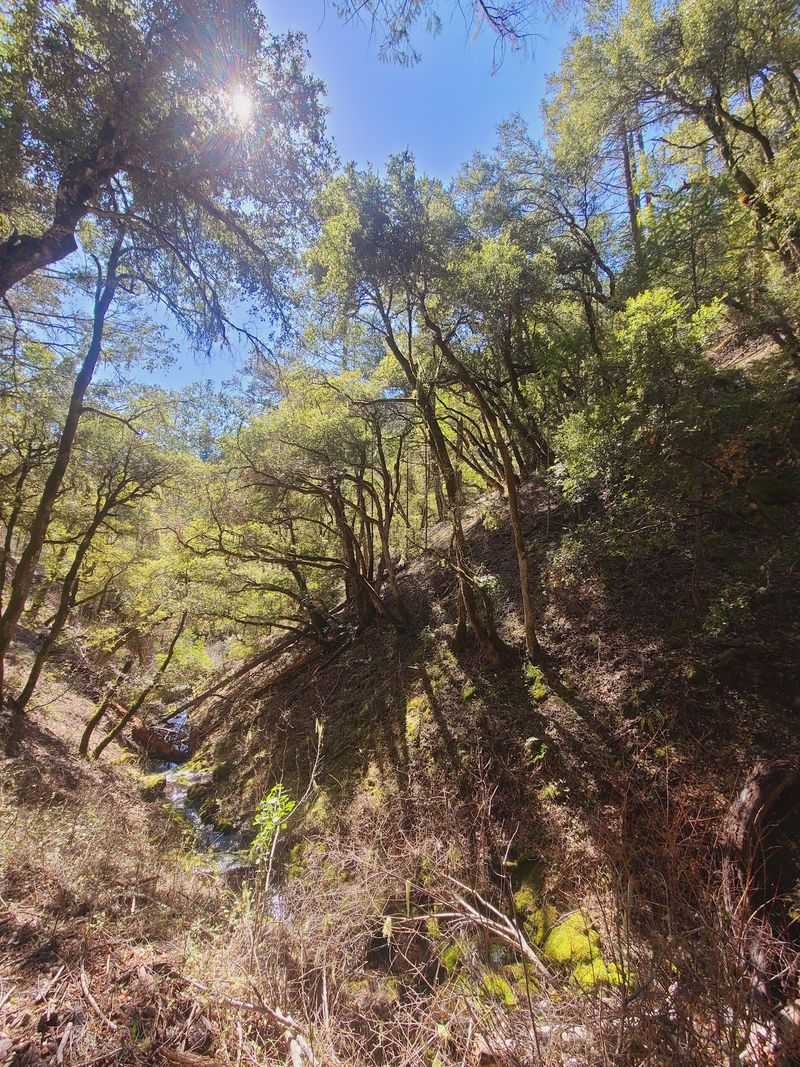
Roadside parking near the trailhead is limited, so an early arrival helps on weekends. Pullouts fill fast in summer when lake visitors and hikers overlap.
Spring and fall are the sweetest seasons here, with cool air, lively creeks, and fewer insects. Winter access is usually workable at this elevation, though the tread turns slick after rain.
Cell service is patchy along Upper Applegate Road, so save directions before leaving Jacksonville or Ruch. The drive is scenic on its own, winding past orchards and following the river upstream.
Pack out everything, resist any urge to carve initials, and leave the trap exactly as found for the next curious traveler.
Set navigation for Hart-tish Park Trailhead, Upper Applegate Rd, Applegate, OR 97527, United States, then trade pavement for moss and go meet the only Bigfoot trap in the world.
