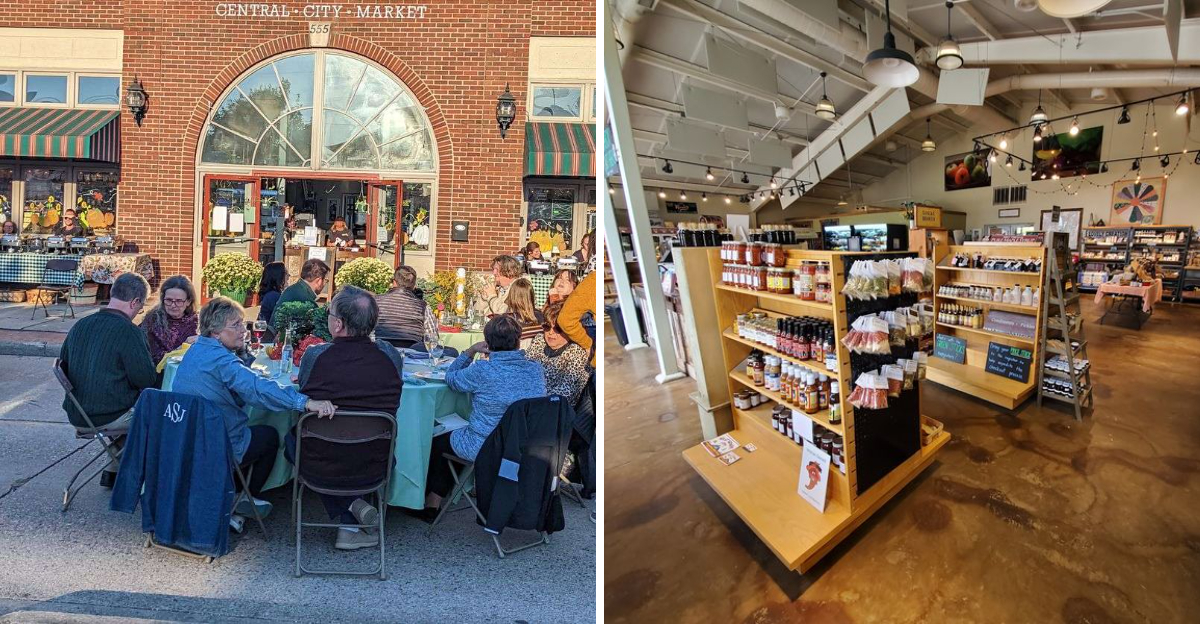
Walk in for fresh produce. Walk out with grass-fed beef, artisan cheese, fresh pasta, locally roasted coffee, and maybe a handmade cutting board.
That is the magic of this West Virginia market.
It is a year-round indoor farmers market that connects local producers directly with the community.
The produce is entirely seasonal, so the selection changes with the rhythm of the land.
They even have a kitchen on site that transforms surplus ingredients into prepared meals, soups, and baked goods using local products.
This place is a celebration of everything local. Your grocery list just met its match.
Come for the veggies. Stay for the surprises.
Leave with way more than you planned.
A Market That Never Packs Up For Winter
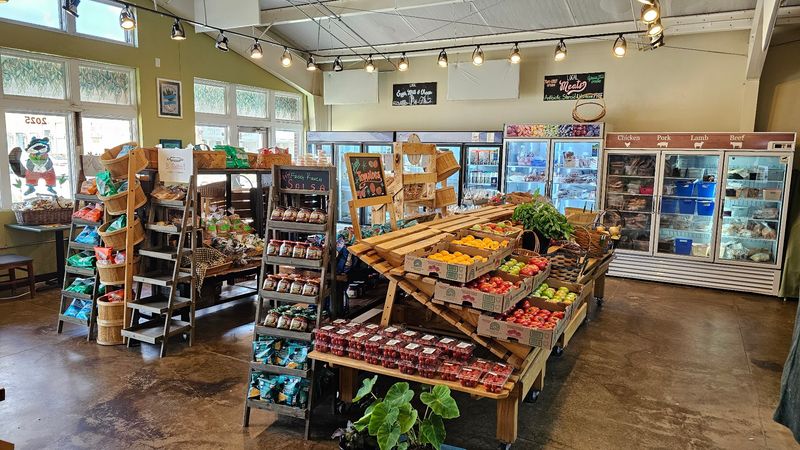
Most farmers markets vanish the moment frost hits, leaving shoppers stranded with supermarket cardboard tomatoes until May. Not here.
Open seven days a week inside a real building with real heat, the shelves stay stocked through January just as reliably as they do in July. Hours run Monday through Friday from morning into early evening, with Saturday starting bright and early and Sunday keeping shorter afternoon hours.
What changes is the lineup, not the lights. Winter leans into storage crops, root vegetables, frozen meats, grains, jams, and pantry goods put up during the abundant months.
Spring flips the whole room into something greener and louder.
Shopping here teaches you the rhythm of an actual growing season, which is a strange thing to relearn as an adult. You start noticing when the first strawberries show up, and you start planning meals around what the land is doing.
For anyone traveling through the region in the colder months, having a genuine local food stop that is actually open feels like a small gift.
Produce That Follows The Calendar, Not The Catalog
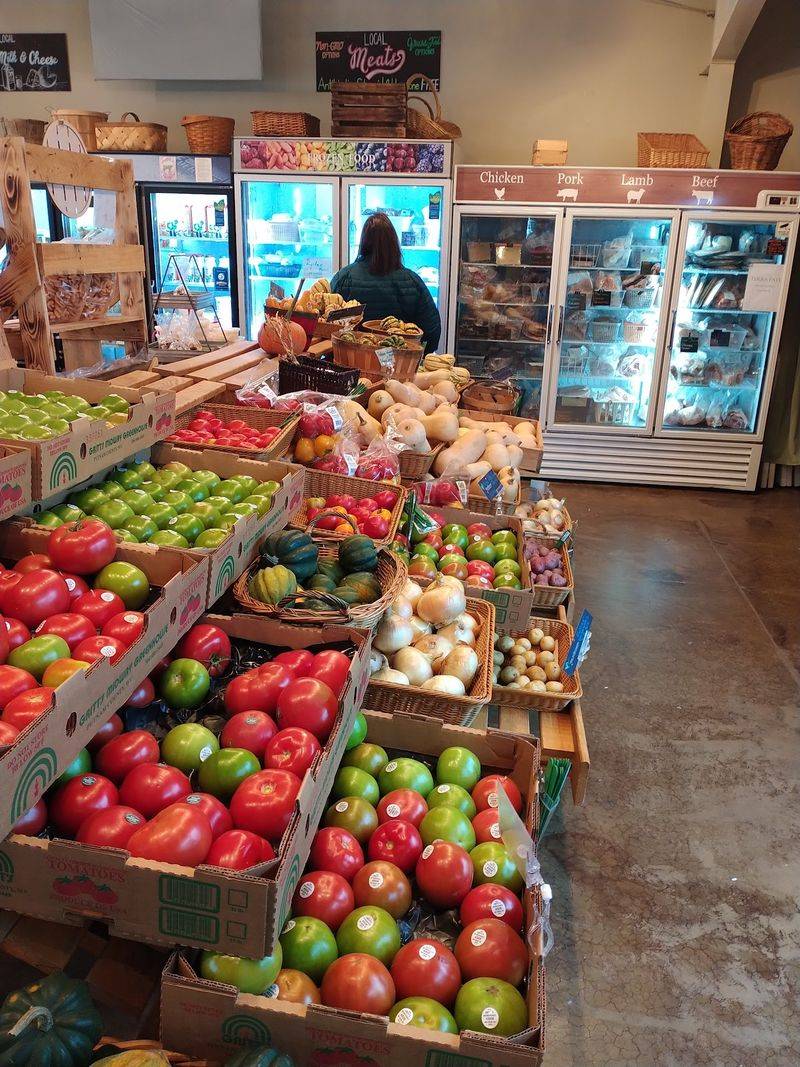
Ask for strawberries in October and you will get an honest answer instead of a shipped-in imitation. That honesty is kind of the whole point.
Everything sold must be grown or made within 250 miles of Huntington, which means the produce bins genuinely reflect what the surrounding hills and valleys are doing that week. Summer brings peaches, nectarines, plums, watermelon, and berries.
Later months lean toward squash, greens, apples, and hearty roots.
The tomatoes get talked about a lot, and once you have had one in August, you understand why. Vibrant, lumpy, unapologetically imperfect, and worlds better than anything trucked across the country.
Because supply depends on real farms and real weather, selection shifts constantly. Some visitors find that surprising at first, then quickly turn it into a game of cooking whatever looks best.
Bring a flexible plan and an open mind. The bins will tell you what dinner is, and dinner will almost always be better for it.
The Harvest Kitchen Turns Leftover Bounty Into Dinner
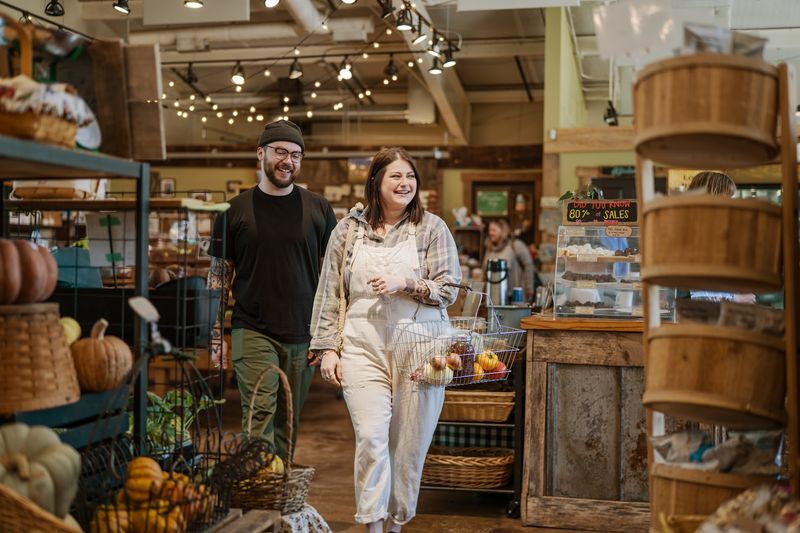
Here is the clever part nobody expects from a produce market. Surplus ingredients from local growers do not get tossed when the season floods the shelves.
Launched in 2019, the Harvest Kitchen takes those extras and transforms them into freezer meals, soups, broths, sides, desserts, snacks, and baked goods that live in the coolers year-round. Nothing wasted, and farmers get paid twice over since the kitchen buys directly from them.
Grabbing one of these meals feels like cheating in the best way. The flavors taste homemade rather than factory-assembled, because the ingredients came from a few counties away instead of a warehouse.
Travelers with a hotel kitchenette or a cooler in the car will find this section especially useful. It solves the eternal road trip problem of wanting something wholesome without cooking from scratch.
The kitchen also handles catering built around area farms and artisans, keeping the same local-first thinking on bigger plates. Practical, tasty, and quietly brilliant.
Meat, Eggs, And Dairy From Farms You Could Actually Drive To
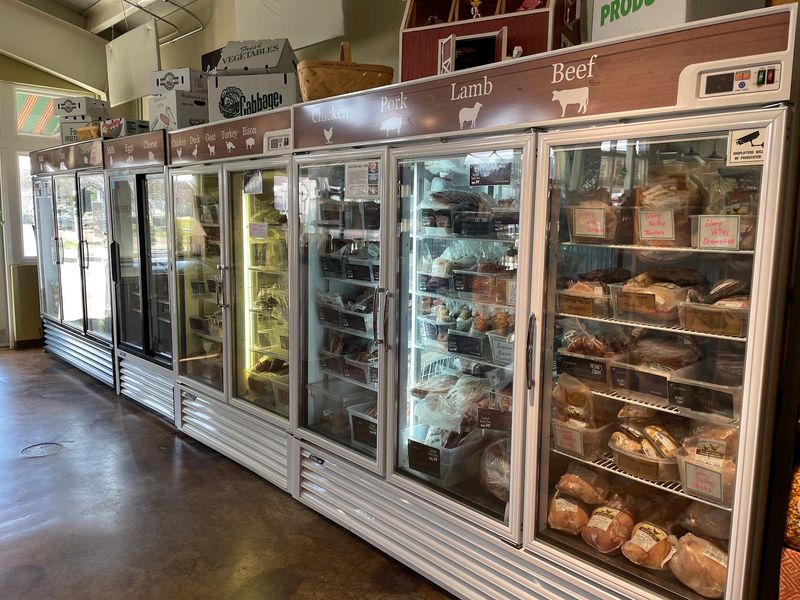
The coolers hold the kind of protein selection that makes home cooks slow down and start planning. Grass-fed beef steaks, poultry, and butcher cuts come from small regional ranches rather than industrial operations.
Eggs sit in cartons with yolks that look almost orange. Regulars will happily tell you they often cost less here than at the big chain down the road.
Dairy earns serious loyalty too. Fresh mozzarella, bottled milk, and cheese curds from nearby creameries get snapped up quickly, and the curds have a squeak that cheese fans chase across state lines.
Ice cream shows up in the freezer as well, made close to home and worth the detour on a warm afternoon. Occasional specialty items like seafood round out the case.
Because everything depends on actual farm production, some days a section runs lighter than others. Rolling with that is part of shopping somewhere the food has a real address.
Bread, Cookies, And The Legendary Pepperoni Rolls
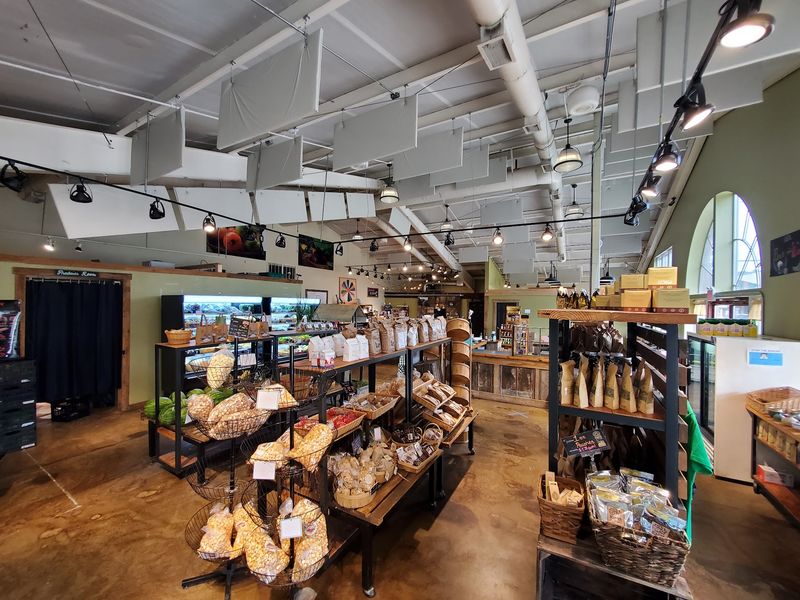
Follow your nose past the front door and you will end up at the baked goods before you have made any conscious decision. Sourdough loaves, cookies, pastries, and chocolates rotate through the shelves depending on what the bakers brought that morning.
Pepperoni rolls deserve their own paragraph, because in West Virginia they are practically a state treasure. Soft bread wrapped around spiced pepperoni, portable, filling, and dangerously easy to eat two of in the car.
Everything is made from scratch by area bakers, which shows up in the texture and the slightly uneven shapes. Machine-perfect bread never tastes this good anyway.
Sweets lean toward the nostalgic side. Caramels, cakes, and cookies show up alongside kettle corn in sweet and savory versions.
Getting there earlier in the day improves your odds on popular items, since the bread situation can change fast. Consider that a friendly warning rather than a complaint.
Locally Roasted Coffee And A Grinder You Can Hear
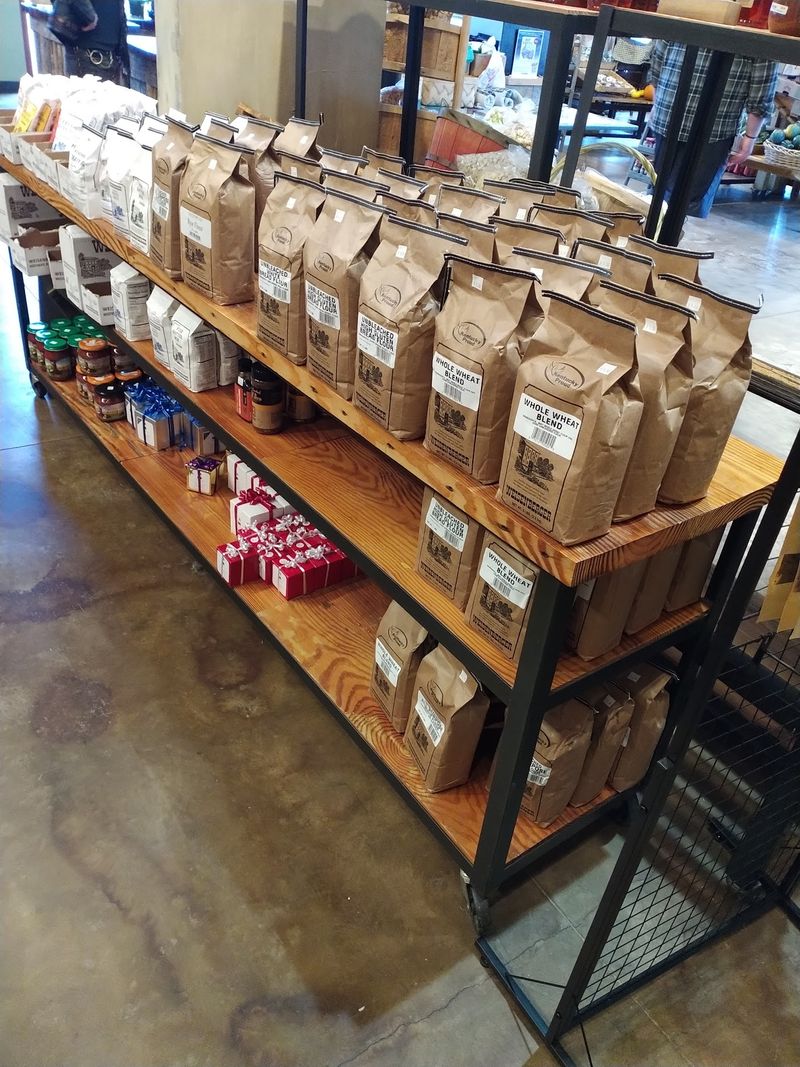
There is a cozy corner where the coffee lives, and it changes the whole mood of the room. Bags of beans roasted within the region line the shelves, ranging from mellow breakfast blends to darker, bolder options.
An on-site grinder means you can take your beans home already prepped for whatever brewing setup waits at your kitchen counter. The sound and smell together make the market feel less like a store and more like somebody’s very well-stocked pantry.
Coffee travels beautifully, which makes it one of the smartest souvenirs available here. A bag tucked into luggage keeps the trip going for weeks after you leave.
Loose herbs and teas often share nearby shelf space, adding more options for anyone building a drink stash.
Roasters featured here are small operations working close to home, so buying a bag sends money straight back into the surrounding food economy. Caffeine with a conscience is a fine way to start any morning.
Handmade Soaps, Pottery, And Crafts With Fingerprints On Them
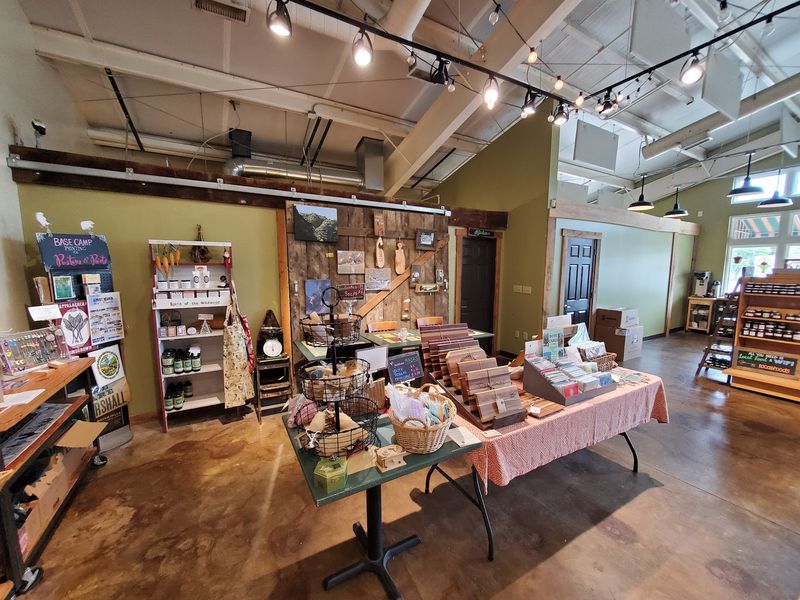
Somewhere between the honey and the checkout, the shelves stop being edible and start being beautiful. Goat milk soaps stacked in neat rows smell so good that people sniff them one by one without embarrassment.
Handcrafted cutting boards, pottery, lotions, and locally made earrings share the space. Each piece comes from a maker working nearby, which means no two shopping trips turn up the exact same inventory.
Gift shopping becomes ridiculously easy in this corner. A soap bar, a small pottery mug, and a jar of honey make a package that feels thoughtful without requiring three separate stores.
Celebrating artisan craftsmanship sits right alongside food in the market’s mission, so these goods are not an afterthought tucked near the register.
For visitors wanting something more meaningful than a highway gift shop magnet, the craft shelves deliver. You leave with an object made by hand in the same region where your groceries grew, which is a rare combination anywhere.
Stinkfest And The Wild Ramp Season Everyone Waits For
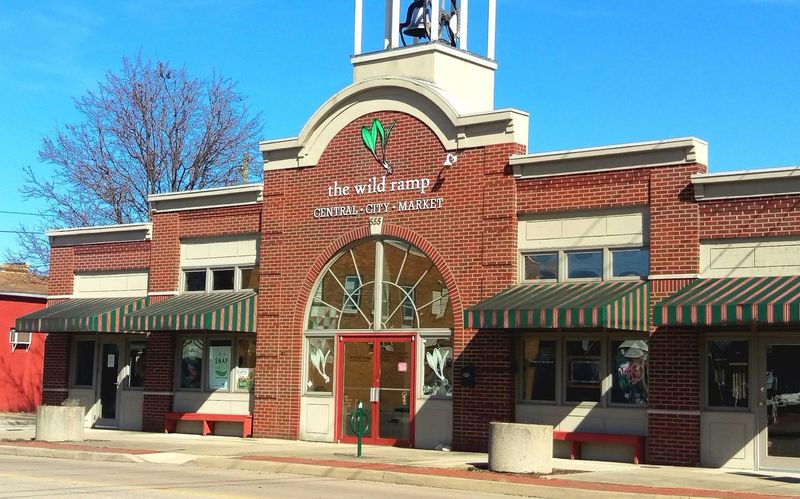
Every spring, a pungent little wild onion takes over Appalachia, and this market throws it a party. Ramps, also called wild leeks, pop up briefly in early spring with a flavor somewhere between garlic and onion turned up loud.
Stinkfest is the annual springtime fundraiser built entirely around them. Ramp-infused dishes, artisanal goods, and a genuinely festive crowd fill the place, and the fresh ramps themselves tend to sell out well before noon.
Lines form for the food, though they move steadily and the atmosphere makes the wait feel like part of the fun.
Arriving early is the single best piece of advice anyone can give you about this event. Ramp season is short, wild, and impossible to reschedule.
Even outside of festival weekend, the market’s name is a nod to that heritage. Fun fact: ramps grow wild in the hills rather than on farms, so every bunch was foraged rather than planted.
A Nonprofit Where Farmers Keep Most Of The Money
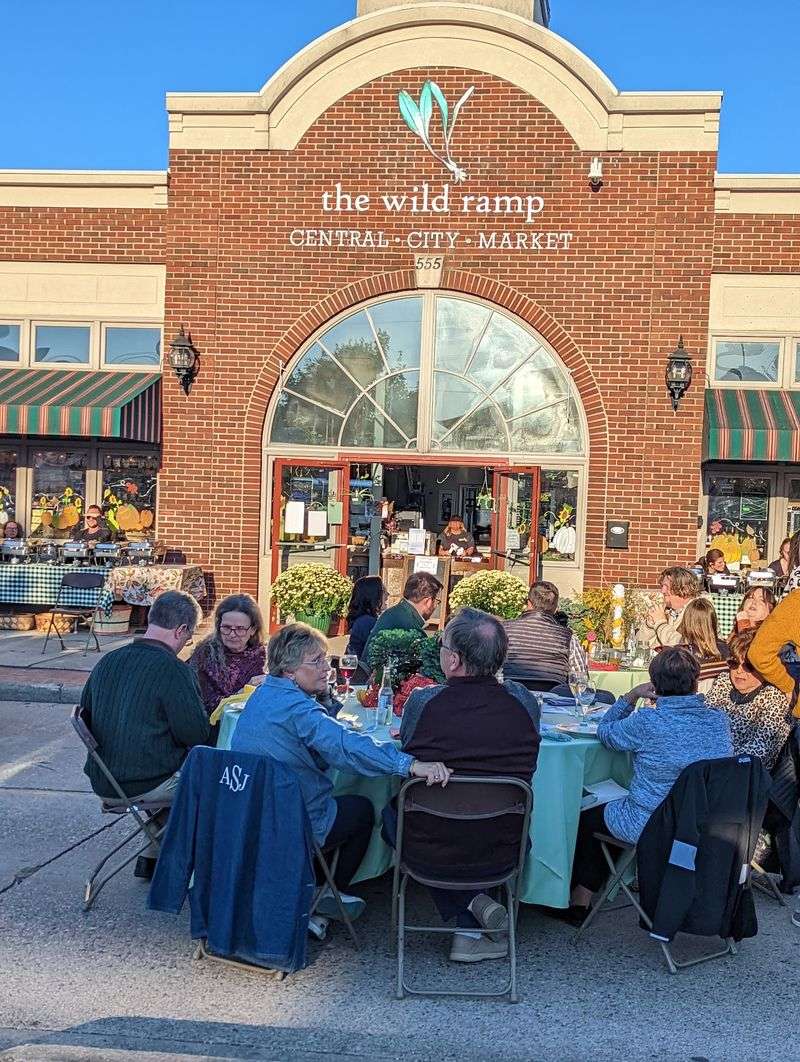
Behind the shelves sits a structure most shoppers never think about. Operating as a 501(c)(3) nonprofit, the market runs on consignment, meaning producers set their own prices and typically keep 80 percent of what their goods sell for.
The remaining share keeps the doors open and the lights on. That model turns every purchase into direct support for a nearby farm or workshop.
Things started as a grassroots effort back in 2012, built around making fresh local food easier to reach. Demand grew fast enough that a move to the larger Old Central City building happened in 2014.
Since May 2025, Coalfield Development has run operations, adding job training, community events, and stronger business support for food and farm entrepreneurs.
Functioning as a small business incubator, the market gives new producers a real shelf to test their products on. Buying a jar of jam here helps somebody build a business, which tastes pretty good on toast.
Planning Your Visit To Old Central City’s Local Food Hub
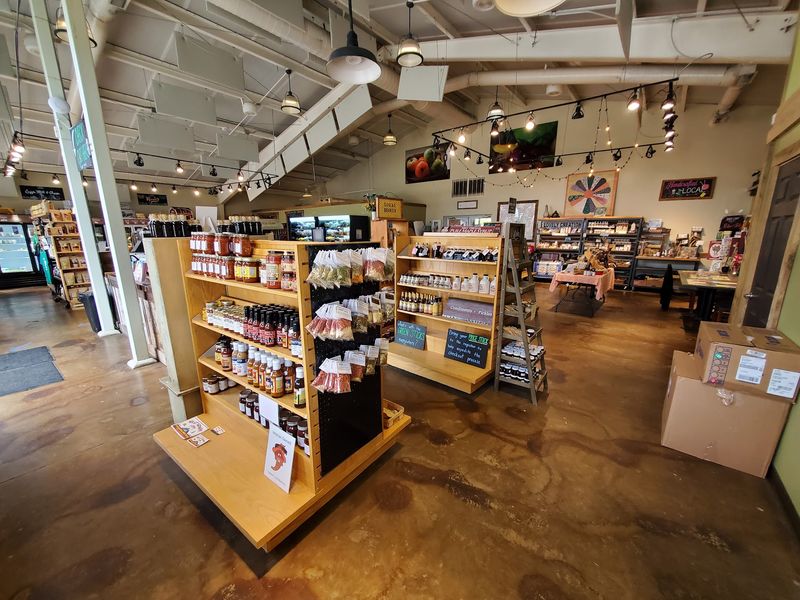
Laid out like a regular grocery store, the space is clean, well lit, and easy to walk without any confusing maze of tables. Wide aisles and clear sections make a first visit feel comfortable rather than overwhelming.
Doors open Monday through Saturday in the morning and stay open into the evening on weekdays, with Saturday starting early and Sunday running shorter afternoon hours. Checking ahead is smart during festival weekends.
Payment options are refreshingly broad. Credit cards, SNAP and EBT benefits, WIC Cash, and Senior FMNP benefits are all accepted, which keeps local food genuinely available to everyone in the community.
During warmer months, an outdoor farmers market behind the store expands the produce selection twice a week, adding even more variety from area growers.
Cooking classes, tastings, and health education workshops happen inside too, building confidence around using local ingredients. Bring a cooler if you are driving any distance, because you will buy more than planned.
Address: 555 14th St W, Huntington, WV 25704, United States
