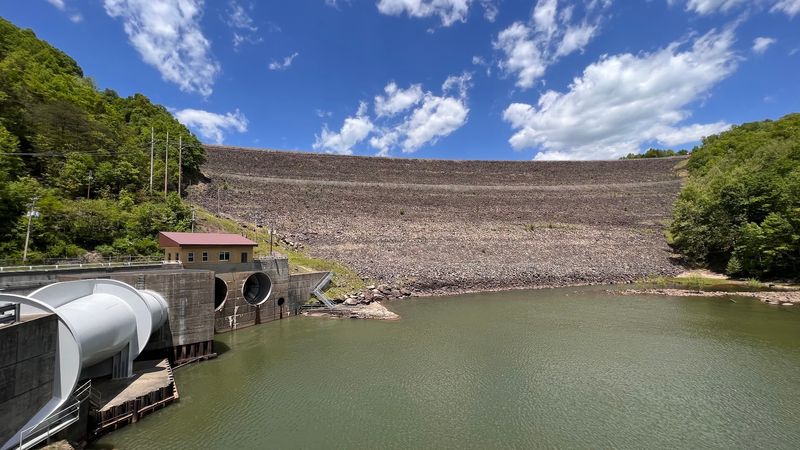
A whole farming village sits under the clear water where boats now cruise every summer. Homes, a school, a store, and a church once stood there.
Today, scuba divers reportedly swim right over what is left.
I can’t get over that. Families planted crops and raised kids in that valley for well over a century.
Then a dam went up in the 1960s, and the water just kept rising.
That spot is now the biggest lake in West Virginia. It also carries a nickname that sounds more like a tropical postcard than a mountain reservoir.
The water is clear enough that people travel a long way just to look down into it.
So what does a sunken town look like from a kayak? And when the water drops each fall, how much of it peeks back out?
West Virginia’s Biggest Lake Keeps A Secret Under Its Surface
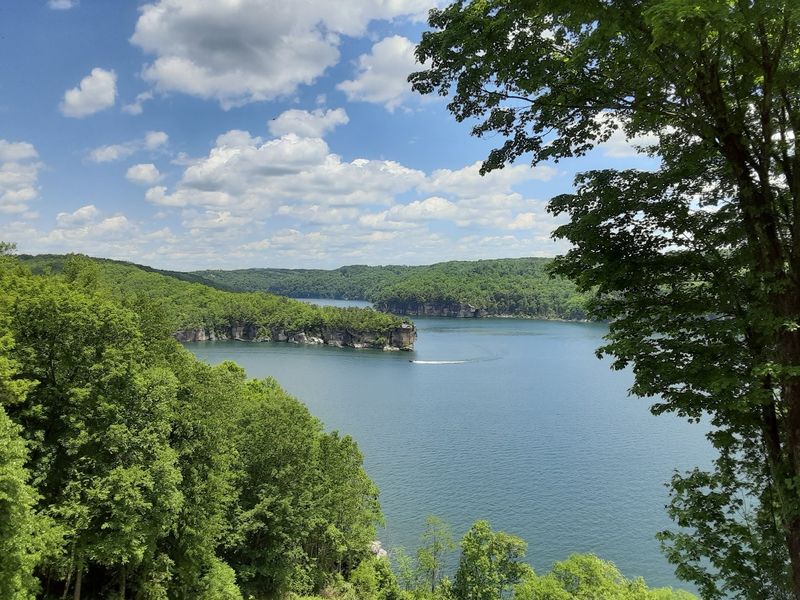
Sixty miles of shoreline is a lot of room for a mystery. Summersville Lake stretches across roughly 2,700 acres in Nicholas County, making it the largest lake in West Virginia.
On a sunny day, the scene is all blue-green water, tall sandstone cliffs, and boats drifting through coves. Most folks come for swimming, paddling, fishing, and camping, and they get plenty of all four.
Underneath that pretty surface, though, sits something most visitors never think about. The remains of a small community called Gad rest on the bottom, right where the valley used to be.
That twist turns an ordinary summer outing into a bit of a history lesson. You can float a paddleboard over a spot where somebody’s front porch once stood.
Kind of wild, right?
The lake was built by the U.S. Army Corps of Engineers on the Gauley River.
It wasn’t designed as a playground at first, but it certainly turned into one.
Today the lake draws swimmers, divers, climbers, anglers, and campers from across the region. I like that one place can offer a lazy beach day and a genuine local legend at the same time.
Few lakes can claim both.
The Little Farming Village That Lived In The Valley
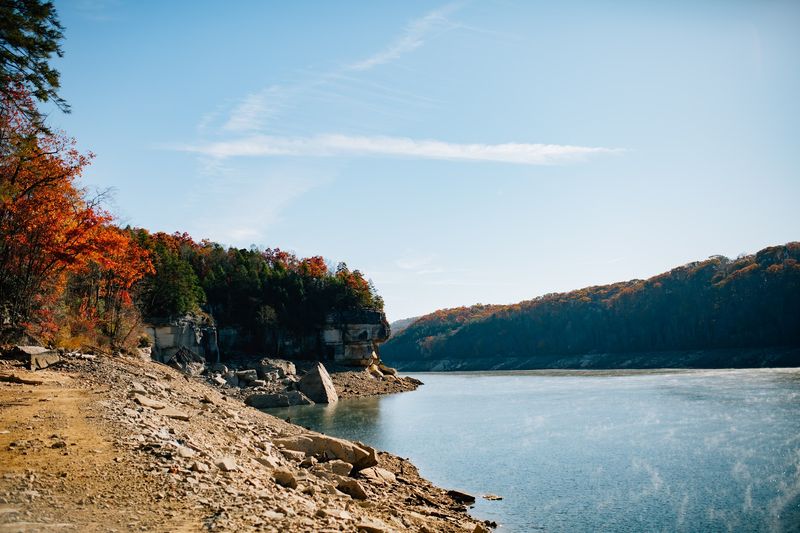
Long before anyone launched a kayak here, people grew corn and raised livestock in this valley. The village of Gad took shape in the early 1800s along the Gauley River in Nicholas County.
By most accounts, it was a modest, hardworking farming community. Homes, a school, a general store, and a church reportedly made up the heart of town.
Picture the rhythm of Appalachian country life in that era. Kids walked to school, neighbors swapped news at the store, and Sunday meant church.
It’s the kind of small-town West Virginia life many older readers still remember fondly.
Gad carried on in that steady way for well over a century. Generations of families put down roots, tended fields, and called the bottomland home.
That long run is what makes its story land so hard. This wasn’t a short-lived boom camp that popped up and vanished.
It was a real hometown with real history behind it.
Does your family have a hometown that changed beyond recognition? Plenty of West Virginians do.
Gad simply changed more than most, since it ended up under roughly a hundred feet of water.
A 1960s Dam Project Rewrote The Map
Flooding was the big worry. Towns downstream along the Kanawha Valley needed protection, so the U.S.
Army Corps of Engineers went to work on the Gauley River.
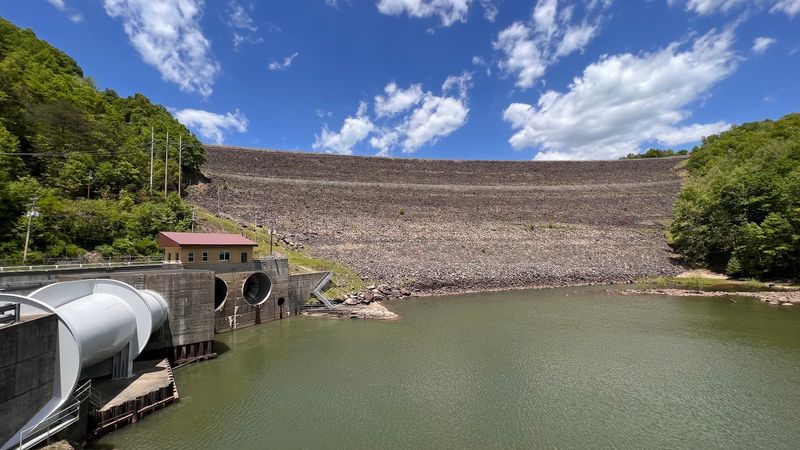
Construction on Summersville Dam started around 1960. The work wrapped up around 1965, and the reservoir began filling behind the massive rock wall.
As the water crept upward, the old valley slowly slipped out of sight. Farmland, roads, and the village of Gad were eventually covered.
Summersville Lake officially opened on September 3, 1966. Residents had to relocate before the water arrived, which surely wasn’t easy for families with deep roots.
The dam itself is still an impressive sight today. Its high rock walls and big spillway outlet are worth a look on their own.
A quick tip for curious drivers: head down to the tailwaters below the dam. You’ll get a totally different angle on the structure and the river rushing out beneath it.
It’s hard not to feel two things at once here. The project protected plenty of downstream communities, yet it closed the book on another one.
That mix of progress and loss sits right at the heart of the lake’s story.
Divers Can Still Swim Over Old Gad
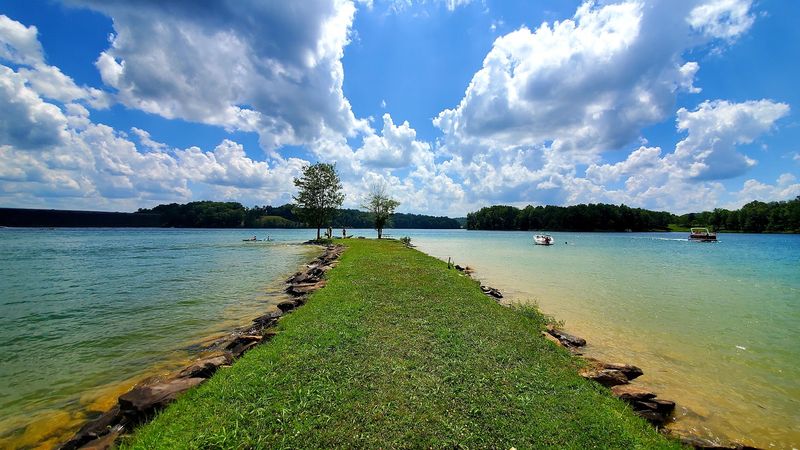
Here’s a sentence you don’t read every day: people go scuba diving over a West Virginia town. Summersville Lake is one of the few inland spots where that’s actually possible.
Reports say parts of Gad remain surprisingly intact on the lake bottom. Divers describe foundations, traces of old roads, and remnants of buildings that once lined the community.
Some sources also mention the old school, store, and church sites. How much of each survives is hard to pin down, so treat any single claim with a little caution.
Still, the idea of drifting quietly over a former main street is pretty unforgettable. It’s like a time capsule you need a regulator to open.
Depth matters here too. The lake reportedly reaches more than 300 feet in places, so this isn’t a casual splash for beginners.
Local dive operators offer gear rentals and guided outings for those who want to explore. Going with experienced guides makes a lot of sense in deep, cold water.
I can’t imagine a cooler bragging right at the next family reunion. Most people tell vacation stories about beaches.
You’d be telling one about swimming through a hometown.
Low Water Season Brings Ghostly Glimpses
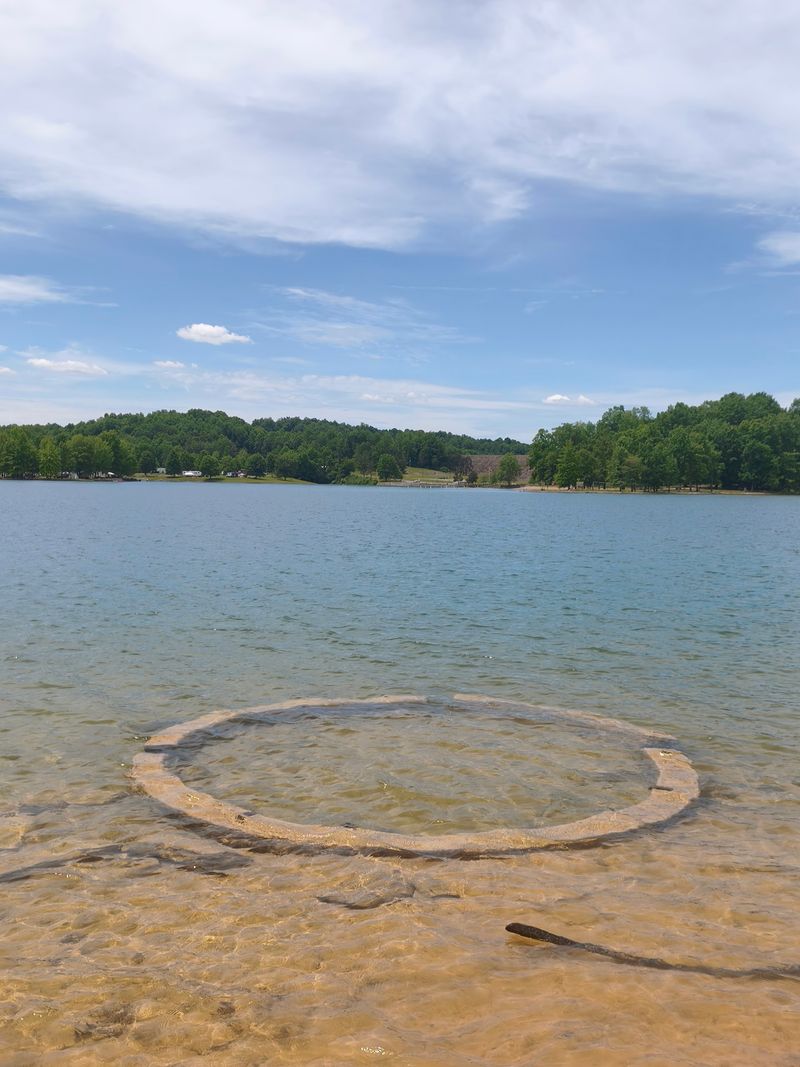
Every fall, the lake plays a little magic trick. The water level is lowered each year, partly to release flows for the famous Gauley River whitewater season downstream.
When the water drops far enough, bits of the old valley can reappear. People have reported spotting stone foundations, old road traces, and pieces of the original Gad Bridge.
Those sightings depend heavily on how low the lake gets. Drought years can expose more, while normal seasons may reveal very little.
So there’s no guarantee you’ll see anything on a given trip. That uncertainty is part of the fun, honestly.
Fall and spring also bring lower water around the gorge areas. Some visitors use those seasons to hike down toward spots that sit underwater in summer.
Please use good sense on exposed lakebed, since mud and rock can be slick. Stick to safe footing and respect any posted signs from park staff.
Add West Virginia fall color to the mix, and you’ve got a pretty memorable outing. Bright leaves on the hills, a quieter lake, and maybe a peek at history?
That’s a solid autumn afternoon.
Why Folks Call It The Little Bahamas Of The East
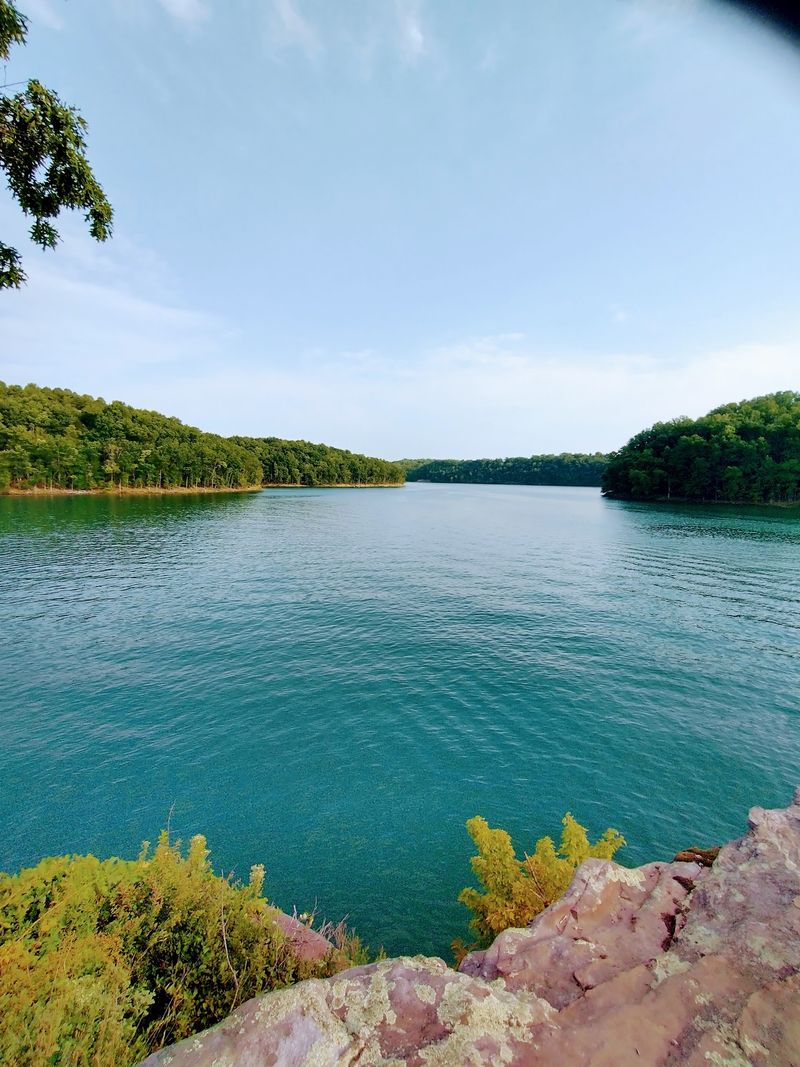
Turquoise water in the Mountain State? Yep, and it earned this lake a nickname to match: the Little Bahamas of the East.
The clarity is the real headline. On calm summer days, the water can look greenish-blue in spots, almost like a Caribbean cove dropped between Appalachian ridges.
Boaters have described seeing an anchor line dozens of feet down. That kind of visibility is rare for an inland reservoir, which explains why snorkelers and divers love it.
The sandstone cliffs help the effect too. Pale rock walls frame the water and make that color pop even more on a bright afternoon.
Summer tends to bring the clearest conditions. If you’ve got a pair of goggles in the car, it’s worth packing them.
For parents, this is a nice bonus without any airfare or passport. You get a beachy, tropical-feeling day trip right here at home, which helps the vacation budget stretch further.
I like how the nickname sounds a bit silly until you actually see photos. Then it starts to make sense pretty quickly.
Those Towering Sandstone Cliffs Steal The Show
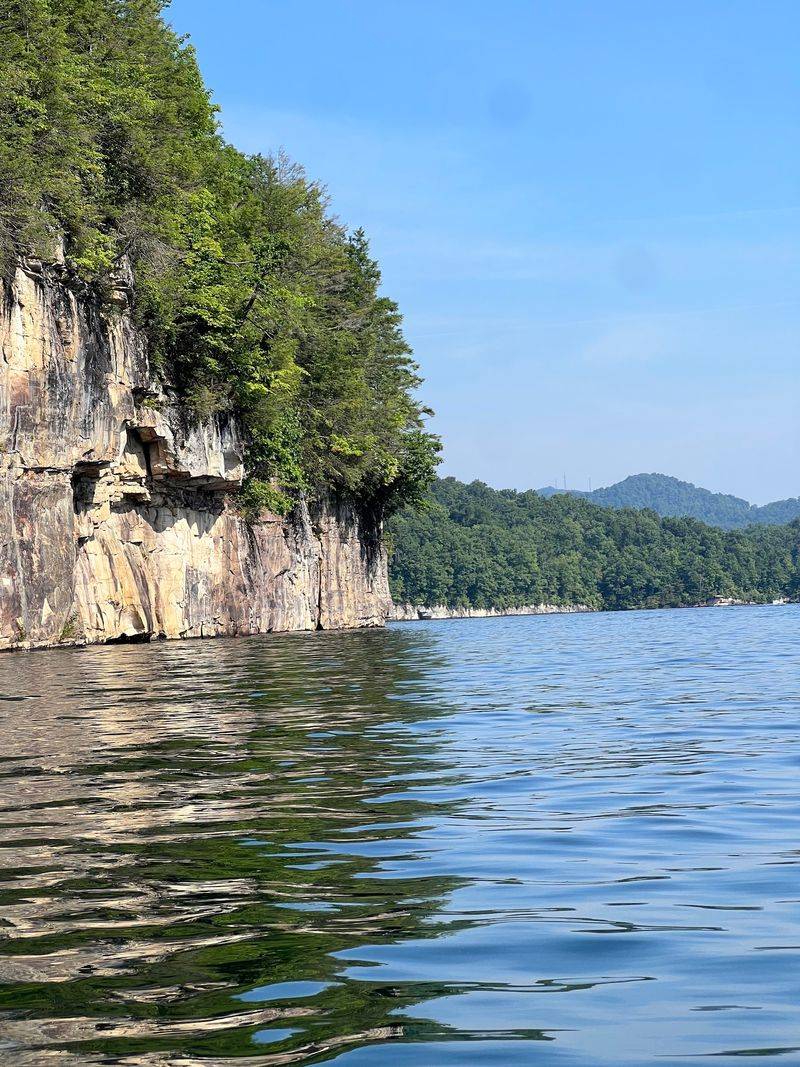
Look up from your kayak and you’ll see why climbers circle this lake on their calendars. Sandstone cliffs line long stretches of shoreline, and Summersville Lake is a nationally known rock climbing destination.
Some routes rise straight out of the water, which gives climbing here a distinctly lakeside flavor. Experienced climbers should do their homework on routes and access before heading out.
Not a climber? No problem.
The Long Point Trail is a favorite hike that ends at a dramatic overlook of the lake and cliffs.
That trail runs about four miles round trip, based on descriptions from hikers. It’s a manageable outing for most folks in decent shape.
Orange Run Trail is another lakeside option for an easy walk. Shorter trails in the one to two mile range also dot the area.
You’ll spot some cliff jumping here too, though that’s a serious risk-and-reward call. Shallow spots and hidden rocks are no joke, so think carefully before trying it.
Bring a camera for the Long Point overlook. The view of rock walls dropping into blue-green water is the kind of picture people frame.
Paddles, Boats, And Bass All Share The Water
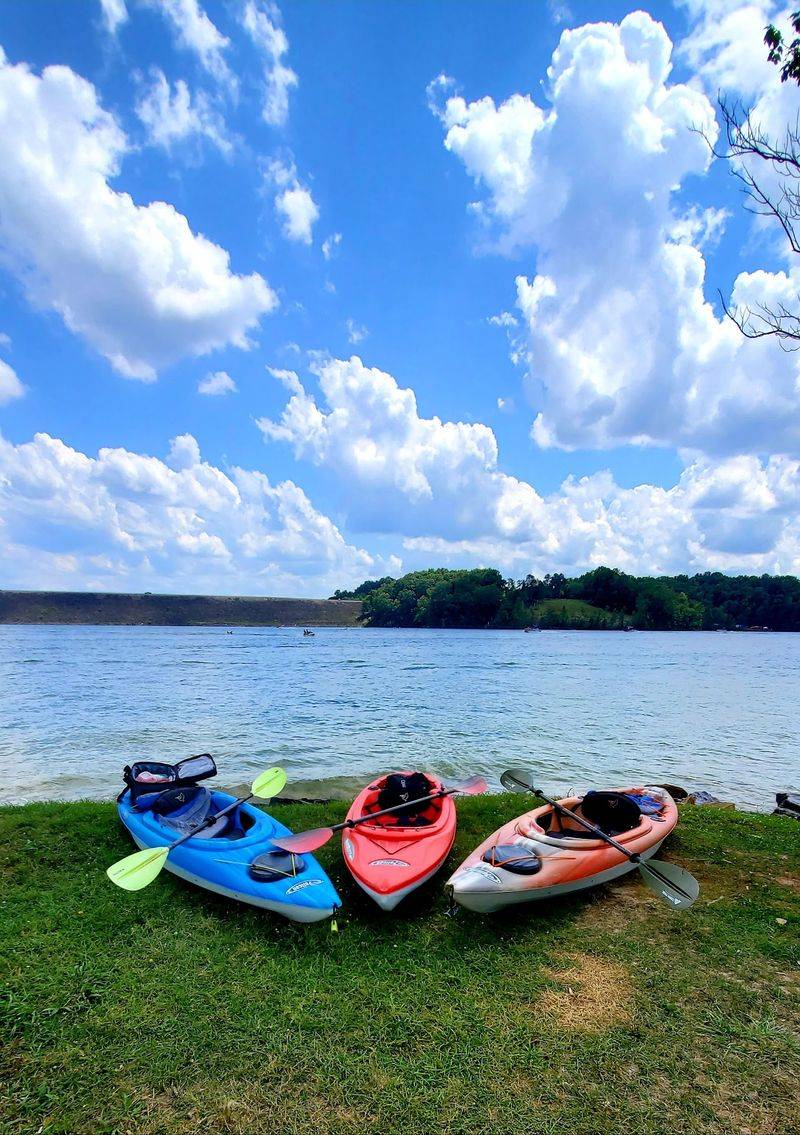
Kayaking might be the single most popular way to enjoy this lake. Paddleboarding, canoeing, swimming, and waterskiing are close behind.
Boat ramps and kayak launches make getting on the water fairly simple. Battle Run is a common launch point with a small beach area nearby.
Anglers have plenty to chase too. The lake holds largemouth and smallmouth bass, walleye, catfish, and panfish, with trout stocked below the dam in spring and fall.
Fishing docks give shore anglers a good option without a boat. It’s an easy, low-cost way to spend a slow morning.
A friendly heads-up for boaters: watch for floating logs and debris. Some pieces float vertically and can be hard to spot before they meet your propeller.
Weekends can also get busy and choppy. Waves bounce off the cliffs, so paddlers may prefer weekday mornings for calmer water.
If you crave the quiet version of this lake, timing is everything. Go early, go midweek, and you’ll likely have more elbow room on that gorgeous water.
Campsites And A Newer State Park Make A Weekend Easy
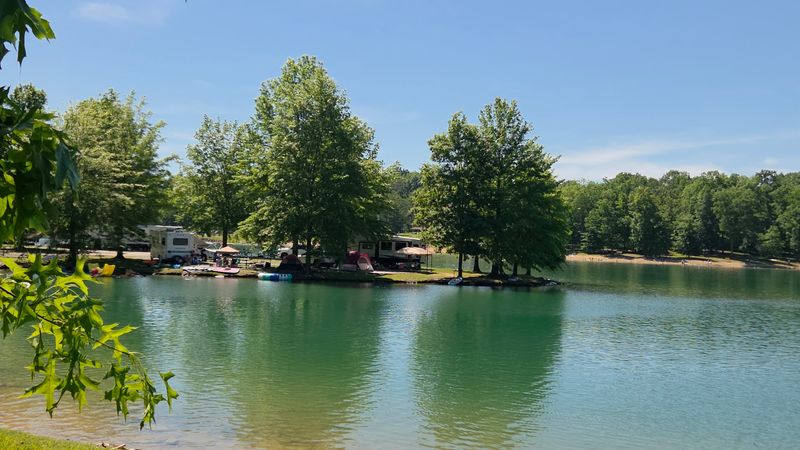
One day here rarely feels like enough. Thankfully, camping options make it easy to stretch the trip into a full weekend.
Battle Run Campground sits on the lake just south of Summersville. It offers around 110 campsites with electric hookups, plus some walk-to tent sites.
Amenities there include flush toilets, showers, drinking water, and laundry facilities. A boat ramp, fishing dock, playground, and nature trails round things out nicely.
Summersville Lake State Park is one of West Virginia’s newest state parks. It sits on the north side of the lake and offers RV hookup sites and primitive camping.
For budget-minded families and retirees, camping keeps a lakeside getaway affordable. You get waterfront scenery without paying resort rates.
A large swimming area with ample parking also helps on hot days. Some folks have found free swimming spots along back roads, though access trails can be steep and muddy.
Check current reservations and seasonal dates before you go. Campground schedules can shift, and summer weekends tend to book up as the weather warms.
A Lighthouse In The Mountains And A Dam Name That Almost Was
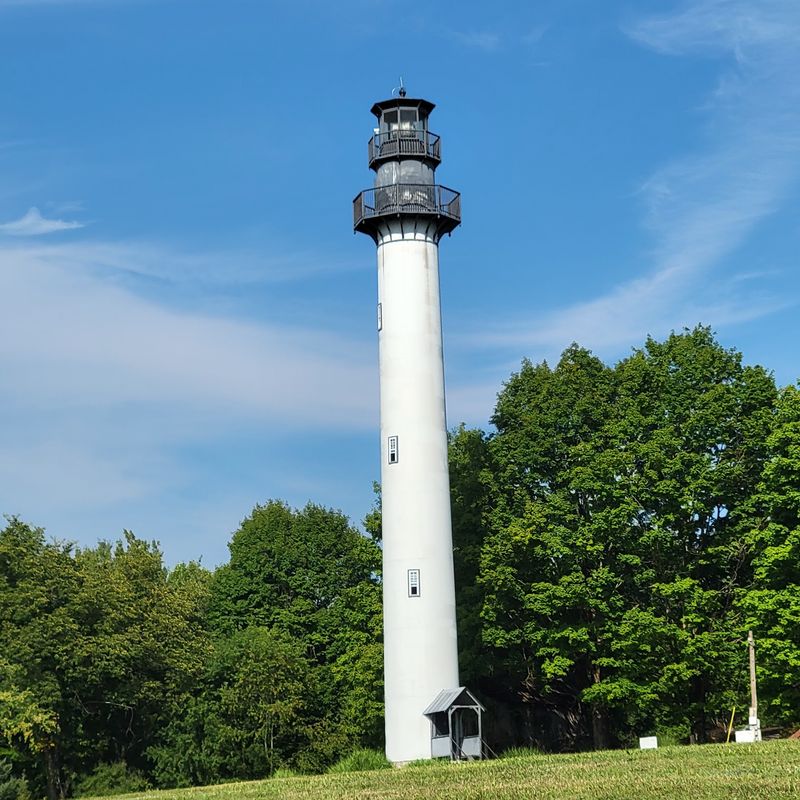
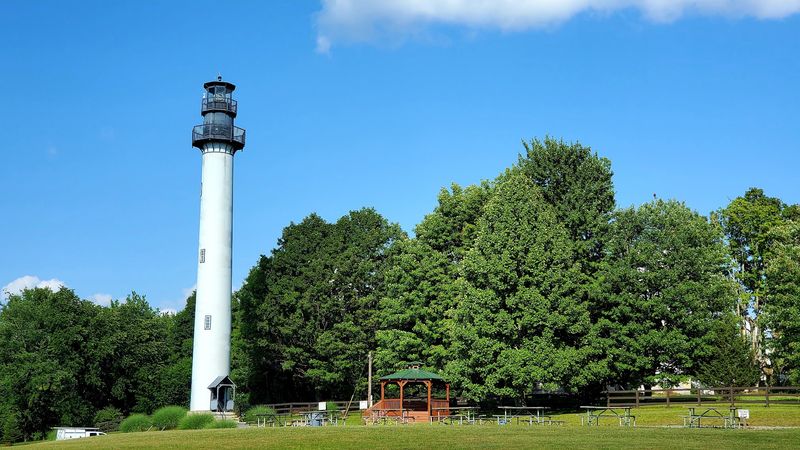
A lighthouse in landlocked West Virginia sounds like a punchline. Yet the Summersville Lake Lighthouse stands above the area and is often called the only working lighthouse in the state.
It’s a quirky landmark that fits this lake’s offbeat personality. The views from that perch take in plenty of water and rolling terrain.
Now for the story locals love to retell. The Army Corps of Engineers traditionally named dams after the nearest town.
In this case, that nearest town was Gad. You can probably guess why “Gad Dam” didn’t sit well with everyone.
According to local lore, officials pushed for a different name. The project went to the next closest town instead, and Summersville got the honor.
Whether every detail of that tale is exact, it’s hard to say. Still, it’s become a beloved piece of Nicholas County storytelling.
I believe stories like this keep a place’s past alive. A little chuckle at the dinner table helps people remember the town under the water, and that’s worth something.
Plan Your Trip To The Lake Over Gad
Getting here is pretty straightforward. Summersville Lake sits in Nicholas County, West Virginia, just south of the town of Summersville along U.S.
Route 19.
The state park entrance is off U.S. Route 19 and West Virginia Route 41.
It’s about 2.5 miles south of Summersville, so you won’t be driving deep into the backwoods.
Summer brings the clearest water and the warmest swimming. Fall offers lower water, autumn color, and a shot at spotting old Gad remnants.
Fees vary by campground and activity, so check ahead before you pack the car. Many overlooks and some swimming spots cost little or nothing to enjoy.
Nearby, Carnifex Ferry Battlefield State Park sits about ten minutes away. It offers a museum, hiking trails, and Gauley River overlooks for history fans.
So who’s this lake for? Families, paddlers, climbers, divers, and anyone who loves a good hometown story.
I can’t think of many places where a swim comes with a side of history. Float over Gad once, and the lake will probably follow you home in your thoughts.
