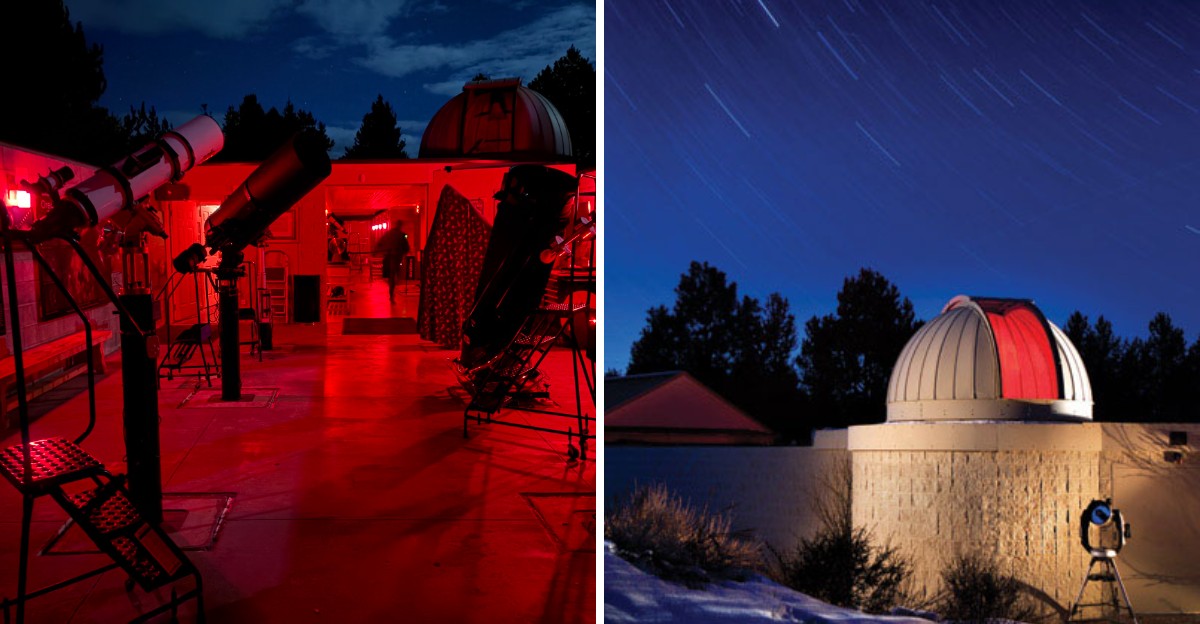
Darkness this complete feels unfamiliar to most visitors, phones dimmed instinctively the moment eyes start adjusting to just how many stars are actually visible.
City light pollution barely reaches this far out, leaving skies clear enough that constellations most people only see in photographs suddenly become obvious overhead. Telescopes here reveal even more, rings around distant planets or clusters of stars invisible without serious magnification.
Preserving a sky this dark took deliberate effort, choosing a location remote enough that development never crept close enough to interfere. That decision keeps paying off nightly, offering a version of the night sky increasingly rare anywhere closer to a city.
Visitors often stay far longer than planned, reluctant to look away once they’ve actually seen what’s usually hidden overhead. Oregon’s darkest skies reward exactly that kind of patience.
A Sky That Barely Knows the City Exists
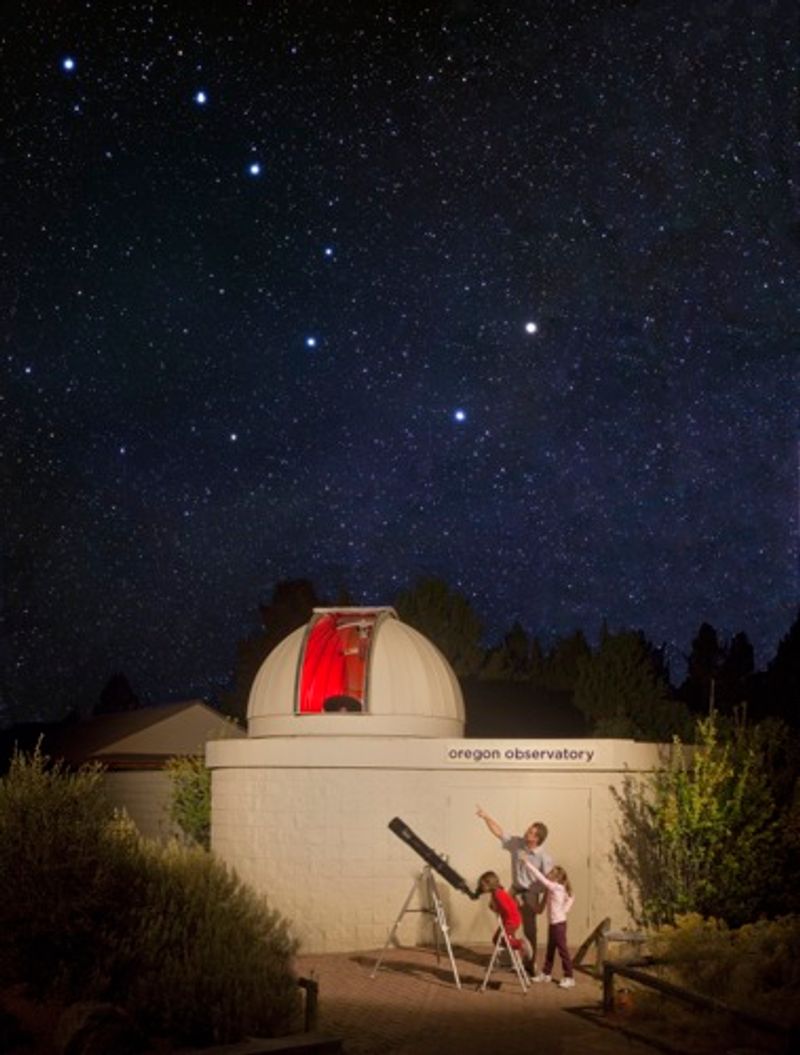
My first thought after the sun dipped behind the pines was simple. Where did all these stars come from? Sunriver sits in the high desert of Central Oregon, a long way from any big city glow, and the difference shows up fast once twilight fades.
Portland and Seattle wash out most of their night skies with streetlights and billboards. Out here, the air is dry, the elevation is high, and the nearest bright lights are small and scattered. That combination lets faint stars pop out that most people never notice back home.
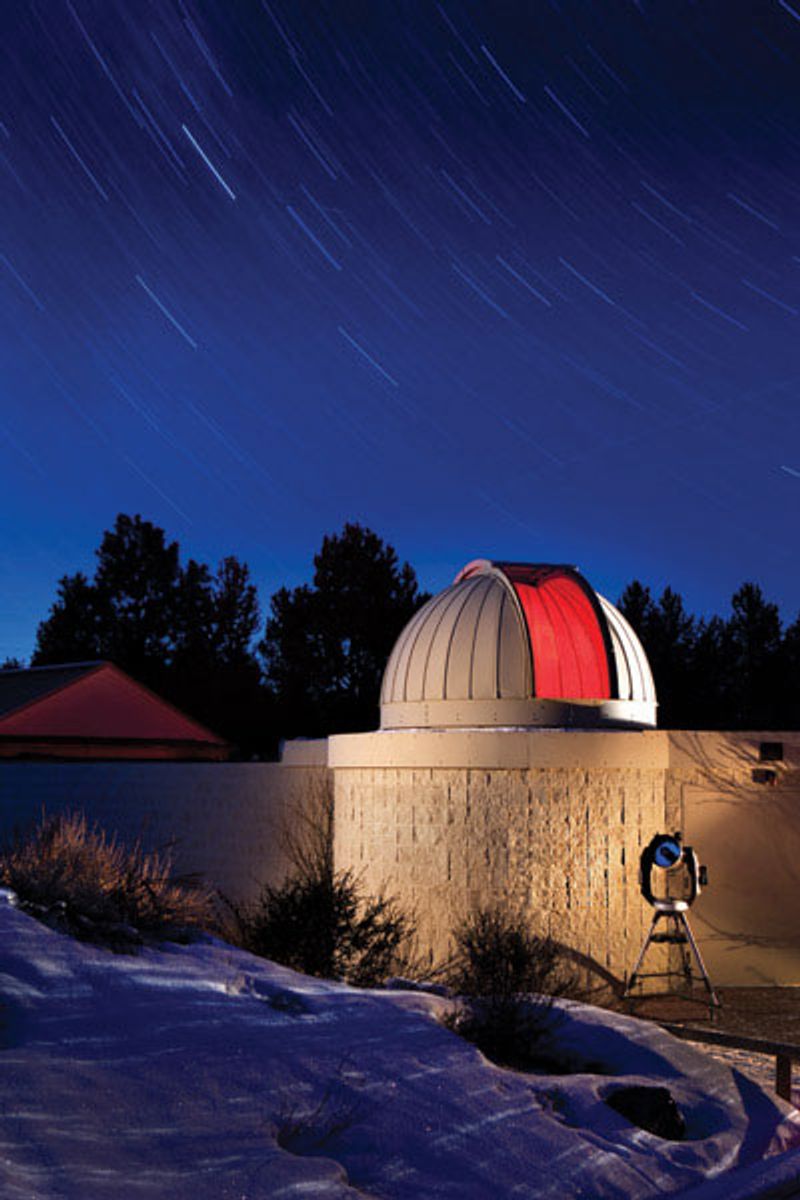
The Oregon Observatory takes full advantage of that darkness. The grounds keep lighting low so eyes can adjust, and after about twenty minutes the sky starts to feel crowded. Some visitors have spotted the Milky Way here for the very first time, stretched overhead like a pale cloud.
Give your eyes time. Put the phone away, or at least dim the screen way down. It sounds small, but it makes a real difference. Even the parking lot turns into a solid viewing spot on a clear night.
Daytime Views of Our Very Own Star
Nobody warned me that looking at the sun could be this much fun. During daytime hours, usually Wednesday through Saturday from 11 AM to 3 PM, the observatory sets up special telescopes with filters that make solar viewing safe.
Through the eyepiece, the sun stops being a blinding ball and turns into something with texture. Dark sunspots show up as little freckles on the surface, and some of them are bigger than Earth.
With the right filter, you might even catch prominences, which are huge loops of glowing gas curling off the edge. Staff and volunteers explain what you are seeing and why it changes from day to day. The sun spins, so spots drift across its face over about two weeks.
Kids tend to love this part because it feels like spying on a star. Quick safety reminder. Never look at the sun through regular binoculars or a telescope without a proper filter. Leave that job to the pros here, who have the right gear and know exactly how to use it.
So Many Telescopes, So Little Waiting
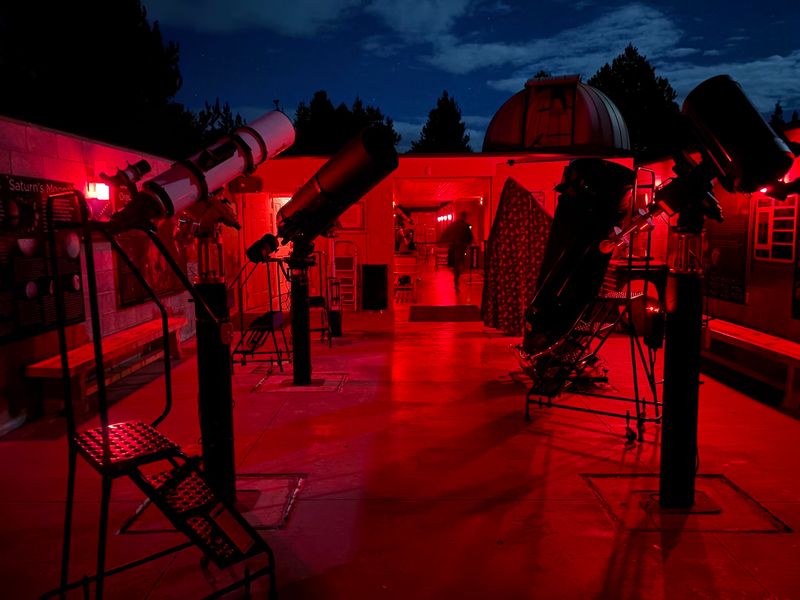
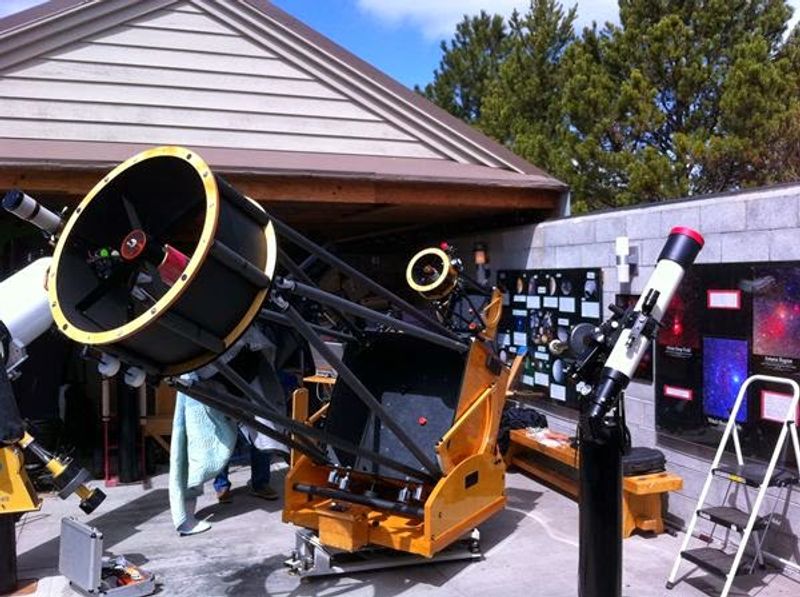
Here is a fun fact that surprised me. The Oregon Observatory is known for having one of the largest collections of telescopes open for public viewing in the country, and on a busy night the field fills with them.
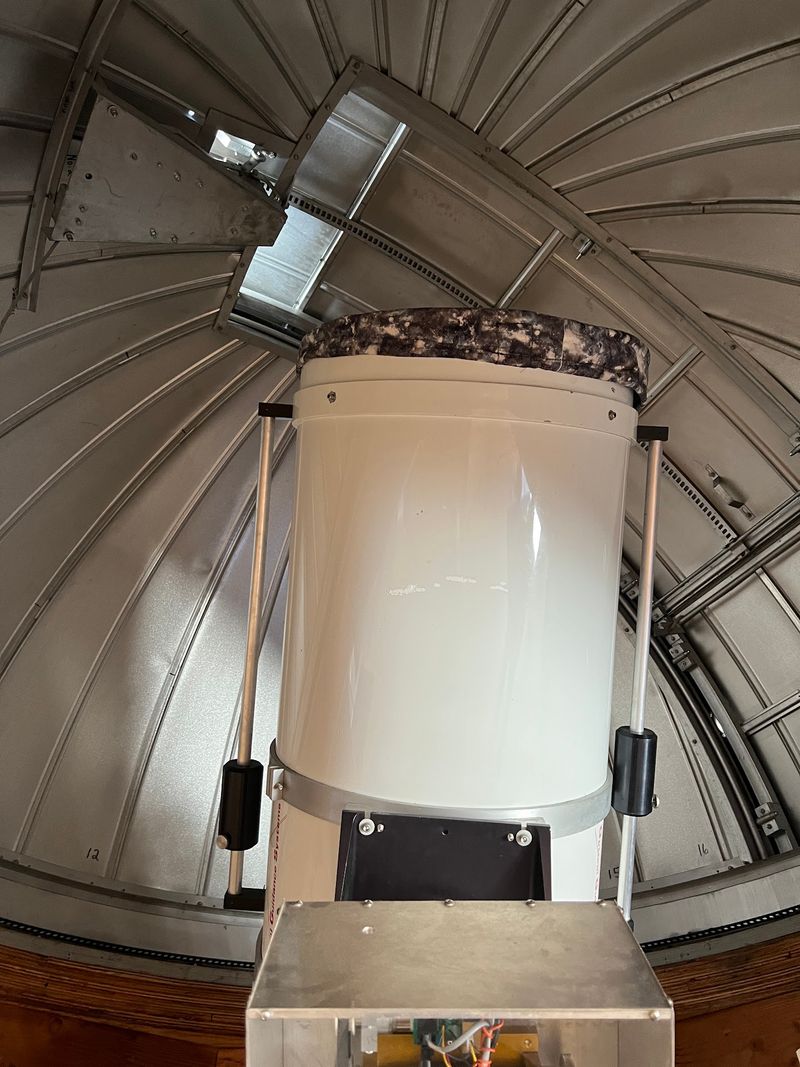
Sizes range from small, easy-to-handle scopes to massive reflectors that look like they belong in a science movie. Some have mirrors around 30 inches across, which gather enough light to show faint galaxies and fuzzy nebulae. Others are smaller and perfect for crisp views of the moon.
Because there are so many, lines tend to move along at a steady pace even when a crowd shows up. You can hop from one telescope to the next and see something new each time. Come back to an earlier scope later, and there is a good chance it has been aimed at a different target.
My advice is to wander. Try the big ones and the little ones. Ask what each one is pointed at before you look, since knowing what to expect helps your eyes pick out details.
Volunteers Who Light Up the Dark
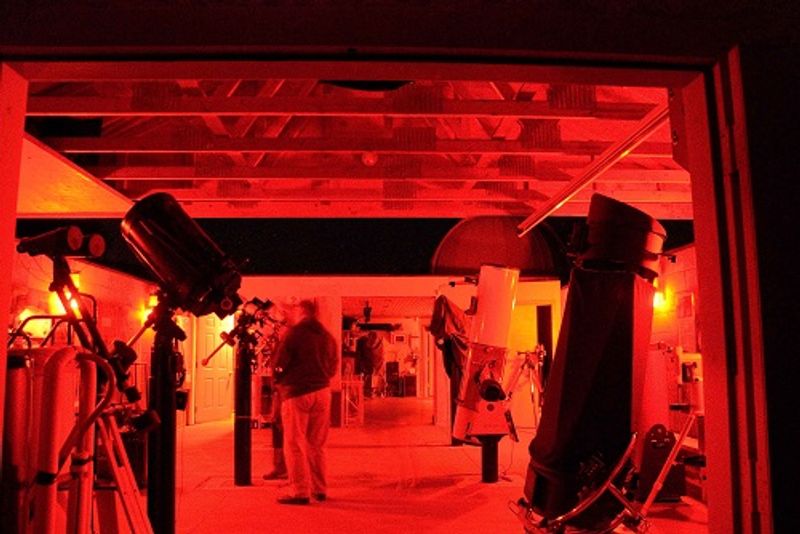
The people behind the telescopes might be the best part of the whole night. Many are volunteers and local astronomy fans who clearly love sharing the sky, and their excitement is contagious in the best way.
They answer questions without making anyone feel silly. Ask why Mars looks red or how far away a star cluster is, and you will get a real answer in plain language. Some even bring their own telescopes to set up alongside the observatory’s collection.
Patience seems to be a job requirement here. School groups full of fifth graders have visited, and the staff handle wiggly, curious kids with calm, good humor. They help little ones line up an eye with the eyepiece and wait until the view finally clicks.
If you are shy, try starting with something simple. What are we looking at right now? That one question usually opens up a whole story about the object, its distance, and why it matters. Those small chats turn a pretty view into something you actually remember.
A Green Laser Tour of the Constellations
Picture a beam of green light shooting up from the ground and landing right on a star. That is how many evening programs at the observatory end, with a guide using a laser pointer to trace constellations across the sky.
It works like magic for anyone who has ever squinted at a star chart and felt lost. The guide points to the Big Dipper, then follows the handle to find brighter stars nearby. Suddenly shapes appear where there used to be random dots.
Stories come along with the stars too. Many constellations carry myths from ancient cultures, and hearing them out under the actual sky makes the tales stick better than any book. Seasonal stars change through the year, so a summer tour looks different from a fall one.
Clouds can sometimes roll in and cut the tour short. That is just part of stargazing in the mountains. Stay flexible and enjoy whatever patch of sky stays open. After the tour, try finding a constellation on your own. It is a surprisingly proud little moment.
Planets, Nebulae, and a Few Surprises
Seeing Saturn’s rings with my own eye, not on a screen, felt a little unreal. The planet looked tiny and perfect, like a sticker someone placed in the sky, and that is a common reaction at the eyepiece here.
Depending on the season, telescopes might be aimed at Jupiter and its striped clouds, along with a few of its moons lined up in a row. Mars shows up as a rusty orange dot. Bright stars like Vega sparkle in blue white tones.
Deeper targets are just as fun. Star clusters look like handfuls of glitter, and nebulae appear as soft glowing clouds where new stars are forming. Double stars, which look like one star to the naked eye, split into two through a telescope, sometimes in different colors.
Planets are not always up, so the lineup changes night to night. Before booking, check which planets are visible that evening if a certain one is on your wish list. On nights without planets, the moon or deep sky objects often steal the show.
The Nature Center Next Door
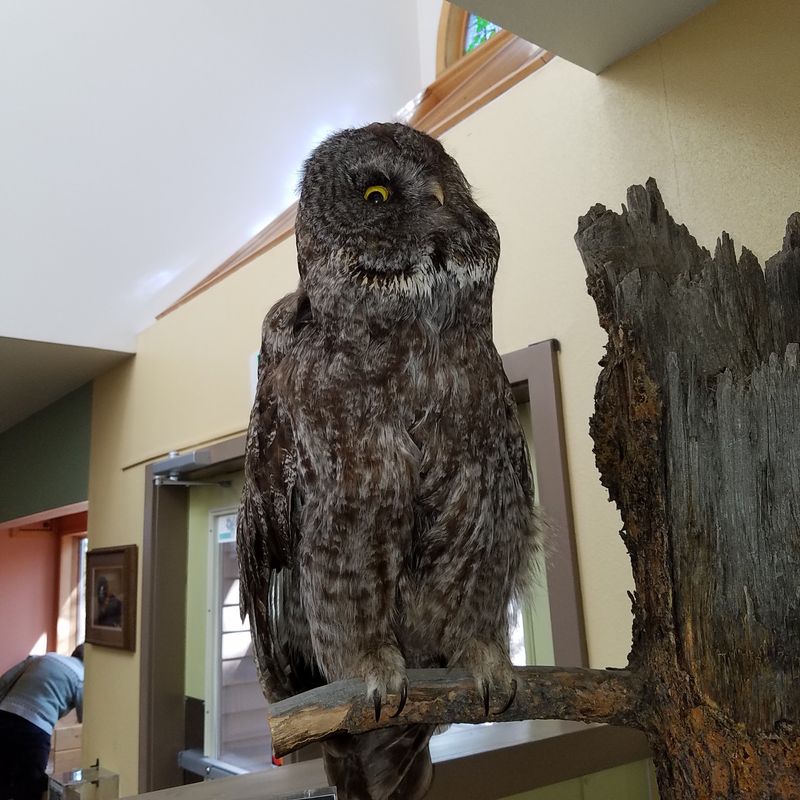
Owls stared back at me before the stars ever came out. The observatory shares its grounds with the Sunriver Nature Center, and it is well worth exploring before an evening program or during a daytime visit.
Inside, exhibits cover the geology, plants, and wildlife of Central Oregon. You can learn how nearby volcanoes shaped the landscape and why lava rock is scattered all over the region.
The real crowd pleasers are the live animals. The center cares for birds of prey and other creatures that cannot survive in the wild, often because of injuries. Seeing a hawk or owl up close gives you a new respect for how sharp their eyes and talons are.
There is also a botanical garden with native plants that attract butterflies and birds in warmer months. It makes for a relaxed stroll with plenty of small discoveries.
Pairing the nature center with the observatory turns a short stop into a full outing. One place covers the ground, and the other covers the sky.
Swans, Trails, and a Quiet Pond at Dusk
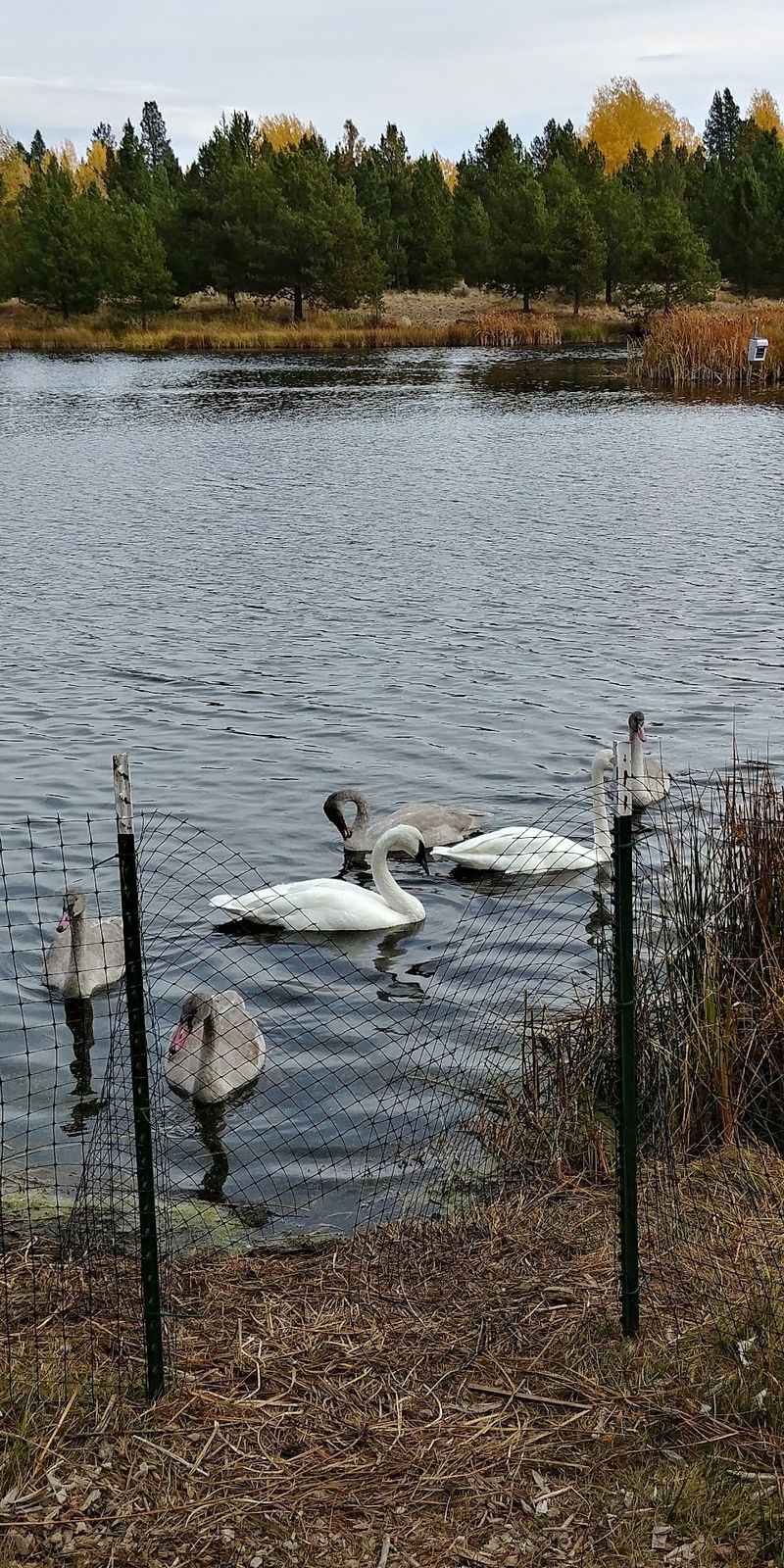
Swans. That was not what I expected at an observatory, yet there they were, gliding across Lake Aspen like they owned it. The small pond sits right on the property, circled by an easy walking path.
The trail is flat and short, which makes it great for little legs or anyone who wants a gentle warm-up before a long night. Ponderosa pines line parts of the route, and the scent after a warm day is wonderfully earthy.
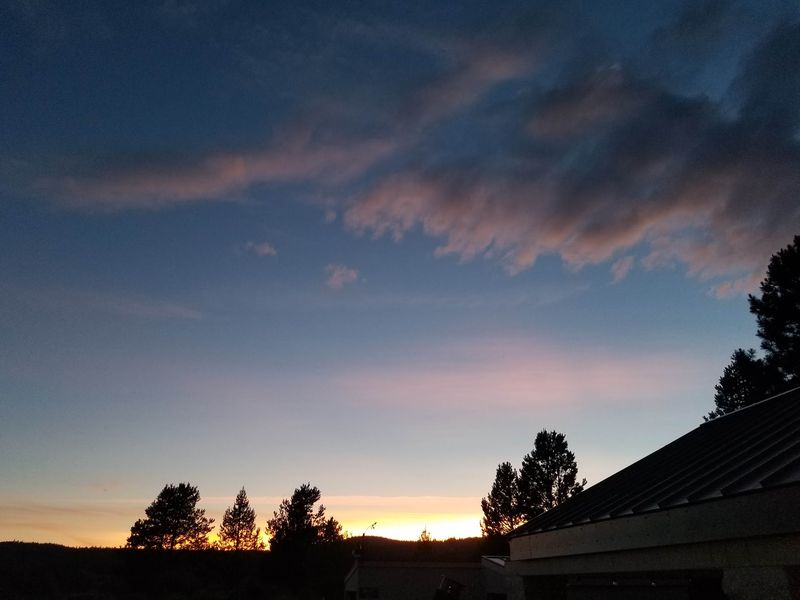
Dusk might be the prettiest time to go. The water turns pink and gold as the sun sets, and the sky slowly shifts to deep blue. Watching the first bright star or planet appear over the pond is a lovely way to kick off the evening.
Bring a camera for this part, since night photos through telescopes are tricky without special gear. The pond at sunset gives you plenty of easy, beautiful shots. Just keep a respectful distance from the swans. They are graceful, but they know how to defend their space.
Packing Smart for a Chilly High Desert Night
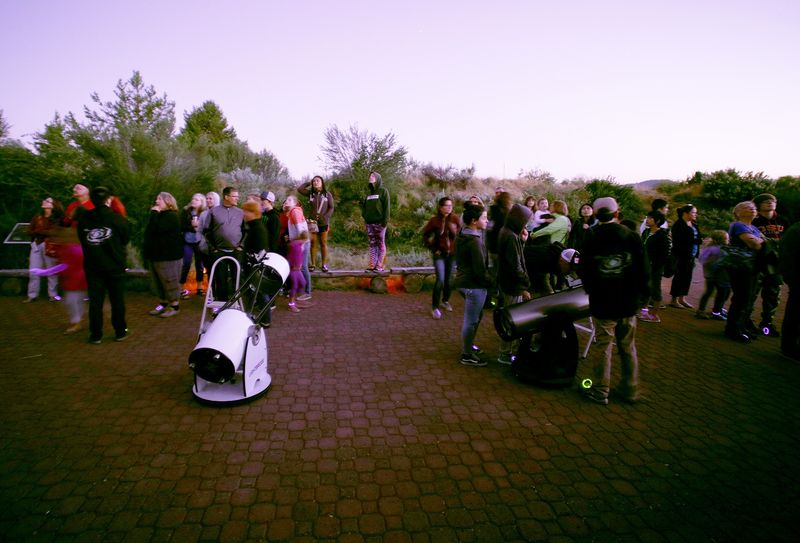
Summer in Sunriver can fool you. Afternoons feel warm and sunny, but once the sun drops, the high desert cools off fast, and I was very glad for the extra layers I almost left in the car.
Pack a warm jacket, a hat, and maybe gloves, even in July or August. Standing still in the dark for an hour or two makes the chill sneak in. A blanket is nice for kids who get sleepy near the end.
Mosquitoes can be a real nuisance on summer evenings, especially near the pond. Bug repellent is a smart addition to your bag. So are closed-toe shoes, since the ground is uneven and hard to see at night.
Skip bright flashlights. If you need light, use a red flashlight or cover a regular one with red cellophane, because red light protects everyone’s night vision.
Timing Your Visit for the Best Show
Planning ahead pays off big here, and I learned that the moon has a lot to say about it. A bright full moon lights up the sky and hides faint stars, while a night with little or no moon gives the darkest views.
Evening viewing programs usually run during warmer months and often start with a short talk before the telescopes open. Weather matters too. Check the forecast for clear skies, and keep in mind that the observatory may close on certain holidays, such as the Fourth of July.
Daytime hours for solar viewing typically run Wednesday through Saturday. The moon itself is also a fantastic target if you catch it as a crescent or half, when craters along the shadow line look sharp and dramatic.
You will find the observatory at 57245 River Rd, Sunriver, OR 97707, tucked among the pines and ready for a night of looking up.
