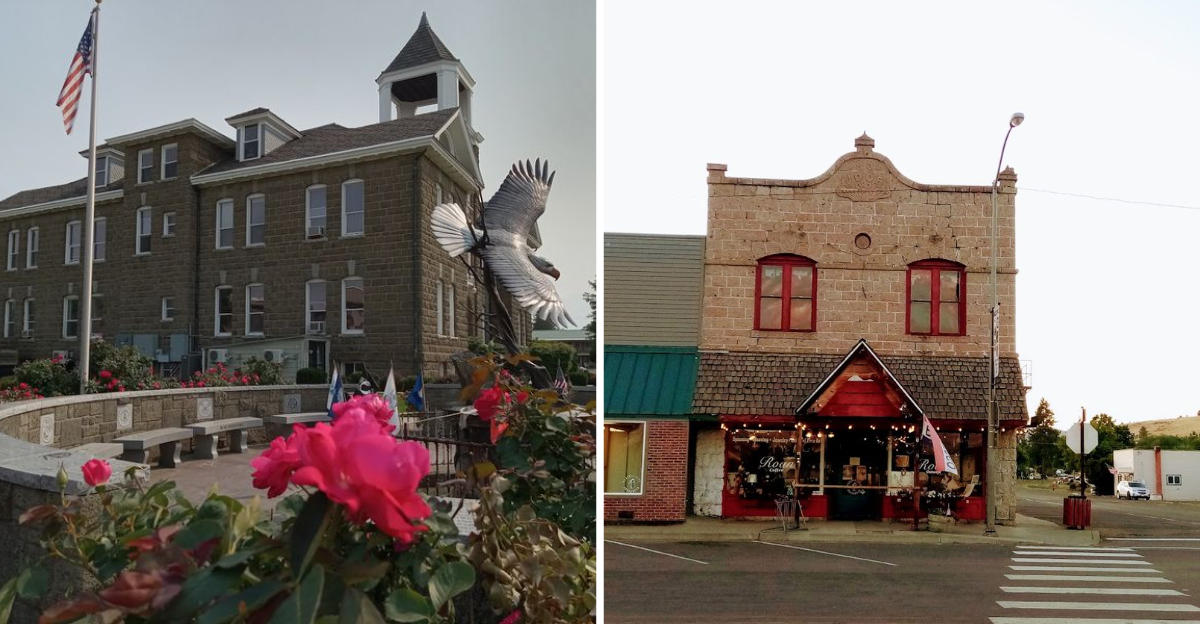
You drive through towns where the main street could double as a movie set, and you start to notice something strange. On a Tuesday morning, you might be the only person walking the entire block.
Eleven towns across eastern Oregon have a secret rhythm that locals have stopped talking about. The population numbers are tiny, some hovering around 35 residents, while others have all but vanished from the map entirely .
A few were once mining hubs housing thousands, now reduced to empty cabins and the occasional summer visitor .
The people who know will tell you that weekdays are the real draw, because the crowds never materialize in the first place. You can have a whole museum to yourself, a quiet lunch in a nearly empty cafe, or a hike where the only sounds are birds and wind.
Oregon hides its quietest treasures in plain sight, and the people who have found them have stopped mentioning it.
1. Baker City
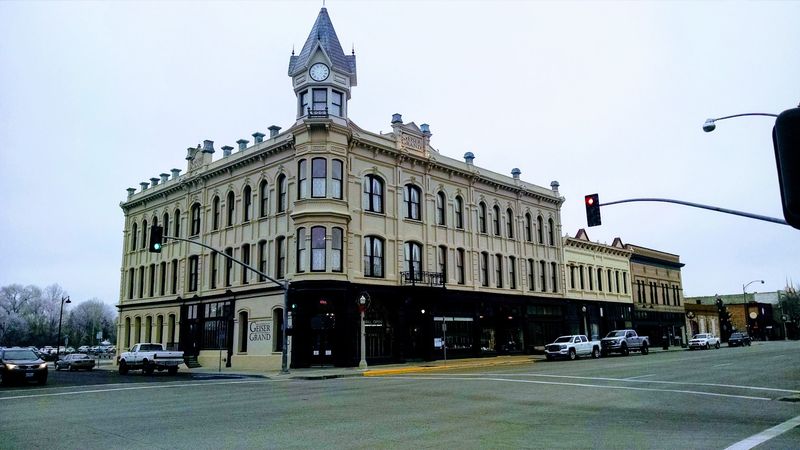
Baker City has the kind of main street that makes you stop mid-step and just look around. The Victorian storefronts are so well preserved they feel almost theatrical, like a film set that never got torn down. On a weekday, there are no tour buses blocking the view.
The National Historic Oregon Trail Interpretive Center sits just outside town on a ridge above Flagstaff Hill. Arriving on a Tuesday means you can take your time at every exhibit without anyone nudging past you.
The landscape surrounding the center is raw and open, the kind of scenery that makes the old wagon trail stories feel completely real. I spent nearly two hours there without feeling rushed once.
Downtown Baker City rewards slow wandering. The architecture alone tells a story of a town that once had serious ambitions during the gold rush era. Many of those buildings still stand with their original facades intact.
Small shops and a handful of local spots fill the ground floors. The pace of life here on a quiet weekday feels genuinely unhurried. Baker City earns its reputation as one of Eastern Oregon’s most photogenic stops.
2. John Day
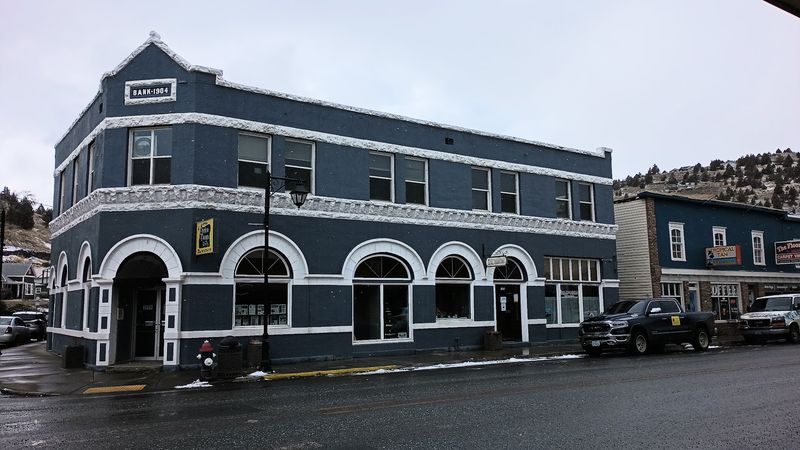
Most people pass through John Day on their way to the Painted Hills, treating it like a gas station stop rather than a destination. That is a mistake. The town sits in a long valley carved by the John Day River, surrounded by layered ridgelines that shift color through the day.
The Kam Wah Chung State Heritage Site is tucked right in town. It is one of the most quietly remarkable historic sites in the entire Pacific Northwest. It preserves a nineteenth-century Chinese trading post and herbal shop almost exactly as its owners left it.
On a weekday, the ranger who walks you through has time to actually talk. Those conversations add a layer that no guidebook can replicate.
The town itself is small and unpretentious. It has a hardware store and a diner that clearly serve the ranching community rather than tourists. That realness is exactly what makes it worth your time. Drive the nearby Sheep Rock Unit of the John Day Fossil Beds on a weekday morning.
Mist still sits in the canyon bottoms. That is the kind of experience that stays with you long after the drive home.
3. Prairie City
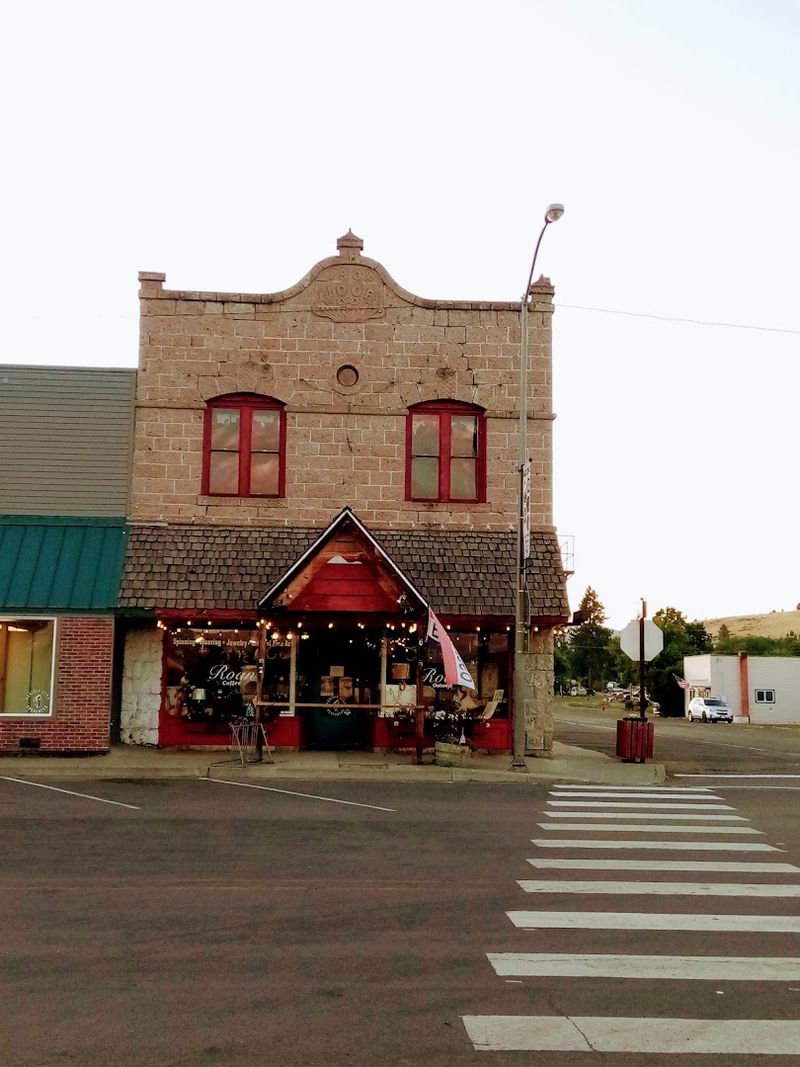
Prairie City sits in the shadow of the Strawberry Mountain Wilderness, and the relationship between the town and those peaks feels close and personal. The mountains are not a distant backdrop here. They are right there, visible from nearly every street corner, snow-capped well into summer.
The town has a relaxed, no-fuss energy that is easy to settle into. The DeWitt Museum on Main Street holds a surprisingly rich collection of local history. It covers everything from gold dredging operations to the logging industry that once defined the region.
Weekday visits mean the volunteer docents have time to share stories that never make it onto the official plaques.
What I appreciate most about Prairie City is how little it seems to perform for visitors. The feed store is still a feed store. The park along the river is just a park. There is no manufactured charm here. Just a community that has continued living its own life regardless of who drives through.
Hiking into the Strawberry Wilderness from nearby trailheads is straightforward on a weekday. You will find ample parking and trail solitude that weekend visitors rarely experience. Prairie City is the kind of place that rewards patience.
4. Burns
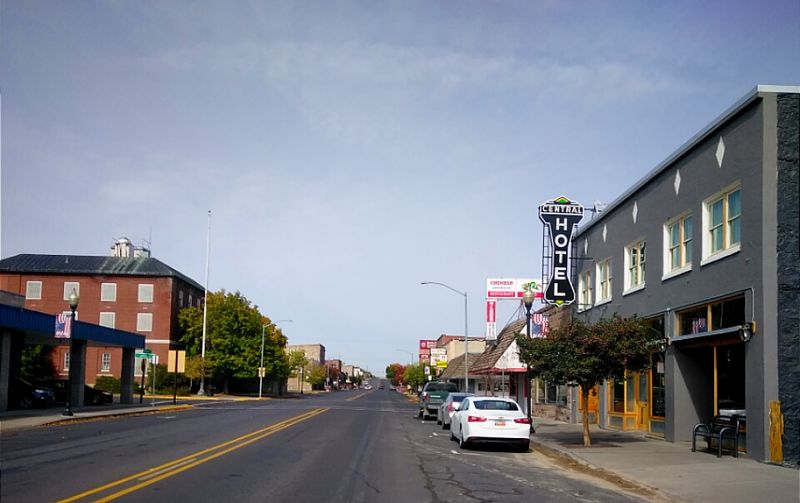
Burns is the kind of town that takes a moment to appreciate. It sits in the middle of Harney County, which is one of the largest counties in the contiguous United States by land area. The scale of the surrounding landscape makes the town feel like a small, determined outpost.
Malheur National Wildlife Refuge lies just south of Burns. Visiting on a weekday in spring or fall puts you in the middle of one of the most significant bird migration corridors in North America.
The refuge can hold hundreds of species during peak migration, and on a quiet Tuesday the only sounds out there are wings and wind. It is the kind of birding experience that genuinely surprises people who did not expect to care about birds.
The town has a practical, working character that feels authentic. The local museum covers the fascinating and complicated history of the region. Including the ranching culture and the Paiute people whose homeland this has always been.
Burns does not dress itself up for visitors, and that honesty is refreshing. Grabbing breakfast at a local diner on a weekday morning is worth the drive by itself.
5. Lakeview
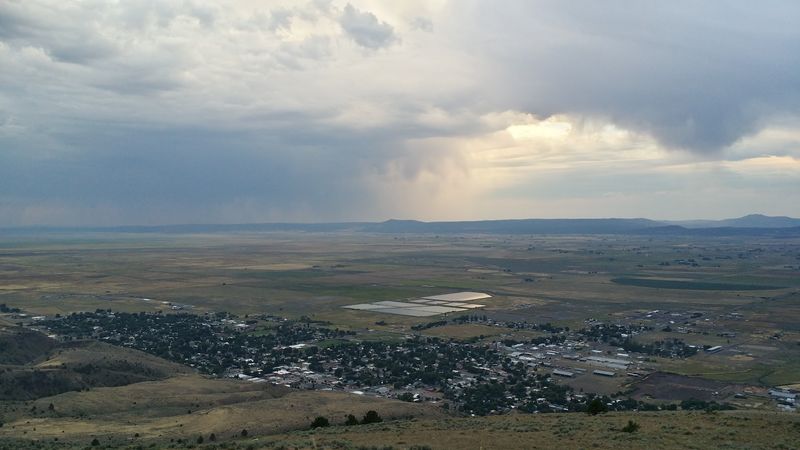
Lakeview calls itself the tallest town in Oregon, sitting at just over 4,700 feet in a broad basin surrounded by fault-block mountains. The air here has a particular quality, thin and dry and bright, that makes everything look sharper than usual.
Hunter’s Hot Springs just north of town is one of those roadside surprises that feels like a genuine find. The geothermal activity in this part of Oregon is serious, and the springs have been used for relaxation and healing for generations.
On a weekday, the area around the springs is calm enough to just sit and think, with steam rising against the cold desert sky. That contrast never gets old.
The Warner Wetlands east of Lakeview are a birder’s and photographer’s quiet obsession. The shallow alkaline lakes and marshes hold enormous populations of waterbirds during migration. Driving the back roads through the Warner Valley on a weekday feels like having a private nature documentary all to yourself.
Lakeview itself has a frontier-era directness that is easy to like. The people here are genuinely friendly without being performatively welcoming, which is a distinction that matters when you are trying to get a real sense of a place.
6. Ontario
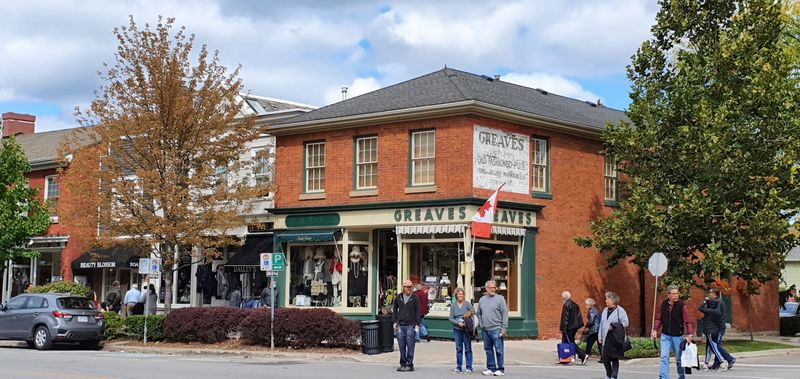
Ontario sits right on the Idaho border in the Treasure Valley, and it carries the energy of a working agricultural hub rather than a tourist stop. That distinction makes it interesting.
The fields surrounding the town produce onions, potatoes, and sugar beets on a scale that is genuinely impressive to see up close.
The Four Rivers Cultural Center in town is one of those places that consistently surprises first-time visitors.
It covers the overlapping histories of the Basque, Japanese American, Hispanic, and Northern Paiute communities. They shaped this corner of Oregon, and the exhibits are thoughtful and well-curated. Weekday visits give you real time to absorb what is there without feeling like you are holding anyone up.
The Snake River runs along the edge of town, and the walking paths near the river are peaceful on a quiet weekday morning. Ontario is also a practical base for exploring the Owyhee Canyonlands to the south, a landscape so remote and dramatic that most Oregonians have never seen it.
The Owyhee River canyon system is genuinely world-class in terms of scenery. Getting there requires some planning, but the reward is a canyon wilderness that feels completely untouched.
7. Vale
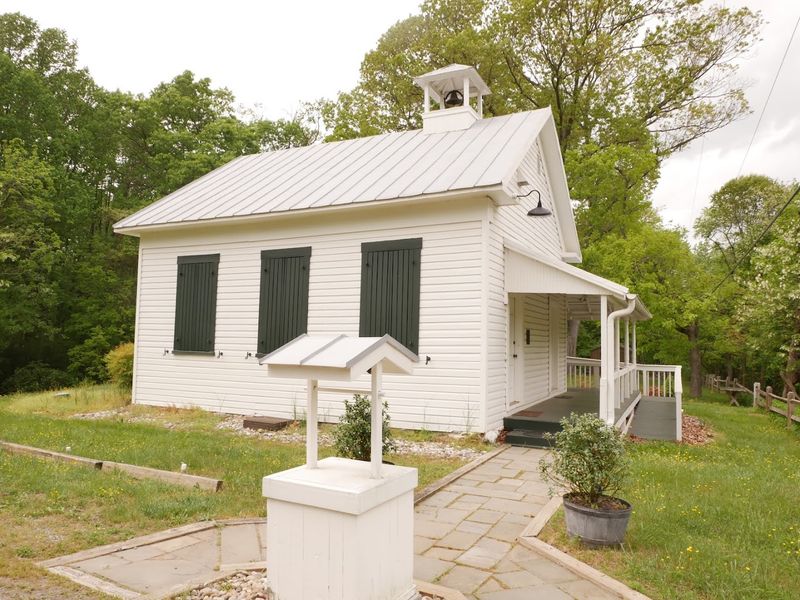
Vale is a town that wears its Oregon Trail history openly and without apology. Murals painted across downtown buildings depict scenes from the emigrant wagon trains that passed through this exact valley in the 1840s and beyond.
On a quiet weekday, you can stand in front of each one without anyone blocking your view.
The Malheur River runs through town, and the cottonwood trees along its banks create a shaded corridor that is genuinely lovely in summer. The historic Stone House, one of the oldest remaining structures in the region, sits near the river and gives the town a physical anchor to its past.
It is a small but meaningful detail in a place full of small but meaningful details.
Vale has the feel of a community that knows exactly what it is and has no interest in being anything else. The pace is slow and the people are direct, and the surrounding farmland gives the whole town a grounded, seasonal quality.
Coming through on a weekday in late summer, when the fields are full and the light is long and golden, is one of those simple travel pleasures that does not require a reservation or a plan. Vale rewards the unscheduled traveler.
8. Fossil
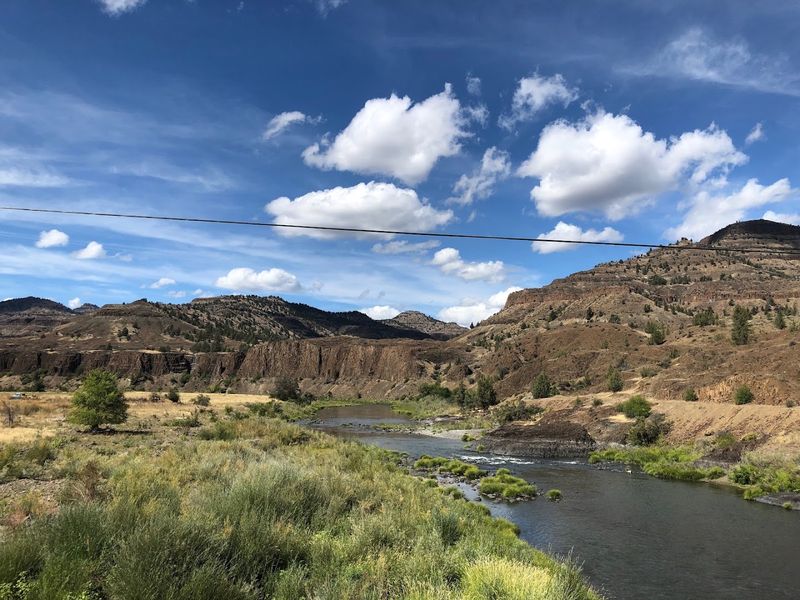
Fossil is the county seat of Wheeler County, and Wheeler County has a population of roughly 1,400 people spread across nearly 1,800 square miles. Those numbers tell you everything you need to know about how quiet Fossil is on a weekday.
The Thomas Condon Paleontology and Visitor Center at the Clarno Unit of John Day Fossil Beds is within striking distance, but Fossil itself has its own paleontological claim to fame.
Behind the high school, a public fossil dig site lets visitors search through ancient lake sediments for leaf imprints and other fossils. It sounds modest, and it is, but there is something genuinely thrilling about pulling a 33-million-year-old leaf fossil out of the ground yourself.
The town has one main street with a handful of businesses, and the surrounding landscape of rimrock and rolling grassland gives everything a wide-open, unhurried quality. I have never once felt like I was missing something by spending time in Fossil rather than somewhere more famous.
The sky here is extraordinary at night, with almost no light pollution across the entire horizon. That alone makes a weekday overnight stay worth considering if you have any interest in stars.
9. Pendleton
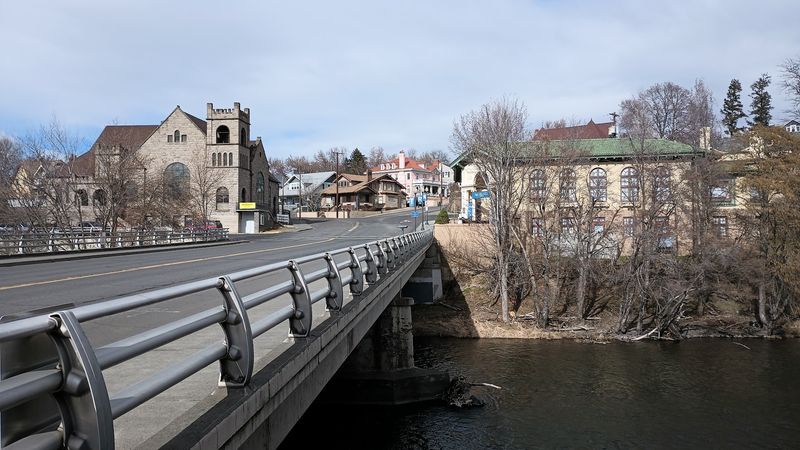
Pendleton is best known for its annual Round-Up, a rodeo and celebration that draws enormous crowds every September. Outside of that week, the town settles back into a quiet rhythm that reveals a much more interesting place than the event-focused version most visitors see.
The Pendleton Underground Tours take you beneath the original downtown streets into a network of tunnels and rooms that served the city’s Chinese community, opium dens, and card rooms during the late 1800s.
The tour guides are knowledgeable and the history is genuinely fascinating, touching on the complicated social layers of frontier-era Oregon. On a weekday, tour groups are small enough that the guide can actually take questions and slow down at the interesting parts.
The Umatilla River runs right through the middle of town, and the riverside walking path is a pleasant way to decompress after a morning of history. Pendleton’s downtown architecture is impressive, with a density of well-preserved early twentieth-century buildings.
The wool industry put Pendleton on the map, and the famous mill still operates here. Stopping by the mill store on a weekday means browsing in relative peace, which is a luxury the weekend crowd rarely gets.
10. Enterprise
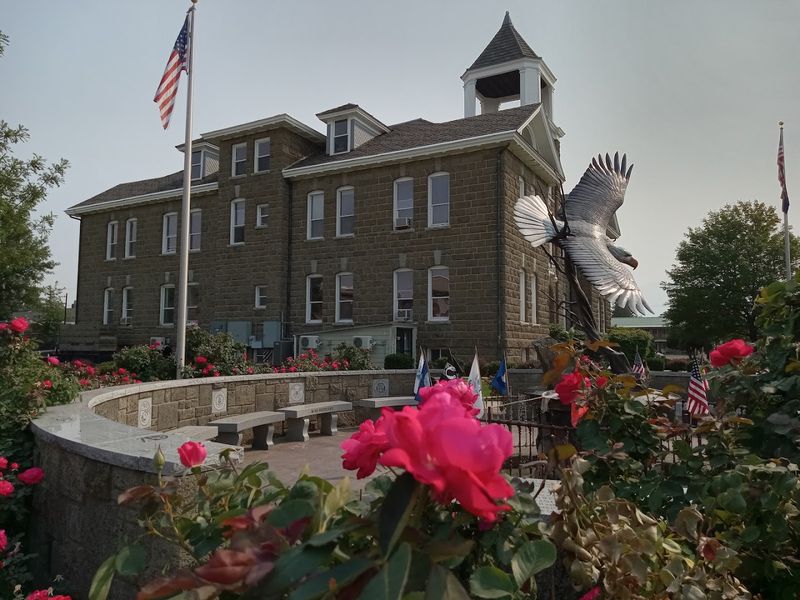
Enterprise sits at the gateway to the Wallowa Mountains, and the view from almost anywhere in town makes it clear why people have been trying to keep this corner of Oregon to themselves for years. The peaks rise abruptly from the valley floor, snow-covered and dramatic, in a way that simply does not get old.
The town itself is the county seat of Wallowa County and has a working, community-oriented character that feels genuinely lived-in. The local farmers market runs seasonally and on a weekday morning the surrounding streets are calm enough to hear the river from the main road.
That kind of quiet is increasingly hard to find anywhere close to mountains this beautiful.
Wallowa Lake sits just south of the nearby town of Joseph, and the combination of the lake, the mountains, and the tram that climbs to the summit of Mount Howard makes this area one of the most scenically concentrated corners of the entire Pacific Northwest.
Enterprise serves as the practical hub for exploring it all, with enough services to be comfortable without the self-conscious polish of a resort town. Weekday visitors to the Wallowas have the trails, the lake shores, and the overlooks largely to themselves. That is the whole point.
11. Heppner
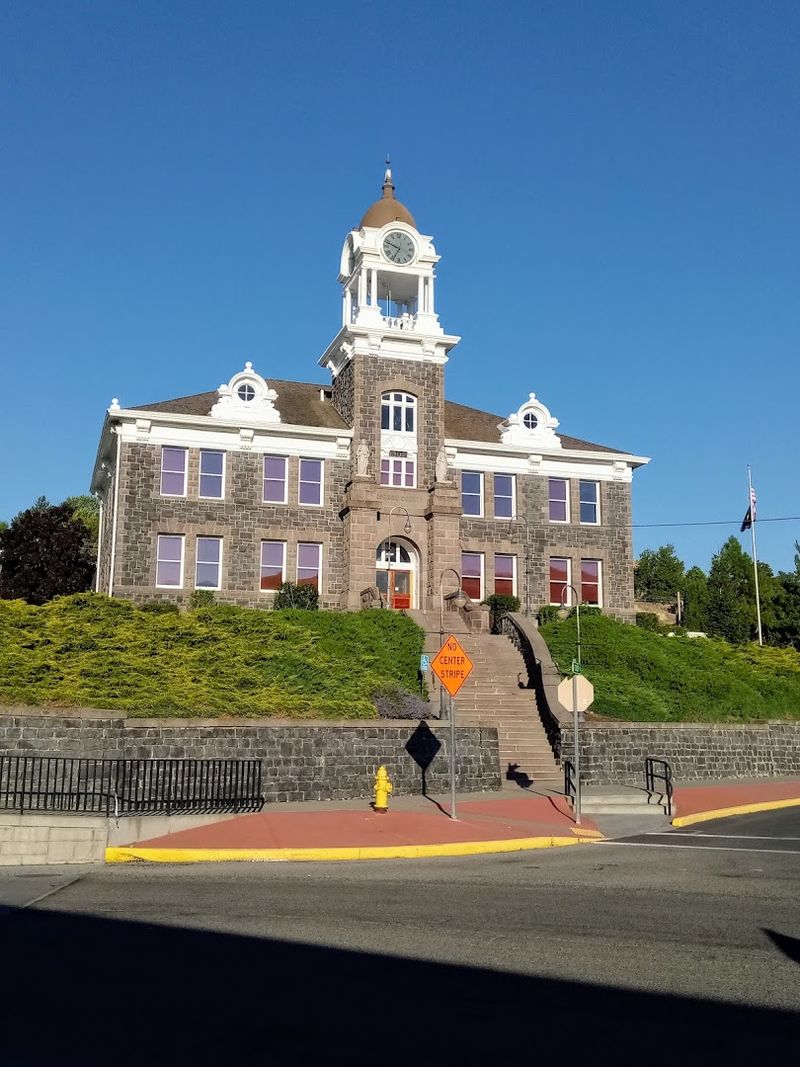
Heppner is tucked into the Willow Creek valley in Morrow County, surrounded by rolling wheat hills that turn gold in late summer and green in early spring.
The town is small and unhurried. Arriving on a weekday feels like stepping into a place that has simply continued at its own pace regardless of what the rest of the world is doing.
The Morrow County Museum holds a collection that covers the region’s ranching and agricultural history. The most remarkable chapter is the 1903 flood that devastated the town and killed over two hundred people in a matter of minutes.
That story is told carefully and with real weight, and it gives Heppner a historical depth that surprises most visitors who assumed this was just a quiet wheat-farming community. It is that, but it is also something more.
The surrounding Umatilla National Forest is accessible from nearby roads, and the transition from open wheat country to ponderosa pine forest happens faster than you expect. Day hikes in the area on a weekday are genuinely solitary experiences.
Heppner itself rewards slow walking and unhurried conversation with whoever happens to be around. The town has a warmth that feels earned rather than performed, which is exactly the kind of place worth returning to.
