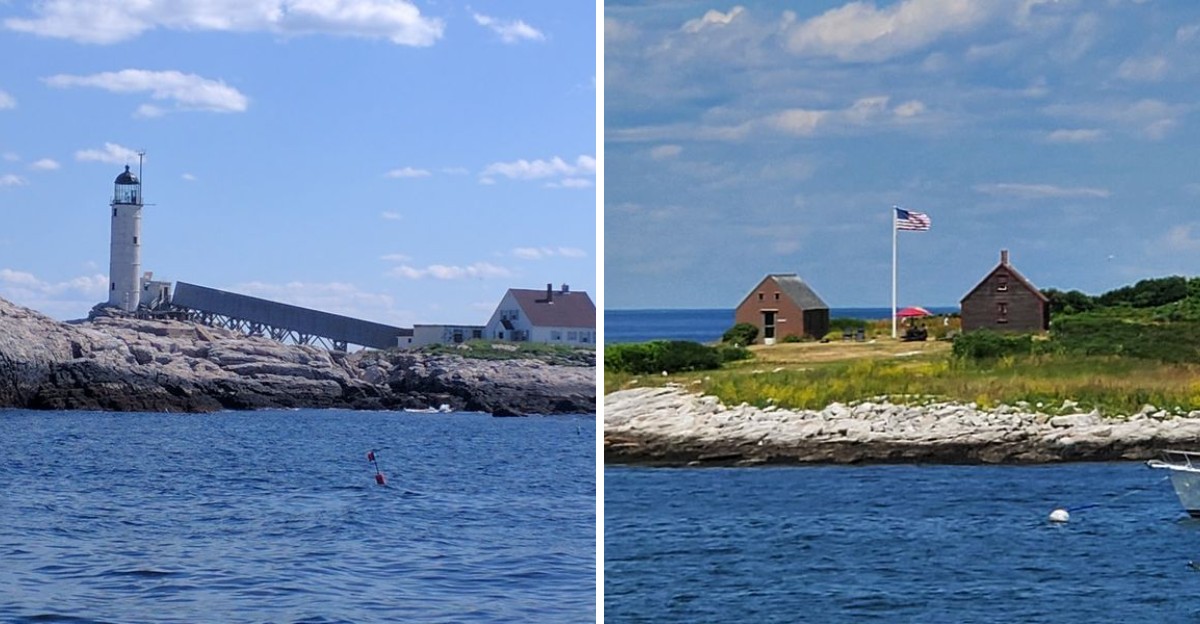
A short boat ride can take you somewhere that feels like a completely different world, and these hidden islands off the New Hampshire coast prove that point beautifully. The moment the mainland disappears behind you, the pace slows down and the noise fades away.
There are no cars on the islands, no traffic lights, and no rush to be anywhere. Just rocky shores, open ocean views, and a quiet that is hard to find anywhere else.
You can walk the trails, watch the seabirds, and explore the remnants of old settlements that date back centuries. The islands have a history that stretches from fishing villages to artistic retreats, and you can feel it in every corner.
This New Hampshire escape feels far away, even though it is closer than you might think. Sometimes the best getaways are the ones you can reach in an afternoon.
A Boat Ride That Doubles As The Main Event
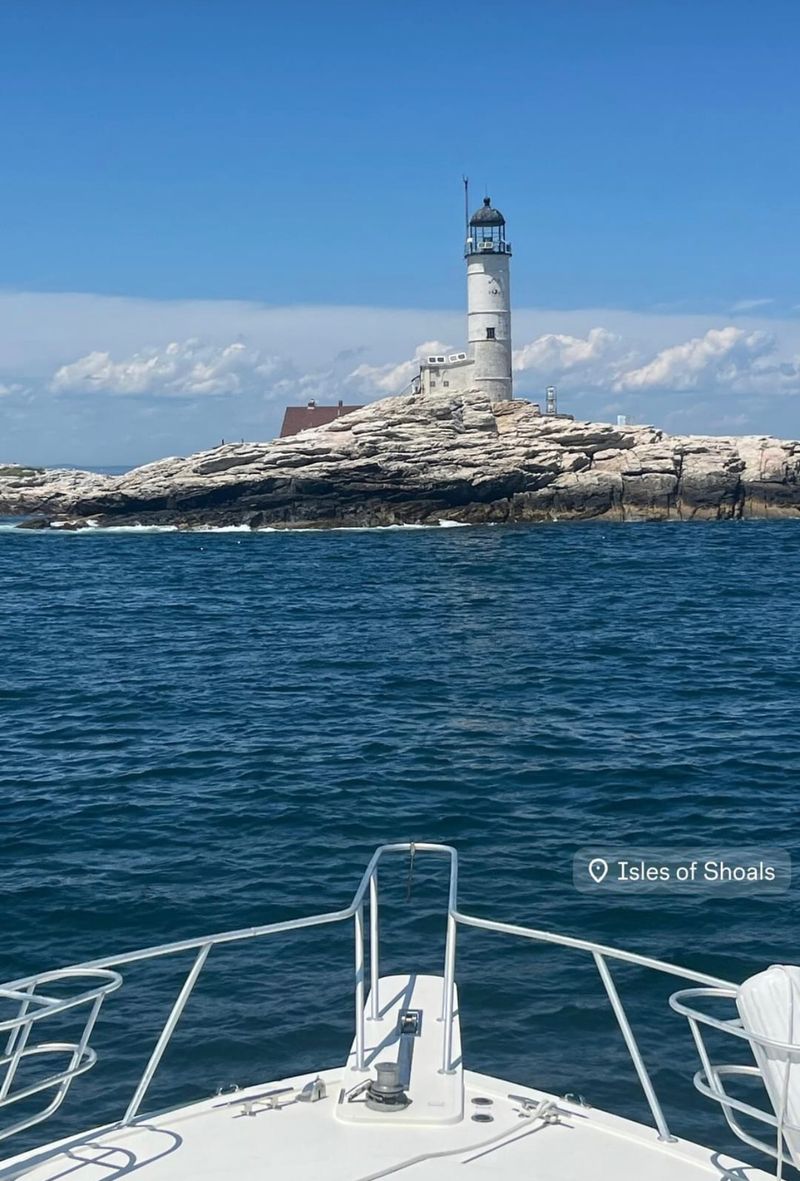
Getting there is half the fun, and nobody warns you about that beforehand. Cruise boats depart from Portsmouth, gliding past working tugboats, the old naval yard, and the mouth of the Piscataqua River before the open Atlantic takes over.
Wind picks up fast once land shrinks behind you. Bring a jacket even in July, because the ocean out here does not care what the weather app promised.
Narration on board covers shipwrecks, lighthouse keepers, and the strange history tied to these rocks. You will learn more in an hour of sea air than most museums manage in an afternoon.
Seals often bob up beside the hull. Cormorants dry their wings on ledges like tiny black scarecrows.
Some cruises loop the whole cluster without landing, which works beautifully if you only want salt spray and photographs. Others deliver you ashore for a proper walkabout.
Grab a seat on the upper deck if you can handle the breeze. The views stretch clean across the New Hampshire seacoast, and on clear days the mainland turns into a thin pencil line behind you.
Motion sensitive? Take something beforehand.
Star Island And Its Grand Old Hotel
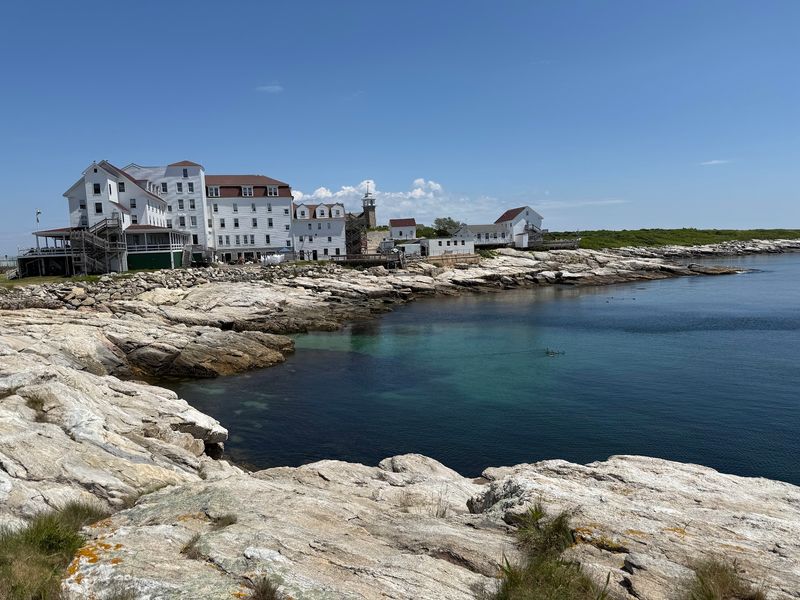
Rocking chairs line a long wooden porch, and beyond them there is nothing but water. Star Island anchors the whole experience, and the Oceanic Hotel standing there gives the place its unmistakable silhouette.
Built in the grand seaside style of the 1800s, the hotel still hosts conferences, retreats, and overnight stays through the nonprofit that cares for the island.
Day trippers get access too. Walking paths thread across the treeless terrain, past stone walls and weathered outbuildings that look untouched by the modern world.
There is a snack shop, a small gift shop, and a pace of life that runs about three gears slower than anything on the mainland.
No cars. No traffic lights.
Rainwater collection and careful conservation keep the island running, which makes every faucet feel like a small lesson in living simply.
Sunsets from the porch are legendary, throwing gold across the water while the New Hampshire coastline blinks in the distance.
Pack water, sunscreen, and comfortable shoes. Granite does not forgive flip flops.
Spend a full day here and the mainland starts to feel optional.
Appledore And The Ghost Of A Poet’s Garden
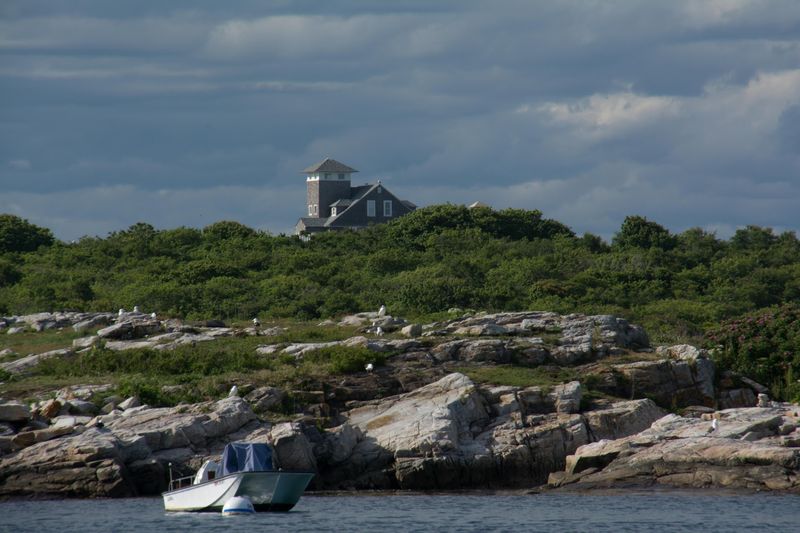
Flowers should not thrive on a windswept rock, yet Celia Thaxter made them anyway. Her Appledore Island garden became one of the most famous small gardens in American history, immortalized in her writing and in paintings by the artist Childe Hassam.
A faithful recreation of that garden still blooms on the island each summer, tended with care and bursting with poppies, larkspur, and hollyhocks that lean into the salt wind.
Thaxter hosted a remarkable literary salon here, drawing writers, painters, and musicians out to the middle of nowhere.
Today, Appledore serves mainly as the Shoals Marine Laboratory, a research and teaching station run jointly by Cornell University and the University of New Hampshire.
Access is limited and usually arranged through scheduled garden tours or special programs, so plan ahead rather than showing up hopeful.
Students here study seabirds, seals, and intertidal life with the Atlantic as their classroom.
Seeing those blossoms framed against grey granite rearranges something in your brain. Beauty can be stubborn.
Bring a camera with a good macro setting.
White Island Light Standing Guard
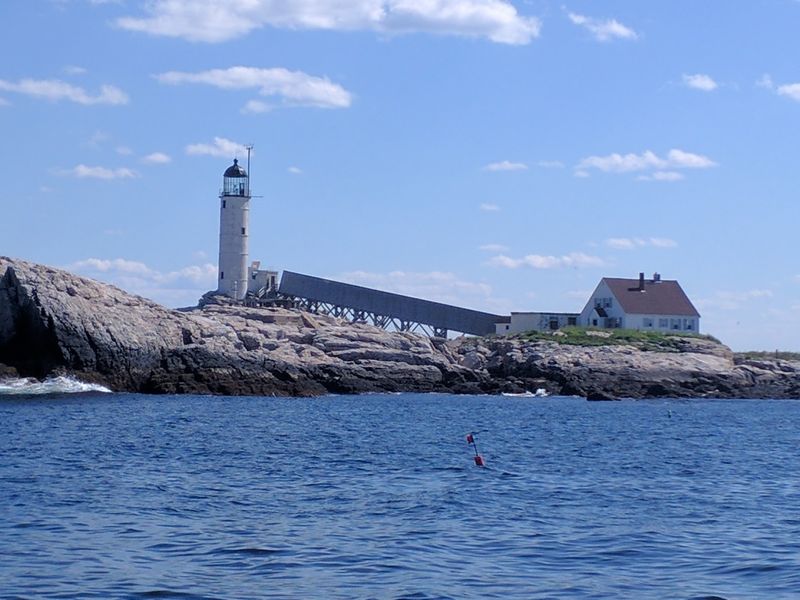
Few lighthouses look this dramatic. White Island Light rises from a bare hump of rock at the southern edge of the cluster, its tower connected to the keeper’s site by a covered walkway that has battled a century and a half of storms.
Waves smash the ledges below with enough force to send spray over the whole island on rough days.
Boat tours swing close so you can photograph it properly. Landing is generally not permitted, which honestly adds to its lonely appeal.
Historic preservation efforts have worked hard to save the tower and walkway from the relentless pounding of the Atlantic.
Fun bit of trivia: the childhood home of poet Celia Thaxter sat here while her father kept the light, and that upbringing shaped the writing that later made these islands famous.
Sunset angles turn the white tower rose colored. Fog turns it into a ghost.
Keep your lens cloth handy because sea spray has excellent aim.
Of all the postcard images from the New Hampshire seacoast, this one might be the most photographed and the most deserving.
Smuttynose And Its Dark Chapter
Not every island story ends happily. Smuttynose carries the weight of an infamous 1873 double murder that shook all of New England and later inspired Anita Shreve’s novel The Weight of Water.
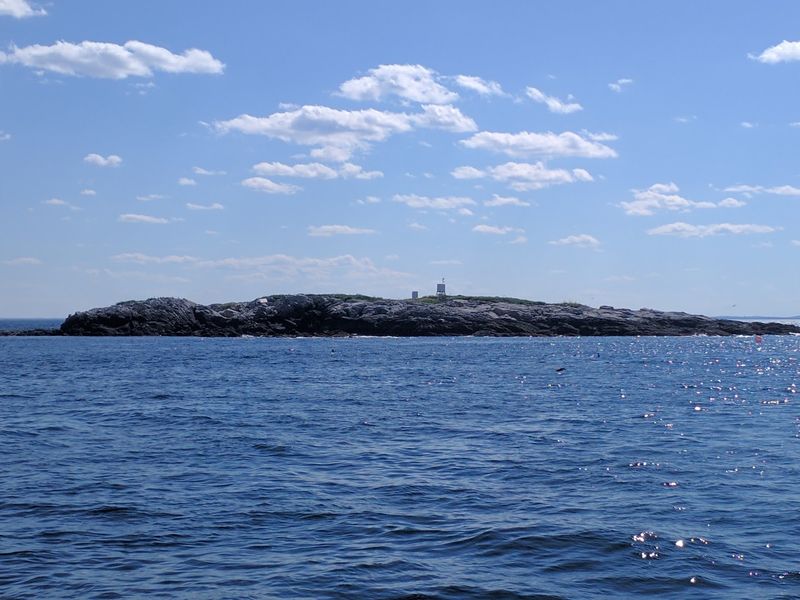
The island itself is small, low, and covered in tangled vegetation, with a stone breakwater linking it toward its neighbor.
An old red house sits there, one of the oldest structures in the whole cluster, looking exactly as stubborn as it needs to be.
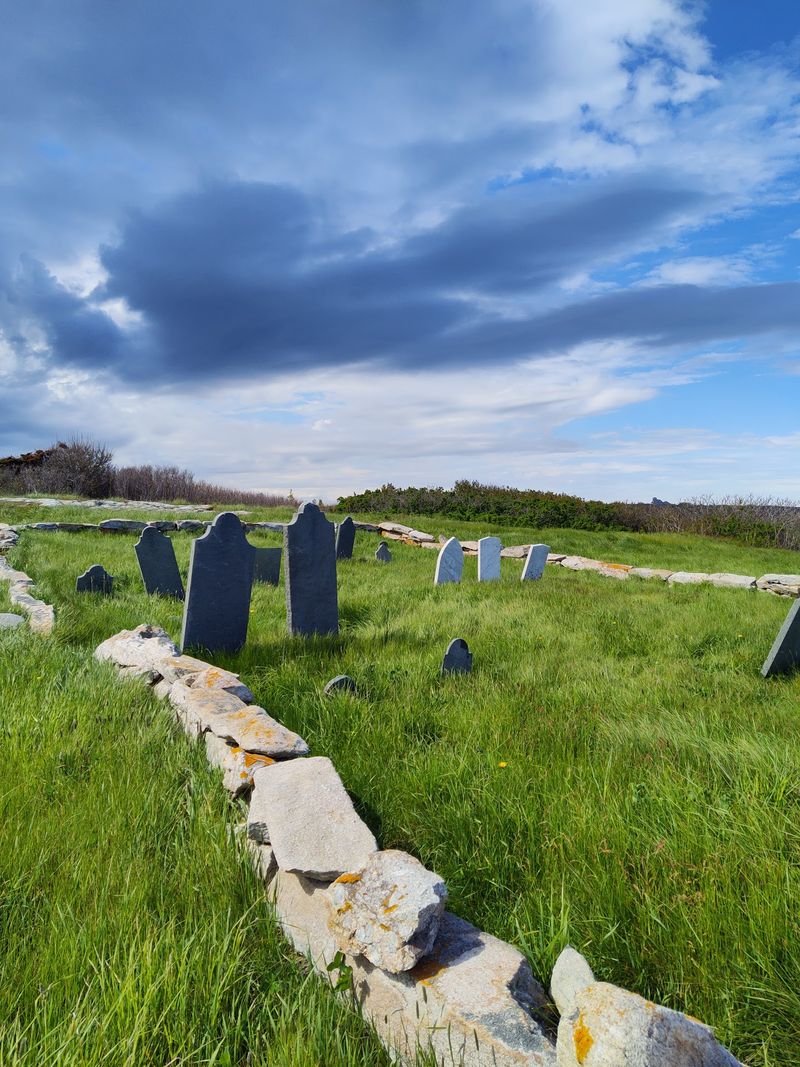
Shipwreck history piles up too. Spanish sailors were buried here after a wreck centuries ago, and their graves are still marked.
Private ownership means casual landings are restricted, though boat tours pass close enough to trace its shoreline and catch the full outline.
Birders love this stretch for migrating species that use the rocks as a rest stop.
Listening to the narration as you drift past does something to the mood on deck. Conversations drop a notch quieter.
History out here is not sanitized, and that honesty makes the whole trip more memorable.
Pirate Legends And Buried Treasure Talk
Blackbeard supposedly honeymooned out here. Whether you buy that or not, the legend has clung to these rocks for generations, complete with tales of a bride left behind to wait forever and treasure stashed somewhere in the granite.
Pirate stories thrive in places with hiding spots, and this cluster has plenty of crevices and coves.
Fishermen once used the islands as a drying and salting base long before tourism existed, and rough characters passed through constantly.
Treasure hunters have poked around for centuries. Nobody has produced a chest of gold, though a few coins turning up over the years keeps the rumor mill spinning.
Guides on the cruises lean into the folklore with obvious enjoyment, and the tales land better with actual sea spray on your face.
Look toward the rocky edges as you pass and you can almost picture a sloop tucked out of sight.
Skeptics will call it all nonsense. Kids on board will not.
Either way, this corner of New Hampshire waters holds onto its myths with a grip tighter than barnacles.
Seabirds Ruling The Rocks
Consider yourself warned about the gulls. Nesting season turns certain paths into patrol zones, and herring gulls and great black backed gulls have zero interest in your travel plans.
Walking sticks are sometimes offered on Star Island for exactly this reason, held overhead so the birds keep their distance.
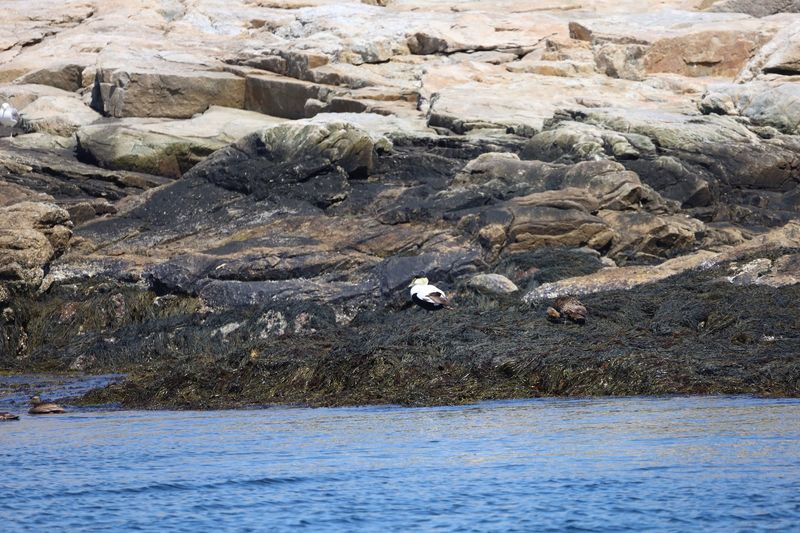
Beyond the bossy gulls, the birding here is genuinely excellent. Common eiders paddle in the swells, cormorants stretch their wings on ledges, and migrating songbirds drop in exhausted during spring and fall.
Terns have been the focus of careful restoration work on nearby ledges, and their sharp cries cut through the wind.
Harbor seals haul out on rocks at low tide, looking like polished stones until one yawns.
Binoculars belong in your bag. So does patience.
Photographers get rewarded early in the morning when light hits the water sideways and the birds are busiest.
Respect posted boundaries around nesting areas, because conservation is the only reason this wildlife spectacle still thrives so close to the New Hampshire mainland.
Nature runs the show here, and you are simply the audience.
Walking Trails With Nothing But Horizon
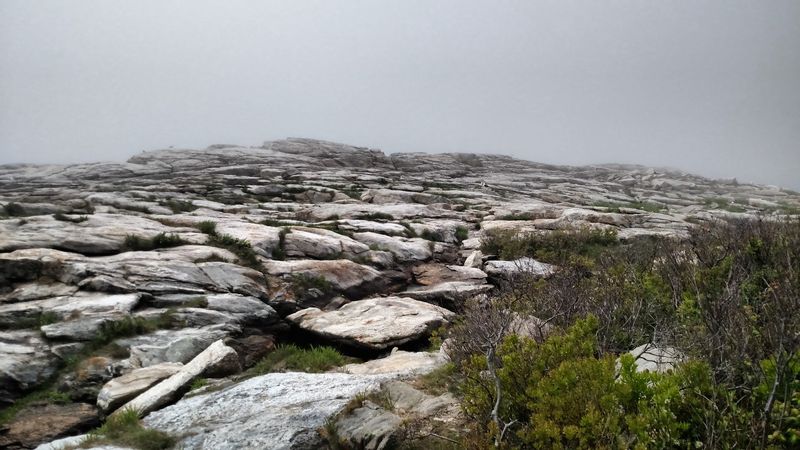
Trails out here are short, but they punch well above their length. Star Island’s paths loop past a stone chapel, old cemeteries, memorial markers, and cliff edges where the Atlantic keeps chewing at granite.
No trees means no shade and no blocked views. Every step gives you water in at least two directions.
Footing gets uneven quickly, so sturdy shoes matter more than style.
A small stone chapel sits at the high point, and stepping inside drops the noise level to almost nothing. Candlelit services held there are a longstanding tradition.
Look for the swimming cove tucked between rocks, where brave souls plunge into water that stays bracing all summer.
Interpretive signs explain the fishing village that once thrived here, complete with hundreds of residents and a school.
Time your walk for the hours before the return boat so you are not sprinting back to the dock.
Sitting on a flat rock with wind in your ears and no cell signal is the whole point. Few spots along the New Hampshire coast deliver that quiet so completely.
Two States Splitting Nine Islands
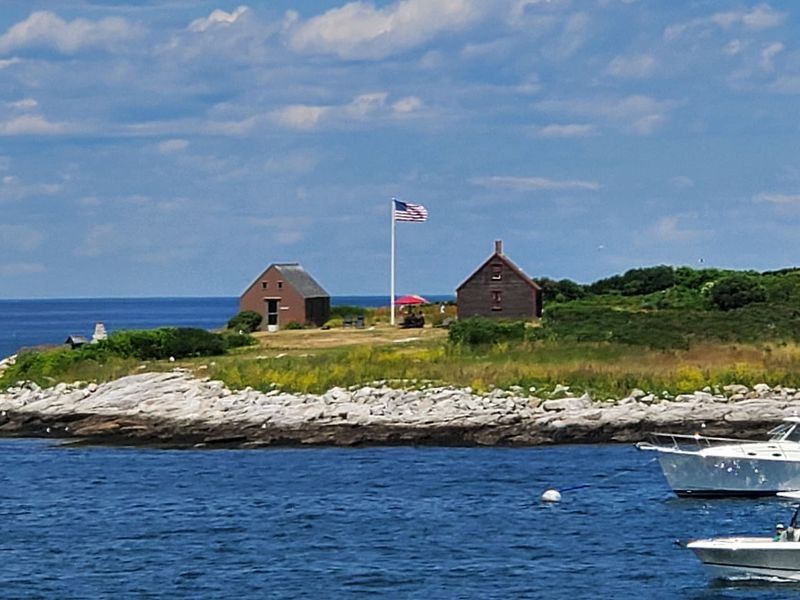
Geography nerds, this one is for you. The cluster contains nine islands, and a state boundary slices right through the group, leaving some in New Hampshire and others in Maine.
Star, White, Lunging, Seavey, and Whaleback fall on the New Hampshire side. Appledore, Smuttynose, Cedar, Duck, and Malaga sit with Maine.
That split caused real arguments back in colonial days, when fishing rights and taxes made the line matter enormously.
Residents once shuffled between islands depending on which laws suited them better, which is either clever or shameless depending on your mood.
Boat tours usually circle the whole group regardless of jurisdiction, so you get both sides without a passport.
The islands sit roughly six miles out from the mouth of the Piscataqua River, close enough to see from shore on clear days yet far enough to feel genuinely remote.
Total land area across all nine is surprisingly small. Their outsized reputation comes from history, not acreage.
Point out the boundary to whoever you drag along. Watch them squint at the water looking for a line that does not exist.
Planning Your Escape To The Shoals
Timing shapes everything. Cruise season runs through the warmer months, and sailings can be adjusted or canceled when the ocean turns unfriendly, so check conditions before driving to the dock.
Departures leave from Portsmouth, where parking fills quickly and arriving early saves stress.
Layers are non negotiable. Water temperature keeps the air out there considerably cooler than downtown, and sun reflects hard off the surface.
Overnight stays on Star Island through the island’s programs book up well in advance, so decide early if you want to wake up surrounded by ocean.
Day trips give you several hours ashore, which is plenty for the trails, the chapel, and a long sit on that famous porch.
Bring cash for the small shop, a refillable bottle, and zero expectations about reliable phone service.
Kids do well here as long as they enjoy walking and gull dodging.
You will find the Isles of Shoals off the coast of Portsmouth, with the island group spanning the waters between New Hampshire and York County, Maine.
Pack the jacket, skip the schedule, and let the Atlantic take it from there.
