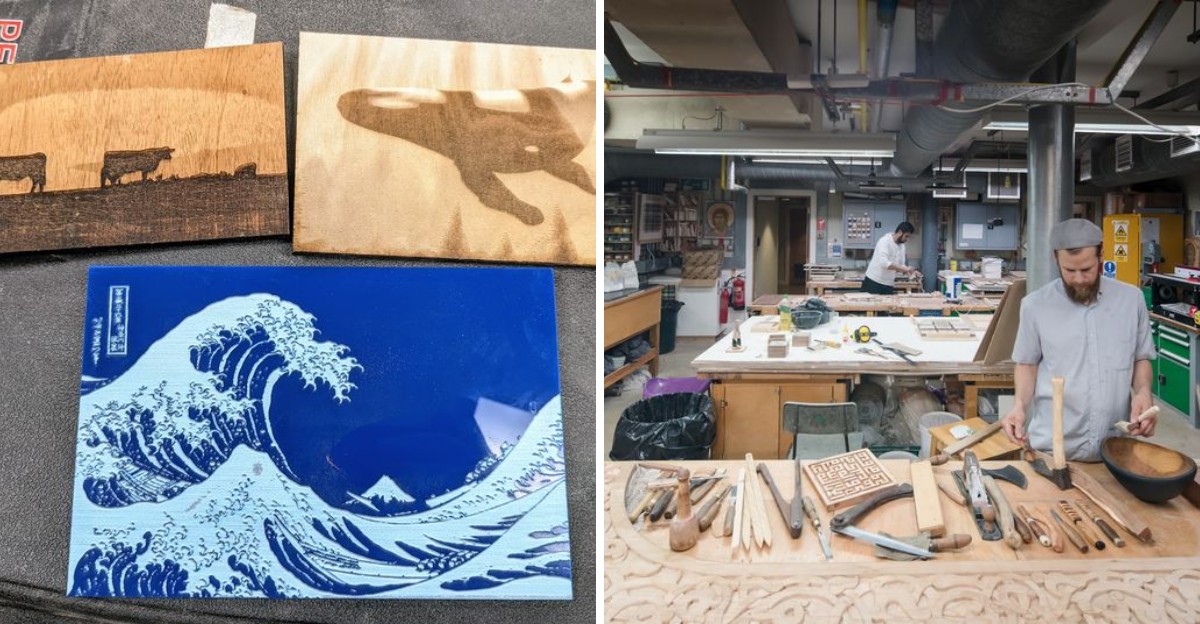
Handmade work is easy to take for granted. A pottery bowl, a woven basket, a carved wooden spoon.
They look simple, but they take time, skill, and patience. These eleven Virginia craft schools made us appreciate handmade work in a whole new way.
They are places where you can learn traditional skills from experienced makers, whether it is blacksmithing, weaving, woodworking, or glassblowing. Some offer weekend workshops, others have longer residencies.
A few are attached to historic sites, where the crafts are part of the story. The common thread is a commitment to quality and tradition.
You do not have to be an expert to take a class. You just need to be willing to try.
Virginia has plenty of creative spaces, but these schools are something special.
1. Waterford Craft School Where a Whole Village Is the Classroom
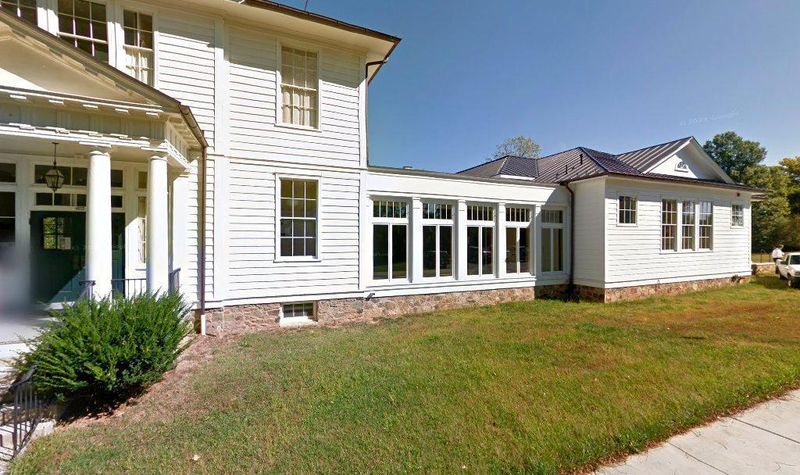
Few places let you learn a craft while standing inside a National Historic Landmark. Waterford Craft School does exactly that, tucked into a Loudoun County village where the brickwork and beams have been holding steady for generations.
Workshops here lean hard into heritage skills. Basket weaving lets you feel stiff natural fibers soften and bend as they take shape between your fingers.
Fabric dyeing turns plain cloth into something loud and joyful. Metalsmithing demands patience, a steady hand, and a healthy respect for heat.
Building arts get real attention too. Classes cover traditional construction methods and historic restoration, which means learning why old walls last and new ones sometimes do not.
The school operates as a program of the Waterford Foundation, an organization built around keeping the village and its skills intact. That mission shows up in the teaching, where technique is passed along rather than performed.
Walking the lanes between sessions is half the pleasure. Gravel crunches underfoot, stone foundations lean slightly with age, and the whole place feels pleasantly uninterested in hurrying.
Fall is especially good, when the village hosts its long running homes tour and craft fair, filling the streets with demonstrations. Even outside that weekend, the setting alone makes the lessons stick.
Bring old clothes and low expectations about perfection. First attempts here tend to be lopsided, and that is exactly the point.
Find the school within the Waterford National Historic Landmark district, around the Waterford Foundation buildings, Waterford, VA.
2. Wayne C. Henderson School of Appalachian Arts Brings Music and Making Together
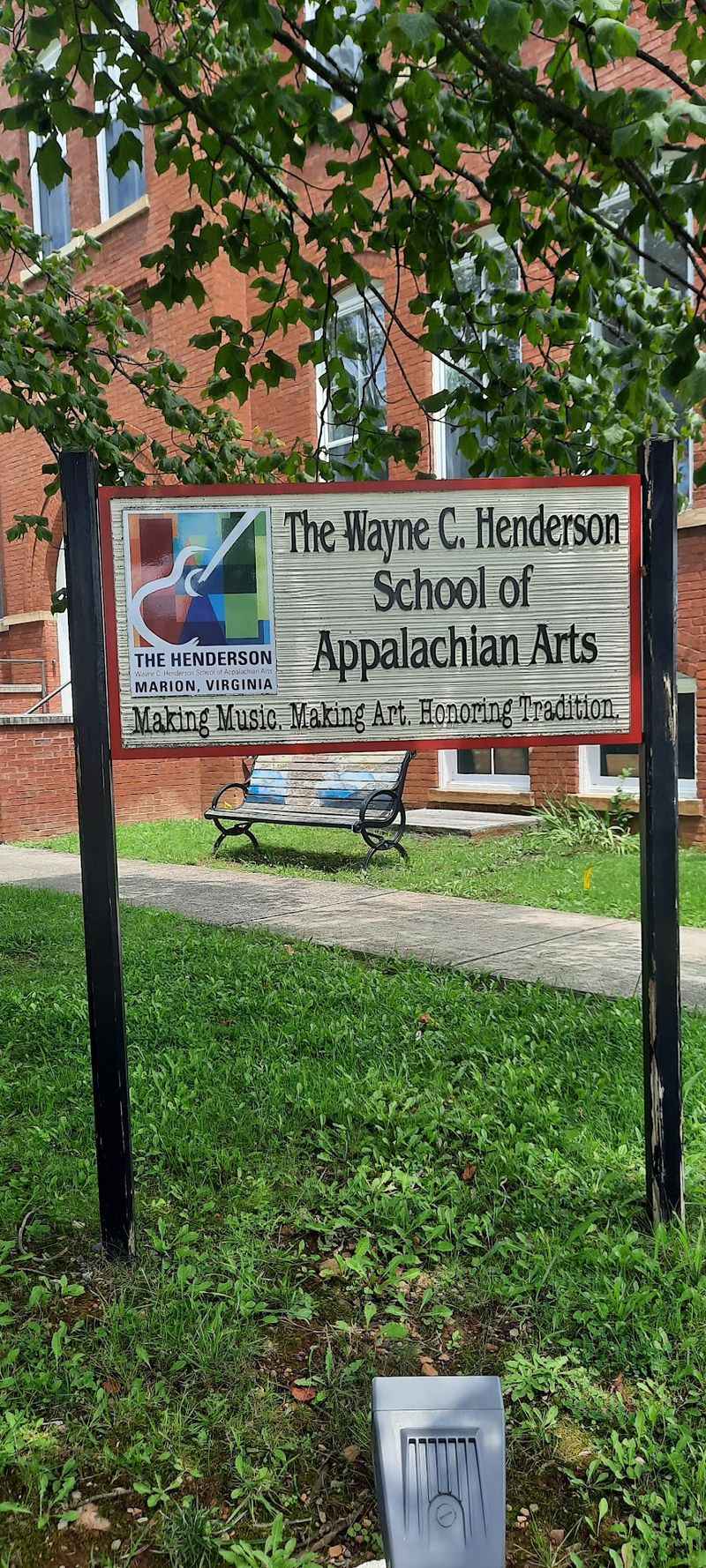
Guitar builders have a saying about patience, and Marion is where you learn it firsthand. The Wayne C.
Henderson School of Appalachian Arts occupies the building locals call the 1908 Schoolhouse, right in the historic downtown.
Its namesake is a Grayson County luthier and guitarist whose instruments are famously hard to get and whose playing carried Appalachian music far beyond these ridges. The school carries that spirit without turning it into a museum piece.
Programming swings wide. A Quilt Guild stitches stories into fabric while the woodshop fills with the smell of fresh-cut timber.
Writing workshops give words a place to land. Letterpress sessions put ink on paper the slow, satisfying, slightly messy way.
Then there are the marathon builds. Week-long courses walk you through crafting your own guitar or fiddle, start to finish, which is roughly as humbling as it sounds.
Traditional and contemporary approaches share the same hallways here, and nobody seems bothered by the mix. That easygoing attitude makes it a genuine gathering spot rather than a stiff institution.
Southwest Virginia surrounds you with reasons to linger. Mount Rogers country sits nearby, and Marion itself is walkable, friendly, and refreshingly unbothered by trends.
Come with an instrument if you play one. Someone will almost certainly want to hear it.
Head to 203 North Church Street, Marion, VA 24354, and give yourself extra time downtown afterward.
3. Clifton Forge School of the Arts Puts Fire and Clay in the Alleghany Highlands
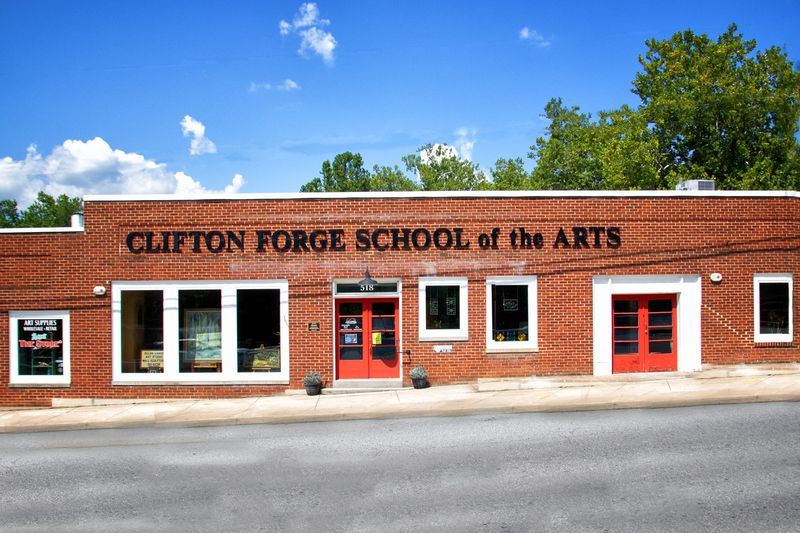
Smith Creek runs past the back of this place, and a specimen garden softens the edges. Clifton Forge School of the Arts sits in the Alleghany Highlands, occupying historic downtown buildings that have found a very good second life.
Blacksmithing is the headliner for many. Fire, hammer, anvil, and a bar of steel that slowly agrees to become something useful.
Stained glass offers the opposite energy, all precision and patience and light. Both leave you weirdly proud of small victories.
Pottery runs on two tracks, wheel throwing for those who like a challenge and hand building for anyone who prefers control over chaos. Clay forgives more than metal does.
Drawing, painting, and fiber arts round things out. Knitting and crochet classes fill quiet corners while sparks fly elsewhere in the building.
The gallery rotates exhibits regularly, so the walls rarely look the same twice. A monthly bluegrass jam adds fiddles and banjos to the mix, because this corner of the state does not separate music from craft.
Downtown Clifton Forge itself deserves a stroll. Railroad heritage runs deep, storefronts have character, and the mountains keep photobombing your pictures.
Douthat State Park sits a short drive north if you want to swap tools for trails afterward. Combining the two makes for a genuinely excellent weekend.
The address is 518 Church Street, Clifton Forge, VA 24422.
4. Virginia School of Traditional Arts Keeps Old Skills Sharp
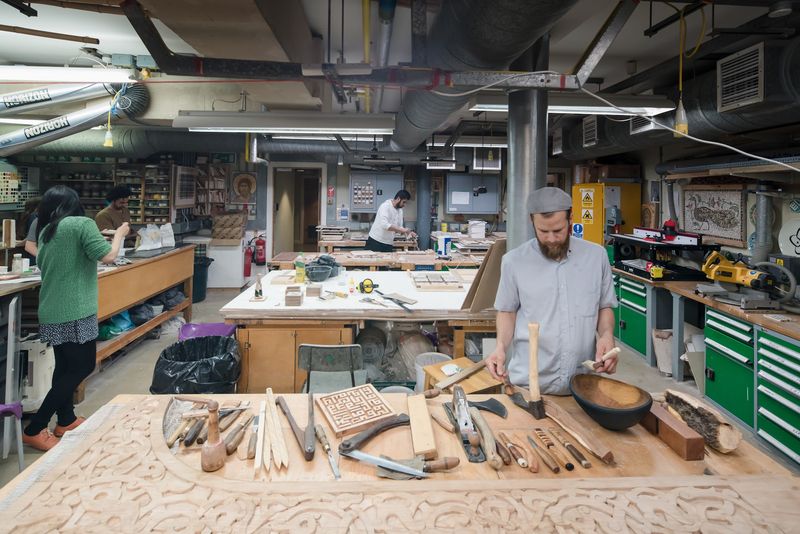
Some skills nearly vanished. This nonprofit exists specifically to make sure they do not, teaching the kind of handwork that used to be ordinary and now feels almost radical.
Blacksmithing anchors much of the schedule. Learners forge functional pieces and blades, finding the rhythm where hammer, heat, and timing finally line up.
Carpentry courses start with hand tools before graduating to power equipment. Understanding a chisel first makes everything after it easier.
Horticulture gets equal respect. Square foot gardening classes connect students to sustainable growing, which fits neatly alongside forging and joinery in a curriculum built around self reliance.
Youth scholarships and outreach programs form a big part of the mission. Handing tools to the next generation is how traditions survive past nostalgia.
What sets the atmosphere apart is the seriousness without the snobbery. Nobody expects mastery on day one, and there is no pressure to produce something gallery ready.
Southern Virginia surrounds the school with tobacco barns, rolling farmland, and small towns that never chased attention. The Staunton River and its state park lie within easy reach for a slower afternoon.
Practical tip, wear closed shoes and natural fiber clothing to forge work. Sparks are not theoretical.
Anyone who has ever wondered whether they could actually build a thing rather than buy it will find an honest answer here.
Operations are based in Halifax, VA, in the state’s southern countryside.
5. Bay School Community Arts Center Adds Salt Air to Studio Time
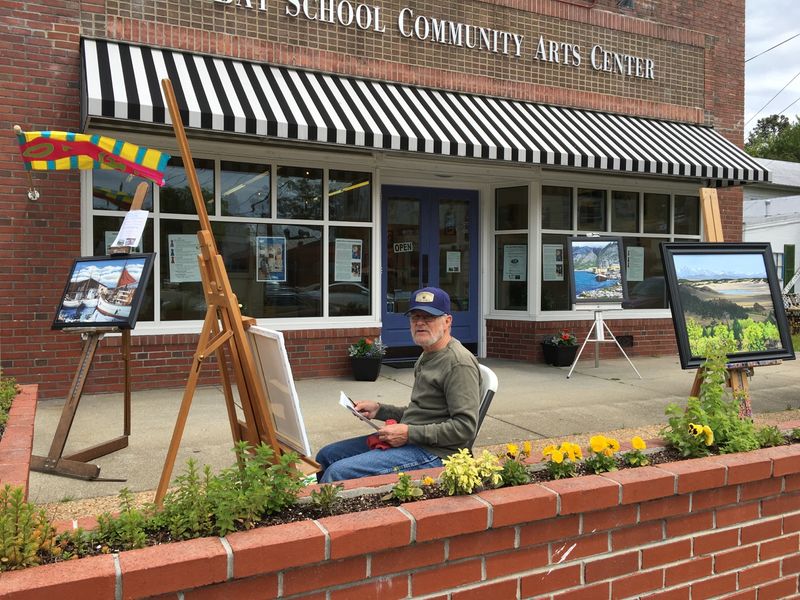
Chesapeake breezes and pottery wheels turn out to be a great combination. Bay School Community Arts Center anchors Main Street in the tiny village of Mathews, deep in Virginia’s Middle Peninsula.
The class calendar is genuinely stacked. Painting, jewelry making, pottery, glasswork, and sculpture all get regular slots.
Fiber lovers have options too. Basket making and weaving classes fill studios with the quiet click and rustle of materials being coaxed into shape.
Inside sits the Art Speaks Gallery, rotating through curated exhibitions of work by artists from around the region. It doubles as a shopping stop for anyone hunting something handmade and local.
Beyond classes, the center throws itself into community life with artisan markets, culinary events, and festivals that spill energy onto the sidewalk. Small towns do this well, and Mathews does it better than most.
The setting matters here. Water is never far, boatbuilding heritage runs through the county, and New Point Comfort Lighthouse sits offshore as a stubborn little landmark.
Pair a morning workshop with an afternoon of poking around the courthouse green and nearby creeks. The pace suits the place.
Beginners are entirely welcome, which removes the usual intimidation factor. Skill levels blur once everyone is elbow deep in clay.
Visit at 279 Main Street, Mathews, VA 23109, and leave room in the car for whatever you end up making.
6. Visual Arts Center of Richmond Turns an Old Dairy Into a Creative Engine
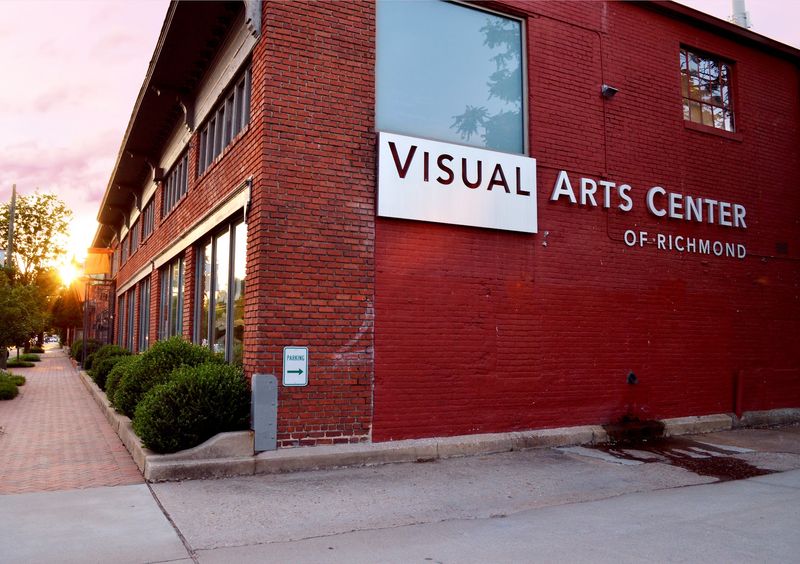
Milk bottles once moved through this building. Now it moves clay, glass, ink, and metal, because the Visual Arts Center of Richmond occupies the historic Virginia Dairy building on West Main Street.
The class range is enormous. Wheel throwing, hand building, glass work, printmaking, metalsmithing, painting, photography, and more fill studios across the complex.
Absolute beginners and long practicing makers share the same benches. Nobody checks credentials at the door.
Younger artists get real attention through Art After School programs and ArtVenture summer camps. Parents in the Fan District know these fill quickly.
Second Fridays events offer a low commitment way to try a new medium without signing up for a full course. Consider it speed dating for creative hobbies.
Location helps enormously. The center sits within walking distance of the Fan neighborhood’s tree-lined blocks, and the Virginia Museum of Fine Arts is a short hop away for anyone who wants to see finished work after making their own.
Parking in this stretch of the city takes a little strategy, so arrive with a few extra minutes. Street spots exist, patience required.
What lingers is the noise. Kilns, presses, and conversation blend into a hum that makes the whole building feel awake.
Head to 1812 West Main Street, Richmond, VA, and plan to stay longer than intended.
7. Bower Center for the Arts Glows Pink in Downtown Bedford
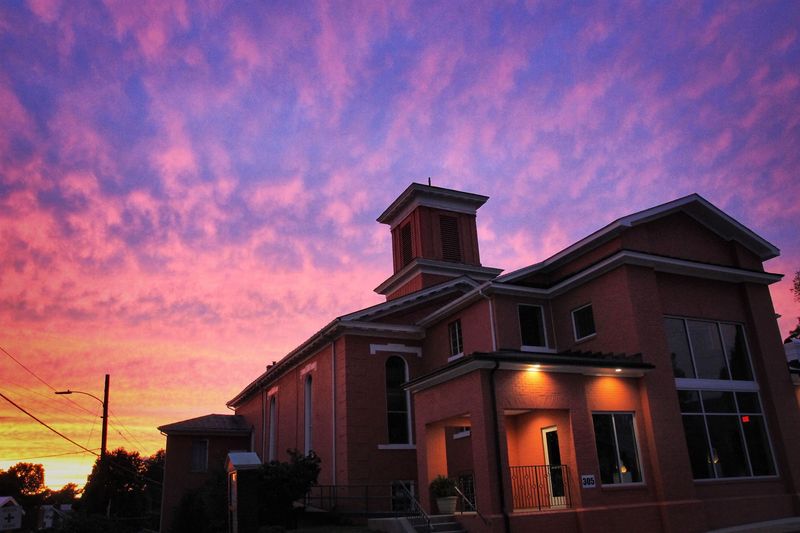
You will spot it before you find the address. The Bower Center for the Arts occupies a striking pink building in downtown Bedford, and subtlety was clearly not the goal.
Its bones date to 1847, when the structure served as St. John’s Episcopal Church. That history left behind a sanctuary with natural acoustics that concert halls spend fortunes trying to fake.
Performances still happen in that space. Music and theater land differently under those old rafters.
Galleries occupy other rooms, rotating exhibits that lean regional and often surprising. Resident artists keep studios on site, so the building breathes rather than just displays.
Classes run both in person and virtually, covering visual arts across a broad spread of media. The Cornerstone Gallery handles the shopping side for anyone who arrived only to browse and left with plans.
Bedford itself rewards a wander. The town sits beneath the Peaks of Otter, with the Blue Ridge Parkway climbing just to the west and the National D-Day Memorial standing solemn on a nearby hill.
Combining art and mountain views in one day is entirely doable here. Smith Mountain Lake is close enough for an afternoon detour.
Anyone who thinks small towns lack cultural muscle should spend an evening in that sanctuary and reconsider.
The center stands at 305 North Bridge Street, Bedford, VA 24523.
8. RAL Art Center Opens Its Famous Red Door in Kilmarnock
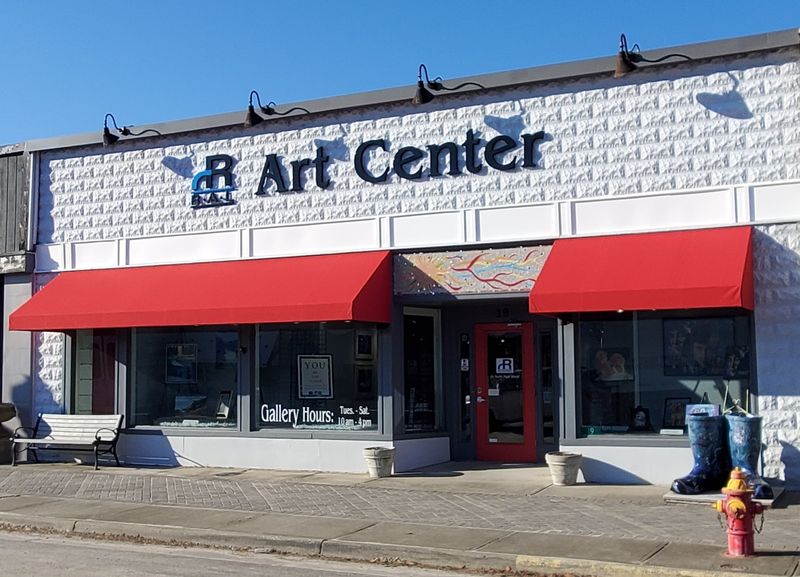
Look for the red door. Behind it, the RAL Art Center has been championing artists on Virginia’s Northern Neck since 1949, which makes it older than most galleries anywhere in the region.
The cooperative gallery represents more than fifty regional artists. Paintings, sculpture, mixed media, jewelry, pottery, and basket weaving all share the floor.
A gift shop stocks handmade craftwork for anyone hunting something better than a generic souvenir. Prices span casual to serious.
Exhibitions change monthly around rotating themes, and First Friday receptions give the openings a social buzz. Small town gallery nights have a charm that big cities cannot replicate.
Teaching happens in the Pike Studio, an expanded classroom space running a full slate of instruction. Casual paint sessions sit on the same schedule as woodworking fundamentals, welcoming every age and ability.
Kilmarnock makes a fine base for the surrounding peninsula. Creeks, working waterfronts, and quiet country roads stretch out toward the Chesapeake in every direction.
Historic Christ Church in nearby Weems is worth the short drive for its colonial brickwork. Pair it with a gallery morning and the day builds itself.
The mission statement here talks about bringing art to the community and building community through art. Spend an hour inside and you can see it actually working.
Stop by 19 North Main Street, Kilmarnock, VA 22482.
9. McGuffey Art Center and Chroma Projects Give Charlottesville a Creative One Two Punch
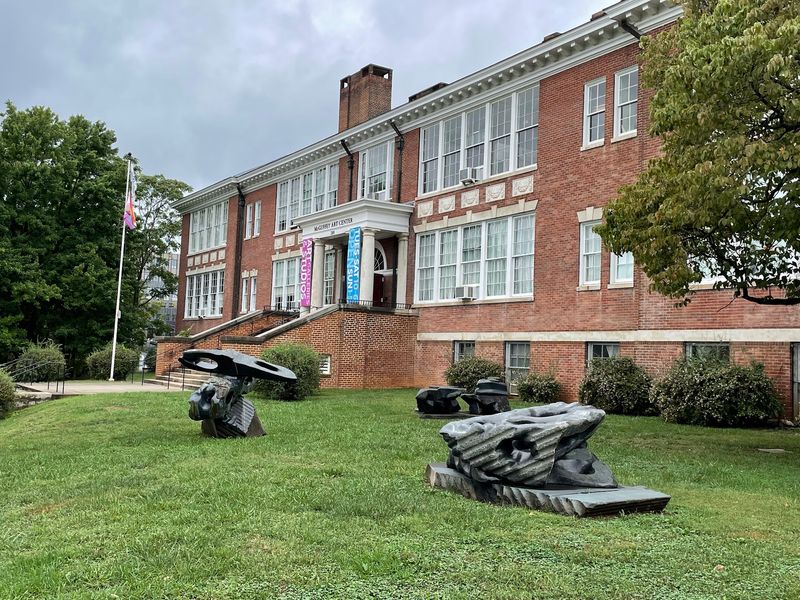
Two very different spaces, one walkable downtown. Charlottesville pulls off this trick with McGuffey Art Center and Chroma Projects sitting close enough to hit both before lunch.
McGuffey occupies a former elementary school building, and the old classrooms now hold studios for a large roster of resident artists. Hallways lead past open doors where work is actively happening.
Multiple galleries fill the building with rotating shows. A gift shop handles the impulse purchases.
Classes and workshops run regularly, covering painting, pottery, and assorted crafts taught by the artists themselves. Learning from someone whose studio is twenty feet away has obvious advantages.
Chroma Projects took a stranger path. It now operates as a Micro Gallery set inside a bank vault at Vault Virginia on 3rd Street, which is exactly as unusual as it sounds.
Its focus runs toward large scale visual environments and exhibitions exploring abstract and geometric work. Compact space, ambitious ideas.
The Downtown Mall sits right there, one of the longest pedestrian malls in the country, lined with bookshops, cafes, and street musicians. Art hopping here requires almost no driving.
Monticello and the Blue Ridge foothills wait just outside town for anyone extending the trip. Charlottesville rewards slow itineraries.
McGuffey Art Center is at 201 Second Street NW, Charlottesville, VA 22902, and Chroma Projects is at Vault Virginia on 3rd Street, Charlottesville, VA.
10. Hacksburg Makerspace Lets Blacksburg Build Almost Anything
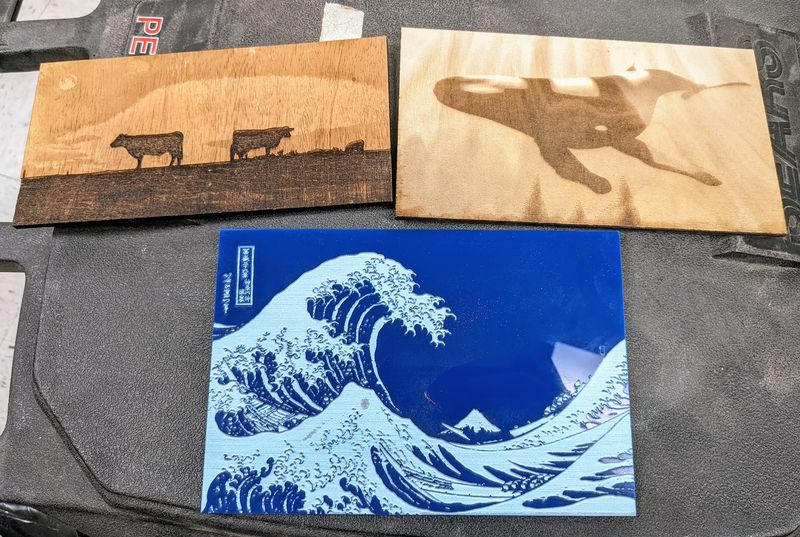
Robots and rocking chairs get built under the same roof. Hacksburg Makerspace serves as Blacksburg’s community workshop, and the equipment list reads like a wish list for anyone who has ever wanted to make something ambitious.
A full woodshop handles traditional joinery. A metalshop covers everything the wood side cannot.
Digital fabrication gear sits alongside them, including laser cutters and 3D printers. Old school and new school share the floor without arguing.
Classes and weekly work sessions cover leatherworking, introductory 3D printing, and advanced CNC operations. Curiosity counts more than experience at the entry point.
The nonprofit model keeps expensive tools within reach of people who would never own them individually. That accessibility is the whole point.
Blacksburg brings its own energy to the mix. Virginia Tech dominates the town, the Hokie Stone architecture is unmistakable, and the New River Valley spreads out with trails and overlooks nearby.
The Huckleberry Trail links town to Christiansburg for anyone wanting to stretch their legs between projects. Cascade Falls sits a short drive away and delivers a genuinely impressive payoff.
Makerspaces reward people who show up with a half formed idea and no clue how to execute it. Somebody there will have opinions and probably the right jig.
Find the workshop at 1872 Pratt Drive, Suite 1620, Blacksburg, VA 24060.
