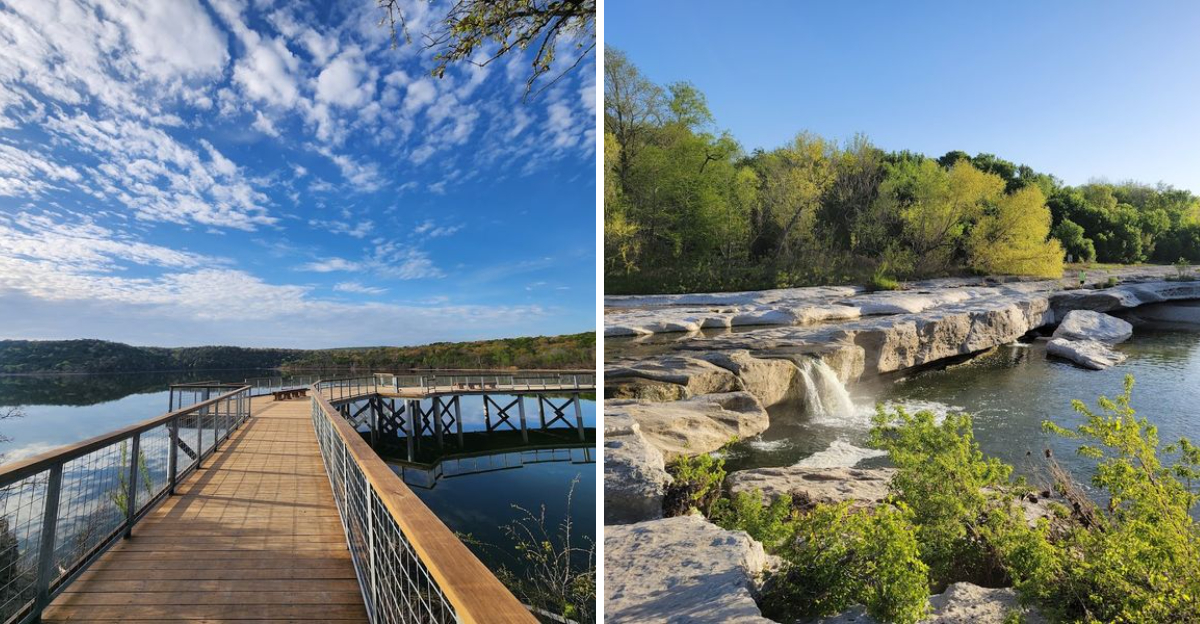
Nature should be for everyone. And these Texas trails and nature spots prove that accessibility does not mean sacrificing beauty.
Smooth, paved paths wind through scenic landscapes, offering views that feel just as rewarding as any rugged hike. You can enjoy a peaceful stroll, take in the fresh air, and soak up the sights without worrying about rough terrain or steep inclines.
These spots are designed with care, making them perfect for a relaxing day out. Whether you are using a wheelchair, pushing a stroller, or just prefer an easier walk, these places deliver.
It is a reminder that everyone deserves a chance to connect with the outdoors.
1. Brazos Bend State Park
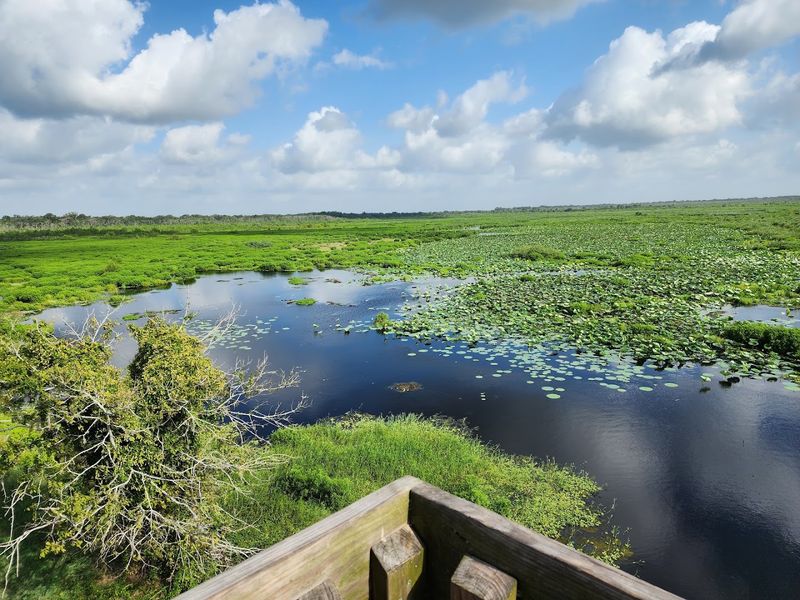
Brazos Bend State Park has a reputation, and it is well earned. Alligators here do not hide.
They rest along the trail edges with complete confidence, and honestly, seeing one up close from a paved path with the sun on the water behind it is the kind of moment that stays with you.
The park features several accessible trails winding through bottomland hardwood forests and past oxbow lakes draped in Spanish moss. Elm Lake Trail and 40-Acre Lake Trail are both relatively flat and manageable, offering close-up views of wildlife that most parks only promise from a distance.
Herons, egrets, roseate spoonbills, and dozens of duck species are regular visitors throughout the year.
Birders especially love this place. The combination of wetland and forest habitat creates layered ecosystems that support an extraordinary range of species.
I found myself stopping every few minutes just to watch something new move through the reeds.
Accessible restrooms and picnic areas are available throughout the park, making it easy to spend a full day without feeling rushed. The George Observatory is also located within the park and hosts public stargazing events on weekends.
Paved parking areas near the main trailheads make getting started simple and stress-free.
The whole experience has a slow, unhurried rhythm that encourages you to notice things. A turtle sliding off a log.
A red-shouldered hawk calling from the canopy. Brazos Bend rewards patience, and it is very, very good at it.
Address: 21901 FM 762, Needville, Texas
2. Cedar Hill State Park
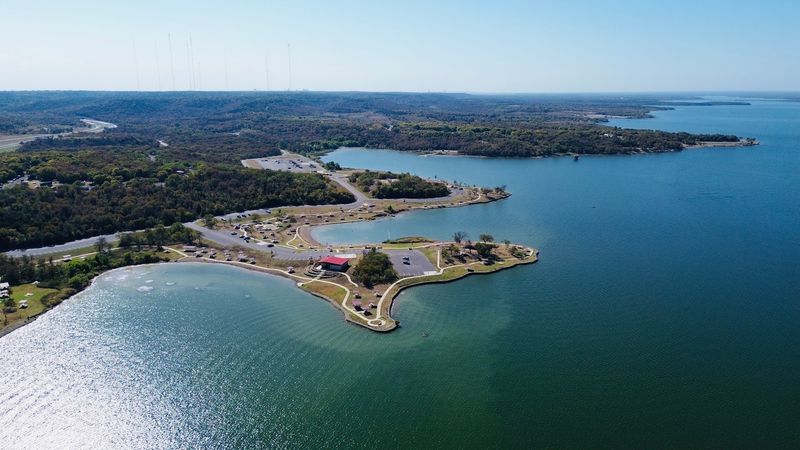
Just southwest of Dallas, Cedar Hill State Park manages to feel like a genuine escape despite being minutes from the city. Joe Pool Lake stretches out below the park’s ridgelines, and on a breezy afternoon the view from the higher overlooks is enough to make you forget the highway noise entirely.
The park has paved accessible trails near the main day-use and camping areas, with lake access points designed to accommodate wheelchairs. Fishing piers are fully accessible, and the calm, flat terrain around the lakeside areas makes for easy, enjoyable rolling.
It is one of those parks where you can cover a lot of ground without it feeling like a workout.
Cedar Hill sits within the Cedar Mountain region, a geologically distinct area of ancient limestone outcrops and cedar elm woodland. White-tailed deer move through the tree lines in the early morning, and scissor-tailed flycatchers are almost guaranteed sightings from spring through fall.
The birdlife here is genuinely underrated for a metro-area park.
Accessible restrooms, picnic shelters, and a swim beach with accessible pathways round out the facilities. The park can get busy on summer weekends, so arriving early gives you the best chance of finding a quiet stretch of trail.
Sunsets over the lake are spectacular, especially in autumn when the cedar and oak begin to shift color.
There is a relaxed, community-friendly energy to Cedar Hill that feels welcoming rather than overwhelming. It is a solid, satisfying day out without needing to drive far.
Address: 1570 W FM 1382, Cedar Hill, Texas
3. Government Canyon State Natural Area
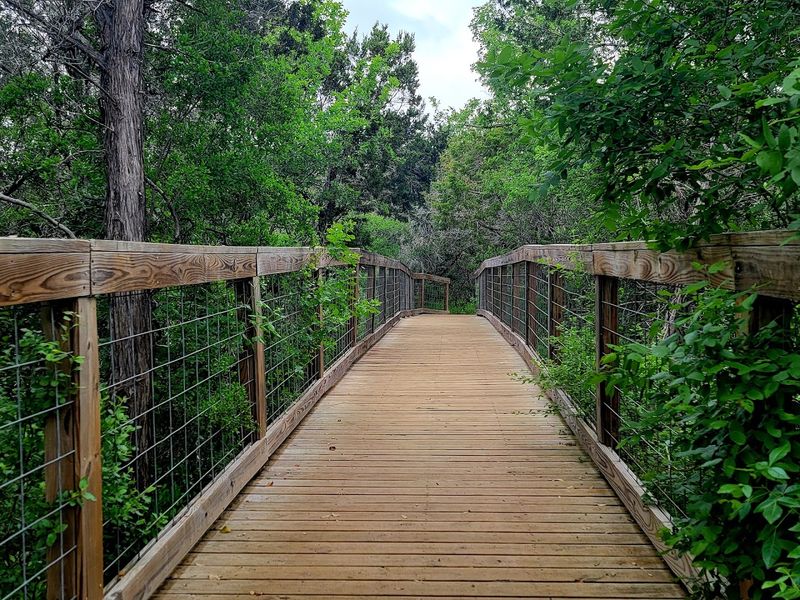
Government Canyon feels like a secret that San Antonio has been quietly keeping. Hidden into the western edge of the city, this natural area protects the Edwards Aquifer recharge zone and offers a landscape that feels far more remote than its location suggests.
Limestone bluffs, canyon walls, and cedar-oak woodland create a visual depth that rewards slow exploration.
The Joe Johnston Route is the primary accessible trail here, a well-maintained path that winds through the canyon corridor with manageable grades and a stable surface. It connects to several overlooks and rest areas, making it easy to pause, breathe, and take things in at your own pace.
The trail system has been thoughtfully developed to balance accessibility with minimal disruption to the natural environment.
One of the more unexpected delights is the dinosaur tracks preserved within the natural area. Theropod footprints embedded in the limestone creek bed are a genuine thrill, particularly for younger visitors.
Not every accessible trail in Texas leads you past 100-million-year-old evidence of prehistoric life.
Wildlife here includes white-tailed deer, wild turkeys, and an impressive variety of songbirds that use the canyon as a migration corridor. Golden-cheeked warblers nest in the mature Ashe juniper stands, making spring visits particularly rewarding for birders.
The natural area requires advance reservations, which helps keep visitor numbers low and the experience peaceful. That quietness is part of what makes it special.
You genuinely feel like you have the canyon to yourself on most mornings.
Address: 12861 Galm Road, San Antonio, Texas
4. McKinney Falls State Park
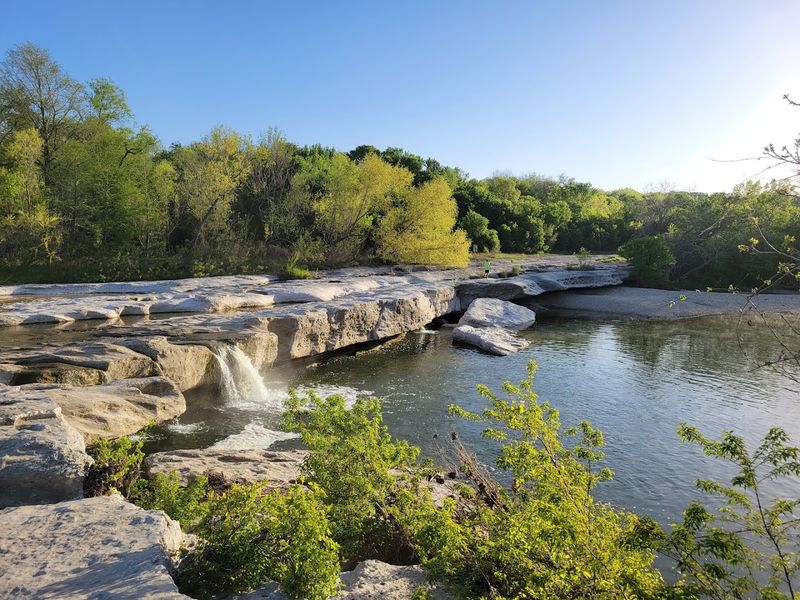
McKinney Falls has an energy that feels different from other Austin green spaces. Onion Creek cuts through the park in wide, shallow channels over polished limestone, and the sound of moving water follows you along most of the accessible trail routes.
It is calming in a way that is hard to manufacture.
The paved trail network here is one of the most functional in the Austin area for wheelchair users. Smooth surfaces connect the main visitor areas to creek overlooks, picnic sites, and the signature waterfall ledges.
The Upper Falls and Lower Falls both have accessible viewing areas nearby, and the sight of water sheeting across the flat limestone is genuinely beautiful in any season.
The park sits within the Balcones Escarpment zone, where the Hill Country meets the coastal plains, and that transition creates a rich mix of plant and animal life.
Cypress trees grow along the creek banks with their knobby roots reaching into the water, and great blue herons are a near-constant presence.
White-tailed deer often graze in the open meadow sections near the trailheads.
Accessible restrooms, covered picnic shelters, and a visitor center with exhibits about the park’s history are all available. The park is close to downtown Austin, which makes it a popular stop, but early mornings feel genuinely peaceful.
Bring a lunch and find a shaded table near the creek. That is honestly the best way to experience it.
The combination of water, wildlife, and good trail design makes McKinney Falls one of the most satisfying accessible parks in central Texas.
Address: 5808 McKinney Falls Parkway, Austin, Texas
5. Dinosaur Valley State Park
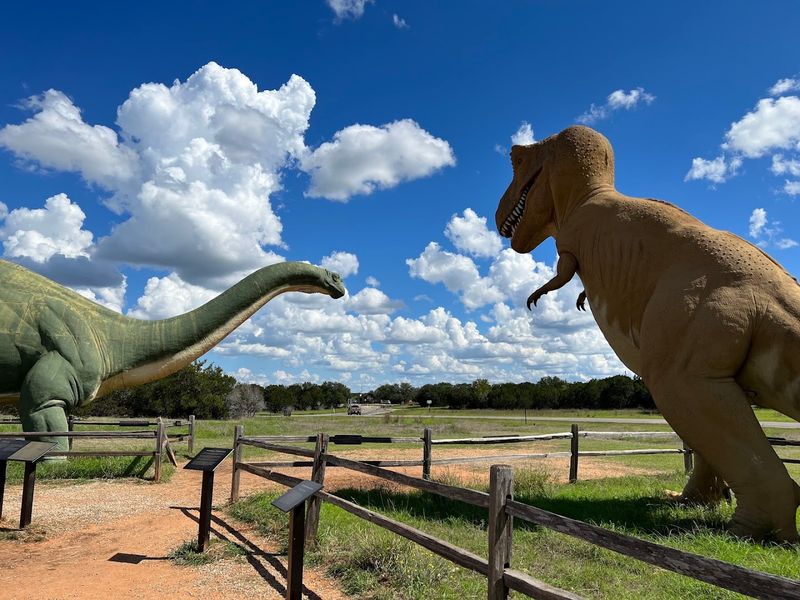
Few places in Texas carry the same sense of deep time that Dinosaur Valley does. The Paluxy River runs over flat limestone beds that hold some of the best-preserved dinosaur tracks in the world, and getting close to them feels genuinely surreal.
Sauropod and theropod prints are embedded right in the riverbed, visible during low water periods, and the scale of them is something no photograph fully captures.
The park has accessible paved and packed gravel trails connecting the main visitor center, picnic areas, and several riverbank viewpoints. The terrain near the river is relatively flat, which makes navigation manageable for most wheelchair users.
A few areas along the creek have gentle slopes, but the main accessible routes are well-maintained and clearly marked.
Beyond the famous tracks, the park is a genuinely lovely natural space. Cedar and oak woodland covers the hillsides, and the river runs clear and shallow over the pale limestone.
White-tailed deer are common, and wild turkeys occasionally wander through the picnic areas with absolutely no sense of urgency.
The visitor center has exhibits on the trackways, the animals that made them, and the geological history of the region. It is well worth spending time inside before heading to the riverbed.
Accessible restrooms and shaded picnic spots make it easy to settle in for a long, unhurried visit. Dinosaur Valley is one of those places that works for every age and every level of outdoor experience.
The tracks alone make the drive worth it, every single time.
6. Palo Pinto Mountains State Park
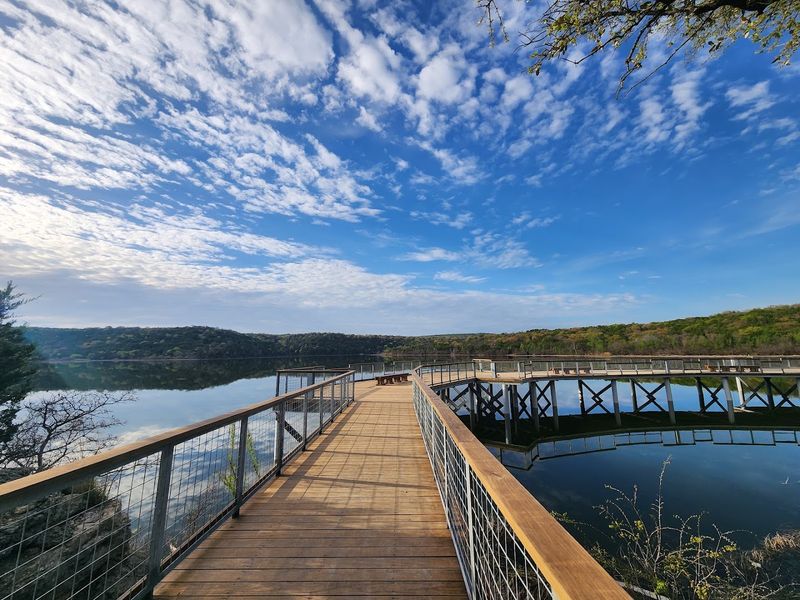
There is something quietly powerful about arriving at Palo Pinto Mountains State Park for the first time and realizing the landscape stretches out in every direction with no apology.
The Western Cross Timbers ecoregion has a personality all its own, raw and textured, with shortgrass savannas giving way to dense thickets of mesquite and pecan.
The park offers approximately 1.25 miles of accessible multiuse trails, all with inclines that stay under 8 percent. Surfaces are made from decomposed granite with a wax coating, which keeps things smooth without losing that natural, earthy look.
The Lakeside Accessible Trail is a real highlight, covering 0.15 miles along part paved and part decomposed granite path that connects the boat ramp, day-use parking, and fishing pier.
What genuinely impressed me was the loaner program for all-terrain mobility devices, including GRIT Freedom Wheelchairs and Action TrackChairs. These allow visitors to push further into the park’s 12-plus miles of additional trails.
That kind of thoughtfulness changes everything for a lot of families.
Tucker Lake sits at the heart of the park, a peaceful 90-acre stretch where only motorless crafts are allowed. The hills rise to 1,400 feet, and on a clear morning the light hits those ancient cuesta formations in a way that makes you pause.
Golden-cheeked warblers and painted buntings call from the juniper trees, and the dark skies here make for unforgettable stargazing after sunset.
Address: 100 Park Road 77, Strawn, Texas
7. Estero Llano Grande State Park
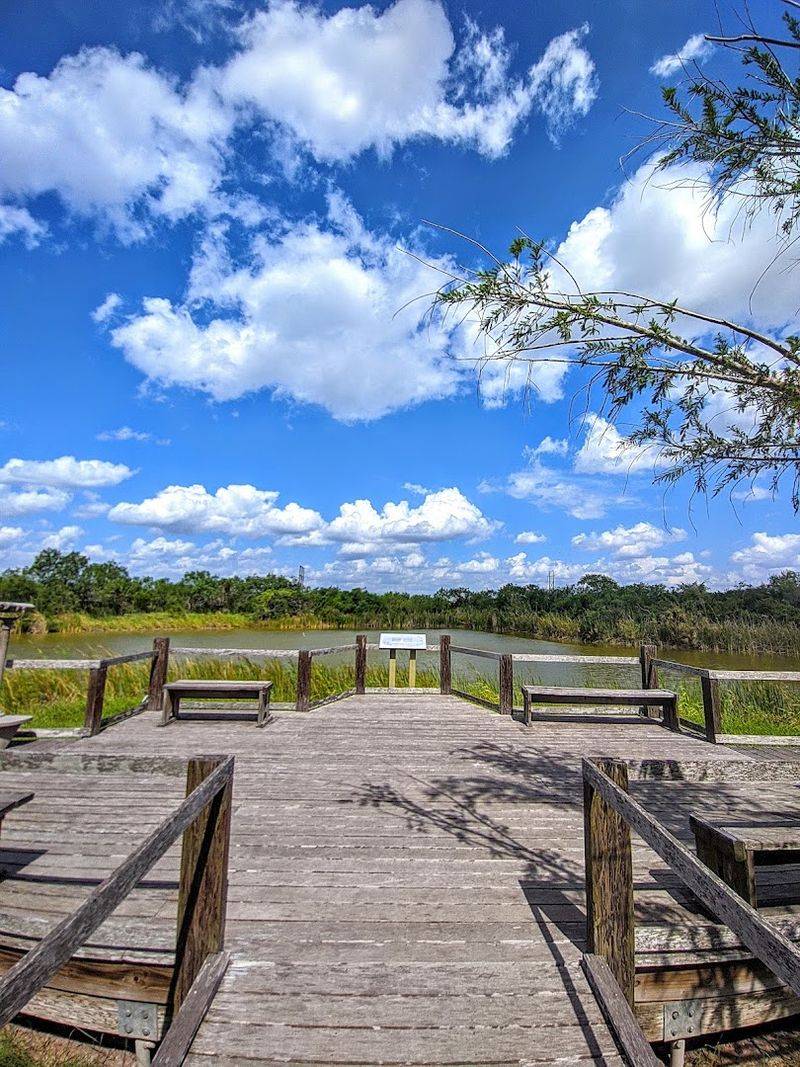
Estero Llano Grande is one of those places that makes you reconsider everything you thought you knew about birdwatching.
Located in the heart of the Rio Grande Valley, this small but extraordinary park sits along one of the most important bird migration corridors in North America, and the variety of species passing through on any given day is simply staggering.
The park’s accessible trail system is among the best in South Texas. Paved paths and boardwalks wind around the central lake and through native brush habitat, with rest areas and benches positioned at regular intervals.
The boardwalk section over the shallow wetland is particularly well-designed, offering close-up views of wading birds without disturbing their feeding patterns.
Green kingfishers, ringed kingfishers, least grebes, and black-bellied whistling ducks are just a few of the species I spotted on a single morning visit. The park regularly records over 300 bird species annually, and rare sightings attract birders from across the country.
It has a quiet but dedicated community energy that makes conversations with fellow visitors genuinely interesting.
The visitor center is accessible and staffed by knowledgeable park guides who can point you toward recent sightings. Accessible restrooms and shaded viewing platforms add to the comfort.
The surrounding citrus groves and subtropical brush give the park a lush, almost tropical feel that feels nothing like the rest of Texas.
Mornings here are magical. The light comes up golden over the water, and the birds are already busy.
Arrive early and stay as long as you can.
Address: 3301 S International Boulevard, Weslaco, Texas
8. Hueco Tanks State Park
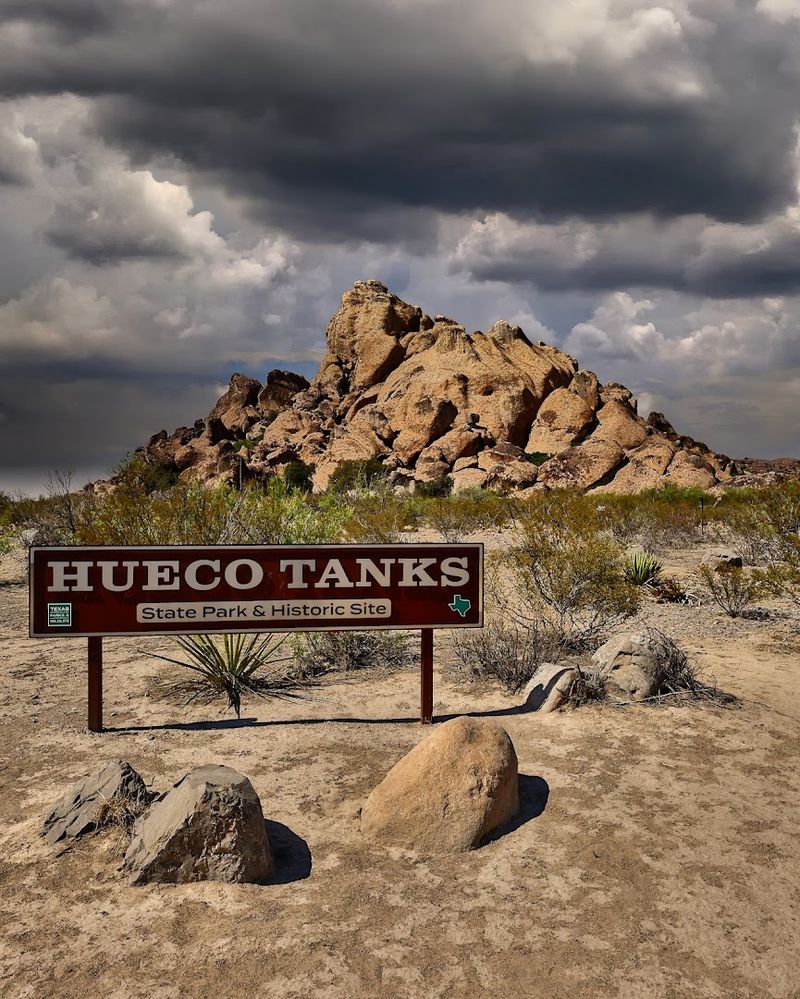
Hueco Tanks sits in the Chihuahuan Desert east of El Paso, and nothing quite prepares you for the visual drama of it.
Enormous volcanic rock formations rise from the flat desert floor, their surfaces pitted with natural basins called huecos that collect rainwater and have sustained life in this arid landscape for thousands of years.
The place feels ancient in a way that is hard to articulate.
The park has accessible paved pathways near the visitor center and day-use areas, offering views of the rock formations without requiring visitors to navigate the rougher terrain. The surrounding desert landscape is vivid and alive with native plants including ocotillo, lechuguilla, and desert willow.
Even from the accessible routes, the scale and texture of the rocks are deeply impressive.
Hueco Tanks is also one of the most significant rock art sites in North America. The park contains over 3,000 pictographs painted by indigenous peoples across multiple cultures spanning thousands of years.
Guided tours are available that bring visitors close to some of these images, and several tour routes include accessible sections.
Wildlife sightings are a genuine bonus here. Scaled quail, cactus wrens, and rock wrens move along the base of the formations, and mule deer are occasionally spotted near the water-collecting basins at dawn.
The park limits daily visitors to protect its resources, so reservations are essential.
There is a meditative quality to spending time at Hueco Tanks. The desert quiet is deep, and the history embedded in the rock faces gives the whole visit a weight that lingers.
Address: 6900 Hueco Tanks Road 1, El Paso, Texas
9. Big Bend National Park
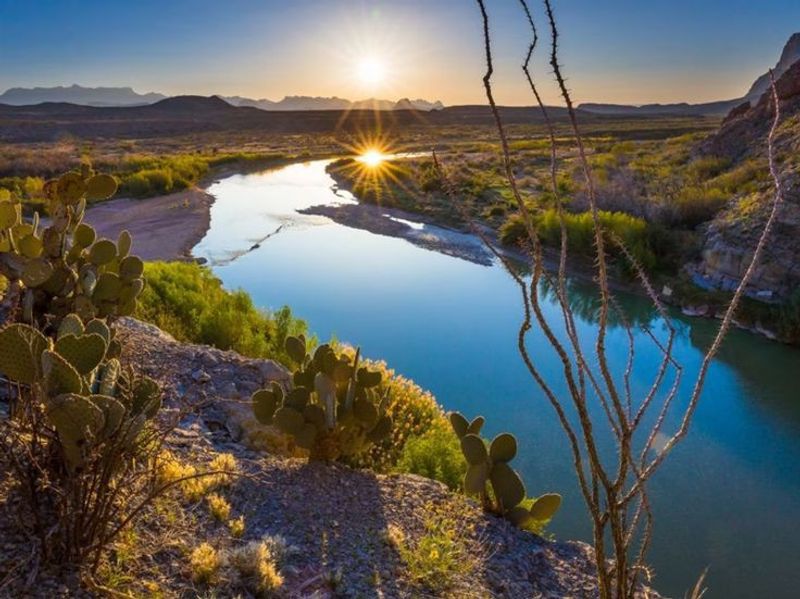
Big Bend is the kind of place that resets your sense of scale. The Chisos Mountains rise sharply from the desert floor, the Rio Grande cuts a winding path through canyon walls hundreds of feet high, and the sky overhead seems wider than anywhere else in the country.
It is dramatic, yes, but also surprisingly peaceful once you settle into its rhythm.
Several accessible paved and hardpacked trails are available throughout the park. The Rio Grande Village Nature Trail has an accessible boardwalk section that passes through cottonwood and willow forest along the river, offering excellent birding and quiet riverside views.
The Panther Junction Visitor Center area also features accessible paths and exhibits covering the park’s geology and ecology.
The Chisos Basin area, while at higher elevation, has accessible viewing areas and a visitor center with exhibits on the mountain ecosystem. Colima warblers, found in the United States only in Big Bend, nest in the basin woodland and are a major draw for birders willing to make the drive up.
Even from the parking areas, the views across the basin are extraordinary.
Accessible restrooms and picnic areas are available at multiple locations throughout the park, including Rio Grande Village, Chisos Basin, and Castolon. The park’s sheer size means you can visit multiple accessible sites in a single day without retracing your steps.
Big Bend rewards slow travel. Stop often, look carefully, and let the desert show you what it wants to.
There is always more going on than first appears.
Address: 1 Panther Junction, Big Bend National Park, Texas
10. Bentsen-Rio Grande Valley State Park
Bentsen-Rio Grande Valley State Park has earned a near-legendary status among birders, and spending even a few hours here makes it easy to understand why.
The park sits within the Lower Rio Grande Valley National Wildlife Refuge, and the density of rare and tropical bird species passing through is unlike anywhere else in the continental United States.
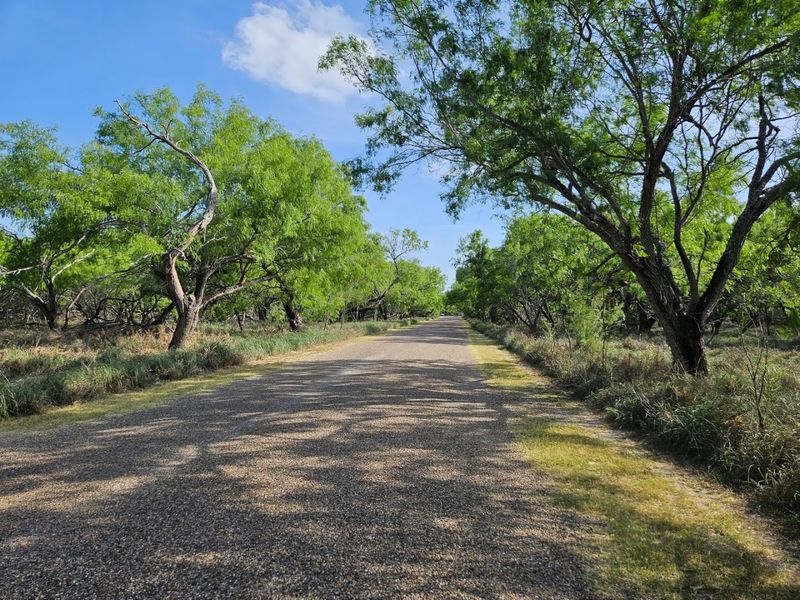
The entire park is navigated by a paved tram road that doubles as an accessible trail, running through native brush habitat to hawk watch towers, feeding stations, and resaca overlooks.
The flat, smooth surface makes the whole park genuinely accessible, and the tram itself is available for those who prefer not to travel the full distance on their own.
Feeding stations near the visitor center attract species like green jays, plain chachalacas, and altamira orioles with reliable regularity.
Hawk watch towers are positioned along the tram road and offer elevated, accessible viewing platforms. During migration, the skies above Bentsen can fill with broad-winged hawks, Swainson’s hawks, and Mississippi kites in numbers that feel impossible.
I stood on the platform one autumn morning and counted dozens of raptors circling in a single thermal. It was one of those moments that makes you glad you made the drive.
The park’s resacas, which are oxbow lakes formed from old river channels, support a rich aquatic ecosystem and provide habitat for black-bellied whistling ducks, neotropic cormorants, and the occasional ringed kingfisher.
Accessible restrooms and a well-stocked visitor center complete the experience.
Address: 2800 S Bentsen Palm Drive, Mission, Texas
