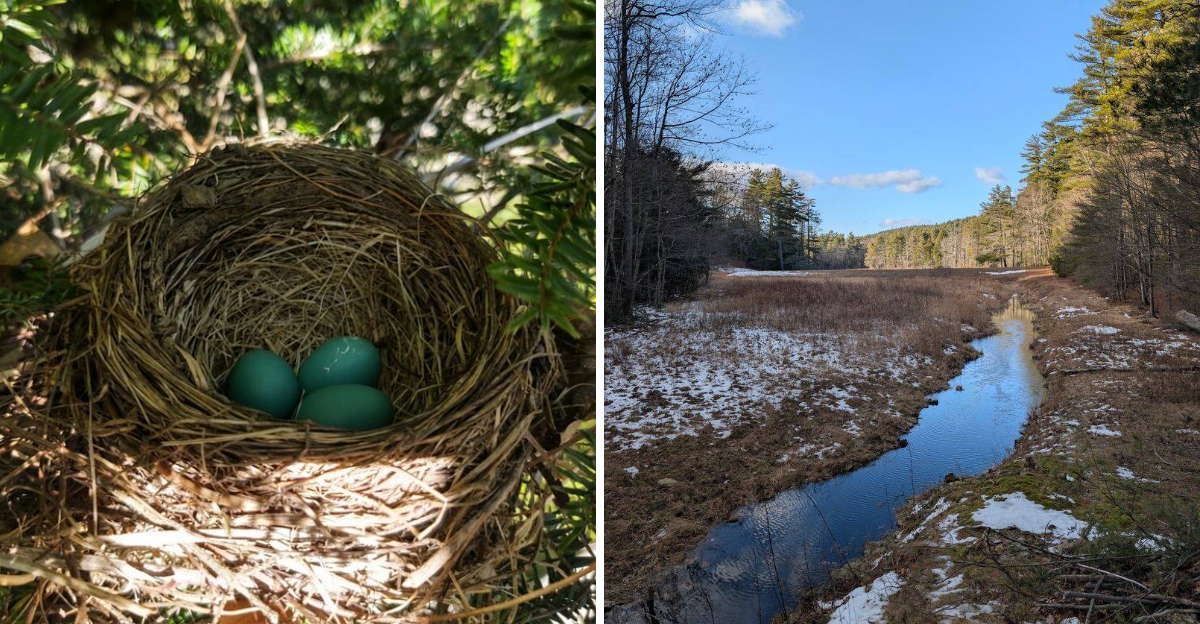
The forest stretches out as far as you can see, and the trails wind through the trees like hidden pathways. This 1,500 acre wilderness in New Hampshire hides five miles of beautiful trails, waiting to be explored.
The land is quiet and peaceful, far from the noise of the main roads. The trails are well maintained and easy to follow, leading you through forests and past small ponds.
I spent a day hiking there and barely saw another person. The birds were singing and the light was dappled.
That is the thing about this New Hampshire wilderness. It is a place where you can escape the crowds and find a moment of quiet.
Four Towns, One Enormous Green Playground
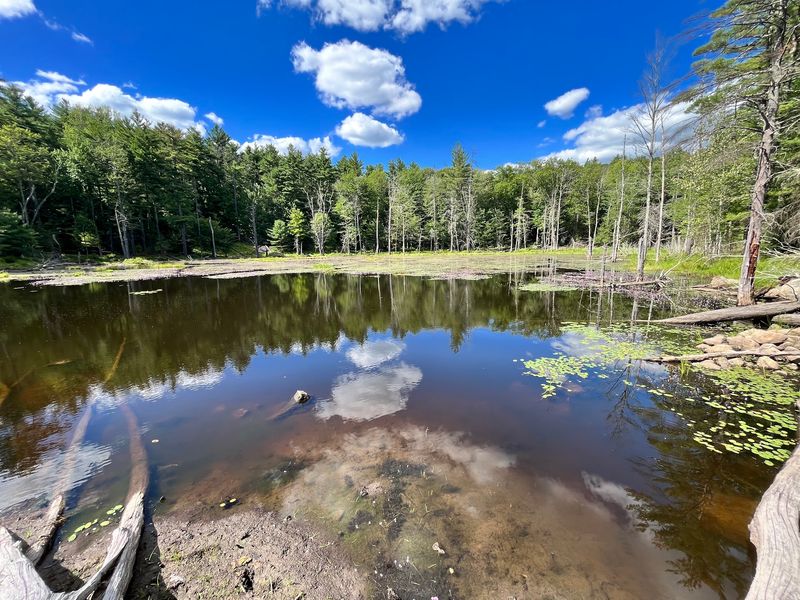
Nearly 1,500 acres is a lot of forest to wrap your head around. Stretch that across Wilton, Temple, Greenville and Mason, and you get a conservation property that quietly refuses to stay inside one town line.
I walked in expecting a modest patch of woods. What greeted me instead was a sprawling landscape of thick hardwoods, hushed pine stands, brushy old fields, and wetlands humming with life.
The Heald Tract is protected by the Forest Society, and the sheer scale means the crowds simply dissolve. Ten minutes down any path, the only soundtrack is wind moving through branches.
Sunlight does something wonderful here. It filters down in shifting patches, lighting up ferns one moment and vanishing the next as clouds drift over the ridgeline.
Old apple trees still stand in the clearings, leftovers from orchards that once fed families in this corner of New Hampshire. Nature has been slowly reclaiming them, and the effect is oddly beautiful.
What struck me most was the variety packed into one property. Few places let you cross wetland, hilltop and meadow without ever leaving the same protected tract.
Stone Walls That Remember The 1700s
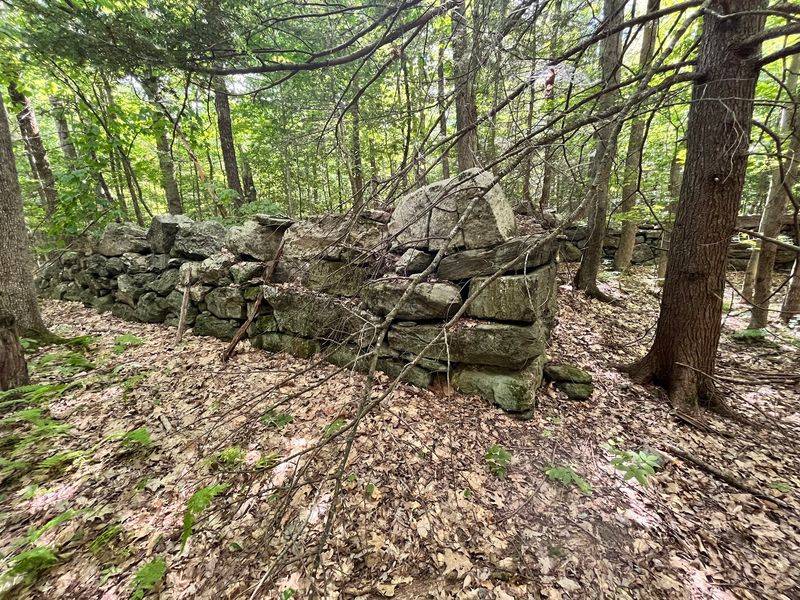
Rocks do not talk, but these ones come awfully close. Winding through the woods are old stone walls, stacked by hand long before anyone thought of this land as a hiking destination.
The early Greely family farms occupied these hillsides back in the 1700s. Their fields are forest now, yet the boundary lines they built still march straight through the trees.
Some walls stand tall enough to lean on. Others have collapsed into low green ridges, softened by moss and swallowed by leaf litter, easy to miss if you hike with your head up.
Cellar holes appear too, shallow rectangular dips in the earth where houses once stood. I stopped at one and simply looked, imagining winters spent in that exact square of ground.
The Heald family later carried the stewardship forward, eventually donating this acreage to the Forest Society so the whole story stayed intact.
History in New Hampshire tends to live in white steepled towns and museum plaques. Out here, it lives in rock, roots and silence, which honestly feels far more convincing.
Heald Pond Puts On A Reflection Show
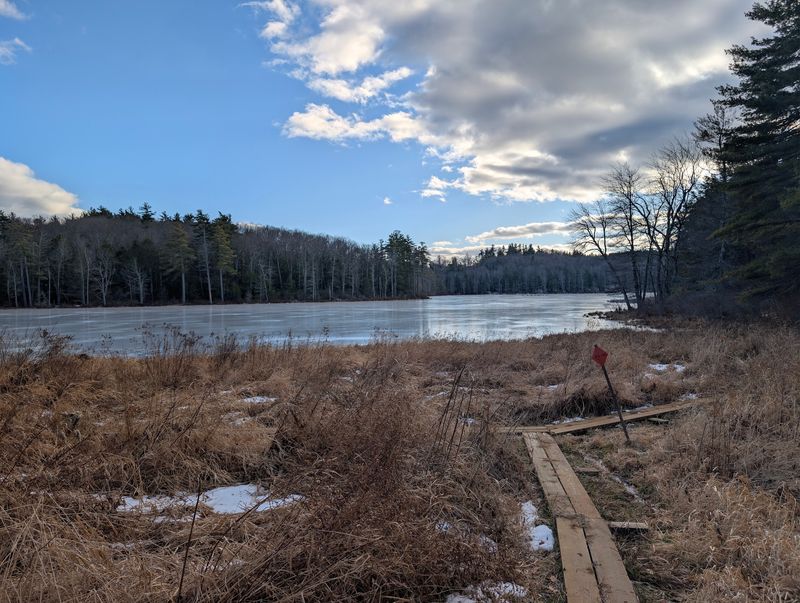
Still water is a magician. On a windless morning, Heald Pond flips the entire sky upside down and hands it back to you, clouds and all.
The pond doubles as King Brook Reservoir, built for flood control, though you would never guess it from the shoreline. Reeds crowd the edges and the whole basin looks thoroughly, happily wild.
I circled part of the shore slowly, stopping wherever the trees opened up. Each gap framed a slightly different composition, which made the walk take twice as long as planned.
Late summer brings the real spectacle. Water lilies blanket the surface in a sprawling green and white carpet that stops you mid stride.
Boating is not permitted here, and honestly that restriction is a gift. Nothing disturbs the surface except a breeze or the occasional heron making its landing.
Benches are not part of the deal, so I flopped onto a flat rock and stayed longer than intended. Time behaves strangely beside quiet water in this part of New Hampshire.
Bring a camera. The pond deserves better than a rushed phone snapshot.
Castor Pond And The Beaver Engineering Marvel
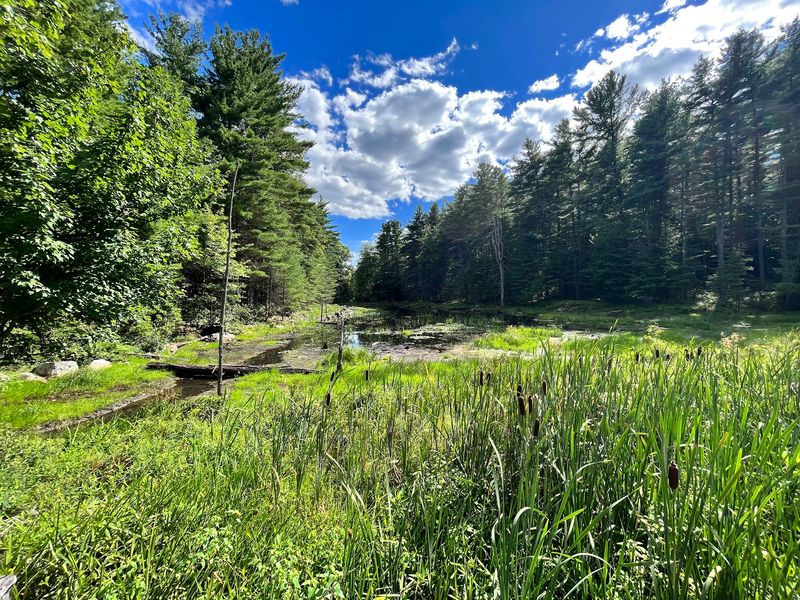
Seventy five feet wide. Seven feet tall.
Built entirely by animals with no blueprints, no permits, and no complaints about the weather.
The beaver dam at Castor Pond genuinely stopped me in my tracks. Standing beside that wall of woven sticks and packed mud, I felt a strange urge to applaud.
Floods have knocked it back more than once. The resident beavers simply rebuilt, which is the kind of stubbornness I can respect.
Behind the dam sits a wide, glassy pond studded with silvery dead trees, the classic look of a beaver flowage. Herons love it.
So do dragonflies, in absurd numbers.
Reaching this spot takes a bit of effort along the Castor Pond Loop, and the payoff feels earned rather than handed over.
Chewed stumps line the approach, each one whittled to a neat point. Following that trail of evidence is half the fun.
Of everything the Heald Tract offers, this is the feature I describe first when someone asks what makes the place worth the drive across New Hampshire.
Wildlife Sightings Around Every Bend

An otter family tumbling through the water near Camp Pond is not something you forget. They rolled, dove and resurfaced like the pond belonged to them, which, fair enough, it does.
Black bear, white-tailed deer and moose all move through this habitat. Sightings are never guaranteed, though tracks in soft mud tell plenty of stories.
Bird activity stays constant. Great blue herons stalk the shallows with ridiculous patience, belted kingfishers rattle past overhead, and warblers flicker through the canopy in spring.
Down low, the cast changes. Turtles line up on half sunken logs, salamanders hide beneath damp leaves, and the occasional hare bolts across the path.
My best advice is simple. Walk slower than feels natural, stop often, and let your ears do the work your eyes cannot.
Early morning delivers the most action, before heat settles in and the forest goes quiet.
Biodiversity like this is exactly why the Heald Tract matters beyond recreation. Protected acreage gives animals room to actually live, not just pass through on their way somewhere safer.
Heald Pond Trail Keeps Things Easy
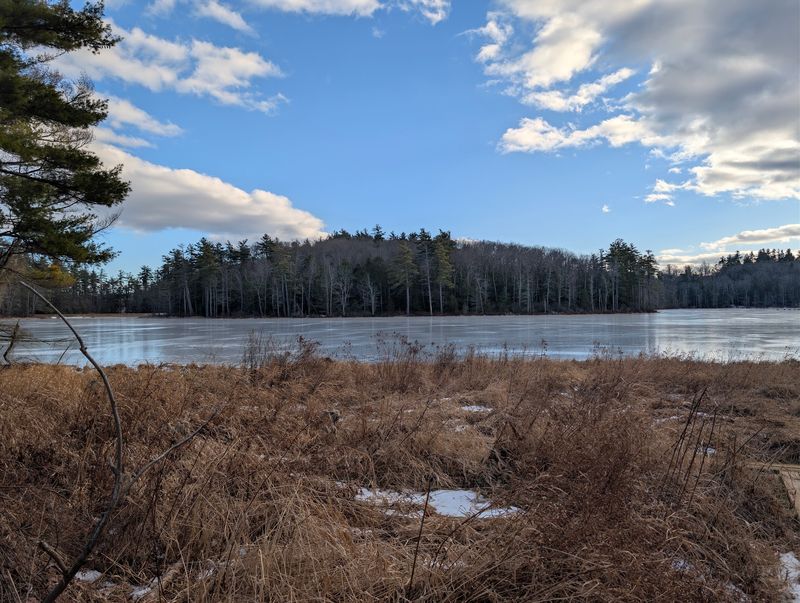
Not every hike needs to punish your legs. The Heald Pond Trail proves that beautifully, rolling gently along the shoreline with yellow blazes guiding the way.
Roots and rocks appear now and then, but nothing here demands trekking poles or a pep talk. Families handle it comfortably.
Wet patches are part of the deal. Wooden bog bridges and well placed stones carry you across, though anything with paws will finish the walk muddy and thrilled about it.
Pairing the yellow trail with the orange one creates a tidy loop. Mine took about an hour including plenty of stops to stare at things.
Waterproof footwear changes the experience entirely. Sneakers work in dry spells, then betray you the second spring runoff arrives.
Shade covers most of the route, which makes summer afternoons surprisingly pleasant even when the rest of New Hampshire is baking.
Newcomers to the Heald Tract should absolutely start here. Low effort, high reward, and enough pond views to justify a leisurely pace and a snack break halfway around.
Camp Trail And Fisk Hill Raise The Difficulty
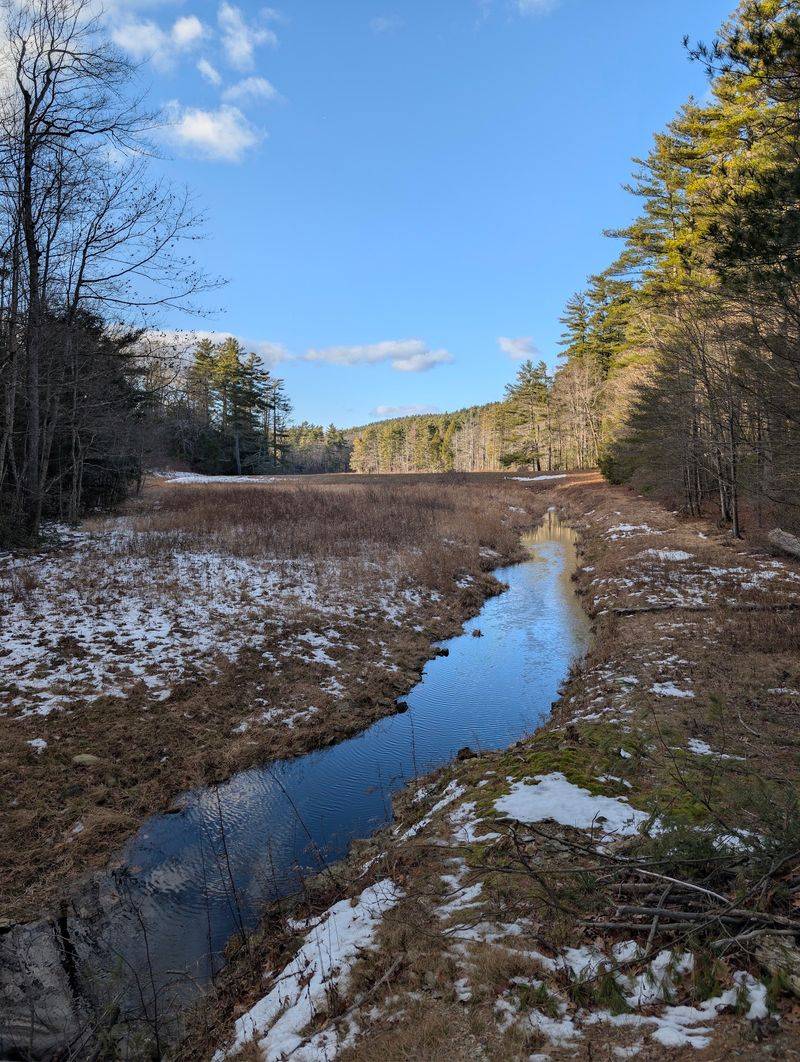
Ready for something with a bit more bite? The Camp Trail and Castor Pond Loop stretch into a moderately strenuous four mile outing that leads straight to that famous beaver dam.
Terrain shifts constantly. One stretch runs flat through pine duff, the next climbs over exposed ledge and root tangles.
Fisk Hill Trail is the steep one. It traces the Wilton and Temple town line, gaining elevation quickly enough to make your calves file a formal complaint.
Views from the higher ground make the climb worthwhile, especially once autumn strips back some of the leaf cover.
A timber harvest is running near the Camp Trail and Castor Pond Loop through summer 2026. Trails stay open, though extra awareness around equipment and skid roads is smart.
Working forests are part of how conservation land pays its way in New Hampshire, so the activity is less an intrusion and more a living lesson.
Water, a map and honest footwear matter on these routes. The Heald Tract rewards preparation and gently humbles anyone who shows up casual.
Every Season Brings A Different Personality
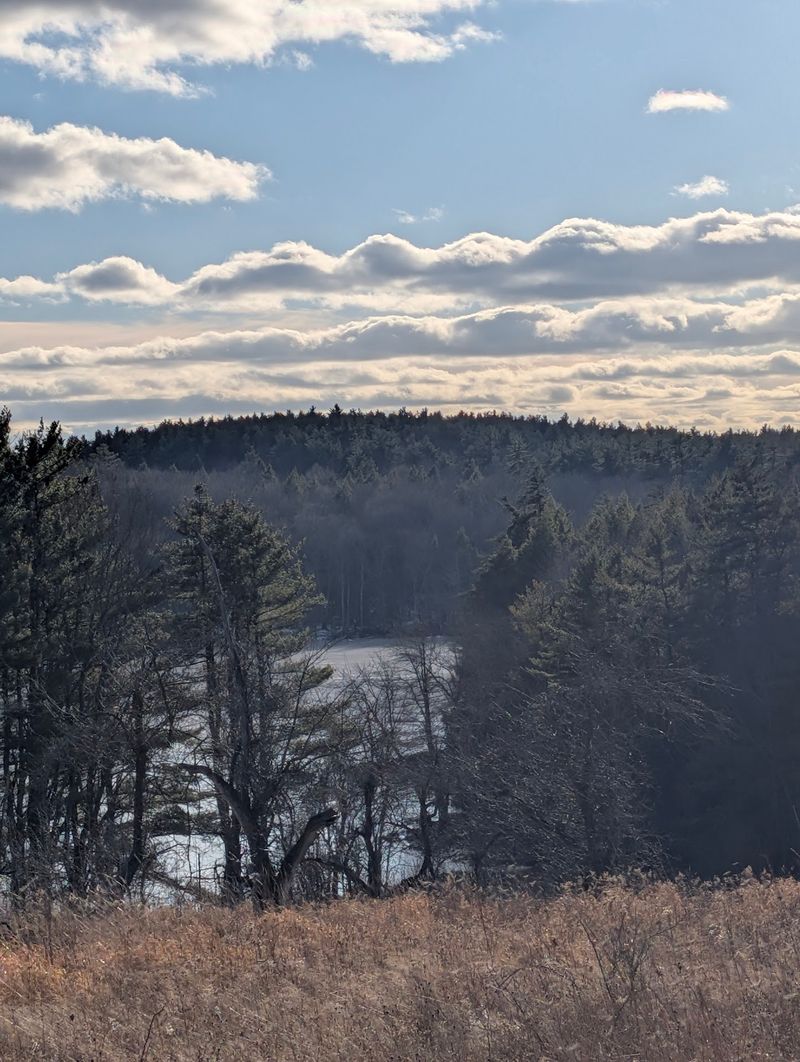
Spring arrives loud. Wildflowers push through last year’s leaves, brooks run fast, and the whole forest smells like wet earth waking up.
Early summer belongs to mountain laurel. Pink and white blossoms explode across entire hillsides, turning ordinary trail corners into something worth photographing twice.
By late summer, King Brook Reservoir disappears under blooming water lilies. Green pads and pale flowers cover the surface so completely the water plays hide and seek.
Autumn needs no introduction in this state. Maples and birches set the canopy on fire, and even the muddiest path looks glamorous under fallen color.
Winter strips everything back to bone and structure. Snowshoeing and cross-country skiing work well, though deep snowfall can make access unpredictable.
Bare branches also reveal things summer hides, including stone walls and cellar holes that vanish behind foliage the rest of the year.
Returning to the Heald Tract across different months feels like visiting four separate properties. That variety is exactly why I keep coming back to this pocket of New Hampshire instead of chasing somewhere new.
Ground Rules That Keep It Pristine
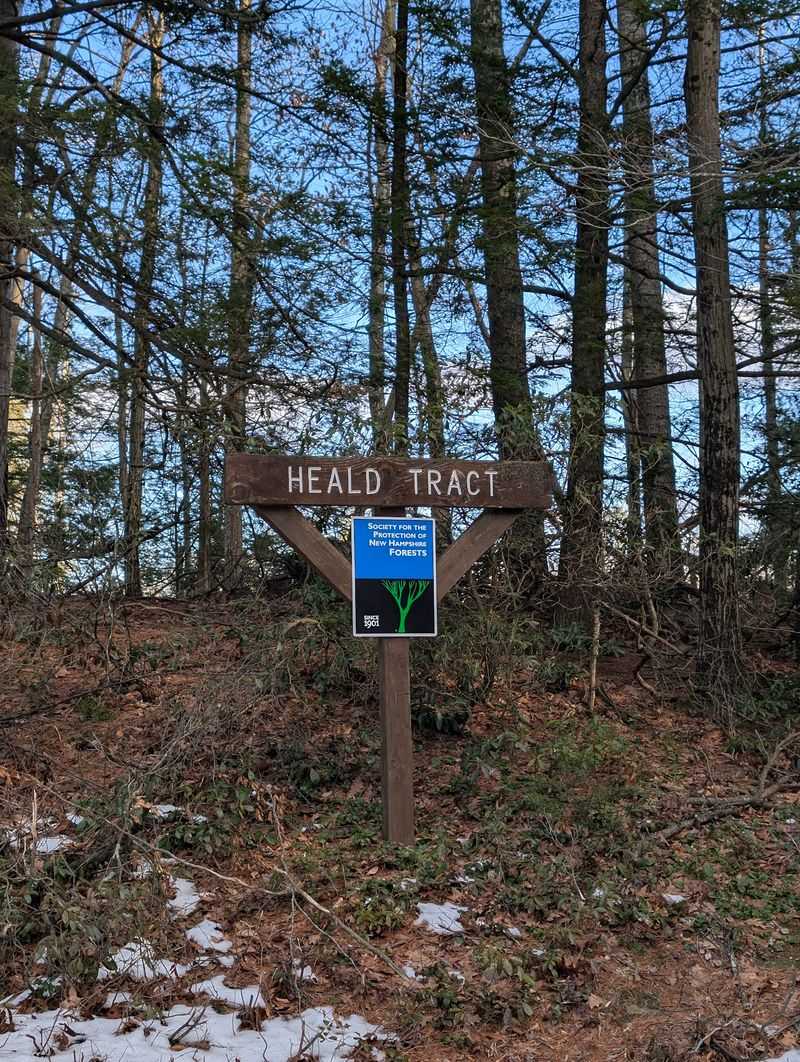
Beautiful places stay beautiful because somebody bothers to follow the rules. Here, the list is short and completely reasonable.
Carry out everything you carry in. That includes dog waste, which has an unfortunate habit of being bagged and then abandoned trailside like a forgotten souvenir.
Fires and camping are not allowed. Boating on Heald Pond is off the table as well, which helps keep the water undisturbed and the wildlife relaxed.
Dogs are welcome on leash, and mine had the time of his life sniffing every stump within reach.
Hiking, picnicking, snowshoeing, birdwatching, plus fishing and hunting in season all fit within the property’s allowed uses. Wearing bright colors during hunting months is a sensible move.
Parking is genuinely limited, so weekday mornings beat crowded weekend afternoons by a wide margin.
Cell service can get patchy once you drop into the lower trails. Screenshot a map before setting off.
Treating the Heald Tract with a light touch costs nothing and keeps this stretch of New Hampshire wilderness worth protecting for whoever wanders in next.
Directions, Parking And Your Next Move
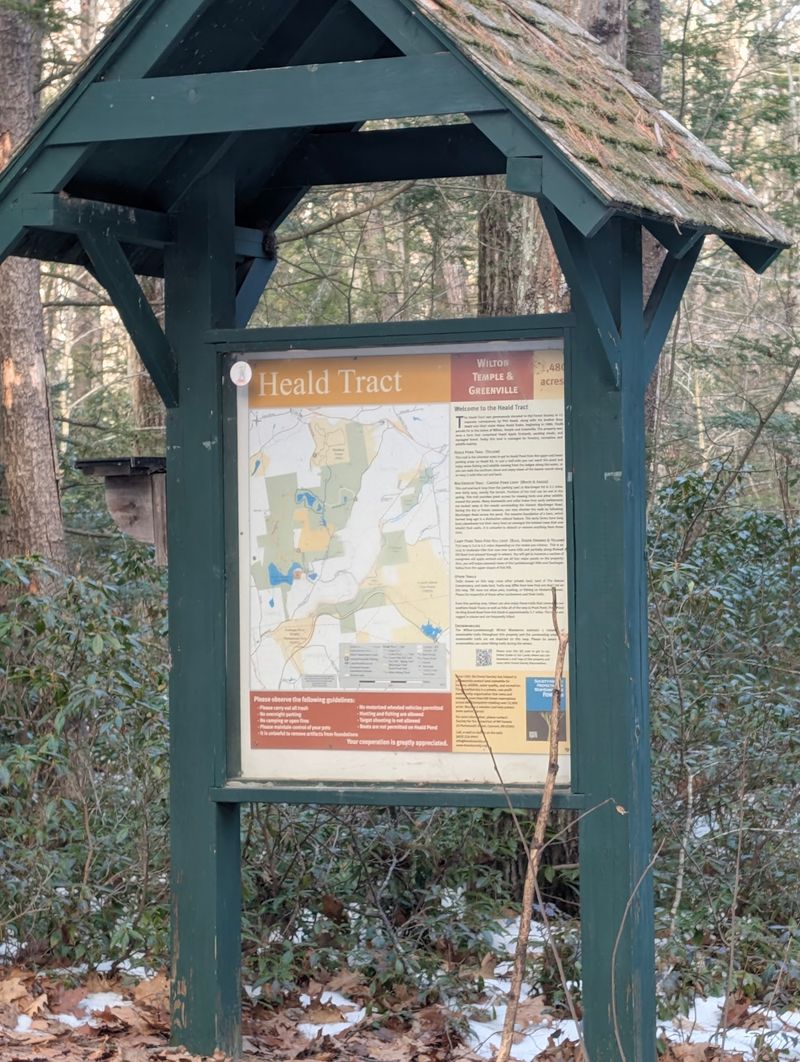
Getting here is easier than the remote atmosphere suggests. Access comes off Route 101 in Wilton, then quickly trades pavement for quiet country road.
For the McGregor Road parking area, exit Route 101 onto Russell Hill Road and continue roughly 1.3 miles until a pull-off appears on the right.
Prefer the larger option? Stay on Russell Hill Road as it becomes Kimball Hill for about 1.6 miles, then turn right onto Heald Road.
Two parking areas sit along Heald Road, one at 0.2 miles and another at 0.6 miles. Neither is large, so arriving early pays off.
The trailhead sits between those two lots on the left side of the road, which is worth knowing before you circle twice like I did.
Address for your map app: Heald Tract Trailhead, 276-2 Kimball Hill Rd, Wilton, NH 03086.
So here is my challenge. Skip the crowded summit this weekend, point your car toward the Heald Tract, and find out whether quiet New Hampshire wilderness beats the famous stuff.
Boots on. Go.
