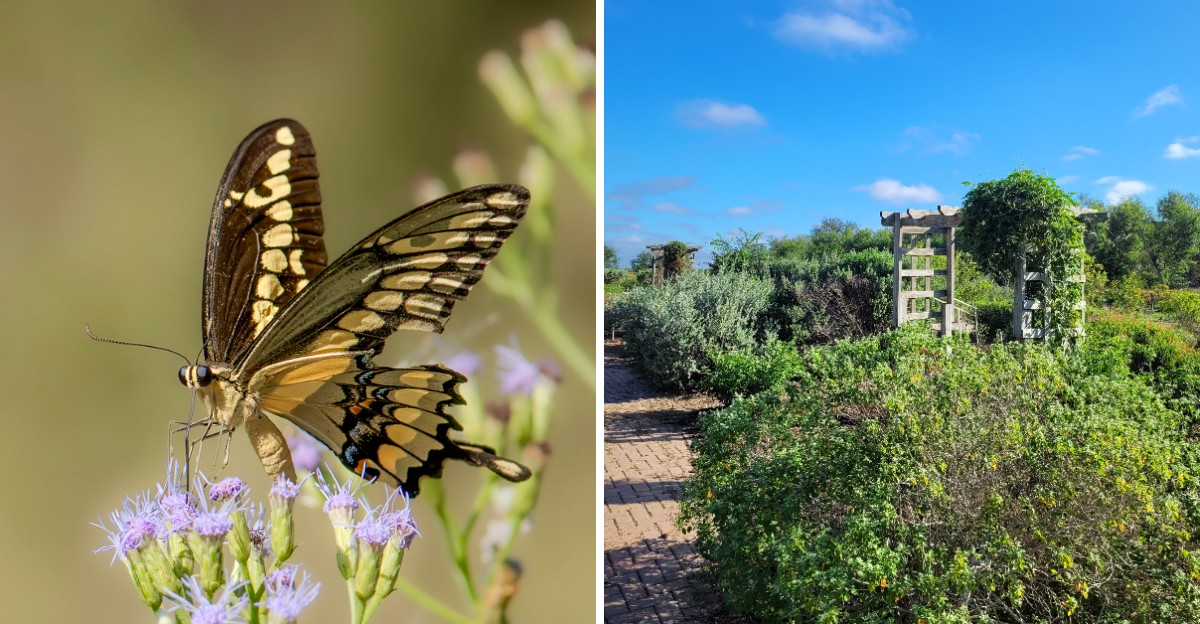
Nobody releases butterflies for visitors here. They arrive on their own, drawn to native flowers across a restored Texas landscape.
More than 240 species have been recorded on the property, including some rarely spotted elsewhere in the United States.
The sanctuary covers 100 acres, but it began as an onion field. Now garden paths and earthen trails wind through native plants, with birdwatching opportunities and a nursery devoted to local species.
There’s no promise of a butterfly show at any particular hour. Rainfall, temperature, and the season decide what appears.
That unpredictability is what appeals to me. I would rather spot one unfamiliar butterfly in the wild than watch dozens flutter around an enclosure.
You can follow the paths slowly, notice movement among the leaves, and discover that the next colorful visitor might be something truly unusual.
Every Butterfly Here Is Wild, So No Two Visits Match
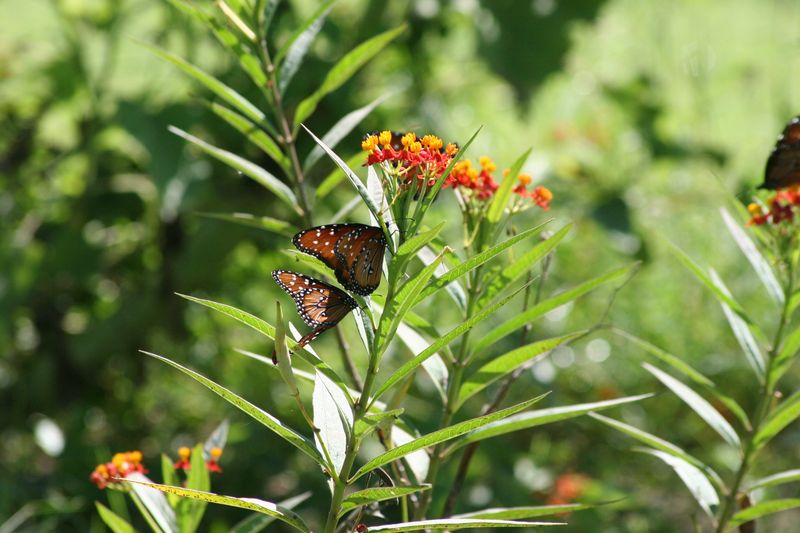
Forget glass domes and misting machines. The National Butterfly Center in Mission is a true nature preserve, and every butterfly on the grounds is wild and free-flying.
That one detail changes the whole experience. Nobody releases butterflies here for a show, so the cast changes with the weather, the season, and the rainfall.
The center serves as the flagship facility of the North American Butterfly Association. The group itself was founded in 1993, and the center followed in 2002 under founder Jeffrey Glassberg.
Their goal is simple but big. Restore native habitat, feed the butterflies naturally, and teach people why biodiversity matters.
I love the honesty of that approach. You aren’t guaranteed a specific butterfly, which makes every sighting feel earned rather than staged.
A swallowtail drifting past a flower bed means something here. It chose that flower, on that day, while you happened to be standing nearby.
Think of it as a living treasure hunt with wings. Bring patience, move slowly, and let your eyes adjust to small motions in the leaves.
Kids especially enjoy the surprise factor. Grown-ups usually do too, once they stop checking their phones long enough to notice.
Some of These Butterflies Barely Exist Anywhere Else in the U.S.
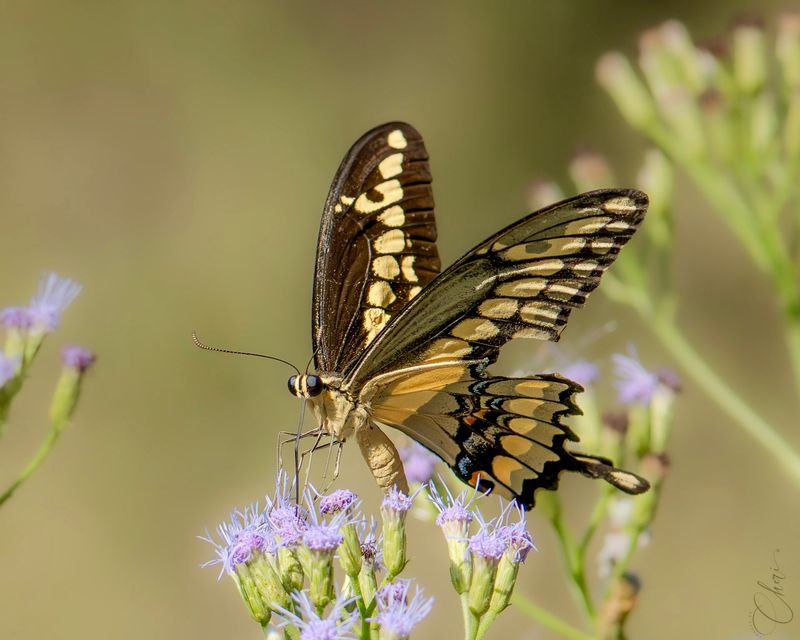
Here’s a number worth repeating at dinner. The Lower Rio Grande Valley holds nearly 40 percent of the more than 700 butterfly species found in the United States.
Nearly 150 of those species can only be seen in this part of Texas or by traveling into Mexico. That makes this valley a sort of front porch for tropical butterflies.
The center sits right in the middle of that action. With more than 240 species recorded on its grounds, it’s known as the most diverse butterfly sanctuary in the country.
For butterfly fans, that’s a bucket-list claim. For everyone else, it’s a chance to see colors and patterns that don’t flutter through ordinary backyards.
A beginner doesn’t need to know names to enjoy this. Just notice size, color, and how each butterfly flies, since some flap lazily while others zip around like they’re late.
Want to level up? Grab a field guide in the gift shop and try matching what you see.
Snapping photos helps too. You can identify tricky ones later without chasing them across a garden bed.
Even a short list of names feels like an accomplishment. Ten species in one afternoon makes a pretty great brag.
Old Onion Fields Got a Glow-Up Worth Bragging About
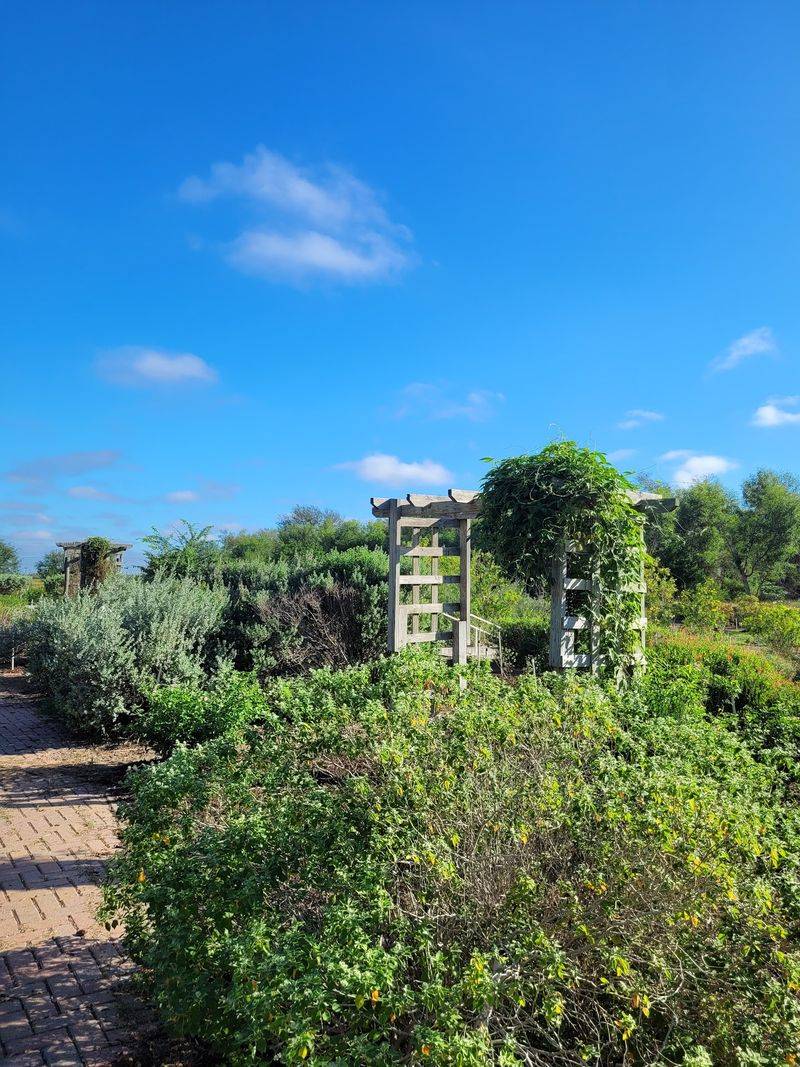
Not long ago, this ground grew commercial onions. Today it spreads across 100 acres of cultivated gardens and natural habitat built around native plants and their pollinators.
That transformation is the quiet star of the property. It works as a living botanical garden, focused on growing the plants that local butterflies truly need.
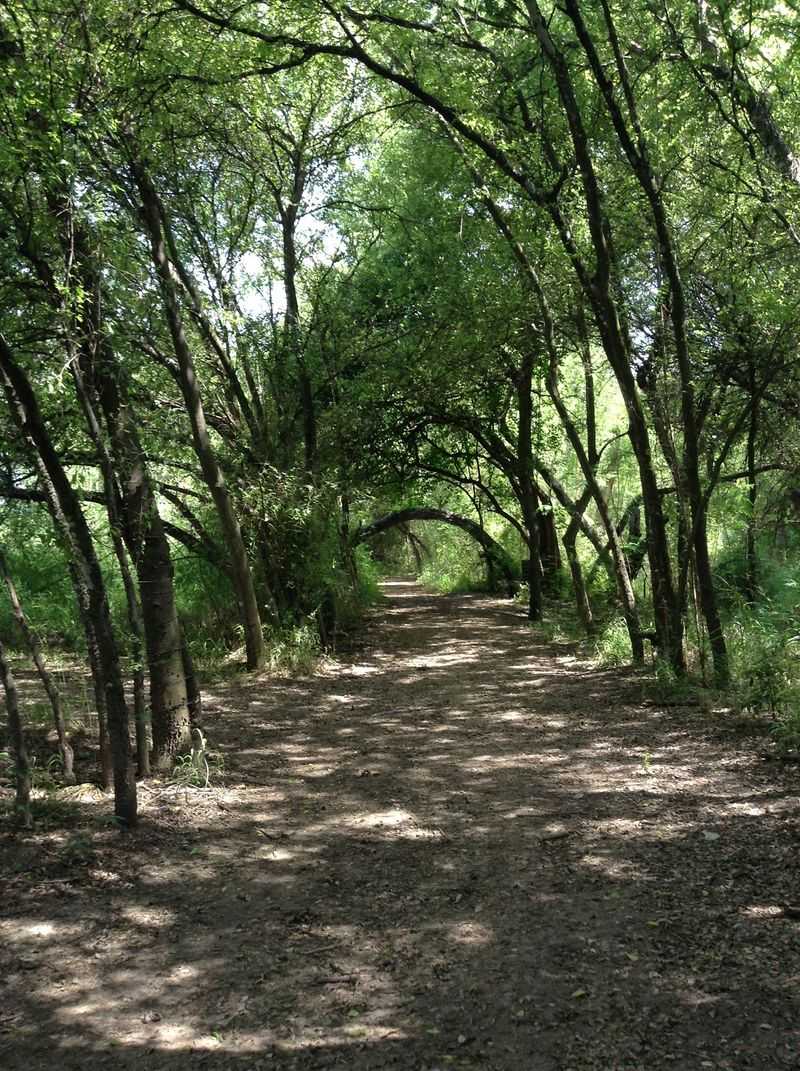
Earthen trails wind through the gardens and wilder brush. Some stretches are sunny and open, while others sit under the shade of trees.
The paths are mostly flat, with benches placed along the way. That makes it easy to pause, sit, and watch which flowers get the most traffic.
I think the restoration story makes every step more meaningful. You’re walking on proof that damaged land can bounce back when people plant the right things.
Native plants are the real secret ingredient. Butterflies depend on certain plants for nectar, and their caterpillars often need very specific host plants to grow.
So a garden here isn’t just pretty. It’s a carefully stocked buffet and nursery rolled into one.
Walk it slowly and read the signs. You’ll leave understanding why a weedy-looking shrub might be a butterfly’s favorite restaurant.
Green Jays, Chachalacas, and a Tortoise Named Spike Steal Scenes
Butterflies get top billing, but the supporting cast is loud and colorful. Green jays flash bright green and blue, and chachalacas announce themselves with famously noisy calls.
Eastern screech owls have even been spotted napping in hackberry trees. Spotting one feels like winning a tiny, feathery lottery.
The native plants feed far more than butterflies. Dragonflies, armadillos, coyotes, bobcats, and tortoises all make their home on the preserve.
Birders have plenty to love here. The grounds include bird feeding areas and bird blinds, which let you watch without spooking anyone.
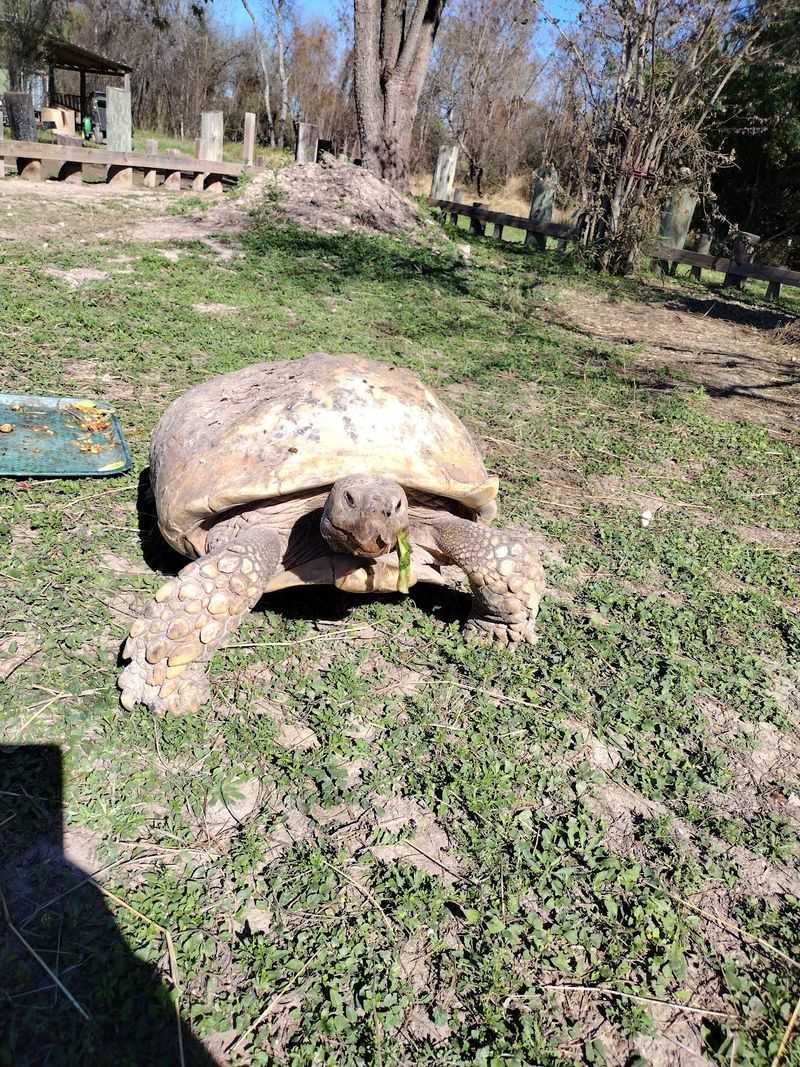
Then there’s Spike. He’s the center’s well-known tortoise, and he has a celebrity status that most reptiles can only dream about.
Families often treat finding him as a mission of its own. Slow and steady, he still manages to win plenty of hearts.
Cold or cloudy days can quiet the butterflies. Birds don’t seem to mind as much, so a gray morning can still be a busy one.
Bring binoculars if you own a pair. A bobcat sighting isn’t promised, but keeping your eyes open never hurts.
A Sleek Concrete Pavilion Greets You at the Door
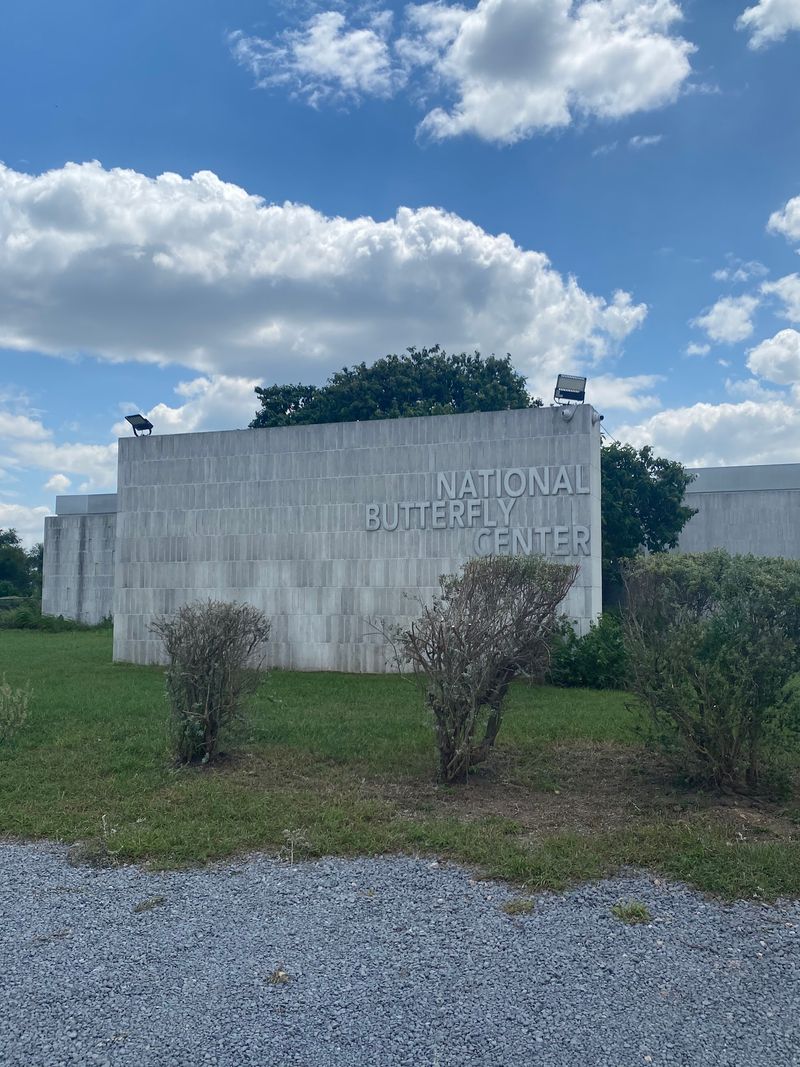
Modern architecture isn’t what most folks expect at a butterfly preserve. Yet the Visitor’s Pavilion, completed in 2010, is a contemporary concrete building designed by architect Wendy Evans Joseph.
Its clean lines make a neat contrast with the wild gardens outside. Nature looks even livelier next to all that calm gray.
Inside, display cases share information about the native wildlife of South Texas. Think of it as a quick briefing before heading into the field.
There’s also an area where kids can learn about local critters. Little ones get a head start on spotting things outdoors.
Restrooms are located here too. That’s a handy fact when you plan to wander the trails for a few hours.
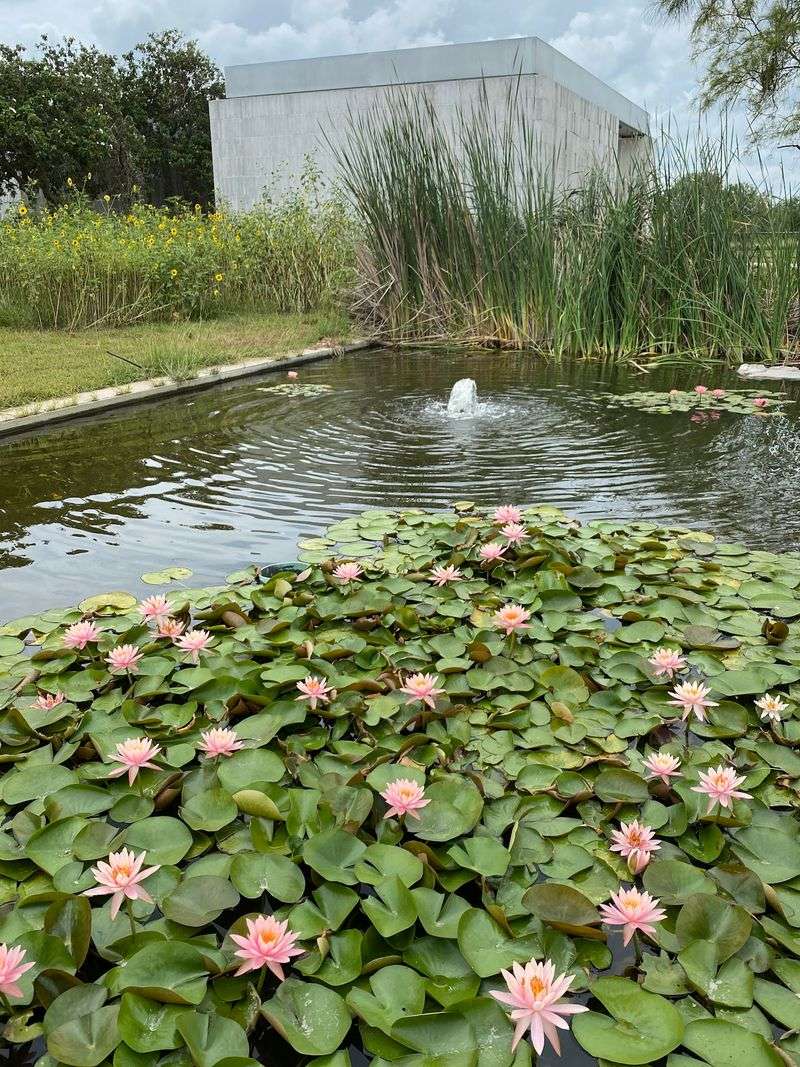
Just outside, a pond with water lilies adds a peaceful touch. It’s a lovely spot to linger before or after exploring.
Stop by the front desk with questions. Staff can point you toward maps and share what’s been active lately.
That small chat can shape your whole day. Knowing where the action is beats wandering blindly under a hot sun.
Take a Few Butterfly Favorites Home From the Nursery
Souvenirs usually end up in a drawer. At the National Butterfly Center, the best ones might end up in your yard, attracting butterflies of their own.
The Native Plant Nursery helps you learn which plants attract butterflies and other local wildlife. Many plants you admire on the trails can also be found here.
That’s a pretty smart setup. You see a plant working in real life, then take one home to try the same magic.
Before buying, think about your own soil, sunshine, and climate. Staff can help you sort out which choices fit your space best.
The gift shop sits inside the pavilion. It carries butterfly-themed apparel, books, jewelry, and souvenirs, plus seeds and stuffed animals.
Every purchase supports conservation. So yes, that cute butterfly necklace counts as helping wildlife.
Gardeners get the most long-term value here. A few native plants can turn a plain patio into a pollinator pit stop.
Start small with a couple of pots. Watch who visits, then add more once the first flutters arrive.
Fall Brings the Party, and the Festival Is a Big One
Timing matters a lot here. Peak butterfly season usually lands in late fall, especially October and November, with another good window during spring wildflower blooms.
Visit then, and your odds of a spectacular day rise sharply. Summer can still be worthwhile, just plan around the heat.
The center’s signature event is the Annual Texas Butterfly Festival. Its 30th edition is set for November 7 through 10, 2026.
The festival draws attendees from around the world. That says plenty about how special this valley is for butterfly lovers.
Thirty years is a serious milestone. It’s a fine excuse to plan a fall trip and see the region at its most colorful.
Winter visits bring their own perks. Cooler weather often means fewer butterflies, but birds can keep things lively.
Calling ahead is a smart move in any season. The center can share current conditions and what wildlife has been active.
Mornings are often gentler for walking. Mid-day sun tends to wake up more butterflies, so a long visit covers both.
Field Trips and Scout Campouts Make Learning Feel Like Play
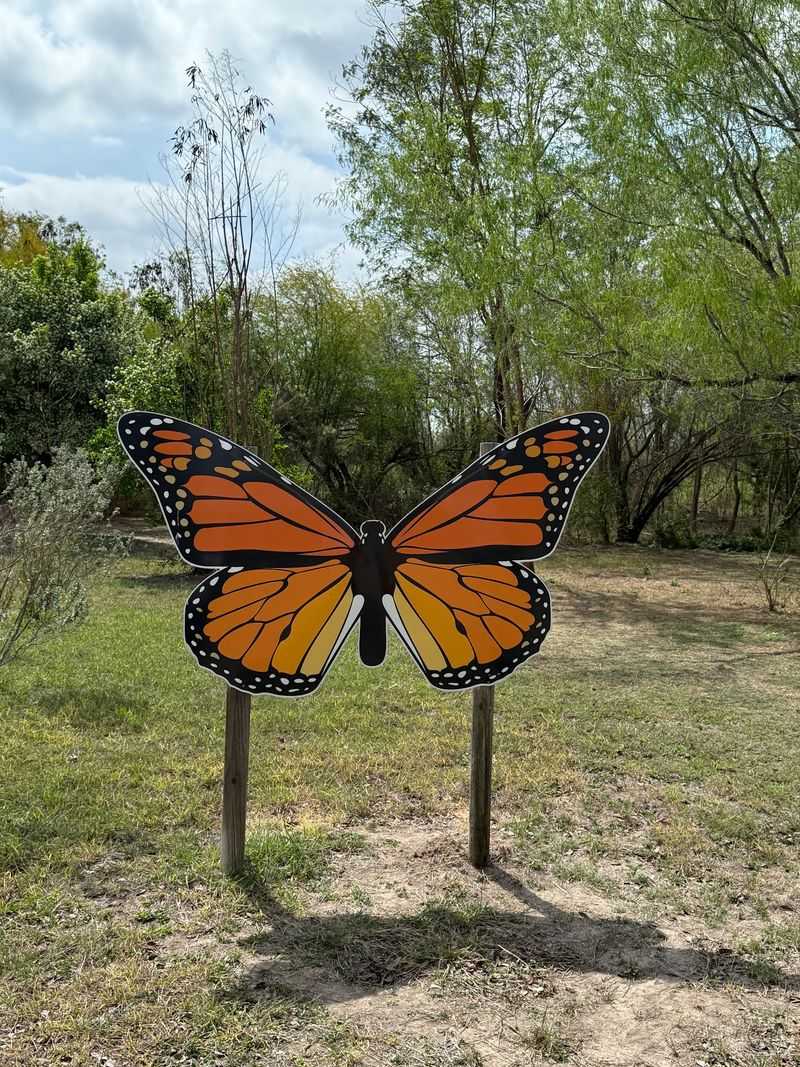
Classrooms rarely come with live dragonflies. Here, school field trips happen outdoors, covering the butterfly life cycle, bird identification, bug hunts, animal habitats, and reptiles.
That’s hands-on learning at its finest. Kids remember what they touch, see, and chase far better than what they read.
Girl Scout troops get special events too. Programs focus on butterfly education and outdoor skills.
Some events even include overnight campouts. Night hikes and s’mores make nature lessons much sweeter.
I believe programs like these plant seeds that last a lifetime. A child who meets a caterpillar up close might grow into a gardener or scientist.
Parents and teachers should plan ahead for group visits. Contacting the center early helps match a program to your group’s age and interests.
Families visiting on their own can borrow the same idea. Make a simple checklist of birds, bugs, and butterflies before you start walking.
Turn it into a friendly contest. Whoever spots Spike first earns bragging rights for the ride home.
Pack Smart Before You Head Down to the Rio Grande Valley
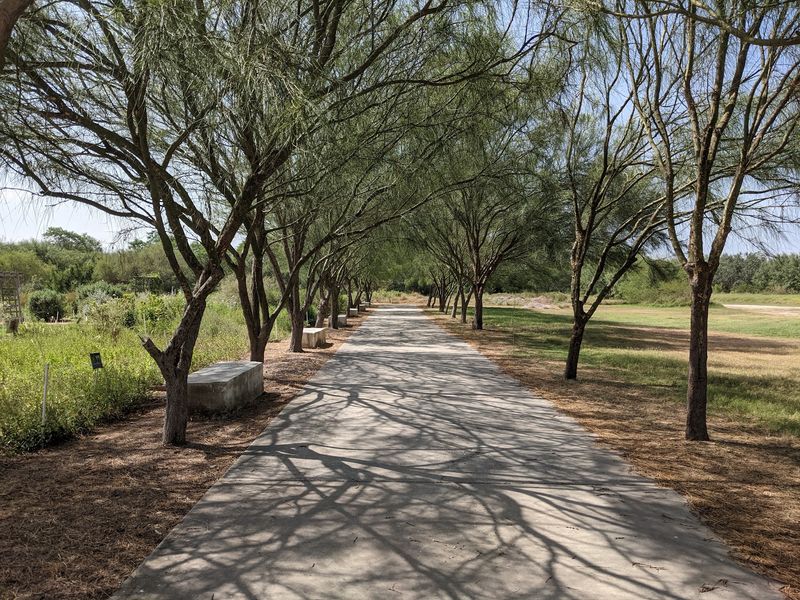
Getting there is easy enough. The National Butterfly Center sits at 3333 Butterfly Park Drive in Mission, Texas, in the Lower Rio Grande Valley.
It’s open daily from 8 a.m. to 5 p.m., except on Easter. Parking is free, and handicapped parking plus many accessible areas are available.
Admission is modest, with kids 4 and under getting in free. Residents of Hidalgo, Cameron, Willacy, and Starr counties may qualify for a lower rate.
Dress for the outdoors. Comfortable walking shoes, sun protection, and water will make the trails far more pleasant.
Insect repellent is a wise addition too. South Texas brush can get buggy, and not every bug is as charming as a butterfly.
Photographers should know about the photography blind. Portrait sessions may require advance arrangements, so check before bringing a full shoot.
Give yourself a few unhurried hours. Rushing rarely works when your goal is spotting something the size of a postage stamp.
And leave room for wonder. In a place this wild, the best moment usually arrives when you finally sit still.
