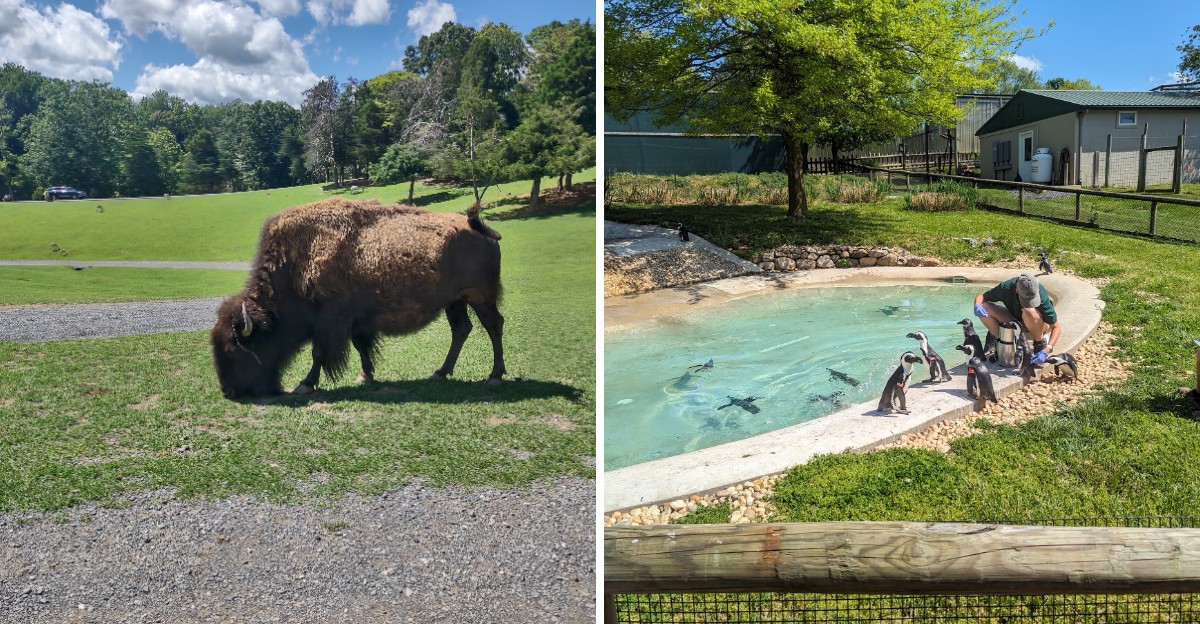
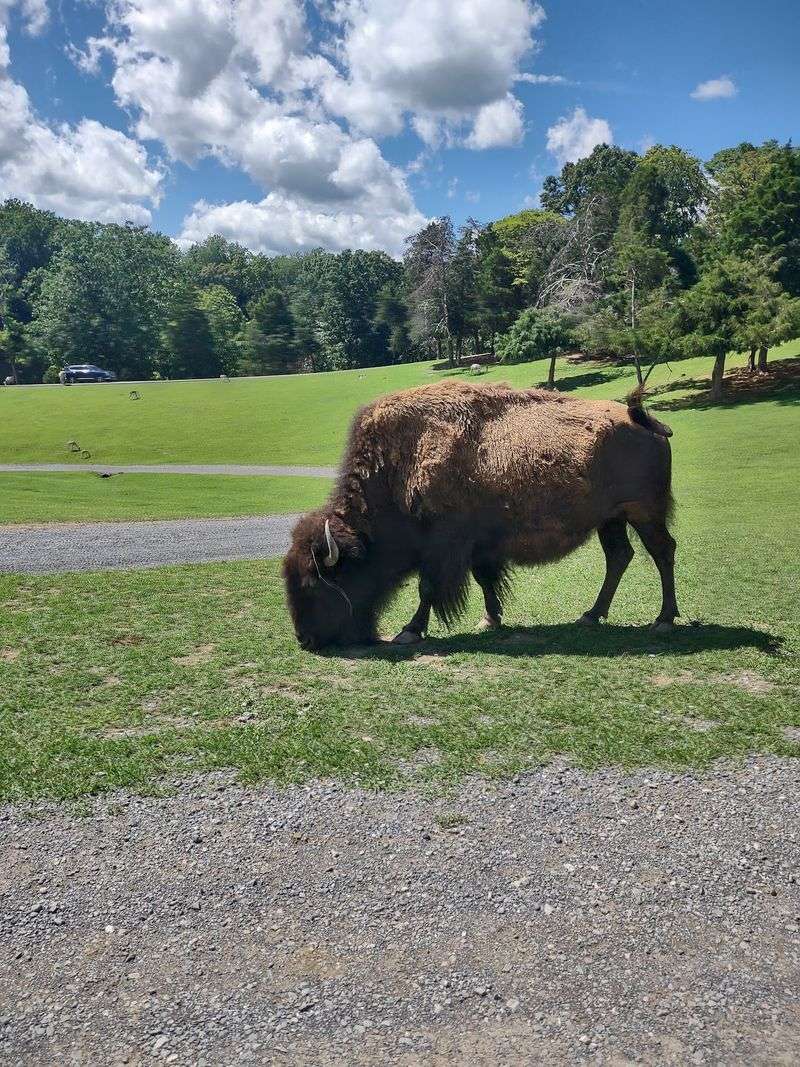
Massive bison can wander surprisingly close to your vehicle during a three-mile safari drive. That’s certainly different from watching wildlife through a fence, especially when curious animals approach your windows looking for food.
The 180-acre Virginia attraction is home to more than 1,200 animals, including elk, antelope, ostriches, and other fascinating species. Visitors follow a maintained gravel road through rolling countryside, with the Blue Ridge Mountains providing a beautiful backdrop.
I think the freedom to explore at your own pace makes this experience especially appealing. You can stop to watch the animals, offer approved feed to permitted species, and enjoy the scenery without rushing through the route.
There’s also a walk-through village with additional animal exhibits and feeding opportunities. Still, having a giant bison approach your car might be the moment everyone talks about afterward.
Your Car Becomes The Safari Jeep On This Three-Mile Gravel Loop
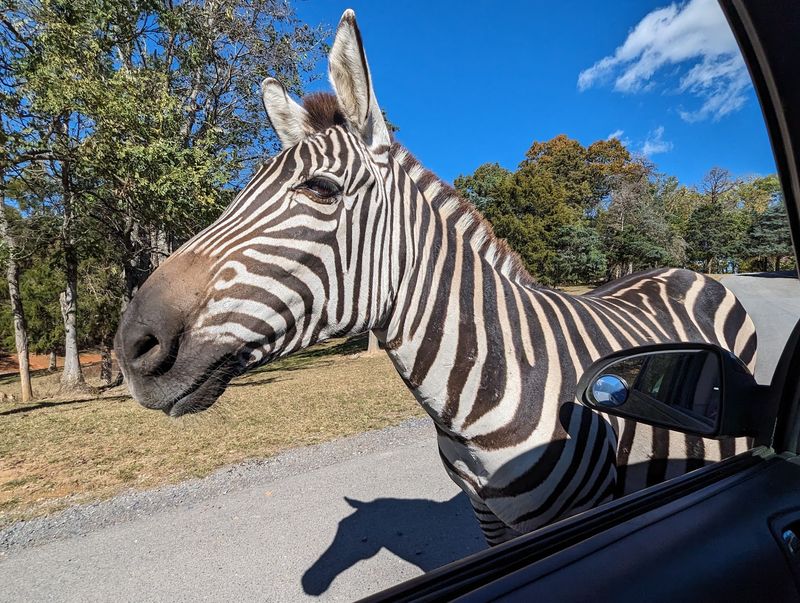
Forget the tour bus. At Virginia Safari Park in Natural Bridge, you steer your own vehicle along a three-mile gravel road through 180 acres of rolling pasture.
The setting alone feels like a bonus. The park sits in the Shenandoah Valley, and the Blue Ridge Mountains frame the view while bison graze nearby.
More than 1,000 animals roam freely along the route. That list includes bison, elk, deer, camels, zebras, antelope, wildebeest, emus, and ostriches.
Massive bison are the headliners for a reason. Seeing one stroll past your side mirror makes your sedan feel suddenly tiny.
There’s no rushing here, and nobody expects you to. Animals wander right up to vehicles, so the pace depends mostly on who decides to stop and say hello.
A few ground rules keep things smooth. Everyone stays inside the vehicle, and outside animal feed isn’t allowed on the drive.
Here’s a perk worth knowing. Your admission lets you loop through the safari more than once on the same day.
That second lap often feels like a brand-new show. Animals that napped earlier may be up and hungry later.
Think of the first loop as a rehearsal and the second as opening night.
Grab A Grain Bucket And Hold On Tight
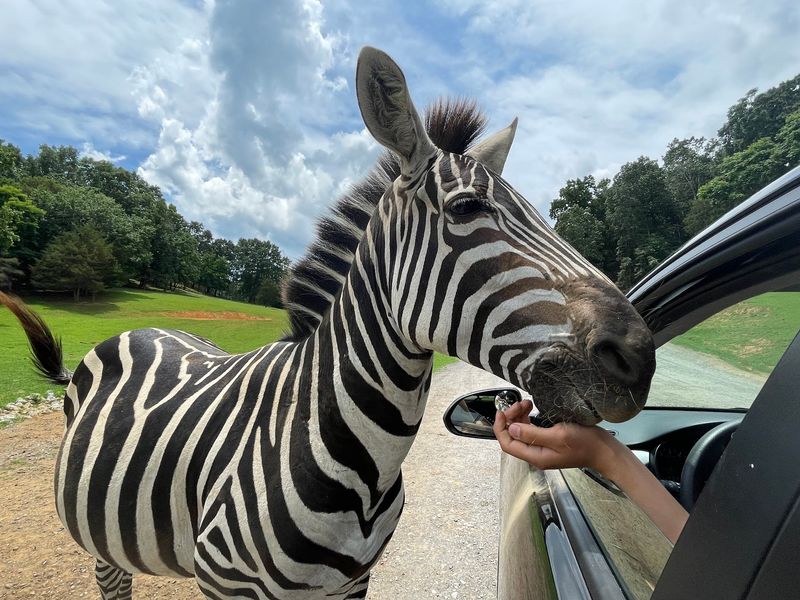
Grain buckets are the official currency of the safari. Buckets of a specialty grain mix are sold right alongside admission tickets.
Animals know exactly what those buckets mean. Once they spot one, your car turns into the most popular snack stand in the valley.
To feed, you roll your windows down and offer grain from inside the car. Big heads, curious noses, and very long tongues may appear without much warning.
A firm grip matters more than you’d guess. Some of the bolder animals treat a loose bucket as a personal gift.
Pacing your supply is smart strategy. The crowd near the entrance can be the hungriest, and it’s tempting to spend everything in the first few minutes.
Save some grain for the far stretches of the loop. The bison, elk, and zebras farther along deserve a turn too.
Expect a little mess as part of the deal. Grain bounces, animals slobber, and your floor mats will remember this trip.
That’s just the price of an up-close visit. Pack a towel, keep kids’ snacks out of reach, and enjoy the laughs that come with feeding time.
The Llama Mafia Runs A Tight Operation
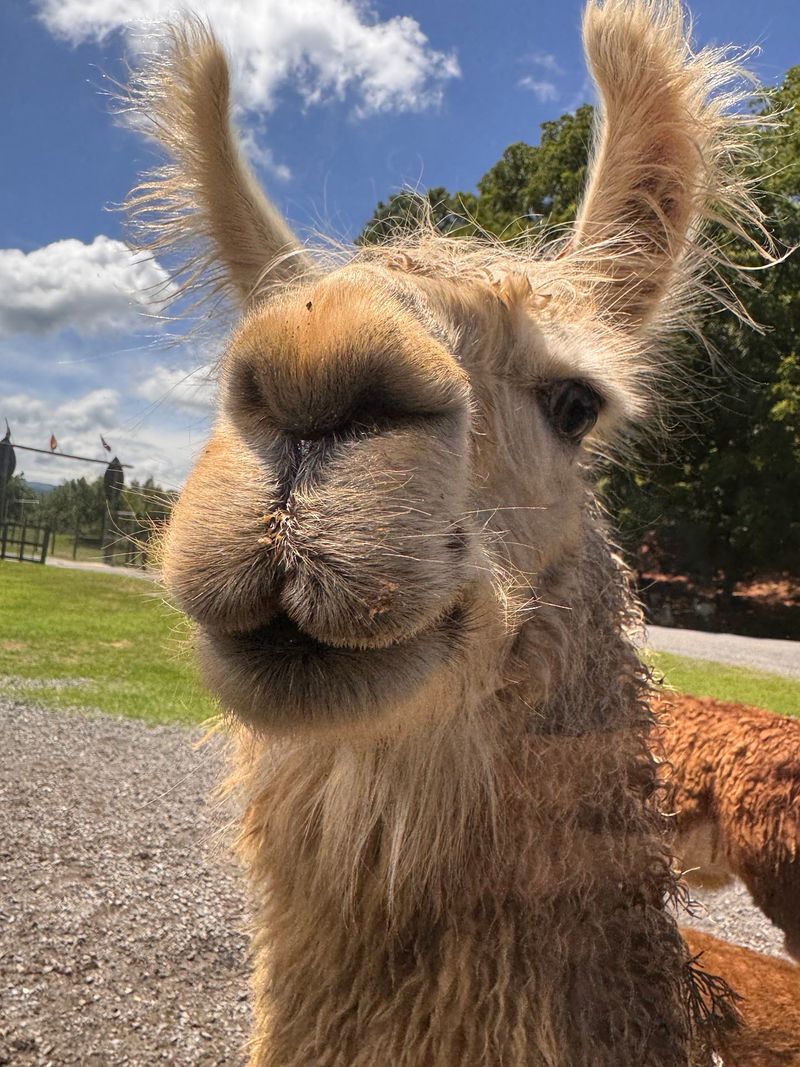
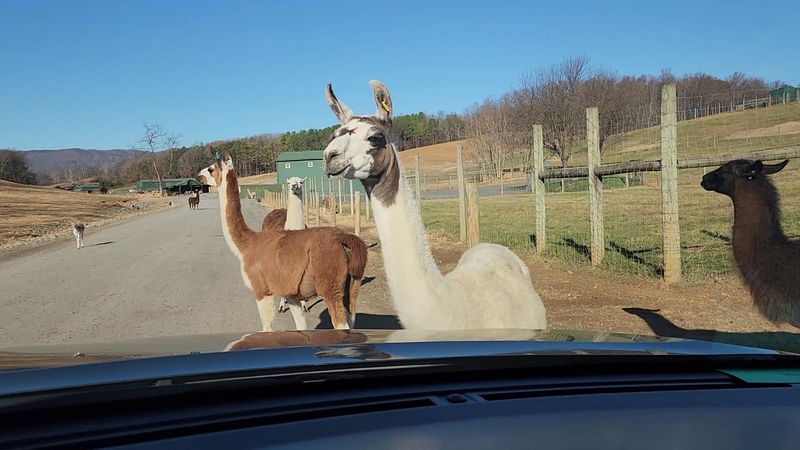
Every neighborhood has its characters. On this drive, the llamas have claimed that role so firmly they’ve earned a nickname: the llama mafia.
The name fits their style. Llamas are known for approaching cars with real determination, especially when they spot a grain bucket.
Picture a fuzzy face filling your entire window. Now add a second one on the passenger side, and you get the general idea.
Is it intimidating? Mostly it’s hilarious, though a timid passenger might prefer keeping their window up for this part.
A little planning helps you keep the peace. Offer grain in small amounts rather than holding out a full bucket for grabbing.
Patience works too. Llamas tend to lose interest once the food is gone, and they’ll drift off to inspect the next car in line.
Kids usually rate this encounter as a trip highlight. There’s something about a llama with no manners that turns any car into a comedy club.
Keep your camera ready but steady. The best photo of the day might be a llama staring directly into your lens like it owns the place.
Prefer Someone Else Drive? Hop On The Wagon
Not everyone wants grain dust on the dashboard. That’s where the guided wagon rides come in handy.
A tractor pulls an open wagon through the same safari route your car would take. You get the animals without worrying about the steering wheel or the paint job.
The view from up high feels different too. Sitting above the action lets you watch herds spread across the hills instead of just the face at your window.
Wagon rides usually run on weekends in spring and fall. From mid-June through Labor Day, they run daily.
There’s often an additional fee for the ride. Check ahead so you can plan which days line up with the schedule.
Some families do both, and that combo makes a lot of sense. Drive the loop yourself once, then let the wagon handle the second round.
Each approach shows the park in its own way. Your car feels personal and chaotic, while the wagon feels like a relaxed tour with a front-row seat.
Either way, the animals don’t seem to mind who’s holding the grain. They just want somebody to share.
Look A Giraffe Straight In The Eye
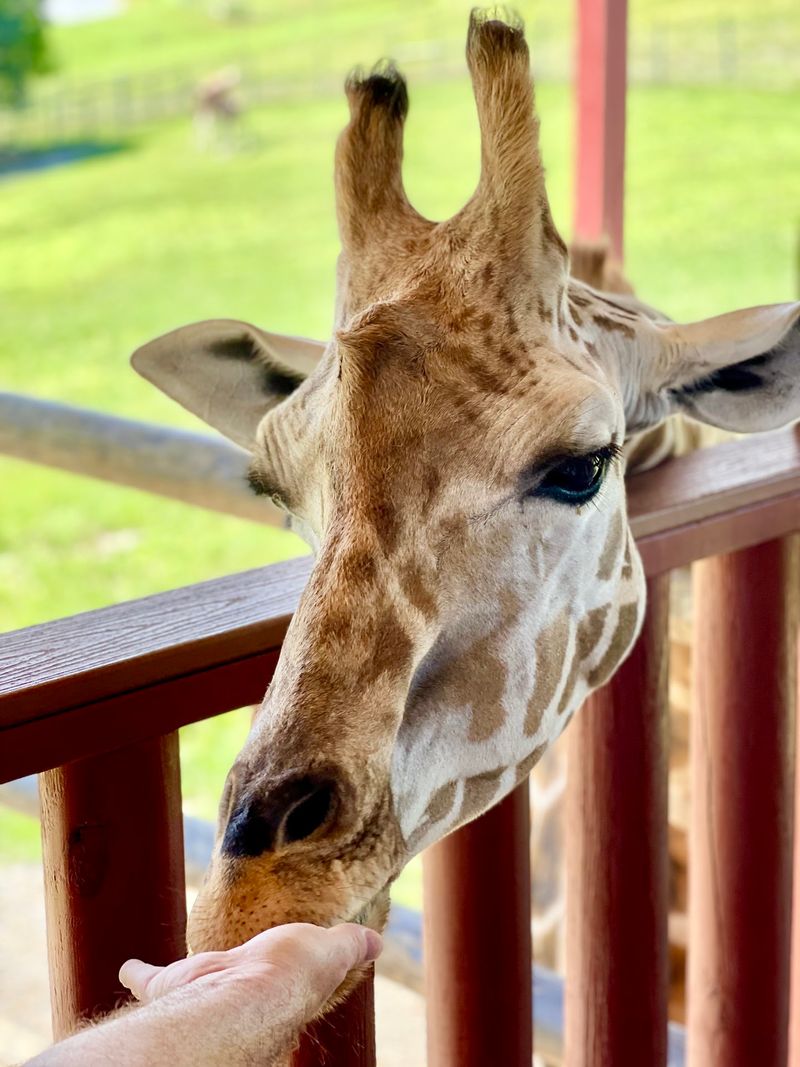
Most people spend a giraffe visit staring up at a chin. At the Safari Village, you meet them face to face.
A ramp leads up to a covered feeding platform. From there, giraffes lean in at eye level to munch romaine lettuce right from your hand.
Up close, the details are wild. Those long eyelashes and that famous purple tongue are suddenly right in front of you.
The ramp is wheelchair accessible, which is a thoughtful touch. More guests get to enjoy one of the park’s best moments without missing out.
The 10-acre Safari Village is included with your admission. It’s a walk-through area, so you leave the car behind and explore on foot.
That switch in pace feels nice after the drive. You go from busy windows to a calm stroll among exhibits and shade.
Bring a steady hand and a camera. Giraffes eat with surprising focus, so the photo window can close fast once the lettuce disappears.
The covered roof keeps things comfortable on bright days. It’s an easy place to linger while everyone gets their turn.
Budgies, Kangaroos, And A Petting Area Full Of Fans
Colorful little birds land on your feed stick like it’s an airport runway. Welcome to the Budgie Adventure Aviary.
This free-flight aviary lets you step inside and offer seed sticks to the budgies. Kids tend to freeze in delight when a bright green bird settles in.
Hold the stick still and stay patient. Budgies are quick, curious, and much more likely to visit a calm hand.
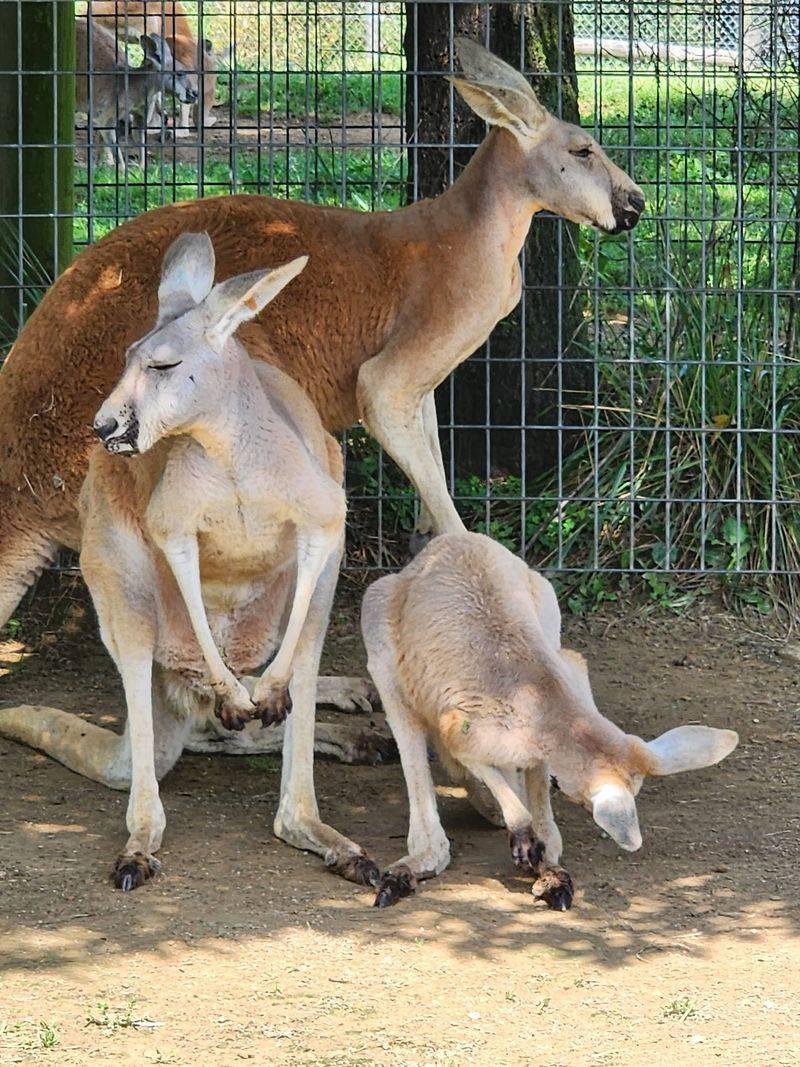
Next up, the Kangaroo Walk-About changes the mood. You stroll among kangaroos in an open area instead of viewing them from far away.
Kangaroos aren’t always in the mood for hopping. Sometimes they simply lounge, which honestly might be the most relatable thing in the park.
The petting area rounds things out for younger visitors. Goats, potbelly piglets, and baby llamas are ready for gentle pats and feeding.
Those baby llamas look like tiny trainees for the llama mafia. Still, they’re far more polite than their roadside relatives.
Plan time for washing hands afterward. Between feed sticks and goat nibbles, everyone will want a quick cleanup before lunch.
A Rare Cat You Won’t Find Anywhere Else In The U.S.
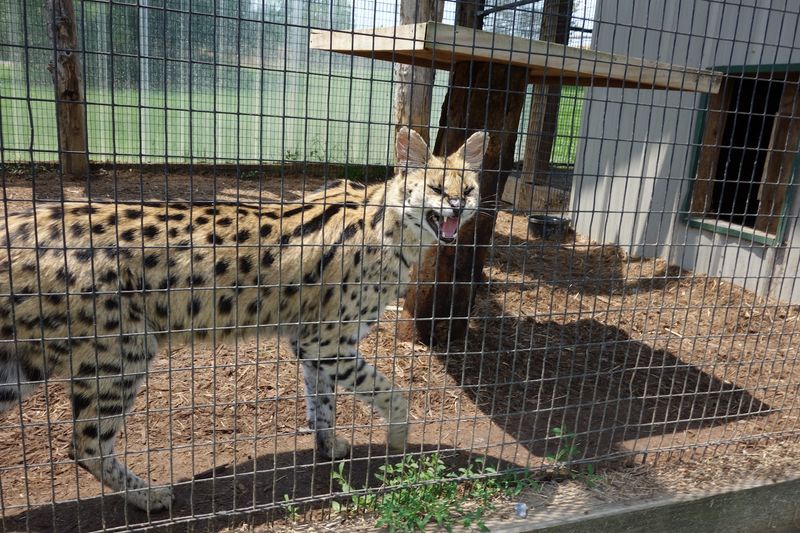
Only one place in the United States lets you see a King Cheetah. It happens to be right here in Virginia.
King Cheetahs have a coat pattern that sets them apart. Instead of standard spots, they show bold blotches and stripes that look almost hand-painted.
Spotting one feels like seeing a rare trading card come to life. It’s easily one of the most unusual sights in the Safari Village.
Big cat fans have even more to enjoy nearby. Tiger Territory showcases Bengal tigers with their striking orange coats.
Then the village heads in surprising directions. An African penguin exhibit features this endangered species in a space designed to resemble its natural home.
Penguins waddling a short walk from tigers sounds like a mixed-up cartoon. Somehow it works.
Keep your eyes open for the smaller residents too. Monkeys, anteaters, and a variety of reptiles fill out the walking loop.
Comfortable shoes are a good call for this half of the visit. The village covers 10 acres, and you’ll want to see every corner without rushing past the cheetah.
Book A Behind-The-Scenes Date With A Sloth Or Rhino
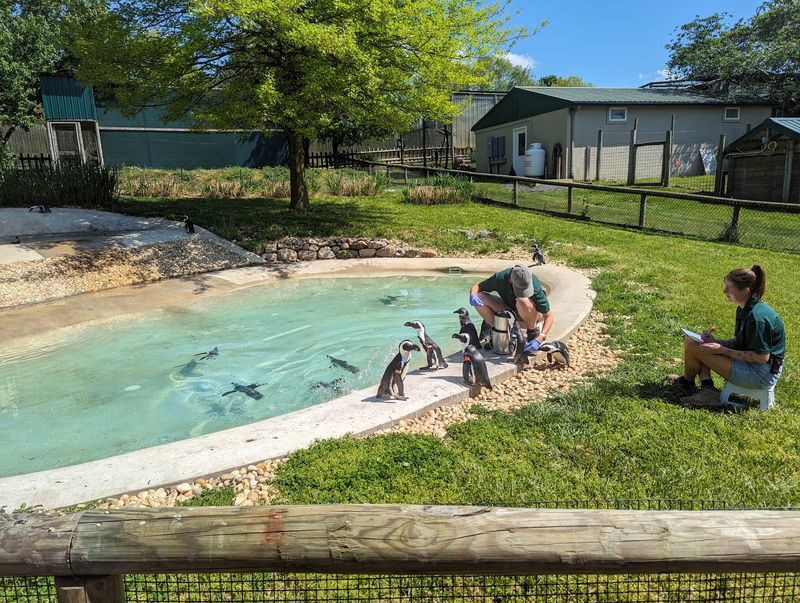
Some animals deserve a private meeting. For an extra fee, Virginia Safari Park offers up-close encounters with sloths, rhinos, and penguins.
These experiences take you behind the scenes. You also get time to talk with a zookeeper, so bring your best questions.
Sloth encounters last about 20 minutes and are offered at set times. Groups are limited to 10 people, which keeps things relaxed and personal.
Closed-toe shoes are recommended for the sloth visit. It’s a small detail, but worth remembering before you leave the house.
Rhinos bring a totally different energy. Participants need to be at least 10 years old for this one.
Standing close to a rhino puts its size in perspective fast. That armor-like skin looks even more impressive when it’s not behind a distant fence.
The penguin encounter adds another flavor. Meeting an endangered species up close makes conservation feel real rather than abstract.
Spots can be limited, so plan ahead. Booking early helps you lock in a time that fits around the drive and the village.
Plan Your Trip Just Off I-81 And Feel Good About It
Getting here is refreshingly simple. The park sits at 229 Safari Lane, Natural Bridge, VA 24578, just off Interstate 81 at exits 180 or 180-B.
Virginia Safari Park opens daily from mid-March through November. Hours shift by season, and the last vehicle admission comes before closing, so arrive with time to spare.
The park closes on Thanksgiving Day. Everything else depends on the calendar, so a quick check before you go saves headaches.
Hungry humans have options too. The Watering Hole Cafe serves visitors, and a picnic shelter offers a spot to rest between adventures.
Don’t skip the Safari Trading Post Gift Shop. A plush llama is basically required after meeting the real crime family.
There’s also a feel-good side to your ticket. The park is privately owned and receives no state or federal tax funding.
Admission helps support conservation work, including rhino and elephant anti-poaching units and nesting sites for wild penguins. Each September, World Rhino Day stretches into a full week of celebration.
One more tip. This park isn’t connected to the Natural Bridge Zoo, so double-check your directions.
