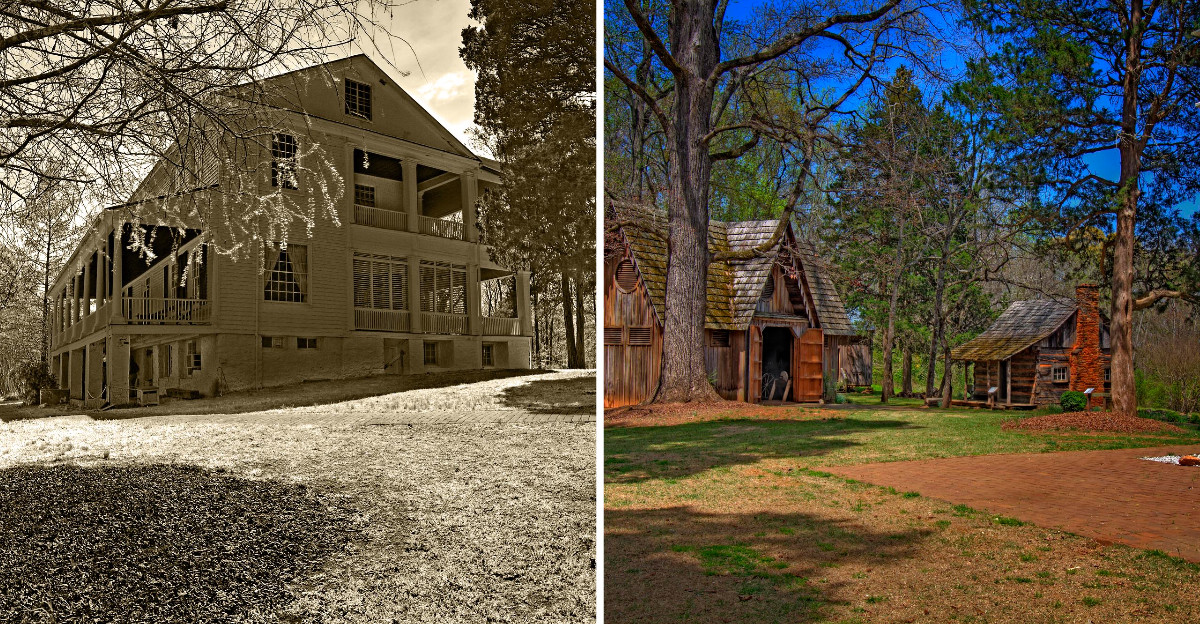
Tall and dark against the evening sky, that four-story house in South Carolina looks like it has been waiting for someone to finally knock. It has been standing since around 1830, holding nearly two centuries of family stories inside its walls.
After dark, small groups move through the rooms by candlelight, and the floors creak underfoot in ways that make the imagination work overtime. The house has a reputation as one of the most haunted spots in the state, but the real history is just as fascinating, and it makes every shadow feel meaningful.
Walking through those rooms, the line between past and present blurs. Goosebumps arrive without warning.
Stories pile up faster than they can be counted. Leaving with a head full of tales and a new favorite corner of the Upstate is the only possible outcome.
This is the kind of place that stays with you long after the candle goes out.
A Summer Home Built to Beat the Heat
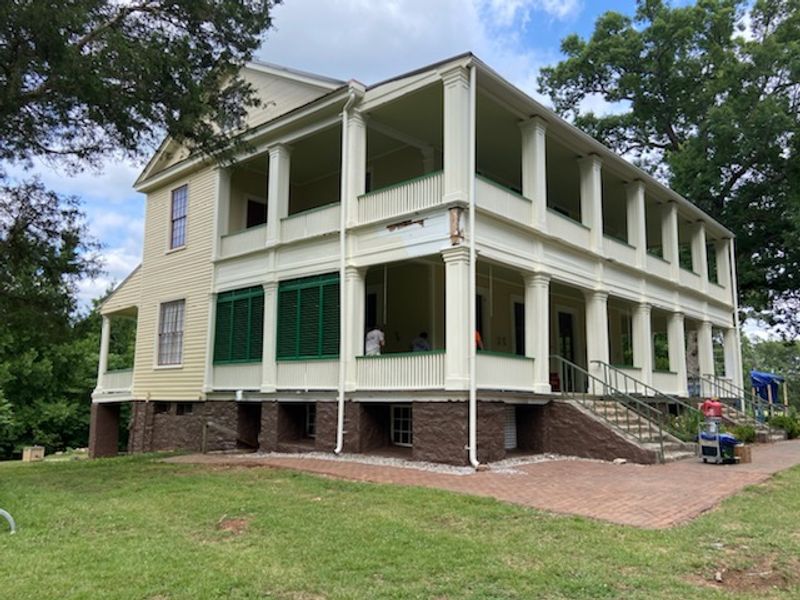
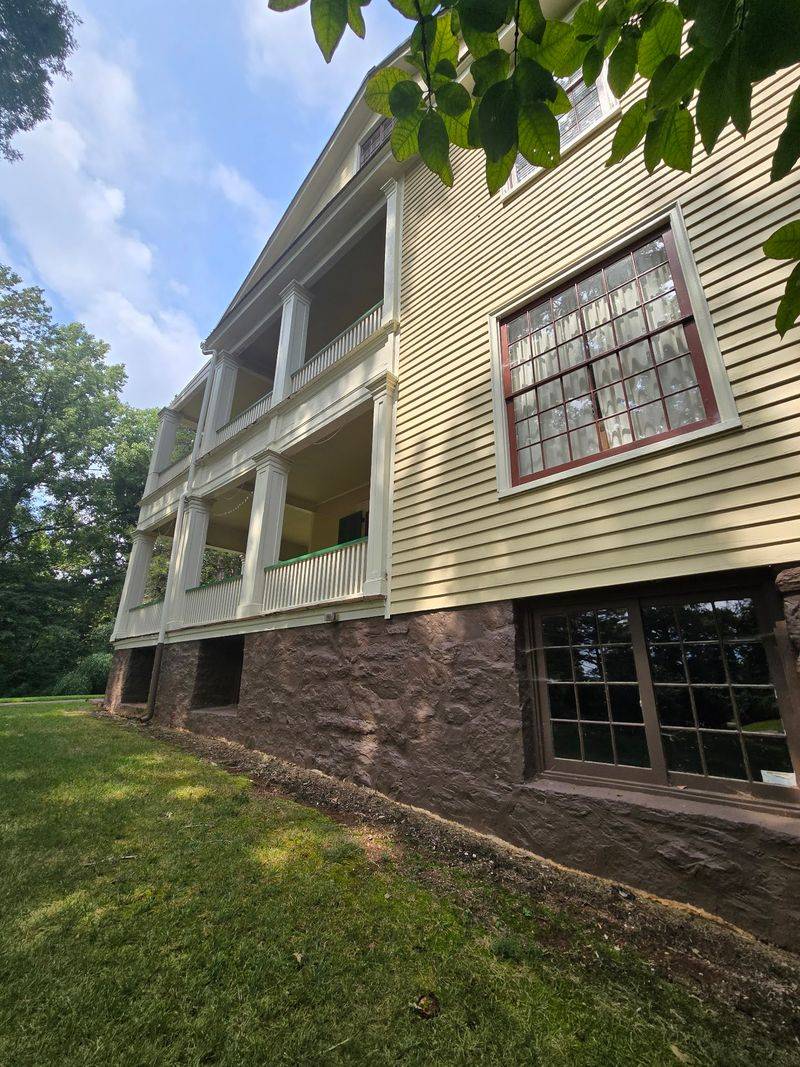
My neck actually got a little sore from looking up at the front of this place. Woodburn rises four stories high, and its clapboard walls seem to stretch toward the treetops.
Two big porches sit stacked one on top of the other, which gives the front a friendly, open look.
Around 1830, wealthy Charleston families built homes like this in the Upstate to escape the sticky coastal summers. The cooler hills of Pendleton offered fresh breezes and fewer fevers, so a summer house here made a lot of sense.
The design mixes the Charleston style with Early Classical and Greek Revival touches, so it feels a bit like the Lowcountry moved inland.
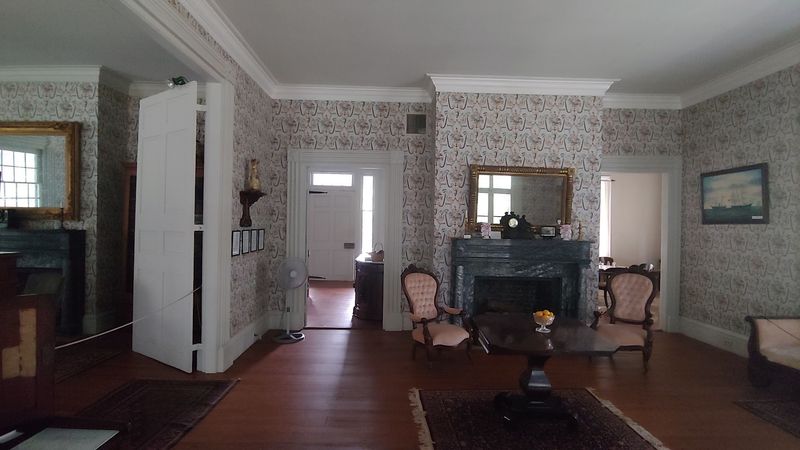
Inside, the ceilings are high and the rooms feel roomy and airy. I spotted wide window and door moldings, and the outside ones are fluted with Greek key designs.
Small Federal star shapes decorate parts of the interior, and they are easy to miss if you rush.
There are nine fireplaces too, which surprised me for a summer retreat. My tip is to slow down and look closely at the woodwork in each room.
Those tiny carved details tell you just how much care the builders poured into this home.
The Families Who Shaped Woodburn
Names kept popping up during my visit, and each one added a new chapter to the house. The first owner was Charles Cotesworth Pinckney, son of early South Carolina Governor Andrew Pinckney.
He later served as the state’s Lieutenant Governor in 1833 and owned more than 2,000 acres of rice plantations.
His Charleston background explains a lot about how Woodburn looks. You can almost see the city’s style traveling up the roads with him.
In the 1850s, the Reverend Dr. John B. Adger, a well-known Presbyterian minister from Charleston, bought the house and made it bigger.
Adger is the one who added those two-story piazzas that make the house so recognizable today. Later on, Augustine Smythe turned the property into a model livestock farm.
It became known for fine race horses and purebred cattle, which is a fun detail to picture while strolling the lawn.
Many rooms hold furniture from the 1800s, and some pieces came from the families who once lived here. That personal connection makes the house feel lived in rather than staged.
If you love history, ask your guide which objects belonged to which owner, because the answers bring every room to life.
Cabins and Carriage House on the Grounds
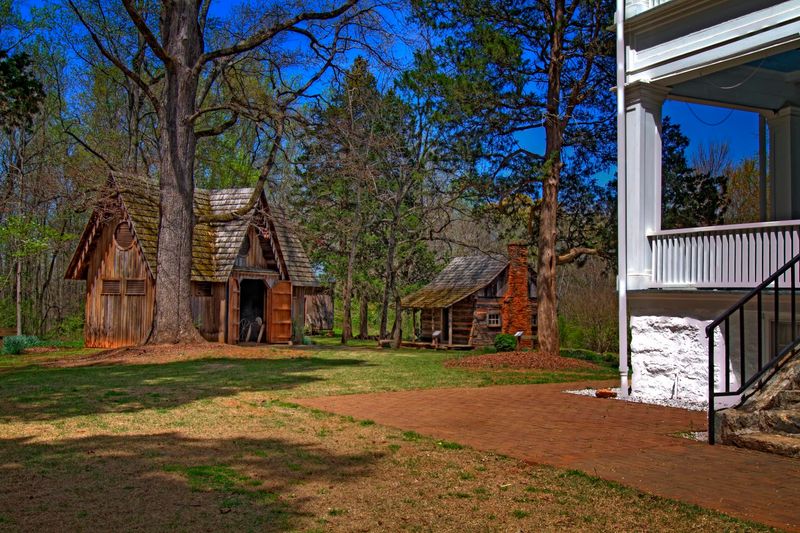
Out behind the main house, the mood shifted for me in a quiet but powerful way. Several outbuildings still stand on the property, and they show a much fuller picture of life at Woodburn.
Not everyone here lived in high-ceilinged rooms with carved moldings.
There is a reproduction of a double slave cabin that helps visitors understand the lives of enslaved people who worked this land. Nearby sits a one-room pioneer cabin, simple and snug.
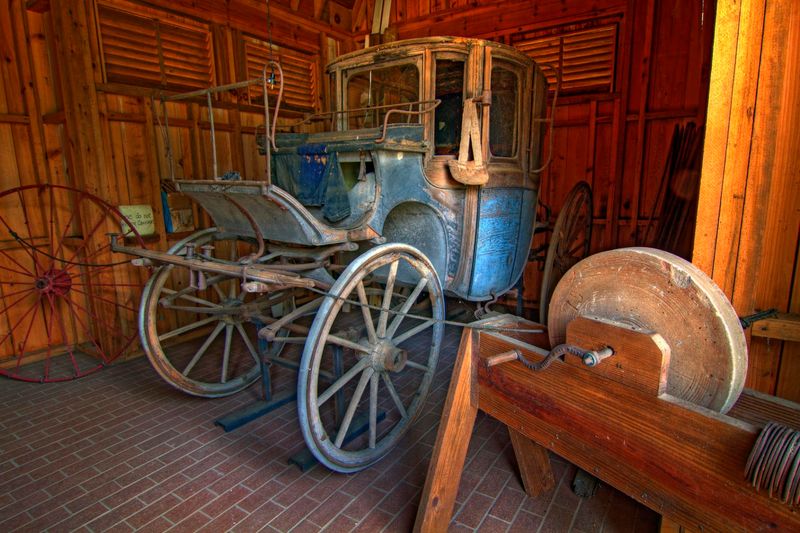
Then there is Adger’s Gothic Revival carriage house, with its pointed style that looks almost storybook.
Seeing these buildings side by side made me think harder about who really kept a place like this running. The big house gets the attention, but the smaller structures hold stories that matter just as much.
I found myself lingering longer out here than I expected.
Give yourself time to walk the grounds before or after your tour. Wear comfortable shoes, since the paths cross grass and some gentle slopes.
Reading the history at each building turns a nice stroll into a meaningful lesson, and it gives the evening ghost tales a deeper, more human background.
The Birthplace of Jane Edna Hunter
One name stuck with me long after I drove home. Jane Edna Hunter was born in 1882 in a tenant farmhouse on the Woodburn property.
She grew up to become a celebrated African American social activist.
Learning that her life began on these very grounds changed how I saw the whole place. Woodburn is not only about governors and ministers.
It is also the starting point for a woman who worked hard to make a real difference for others.
Her story is a reminder that big lives can begin in small, humble places. The fields around the house look calm and peaceful today, but they hold a history that was often tough and unfair.
Standing near them, I felt a mix of sadness and respect.
If you visit with kids or students, this is a great chance to talk about how people rise above hard beginnings. Homeschool groups and school field trips come here often, and this chapter gives them something meaningful to discuss.
I suggest reading a little about Hunter before your trip, so you arrive ready to connect her journey with the land you are exploring.
A Storm That Uncovered Hidden Colors
Sometimes bad weather brings surprising gifts. In 2020, a powerful thunderstorm knocked a large white oak onto Woodburn.
The fallen tree damaged the roof and columns on the west side of the house.
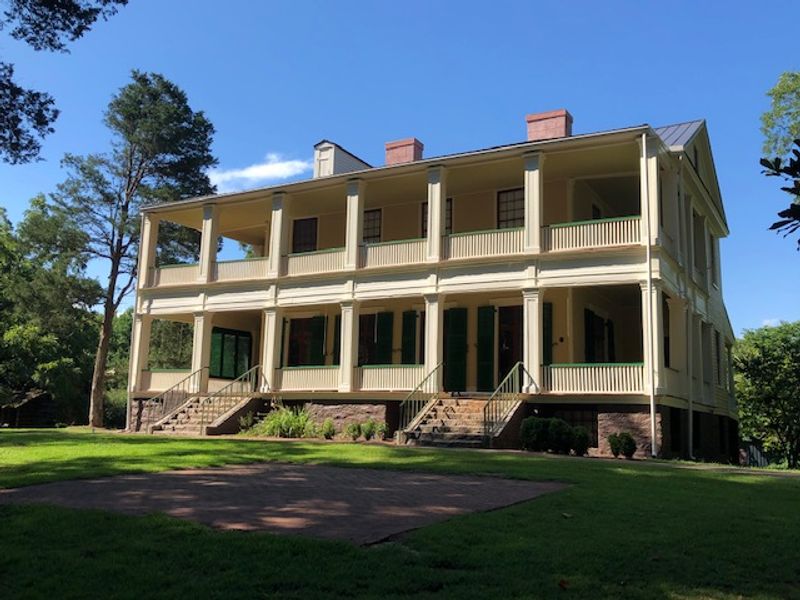
Repairs led to a paint study, and that is when things got interesting. Experts found the house was never meant to be plain white.
Its original look was a warm straw body color, cream trim, and chrome green shutters.
Honestly, I love this detail. We tend to picture old Southern homes as bright white, but Woodburn proves the past was more colorful than we think.
The house now wears its historic colors again, and it glows softly in the late afternoon light.
The Pendleton Historic Foundation has owned and run Woodburn as a museum since 1966. Their care shows in the way the house has been brought back to how its first residents saw it.
When you arrive, take a slow lap around the outside before heading in.
Notice how the green shutters pop against the pale walls. It makes a great photo, especially near sunset.
Just try not to trip over roots while you frame the perfect shot.
Candlelight Tours After the Sun Goes Down
Once the sky turned inky, the house seemed to take a deep breath and change its personality. Woodburn is known as one of South Carolina’s most haunted places, and the foundation leans into that reputation with evening ghost tours.
Guests explore the old halls by candlelight, looking and listening for any spirits that might still be hanging around.
Every floorboard creak felt louder in the dark. Shadows stretched across the walls, and I caught myself glancing over my shoulder more than once.
It was spooky in the best way, like hearing a campfire story inside the story itself.
These tours usually run on Friday and Saturday nights, especially during autumn. You need to RSVP ahead of time, since spots can fill quickly.
Plan early if you have a specific weekend in mind.
A few practical tips helped me enjoy the night. Bring a light jacket, because fall evenings in the Upstate cool off fast.
Wear shoes with good grip for stairs and uneven floors. Also, check the foundation’s website or call before you go, since schedules can change and you do not want to arrive to locked doors.
Where Old Stories Linger in the Shadows
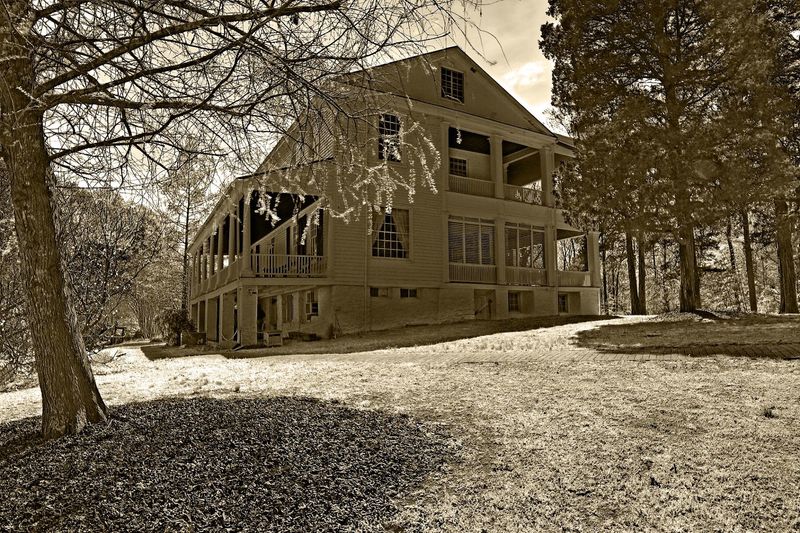
My favorite part of the night had nothing to do with jump scares. The ghost tales here grow straight out of the real history of the house.
Knowing who lived, worked, and struggled here made every quiet room feel full.
Woodburn carries around 200 years of stories, and the dark somehow makes them easier to imagine. With only candles glowing, the group went hushed.
A sudden chill or a faint sound felt like it might mean something more.
Whether you believe in spirits or not, it is fun to let your imagination wander. I kept thinking about the families who once gathered by those nine fireplaces.
The house felt less like a museum and more like a place still holding its breath.
Make a day of it by heading into the charming Pendleton town square before your tour, or stopping by the South Carolina Agricultural Museum next door. Clemson is only a short drive away, too.
Then return for the evening tour with fresh eyes and a curious mind, ready to hear what the old house wants to share.
Address: 130 History Lane, Pendleton, SC 29670
