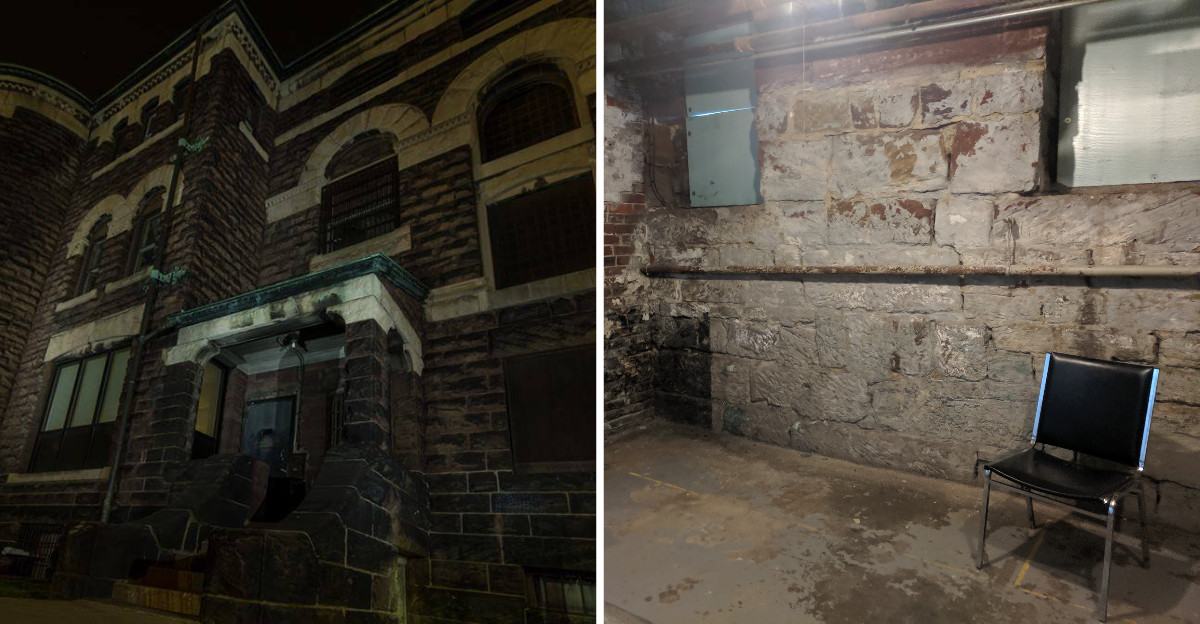
Sandstone walls and iron cellblocks rising in the middle of an Ohio downtown make a building look like a castle dropped from another century. Passing those bars gives goosebumps before a single ghost story is told.
For nearly a century, this jail locked up prisoners and housed the sheriff’s family under the same roof, which is wild to think about. Today, visitors come for flashlight tours and ghost hunts, and many leave with stories about footsteps, voices, and touches they cannot explain.
Walking through the old corridors, the air feels heavier than it should, and the cells seem to hold more than just silence. Curious visitors often come out with a head full of history and a few moments they still think about at night.
These are the things that make this old jail one of the most fascinating stops in Ohio.
A Castle of Brown Sandstone on South Third Street
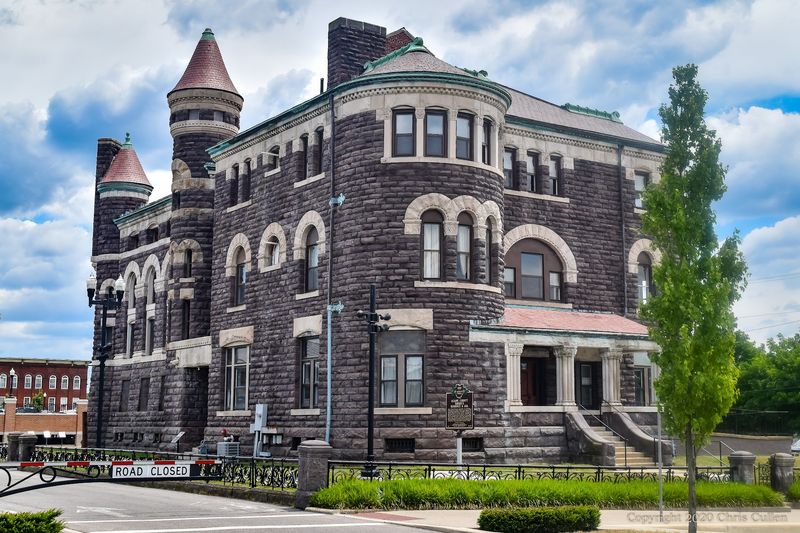
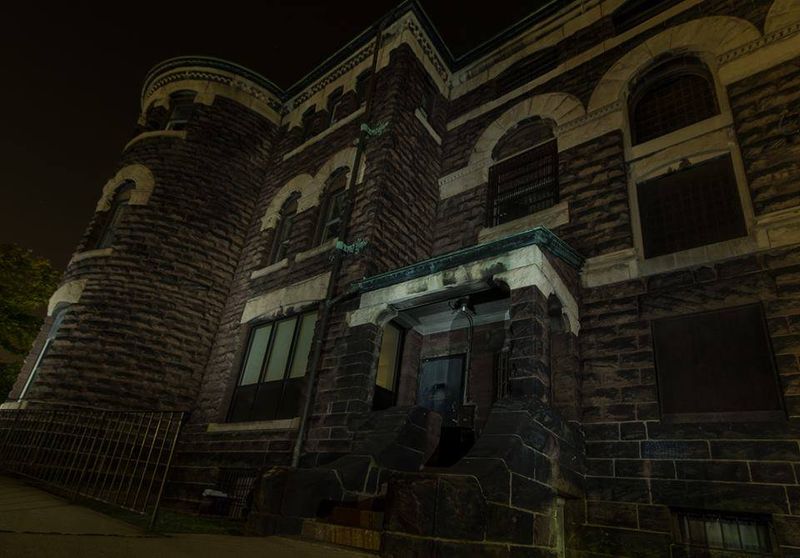
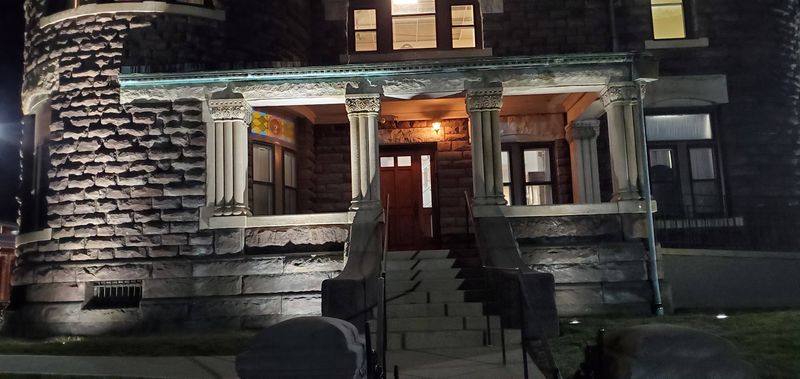
My neck actually got sore from staring up at this building. It rises from downtown Newark like something borrowed from an old storybook, all heavy stone, rounded arches, and a tower that looks ready for a knight to wave from the top.
The jail opened in 1889, and it was the fourth jail Licking County had built. Architect J.W.
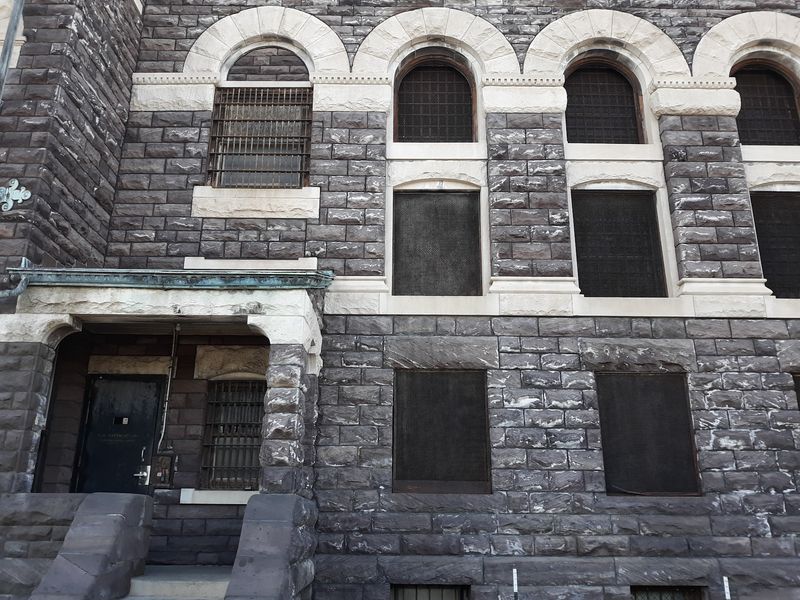
Yost designed it in the Richardsonian Romanesque style, which was a popular look for grand public buildings back then. Builders used Millersburg brown sandstone, and the warm color changes as the sun moves across the walls.
Here is a fun detail that most people pass right by. Carved near some of the window sills are little cat-like creatures, frozen in stone for well over a century.
I spent a good ten minutes hunting for them, and finding each one felt like winning a tiny prize.
People once believed this was the sturdiest jail in all of Ohio. Looking at those thick walls, I could see why nobody wanted to test that idea.
If you only have a few minutes, even a slow lap around the outside is worth it, and street parking nearby makes a quick stop easy.
Bring your camera, because the building photographs beautifully in late afternoon light, when the sandstone glows almost orange against the sky.
Where the Sheriff Tucked His Kids In at Night
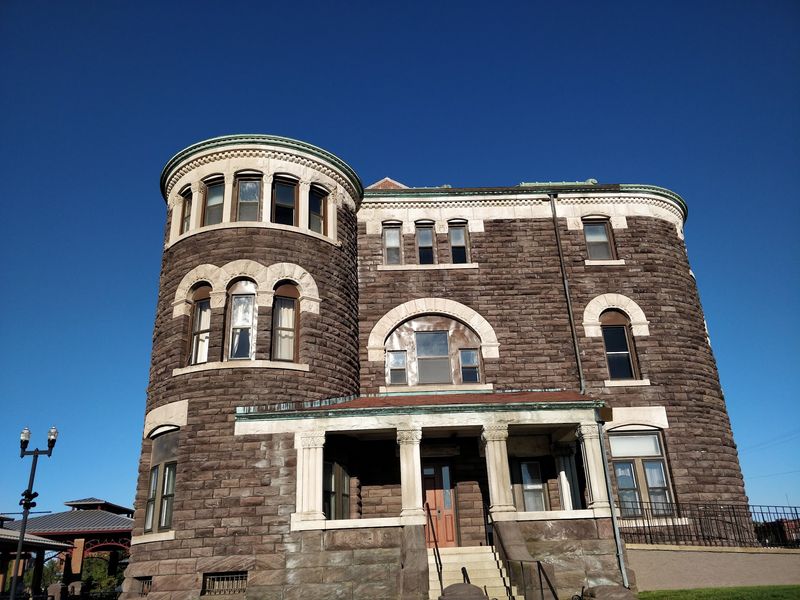
I had no idea, before my visit, that a whole family once called this jail home. The front section of the building was built as living space for the sheriff, his wife, and their children, right on the first two floors.
Picture doing homework or eating dinner while prisoners sat just a few walls away. That was normal life here.
The building also had rooms for a jail matron and her family, since she was in charge of watching over the women prisoners.
Touring these rooms gave me a strange mix of feelings. Parts of it felt cozy, with tall windows and the kind of old woodwork you rarely see anymore.
Then I would remember what sat on the other side of the doors, and the coziness would wobble a little.
Sadly, the apartment has its own heavy history. Three sheriffs passed away inside the building over the years: Ross Embry in 1934 after a heart attack in the sheriff’s apartment, Albert Francis in 1949, and William McElroy in 1962.
Some visitors say they feel dizzy or uneasy in these rooms, and a few have reported fainting. I did not faint, thankfully, but I did notice I talked a lot quieter in there.
My tip is to slow down in this part of the tour and look at the small details, like doorframes and floors, where daily family life actually happened.
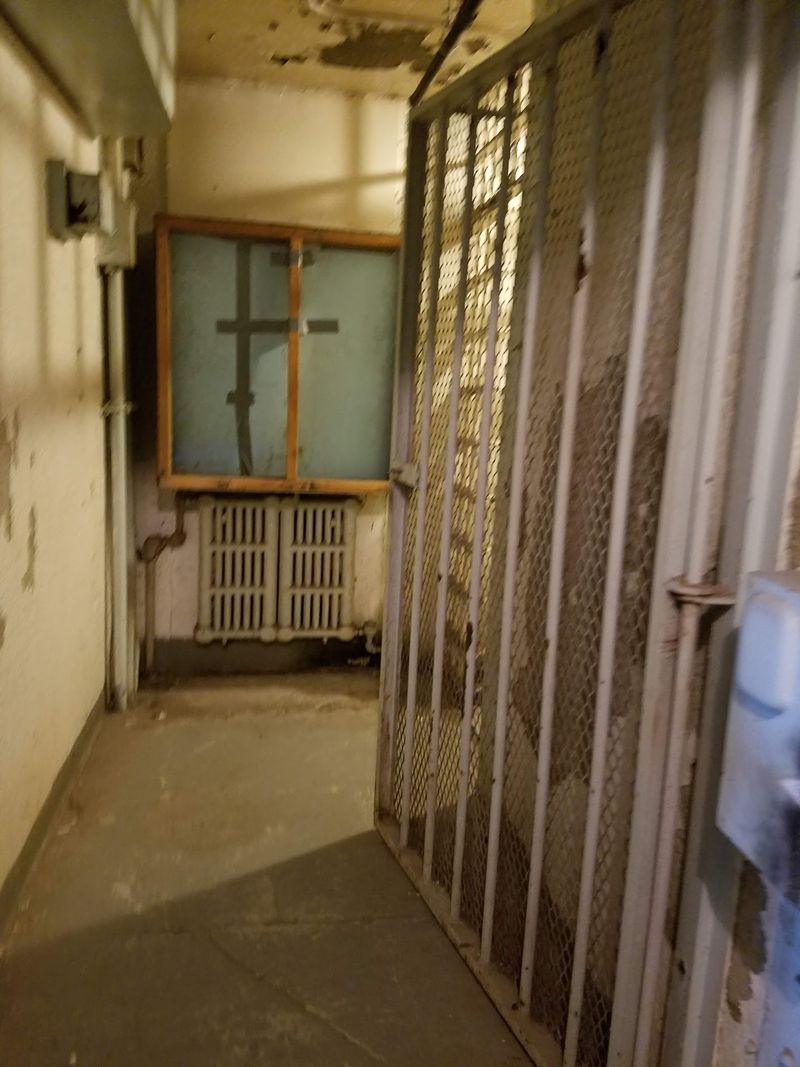
Cellblocks That Never Got a Makeover
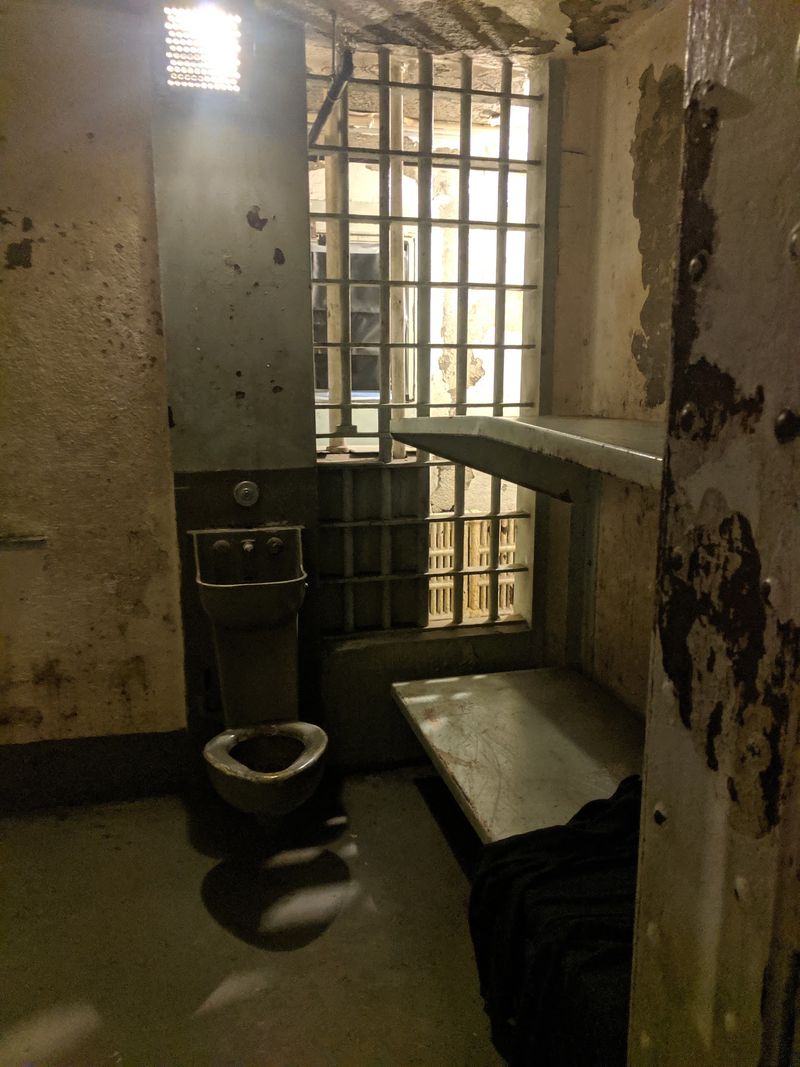
Cold iron. That was the first thing my hand found when I reached out to touch a cell door, and it stayed cold even though the day outside was warm.
What makes this jail so special is that the original cellblocks are still here. The building was designed with 32 cells meant to hold 68 inmates, but records show it often held more than 100 people.
Cells built for two sometimes squeezed in six or even eight.
I stepped into one cell and stretched my arms out. It did not take much stretching.
Trying to imagine eight grown adults sharing that tiny space made my shoulders tense up, and honestly, I stepped back out pretty fast.
The first three floors held men, and their layouts look almost the same from level to level. In the early years there was no running water, so prisoners had to use simple buckets instead of real bathrooms.
The bare walls and narrow walkways tell that story better than any sign could.
For the best experience, take your time on each floor rather than rushing to the spooky parts. Notice the scratches, the worn spots on the floors, and the way sound bounces around.
These details are what turn a building into a real piece of history you can feel under your feet.
Mae Varner and the Music Box on the Fourth Floor
A small music box sits on the fourth floor, and once you learn why, it is hard to look at it the same way. This level was the women’s wing, and its layout is a little different from the floors below.
The story here belongs to Mae Varner. She was brought to the jail after trying to take her own life, so she was being held mostly for her own safety.
Heartbreakingly, on the very night she arrived, she set herself on fire in her cell and passed away.
Staff and guests often report unusual activity on this floor, especially when music plays. Elvis Presley songs come up again and again in these stories, and the music box was placed here in her honor.
I found that gesture surprisingly tender for a place built to hold people behind bars.
I stood quietly by the cells for a while. Nothing strange happened to me, but the mood up there felt softer and sadder than the rest of the building, almost like a library where everyone agrees not to talk.
If you visit, remember that Mae was a real person with a real story. Be respectful, keep your voice gentle, and give yourself a moment to think about her before moving on.
That small pause might end up being the part of the tour you remember most.
Down in the Dungeon, Where Things Get Physical
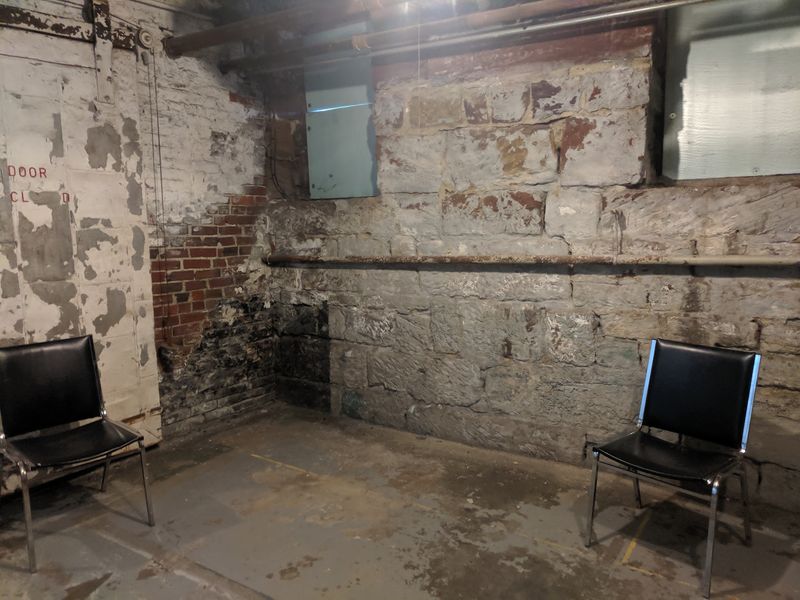
Okay, I will admit my feet slowed down on the way to the dungeon. This lower area has the biggest reputation in the whole jail, and the stories about it are not the gentle kind.
Visitors have reported being touched here, or feeling their clothes tugged by something they could not see. There are also accounts of heavy chairs being thrown across the room.
Chairs, as far as I know, do not usually do that on their own.
The air down there felt thicker and cooler to me, and every little sound seemed louder than it should have been. I kept glancing over my shoulder, which is pretty silly considering I was the one who wanted to come down.
The nervous energy is half the fun.
Ghost hunters love this spot for obvious reasons. Many investigators consider it one of the most active places in the building, and they return to it again and again.
Whether you believe or not, it is a fascinating room to stand in.
A few practical tips help here. Wear shoes with good grip, carry a small flashlight, and bring a friend who will not laugh too hard when you jump.
The spaces are tight, so if you feel nervous in small rooms, stay near the doorway and let your eyes adjust slowly.
Footsteps, Slamming Doors, and a Child’s Laugh
Sound travels in funny ways inside stone buildings. Even so, the noises people describe here go way beyond normal echoes, and I caught myself listening harder with every step.
Guests have reported the boom of cell doors slamming when nobody is near them. Others describe shuffling footsteps in empty halls, whispers close to their ears, and loud voices that seem to fill the entire building.
The strangest reports involve laughter that some say sounds like a child’s.
Shadow figures pop up in the stories too, usually seen for a second before they vanish. Paranormal teams also often mention cameras and flashlights draining their batteries much faster than they should.
I made sure to pack extra batteries, just in case, and I was glad I did.
You do not have to be a ghost hunter to enjoy this part. Simply standing still in a cellblock and listening is an experience on its own.
Old pipes creak, floors settle, and wind moves through the windows, so part of the fun is figuring out what is normal and what makes the hair on your arms stand up.
My advice is to turn off your phone notifications and let the building speak for itself. Try closing your eyes for a minute.
You might hear nothing at all, or you might hear something you will be talking about for weeks.
The 1910 Mob That Broke Through the Walls
Some history hits harder than any ghost story, and the tale of Carl Etherington is one of those. It happened in 1910, and it still shapes how people in Newark talk about this jail.
Etherington was a young deputy who had shot a local man in what was described as self-defense. He was placed in the jail for his own protection.
Those famous thick walls were built to keep people in, but nobody planned for thousands of angry people trying to get inside.
A mob estimated at nearly 5,000 people broke into the jail, dragged him out, and hanged him from a telephone pole in the town square. It is the only reported lynching tied to the jail.
Reading about it made my stomach drop, especially knowing how close the square sits to the building.
Some visitors and investigators say they sense his presence here, often describing a feeling of someone desperate to escape. Whether or not you believe that, the story is a powerful reminder of what fear and anger can do when a crowd loses control.
I recommend reading a bit about this event before your visit. Knowing the background gives the hallways more meaning, and it helps you understand why this jail matters to local history beyond the spooky reputation.
It is a heavy chapter, but an important one.
Flashlight Tours, Ghost Hunts, and Planning Your Visit
By the end of my visit, I was already planning a return trip, which surprised me a little. There are several ways to experience this place, and each one shows off a different side of it.
Flashlight tours are a great starting point if you want history with a spooky edge. For the brave, ghost hunts and overnight investigations let small groups explore the building after dark with their own gear.
Around Halloween, the Jail of Terror haunted attraction brings in actors for a more playful scare, and it is a touch haunt, so expect some contact.
The building has also become a community space. Restoration work has been helped along by volunteers who clearly care about keeping it standing for future generations.
That local love shows in how well the old details have been saved.
A few tips will make your trip smoother. Check the official website or call ahead for tour dates, since events change with the seasons.
Dress in layers, because the stone keeps the inside cool, and wear comfy shoes for the stairs.
Even if you never step inside, the outside is worth a stroll and a few photos. Downtown Newark is right there too, so you can easily pair your visit with a walk around the square.
Address: 46 S 3rd St, Newark, Ohio 43055
