Grab a tube, kick off your shoes, and let the river do all the work. This 2.5-mile stretch of Oregon water is the perfect way to spend a lazy afternoon.
The current is gentle and consistent, so you can simply float and let your worries drift away. The water is cool and clear, and the scenery is pure magic, with towering pines, rocky cliffs, and bluebird skies. You can bring a cooler, a good book, or just a friend to share the ride.
It is the kind of activity that feels like summer should. Oregon has plenty of adventures, but this one is all about slowing down and soaking it in. You will leave feeling refreshed, sun-kissed, and already planning your next float.
The Float Route from Riverbend Park to Drake Park
Most people who have floated the Deschutes will tell you the same thing: the put-in at Riverbend Park is where the fun officially begins. You carry your tube down to the water, step in, and within seconds the current takes over. No paddling required, no map needed.
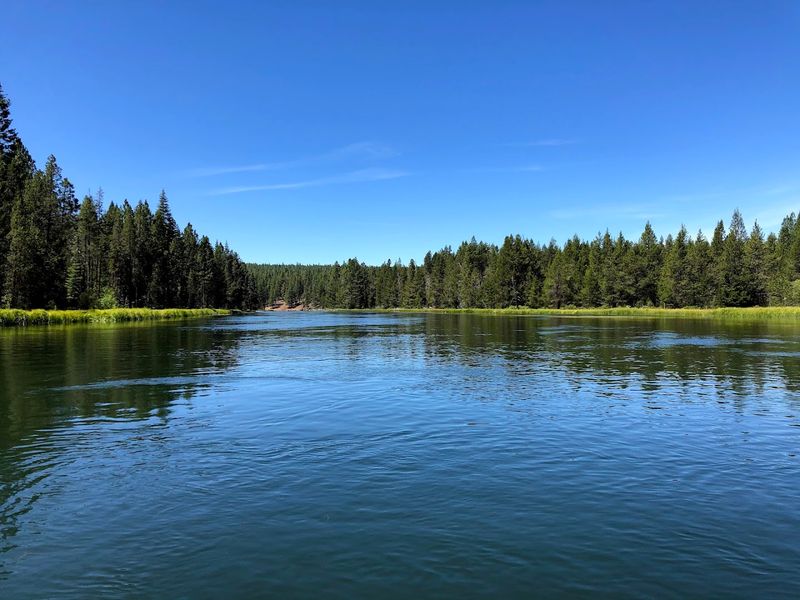
The 2.5-mile stretch between Riverbend and Drake Park follows a beautifully natural corridor through Bend. Lava rock lines the banks in places, ponderosa pines lean over the water, and the city hum fades surprisingly fast.
The float typically takes between one and two hours depending on water levels and how often you stop to splash around. Families, groups of friends, solo floaters with a good playlist, everyone fits here. Finishing at Drake Park puts you right near Mirror Pond, which is its own reward.
What to Bring for the Perfect Float Day
Packing for a river float sounds easy until you forget something important and spend two hours squinting into the sun. A good pair of water shoes is non-negotiable on the Deschutes. The riverbed has rocks that are not exactly forgiving on bare feet.
Sunscreen is your best friend out here. The Central Oregon sun is strong and the reflection off the water makes it even more intense. Reapply often, especially if you are floating midday.
A dry bag or a waterproof pouch for your phone and keys is something you will be very grateful for. The current is gentle, but tubes tip and things fall. Snacks and a reusable water bottle round out the essentials since staying hydrated on the water matters more than most people expect.
Many local outfitters in Bend rent tubes and dry bags if you are not traveling with your own gear. It is worth booking ahead on weekends in July and August because this float draws a real crowd. Go prepared and the whole experience runs smoothly.
The Best Time of Year to Float the Deschutes
Timing your float on the Deschutes makes a real difference in how the experience feels. Peak season runs from late June through August, when water temperatures are at their most tolerable and the weather in Bend is reliably warm and dry. July is arguably the sweet spot.
June can still be chilly, especially early in the month when snowmelt keeps the water cold. September floats are possible and often beautiful, with fewer crowds and that golden late-summer light settling over the canyon. You will want a wetsuit or at least a plan for a quick warm-up afterward though.
Weekday floats are noticeably quieter than weekends. If you can swing a Thursday or Friday morning launch, the river feels more like your own private stretch of water. Early morning floats also come with cooler air and softer light, which makes for genuinely gorgeous scenery.
Checking current water levels before you go is smart. The Deschutes River Conservancy and local outfitter websites often post conditions and any relevant updates for floaters planning a trip.
Wildlife and Nature You Might Spot Along the Banks
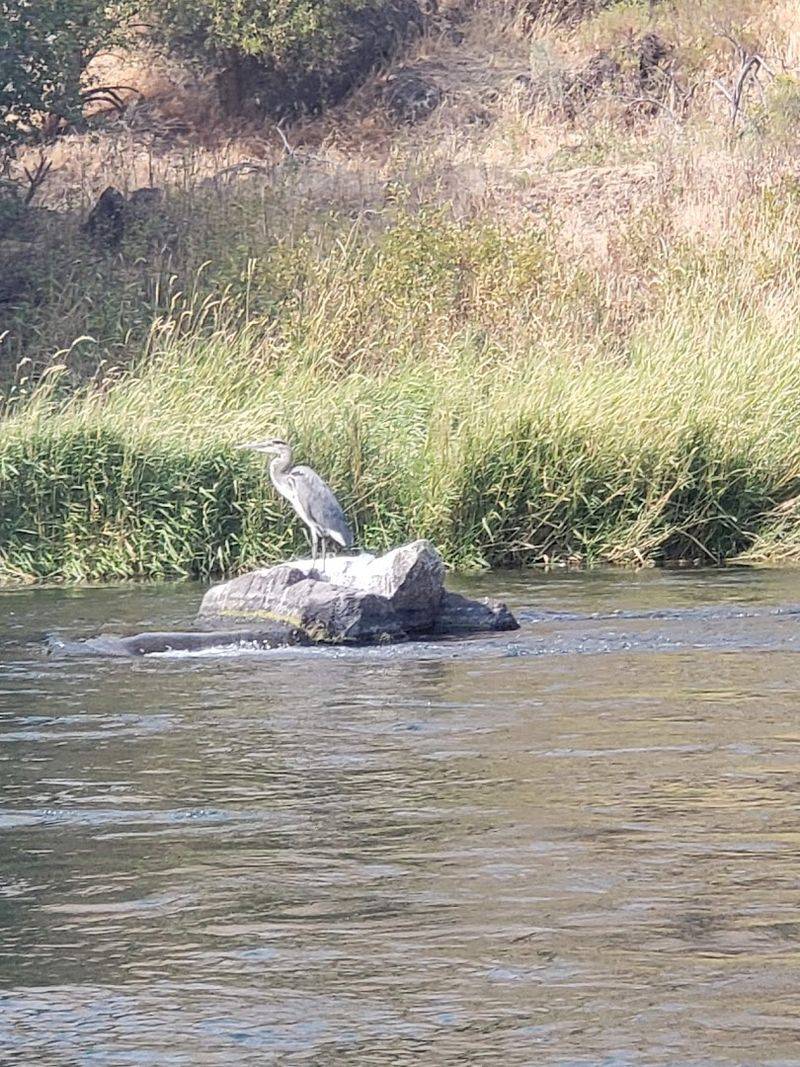
One of the quiet surprises of floating the Deschutes is how much wildlife shows up when you are moving slowly and making little noise. Great blue herons are almost guaranteed. They stand in the shallows like statues, completely unbothered by floaters drifting past a few feet away.
Osprey circle overhead regularly, and if you are lucky you might catch one diving. River otters have been spotted along this stretch too, though they are shyer and tend to disappear fast. Mule deer sometimes appear on the banks in the early morning hours.
The plant life along the river is worth paying attention to as well. Willows and cottonwoods crowd the water’s edge in places, while ponderosa pines dominate the higher ground. It is a genuinely diverse little ecosystem tucked inside a city.
One thing to keep in mind is that poison oak grows along certain sections of the riverbank. Stick to the water and established access points rather than bushwhacking through vegetation, and you will have a much more comfortable experience overall.
Renting Tubes and Gear in Bend
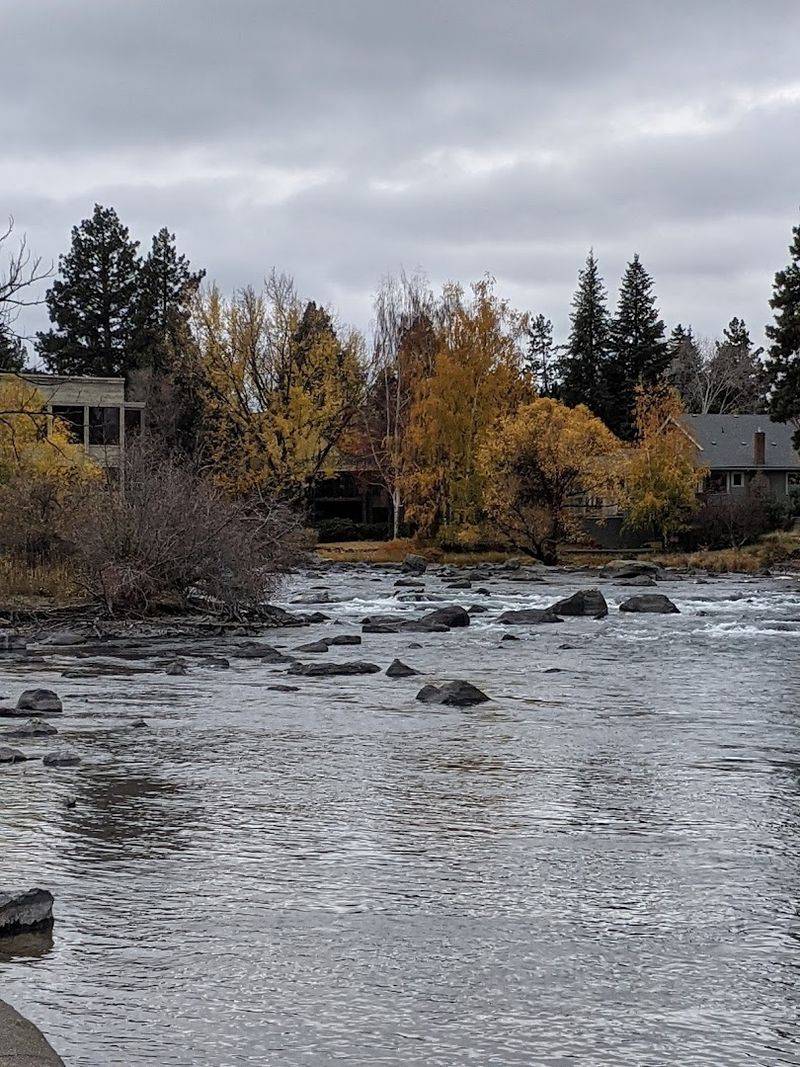
Bend has a solid little economy built around getting people on the Deschutes, and the tube rental scene reflects that. Several local outfitters operate near the river and offer everything you need to float comfortably without hauling gear across the state.
Most rentals include the tube, a life jacket, and a shuttle back to the put-in point after you finish. That shuttle piece is genuinely useful since the float is one-way and you would otherwise need to arrange your own car situation at both ends.
Tumalo Creek Kayak and Canoe is one well-known option in town. They offer tube rentals and run shuttle services during the summer season, making the logistics much simpler for first-timers. Booking ahead, especially on summer weekends, is strongly recommended.
Prices vary by season and rental type, so checking directly with outfitters for current rates is the best approach. Some shops also rent dry bags, helmets for rougher sections, and kids’ tubes. Having the right gear for your group size makes the whole float feel effortless from start to finish.
The Vibe at Drake Park When You Finish
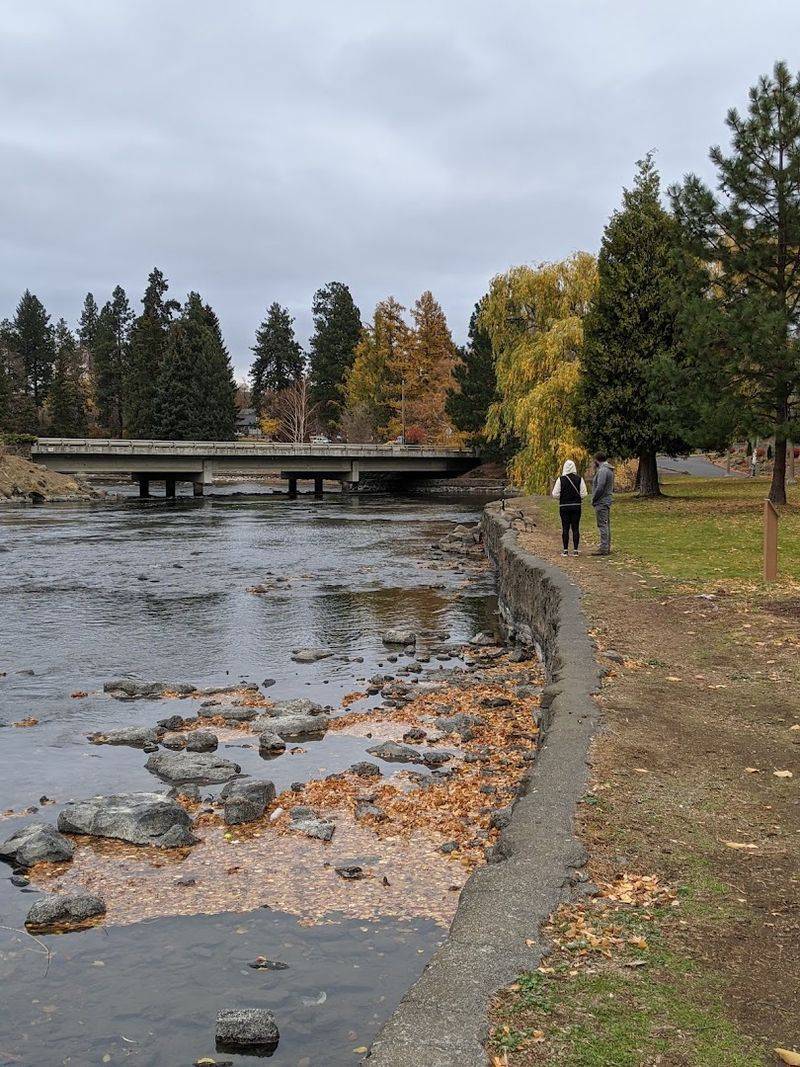
Pulling out of the river at Drake Park feels like crossing a finish line that rewards you with a picnic. The park sits right along Mirror Pond, a calm section of the Deschutes that reflects the sky and the surrounding trees in a way that genuinely stops you mid-step.
Ducks and geese patrol the grassy edges of the pond with impressive confidence. The lawn is wide and well-kept, perfect for spreading out a blanket and drying off in the sun after the float. It is one of those parks that always seems to have a low-key, happy energy.
Drake Park is also close to downtown Bend, which means food, coffee, and everything else is just a short walk away. The mix of locals walking dogs, kids chasing geese, and floaters emerging from the river gives the place a lively but unhurried feel.
Sunsets from Drake Park are worth sticking around for. The light turns the pond gold and the whole scene feels almost cinematic. It is a genuinely lovely way to close out a day on the water.
Safety Tips Every Floater Should Know
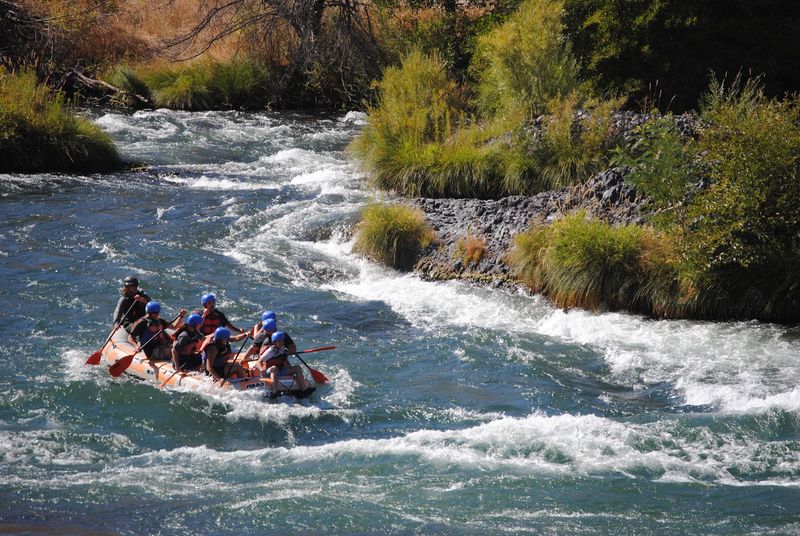
The Deschutes float between Riverbend and Drake Park is genuinely mellow, but a few safety basics make the difference between a great day and a stressful one. Life jackets are required for children and strongly recommended for everyone, regardless of swimming ability.
The river moves at a steady pace and there are a couple of spots where the current picks up briefly. Nothing alarming, but staying alert and keeping your feet up and pointed downstream is standard river safety that applies here too. Feet-first is the rule if you flip.
Keep an eye on kids at all times. The water is cold even in summer, and younger children can tire quickly in moving water. Bright-colored gear helps you spot everyone in your group easily.
Avoid floating at dusk or after dark. The river changes character when visibility drops. Checking the weather before you go is also worth doing since afternoon thunderstorms can roll in during summer in Central Oregon. A little preparation goes a long way toward making the float as carefree as it looks.
Fishing the Deschutes River
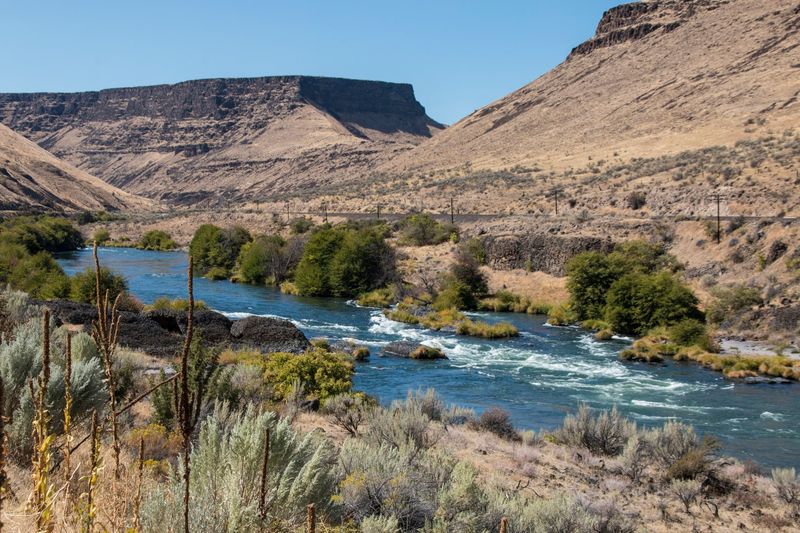
The Deschutes River has a serious reputation among fly fishing circles, and it earns it. The river is home to wild rainbow trout, known locally as redsides, and they are notoriously feisty. Anglers travel from all over the Pacific Northwest specifically to fish this stretch of water.
The lower Deschutes, below Sherars Falls, is particularly well-regarded for trout and steelhead fishing. It flows through a dramatic high desert canyon that feels remote even though it is accessible. The scenery alone makes a fishing trip worthwhile even on slow days.
One thing worth knowing is that fishing regulations on the Deschutes are strict, and certain sections are catch-and-release only. Picking up a current Oregon fishing license and reviewing the specific rules for the section you plan to fish is essential before you cast a single line.
Early mornings tend to be the most productive time on the water. The fish are active, the canyon is quiet, and the light comes over the rim in a way that makes the whole experience feel like something out of a nature documentary.
Hiking and Trails Along the River Corridor
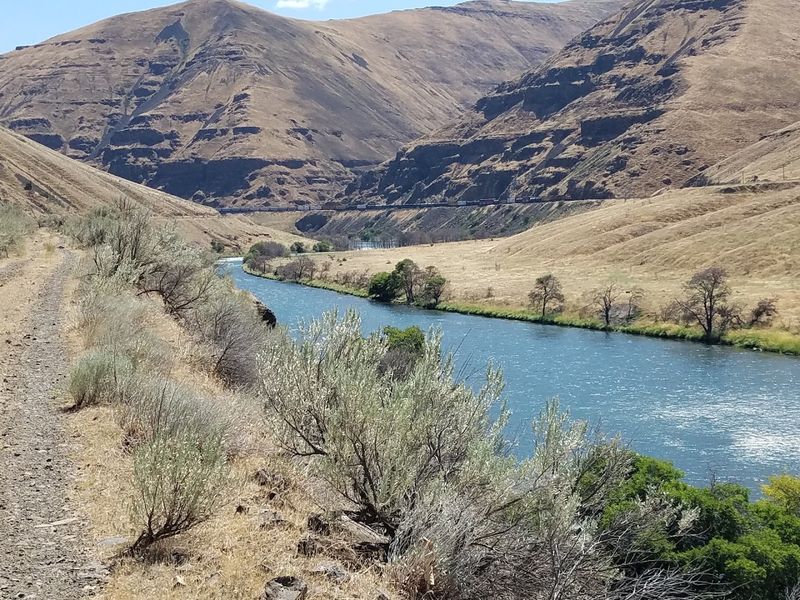
The Deschutes River Trail is one of those paths that makes you feel like you have found something locals have been keeping to themselves. It runs for miles along the river corridor in Bend, connecting parks, natural areas, and viewpoints in a way that rewards both casual walkers and serious hikers.
The trail surface varies from paved sections near the parks to packed dirt and gravel farther out. Dogs are welcome in many areas, though leash rules are enforced and rangers do check. Plan accordingly if you are bringing a pup along.
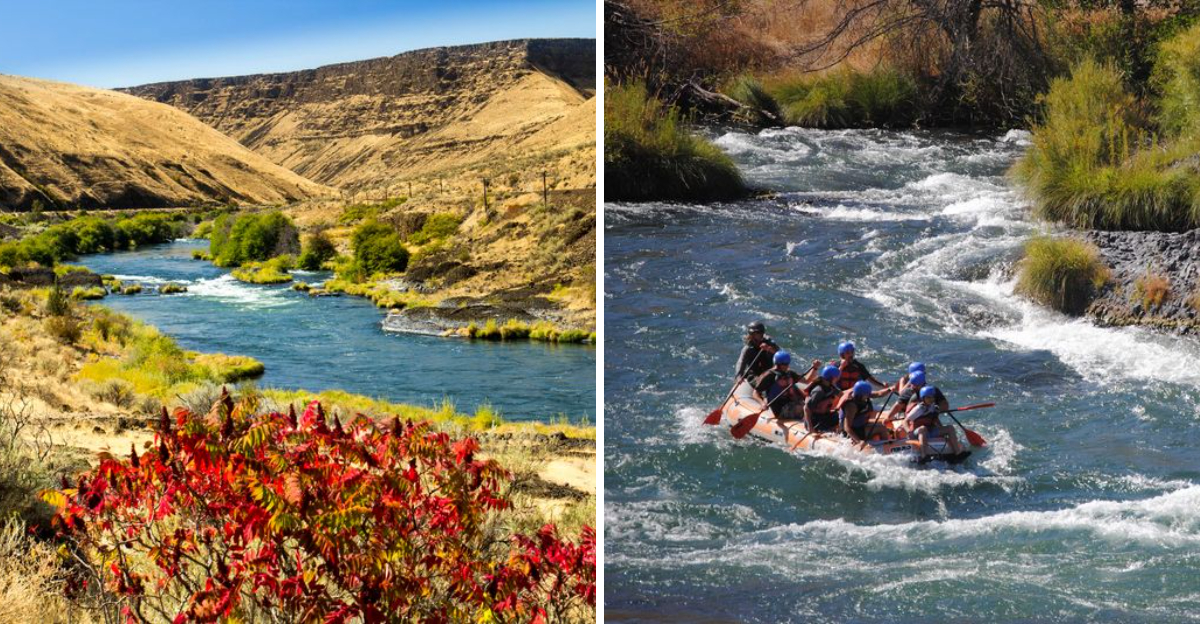
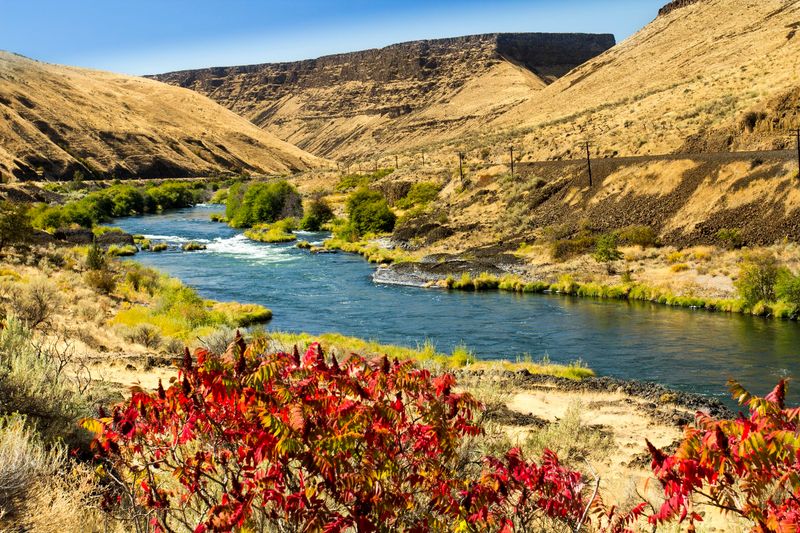
Further downstream, the canyon sections of the lower Deschutes open up into dramatic high desert terrain. Sagebrush, basalt cliffs, and sweeping river views replace the urban greenery. It is a completely different mood from the Bend float, but equally compelling in its own stark way.
Mountain bikers also use portions of the trail system, so staying aware of your surroundings on the path is worth doing. The trail network around the Deschutes is genuinely one of Central Oregon’s most underrated outdoor assets, and it is free to access.
Why the Deschutes River Keeps People Coming Back
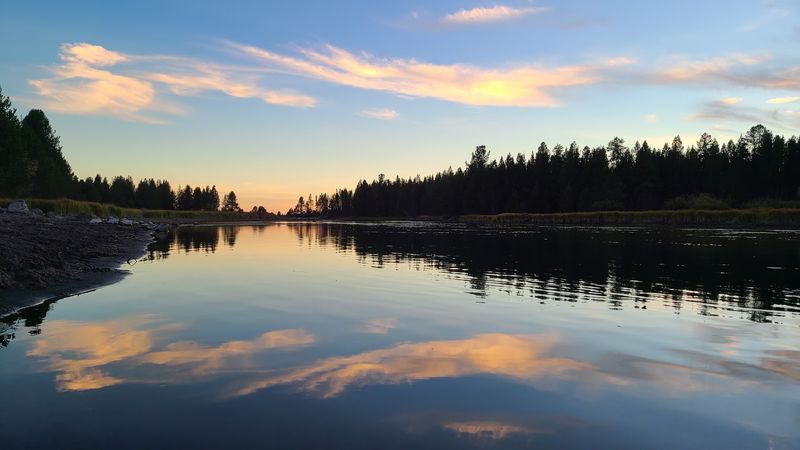
There is a reason people describe the Deschutes River as one of the best overall spots in Oregon. It is not just one thing. It is the way the river shifts from a lazy float through a city park into a wild canyon experience within a few miles. That range is rare.
Campers, anglers, hikers, photographers, and families with young kids all find something here that fits. The landscape changes dramatically depending on which section you visit, from the pine-shaded banks of Bend to the open desert canyon further south. Every visit feels a little different.
The stargazing along the lower river corridor is something people mention almost reverently. Away from city lights, the night sky above the canyon is the kind that makes you forget what you were worrying about. Cold air, river sounds, and a sky full of stars is a combination that is hard to beat.
What keeps drawing people back is the sense that the Deschutes rewards curiosity. The more of it you explore, the more it gives back. It is one of those rare places that genuinely lives up to the stories people tell about it.
