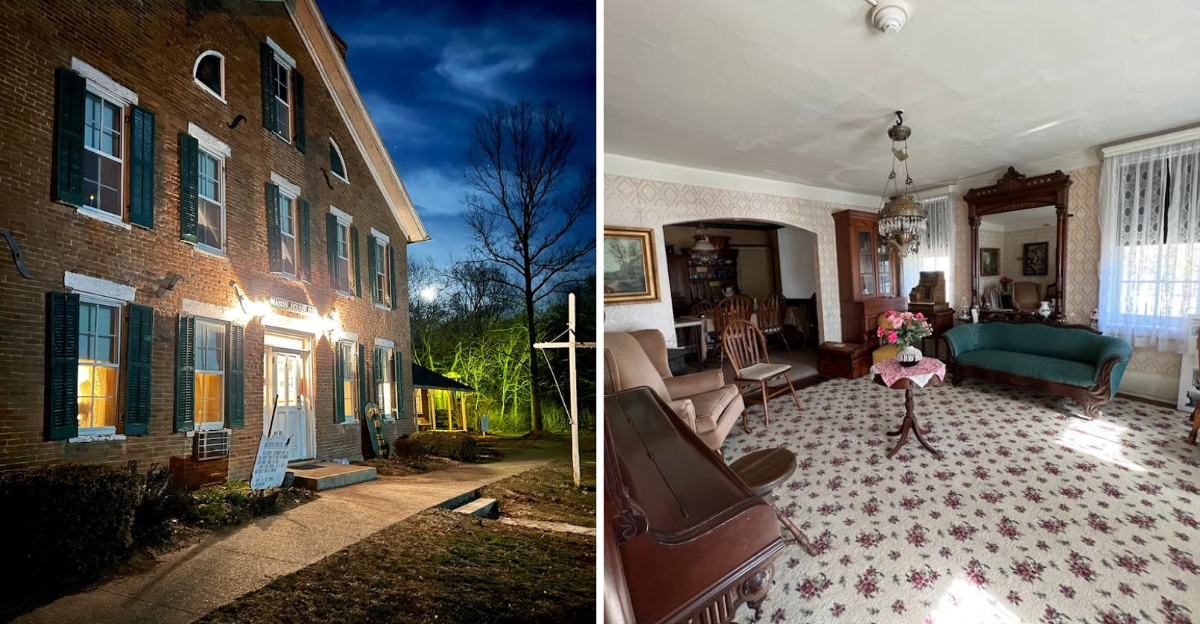
Redbrick walls have been standing since 1846 in a small Iowa river town, and that quiet weight is something you can actually feel in the air. I drove into Bentonsport not really knowing what to expect, a town with barely forty people living in it, and somehow found one of the most layered, fascinating places I have ever stayed.
That inn was built by Mormon craftsmen passing through on their way west, and it has been a hotel, a hospital, an Underground Railroad station, and yes, a tuberculosis sanatorium.
Guests today sleep in the same rooms where soldiers once recovered from Civil War wounds, and where a doctor treating TB patients eventually passed of diphtheria himself. I lay in bed that night staring at the ceiling, trying to imagine all the lives that had passed through those same walls.
Warm beds, old walls, and more than a few stories that will keep you up at night, that place is unlike anything else in the Midwest.
The History Baked Into Every Wall
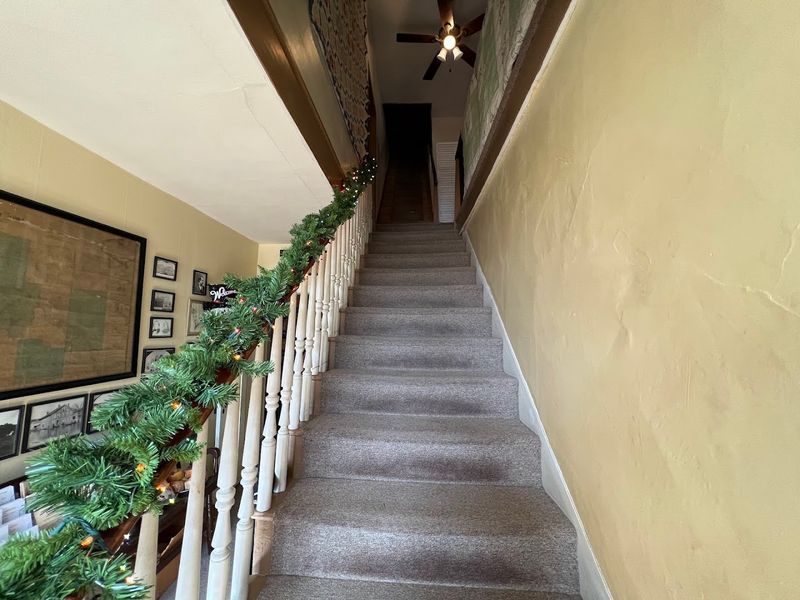
Some buildings feel old in a tired way. The Mason House Inn feels old in a way that is alive.
Every hallway, every creaking floorboard, and every hand-carved wooden banister has a story attached to it that stretches back nearly two centuries.
Built in 1846 by Mormon craftsmen traveling west from Nauvoo, Illinois, the inn originally served steamboat passengers on the Des Moines River. It was known first as the Ashland House, then later as the Phoenix Hotel after Lewis and Nancy Mason took ownership in 1857.
The Mason family held onto the property for 99 years, which is a kind of loyalty you rarely see anymore.
What makes the history here feel so tangible is that the current owners, Chris and Fe, have preserved almost everything. Antiques line the hallways.
Historical notations sit beside objects of interest throughout the inn. You can actually read about what you are looking at while you stand next to it, which makes the whole experience feel like wandering through a living museum rather than just a bed and breakfast.
The building has survived five major floods over the years. Indoor plumbing was not even added until the late 1990s, which gives you a sense of just how long this place operated on its original terms.
The inn is listed on the National Register of Historic Places, and that recognition feels completely earned. History here is not a marketing angle.
It is the actual foundation the place is built on.
Rooms That Carry the Weight of the Past
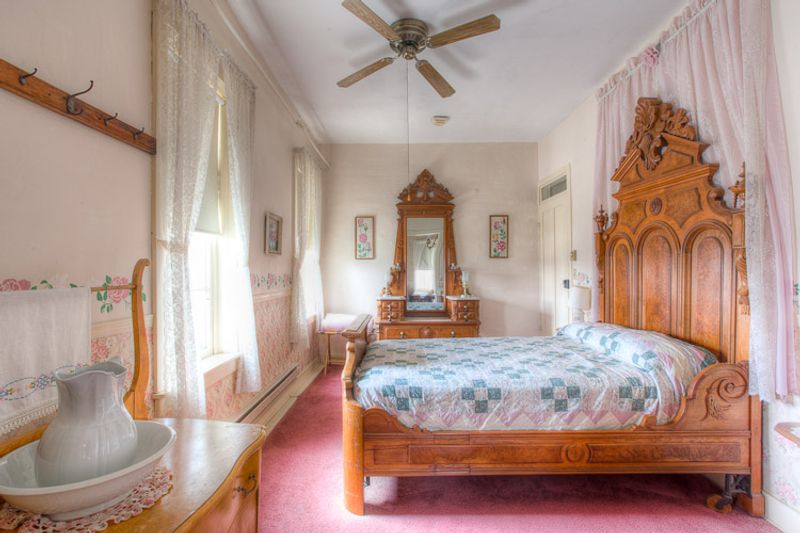
Room 7 has a reputation. Guests who stay there often report a heavy presence settling in around them at night, footsteps crossing the floor when no one else is awake, and a general feeling that the room is already occupied.
That is because, according to the inn’s history, a man named Mr. Knapp was murdered in that very room, stabbed with a saber after mistakenly trying to get into an occupied bed.
Room 8 has its own story. A gaunt figure with white hair has been spotted there more than once, and an owner’s daughter reportedly saw a floating head near the doorway.
Each room in the inn carries some version of a story like this, layered beneath the antique quilts and hand-carved furniture that make the spaces genuinely beautiful to sleep in.
The beds themselves are Victorian-style frames, solid and substantial, dressed in quilts made by previous innkeepers. Guests consistently rave about how comfortable the mattresses are, which makes the whole experience a little disorienting.
You are sleeping soundly in a gorgeous historic room, and then something tugs your pajamas at 2 a.m.
I stayed in a room that felt warm and cozy in all the right ways during the day. At night, the atmosphere shifted just slightly, nothing dramatic, just a kind of awareness that the space had been used by a lot of different people over a very long time.
That feeling alone is worth the stay.
A Sanatorium Story That Still Lingers
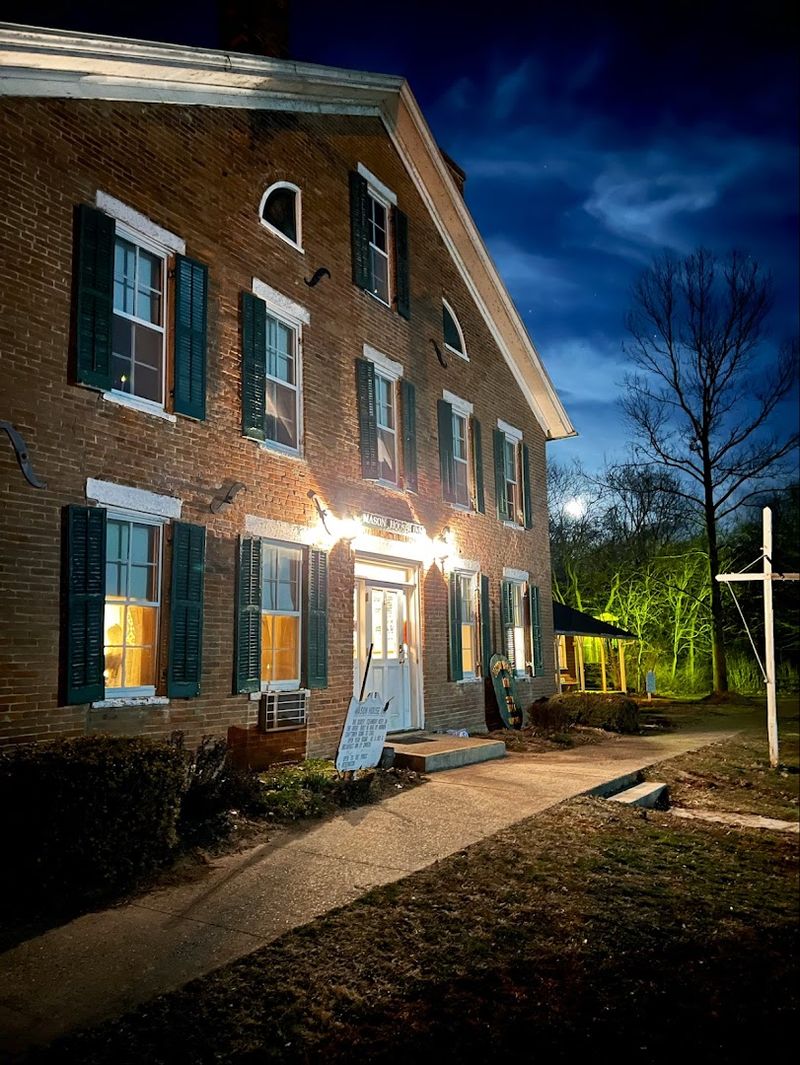
The tuberculosis sanatorium chapter of this inn is the part that sticks with you long after checkout. From the 1920s through the 1950s, the building housed TB patients under the care of a doctor who lived and worked on-site.
That doctor eventually passed of diphtheria himself, along with several of his patients. The weight of that history is not something the inn hides.
Before that stretch, in 1913, the building had already served a similar medical function. And before that, during the Civil War, wounded soldiers were treated within these same walls.
The inn has absorbed a remarkable amount of human suffering and human resilience over its lifetime, and somehow it still feels like a place of genuine warmth rather than dread.
That tension is part of what makes it so compelling. You are not just staying somewhere with a spooky backstory slapped onto it for seasonal tourism.
The medical history here is documented, real, and woven into the physical fabric of the building in ways you can feel when you slow down and pay attention.
Chris and Fe talk about this history openly and honestly, which makes it land differently than a ghost tour script would. There is no performance to it.
The sanatorium years shaped what this building became, and the spirits guests report encountering today may well include some of the people who never made it out. That thought alone is enough to make the warm bed beside you feel a little less lonely at midnight.
The Spirits Guests Keep Talking About
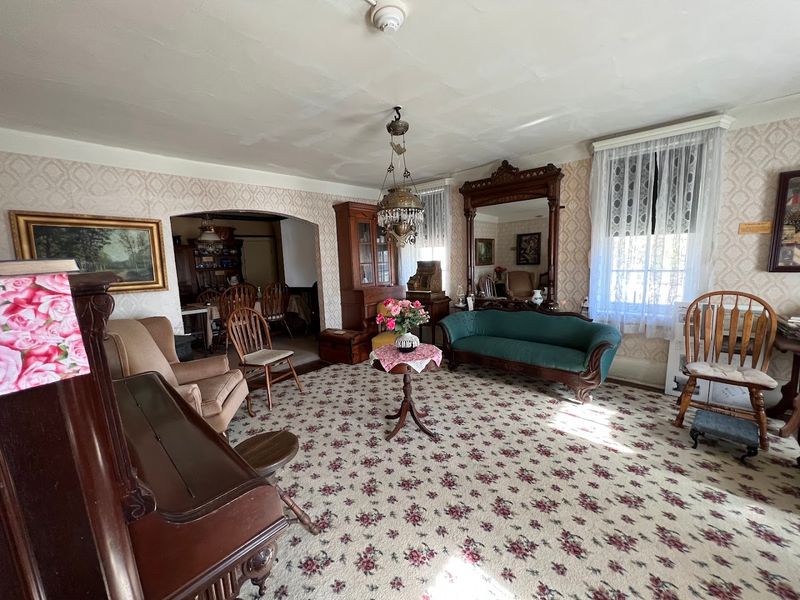
The Mason House Inn has been recognized by the Today Show as one of the most haunted bed and breakfasts in America, and the list of reported spirits is genuinely detailed. George is a young boy whose presence has been felt throughout the inn.
Mary Mason Clark, who passed away of a heart attack on the third floor in 1911, reportedly only tolerates one of the current owners in her former sewing room.
Fannie Mason Kurtz, the last Mason family member to own the inn, ended in the dining room by the fireplace in 1951. She was found three days later, still in her rocking chair.
Guests have reported hearing that rocking chair creak from empty rooms, which is the kind of detail that is hard to shake.
Other reported activity includes rattling doorknobs, unexplained knocks, cold spots, full-body apparitions, and objects shifting on their own. Some guests have felt their hair pulled or experienced a tug on their clothing while lying in bed.
There are also reports of a Civil War soldier, various children, and even a ghost cat wandering the premises.
The owners welcome paranormal investigators and have a clear set of guidelines in place to keep things respectful and safe. No Ouija boards, no homemade ghost boxes, and no lock-out style investigations are permitted.
What I appreciated most is that none of this is played for cheap thrills. The stories are shared with genuine care, and the inn treats its resident spirits with a kind of quiet dignity.
Bentonsport: The Tiny Town That Time Forgot
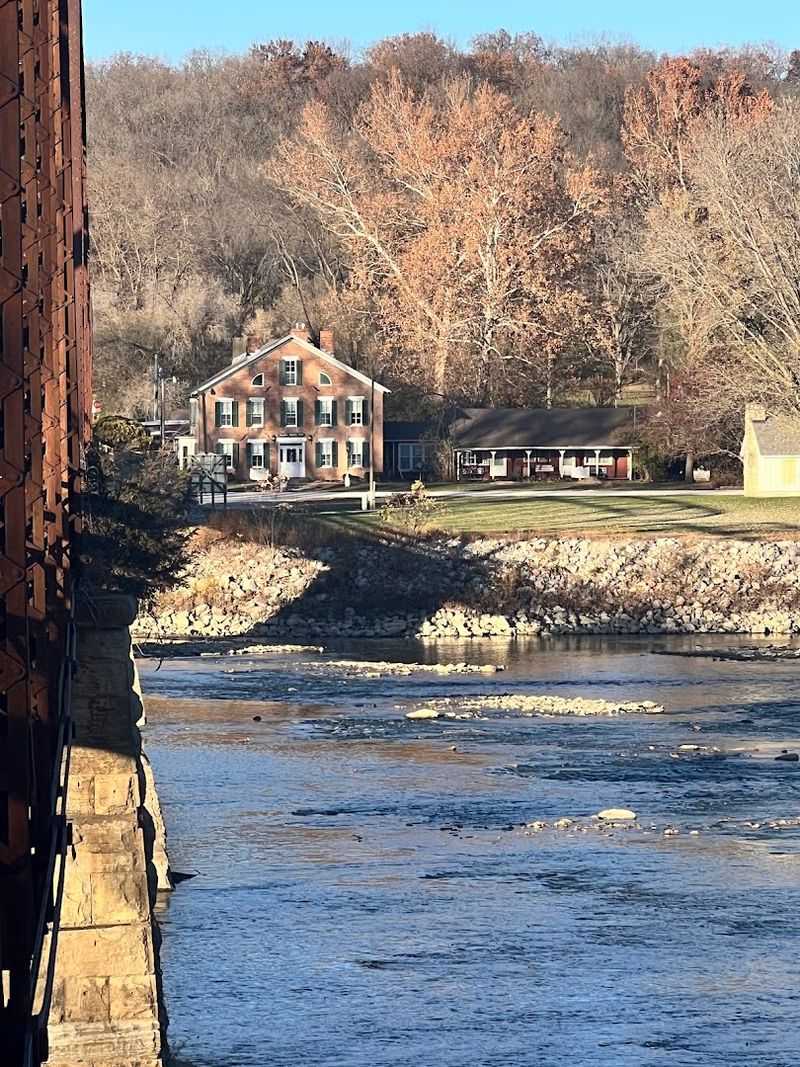
Bentonsport is the kind of place you almost miss if you blink at the wrong moment on the highway. The village was platted in 1836 on the banks of the Des Moines River, and at its peak it was a bustling steamboat port with a population of around 1,000 people.
It had mills, a post office, and even Iowa’s first paper mill.
Then the railroad reached Des Moines in 1866, and the river became non-navigable by 1870. The town did not disappear so much as it quietly stepped out of the current of time and stayed there.
Today, about 40 people call Bentonsport home, many of them artists and innkeepers who have chosen the village specifically for its preserved, unhurried character.
The historic Bentonsport Bridge, built in 1883, is the oldest wagon bridge of its type on the Des Moines River and now functions as a pedestrian bridge. You can stand on it and hear the water moving below, which is one of those small sensory moments that stays with you.
The whole village is listed on the National Register of Historic Places.
Staying at the Mason House Inn means you are right in the middle of all of it. Step out the front door and the river is right there.
There are small shops to wander through, a picnic area nearby, and a general sense that the outside world has agreed to leave this place alone. It is genuinely one of the quietest towns I have ever spent a night in, and that quiet is its own kind of luxury.
Breakfast, the Caboose, and Why You Should Actually Stay
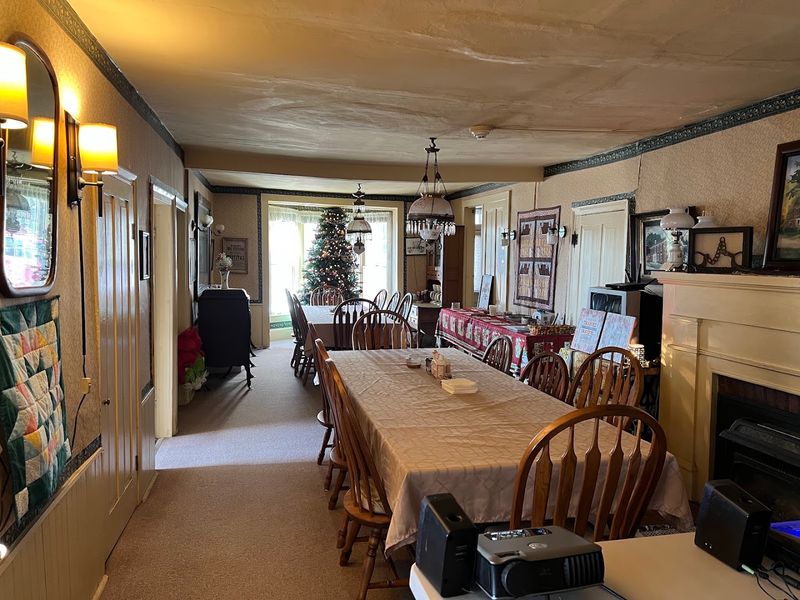
For all the ghost stories and sanatorium history, what guests talk about just as often is the breakfast. Chris and Fe serve up scrambled eggs, sausage, French toast, and fruit in a dining room surrounded by antiques and history.
One guest described it as the best scrambled eggs they had ever eaten, and based on everything else about this place, I believe them completely.
The inn offers around nine or ten guest rooms, each furnished with period-appropriate antiques and handmade quilts. But the most unexpected accommodation option is the caboose cottage parked on the property.
It is exactly what it sounds like: a converted train caboose with a private bathroom, a small kitchen, a cozy sleeping area, and a little nook up top that works as a hangout or workspace. Families and couples both seem to love it.
The owners are consistently described as warm, knowledgeable, and genuinely fun to spend time with. They give tours, share stories, and make guests feel like they are visiting a home rather than checking into a hotel.
That personal quality is rare and hard to manufacture.
The inn is pet-friendly and offers free parking, free Wi-Fi, and free breakfast, which makes the overall value feel almost unreasonably good for what you get. Whether you are coming for the paranormal history, the Victorian charm, or just a genuinely quiet night in a fascinating old building, the Mason House Inn delivers on every front.
Address: 21982 Hawk Dr, Keosauqua, IA 52565.
