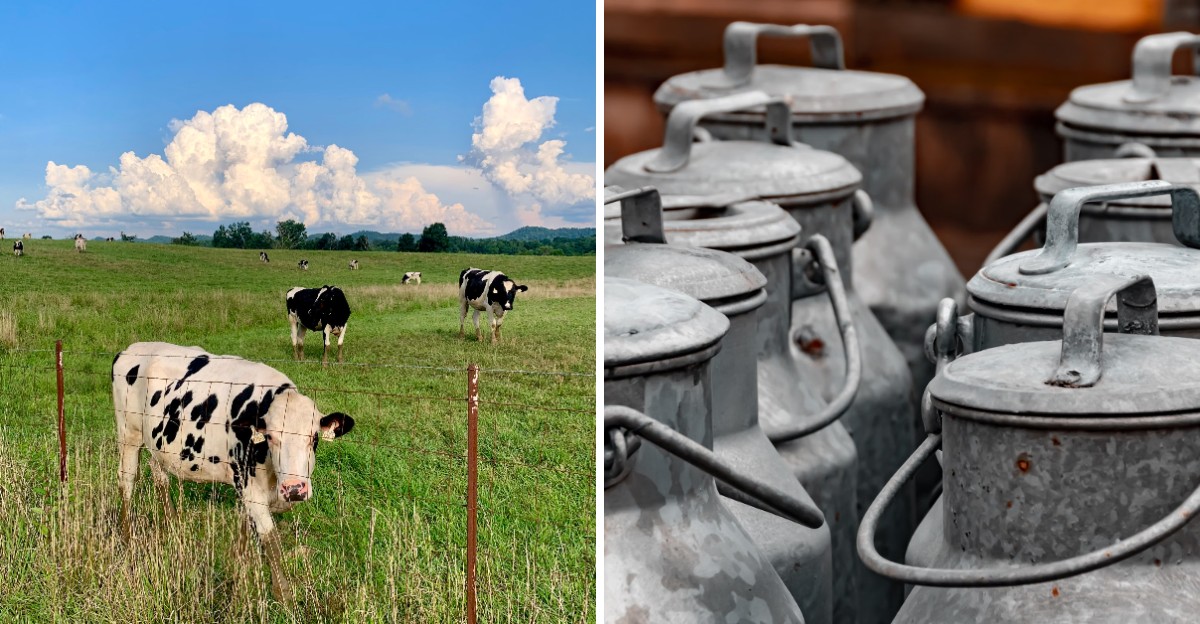
A cow named Daisy was supposed to supply milk for one family’s kitchen table. Nobody planned on her starting a whole business.
That single cow arrived in 2020. Today, her farm runs a bottling line that can handle 500 gallons of milk every 30 minutes.
That’s a pretty big leap from one pail in the barn.
I love stories like this one from Alabama, because they feel almost too charming to be true. Yet the numbers back it up, from a growing herd to a cheese vat that turns out cheddar by the hundreds of pounds.
I believe the best farm visits let you see where your food actually comes from. This one has windows built right into the processing rooms for exactly that reason.
So how did one family cow lead to all of this?
One Cow Named Daisy Accidentally Started Everything
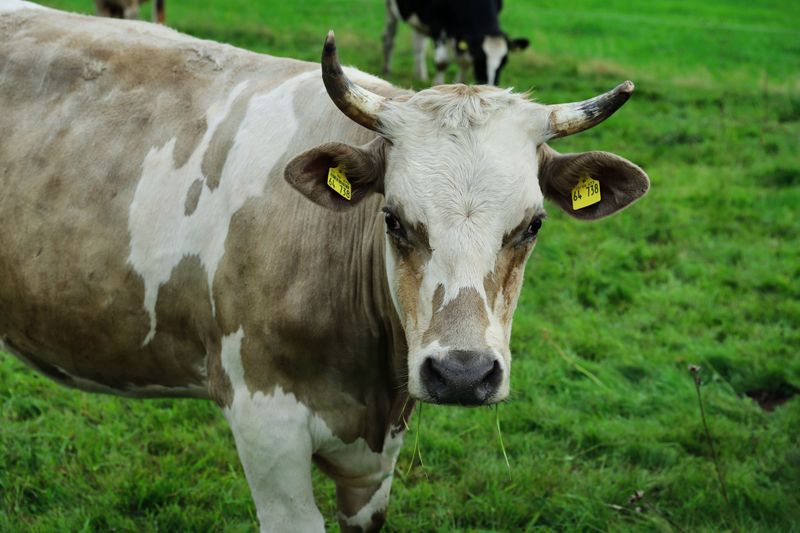
Some businesses start with a big plan. Miller Family Dairy started with a cow named Daisy and a simple wish for fresh milk at home.
Back in 2020, Craig and Jenni Miller bought Daisy just to feed their own family. They had no plans to open a commercial dairy at all.
Then something funny happened. One cow turned into a few, and a few turned into a real herd.
By 2025, the farm had eight cows. By July 2026, that number had climbed to 20 milking cows, which is a lot of mouths to feed and udders to tend.
The Millers aren’t stopping there either. Their plans call for growing the herd to somewhere between 80 and 100 cows to keep up with local demand.
This is a first-generation farm, which makes the story even better. Nobody inherited a big operation or a century of family farming know-how here.
I can’t imagine the learning curve that came with going from one family cow to a full Alabama dairy. It takes guts, patience, and probably a lot of early mornings.
Daisy deserves a little credit too. Not every cow can say she launched an entire business.
A Whole Family Pitches In Behind the Barn Doors
Running a dairy is a full-time job for more than one person. At this farm, the work is truly a family project.
Craig and Jenni Miller own and operate the business. You may also see Jenni’s name listed as Jennilee in some places.
Their three children help with the farm’s daily operations as well. That means this dairy really earns the word family in its name.
Cows don’t take weekends off, and they definitely don’t sleep in. Every milking, feeding, and cleanup has to happen on schedule, rain or shine.
I like how a family-run farm feels personal in a way bigger operations rarely can. The people bottling your milk are the same people caring for the cows.
Kids raised on a working dairy also pick up skills most of us never learn. Think animal care, responsibility, and how to handle a surprise at five in the morning.
The family also built a 16-cow milking parlor with their own money. That shows serious commitment before any state help arrived.
So when you grab a bottle of milk here, you’re supporting more than a brand. You’re backing a household that bet big on a dream and keeps showing up for it.
The $1.9 Million Upgrade That Changed the Game
Here’s a number that makes jaws drop. The Millers received a $1.9 million state grant to bring milk processing right onto their farm.
The money came from the Alabama Department of Agriculture and Industries. It was part of the Resilient Food Systems Infrastructure Program, often shortened to RFSI.
The grant paid for the processing equipment and a delivery vehicle. The milking parlor, though, was paid for privately by the family.
Why does on-farm processing matter so much? Many small dairies have to send their milk elsewhere, so they lose control over how it’s handled and sold.
Now, Miller Family Dairy can milk, process, bottle, and sell everything from one spot in Colbert County. Milk sales from the new facility kicked off in late July 2026.
The building also includes special areas for making cheese and butter. That opens the door to far more than just a glass of milk.
Sustainability got some attention too. The facility uses water recycling systems, which is a smart move on a farm that uses plenty of water every day.
Not bad for a project that began with one cow named Daisy. That’s a glow-up worth celebrating.
Watch the Milk Magic Through Big Windows
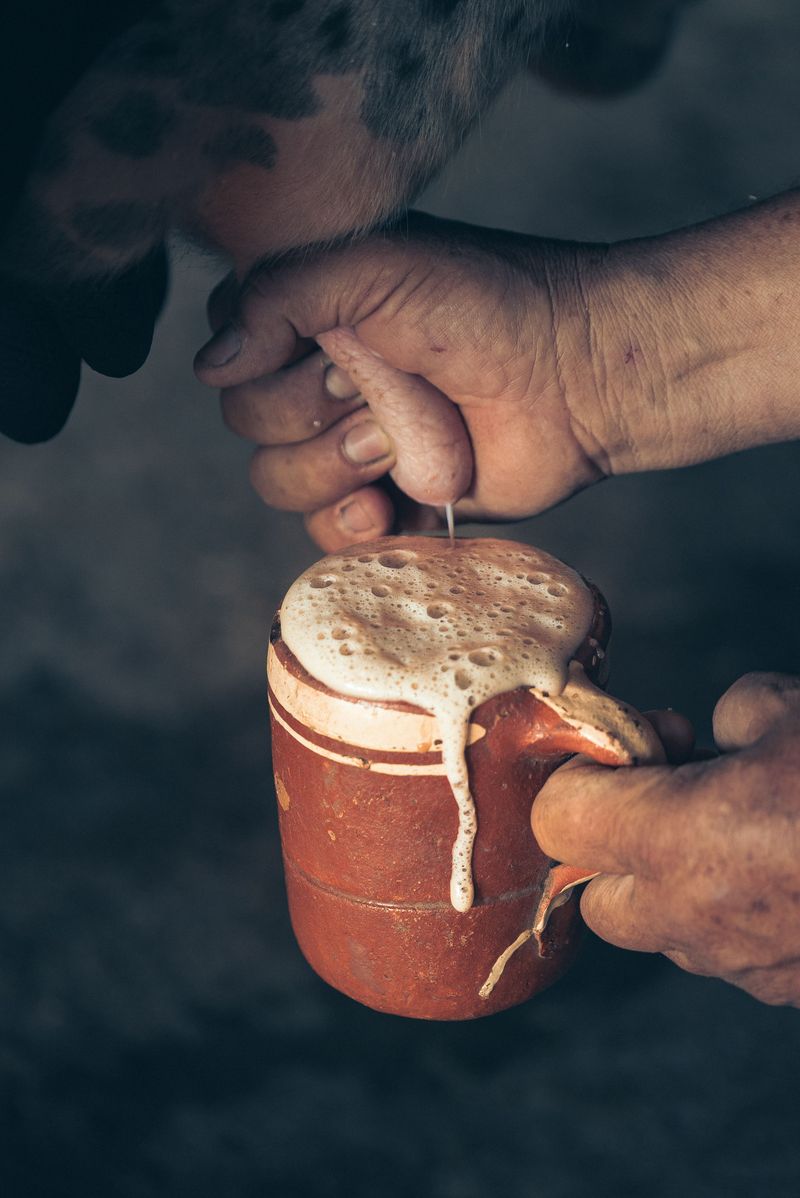
Curious folks, rejoice. The processing facility was designed with observation windows so visitors can see what’s happening inside.
Cameras are part of the setup as well. The whole idea is transparency, so nobody has to wonder how their milk gets made.
Inside, a semi-automated bottling line can process 500 gallons of milk every 30 minutes. That’s quite a sight compared to hand-milking one cow in a barn.
There’s also a cheese vat that makes 200 pounds of cheddar in a single batch. Cheese lovers, take a moment with that number.
I believe seeing food being made changes how you think about it. A bottle of milk feels different once you’ve watched its journey.
This is a great stop for kids who think milk just appears at the grocery store. It’s also great for adults who secretly wonder the same thing.
The windows make the dairy feel open and welcoming. You’re not shut out from the process, you’re invited to watch it unfold.
Honestly, it might be the most satisfying window-shopping you’ll ever do. No purchase required to enjoy the show, though you’ll probably want some milk afterward.
Cream-Top Milk Is the Star of the Fridge
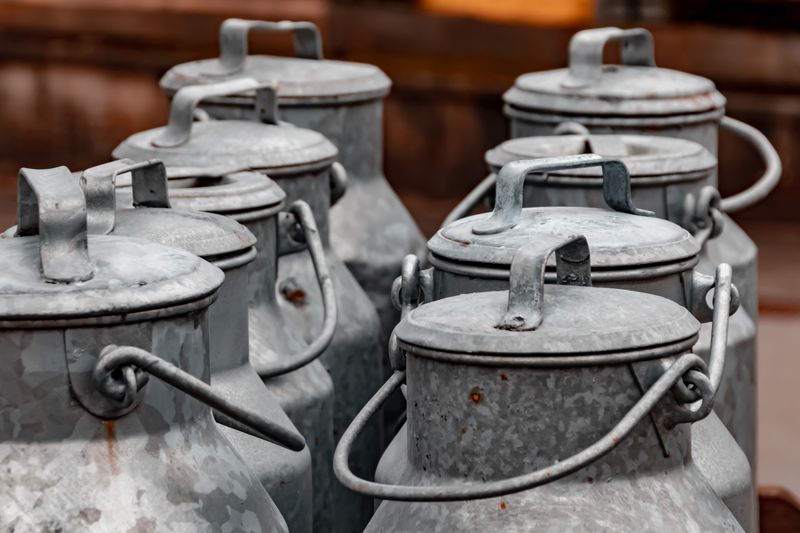
Shake before pouring. That’s the friendly rule with cream-top milk, since the rich cream naturally rises to the top of the bottle.
Miller Family Dairy makes Grade A pasteurized, fresh cream-top milk. They use a vat pasteurization method meant to protect the milk’s natural flavor and nutrients.
Vat pasteurization is a slower, gentler approach than many large plants use. It’s one more way this small farm does things its own way.
The dairy doesn’t stop at milk. Farmstead cheeses and butter are part of the lineup too, made right on site in the facility’s special cheese and butter areas.
More choices are on the way. The family plans to add skim milk and chocolate milk lines in the future.
Chocolate milk from a local farm? That might be the best news for kids in Colbert County this year.
The Millers also hope to supply milk to local schools in plastic bottles. That would put farm-fresh milk on lunch trays close to home.
The early buzz focuses on the milk itself, and it’s easy to see why. When your whole business began with a craving for fresh milk, you’d better make it good.
Shop a Year-Round Farmers Market Without Leaving the Farm
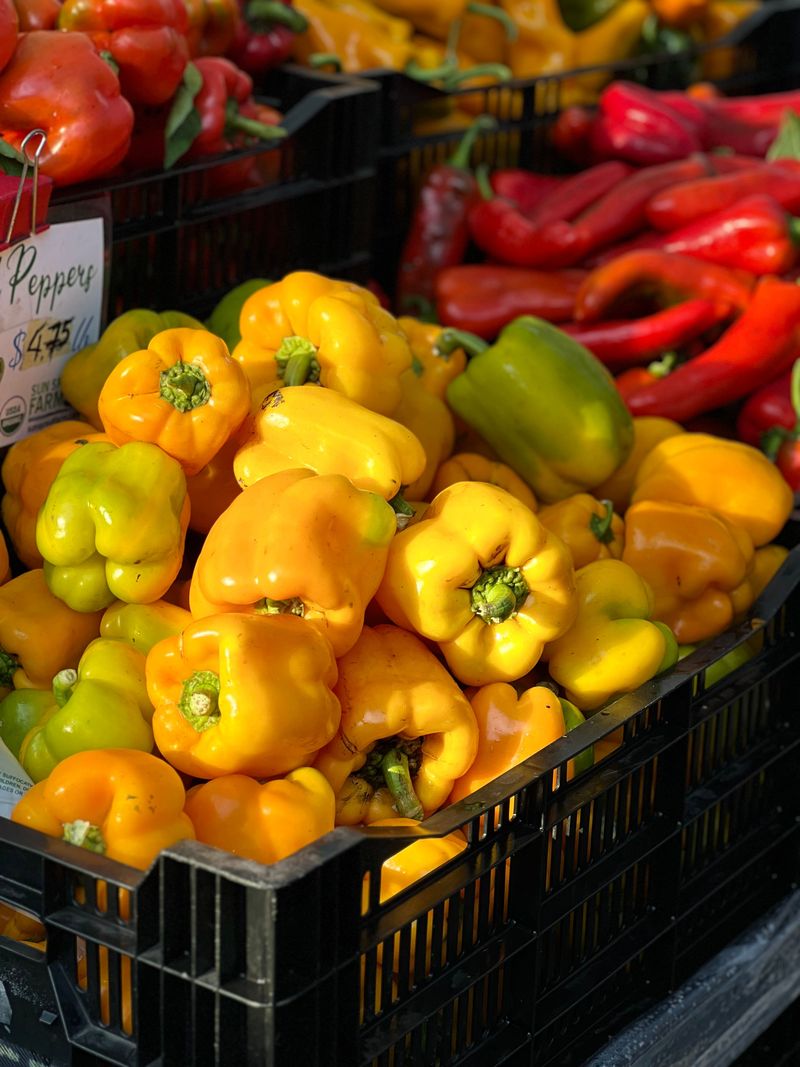
Milk may be the headliner, but the farm store has a surprisingly full supporting cast. It works like a year-round farmers market.
Shelves feature locally farmed beef, pork, and poultry. You’ll also find seasonal produce, honey, soaps, and candles.
Many of these goods come from other local farmers. So one shopping trip here helps several Alabama families, not just one.
That’s a clever setup for a rural community. Instead of driving all over the county, you can gather a lot of local goodness in a single stop.
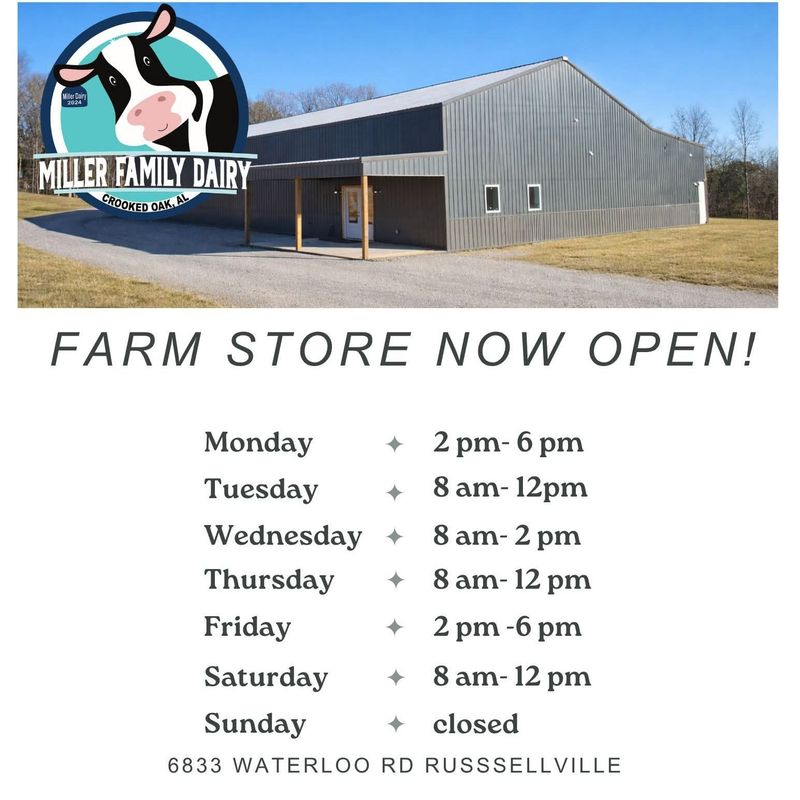
The store is open six days a week. Hours shift by day, with Monday afternoons, longer weekday hours on Tuesday, Thursday, and Friday, and shorter mornings on Wednesday and Saturday.
Sundays are closed, so plan your milk runs around that. Nobody wants to show up with an empty fridge and a closed door.
I like that the store mixes everyday staples with small handmade items. You can grab dinner ingredients and a candle for a friend in one trip.
It’s the kind of place that makes grocery shopping feel less like a chore. A little farm charm goes a long way on a busy week.
Field Trips Here Come With Calves, Hay Mazes, and a Cow Named Moolie
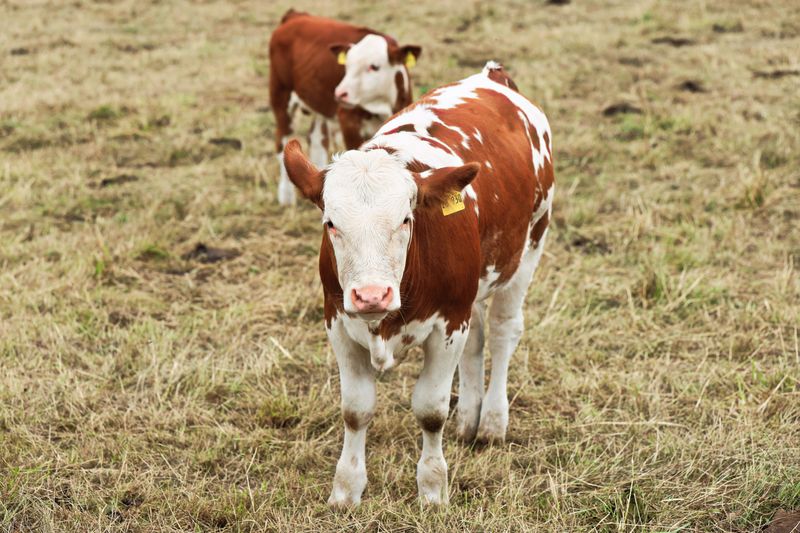
Most field trips end with a gift shop. This one ends with every student taking home a bottle of fresh milk.
Farm tours and educational programs began in September 2026. They’re built around eight learning stations that cover the full dairy story.
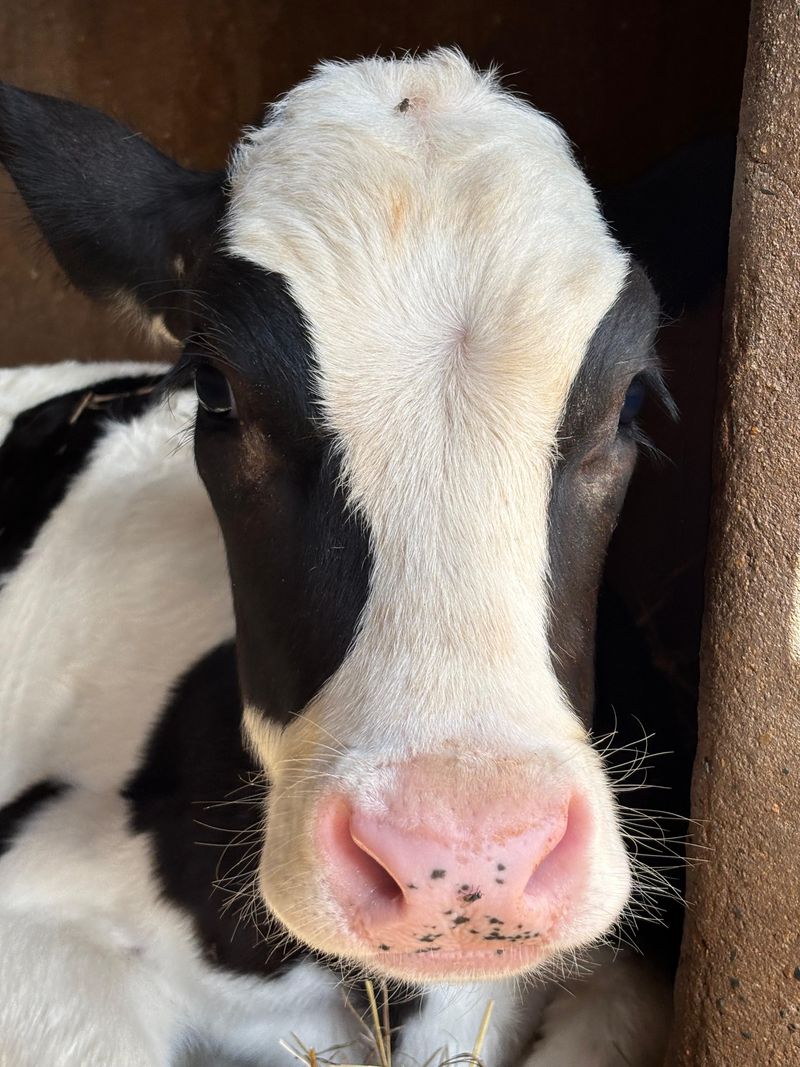
Students can watch cows being milked and learn the farm to fridge process. They also meet baby calves and see how newborn calves get cared for.
Other stations explain what cows eat and how their health gets checked. It’s science class with a lot more mooing.
Then comes Moolie. She’s a replica cow that kids can try hand-milking, which is far less nerve-racking than practicing on the real thing.
The fun keeps going at the Play Patch. It includes a hay maze, a corn pit, and an inflatable obstacle course.
The farm also hosts Meet the Cows events. Those give families a chance to get up close with the herd outside of school trips.
I can’t think of a better way to teach kids where milk comes from. Teachers get a lesson plan, and kids get hay in their shoes and a great story.
Crooked Oak Is Worth Putting in Your GPS
Crooked Oak sounds like a place from a storybook. It’s actually a real rural community in southern Colbert County, Alabama.
The farm sits between Russellville and Tuscumbia. That puts it within reach for folks from both towns and the wider Shoals area.
You’ll find Miller Family Dairy at 6833 Waterloo Road, Tuscumbia, AL 35674. The Tuscumbia mailing address can surprise people, since the community feels closer to the countryside than to town.
The drive gives you a real taste of farm country. Expect open land and the slower pace that makes a dairy run feel like a mini getaway.
A tip for planning: check the day before you go. Saturday and Wednesday hours end early in the afternoon, and Monday doesn’t open until 2 PM.
Bring a cooler if you’re traveling any distance. Fresh milk, butter, and meat will thank you on the ride home.
I like that the location makes the trip feel intentional. You’re not just swinging by a chain store, you’re heading out to where the cows actually live.
And honestly, saying you bought milk in Crooked Oak sounds way cooler than saying you went to the supermarket.
Big Dreams Are Still Mooing on the Horizon
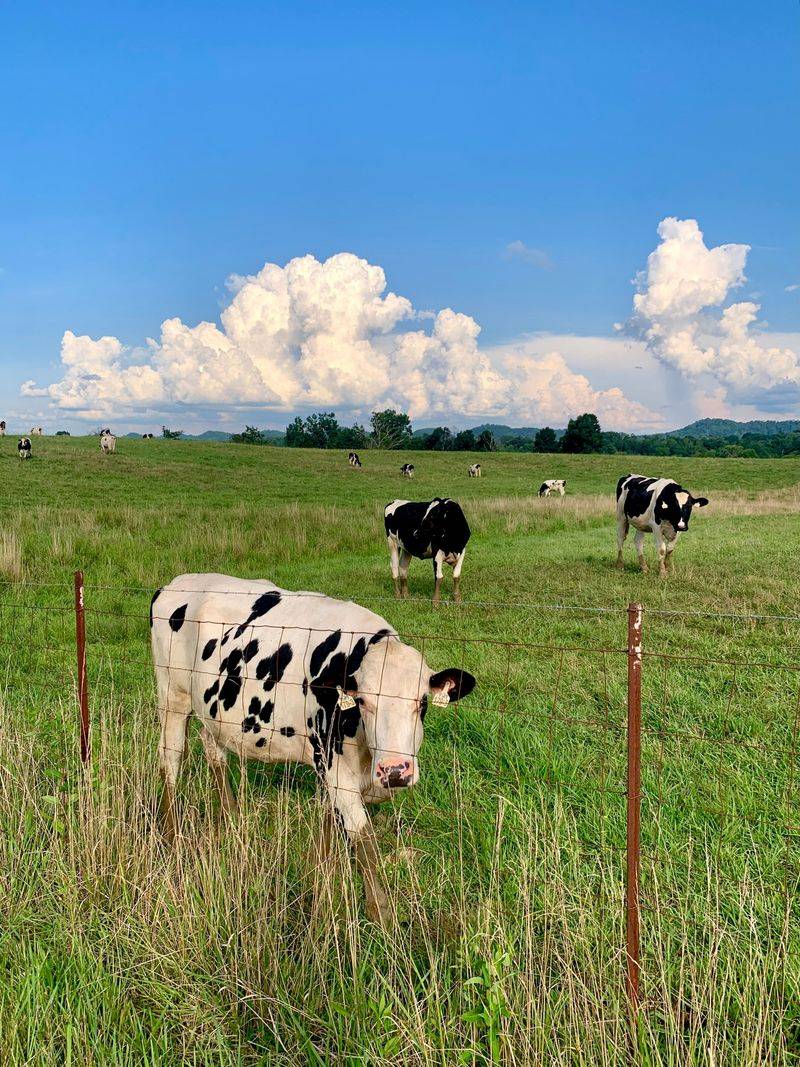
Twenty cows is impressive. But the Millers clearly see this as chapter one, not the final page.
The family hopes to grow the herd to between 80 and 100 cows. That growth is aimed at meeting strong local demand for their milk.
New products are also on the wish list. Skim and chocolate milk lines are planned, giving shoppers even more reasons to stop by.
School milk could be the biggest milestone yet. Getting farm-fresh bottles into local cafeterias would connect the dairy to thousands of young drinkers.
Miller Family Dairy also shows what state investment can do for small farms in Alabama. The RFSI grant turned a growing family farm into a full processing operation.
I believe that matters for the whole region. Local food gets stronger when farms can make and sell products close to home.
Every visit, every bottle, and every field trip helps push those plans forward. Your shopping list becomes a small vote for local farming.
So keep an eye on this place. If one cow named Daisy could spark all of this, there’s no telling what the next few years will bring to Crooked Oak.
