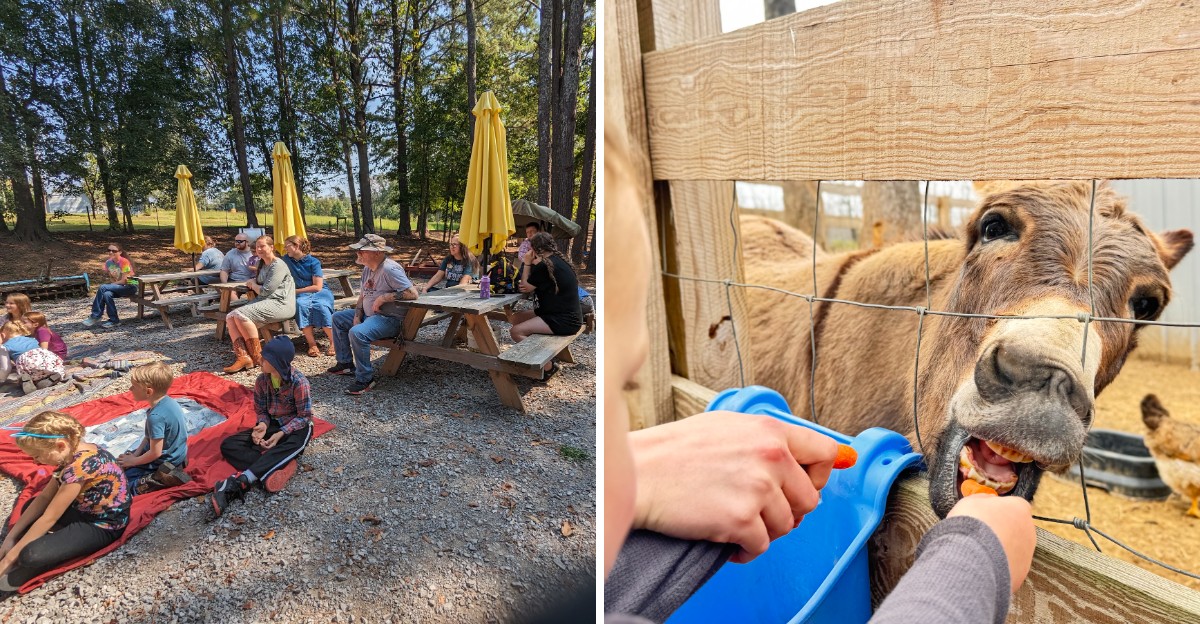
The spinach is the fastest way to make friends. At least, that seems to be the rule here.
Hold out a handful and suddenly an alpaca is interested. A miniature donkey wanders over.
A goat decides it has been waiting for you specifically. This Alabama farm sanctuary is home to rescued animals that seem much more interested in snacks than posing for photos.
Alpacas, goats, miniature donkeys, peacocks, chickens, and plenty of other residents wander around the property, while visitors can see them during small appointment-based tours. The best part is how little the place feels like an attraction.
There are no crowds pushing through. No rush to the next exhibit.
Just animals, open space, and enough spinach to make a very convincing afternoon plan.
A Farm Where Nothing Is Fenced In
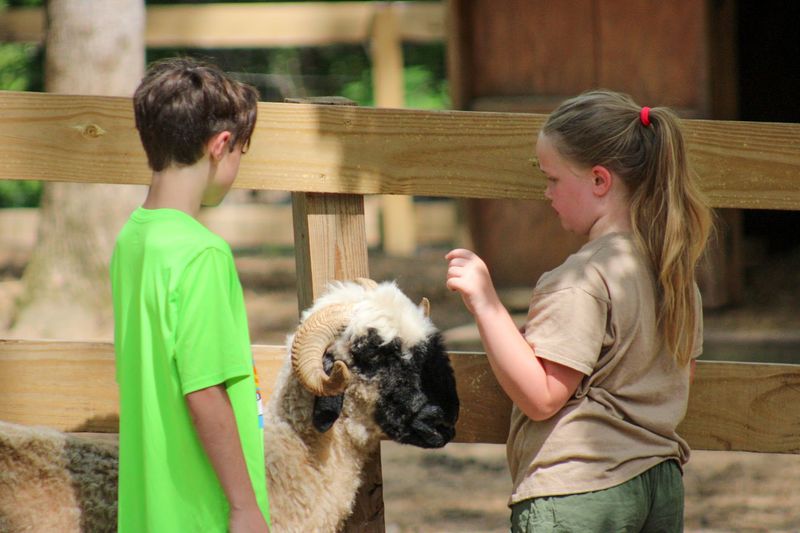
Most farms greet visitors with gates, latches, and a whole lot of wire. Here, at 820 County Road 1225 Vinemont, AL 35179, the animals simply roam.
Goats wander over to say hello, chickens scratch around the same patch of dirt as a peacock, and an alpaca might stroll behind a group of children without a single barrier in the way. Founder Judy Snead, known to nearly everyone as Aunt Judy, keeps the fence-free layout on purpose.
The mix of species living side by side carries a message about acceptance and unity that visitors tend to pick up on without anyone spelling it out.
Practically speaking, it changes how a tour feels. Instead of leaning over a railing to watch animals from a distance, guests move through the same space the animals do, which makes every interaction feel earned rather than staged.
Comfortable closed-toe shoes are the smart choice, since the ground shifts between grass, dirt, and gravel depending on where the animals have been grazing.
Curious cows, pigs, turkeys, ducks, rabbits, sheep, and tortoises round out the population, and the roster changes as new rescues arrive. Watching a turkey and a goat share the same shady spot is oddly calming.
The whole setup rewards patience, because the longer someone stands still, the more likely an animal wanders over on its own terms.
Spinach, Grapes, and Very Enthusiastic Alpacas
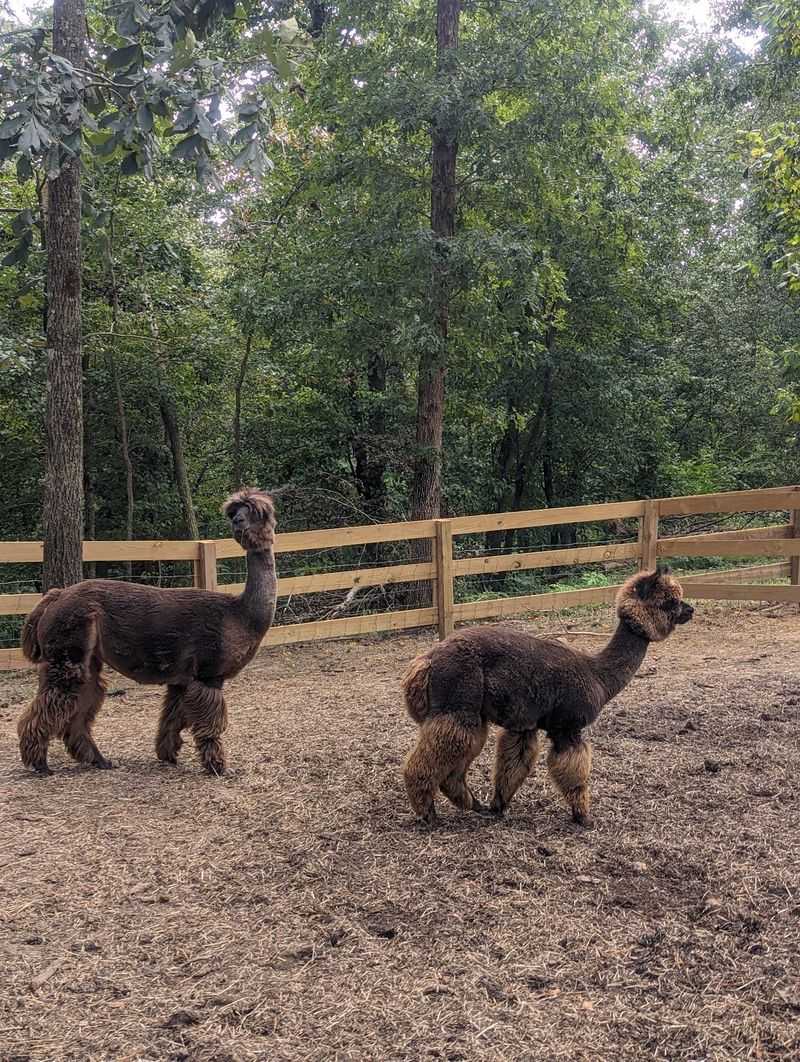
Few things break the ice faster than a fistful of spinach and an alpaca who has spotted it from thirty feet away.
Hand-feeding sits at the heart of every tour, and the approved snack list includes leafy spinach, purple seedless grapes, bananas, carrots, and apple slices. The treats are chosen carefully so the animals stay healthy, which is why outside food stays in the car.
Guests receive what they need once the tour begins.
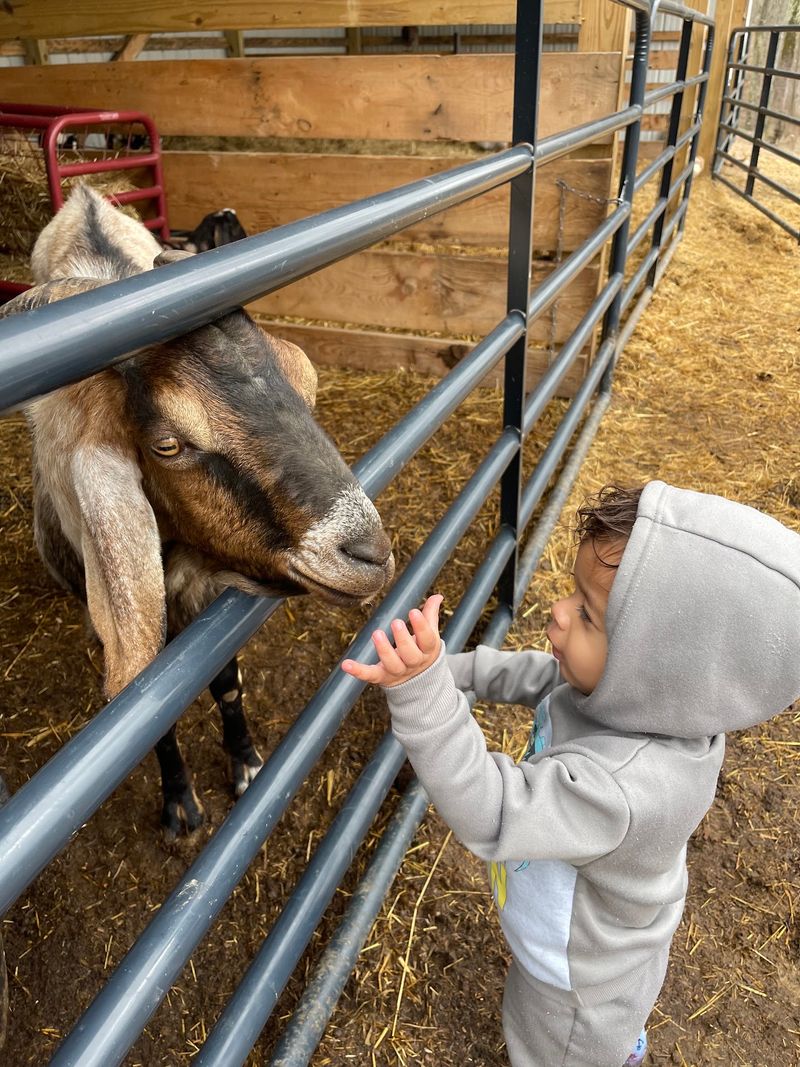
Alpacas take their food with a surprisingly soft nibble, almost polite about it. Goats, meanwhile, have no such manners and will happily crowd in from three directions at once.
Miniature donkeys tend to be the crowd favorite, partly because their size makes them approachable for small children and partly because they lean into attention like oversized dogs.
Bottle-feeding baby goats sometimes happens depending on the season, and that particular moment usually turns into the photo everyone keeps.
For nervous first-timers, the pace adapts. Staff read the room and slow things down when a child needs a minute, letting the smaller and calmer animals handle introductions.
Bring hand wipes or sanitizer for after, though there are places to wash up. Loose sleeves are worth avoiding too, since goats show real interest in anything that dangles.
Creek Time, Crawdads, and Dinosaur Bones
Down a short walk from the main farmyard, a shallow creek runs cool over smooth stones, and this is where the tour often goes gloriously off-script.
Crawdad hunting turns into the main event for a lot of younger visitors. Flip a rock, wait for the mud to settle, and something tiny usually darts sideways.
Water shoes are strongly recommended, because bare feet and creek rocks rarely end well.
Part of the fun comes from the odd treasures scattered around the area. Kids talk about finding what they call dinosaur bones, and there is an old tractor parked nearby that seems to attract climbers of every age.
The creek section also gives families a natural breather between animal encounters. After all the feeding and petting, splashing around in cold water resets everyone’s energy.
Pack a change of clothes and a towel if traveling with children, since nobody stays dry for long. A small bag for wet shoes helps too.
Alabama summers get sticky, so morning bookings tend to be more comfortable, and the shade along the creek makes a real difference in July and August. Spring visits bring wildflowers and cooler water, while early fall offers the best mix of mild weather and active animals looking for snacks.
Aunt Judy Turned a Few Chickens Into All of This
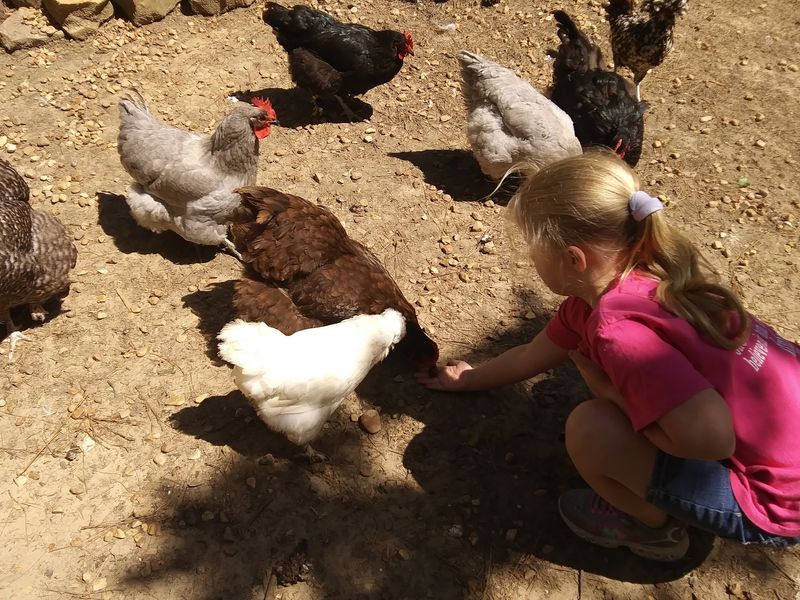
Back in 2021, during the strange quiet of the pandemic, a self-described city girl brought home a few chickens. That was the beginning.
Judy Snead had no farming background when she started, which makes the scale of the place today genuinely impressive. What began as a small backyard experiment grew into a registered non-profit and a 501(c)(3) charitable organization caring for dozens of rescued animals across multiple species.
Her approach shows in how the animals behave. They are calm around strangers, unbothered by noise, and quick to approach people, all signs of consistent handling rather than occasional attention.
Tours are guided, and the guiding matters. Visitors hear individual animal names, backstories, and details about how each one arrived, which transforms a petting session into something closer to meeting a family.
Safety gets handled quietly but firmly, especially with toddlers who tend to wander toward whichever animal is largest. Keeping both kids and animals comfortable is part of the routine.
The farm also rescues injured animals, and plans exist for a rehabilitation center called Sportsman Lake Rescue focused specifically on ducks. Hearing about projects like that mid-tour adds weight to the visit.
Booking ahead by phone or through the website is essential, since appointment-only scheduling keeps each group small.
Programs Built For Everyone, Not Just Some
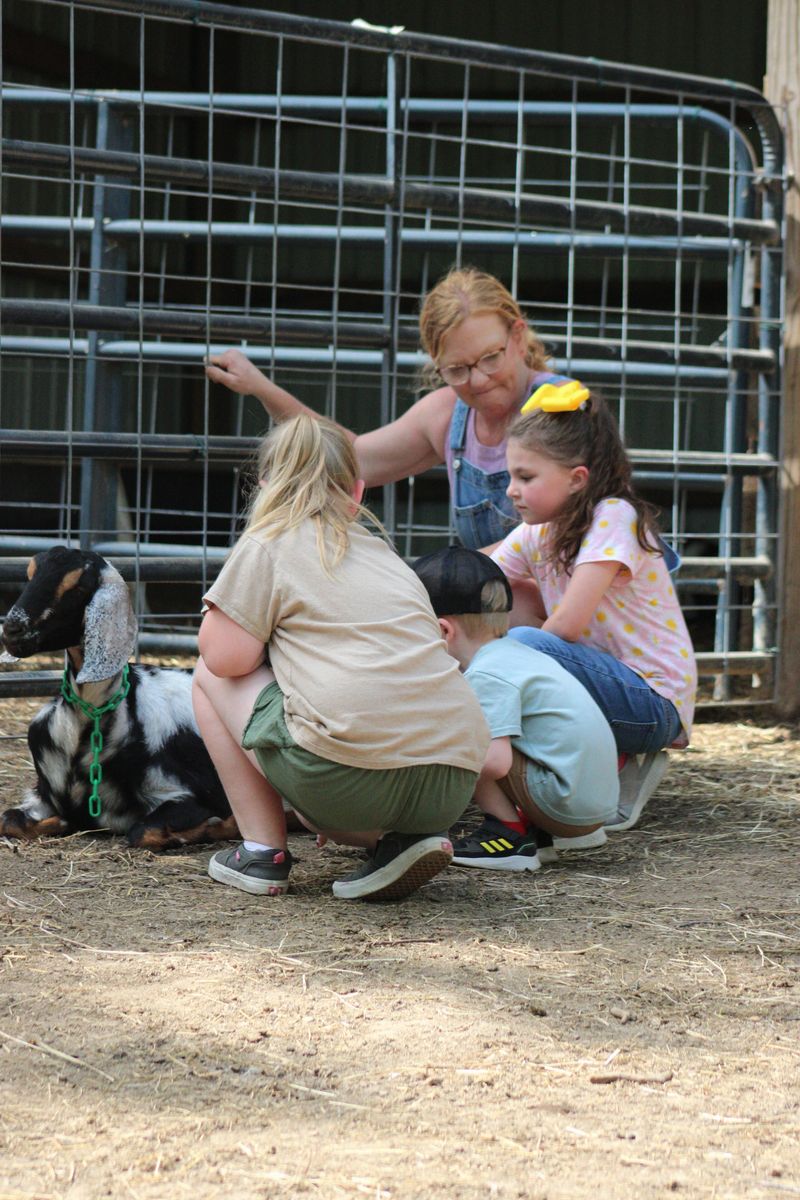
Inclusion here is not a line on a website. It shows up in the schedule.
Children with autism visit free through a partnership with the Remi Foundation, and twice-weekly programs serve individuals with disabilities.
Those sessions blend farm life lessons with karaoke, dancing, and confidence-building activities, which sounds unexpected until you realize how well animals and music work together.
Free field trips also go out to group homes, sober living facilities, and domestic violence shelters. The goal, according to the farm’s own mission, centers on belonging and healing.
What makes it work is flexibility. Tours adjust in pace and volume depending on who shows up, so a guest who needs extra time gets it without any fuss or explanation required.
Sensory-friendly visits benefit from the open layout too. There are no tight corridors or crowded viewing pens, just open ground and the option to step away whenever needed.
Families planning an accommodating visit should mention specific needs when booking, since the appointment system makes customizing straightforward.
Eggs produced on the farm get donated to Cullman Caring for Kids, a local organization supporting families in need. Small detail, big ripple.
The kindness-first philosophy runs through everything, and visitors tend to notice it in how calmly the whole place operates.
Birthday Parties, Field Trips, and Even Proposals
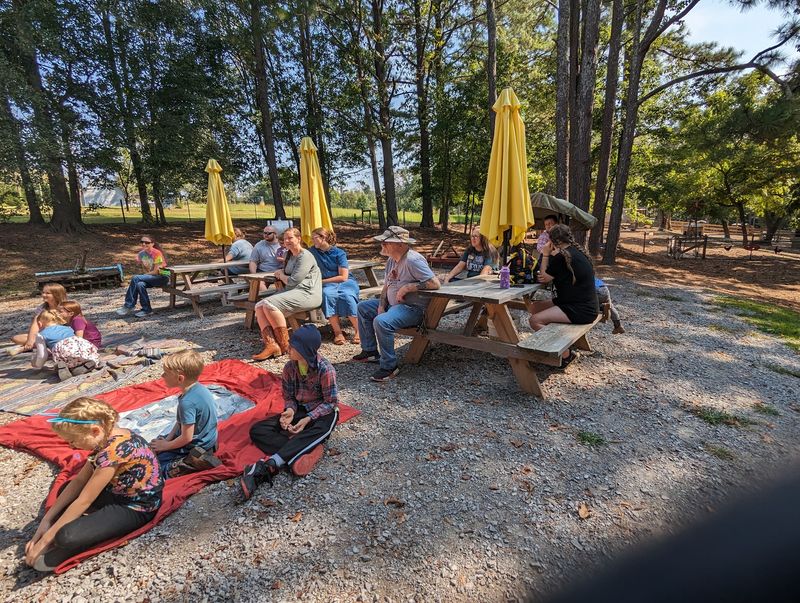
Turns out a farmyard full of friendly animals makes a surprisingly versatile event venue.
Birthday parties run regularly, with activities layered into the animal encounters. Rock painting, friendship bracelets, and a small zip line for children keep the energy moving between feedings.
School field trips are a staple, and groups of sixty-plus children have come through with structured itineraries prepared in advance. That kind of planning matters when wrangling a crowd of five-year-olds around livestock.
Photographers book the property too, drawn to the mix of animals, rustic structures, and decorated animal houses that give every frame a bit of character. Fall light across the pasture does a lot of the work.
Someone even chose the farm for a wedding proposal, which says something about how the place makes people feel.
Organizers should reach out early, especially for weekend dates, since tours only run Friday through Sunday by appointment.
Multi-generational groups do well here. Senior visitors and toddlers have shared the same tour, each finding their own pace among the animals.
The decorated farmyard adds a homemade charm that photographs beautifully and gives kids something to explore between snack rounds.
Glitter Critters and Big Dreams, Little Chickens
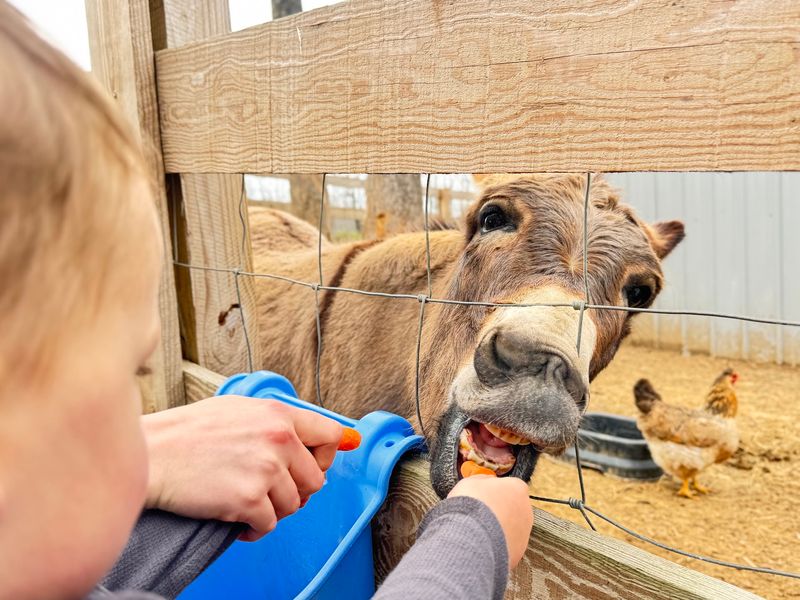
Souvenir shopping at a sanctuary usually means a keychain and a shrug. Not quite the case here.
The on-site gift shop stocks shirts, drinks, snacks, and something called glitter critters, which are exactly as sparkly and odd as the name suggests. Kids gravitate to them immediately.
Purchases support the animals directly, so browsing feels less like commerce and more like contributing to the food bill for a very hungry alpaca.
Beyond the shop, the farm runs an educational initiative named Big Dreams, Little Chickens. The program travels to libraries and schools across Alabama with interactive shows, bringing farm lessons to children who may never get to visit Vinemont in person.
Outreach like that reveals the bigger picture. The farm functions as a teaching organization as much as a sanctuary, and the tours reflect that mix of fun and learning.
Grabbing a cold drink before heading back out into the Alabama heat is a practical move, and the snack selection helps with the drive home.
For travelers building a Cullman County itinerary, the farm pairs nicely with a slow afternoon of country roads and small-town stops.
Many families end up returning, some driving well over an hour each way, which might be the clearest endorsement of all.
