A bathtub dangling off the side of a three-story climbing structure in the lobby is not what I expected to see when I walked into a big brick building on a downtown Arizona block. I had come looking for a quiet little museum, and instead I walked into a happy roar of kids racing in every direction.
The building used to be a school built back in the 1910s, and you can still see the wide staircases and tall windows that thousands of students once used. Now those same halls hold more than 300 hands-on things to touch, climb, build, and knock over.
I found myself staring up at that climbing structure for a solid minute, watching kids disappear into tubes and emerge near the ceiling like they had discovered a secret passage. The place still has original classroom doors and high ceilings that make the noise of discovery echo in the best way.
I stayed longer than I planned, mostly because every corner led to something I had not noticed yet. A solar system hung above a hallway, a human heart big enough to walk through, and a room full of circuit boards where you could actually build a working light.
This place does not have to try to be fun. It just is.
The Old Monroe School Still Shows Off Its Bones
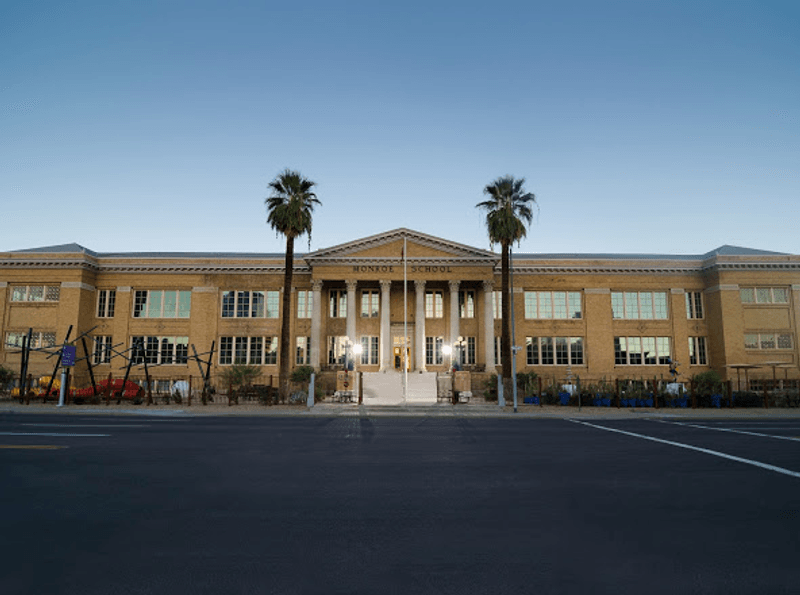
Red brick, tall columns, and a wide set of front steps greet you before a single exhibit does. The Monroe School opened in 1914 and was once called the largest elementary school west of the Mississippi River.
Architect Norman Foote Marsh designed it in the Classical Revival style, and the building landed on the National Register of Historic Places in 1977 after closing as a school in 1972.
What I liked most is how little they scrubbed away. Exposed brick walls, original staircases, and long hallways still carry the feel of a school, only now the classrooms are packed with blocks and paint instead of desks.
Phoenix, Arizona voters approved bond funds in 2001 to buy and renovate the place, work began in 2006, and the museum opened here in June 2008.
There is also a quirky robot clock on the exterior that my kid spotted before I did.
Knowing the history changes how the visit feels. You’re watching children learn in the exact rooms where generations of Phoenix students once sat, which is a strange and lovely thing to think about while someone runs past you holding a pretend banana.
That Three-Story Climber Is the First Thing Everyone Sees
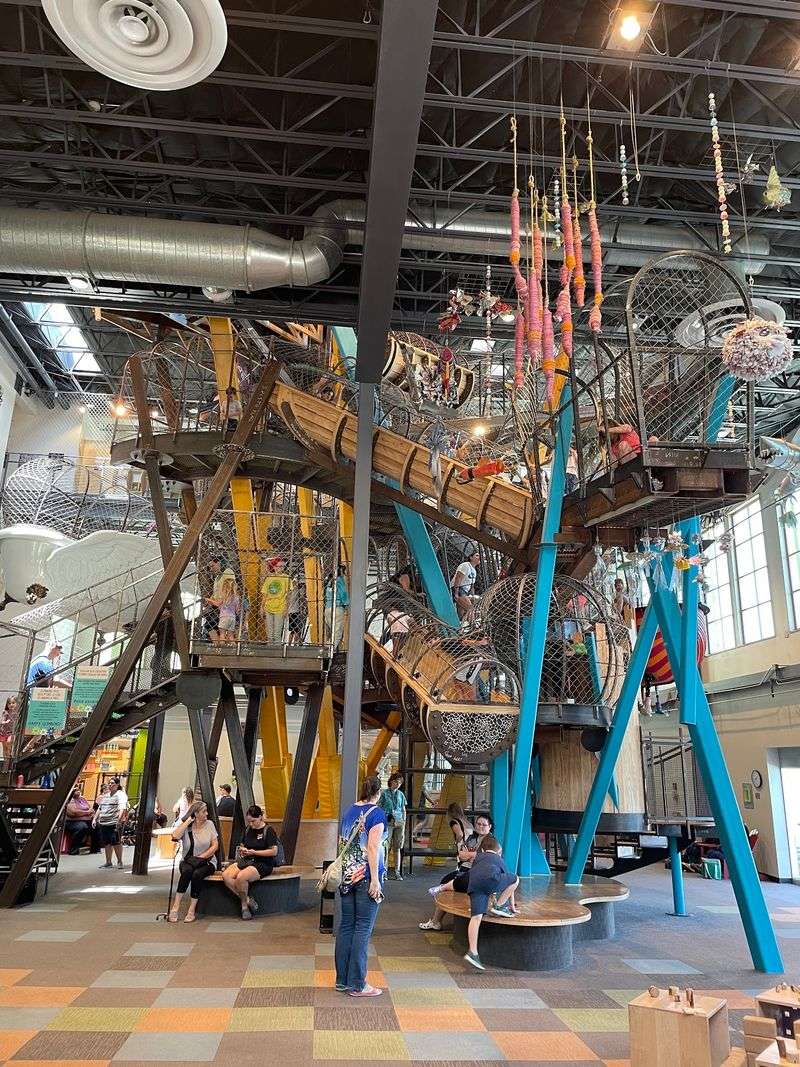
Look up in the lobby and you’ll understand why kids sprint the moment their wristbands go on. A giant climbing structure built from everyday building materials and found objects runs from the first floor all the way to the third.
Families call it the tree house or the jungle gym, and it functions like a vertical maze full of tunnels, ladders, and hideouts.
Tucked along the route are odd little surprises, including a bathtub that looks like it’s flying. My son parked himself in it for a solid five minutes and refused to move.
Adults can go through too, though a heads-up from experience: it gets tight. Shorter grown-ups manage fine, while taller folks may end up crouching more than they’d like.
Older kids sometimes finish it quickly and complain about dead ends, so it lands best with the four-to-eight crowd who love figuring out routes.
The best part for parents might be the view. From the upper platforms you can look down over the whole floor, spot your kid, and catch your breath before the next round.
First Floor, Blocks, Gears, and Flying Scarves
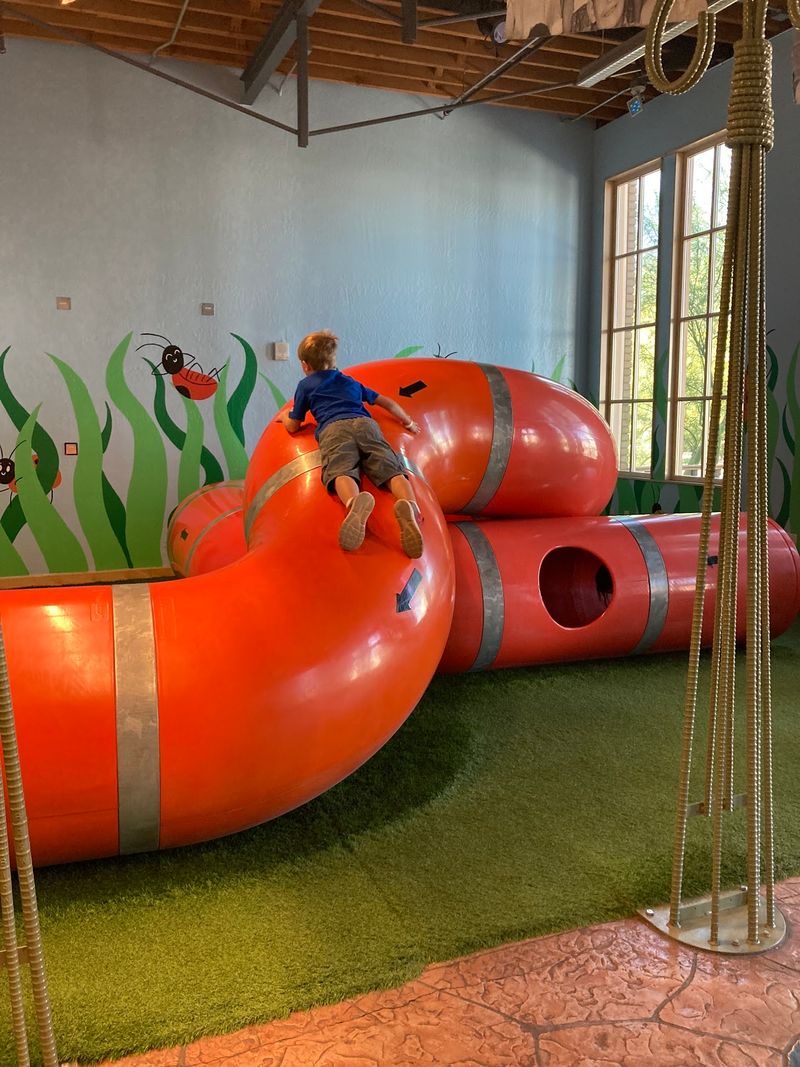
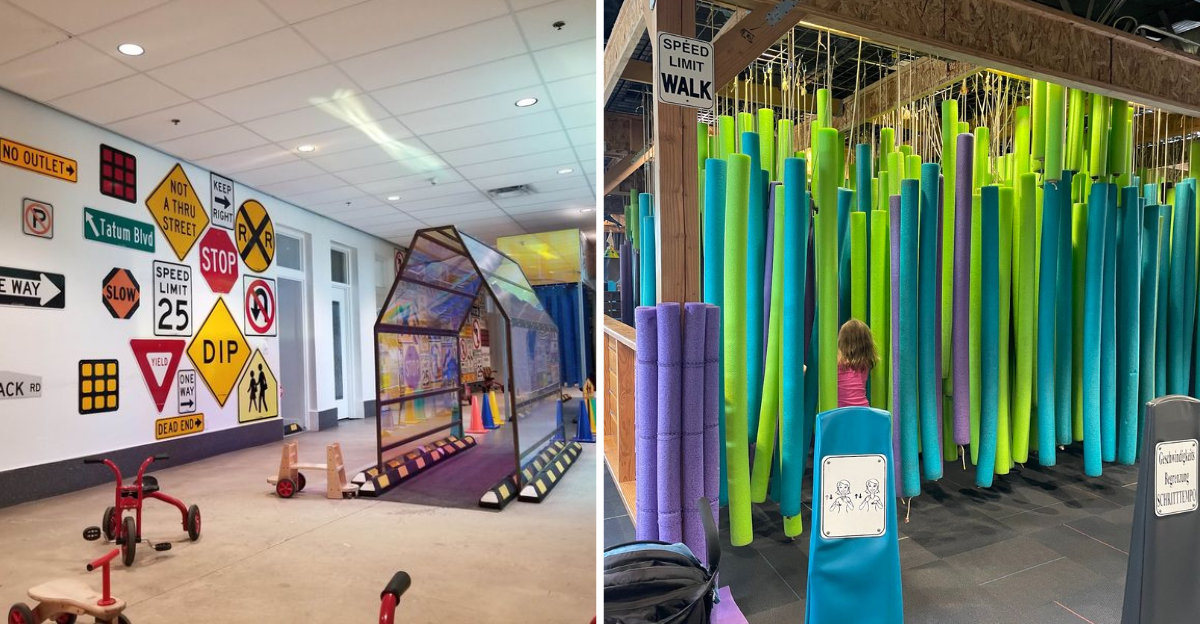
Past the climber, the first floor opens up into wide play zones where the noise level tells you exactly how much fun is happening. Blocks are everywhere, from soft foam ones for toddlers to sturdy sets that older kids stack into towers.
A magnetic gear wall pulled me in longer than I expected, since watching one piece turn a whole chain of others never really gets old.
Then there are the scarf tubes. Kids feed colorful fabric squares into a snake-like network of pipes, and the scarves shoot out somewhere across the room while everyone scrambles to catch them.
Air currents, gravity, and cause and effect all sneak in without anyone announcing it as a science lesson.
Hula hoops, ping pong balls floating on streams of air, and open floor space round it out.
Here’s my practical tip: don’t rush this floor even though the upper levels are calling. Families often report spending a good chunk of their visit right here, and little kids tend to settle into the block area for twenty or thirty minutes at a stretch, which buys you a moment to sit.
Second Floor Belongs to Builders, Artists, and Tiny Riders
Upstairs the energy shifts, and suddenly everyone wants to make something. The Building Big room hands kids large soft blocks and materials so they can throw together forts, walls, and whatever structure their imagination demands that day.
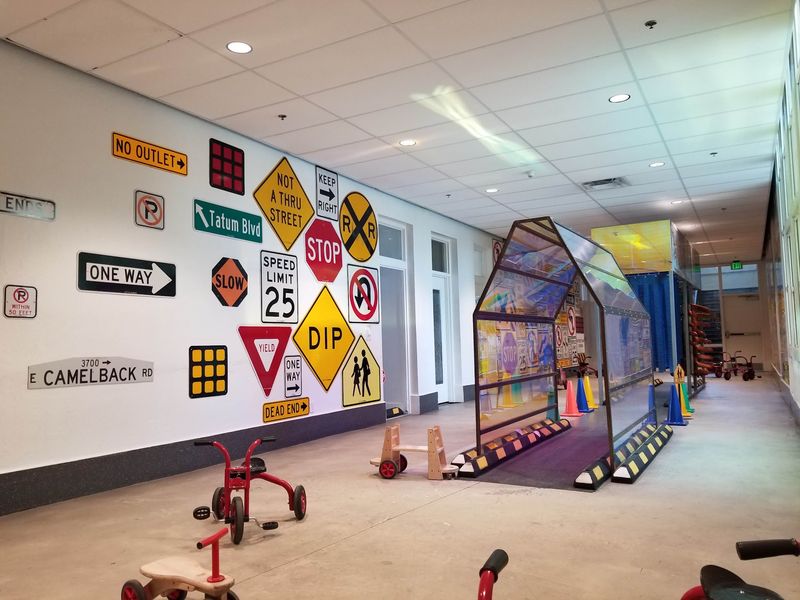
Nearby, Pedal Power sets out tricycles and pretend roads, which is pure joy for anyone who has just figured out how pedals work.
The Art Studio ended up being where we lost the most time. Glue, scissors, paint, feathers, ribbons, and paper scraps sit ready on tables, and staff rotate the projects so repeat visitors get something different.
I watched kids build paper robots and add brushstrokes to a group project, and nobody seemed to care much about staying inside the lines.
The Infant and Toddler Gallery gives the smallest visitors a break from the chaos. Shoes come off at the door, the floor stays soft, and there’s a pretend kitchen plus a garden where babies can pick fabric flowers.
Worth knowing ahead of time: that room is limited to children under three, so older siblings will need another plan.
Third Floor Serves Up Noodles, Groceries, and Ball Ramps
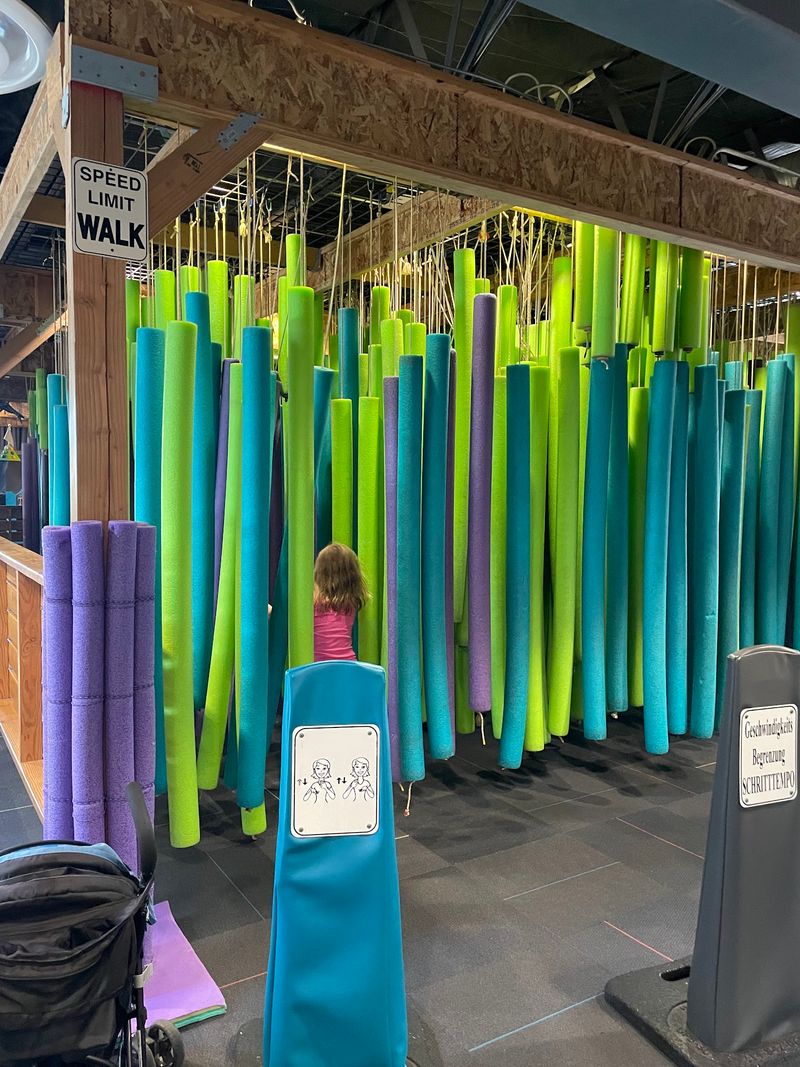
Hanging pool noodles form a soft, colorful thicket on the top floor, and kids charge through it like it’s the best obstacle course ever invented. The Noodle Forest works for nearly every age, which is rare.
Just around the corner sits the Market, where small shoppers grab baskets and load up on pretend produce while negotiating who gets the last plastic tomato.
Role play like that quietly builds language and social skills, though nobody in the checkout line is thinking about that.
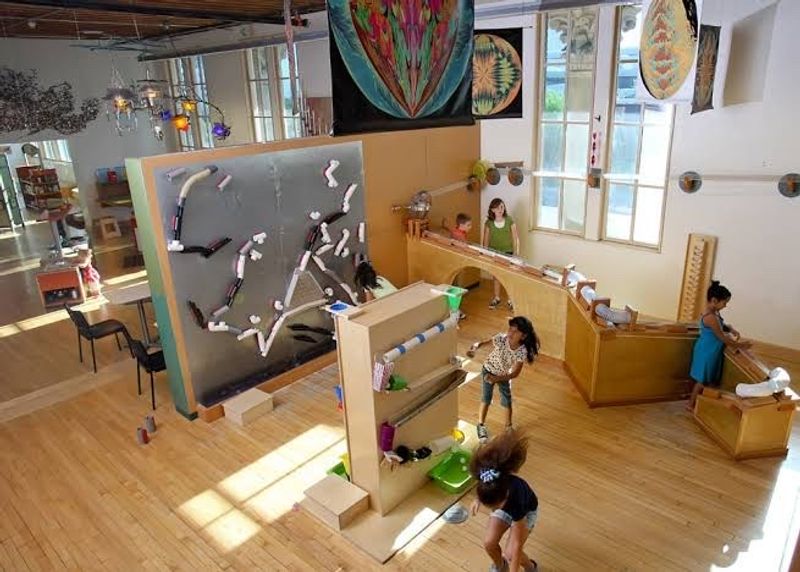
The Grand Ballroom is a physics playground disguised as a game room. Ball and ramp setups let kids test angles, speed, and drops, then rebuild when things don’t work.
The Park adds winding tunnels and climbing pieces for anyone still full of energy, and the Pit Stop offers multi-level tracks for racing toy cars.
There’s also a car wash play area that comes up constantly in family stories, and I understand why after watching one kid loop it repeatedly.
Save this floor for when you have at least an hour left, because rushing through it feels like a genuine waste.
Outside There’s a Garden, a Climbing Yard, and Foam
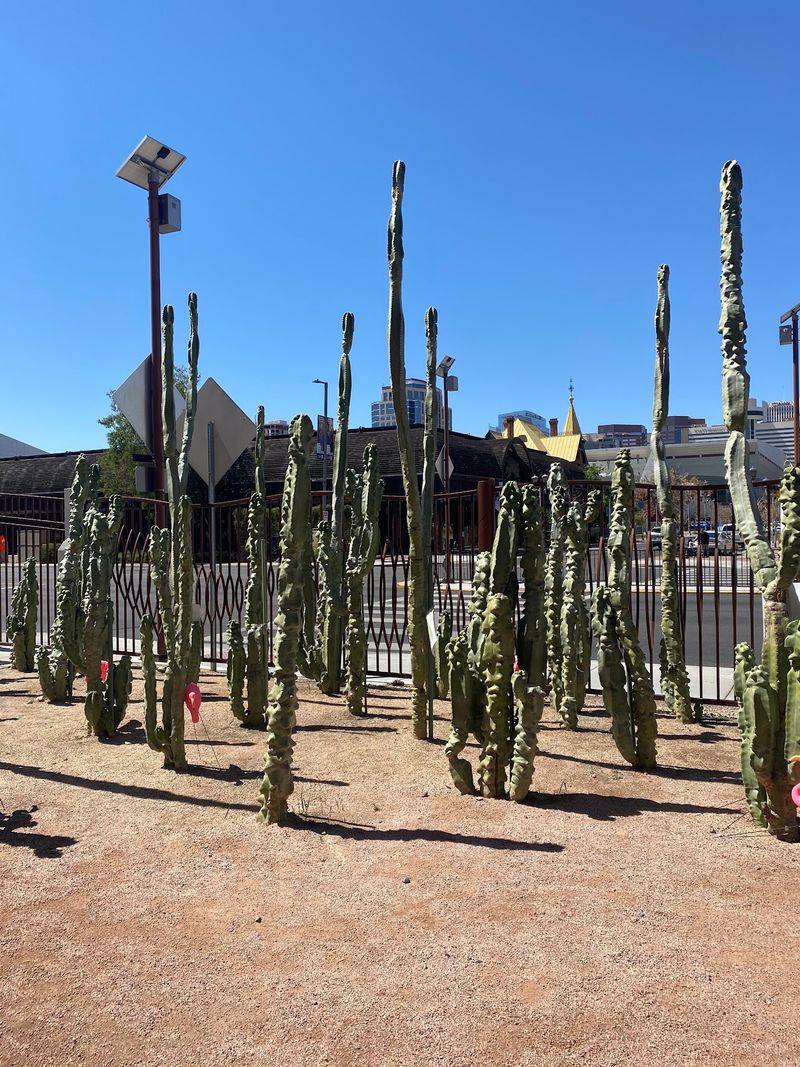
Fresh air is part of the deal here, which surprised me for a downtown museum. The Children’s Garden sits near the historic entrance and is laid out in a leaf pattern with seven planting beds holding seasonal vegetables, herbs, and flowers.
Kids dig, sniff, and work an interactive water pump, and yes, dirt gets everywhere.
The Move It! area next door is built from repurposed materials and encourages climbing, balancing, and inventing games that make sense only to the inventor.
During warmer months, the Foam Zone shows up and steals the whole show. Blasts of foamy bubbles come and go while kids run through soaked and laughing, usually under a shaded tent setup that makes the Phoenix heat manageable.
Learn from every parent who has done this before and pack a change of clothes plus a towel. Families mention it constantly, and for good reason.
Morning visits work best outdoors, since the desert sun turns serious by early afternoon.
My honest take is that the garden and foam combo turned an indoor museum trip into something closer to a full day out.
Planning Notes That Make the Day Smoother
A little planning goes a long way at a place this popular. Doors open at 9 AM daily, and closing is 4 PM, so an early arrival gives you quieter rooms and easier parking.
There is an onsite lot, but it fills fast, especially in the afternoon.
Age matters more here than at some museums. The exhibits target children from birth through about age ten, and the sweet spot really lands between two and seven.
Elementary kids who love complex science displays may move through faster, while toddlers and preschoolers could stay for hours without repeating anything.
Families regularly report three to five hour visits, and some stretch it to six. Snacks help, since hunger tends to end the day before boredom does.
Locals often go the annual pass route because return trips reveal corners you missed, and there really are over 300 activities packed into roughly 48,000 square feet.
Staff members were friendly every time I asked something, and the restrooms stayed clean during a busy morning.
Go early, pack spare clothes, and let your kid lead. That’s the whole strategy.
Address: 215 N 7th St, Phoenix, Arizona 85034
