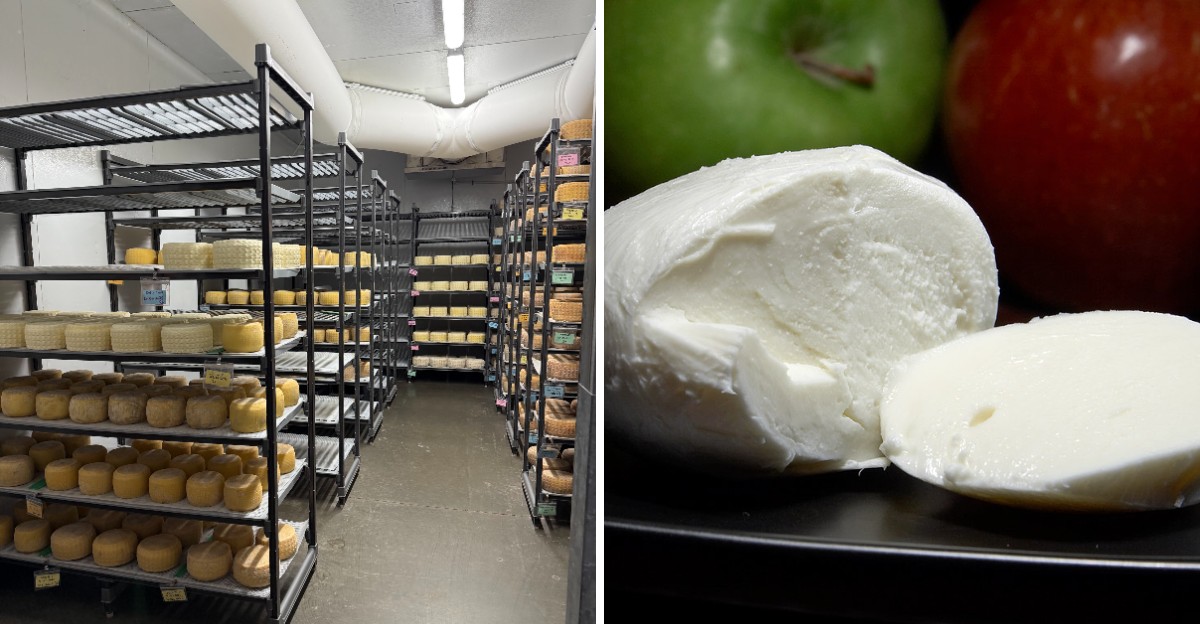
The mozzarella is having a very hands-on afternoon. Warm curd gets pulled.
Stretched. Folded.
Pulled again. Then somehow, it turns into a glossy little ball of cheese.
That is the fun of this Indiana creamery, where cheesemaking is not hidden behind a finished package. Visitors can watch the process, taste the results, shop for aging cheeses, and even try stretching mozzarella themselves in hands-on classes.
The building looks like an ordinary office from the outside. Inside, there are steaming vats and cheese aging rooms.
Then you notice the names. Wildflowers.
That is how a quiet business park turns into an unexpectedly serious cheese destination.
Two Cheesemakers and One Big Idea
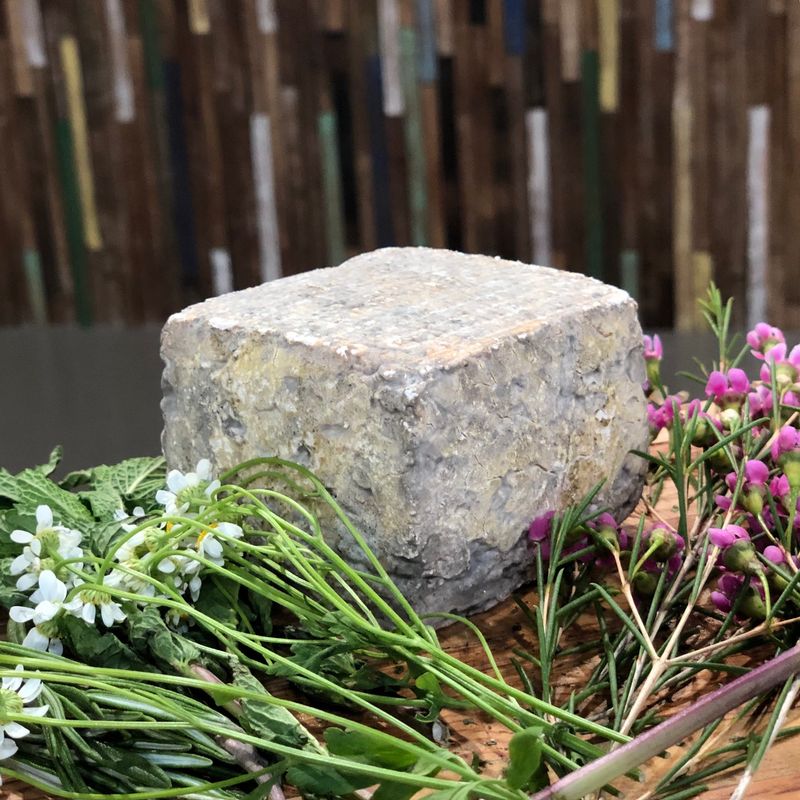
Back in 2014, two friends decided Indiana deserved its own artisan cheese. Laura Davenport and Fons Smits had already spent more than ten years working side by side at other creameries.
They knew the craft well, and they wanted to build something new together.
Their plan rested on three simple goals. First, make cheeses that taste unique.
Second, support Indiana farmers. Third, teach the local community how cheese is actually made, from milk to finished wheel.
Those goals still shape everything today. Every product is made by hand, using traditional European recipes with fresh American twists.
The team also uses microbial rennet, which makes the cheeses vegetarian-friendly. That small detail opens the door for more people to enjoy them.
Fons Smits is often around the facility, and class guests sometimes get to hear him talk about his vision and the care that goes into each batch. His passion for cheese is easy to notice.
It is the kind of excitement that makes people want to try making cheese at home.
Here is a fun way to think about it. Many famous European cheeses come from tiny villages with long histories.
Tulip Tree is building that same kind of story right in central Indiana, one hand-stretched ball at a time, and the chapter is still being written.
A Cheese Shop Hiding in Plain Sight
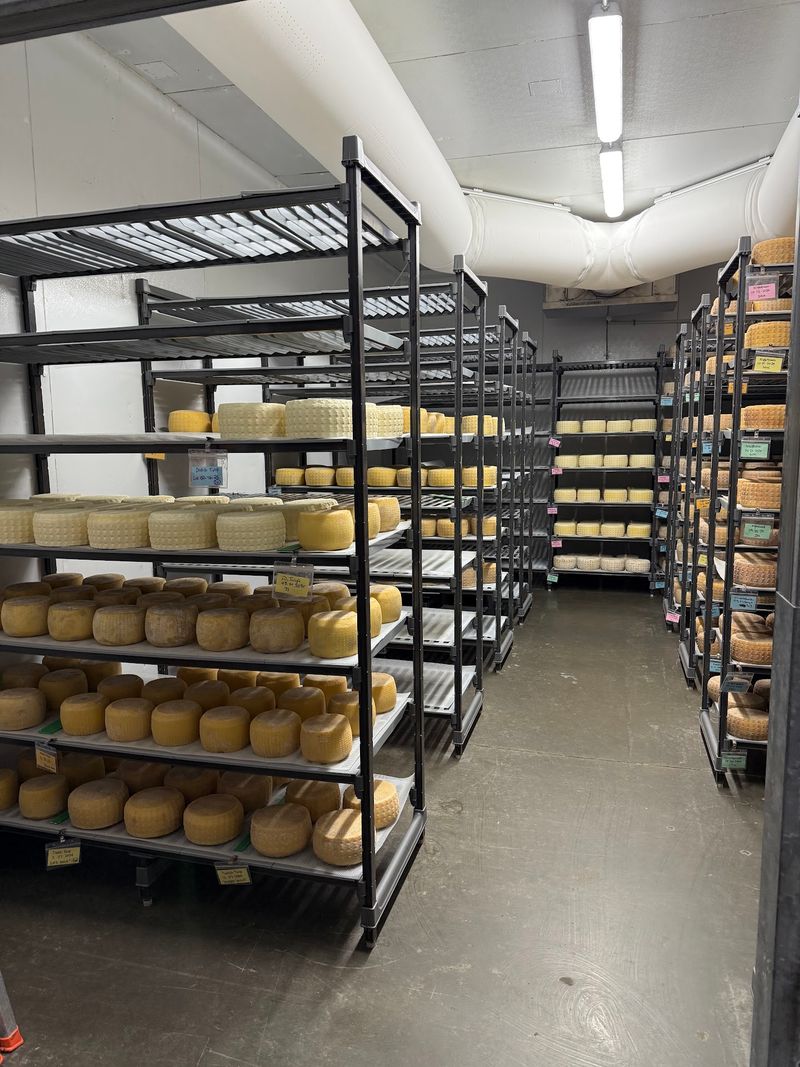
Nobody would guess that award-winning cheese comes out of an office park. Tulip Tree Creamery sits at 6330 Corporate Dr, Indianapolis, IN 46278, inside an area known as Park 100 on the northwest side of the city.
From the parking lot, it looks like any other business, with plain walls and a simple door.
That is part of the fun. The real magic happens behind those walls, where milk turns into creamy mozzarella, soft-ripened wheels, and rich cultured butter.
Some visitors describe it as a hidden gem, and the label fits.
The front office doubles as a small shop. Shelves and coolers hold a rotating mix of fresh and aged cheeses, so stopping by for a quick purchase is easy.
The staff are known for being warm and helpful, even when someone just wants a little advice on which wheel to bring home.
Timing matters here. The facility is usually open Monday through Friday from 9 a.m. to 3 p.m., and it closes on weekends.
Bring a cooler bag if possible. Fresh cheese loves cold air, and the ride home on a warm Indiana afternoon can be longer than expected.
A little planning keeps every bite tasting just as good as it did at the counter.
Where the Milk Comes From Matters
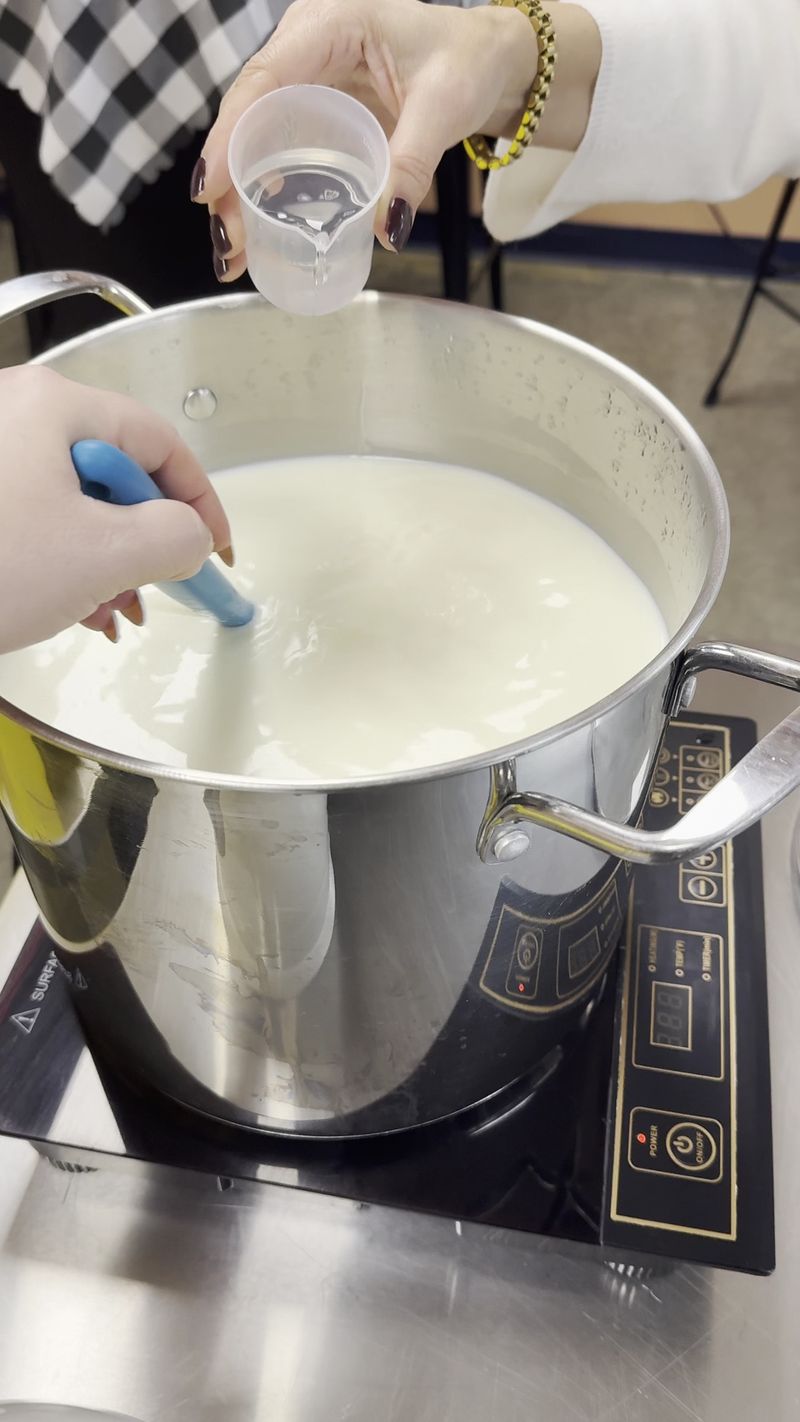
Great cheese starts long before the vat. For Tulip Tree, it begins in Hudson, Indiana, at Country Meadows Farm, a sixth-generation family farm.
That is a lot of years spent caring for cows and land.
The herd is a mix of Jersey and Holstein cows. Jerseys are famous for milk that is rich in butterfat, while Holsteins produce plenty of milk.
Together, they make a balanced base for creamy cheeses.
These cows are pasture-based and graze year-round. In the cold winter months, their diet gets a boost from silage, which is stored, fermented plant feed.
The milk is also free of hormones and antibiotics.
Why does this matter for mozzarella? Fresh cheese has nowhere to hide.
Unlike aged cheeses that develop strong flavors over months, mozzarella is eaten soon after it is made, so the taste of the milk shines through clearly.
Grass-fed milk often carries a sweet, clean flavor that changes slightly with the seasons. Spring pasture can make a cheese taste a little brighter.
Winter milk may feel a bit richer. Paying attention to these tiny shifts is part of the joy of eating local.
Buying from a creamery like this also keeps money in Indiana farming communities. Every wheel and every ball of mozzarella helps support a family farm that has been working the same land for generations, and that feels good to know.
The Stretch That Makes Mozzarella Famous
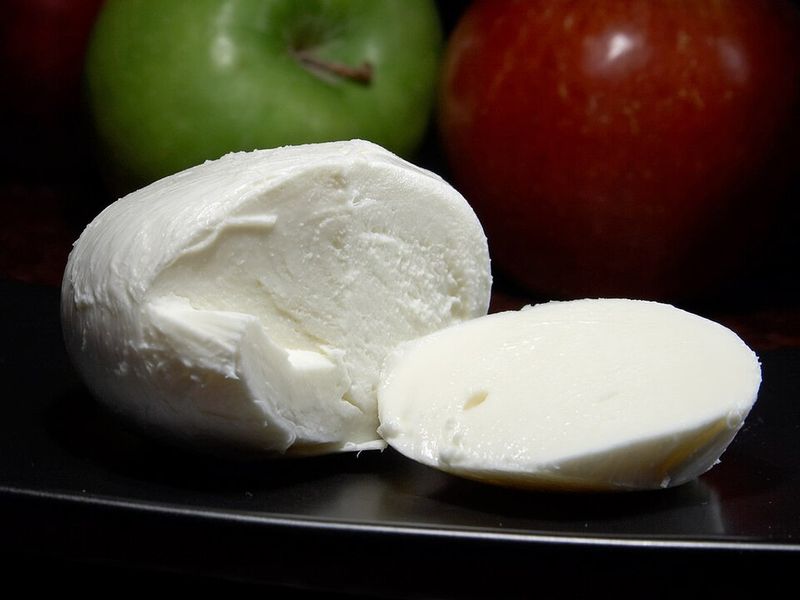
Picture warm curd turning from lumpy to silky in just a few pulls. That is the moment that makes Tulip Tree mozzarella so special.
The team stretches each batch by hand, which gives the cheese its soft, springy, and creamy texture.
Here is how it works in simple terms. Milk is set into curds, then the curds are heated in hot water.
Once warm, they become stretchy, almost like taffy. Cheesemakers pull and fold the curd until it turns smooth and glossy.
Then comes the shaping. The stretched cheese is rolled into balls and tucked tightly so the outside looks shiny.
A good ball of fresh mozzarella should feel tender, bounce back slightly, and release a little milky moisture when sliced.
Fun fact time. This stretching style is called pasta filata, an Italian phrase that roughly means spun paste.
It is the same family of methods used for string cheese, which explains why both peel so nicely.
For the best taste, eat fresh mozzarella within a few days. Let it rest out of the fridge for about twenty minutes before serving.
Cold dulls flavor, and room temperature wakes it up.
Try it simply first. A slice with ripe Indiana tomatoes, a sprinkle of salt, and a drizzle of olive oil lets the creamy, milky flavor take center stage.
Fancy recipes can wait.
Trillium and Its Shelf Full of Medals
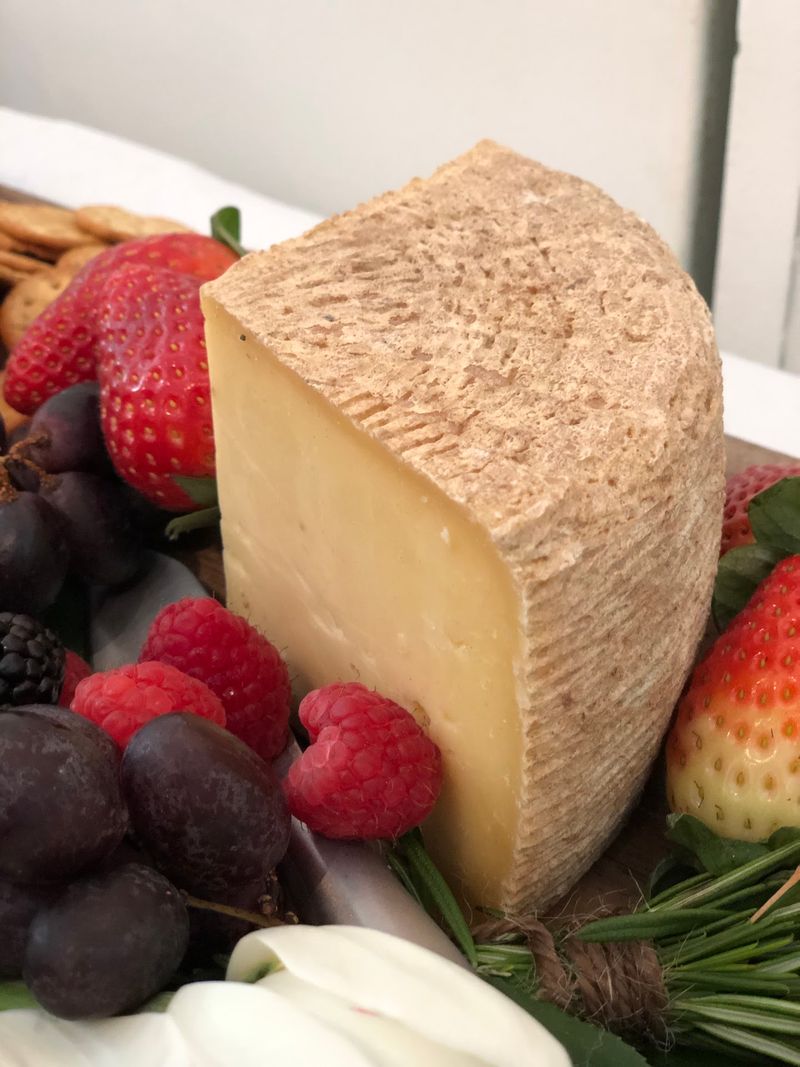
Some cheeses win one award and call it a day. Trillium kept going.
This triple cream, bloomy-rind cheese is Tulip Tree’s biggest star, and it has collected an impressive list of honors.
It earned third place at the 2017 American Cheese Society competition, then climbed to first place there in 2018. In 2019, it placed second at the U.S.
Cheese Championship. Later, it took Gold at the 2021-2022 World Cheese Awards.
That is a lot of hardware for one little wheel.
So what makes it so loved? Triple cream means extra cream is added to the milk, creating a buttery, rich center.
The soft white rind is called a bloom, and it gives a gentle, mushroomy note. Many people compare it to brie, only richer.
Serving it right makes a big difference. Take it out of the fridge about an hour before eating, so the inside turns soft and spreadable.
A crusty baguette, sliced apples, or a spoonful of honey are all easy partners.
Leftovers need care too. Wrap the cut wheel in wax or parchment paper instead of plastic.
That way the rind can breathe and keep its flavor.
Trillium is also a great gift. It travels in gift boxes through the creamery’s online store, which makes sharing Indiana cheese with faraway friends surprisingly simple.
Saturday Mornings at the Farmers Market
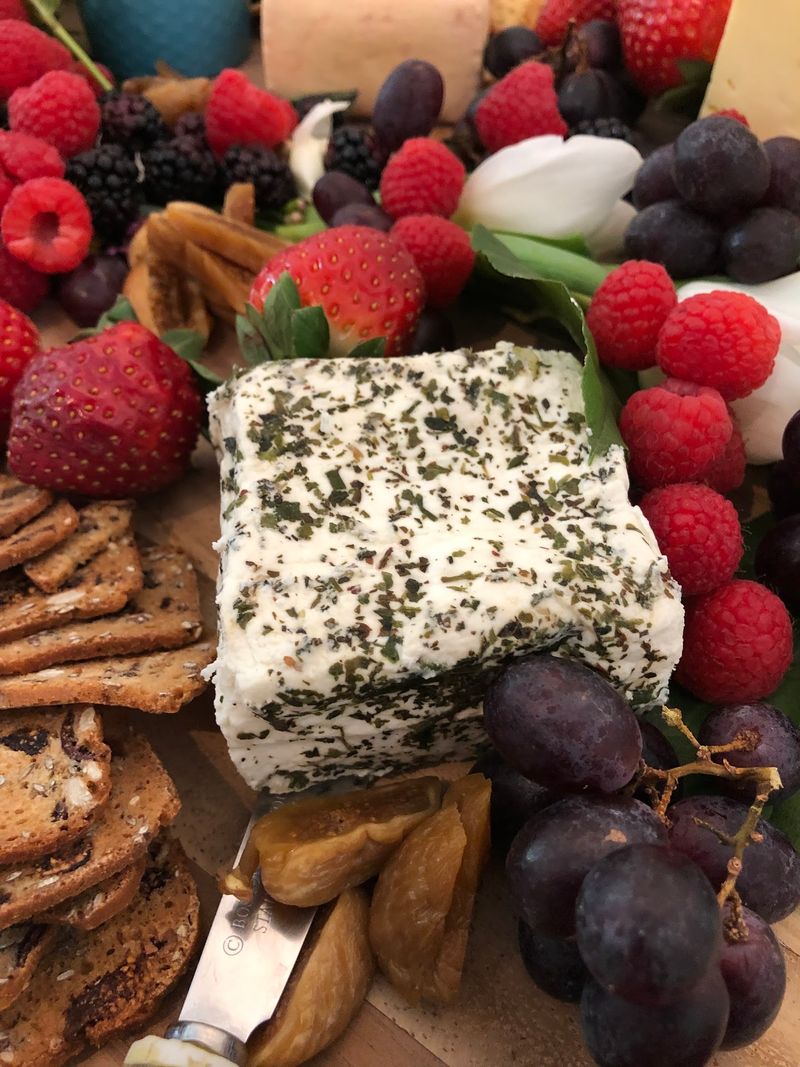
Summer changes the rhythm at Tulip Tree. While the classroom takes a break from May through August, the team heads outside to weekly farmers markets around Indianapolis.
Markets are a fun way to meet the cheese in its happiest setting. Shoppers can chat with the staff, ask questions, and often find fresh items like mozzarella and curds right next to local vegetables.
It is easy to build an entire picnic in one loop.
Try pairing a ball of mozzarella with peak-season tomatoes and basil from a nearby stand. Add a loaf of fresh bread, and lunch is done.
Simple food tastes best when everything was grown or made nearby.
A few market habits make the trip smoother. Arrive early for the best selection, since popular items can sell out.
Pack an insulated bag with ice packs. Hot sidewalks and soft cheese are not friends.
Not a market person? No problem.
Tulip Tree products show up in select supermarkets, gourmet shops, and butcher shops across the country, with a strong presence in the Midwest and on both coasts. Some fans have even spotted them far from Indiana and felt a little hometown pride.
Checking the creamery’s website before heading out is wise. Market schedules shift with the seasons, and the latest list helps shoppers find the right booth on the right day.
Making a Day of It on the Northwest Side
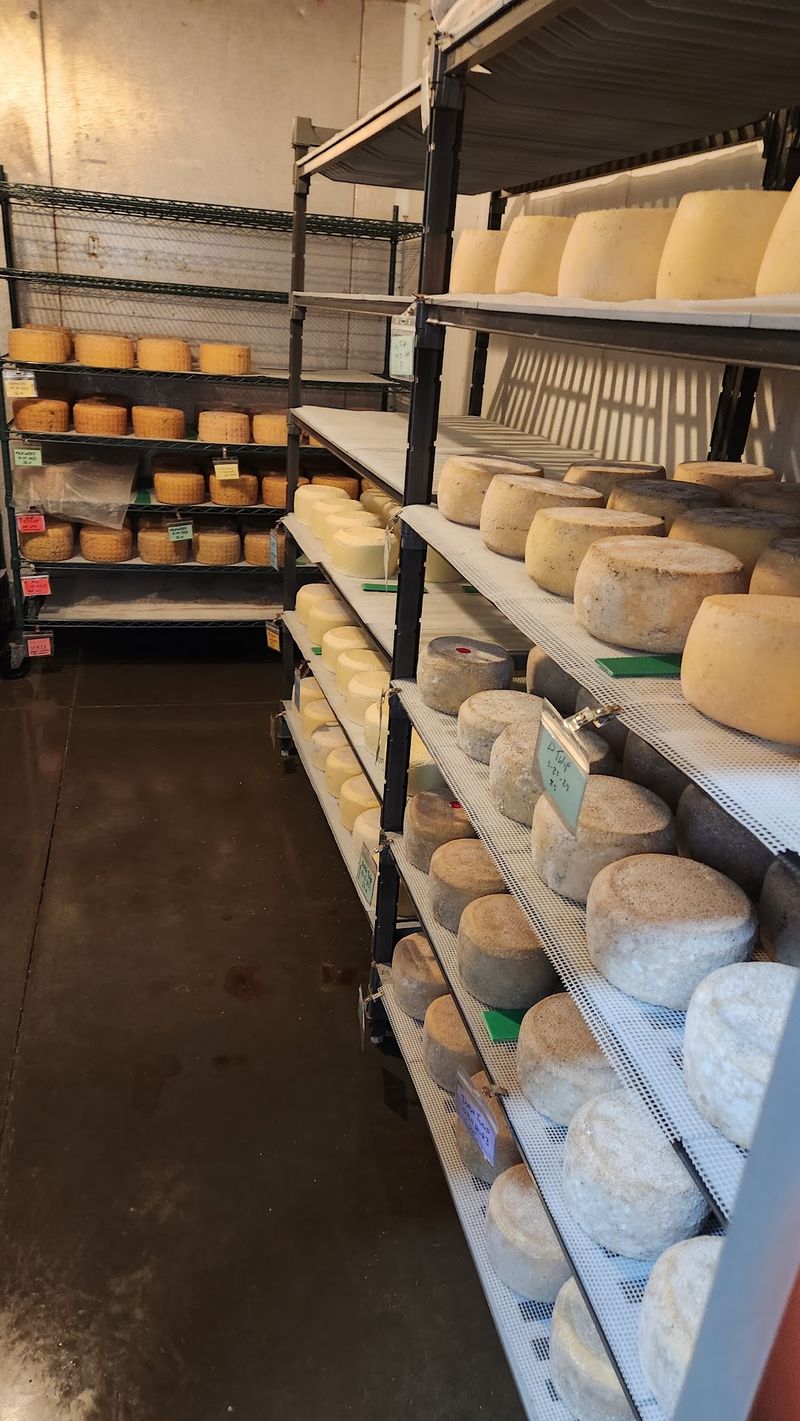
A cheese stop deserves a little celebration afterward. Since Tulip Tree sits on the northwest side of Indianapolis, a visit fits nicely into a relaxed weekday outing around the city.
Start with timing. Weekday hours mean a late morning arrival works well, leaving plenty of time to browse, ask questions, and pick out a few favorites.
Grab something fresh, something soft, and maybe a tub of cultured butter.
Then think picnic. Pack a blanket, a cutting board, a small knife, and napkins before leaving home.
Add bread, fruit, and crunchy vegetables. Fresh mozzarella and a ripe soft cheese can turn any shady spot into a tiny feast.
Travelers coming from out of town should plan for the drive home. Some guests come from two hours away or more for classes, and the staff are known for packing purchases carefully with ice packs.
A sturdy cooler in the trunk adds extra peace of mind.
Gift shopping is another bonus. Cheese makes a thoughtful present for teachers, neighbors, or anyone who loves food.
For far-flung friends, the online store ships gift boxes nationwide.
One last tip makes the whole trip better. Ask the staff which cheese is tasting especially good that week.
Small creameries know their wheels like old friends, and that inside advice can lead straight to a new favorite worth driving back for.
