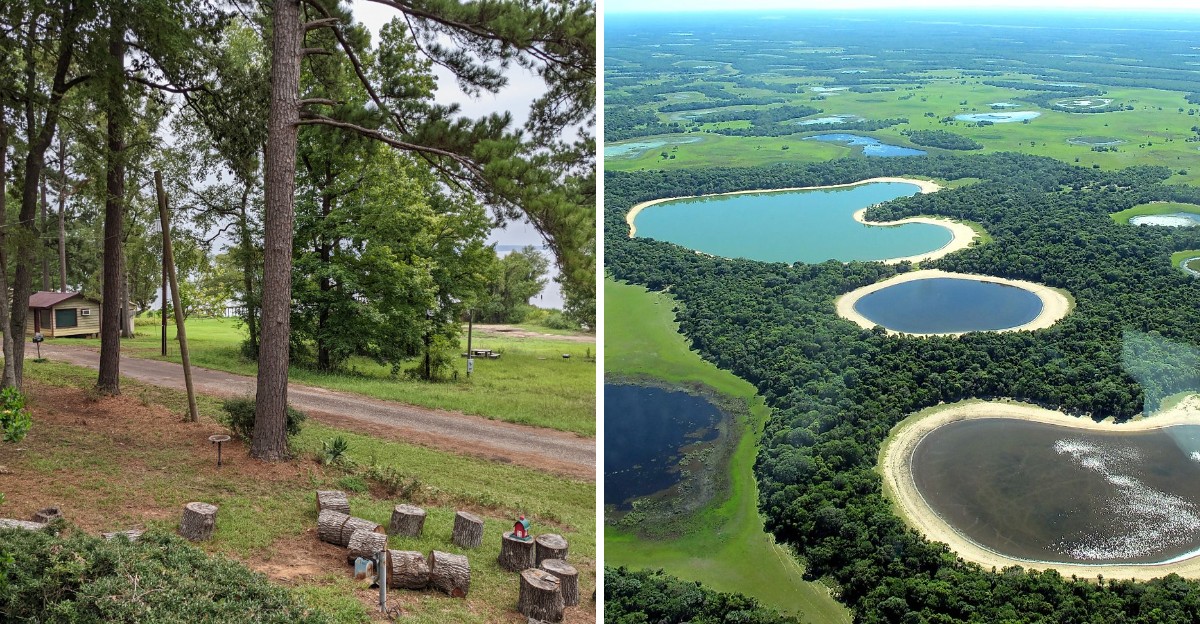
Some creek crossings on this forest trail have no bridges at all. The route winds through rolling woods between two major reservoirs, past roots and leafy bends.
It is a far cry from a paved afternoon stroll.
That trail runs roughly 28 miles, but it represents only a sliver of this Texas forest. More than 160,000 acres hold pine and hardwood stands, a designated wilderness area, and recreation sites along the shoreline.
You can spend one day hiking and another watching boats from the water’s edge.
What gets my attention is how many ways there are to disappear into the scenery without chasing a checklist. A quiet patch of trees, a creek crossing, or a glimpse of the lake could easily become the best part of the outing.
There is plenty left for a return trip.
You Could Wander These Pines For A Week And Still Need A Map
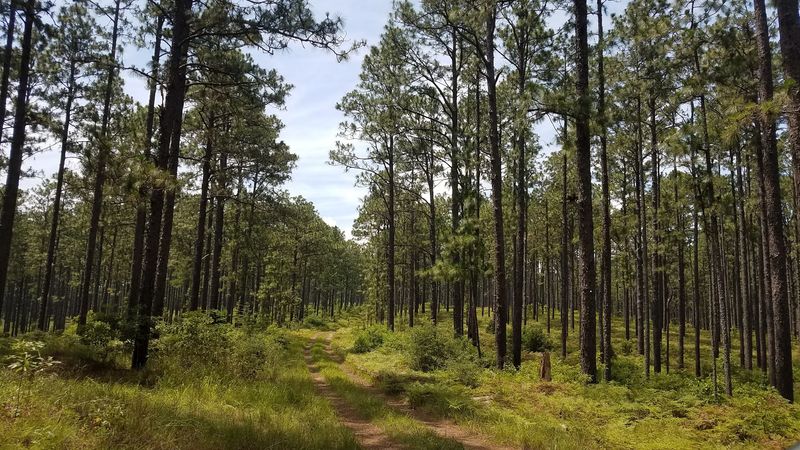
More than 160,000 acres. That’s the size of Sabine National Forest, and it makes most weekend plans look tiny.
It’s the easternmost of the four national forests in Texas. Its edge even helps form part of the boundary between Texas and Louisiana.
The forest sits in the Pineywoods region, where gentle rolling hills meet flat stretches of land. Towering shortleaf, longleaf, and loblolly pines rise over almost everything.
Hardwoods fill in the gaps with serious variety. You’ll find oak, hickory, pecan, black walnut, sweetgum, tupelo, American beech, and southern magnolia.
All that green has a reason behind it. This corner of the state is the wettest part of Texas, with 45 to 50 inches of rain each year.
That rain keeps creeks running and leaves looking lush. It also means packing a rain jacket is smart, even when the sky looks friendly.
Plenty of the forest unfolds along two-lane roads and Forest Service dirt roads. Little bridges cross creeks, and the trees close in on both sides.
My advice is simple. Pick one area per day instead of racing around, because the drive between spots can take longer than you expect.
A Lake So Big It Doubles As A State Line
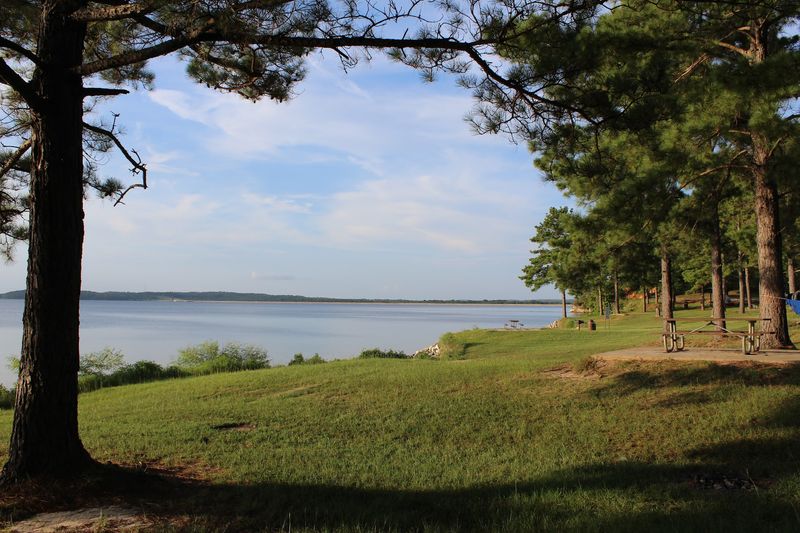
Toledo Bend Reservoir doesn’t do small. Measured by storage capacity, it ranks among the largest artificial lakes in the United States.
The water borders Sabine National Forest and works as a natural line between Texas and Louisiana. Drift far enough and you could technically wave at another state.
Crews built the reservoir in the 1960s. That project opened up a whole new world of water fun for this piney corner of the map.
Today the lake welcomes motorized boats and paddle-powered ones alike. Swimming is on the menu too, along with almost every kind of fishing you can name.
The shoreline curves into countless coves and little inlets. Exploring them by boat feels a bit like flipping through a book with no last page.
Lakeside parks come with boat ramps, so getting on the water is fairly easy. Lakeview Recreation Area also sits right on the reservoir.
Bring sunscreen, plenty of water, and a good lake map. Distances look shorter from the shore than they feel once you’re out there.
Evenings deserve a spot on your schedule. Sunset light over all that water makes even a short drive to the shore feel worth it.
Bass Anglers Treat These Waters Like A Treasure Map
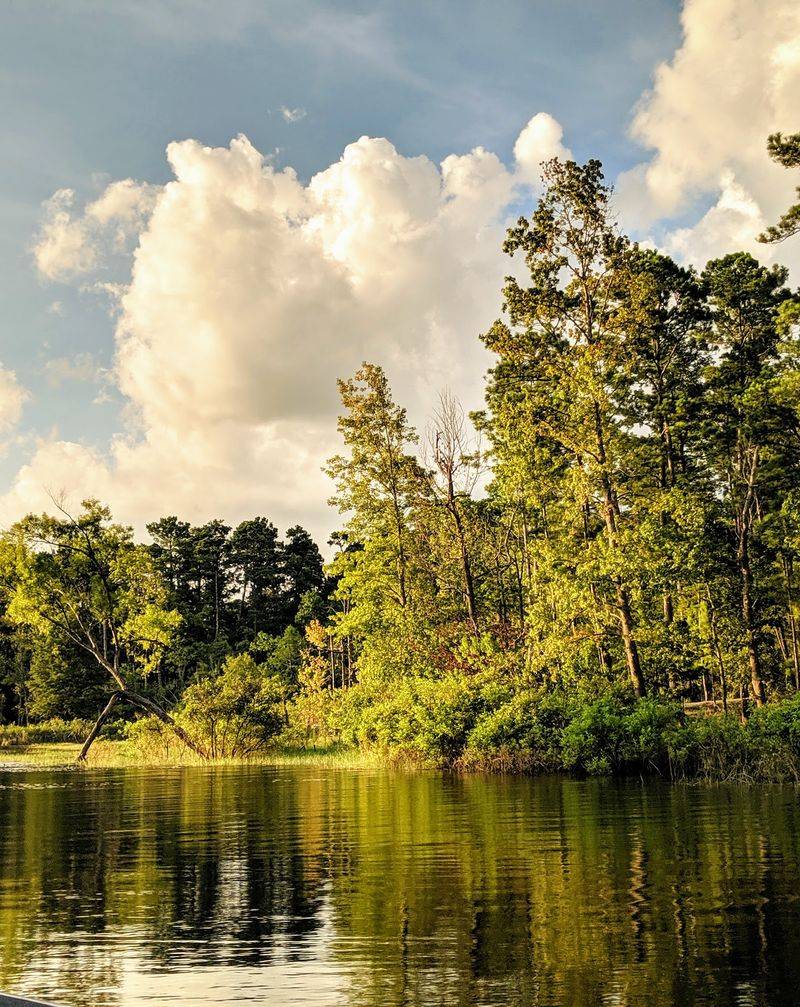
Ask any serious bass angler about Toledo Bend, and you’ll probably get a long answer. The reservoir is famous for its bass fishing.
It also hosts annual angling tournaments. That says plenty about what’s lurking under the surface.
Bass aren’t the only prize, either. Bluegill, catfish, and crappie all swim these waters, so beginners and pros can both find a target.
Not into big open water? Red Hills Lake offers a calmer option, with 19 acres of fishing inside Sabine National Forest.
That smaller lake is great for families with young anglers. Shorter casts and quieter water make it easier to keep everyone happy.
Fishing off bridges is another option some folks enjoy around the area. Just be safe and stay aware of passing traffic.
Before you cast, grab a Texas fishing license. Checking current state rules on size and catch limits saves headaches later.
Early mornings tend to be a sweet spot for many anglers on Texas lakes. Pack snacks, a hat, and a little patience.
Even if the fish ignore you, the view won’t. Not the worst way to spend a morning.
Lace Up For 28 Miles Of Lake-To-Lake Trail
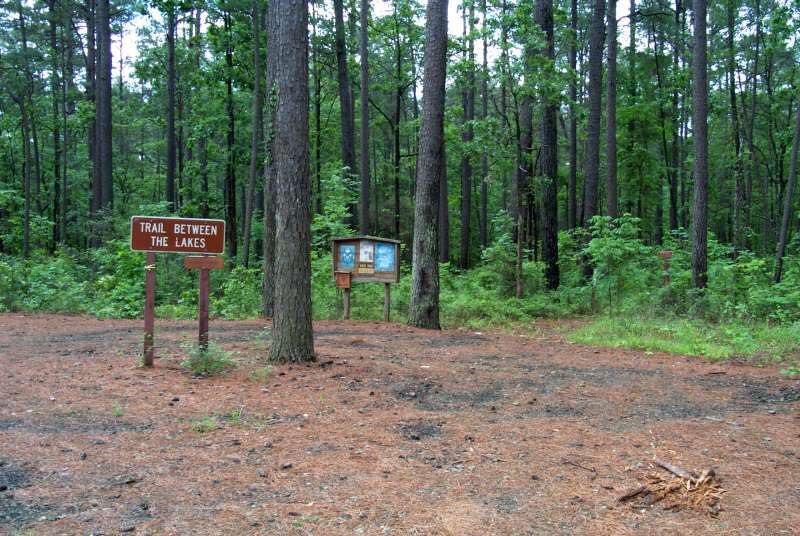
Two lakes, one trail, and 28 miles of woods in between. The Trail Between the Lakes might be the best way to feel how big this forest really is.
It winds through the southern part of Sabine National Forest. One end starts at Lakeview Recreation Area on Toledo Bend Reservoir.
The other end reaches Highway 96, near the easternmost point of Sam Rayburn Reservoir. Hiking the full route usually takes about two days.
The idea for the trail came up in 1981. Its final sections were finished in the fall of 1990, so it took nearly a decade to come together.
Good news for casual hikers. You don’t have to tackle the whole thing, since shorter sections work well for day trips.
Bikes and horses are generally allowed on much of the trail too. Wilderness sections are different, though, and they’re for foot traffic only.
Plan ahead with water, sturdy shoes, and bug spray. Rain is common here, so expect some muddy patches after a wet week.
Tell someone your route before heading out. Cell signal can be spotty in deep woods, and a little planning keeps the adventure fun.
Those Mysterious Hills Fooled People For Years
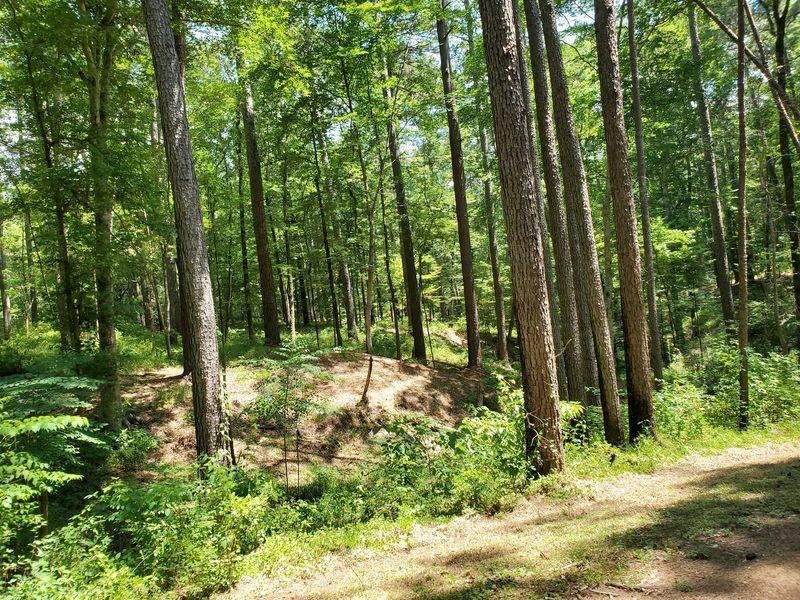
Here’s a fun twist. The Indian Mounds Wilderness got its name from natural hills that people once believed were built by ancient humans.
Turns out nature did the shaping. The name stuck anyway, and honestly, it adds a nice bit of mystery.
This wilderness covers 12,369 acres within Sabine National Forest. It became part of the National Wilderness Preservation System in 1984.
That label matters. The land is managed to stay in its natural state, so you won’t find the polished feel of a city park.
Old-growth trees are a big part of the appeal. Walking among them feels slower and quieter than most corners of modern life.
One safety note deserves real attention. Past pine beetle infestations mean falling trees are possible here.
Keep an eye on the canopy, especially on windy days. Avoid setting up camp under dead or leaning trunks.
Visitors who like rugged places will feel right at home. Bring a paper map, since wilderness areas don’t come with lots of signs.
The Indian Mounds Recreation Area campground offers a nearby base. That makes it easier to explore this wild patch without roughing it every night.
Swim Where Young Workers Built A Lake In 1940
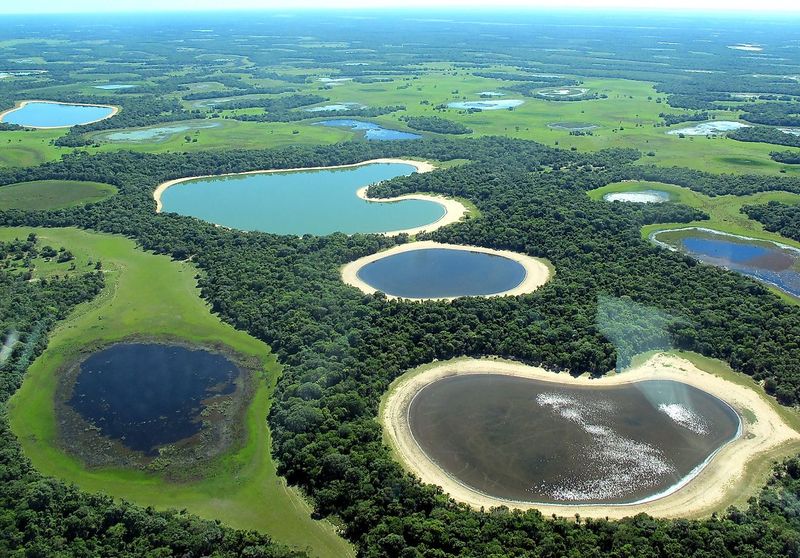
Back in 1940, the Civilian Conservation Corps built a 19-acre lake in these woods. Red Hills Lake still invites people to swim, fish, and camp today.
The CCC did a lot of heavy lifting across this forest from 1933 to 1940. Crews planted pine seedlings and built roads.
They also put up fire lookout towers and recreation spots. Red Hills Lake Recreation Area is one of the most charming results.
Spring is an especially popular time here. Mild weather and fresh green leaves make the lake feel extra welcoming.
The size is part of the charm. Compared with the giant reservoir nearby, this lake feels cozy and easy to manage.
Families with little kids may love that difference. You can swim, toss a line, and enjoy a picnic without hauling a boat.
Camping is available too, so you can stretch one sunny afternoon into a whole weekend. Bring towels, water shoes, and a cooler.
I like knowing the lake has a story behind it. Every swim comes with a little history lesson from young workers who shaped this place more than 80 years ago.
Yes, There Really Is A Cemetery For Foxhounds
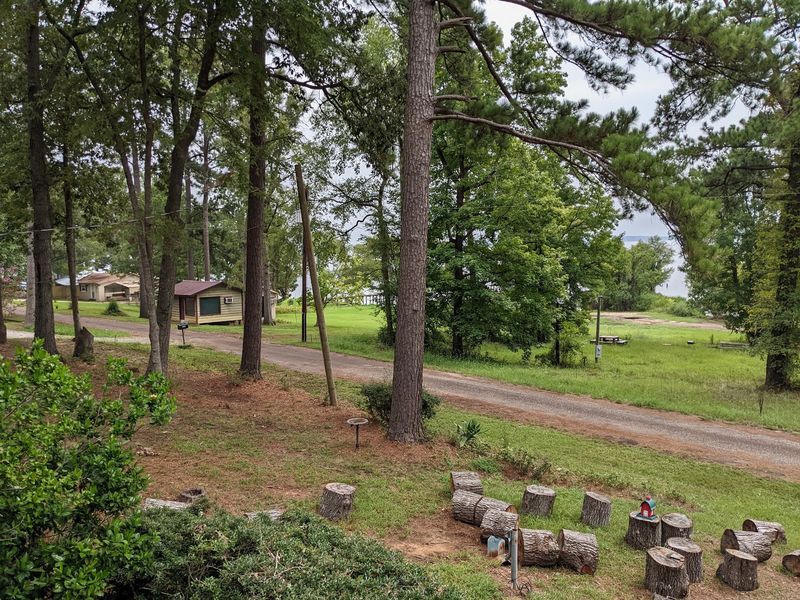
Dog lovers, this one’s for you. Boles Field Campground holds a historic cemetery dedicated to foxhounds.
It dates back to around the turn of the 20th century. Few campgrounds anywhere can claim something that unusual.
Boles Field sits in the northern part of Sabine National Forest. That makes it a smart base for exploring the quieter upper stretch of the woods.
The CCC left its mark here as well. Workers built a pavilion and an amphitheater that still give the grounds an old-time feel.
Campers looking for comfort get a nice bonus. Some sites offer electric hookups, which helps on warm Texas nights.
Picnic areas make it a pleasant stop even for day visitors. Pack lunch, stretch your legs, and take a respectful walk to the cemetery.
Please treat the graves with care. They’re part of local history, and they deserve the same respect as any memorial.
Bringing your own pup? Keep it leashed and clean up after it.
Something tells me the old foxhounds would approve of good manners.
This stop proves the forest isn’t only about trees and water. Its stories run just as deep.
Pick A Different Campsite Every Night And Still Have Options
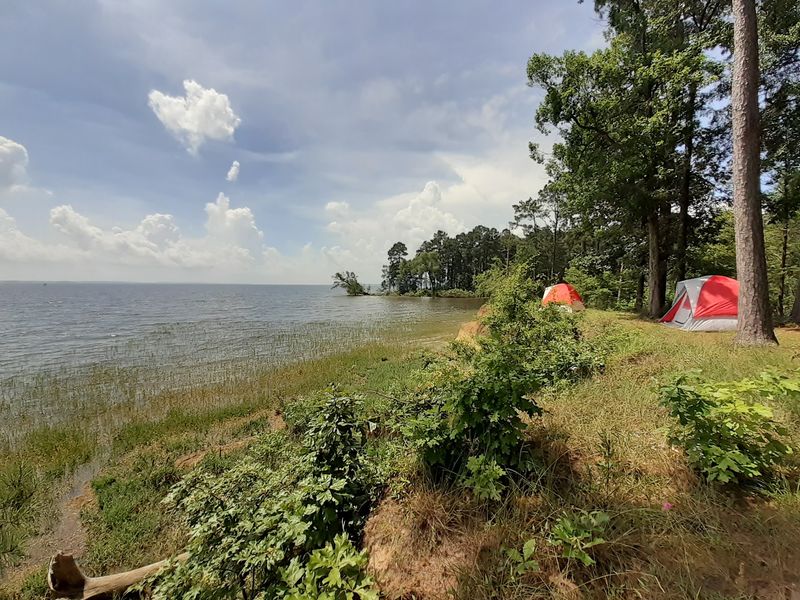
Choosing a campground might be the hardest decision of your trip. Sabine National Forest offers Red Hills Lake, Ragtown, Indian Mounds, Lakeview, Willow Oak, and Boles Field.
Each has its own personality and setting. Some put you near the water, while others keep you deeper in the pines.
Tent campers and RV travelers are both welcome. Some sites include electric hookups, so check before you book if you need power.
Craving more solitude? Dispersed, primitive camping is allowed in undeveloped areas, including a spot called Sexton Pond.
Primitive camping means no extra comforts. Bring your own water, a trash bag, and a solid plan for leaving no trace behind.
Night arrivals can be tricky with an RV. Roads here can curve and roll over hills, so arriving in daylight makes parking much easier.
Facilities can change, and repairs happen. Calling the Sabine Ranger District Office before you go is a smart move.
The office sits at 5050 TX-21, Hemphill, TX 75948. It’s open weekdays from 8 a.m. to 4:30 p.m., closed on federal holidays.
Bald Eagles Steal The Winter Show
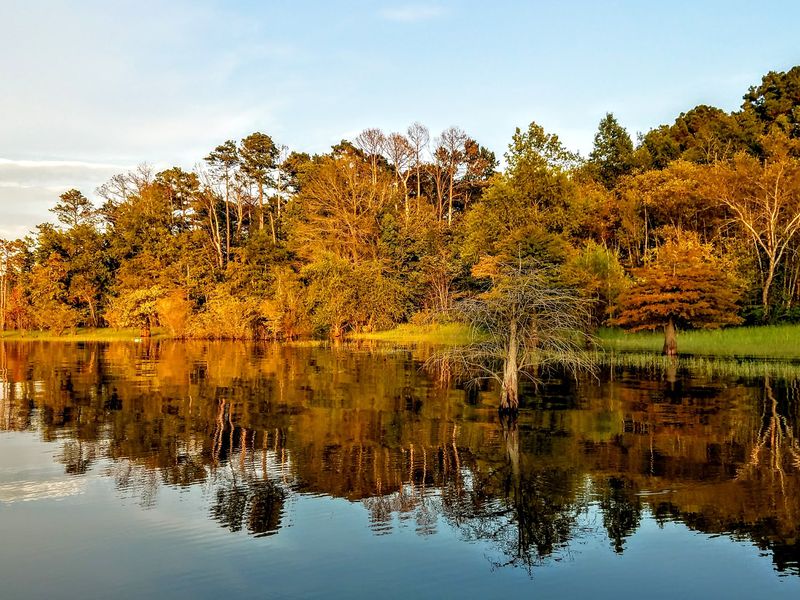
Winter brings a headliner to these woods. Bald eagles show up, and spotting one over the water is a thrill.
They aren’t alone, either. Wood ducks and plenty of songbirds give birdwatchers lots to look at.
Bigger wildlife roams here too. White-tailed deer and wild turkeys are part of the forest’s everyday cast.
After dark, the night crew takes over. Raccoons, opossums, and bats keep things busy while campers roast marshmallows.
Turtles may cross your path as well. Give them space and let them go on their way, since wildlife belongs right where it is.
Hunting is another big draw in Texas forests like this one. Deer, squirrel, and waterfowl seasons are open outside campground areas.
Hikers should wear bright colors during hunting season. A blaze-orange hat is cheap, simple, and very smart.
Binoculars are worth packing on any visit. Morning and evening often bring the most animal activity, so plan quiet walks around those hours.
Keep food stored securely at camp. Raccoons are clever, and they’ll treat an open cooler like a free buffet.
Respect the critters, and Sabine National Forest will keep surprising you.
