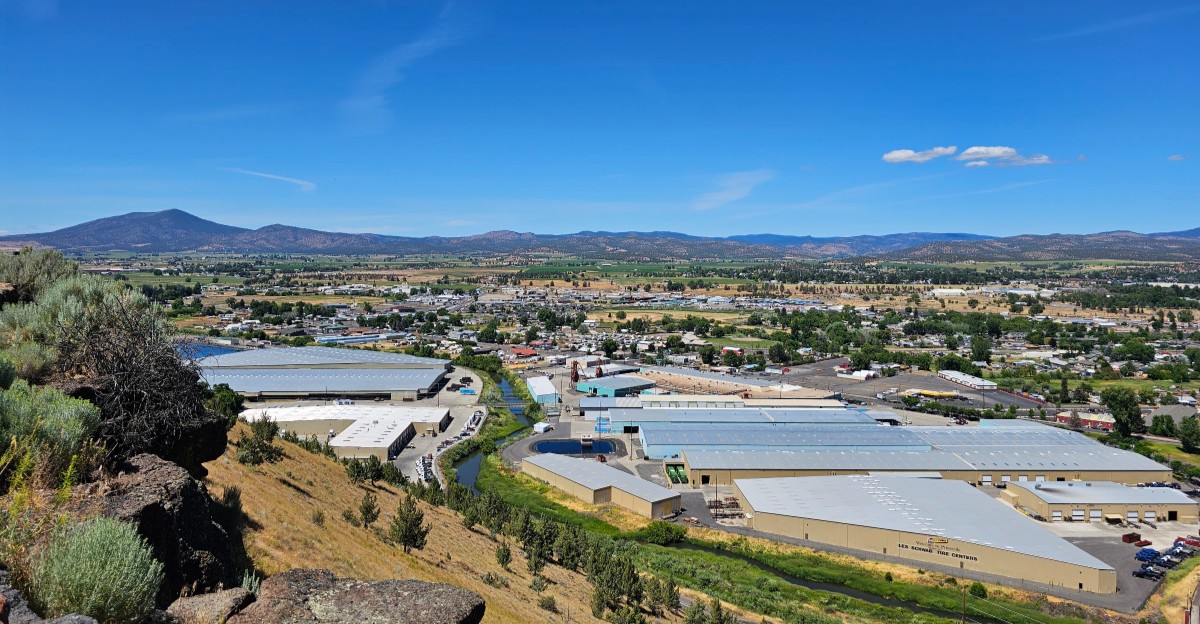
A small mountain town has owned its own railroad for more than a century, and its profits once helped the city go five years without levying property taxes. I still grin every time I think about that.
Then came 2015. A national report used old recession-era numbers and named this same town the poorest city in Oregon. Local leaders pushed back fast, saying the data missed the big changes already underway.
They had a point. Today the town hosts major data centers, a golf course born from a wastewater problem, and a historic courthouse dating back to 1909.
I like how this place refuses to fit one label. It has rodeo roots, rock-hunting fame, and skies dark enough to earn an official stargazing title.
The Oldest Town In Central Oregon Still Wears Its History Proudly
Barney Prine set up shop here in 1868, and the whole town ended up wearing his name. Prineville, Oregon, is the oldest city in Central Oregon, and it was officially incorporated in 1880.
Early Prineville worked as a trading post for ranchers spread across the high desert. Timber and livestock kept the place going for generations. That ranching backbone still shows in the town’s personality today.
Downtown is where the past feels closest. Historic brick buildings line the streets, and neon signs still glow above some longtime businesses. It feels lived-in, not staged for tourists.
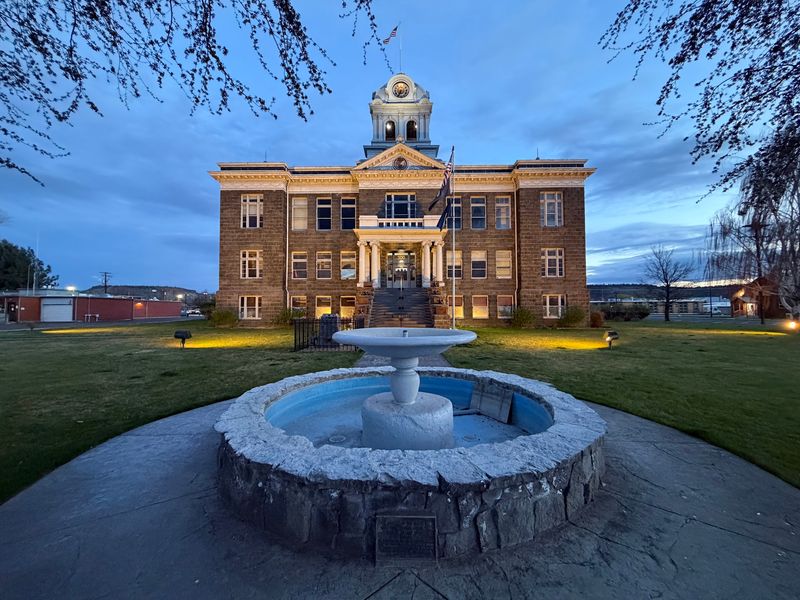
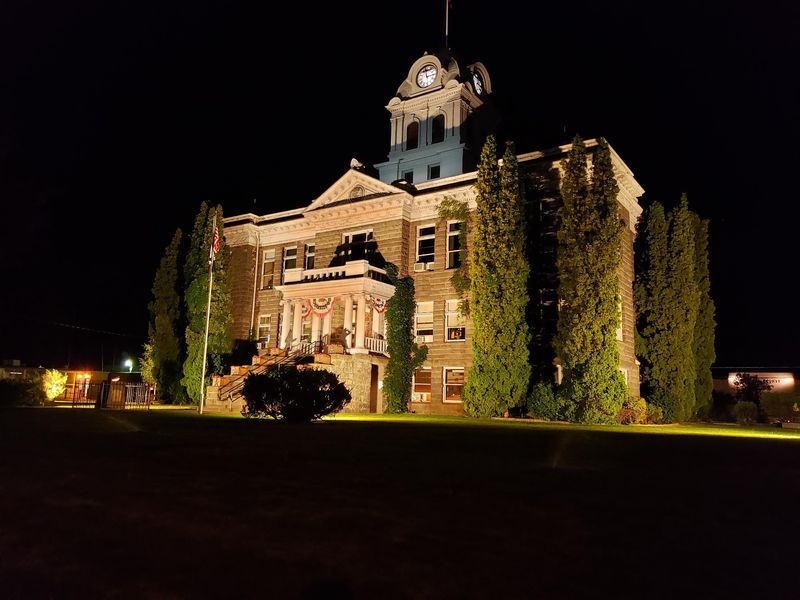
The real showstopper is the Crook County Courthouse. Built in 1909, the historic Crook County Courthouse remains an important Prineville landmark and continues to house county government offices. That is a pretty impressive record for a small county seat.
History fans should head straight to the A.R. Bowman Museum. Admission is free, which makes it an easy yes. Its exhibits bring pioneer life and Native American history in Central Oregon to life.
Plan to wander a bit before or after your museum stop. The downtown blocks are compact and easy to explore on foot. You can soak up over a century of stories in one relaxed afternoon.
A Town That Bought Its Own Train And Made It Pay
In 1911, the big commercial railroads skipped right past town. That snub could have been the end of the story. Instead, residents decided to build a railroad themselves.
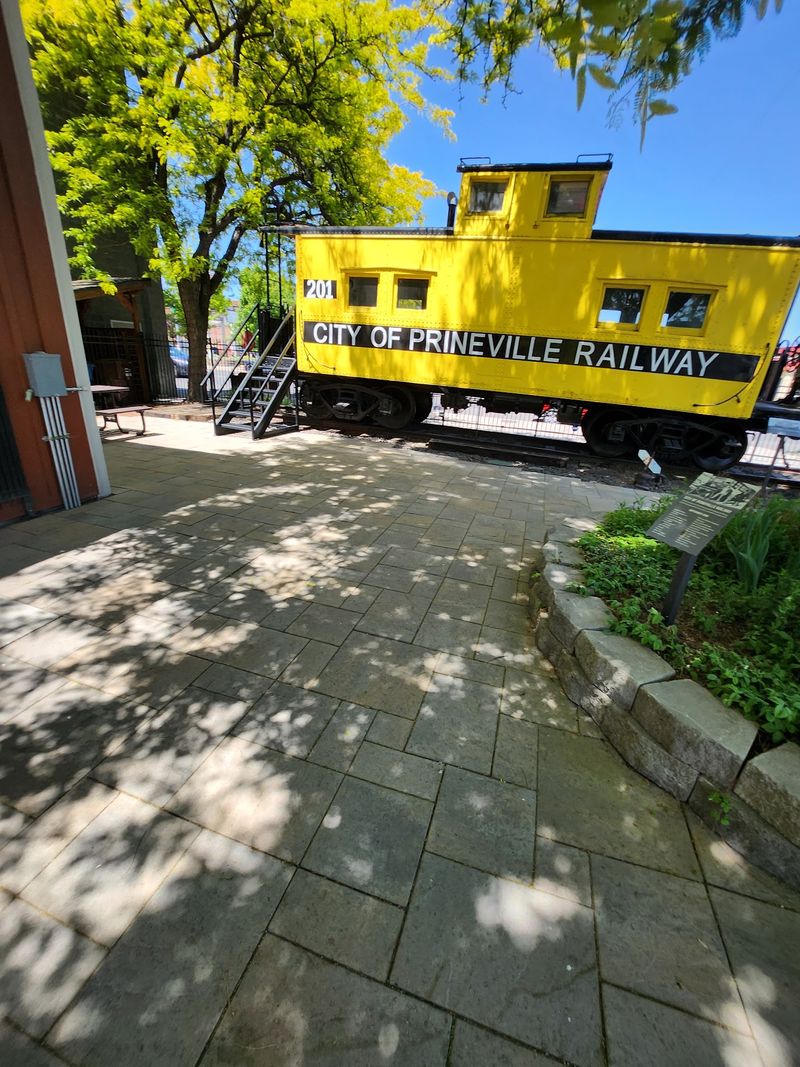
Construction ran from 1917 to 1918. The new line stretched 19 miles to connect with the main line. It became the City of Prineville Railway, one of the few railroads in the country owned by a city.
Here comes the fun part. The railroad made so much money that the city reportedly charged no property taxes from 1964 to 1968. Imagine telling your neighbors that the town train paid your bills.
Plenty of small towns have railroad history. Very few can say they owned the tracks and made them profitable. That stubborn, do-it-yourself spirit says a lot about this community.
The City of Prineville Railway still operates today. It serves local industries and keeps freight moving through the valley. So the story did not end in a museum display.
Next time someone mentions the poorest-city label, bring up this railroad. A town that funded itself with its own trains clearly knows a thing or two about making things work. That is a legacy worth admiring.
Bring A Rock Bag Because The Ground Here Sparkles
Some towns brag about their sports teams. This one brags about its rocks. Prineville carries the unofficial title of Rockhound Capital of the U.S., and it earns it.
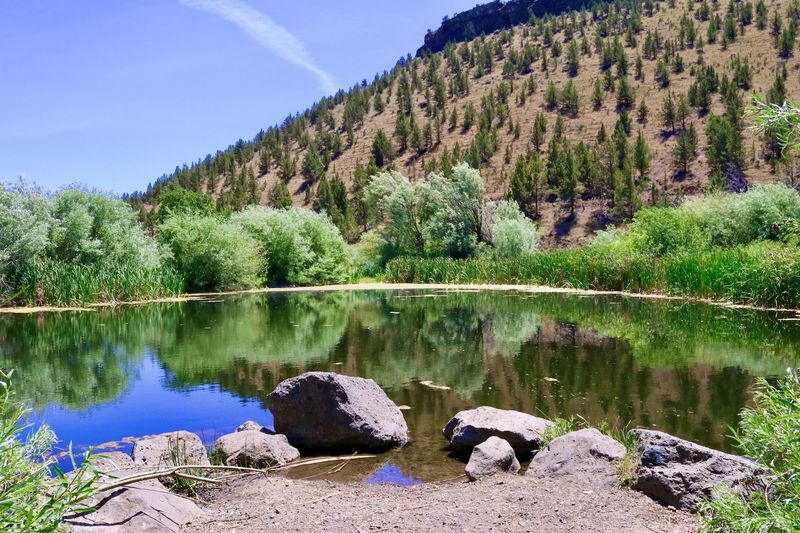
The nearby Ochoco Mountains hold a treasure chest of stones. Collectors hunt for jasper, agates, petrified wood, and thundereggs. Thundereggs are especially fun because they look plain outside but can reveal beautiful patterns once cut open.
That surprise factor makes rockhounding great for curious kids and patient adults alike. You never quite know what you are holding until later. It is like a treasure hunt where the prize is millions of years old.
The town even throws a party for rocks. The annual Rockhound Powwow draws mineral collectors to Prineville. It is a chance to see impressive finds and learn from people who know their agates from their jasper.
Before you head out, check rules for any land where you plan to dig. Some areas have limits on what and how much you can collect. A little planning keeps the hobby fun and fair for everyone.
Pack sturdy shoes, water, and a small bag. The high desert sun can be strong. Your future windowsill collection will thank you.
Look Up After Dark And Prepare To Forget Your Phone
Millions of stars, zero streetlight glare. In 2021, Prineville Reservoir State Park earned designation as an International Dark Sky Park. That puts it among a select group of places protected for night-sky viewing.
What does that mean for you? It means the sky here can look shockingly crowded with stars. On clear nights, the view can make city skies feel like a dim photocopy.
The high desert helps too. The region enjoys more sunny days than areas west of the Cascades. Clear days often lead to clear nights, which stargazers love.
Plan your trip around the moon if you can. A new moon gives the darkest skies and the best chance to spot faint stars. A full moon is pretty, but it washes out a lot of detail.
Bring warm layers even in summer. Desert nights can cool off quickly once the sun drops. A blanket, a thermos of cocoa, and a red flashlight make the evening much more comfortable.
Give your eyes about twenty minutes to adjust. Try not to check your phone during that time. Once your vision settles, the sky over Oregon starts showing off.
Grab A Paddle, A Rod, Or A Bike And Follow The River
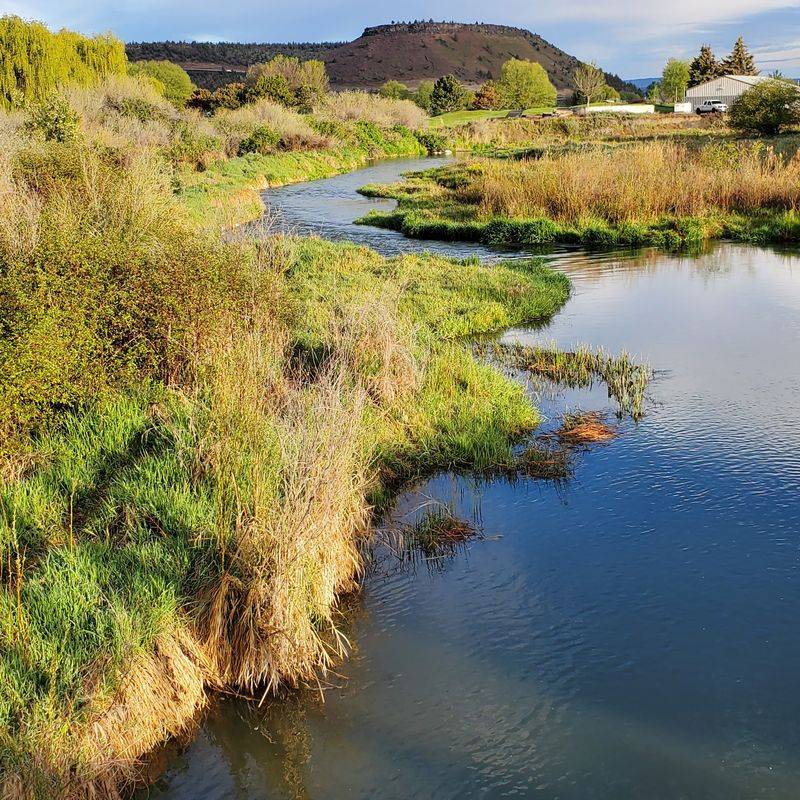
Water in the high desert always feels like a bonus. Around Prineville, Oregon, you get plenty of it. The Crooked River and Prineville Reservoir both invite you to get outside and play.
Anglers have lots to chase. Rainbow trout, bass, and catfish are among the fish found around Prineville, while the Crooked River is particularly known for rainbow trout and mountain whitefish. The Crooked River is also known for fine fly fishing.
Prefer floating to fishing? The reservoir works for boating, kayaking, canoeing, and stand-up paddleboarding. Water skiing and wakeboarding add some speed for the thrill seekers in your group.
Cyclists get their own treat. The Crooked River Canyon Scenic Bikeway runs 37 miles through ranchland and past basalt cliffs. It is a long ride, so pace yourself and pack snacks.
For something gentler, try the Crooked River Wetlands Complex. It offers more than 5.4 miles of trails, and 3.25 miles are paved for year-round use. Birdwatchers especially enjoy this spot.
The wetlands make a great choice for families with strollers or young bikers. You can go as far as you like and turn around anytime. It is easy fun with big open views.
Steins Pillar Is Waiting For Your Best Hiking Selfie
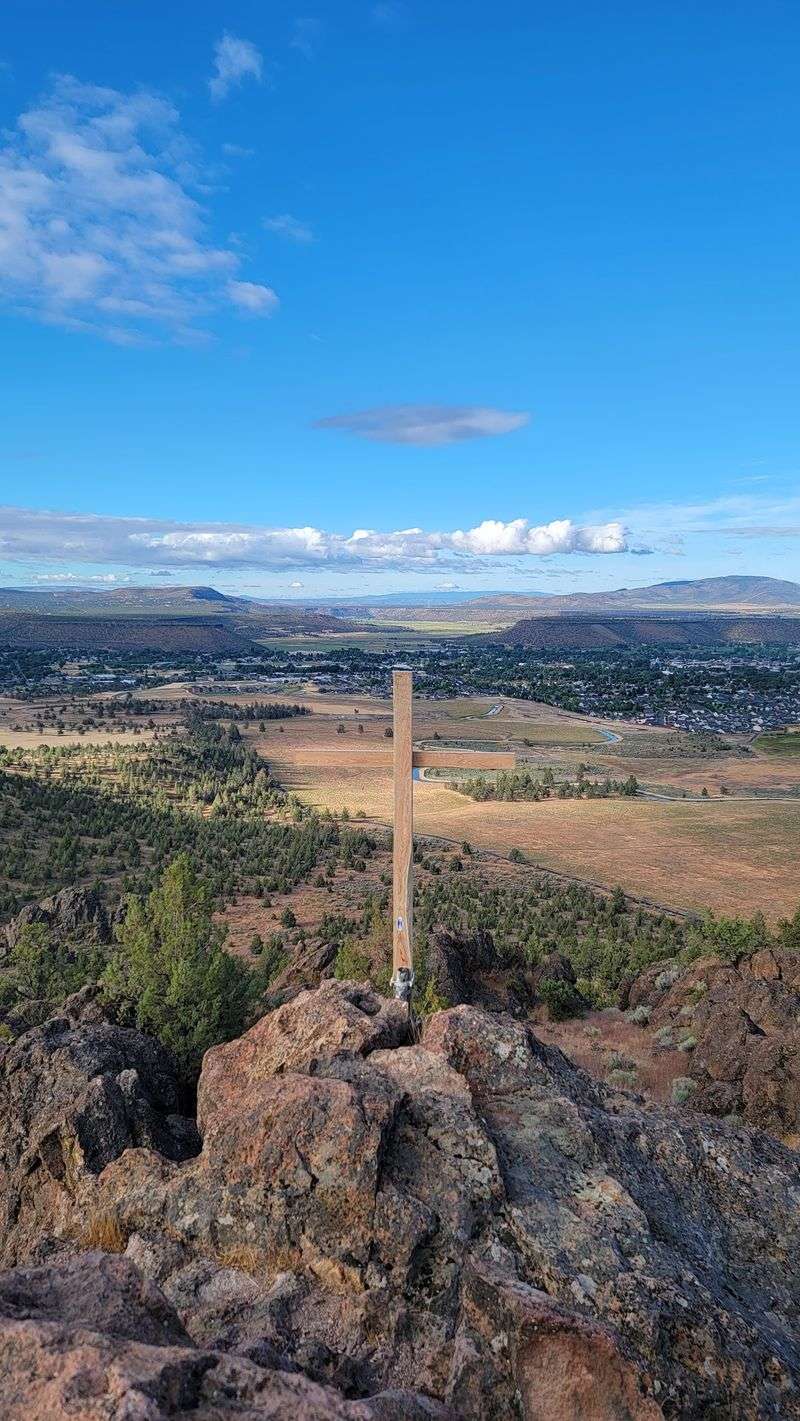
A giant rock tower rising out of a pine forest is hard to ignore. Steins Pillar stands in the Ochoco National Forest, just east of town. It is one of the most iconic sights in the area.
The hike to the pillar is moderately challenging. That means you should bring water and decent shoes, but you do not need to be an expert. The views along the way make the effort feel worth it.
The wider Ochoco National Forest has much more to explore. Think ponderosa pines, meadows filled with wildflowers, and striking rock formations. Hikers, campers, anglers, and wildlife watchers all find something to enjoy.
Short on time? Barnes Butte Recreational Area sits partly inside city limits. Its trails work for hiking and mountain biking. You get panoramic views of the Prineville valley without a long drive.
I love that wild country starts so close to downtown. You can browse local shops in the morning and stand among pines by afternoon. That kind of easy access is a real luxury.
Check trail conditions before you go, especially after storms or snow. Mountain weather can shift quickly. A little preparation keeps the adventure fun.
Yes, Those Golf Course Ponds Started As A Wastewater Fix
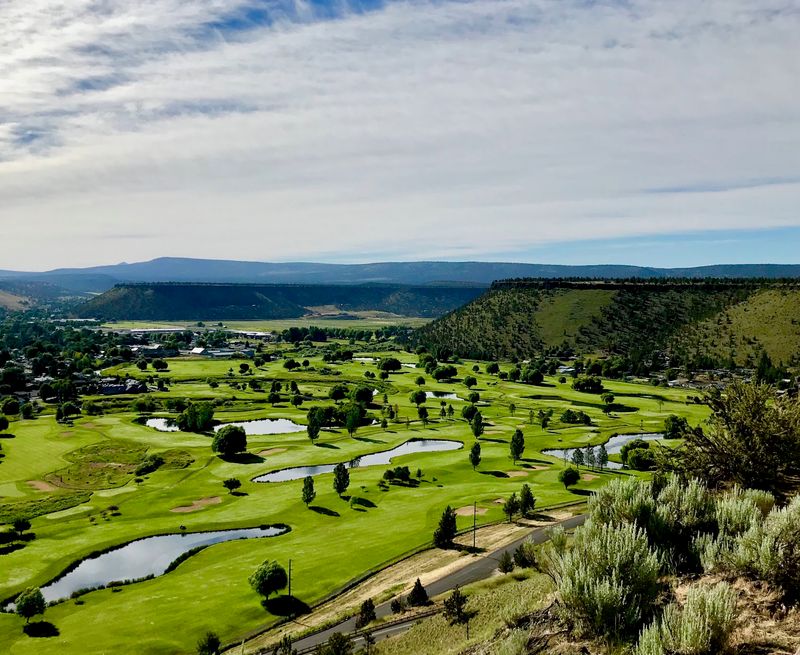
Golfers chasing balls into water hazards probably do not guess the backstory. At Meadow Lakes Golf Course, those ponds have a very practical job. They help handle the city’s treated wastewater.
Back in 1988, the city faced fines for dumping treated wastewater into the Crooked River. Leaders needed a smart solution. They built an 18-hole championship golf course instead.
The course uses irrigation plus nine evaporation ponds. Those ponds double as hazards for golfers. So every splash shot is technically helping the environment, which is a nice consolation.
The idea worked financially and environmentally. Meadow Lakes has appeared in national publications. It also received the first Golf Digest Environmental Leaders Golf Award.
The Crooked River weaves right through the course, adding pretty views between swings. It sits right in town, so you do not need to drive far for a round. That convenience makes it easy to fit into a weekend trip.
Not a golfer? The story alone is worth sharing at dinner. A problem that could have cost the city money became a green space people enjoy. That is clever thinking with a scenic payoff.
From Ranch Roots To Data Centers, The Comeback Is Real
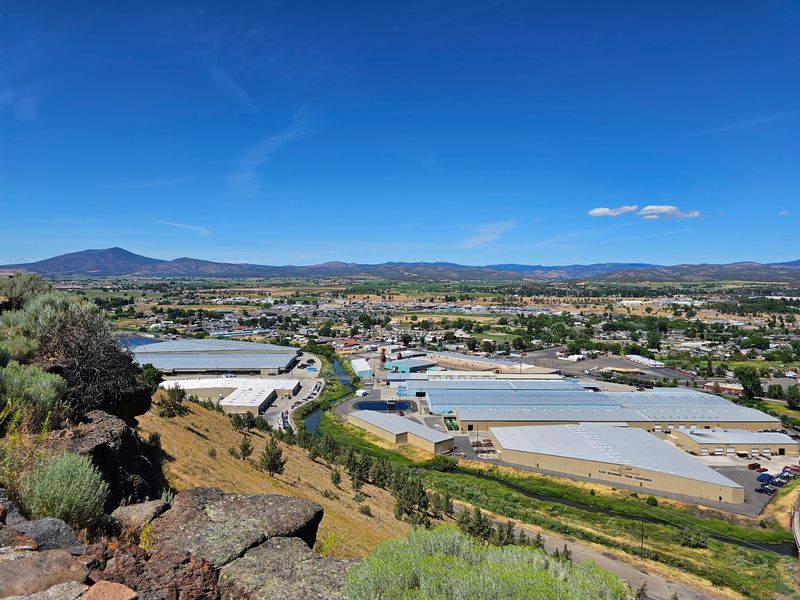
Remember that poorest-city label from 2015? It was based on 2013 Census data reflecting the recession years. Local officials argued it missed the investments already changing the town.
Look at Prineville, Oregon, today and the picture shifts. Meta and Apple both run major data centers here. Advanced manufacturing and logistics businesses have joined them.
The numbers back it up. Crook County wages jumped more than 80 percent over five years, the highest growth rate in Oregon. Heartland Forward also ranked Prineville the 9th Most Dynamic Micropolitan in the country.
Still, the town has not lost its easygoing spirit. Western heritage stays front and center. The Stampede Street Party kicks off the annual Crooked River Roundup with plenty of hometown energy.
Ochoco Creek Park offers a calm spot downtown with creekside paths and community events. It is also home to the Wildland Firefighter Memorial. Nearby shops like Sweet Willow and Co. and Rick Steber’s Makers add local flavor.
City Hall sits at 387 NE 3rd Street, Prineville, OR 97754, close to the downtown action. Start there, then wander. About 12,000 people call this place home, and I can see why they stay.
