The meat counter offered an impressive selection of housemade sausages, with historical reporting documenting more than 30 varieties. That alone made this old market feel like a legend. Now its doors are closed for good.
The store started as a tiny fruit stand back in 1916. One family ran it for four generations. Its wholesale operation supplied fresh produce to restaurants and businesses throughout the Portland metropolitan area.
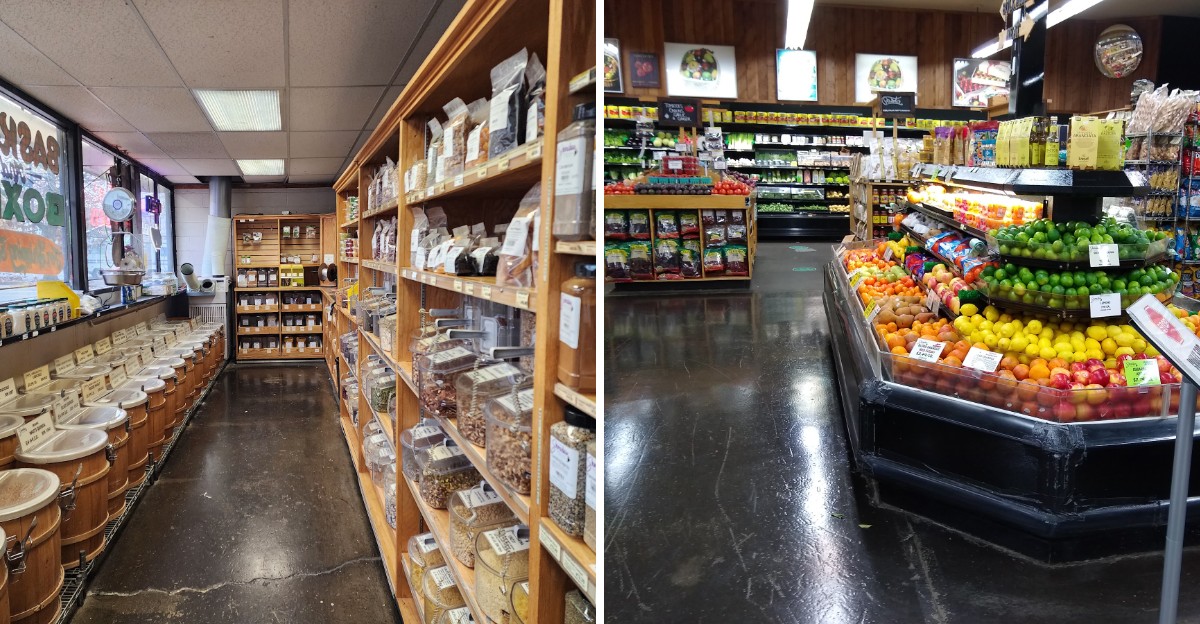
I like how it never tried to look shiny or new. The windows wore paint, the walls felt hand-lettered, and the bulk bins stretched on and on. It looked like a working warehouse because it was one.
Oregon lost more than a grocery store here. It lost the final link to a whole street of family produce sellers. So what made this place so hard to say goodbye to?
The Last Grocer Standing On A Street Built For Produce
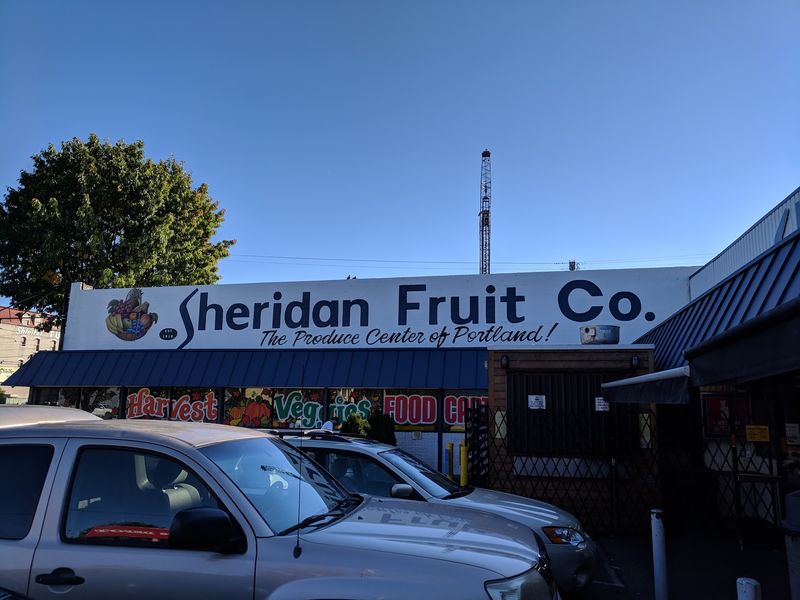
Sheridan Fruit Company closed for good on Friday, February 13, 2026. The announcement came just one day earlier, which gave shoppers almost no time to process it.
On that final day, the store kept normal hours from 9 a.m. to 5 p.m. Then a 110-year run simply ended, quietly and fast.
The owners pointed to rising operating costs and a tough retail climate. The COVID-19 pandemic made everything harder, hitting the wholesale side especially hard.
Here’s why the loss stings so much. Sheridan Fruit Company was the last retail and wholesale grocer still operating on Portland’s historic Produce Row.
That stretch of the Central Eastside once buzzed with family produce businesses. Many of them were run by Italian American grocers who helped feed a growing city.
One by one, those businesses faded away over the decades. Sheridan kept going long after its neighbors packed up their crates.
So when the doors shut, an entire chapter of Oregon food history closed with them. It’s a little like the last candle on a long table finally going out.
Shoppers reacted with shock and sadness. Many hoped the building would stay connected to the community in some way.
A Fruit Stand That Outlasted Nearly Everything
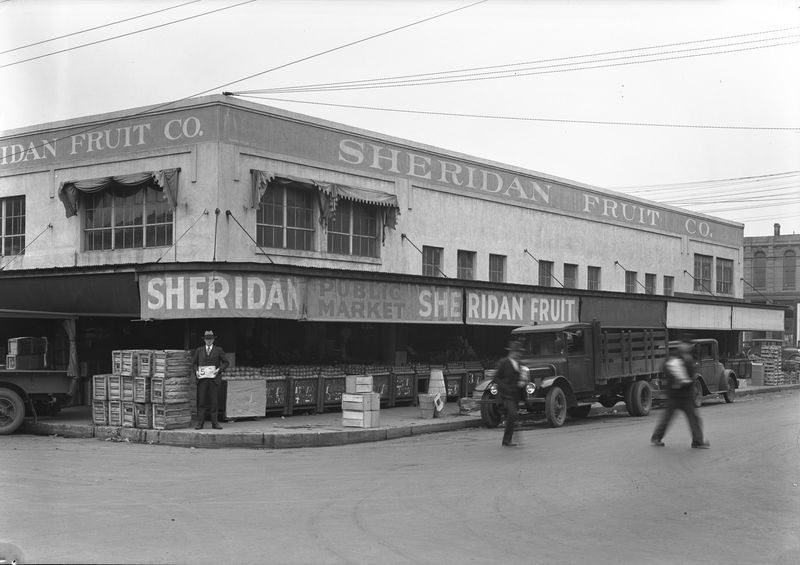
John Sheridan opened a small fruit stand in 1916. It began as an open-air produce market on Union Avenue, now Martin Luther King Jr. Boulevard, on Portland’s east side.
The business began on Union Avenue in 1916 and remained connected to Portland’s historic Produce Row. That road is now Martin Luther King Jr. Blvd., the same street the store called home until the end.
Then came 1946, a big turning point. Brothers Sam and Larry Poleo bought the company from John Sheridan.
They made a smart choice and kept the original name. People already trusted it, so why mess with a good thing?
The Poleo family went on to run Sheridan for four generations. Anne Barwick, who inherited the business from her parents, served as president.
Think about everything that changed between 1916 and 2026. Cars replaced wagons, supermarkets spread everywhere, and online shopping showed up.
Through all of it, this little fruit stand turned grocery kept its name and its family roots. In 2016, the company celebrated a full 100 years in business.
Few shops anywhere can claim that kind of staying power. I believe that stubborn, steady history is a big reason the goodbye hurts.
Bright Lights And Shiny Aisles Were Never The Point
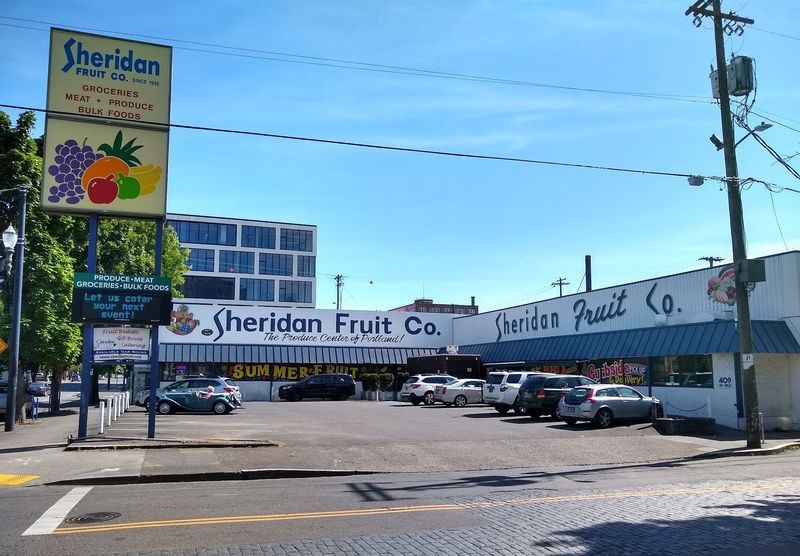
Forget glossy floors and spotless displays. The store at 409 SE Martin Luther King Jr Blvd, Portland, OR 97214, felt like a working warehouse with groceries inside.
The building dates to 1929 and underwent renovations in 1973. Fun detail: the spot where the original fruit stand once stood became the store’s parking lot.
Inside, the space had a boarded, hand-painted feel. That look came from its roots as the retail arm of a bigger wholesale operation.
The front held the showroom where shoppers browsed. Out back sat warehouse and production space with dock-high truck loading.
A small mezzanine handled office work and storage. Every part of the building had a job to do.
Outside, the windows were covered in paint. Bold signage made the place easy to spot in Portland’s close-in eastside.
Local reporting described it as an authentic family grocery that matched its blue-collar neighborhood. It skipped the bright lights and wide, shiny aisles of modern chains.
Honestly, that was the charm. You could feel the trucks, the crates, and the decades of hard work in every corner.
Over 100 Sausages Walk Into A Meat Counter
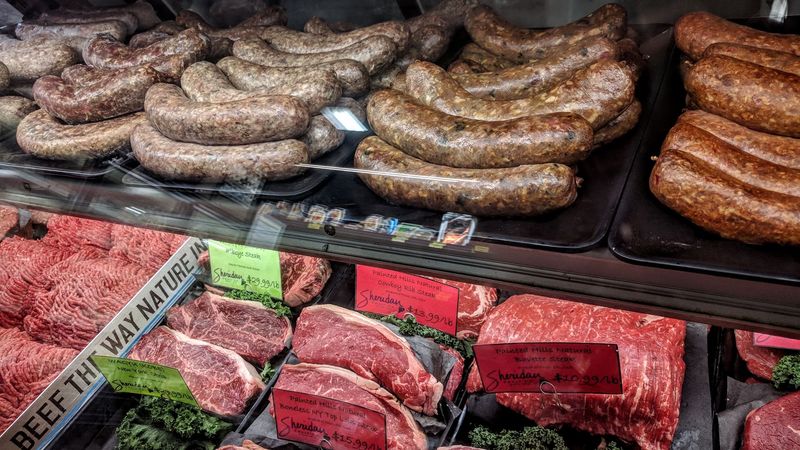
Dozens of housemade sausage varieties. Read that again, because it’s not a typo.
The meat counter at Sheridan Fruit Company was known for its wide selection of housemade sausages. That’s a serious commitment to the humble sausage.
It’s a little funny, too. A business with “Fruit” in its name became famous for its butcher case.
This was a full-service counter, not a row of plastic-wrapped trays. Shoppers could talk with the butchers and pick exactly what they needed.
Wild game also showed up among the specialty offerings. That gave home cooks a shot at something they couldn’t grab at a typical chain store.
Local reporting called the meat counter one of the store’s big draws. It stood right alongside the produce and bulk bins as a reason to make the trip.
If you ever stood in front of that case, you know the struggle. Deciding on just one or two kinds felt nearly impossible.
Here’s a practical tip for anyone missing it now. Look for other local butchers making house sausage, and ask questions, because that’s how Sheridan did it.
Scoop Your Own Adventure In The Bulk Aisle
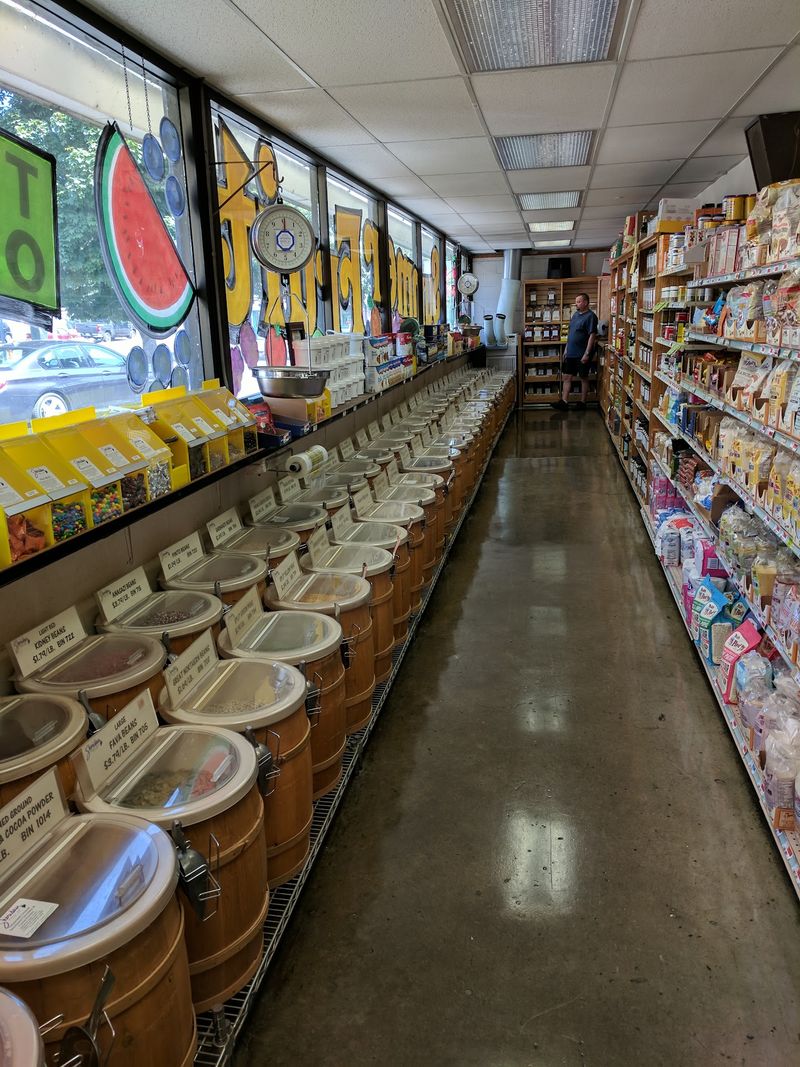
Sprawling is the right word for the bulk section here. The bins stretched out and invited shoppers to fill bags with exactly what they wanted.
Nuts, dried fruit, grains, and baking basics all had a place. You could grab a handful or a whole sack, no fancy packaging required.
Bulk shopping has real perks. You buy only what you need, which helps cut down on waste and leftover clutter.
It also makes trying new things less risky. A small scoop of an unfamiliar grain costs far less than a full box you might not love.
Beyond the bins, shelves held a mix of hard-to-find goods. Small-batch cheeses, premium oils, berries, and even German butter made the list.
That kind of selection felt like a treasure hunt. Every aisle seemed to hold something the big grocery chains skipped.
Sheridan proved a store didn’t need to be huge to feel full of surprises. It just needed smart choices and a good eye.
If you love this style of shopping, keep it going. Bring your own containers to local bulk stores and stock up thoughtfully.
Lunch Breaks Got A Lot Better Here

Workers from the Central Eastside knew where to head when noon rolled around. The deli at Sheridan Fruit Company drew a big lunch crowd from the surrounding blocks.
That makes sense in an industrial district. Hungry folks wanted something fresh, fast, and close by.
Outside the store, an outdoor grill served daily specials. It added a little backyard cookout energy to a busy workday.
In September 2024, chef Ken Gordon took over managing the deli. His goal was to refresh its wide range of offerings.
That move showed the store still had plans and fresh ideas. Sadly, his time there turned out to be short, with the closure arriving months later.
I like how the deli connected Sheridan to everyday life in the neighborhood. It wasn’t only a place for weekend shopping trips.
A grocery store with a strong lunch counter becomes part of people’s routines. Folks stopped by on weekdays, chatted, and headed back to work fed and happy.
Losing that kind of spot leaves a gap in a neighborhood’s daily rhythm. Lunch on those blocks will feel a little different now.
Half The Business Happened Where Shoppers Never Looked
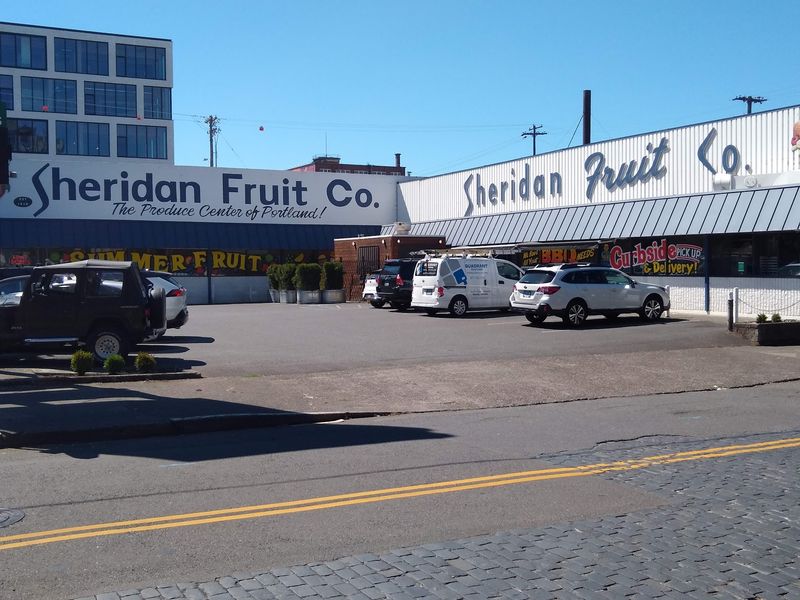
Most grocery stores focus on the folks pushing carts. Sheridan had a whole second life behind the scenes.
Wholesale operations represented an important part of the company’s business. It supplied produce to restaurants and businesses throughout the Portland metropolitan area.
So even people who never shopped there may have eaten Sheridan produce. A salad at a local cafe could have started on those loading docks.
The store worked as a bridge between Oregon farmers and Portland kitchens. Crops came in from the region, and chefs across town turned them into meals.
That connection mattered for small farms and small restaurants alike. Both sides needed a trusted partner in the middle.
Then the pandemic arrived and restaurants shut their doors. The wholesale side took a heavy hit that it never fully shook off.
Fewer retail shoppers made the squeeze even tighter. Rising costs piled on top of everything else.
It’s a good reminder of how linked local businesses really are. When restaurants struggle, the suppliers feeding them struggle too, often out of sight.
Holiday Baskets Made Gift Giving Easy
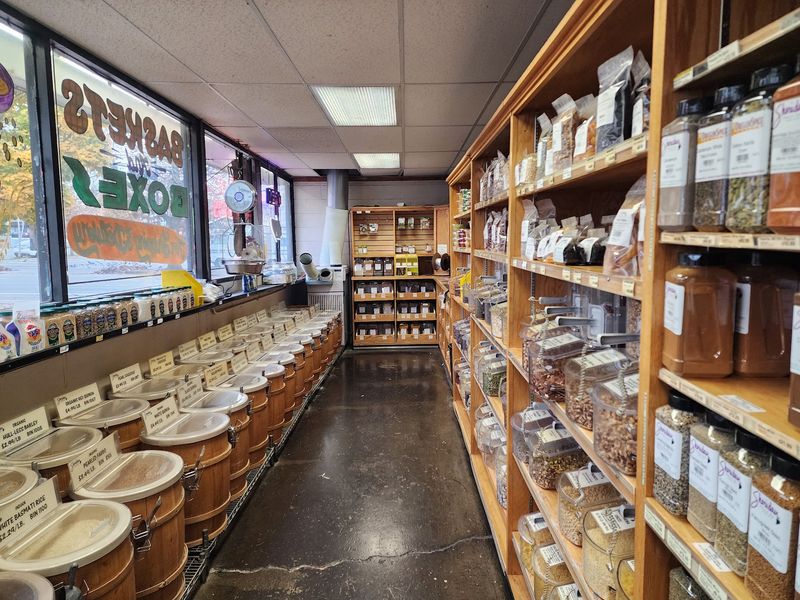
December brought a special kind of bustle to the old market. Sheridan offered fruit and specialty baskets during the holidays.
Both regular shoppers and corporate customers ordered them. Businesses could thank clients, and families could send something thoughtful to relatives.
A fruit basket might sound old-fashioned. Then again, this company started as a fruit stand, so it fit perfectly.
Pairing fresh fruit with specialty goods made the baskets feel personal. The store already stocked nuts, dried fruit, and unusual treats that worked well together.
Gifts like these say more than a generic gift card. They show someone you picked something real and local.
Here’s a handy idea inspired by Sheridan. Build your own basket with seasonal Oregon fruit, a small cheese, and a jar of something special.
Add a handwritten note and a simple ribbon. Suddenly you’ve got a gift that feels warm instead of rushed.
The holiday baskets showed another side of the store’s personality. It wasn’t only about feeding people, but also helping them share good food with others.
The Staff Were Called The Soul Of The Place
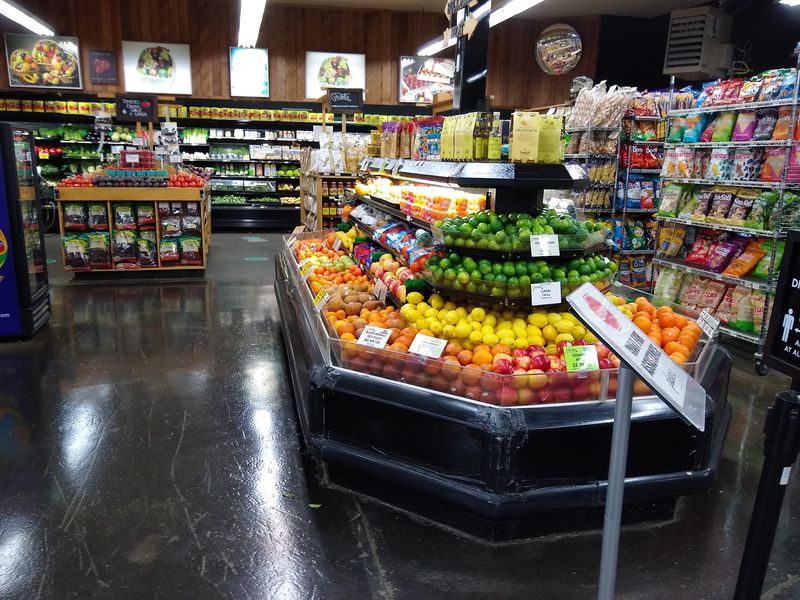
Buildings and sausages are great, but people make a store feel like home. At Sheridan Fruit Company, the staff were often called the soul of Sheridan.
Many workers were family members. Others had been there so long they were treated like family anyway.
That kind of team is rare in today’s grocery world. Big chains swap staff often, while Sheridan kept familiar faces around for years.
The closure left employees facing an uncertain future. That part of the story deserves real attention and kindness.
Losing a job is tough at any time. Losing one at a place that felt like family adds another layer of sadness.
Portland shoppers responded with shock when the news broke. Many shared hopes that the space would stay rooted in the community.
If you want to honor places like this, start small. Shop at family-run stores in your own corner of Oregon, and learn the names of the folks helping you.
Those little habits keep neighborhood businesses alive. Sheridan proved that a century of loyalty can grow from one fruit stand and good people.
