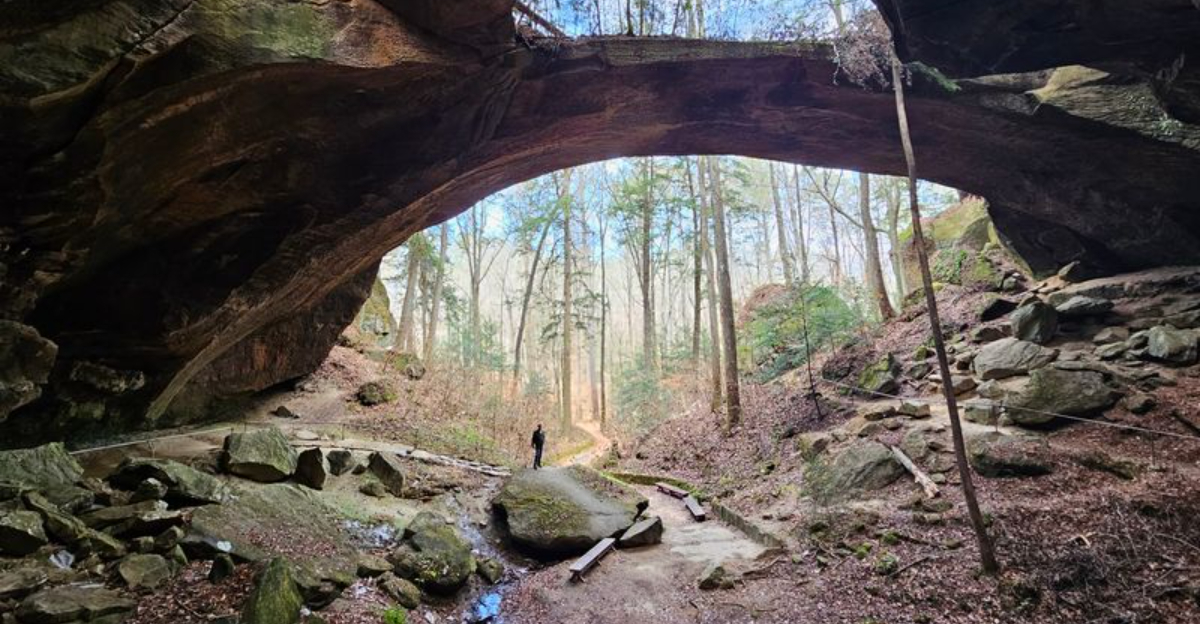
How often do you get to walk beneath a natural wonder that took millions of years to create? Some outdoor destinations impress with dramatic views, but others stand out because they reveal something truly unexpected along the way.
In Alabama, one forest trail leads visitors through a peaceful landscape where towering trees and winding paths eventually reveal the longest natural bridge east of the Rockies.
The experience is not just about seeing the landmark itself, but about exploring the quiet surroundings that make the journey feel just as memorable.
Whether you enjoy easy nature walks, unique geological formations, or discovering places with incredible stories behind them, this destination offers a reason to slow down and look closer.
A Natural Wonder You Have to See
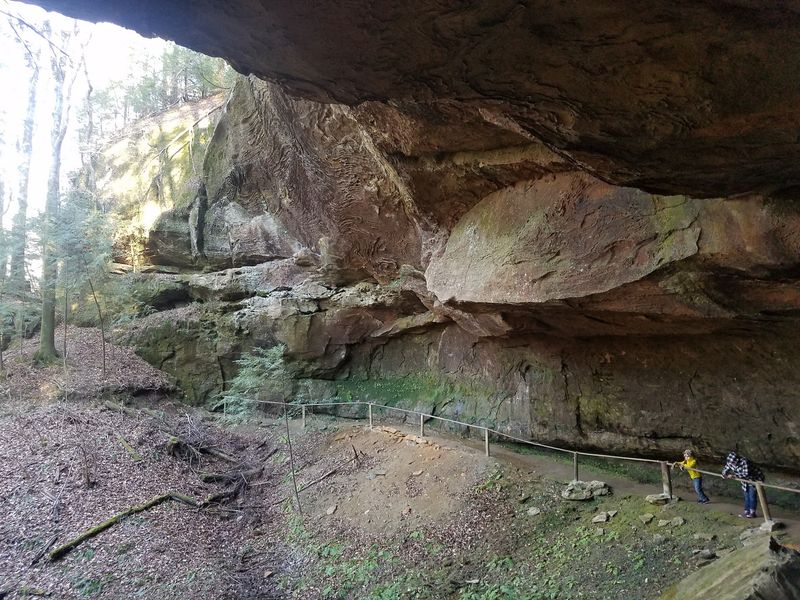
Nothing quite prepares you for the first glimpse of the main arch at Natural Bridge Park. You round a bend on the trail and suddenly there it is, a massive sandstone bridge soaring 60 feet above your head and stretching 148 feet across, completely formed by nature over 200 million years.
No chisel, no crane, just water patiently doing its work through the ages.
The best spot to really feel the scale of it is directly underneath. From there, you can look up and see layers of sandstone streaked with iron ore deposits, creating patterns of rust, gold, and deep brown that almost glow when light filters through the openings in the rock.
It is genuinely hard to believe something this grand exists tucked into a quiet Alabama hillside.
The cavernous space beneath the bridge also creates a natural coolness that feels like a reward on a warm afternoon. Sounds carry strangely well down here, and voices seem to travel across the space with a soft echo.
Ferns and mosses cling to every damp surface, adding bursts of vivid green to the ancient stone. I found myself standing still for a long time, just taking it all in.
Photos help, but they honestly do not capture the feeling of being small beneath something this old and this enduring. You really do have to see it for yourself.
Wander Through Ancient Woodlands on the Nature Trail
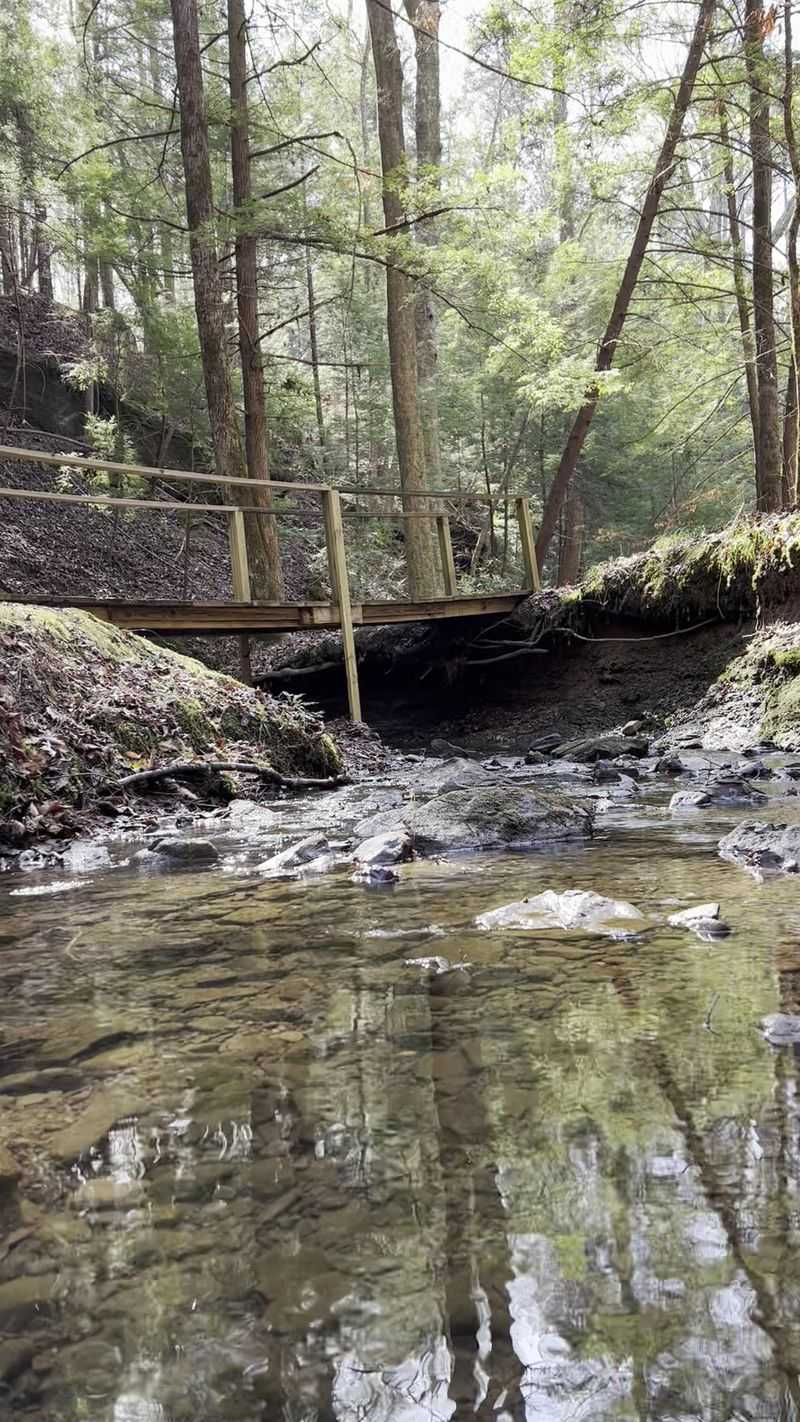
The trail system at Natural Bridge Park is one of its quietest pleasures.
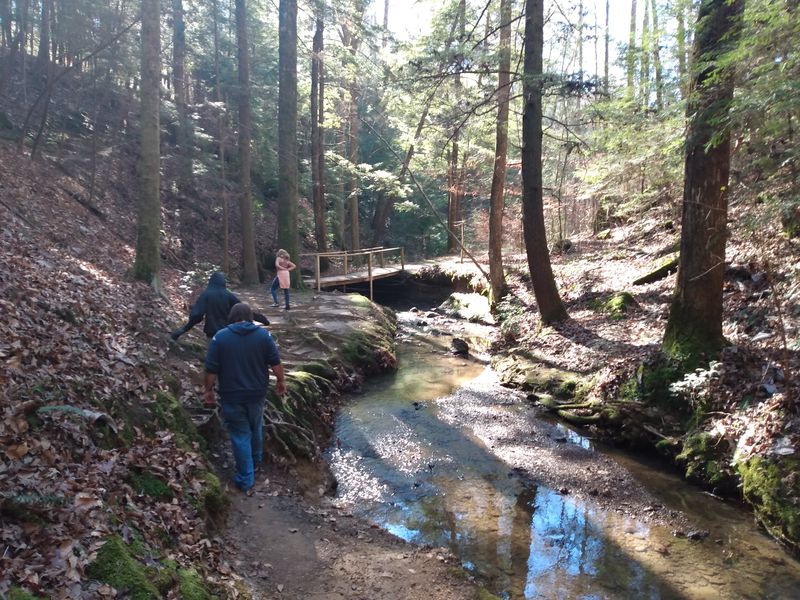
There is a roughly one-mile loop that guides you beneath the main arch and then winds through the surrounding woodland, crossing small footbridges and passing rock formations that most visitors walk right past without fully noticing.
It is the kind of trail that rewards a slow pace.
Part of the path is a comfortable gravel-covered walk, easy enough for most fitness levels and manageable for older visitors or families with younger kids.
Another section climbs along the side of the mountain, leading past smaller caves and interesting overhangs that add a sense of adventure to the hike.
Wearing sturdy shoes is genuinely a good idea here. Some sections get uneven, with roots and rocks underfoot, and a few slopes can catch you off guard.
What I loved most about the trail was how it kept offering new things to look at. One moment you are crossing a little bridge over a stream, and the next you are ducking under a low overhang draped in ferns.
The forest feels layered and alive. Birdsong fills the canopy above while the sound of trickling water follows you along the lower sections of the path.
It never feels rushed or crowded, and the loop is short enough that you can walk it twice without it feeling repetitive. Each pass seems to reveal something you missed the first time.
Discover Hidden Geological Treasures Beyond the Main Arch
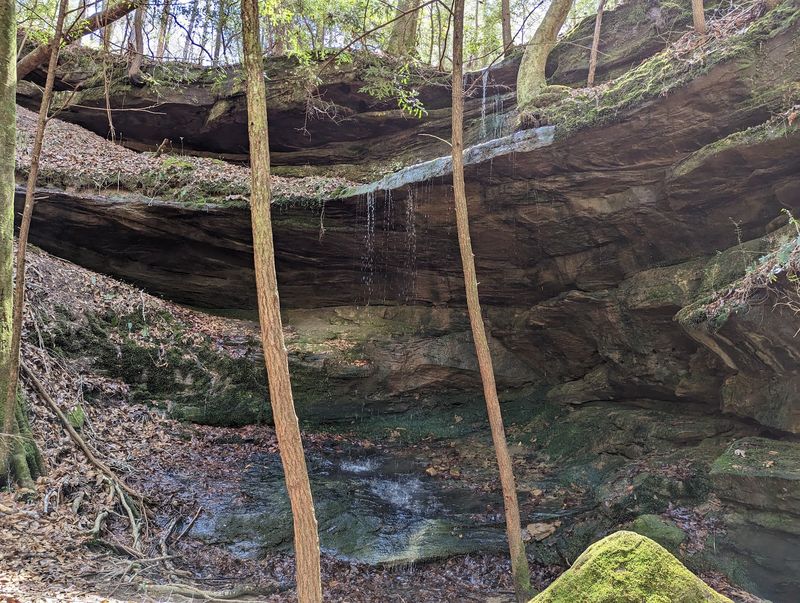
Most visitors come for the main bridge and leave satisfied, but the park holds more geological surprises if you take the time to explore the full trail. Downhill from the arch, there is a striking rock outcropping that bears an uncanny resemblance to a Native American face seen in right profile.
It stands over 15 feet high and the likeness is precise enough that it has long been compared to the image on an old U.S. Indian head nickel.
Nature made that entirely on its own.
The sandstone and iron ore composition of the park creates a remarkable range of colors throughout the rock faces. Depending on the light and time of day, you might see deep rust tones shift to warm amber or pale gold.
Early morning light is especially flattering on the stone surfaces. Photographers tend to linger here longer than anywhere else on the trail, and it is easy to understand why.
Smaller caves, grottos, and overhangs are scattered throughout the park, some accessible via an unmarked trail that branches off the main loop. These hidden pockets feel genuinely off the beaten path.
The rock walls inside show layers of geological history compressed into visible bands of color and texture. Running your hand along the stone, you can almost feel the weight of the time it took to form.
It is a quiet, grounding experience that adds real depth to a visit beyond simply seeing the main attraction.
A Haven of Biodiversity and Ancient Plant Life
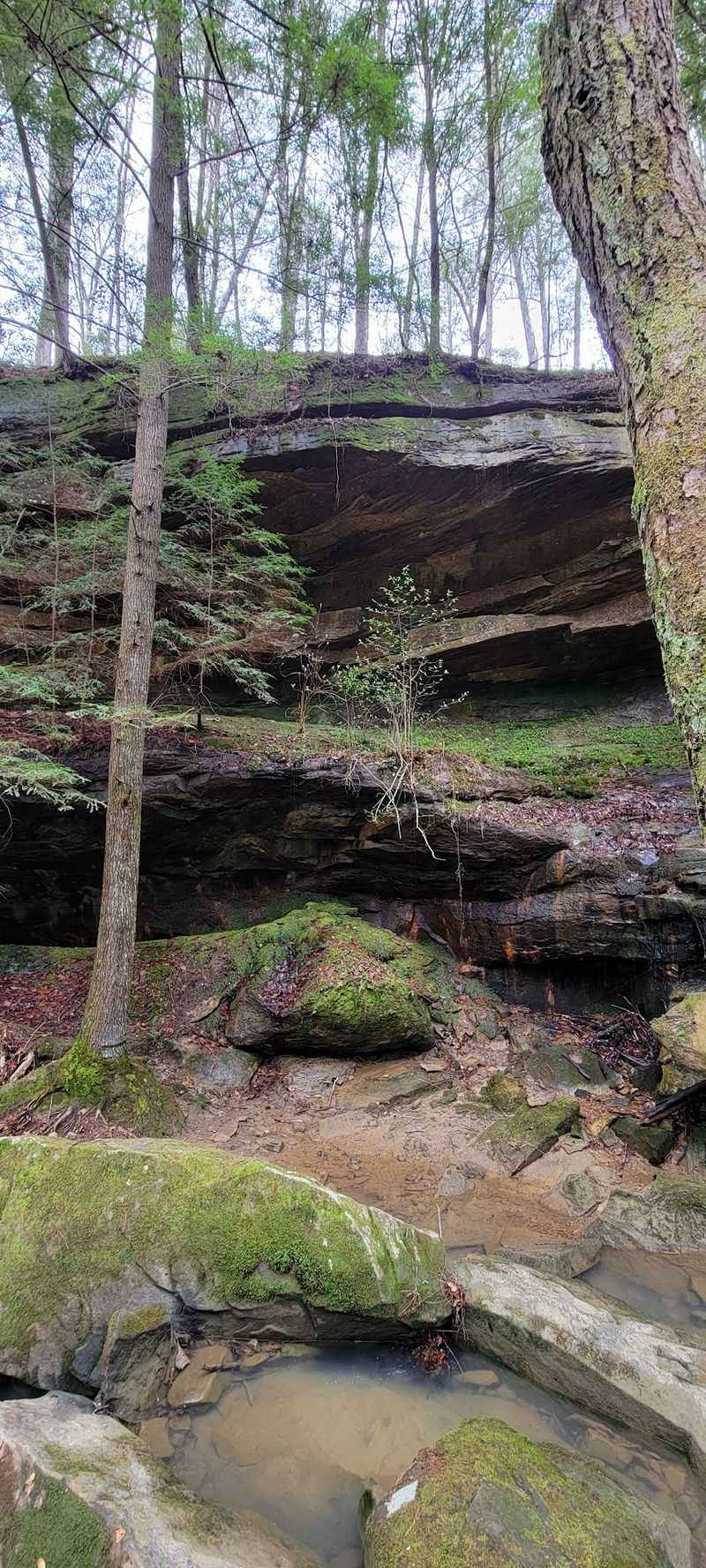
Plant enthusiasts are in for a genuine treat at Natural Bridge Park. The park supports an impressive 27 varieties of ferns, many of them thriving in the cool, damp microclimate created by the arch and the surrounding rock walls.
Water seeps steadily down the stone surfaces in many spots, creating the kind of humid, shaded environment where ferns grow thick and lush. It feels like walking through a living greenhouse that nature assembled over thousands of years.
Beyond the ferns, the park is also home to a stand of eastern hemlock trees, a species with roots stretching back to the Pleistocene epoch, roughly 2.58 million to 11,700 years ago. Their presence adds a quiet sense of deep time to the landscape.
These are not just old trees; they are living connections to an era when the world looked completely different.
Seasonal visits each bring their own rewards. Spring fills the trails with wildflowers blooming in soft clusters along the path edges, while autumn transforms the canopy into a spectacular spread of orange, red, and gold.
Researchers have even conducted biodiversity surveys at the park, including studies of land snail diversity, as part of efforts to recognize it as a National Natural Landmark. Near the small streams, sharp-eyed visitors might spot dusky salamanders or crayfish moving through the shallows.
The park is far more than a geological curiosity; it is a genuinely rich and thriving natural habitat worth taking time to appreciate fully.
Are You Ready to Discover This Hidden Gem in Alabama
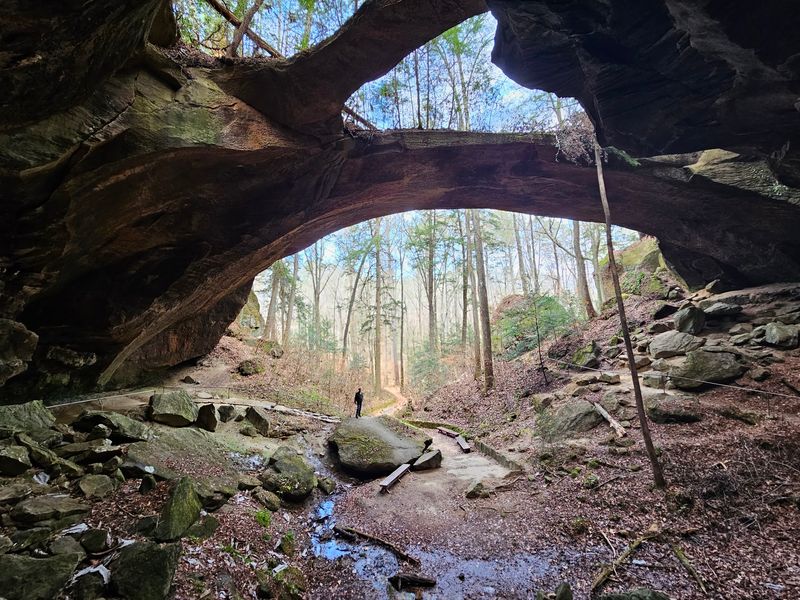
Natural Bridge Park has a pace all its own. There is no gift shop blaring music, no crowds jostling for the best photo angle, and no sense of being hurried through an experience.
The park genuinely invites you to slow down. A small waterfall and a meandering stream run through the property, and the sound of moving water becomes a constant, soothing companion as you explore.
Designated picnic areas are spread throughout the grounds, shaded by tall trees and positioned near some of the more scenic spots on the trail. Bringing a packed lunch and settling in for a while is a perfectly good way to spend an afternoon here.
There is also an artesian well on site that supplies the drinking fountains with natural well water. The water has a distinct mineral taste that some visitors find surprisingly refreshing and others find unusual, but either way it feels like a fitting detail for a place this connected to the earth beneath it.
The overall atmosphere is one of genuine calm. Families come here to unwind.
Couples find it romantic. Solo hikers find it meditative.
It is a place where you do not need a plan or an agenda, just comfortable shoes and a willingness to wander. Even on a warm Alabama afternoon, the heavy shade from the forest canopy and the natural coolness near the arch keep things comfortable.
This park is the kind of hidden gem that locals quietly treasure and visitors immediately want to return to.
A Glimpse into the Past, History and Indigenous Roots
Long before Natural Bridge Park opened to the public in 1954, this land held deep significance for the people who lived here first. The Muscogee Creek Indians inhabited this region and almost certainly used the natural bridge and its cave-like shelter as protection from rain, wind, and heat.
Generations of people found refuge under the same arch that visitors admire today. That history adds a weight and a warmth to the place that goes beyond its geological story.
The town of Natural Bridge itself eventually took its name from this very formation, having originally been known as Lodi. The surrounding area has changed considerably over the decades, but the arch has remained constant, a fixed point in a shifting landscape.
The park has passed through the hands of several private owners over the years, each one working to preserve and maintain it for future visitors.
Currently, Donnie and Naomi Lowman are the dedicated custodians of the property. Their care for the park is visible in the well-kept trails, the clean facilities, and the friendly atmosphere at the gift shop where you register before heading out.
Visiting a place with this kind of layered history feels different from a standard tourist stop. You are not just looking at a rock formation; you are standing in a space where people have sought shelter, found wonder, and felt connected to the land for a very long time.
That sense of continuity is quietly powerful.
Before You Go, Remember These Helpful Details
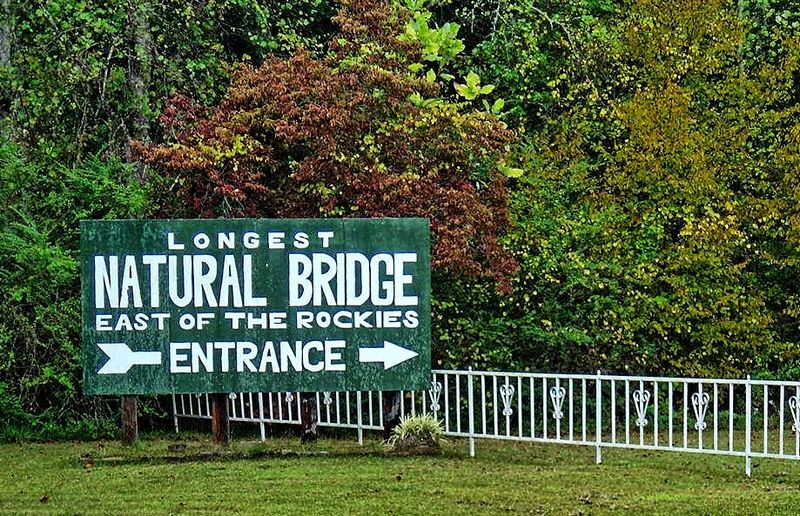
A little preparation goes a long way when visiting Natural Bridge Park. The park is privately owned, which means you begin your visit at the gift shop, where you sign a waiver and pay the entry fee before heading out on the trail.
The staff there are genuinely friendly and happy to point out highlights you might otherwise miss. They know this park well and their suggestions are worth listening to.
Sturdy footwear is not just recommended, it is really necessary. The trails include uneven terrain, exposed roots, rock surfaces, and a few steeper sections with handrails.
The lower trail is more accessible, but the full loop requires a bit of sure-footedness. One important rule to keep in mind is that walking on top of the natural bridge is strictly prohibited.
The best views are found beneath and around the arch anyway, so this is no real loss.
Pets are not permitted on the property, so plan accordingly if you are traveling with animals. The park is open daily starting at 8 AM, with closing times varying slightly between weekdays and weekends.
Before leaving, the gift shop is worth a browse. It carries handcrafted items and locally made products, and the grape slushie that several visitors rave about is a genuinely satisfying way to end the visit.
Natural Bridge Park is one of those rare places that stays with you long after you leave. Address: 315 Co Rd 3500, Natural Bridge, AL 35577.
