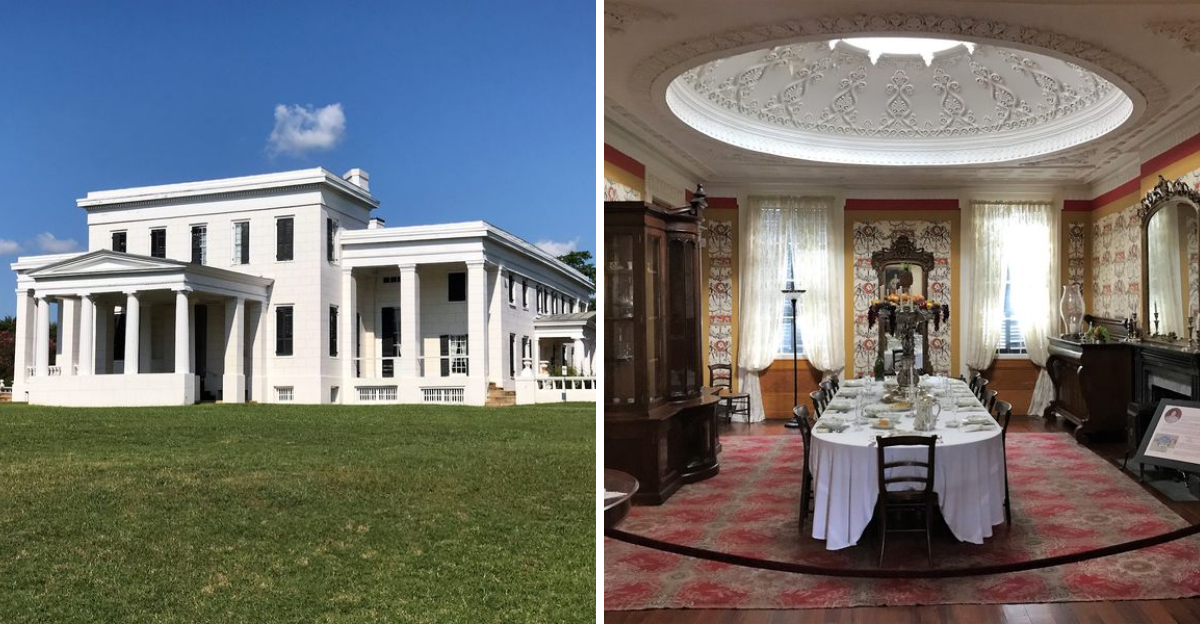
What can a historic home reveal that a textbook never could? Often, it is the small details that bring the past to life, from original design elements to collections that show how people lived during another era.
This Alabama landmark offers visitors a chance to explore a Greek-Revival home filled with fascinating relics and carefully preserved features. The combination of grand architecture and historical artifacts creates an experience that feels more personal than simply reading about the past.
Whether you enjoy old homes, antique collections, or stories from earlier generations, this destination offers plenty to discover.
The Architectural Brilliance That Sets Gaineswood Apart
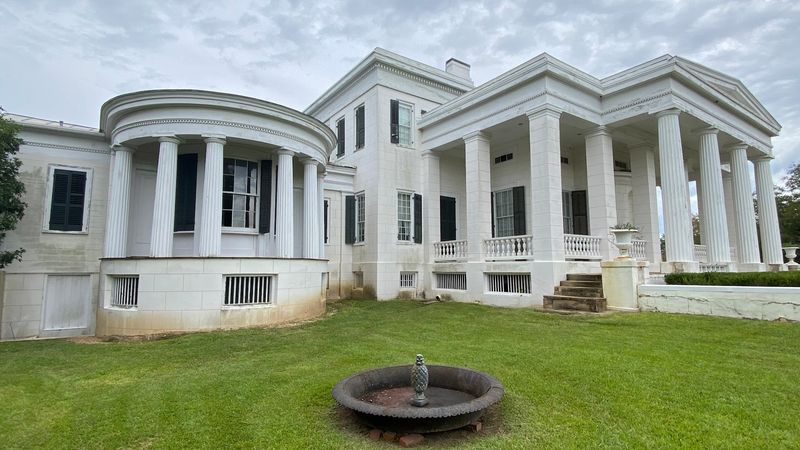
There are old houses, and then there is Gaineswood. The sheer scale of this Greek Revival mansion hits you before you even reach the front steps, with massive Doric columns lining the exterior like a row of silent guardians.
Built over nearly two decades, the structure reflects a level of ambition that is honestly hard to wrap your head around when you learn it was designed by someone with zero formal architectural training.
Nathan Bryan Whitfield used popular design handbooks and memories from his travels to guide every decision, and the result is something that architectural historians still talk about today.
The mansion incorporates all three classical Greek orders, Doric on the outside, Ionic in the entrance hall, and Corinthian in the ballroom and drawing room.
Seeing all three together in one home is genuinely rare, and it gives Gaineswood a layered, textured quality that photographs simply cannot do justice.
The ballroom alone features twenty-four fluted pilasters and soaring Corinthian columns that frame the space with dramatic elegance. Whitfield completed this masterpiece just before the Civil War began, making it a time capsule of Southern ambition at its peak.
Every corner you turn inside reveals another detail that makes you pause and look twice. It is the kind of place where you keep finding new things to admire, no matter how long you stay.
Could You Imagine Living Surrounded by This Much Original Furniture
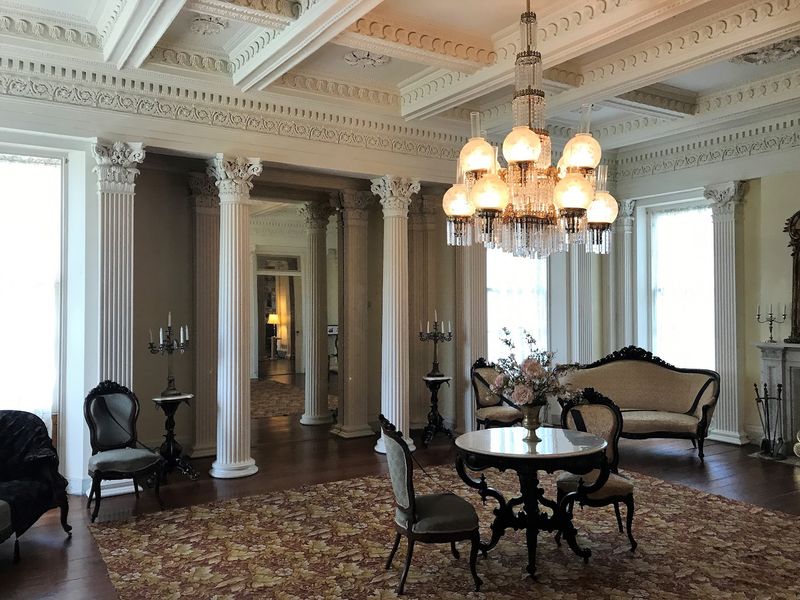
Most historic homes greet you with reproductions and placards explaining where the real items used to be. Gaineswood flips that script entirely.
The mansion holds an extraordinary collection of original Whitfield family furnishings, and roughly ninety percent of what you see inside actually belonged to the family who built and lived there. That number is almost shocking when you think about how much history has been lost elsewhere.
Elegant four-poster beds, grand pianos, and intricately carved sideboards fill the rooms with a warmth that feels genuinely lived-in.
Some pieces were designed by Whitfield himself and crafted by skilled artisans in New York and Philadelphia, then transported all the way to rural Alabama, which was no small feat in the mid-1800s.
You can almost picture the effort it took to get those items here.
What strikes me most is how personal it all feels. This is not a curated display of generic antiques.
These are the actual possessions of one family, arranged in rooms they actually used, giving the whole experience a sense of intimacy that is surprisingly moving. The tour guides bring each piece to life with context and detail that transforms a beautiful chair into a story.
By the time you finish walking through, you feel less like a tourist and more like a guest who somehow got invited into the past.
The Plasterwork and Domed Ceilings That Will Leave You Speechless
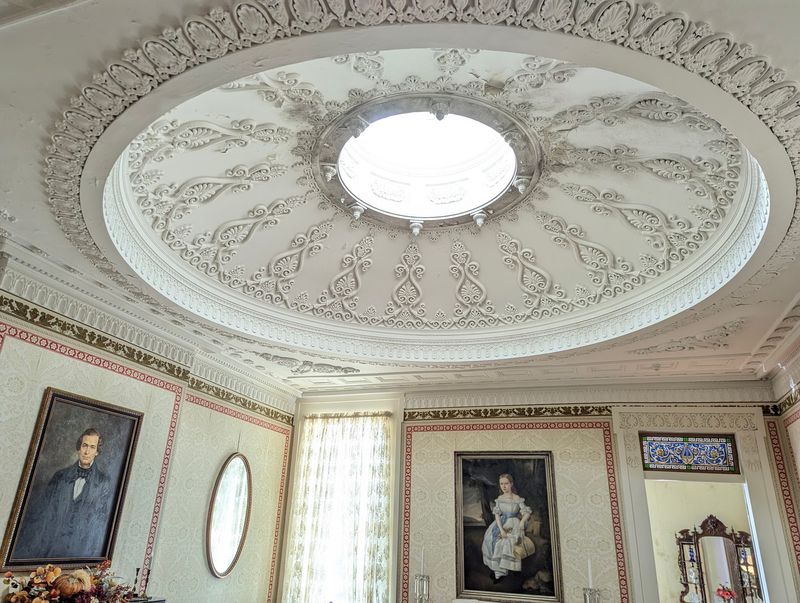
Architectural historians have described the plasterwork inside Gaineswood as among the finest found in any 19th-century American residence, and once you see it in person, that claim feels completely justified.
Sweeping patterns curl across ceilings and walls with a precision that seems almost impossible given the era and the tools available at the time.
Much of this work was carried out by enslaved and free African American craftsmen whose skill made Whitfield’s vision a reality.
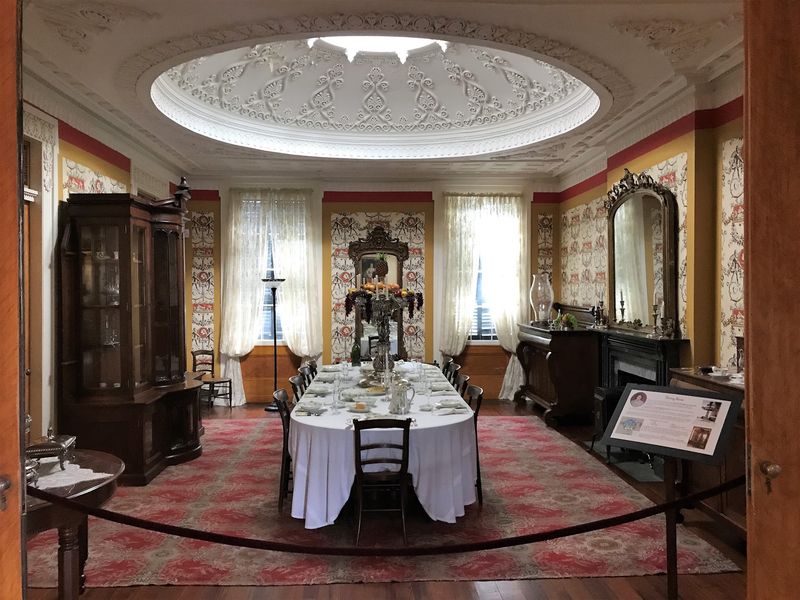
Two of the mansion’s most breathtaking rooms feature domed ceilings, each crowned with a central skylight that pulls natural light deep into the space. The effect is genuinely stunning.
On a clear Alabama afternoon, those rooms glow with a soft, golden quality that makes everything inside look like it belongs in a painting. The skylights were also practical, as Whitfield designed the windows within the domes to open and release heat, an early and clever approach to climate control.
Beyond the domes, the library and dining room each carry their own distinct personality through plaster detailing that shifts in style and complexity. Running your eyes along those surfaces, you start to understand just how much thought went into every square inch of this place.
It is the kind of craftsmanship that modern construction rarely matches. Honestly, standing beneath those ceilings and looking up is one of the most unexpectedly powerful moments the whole visit offers.
The Grounds and Outbuildings Bring the Full Plantation Story to Life
The mansion itself gets most of the attention, and rightfully so, but the surrounding grounds at Gaineswood add a whole other layer to the visit.
The property sits within a twelve-acre park that Whitfield designed himself to complement his architectural vision, and even in its current reduced form, the landscape carries a quiet, reflective beauty.
Wandering the grounds after the interior tour felt like a natural exhale after so much visual intensity inside.
A hand-dug lake fed by an artesian well sits within what Whitfield called a folly landscape, a romantic touch that adds an almost storybook quality to the setting. The ornamental gatehouse with its detailed ironwork gates frames the entrance dramatically and hints at the grandeur that awaits beyond.
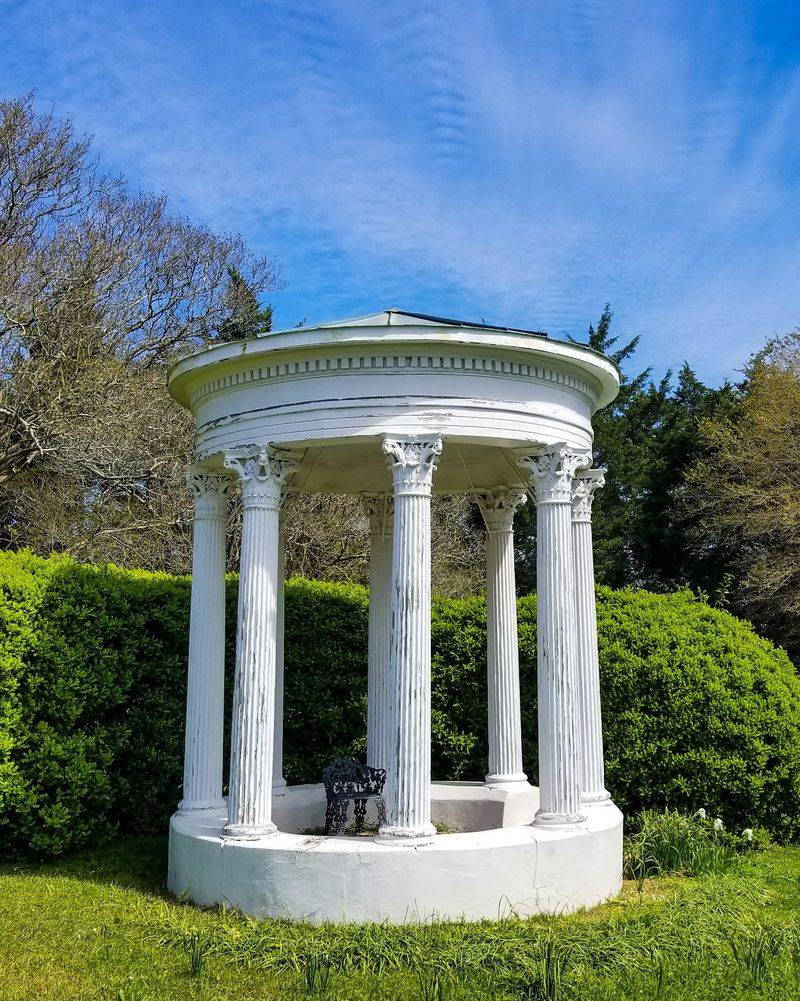
Three original antebellum outbuildings still stand on the property, including a cook’s house and a garden pavilion adorned with fluted Corinthian columns.
These structures matter because they tell the fuller story of how the estate actually functioned day to day. The pavilion in particular is a surprising find, a small but beautifully detailed building that most visitors overlook in their rush toward the main house.
Taking time to explore each outbuilding adds real depth to your understanding of the property. The grounds also offer great photo opportunities, especially in the early afternoon when the light falls across the columns at a particularly flattering angle.
Nathan Bryan Whitfield, the Self-Taught Genius Behind It All
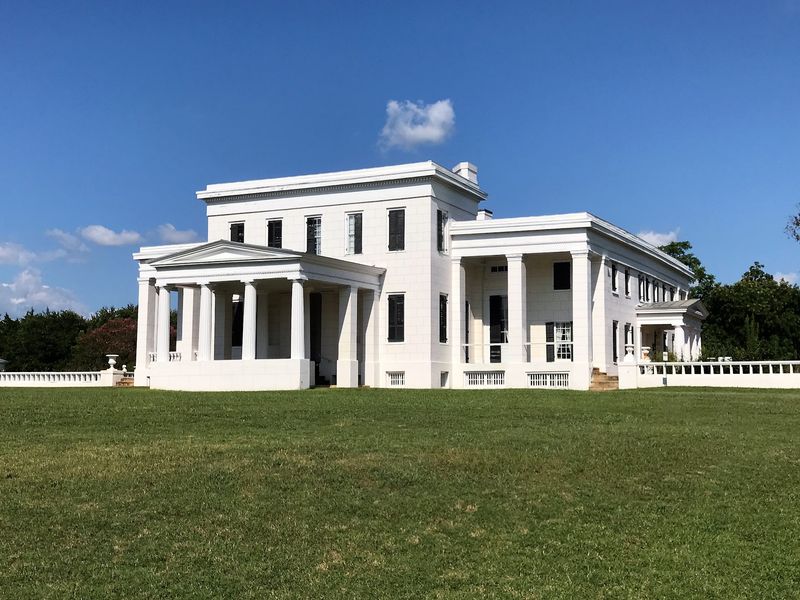
The story of Gaineswood is inseparable from the man who built it.
Nathan Bryan Whitfield was a cotton planter with no formal architectural education, yet he spent eighteen years transforming a modest two-room dogtrot cabin into one of the most remarkable neoclassical mansions in the entire United States.
That combination of obsession, self-education, and sheer will is something you feel throughout the entire property.
Whitfield drew from popular architectural handbooks of the era and pulled inspiration from buildings he had seen during his travels. He did not just copy, though.
He adapted, invented, and personalized every element until the house became a genuine reflection of his own restless creativity. He even invented a musical instrument called a flutina, which tells you something about the breadth of his curiosity beyond architecture and design.
One of the most telling details is how the mansion evolved so dramatically over nearly two decades, each phase of construction more ambitious than the last. Whitfield was clearly someone who could not stop refining his vision.
The result is a home that feels deeply personal in a way that professionally designed buildings often do not.
Hearing the tour guides talk about his decision-making process and the challenges he overcame makes the whole experience feel like a biography brought to life in wood, plaster, and marble.
You leave with genuine admiration for what one determined individual can create.
Confronting History Honestly at This National Historic Landmark
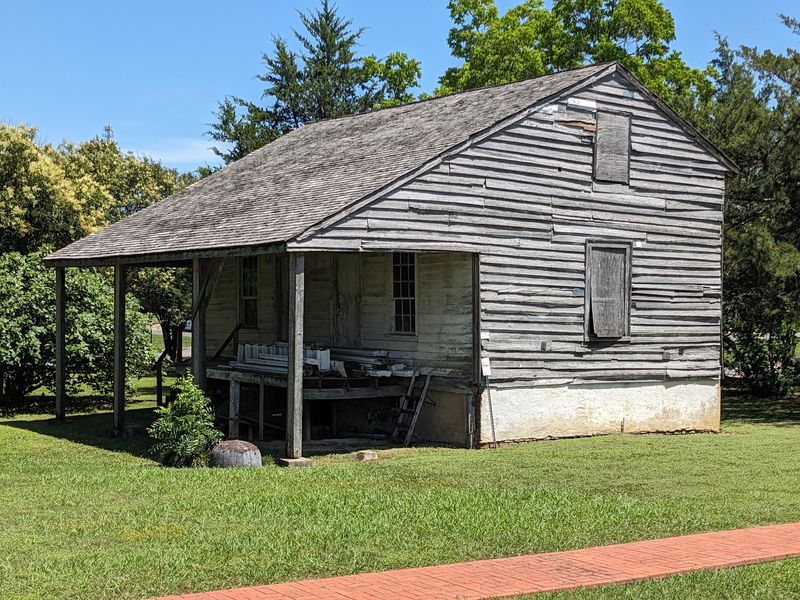
Gaineswood carries beauty and complexity in equal measure, and a visit here means sitting with both at the same time. The mansion was the centerpiece of a 1,280-acre cotton plantation, and the wealth that made its construction possible came directly from the forced labor of enslaved people.
The intricate plasterwork, the fine carpentry, the carefully laid floors, much of that was accomplished by enslaved and free African American workers whose names history has largely not preserved.
The property also connects to a broader and painful chapter of American expansion. The original land was purchased from George Strother Gaines, a federal Indian agent who played a role in the 1830 Choctaw removal.
These are not comfortable facts, but they are essential ones. A complete understanding of Gaineswood requires acknowledging that its grandeur was built on systems of profound injustice.
Today, as a National Historic Landmark administered by the Alabama Historical Commission, Gaineswood has the opportunity and the responsibility to tell that full story.
Visitors who engage with these harder layers of the history leave with something more meaningful than admiration for pretty rooms.
They leave with a more honest picture of the antebellum South, its contradictions, its cruelties, and the resilience of those who survived within it. That kind of honest reckoning is part of what makes historic sites like this genuinely worth visiting rather than simply worth photographing.
Have You Considered Making Gaineswood Your Next Weekend Trip
Some travel destinations feel like they were designed for a specific type of person, but Gaineswood has a way of pulling in everyone.
History enthusiasts, architecture lovers, photographers, and people who simply enjoy discovering something unexpected on a road trip all tend to walk away genuinely impressed.
The guided tours run Tuesday through Saturday from 10 AM to 4 PM, giving you plenty of time to explore at a comfortable pace without feeling rushed.
The tour guides here are a highlight in their own right. Multiple visitors have noted how knowledgeable and engaging the staff are, the kind of guides who actually answer your questions instead of reciting a script.
Budget at least ninety minutes to two hours inside, and then give yourself extra time to walk the grounds and browse the gift shop, which reportedly carries a solid selection of local books and unique items worth taking home.
Demopolis itself is a charming small city worth a bit of exploration before or after your visit. The drive to get there, whether you are coming from Montgomery, Birmingham, or across the state line, passes through genuinely beautiful Alabama countryside.
Gaineswood is the kind of place that earns a permanent spot in your travel memories, not because it tries hard to impress, but because it simply is impressive. Give yourself the chance to see it in person.
Address: 805 S Cedar Ave, Demopolis, AL 36732
