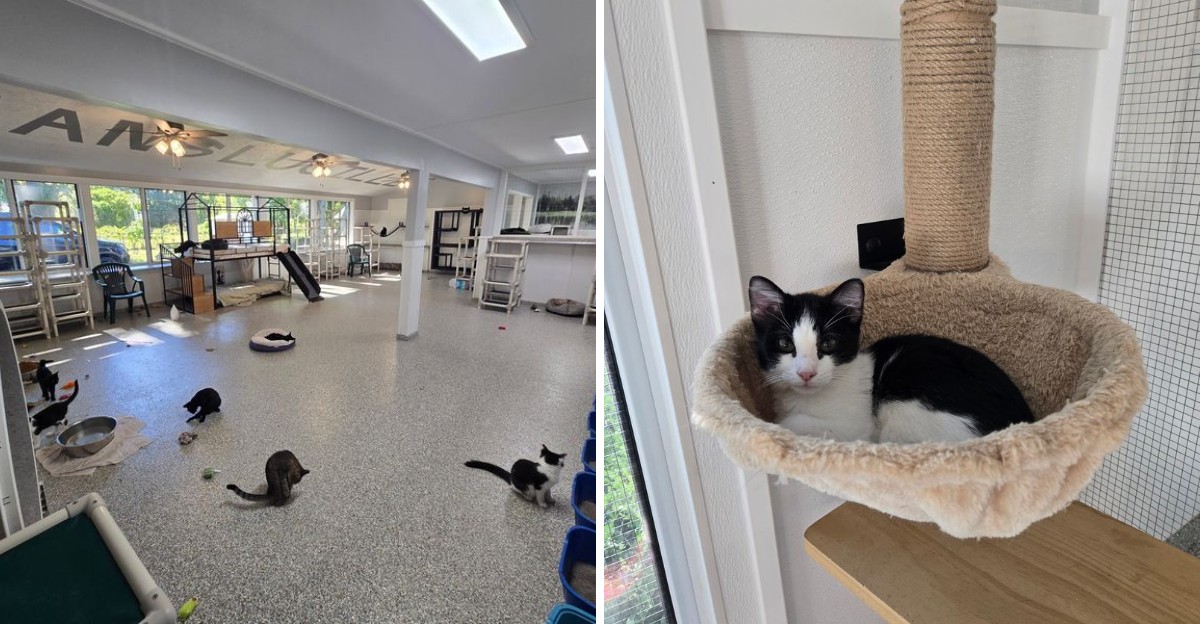
The cat is not waiting for you. It has already had lunch.
It already picked a spot in the sun. And it would appreciate it if you stopped standing there.
That attitude is basically the charm of this Indiana shelter. Hundreds of cats live in a former motel where they can move around freely instead of spending their days in cages.
Some are friendly. Some are shy.
Some look at visitors like they have a meeting to get to. The shelter has been protecting homeless cats since 1977, when Hans and Lucille Fried started the work.
There are no neat rows of identical little enclosures here. Just rooms full of cats doing what cats do when they feel safe.
Sleep. Stretch.
Wander off. Decide you are interesting.
Decide five seconds later that you are not.
A Motel That Became A Sanctuary
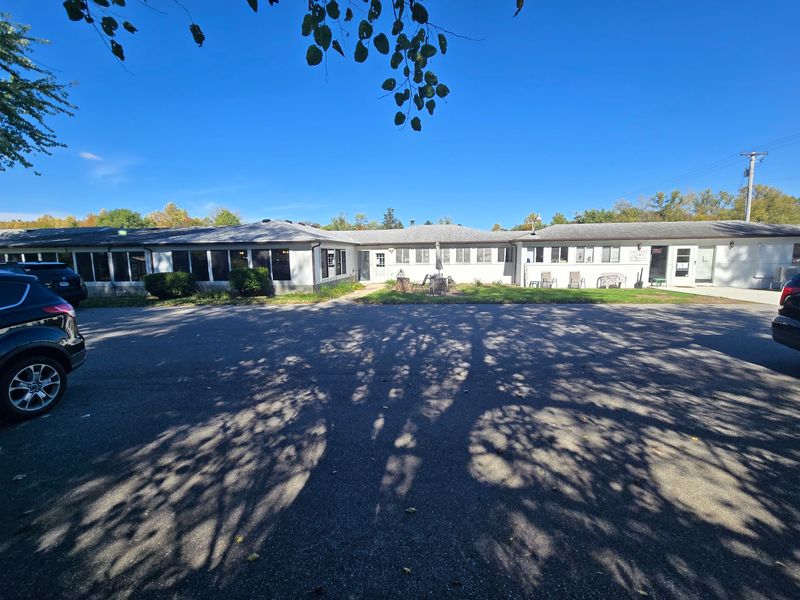
Old roadside motels rarely get second acts this good. The building at 509 IN-212 in Michigan City once hosted travelers passing through northwest Indiana, and its long, low shape now serves a very different set of guests.
Hans and Lucille Fried arrived in the United States in 1939 after fleeing Nazi Germany, and decades later they poured that hard-won understanding of safety into something unexpected. In 1977 they bought the property and opened it as a refuge for cats nobody else would take.
The layout works surprisingly well. Former guest rooms became open living spaces, windows became sunbathing platforms, and hallways turned into cat highways.
Walk the grounds and the history is still visible in the bones of the place. Low rooflines, wide doorways, that unmistakable mid-century motel silhouette sitting just off the highway.
What makes the origin story land is the intent behind it. The Frieds believed spaying and neutering was the humane answer to overpopulation, and they built the shelter around that conviction rather than around quick fixes.
Their work did not end when they did. A Board of Directors carries the mission forward, keeping the doors open and the philosophy intact.
For anyone who enjoys places with layered histories, this stop delivers something rare. A building that outlived its first purpose and found a far better one.
Cats Living Cage-Free, And You Can Tell
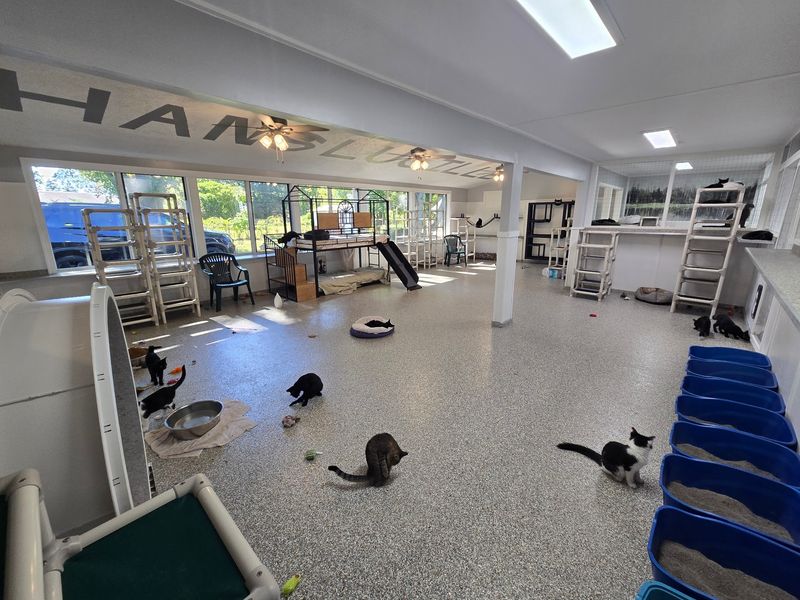
The absence of metal doors changes everything about how a shelter feels. Instead of stacked enclosures and nervous pacing, rooms here hold cats sprawled across blankets, perched on towers, or wedged into sunny corners like they own the lease.
Personalities get room to breathe in a setup like this. The bold ones trot right over, the shy ones observe from a shelf, and the chatty ones announce themselves before anyone spots them.
That matters enormously for adoption. A cat hiding in a cage tells a visitor almost nothing, while a cat moving freely through its space shows exactly who it is.
Expect a gentle sensory overload on a first visit. Soft thumps of landing paws, the occasional negotiation over a favorite cushion, tails held high as newcomers get inspected.
The environment stays calm rather than chaotic, which surprises people who assume hundreds of cats means constant noise. Most of them are asleep at any given moment anyway.
Furnishings look more like a lived-in home than an institution. Rugs, scratching posts, cozy nooks, and plenty of vertical space for climbing.
Anyone considering adoption gets a genuine preview of daily life with a particular cat. Lap-sitter or independent observer, the answer reveals itself quickly here.
It is honest matchmaking, and it works.
Over Five Hundred Whiskered Residents Across Two Buildings
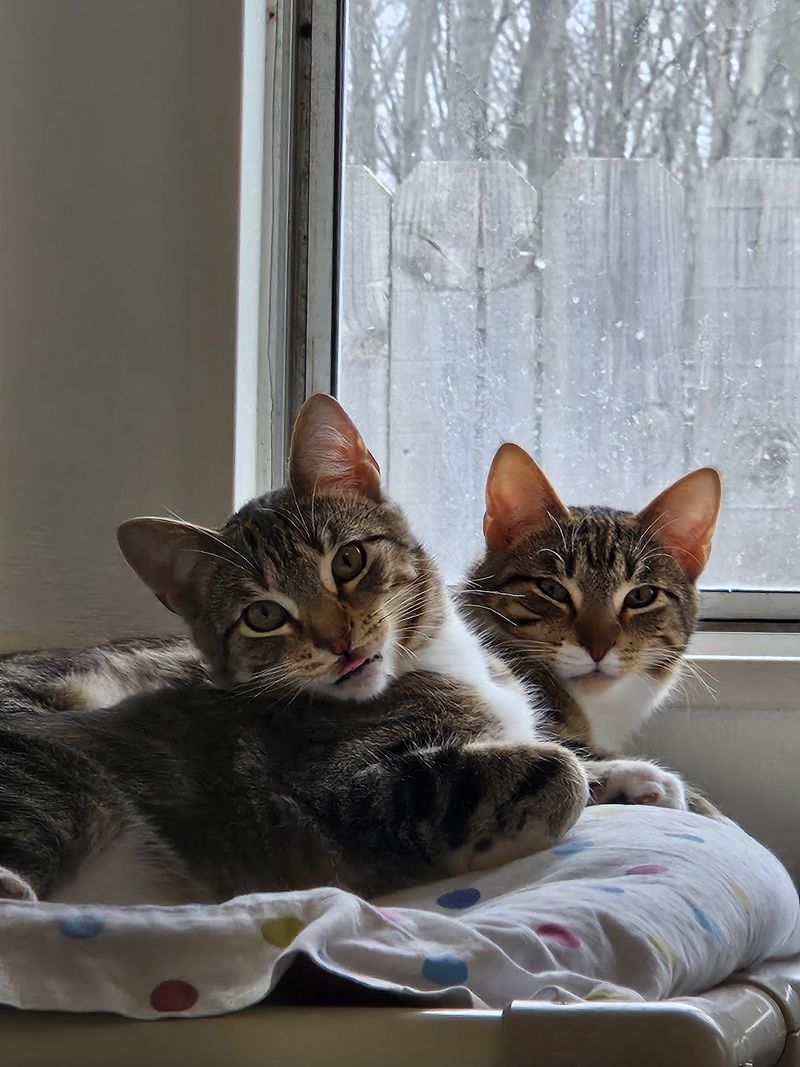
Numbers rarely capture atmosphere, but five hundred cats under one organization is a figure worth pausing on. Fried’s spreads that population across two structures, each with a distinct role.
The main building carries the bulk of the feline crowd along with administrative offices and a Trap-Neuter-Release clinic. It is the busy heart of the operation, where intake, care, and daily routines all overlap.
A smaller second building handles a more delicate job. Cats with specific medical conditions live there, including those testing positive for FIV, feline Leukemia, and FIP.
Separating populations this way protects everyone. Healthy cats stay healthy, and cats with chronic diagnoses get focused attention instead of being written off.
Visitors sometimes expect a grim atmosphere in the medical building and find the opposite. Those cats nap, play, and headbutt hands like any other, because a diagnosis does not cancel a personality.
Scale like this requires serious organization. Feeding schedules, medication rounds, cleaning rotations, and enrichment all run on a rhythm that keeps hundreds of animals comfortable.
Seeing that machinery in motion gives visitors real appreciation for shelter work. It is unglamorous, repetitive, and absolutely essential.
Come with time to spare, because rushing through defeats the point entirely.
Every Cat Leaves Fully Vetted And Ready
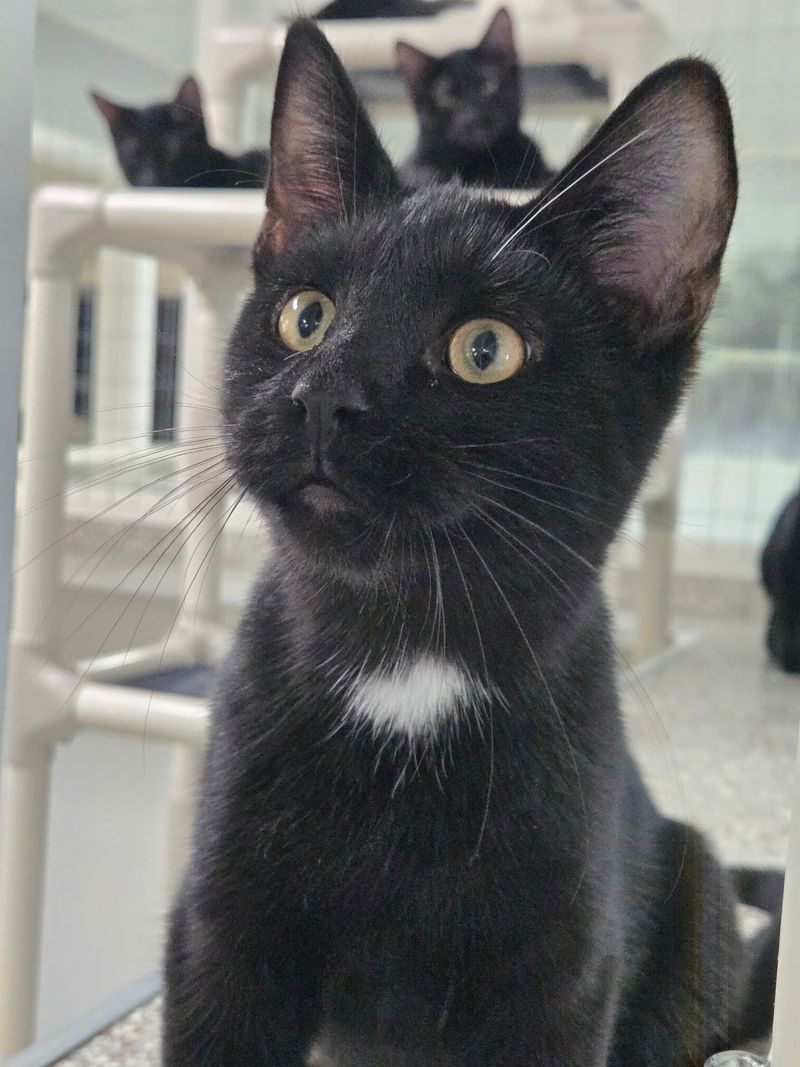
Adopting from Fried’s means skipping a long checklist most new pet owners dread. Before any cat becomes available, it is spayed or neutered, vaccinated, microchipped, dewormed, treated for fleas, and tested for FIV and FeLV.
That preparation removes guesswork. New adopters bring home an animal whose health status is already documented rather than a mystery to unravel over several vet visits.
Testing for FIV and FeLV matters especially in multi-cat households. Knowing a cat’s status upfront shapes how introductions happen and prevents avoidable heartbreak later.
Microchipping deserves a nod too. Indoor cats slip out, doors get left open, and a chip turns a lost cat into a found one.
The spay and neuter policy ties directly back to the founders’ original belief. Fewer unplanned litters means fewer homeless cats down the road, and the shelter has held that line for decades.
Staff also know these animals well. Living cage-free for weeks or months means behavior patterns get observed properly, so guidance about temperament comes from real familiarity.
Ask questions during a visit. Curiosity about litter box habits, energy levels, or how a cat handles dogs gets thoughtful answers.
Preparation on this level is a quiet form of respect. Respect for the cats, and for the people who take them home.
The No-Kill Promise That Never Expires
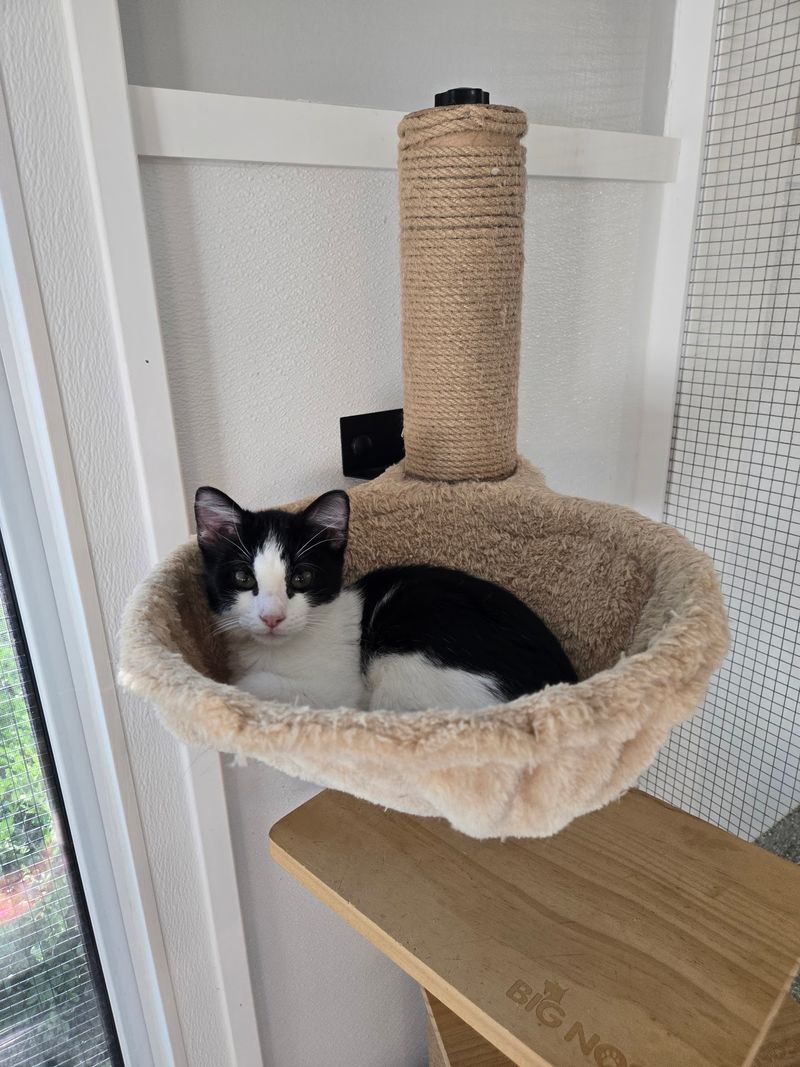
Plenty of places call themselves no-kill. Fried’s takes the idea a step further by guaranteeing a home for life to cats who never find an adopter.
Senior cats, cats with chronic illnesses, cats too shy to charm strangers in a ten-minute meet-and-greet, all of them stay. No countdown clock, no quiet decisions made behind closed doors.
That promise shapes the whole atmosphere of the property. Cats are not waiting to be saved, they already have been, and adoption simply upgrades an already secure situation.
Long-term residents often become the personalities everyone recognizes. The one who greets visitors at the door, the one who claims a specific windowsill, the one who supervises cleaning like a foreman.
Commitment on this scale costs real money and real effort. Lifelong care means years of food, litter, medication, and veterinary attention with no adoption fee at the end.
Visitors who understand that math tend to leave feeling moved. It reframes what a shelter can be.
Michigan City happens to sit close to Lake Michigan beaches and dune country, which makes pairing an afternoon here with a scenic drive easy enough.
Still, the shelter stands on its own as a destination worth the detour.
TNR Work And An Unexpected Prison Partnership
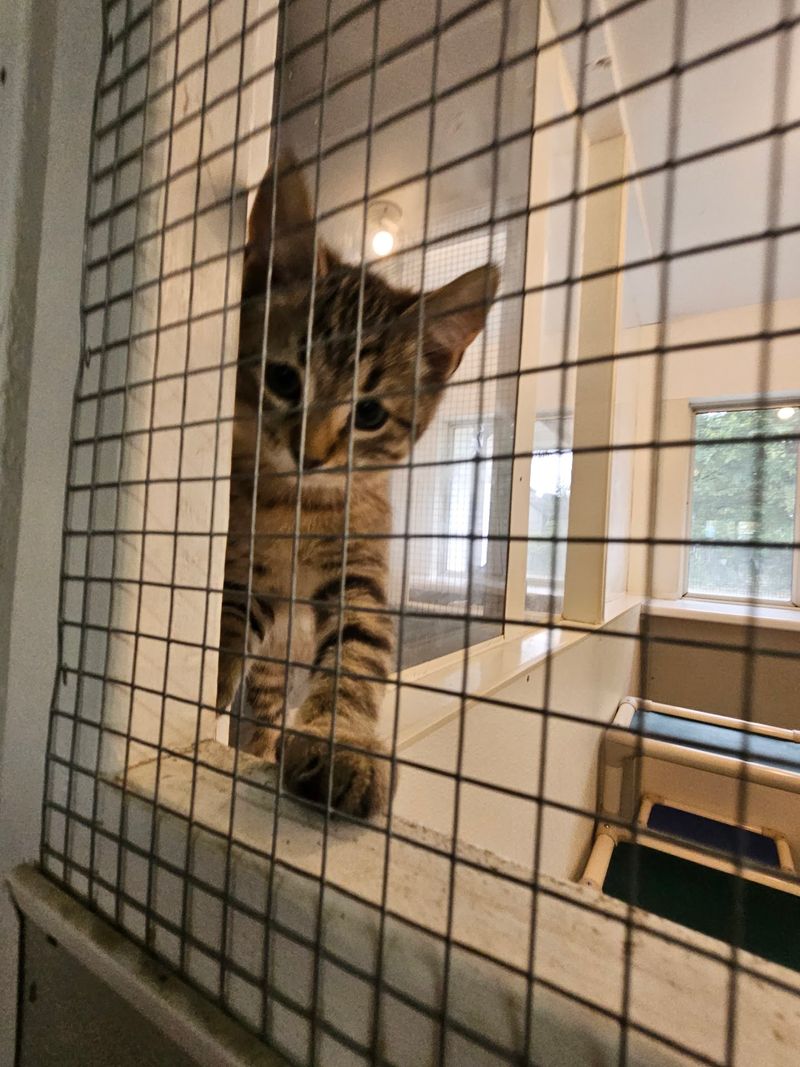
Behind the adoption rooms runs a program most visitors never picture. Trap-Neuter-Release work happens on-site, targeting feral colonies before they multiply into crisis situations.
The logic is straightforward. Trapping, sterilizing, and returning outdoor cats stabilizes colonies far more effectively than removal ever could.
Fried’s advocates loudly for the approach and runs a TNR clinic inside the main building. That clinic quietly prevents countless kittens from ever needing shelter space.
Then there is the partnership that catches people off guard. The shelter supports the Indiana State Prison Inmate Cat Program, handling transportation for veterinary appointments and delivering food, litter, and toys.
Inmates care for those cats daily. The arrangement helps animals and, by most accounts of similar programs, helps the caretakers too.
Adoption numbers tell part of the story as well. In 2022 the shelter placed 228 cats with families, a figure that reflects steady, unglamorous work rather than a single lucky year.
Community education rounds it out. Conversations about overpopulation, responsible ownership, and why sterilization matters happen constantly with visitors and supporters.
Anyone interested in how animal welfare actually functions will find plenty to absorb here. The shelter treats symptoms and causes at the same time.
That dual focus is what keeps the whole thing sustainable.
Roll Up Sleeves, Or Just Sit With A Shy Cat
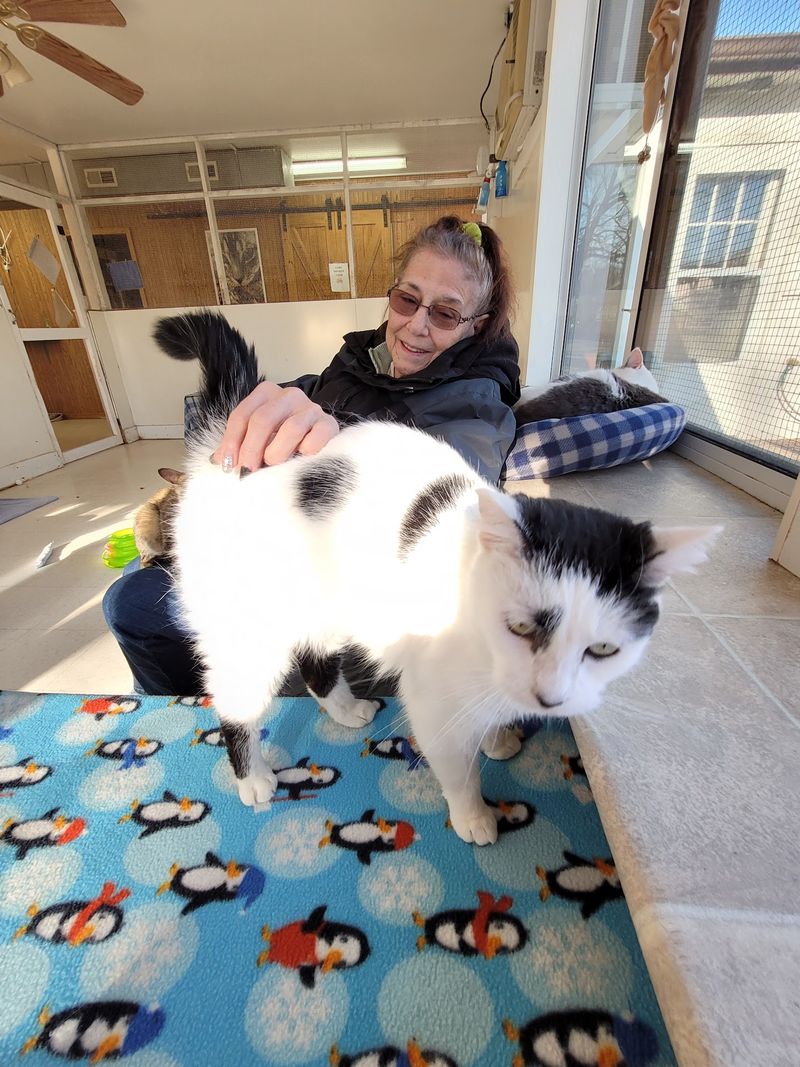
Helping out here does not require special skills, just willingness. Volunteers fold blankets, run laundry, scoop litter boxes, sweep floors, and handle the endless small tasks that keep hundreds of cats comfortable.
One job stands out as the favorite. Socializing shy cats means sitting quietly on the floor, letting a nervous animal decide when to approach, and doing that over and over until trust builds.
Progress comes in tiny increments. A cat who hid under furniture last week sniffing a hand this week counts as a genuine victory.
The shelter receives no federal, state, or county funding, which means public support carries the entire operation. Donations of supplies, time, and money all move the needle.
Charity Navigator has awarded the organization a four-star rating, reflecting solid financial health and transparency. Supporters can feel confident their contributions go where intended.
Improvements are underway too. Plans to rebuild a substantial portion of the facility across 2025 and 2026 aim to expand and upgrade living spaces.
Challenges still arrive without warning. In July 2026 more than 200 cats came in from a hoarding situation, forcing a temporary pause on new intakes.
Visiting 509 IN-212 in Michigan City offers a clear look at what compassion requires in practice. Bring patience, leave lighter.
