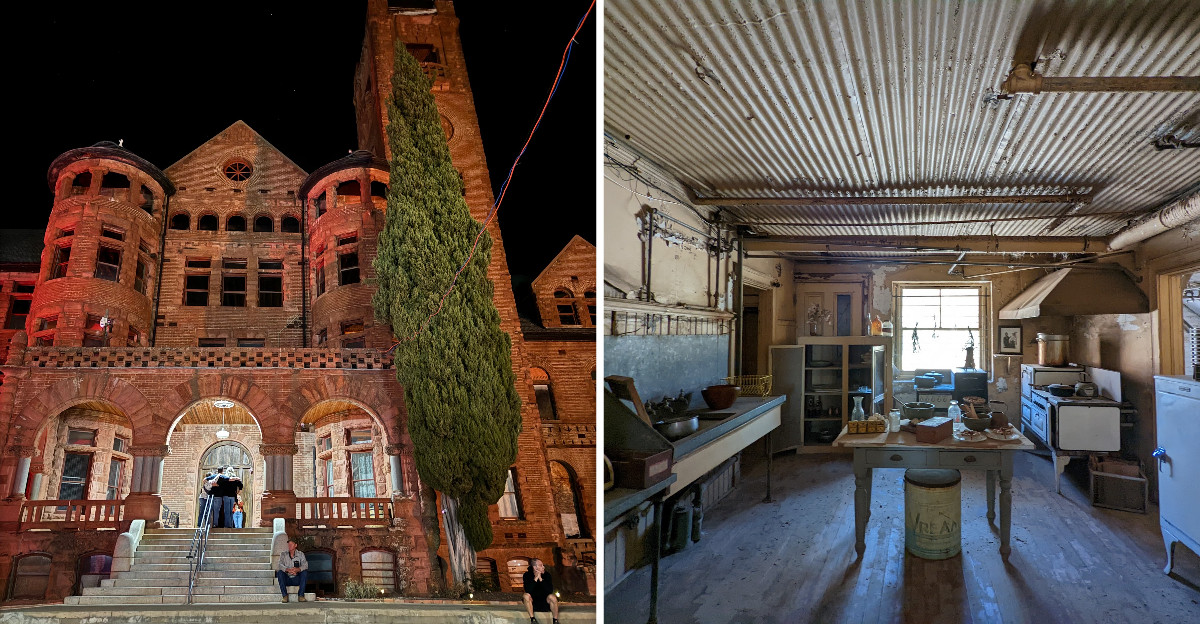
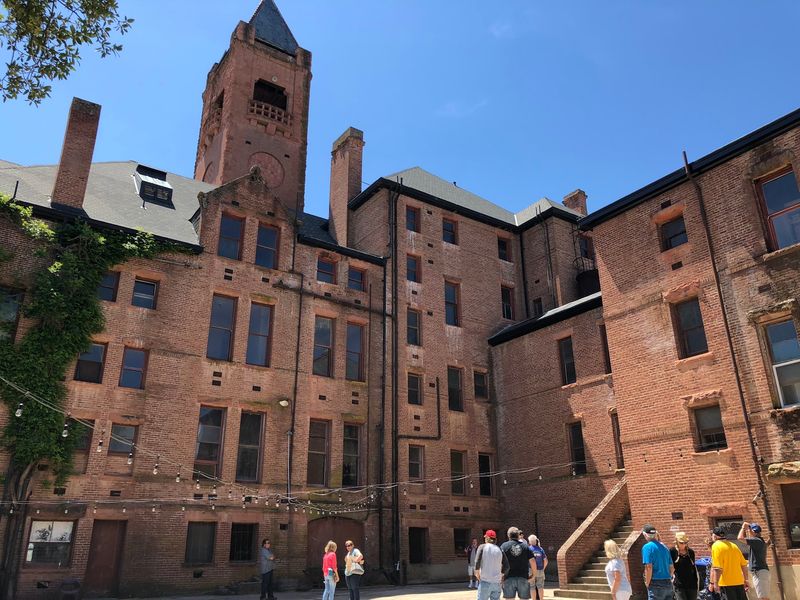
A massive red brick building with arched windows and a tower rises out of the dry Gold Country hills, looking more like something borrowed from a European hillside than anything I expected to find in California. I drove up expecting my map to have glitched.
The place opened in 1894 as a reform school for boys, and it held young wards of the state for decades before the doors closed in 1960. Then it sat empty for more than forty years while weather and vandals chipped away at it.
What surprised me most was how much life is in the place now, with volunteers guiding visitors through rooms that were nearly lost. I came for the architecture and left thinking about the kids who once slept inside those walls.
A Brick Giant Rising Over Gold Country
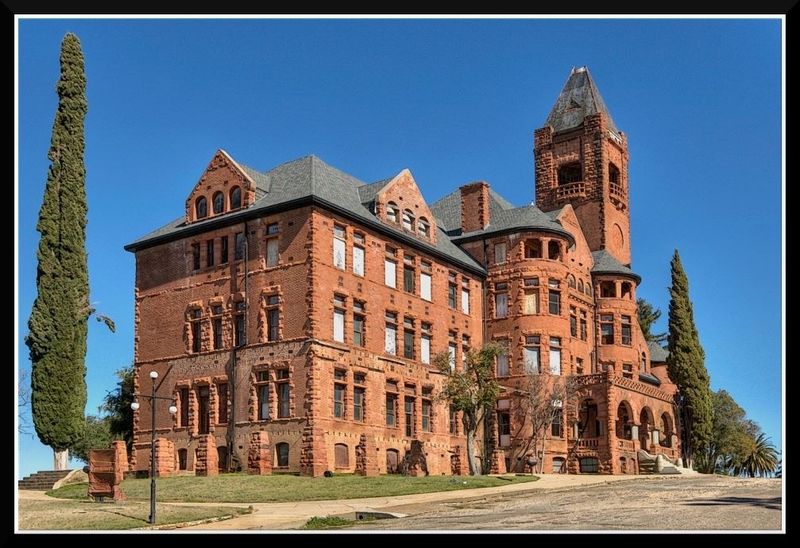
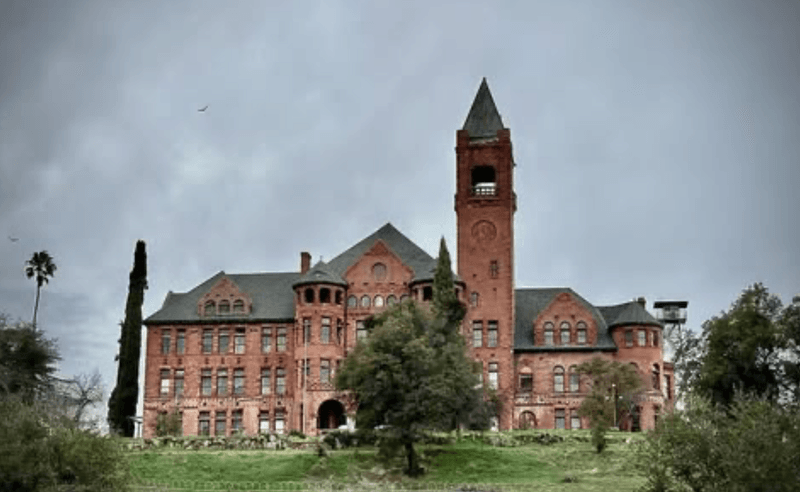
Nothing quite prepares you for the scale of the building when you first see it from the parking area. Three main floors of deep red brick, rounded arches, heavy stone trim, and a tower that gives the whole thing its castle nickname.
The style is Romanesque Revival, chosen on purpose so the place would read as a school rather than a lockup. That decision still shapes how it feels today.
Here is the detail that stopped me cold: the bricks were made by inmates at Folsom and San Quentin prisons. Construction started in December 1890, and the doors opened in June 1894.
I walked the full perimeter before my tour started, which I would recommend to anyone with an extra twenty minutes. The light shifts across the brick as the day moves, and the west side glows in late afternoon.
Paths wind around the grounds, and you can spot the outlines of where other structures once stood. At its height, the school spread across roughly 1,000 acres with about 50 buildings.
Bring a hat. Shade is limited out there, and Amador County summers do not hold back.
Seven Boys and a Big Idea
June 1894 brought the first seven wards through the front doors, and that small number always sticks with me. Seven kids, in a building designed to hold hundreds.
The thinking behind the Preston School of Industry was genuinely forward-looking for its time. Rather than housing boys alongside hardened adult prisoners, the state wanted schooling, structure, and job skills.
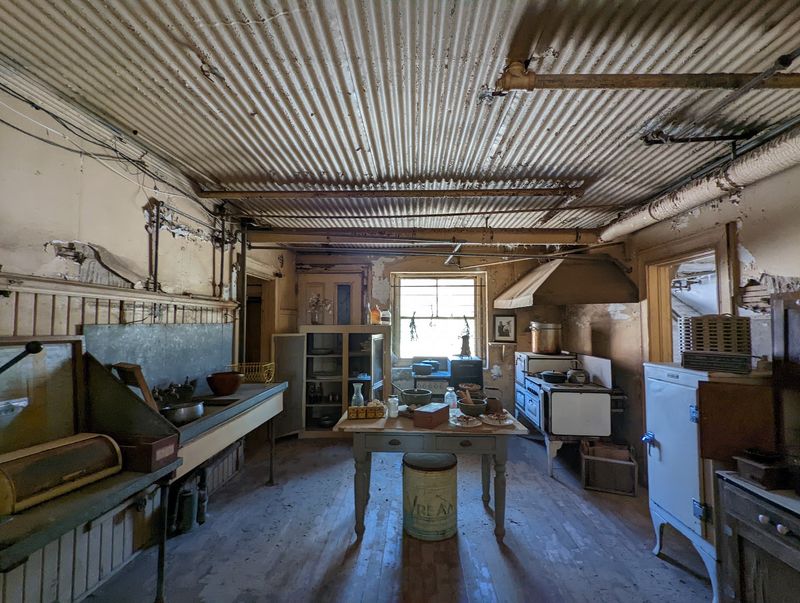
Carpentry, blacksmithing, and farming were all taught here. Around 750 of the property’s acres were working farmland, so the boys grew much of what they ate.
Reading the interpretive panels in the entry hall, I kept thinking about how modern the goal sounded. Teach a trade, send them out with something useful.
The numbers grew fast. At its busiest, the institution held roughly 800 wards.
What I appreciate is that the displays do not sugarcoat anything. Complaints about mistreatment, poor food, and rough handling by staff surfaced as early as 1895, barely a year after opening.
Both halves of the story sit side by side here, and the docents talk about them openly. That honesty is a big part of what makes the visit worthwhile.
Forty Years of Dust and Silence
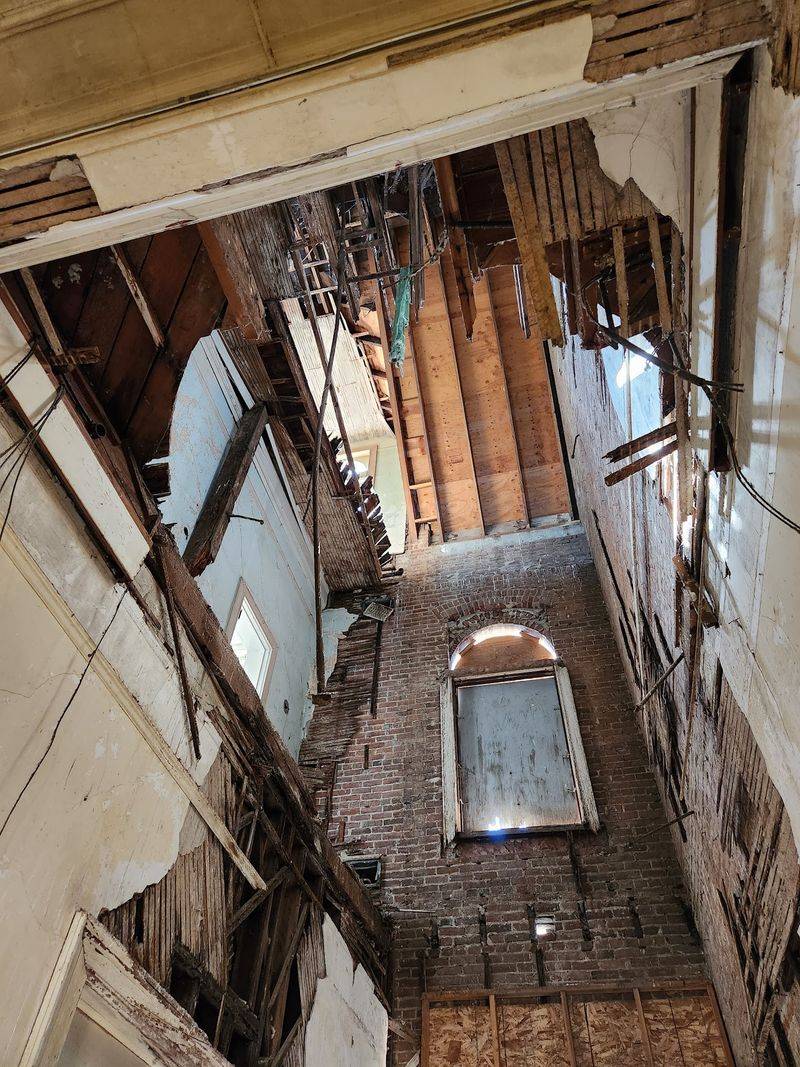
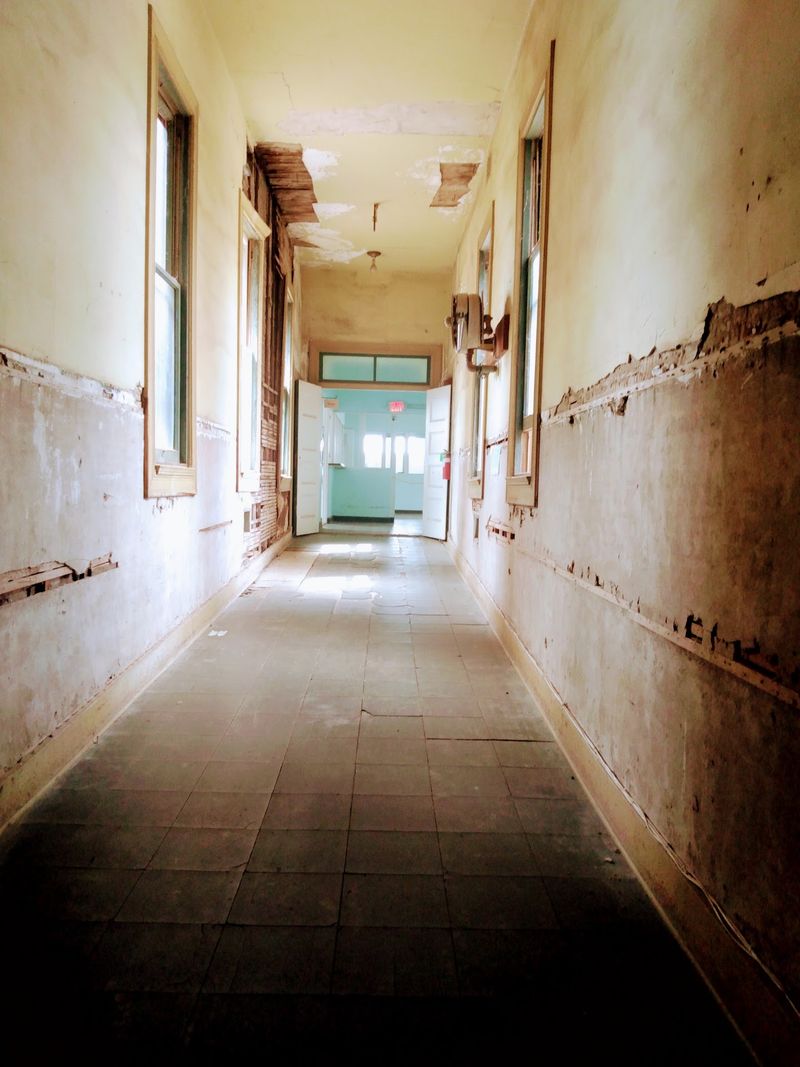
Peeling paint tells its own story, and there is a lot of it inside. When the school moved into newer facilities nearby in 1960, the original building was simply vacated.
Then came the long quiet. For more than four decades, nobody maintained it.
Rain got in through the roof. Vandals broke windows, and thieves stripped out fixtures, wood trim, and anything else that could be carried off.
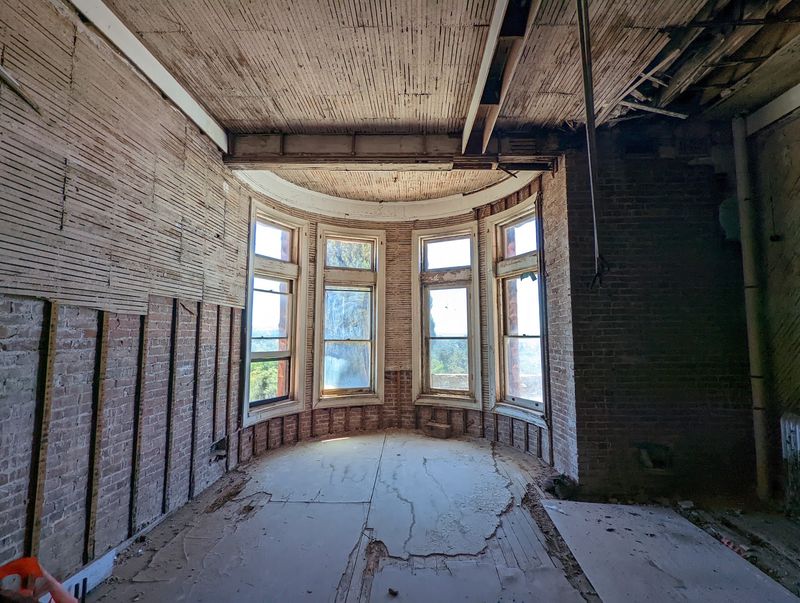
Standing in some of the upper rooms, I could see plaster curled away from the walls in sheets, exposing the brick and lath underneath. It looks like a building slowly returning to its raw parts.
Oddly enough, that decay is part of the appeal now. You are not looking at a polished museum reconstruction but at a structure that survived real neglect.
Certain areas are still too fragile for visitors, and those spots are clearly marked off. Nobody has to guess where it is safe to step.
My advice is to look up often. Ceilings, arches, and old light fittings hold some of the most striking details, and they are easy to miss when you are watching your feet.
How Volunteers Pulled It Back From the Brink
Rescue arrived in 2001, when the Preston Castle Foundation secured a 50-year lease on the property. By 2014 the Foundation had full ownership of the castle and about 12.91 surrounding acres.
That shift changed everything. Ownership meant long-term planning instead of patchwork fixes.
Work since then has focused on the unglamorous essentials. Structural stabilization, plus updates to electrical, water, and sewer systems.
Talking with the docents, I got a real sense of how much of this runs on volunteer hours. People show up, learn the history, and then share it with strangers on weekends.
You notice the progress in small ways. Solid railings where there used to be nothing, working lights in stairwells, rooms cleared and stabilized enough to open up.
Some spaces are labeled as future projects, which I found weirdly hopeful. It means the work is not finished and the plan keeps growing.
If you enjoy your visit, the Foundation offers volunteer roles and memberships. Money from tours and events feeds straight back into the building, so buying a book at the end of your tour is not a throwaway purchase.
Landmark Status and Why It Matters
Official recognition came in two forms, and both carry weight. The castle is California Historical Landmark number 867 and is listed on the National Register of Historic Places.
Those designations are not just decoration. They mark the building as worth protecting and open doors for preservation support.
Honestly, without that status, I doubt the place would still be standing. Forty years of abandonment is usually a terrible sentence for a brick structure this size.
What the listings really preserve is the story of how California once treated troubled kids. The good intentions, the vocational workshops, the farming, and also the failures and complaints.
I like that the building has not been scrubbed clean of its rough edges. You can see restoration and ruin in the same hallway.
For anyone into architecture, the Romanesque Revival details alone justify the drive. Arched doorways, thick brick walls, and a floor plan built for institutional life rather than comfort.
Photography is welcome inside, though tripods are not allowed. A phone or a small camera with decent low-light performance will serve you better than heavy gear anyway.
Picking the Right Tour for Your Visit
Options here are surprisingly varied, which I did not expect from a single historic site. Self-guided, guided, flashlight, sunset, and paranormal investigation tours all appear on the schedule.
The public season generally runs April through August. Special events fill out the calendar later in the year.
I went the self-guided route on my first visit and found it ideal for lingering. Arrows on the floor mark the path, signs explain each area, and docents are stationed on every level.
Chat with those docents. They know details that never make it onto the signs, and they clearly enjoy the questions.
Guided tours run in smaller groups and feel more personal, so they suit anyone who prefers structure and storytelling over wandering. Flashlight and sunset options change the mood completely.
Reservations are handled through the Foundation’s system, and calling ahead is sometimes necessary to lock in a slot. The website is the best starting point.
Arrive no more than thirty minutes before your time, since staff check names against a list at the door. A short history and safety video plays before tours begin, and catching it is genuinely useful.
Three Floors, One Basement, Endless Rooms
Visitors get access to the first floor, the second floor, and the basement, and each level has a completely different personality. The main floor holds the entry hall and its historic objects, which set the stage before you go deeper.
Upstairs feels more raw. Long corridors, rooms stripped back to brick, and windows framing the hills outside.
The basement is where the air changes. Cooler, dimmer, with that mineral smell old stone and brick always seem to hold.
Stairs are a real factor, so anyone with mobility concerns should plan around that. There is no shortcut between levels.
Wear shoes you do not mind scuffing. Floors are uneven in spots, and dust is part of the deal.
I ended up spending close to two hours inside, which felt about right for reading the signs and doubling back to favorite rooms. Rushing would be a shame.
Give yourself time at the end for the small shop, where books and branded items help fund the restoration work. The books in particular go much deeper into the institution’s history than any tour can cover in an afternoon.
Seasonal Events That Take Over the Grounds
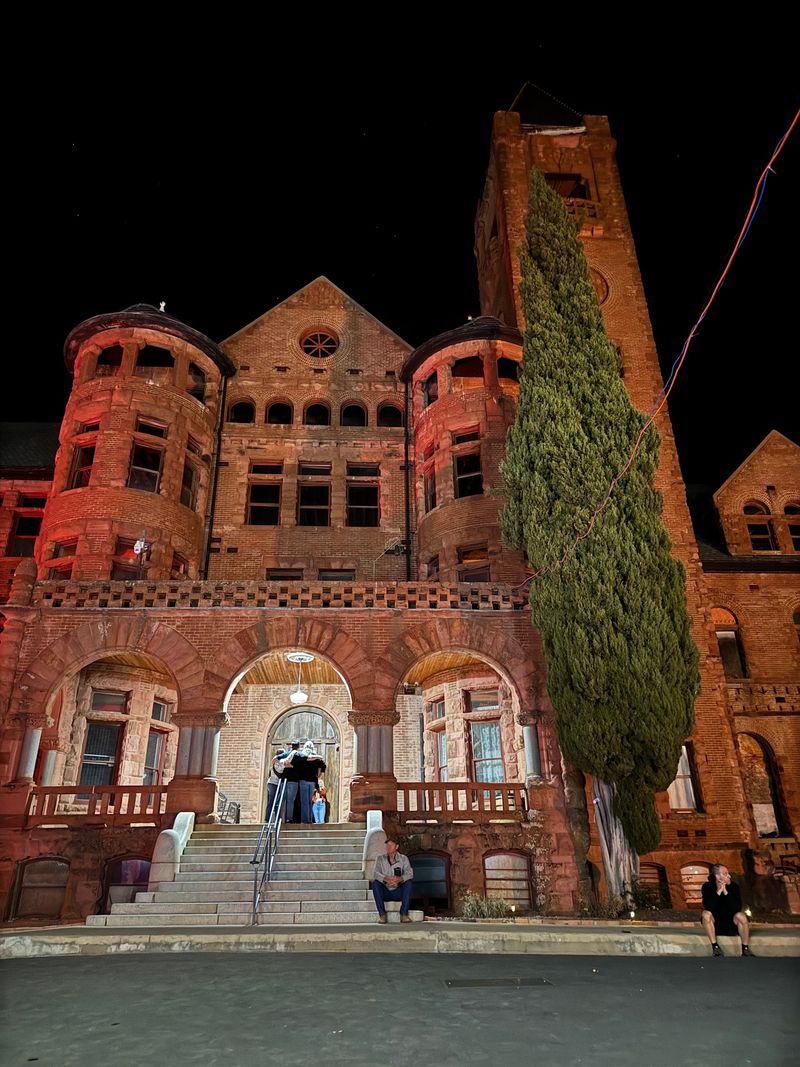
Autumn transforms the place entirely. The Halloween haunted house event brings actors, lighting, food vendors, and lines of people winding toward the front doors.
Shuttle buses have run on the busiest nights to move visitors from parking to the entrance. It is a different experience from a daytime history tour, more theatrical than educational.
Families should know the haunted event leans genuinely scary. Small children and anyone uneasy in the dark will likely have a rough time.
Craft and oddity fairs also pop up on the calendar, along with other special gatherings later in the year. Those tend to be gentler and more social.
Proceeds from these events go toward restoring the landmark, which makes the whole thing feel purposeful rather than purely commercial. You are essentially funding roof repairs by getting startled in a hallway.
Stairs come into play during the haunted route, since it climbs to the upper floors. Comfortable shoes are non-negotiable.
My suggestion is to do both. Come once in daylight for the history, then return in October when the building is buzzing and the brick glows under event lights.
Rounding Out the Day in Ione
After my tour, I drove the short distance into downtown Ione and was glad I did. The main stretch is compact, with a handful of restaurants and shops and a pace that slows you right down.
People there were friendly without being fussy about it. Easy conversation, no rush.
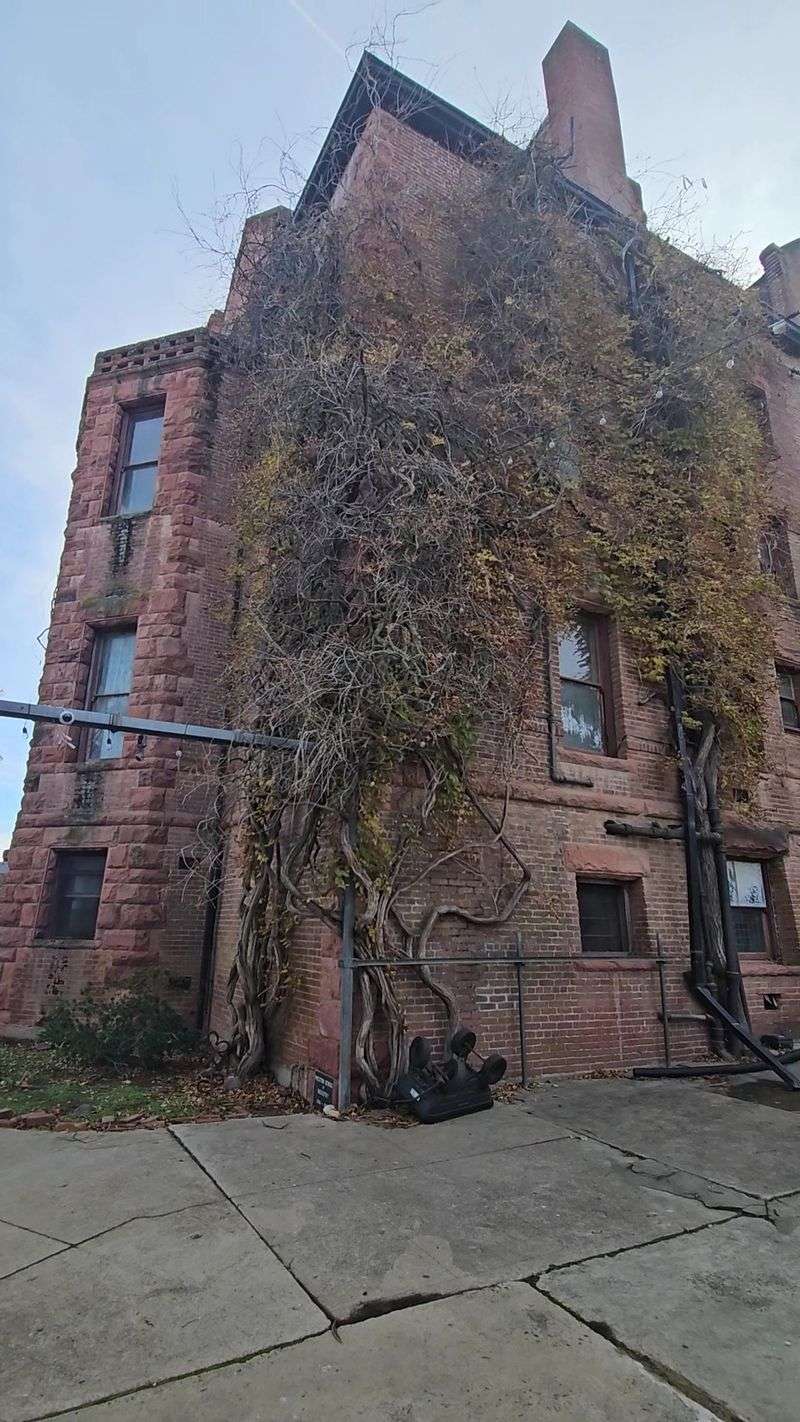
Back at the castle grounds, some visitors walk over to look at the old abandoned staff housing nearby, which adds another layer to the story. Paths around the property are well kept.
Parking at the site has defined spaces and usually works out fine, though busy event nights fill it quickly. Arriving early helps.
Ione sits in Amador County, so the drive out here pairs naturally with a broader Gold Country loop. Rolling hills, old towns, and plenty of back roads worth wandering.
For details on tours, reservations, and current projects, the Foundation can be reached at (209) 256-3623 or through prestoncastle.org. Checking before you drive out is smart, since the schedule shifts by season.
Bring water, a charged phone, and curiosity. The building rewards all three.
Address: 900 Palm Drive, Ione, California
