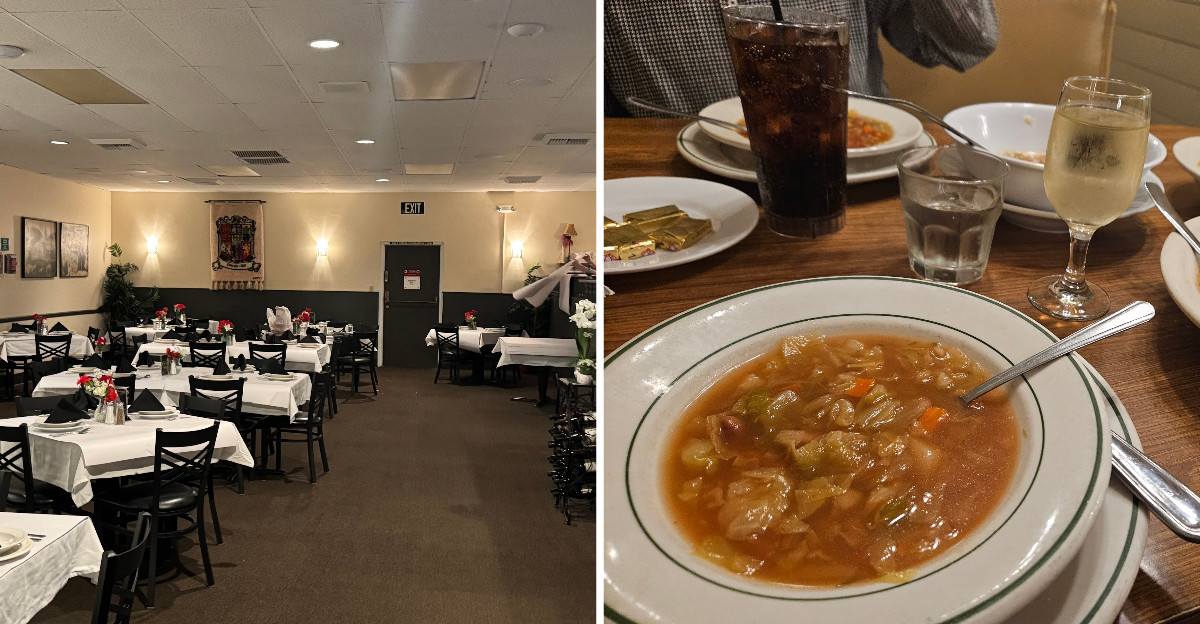
Checkered tablecloths and strangers passing bowls like old friends are what greeted a quick sandwich stop on a long drive through California.
Farmers, ranchers, and road-trippers have been gathering at this spot since the 1970s, sharing generous Basque meals that once kept sheepherders going through long seasons in the hills.
No printed menu lands on the table. Instead, a server recites the day’s choices while soup and bread appear, followed by course after course until counting plates becomes impossible.
The room hums with conversation, and nobody feels like a stranger for long. What surprised most was not the size of the meal but how quickly the whole place felt familiar.
Eating here feels like joining something bigger than dinner. The tables are long, the portions are huge, and the welcome is genuine.
A Basque Tradition Rooted in California’s Valley
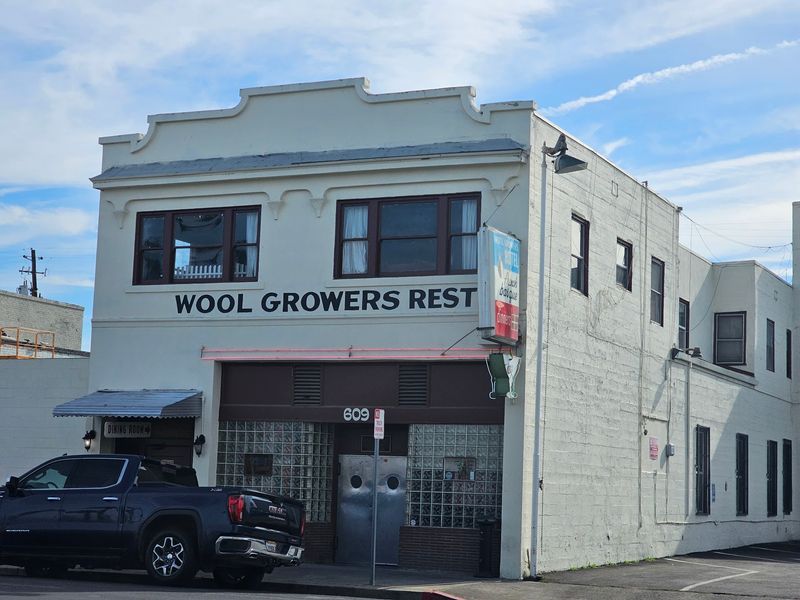
Sheep herding shaped this part of California more than most people realize, and Wool Growers exists because of it. Basque immigrants arrived to work the flocks, and they needed places to eat, sleep, and speak their own language.
Restaurants like this one grew out of boardinghouses where herders gathered between long stretches of solitary work in the hills. The meals were enormous on purpose, since a man coming down from the range had earned every bite.
Since 1974, the Los Banos location has carried that idea forward without watering it down. I like that nothing about the place feels staged for tourists, even though plenty of travelers stop in.
The menu still leans on lamb, beans, and slow-cooked dishes that make sense for people who worked outdoors all day. Farmers from the surrounding fields still show up, which tells you the tradition never turned into a museum piece.
Here is a small detail worth knowing: the name itself comes from the wool industry that supported these families for generations. It was never meant to sound clever, just honest about who the customers were.
Eating here connects you to that history in a direct way. You are sitting where the herders sat, eating roughly what they ate, at tables built for sharing.
Communal Tables Where Strangers Become Dinner Company
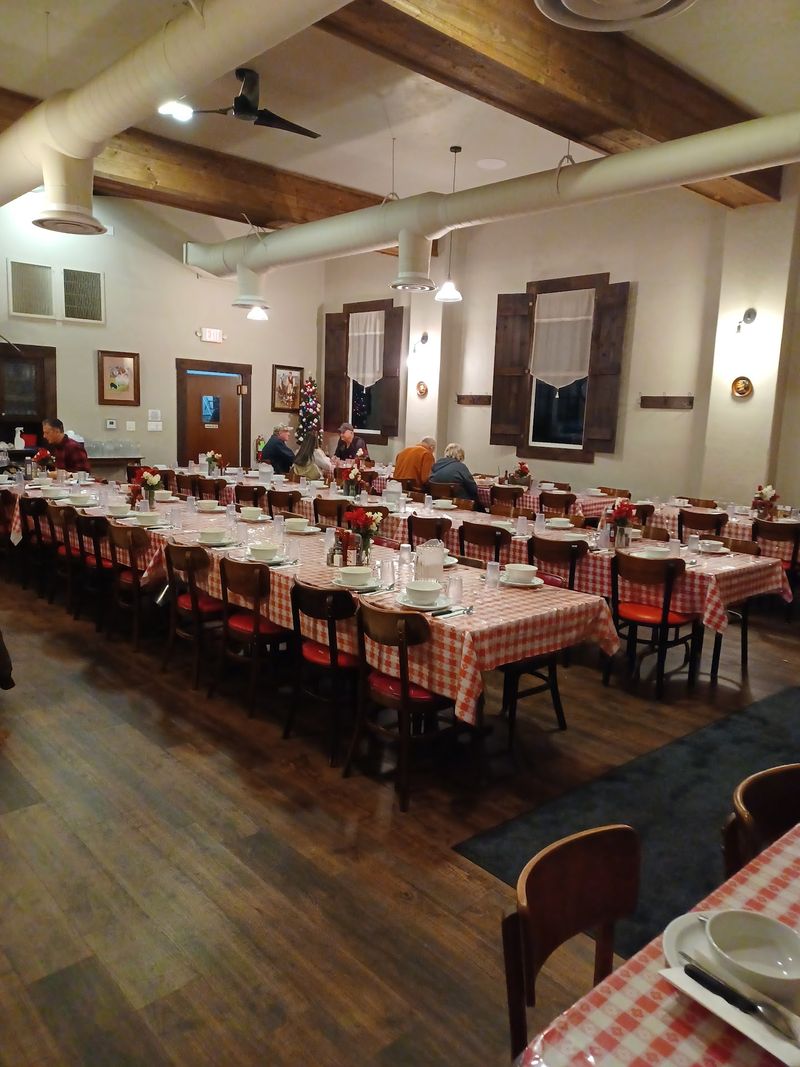
My first thought when the host pointed toward a long shared table was that I might feel awkward. Within about ten minutes that worry disappeared completely.
Checkered tablecloths stretch across tables built for a dozen people, and parties get seated wherever there is room. You might end up beside a farming family, a couple celebrating an anniversary, or someone driving across the state like I was.
Passing bowls back and forth breaks the ice faster than any conversation starter could. Somebody asks what you ordered, somebody else recommends the lamb, and suddenly you are all in it together.
Smaller groups and couples can still sit comfortably, and there is a bar area if you prefer something quieter. But the communal setup is the heart of the experience, and I would choose it every time.
Basque dining culture built this style around necessity, because herders and workers ate together out of practicality. Over time it became the whole point rather than a side effect.
Kids seem to love the chaos of it, reaching for fries and asking what the next plate will be. Adults slow down and actually talk, which almost never happens at a normal restaurant table.
Plan on staying a while, since rushing through would miss the entire idea.
The Endless Parade of Courses Before Your Main Dish
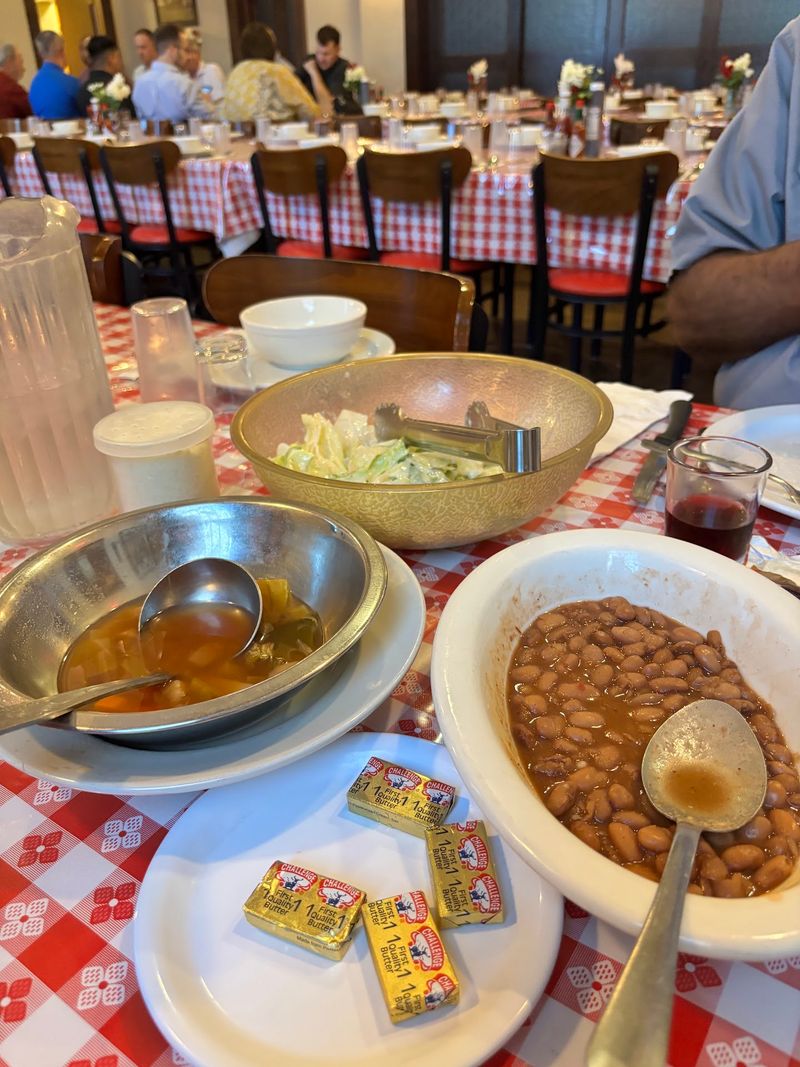
Nobody warned me how much food arrives before the actual entree, and I made the rookie mistake of eating too much too early. Learn from me and pace yourself.
Things begin with bread and butter, then a big bowl of vegetable soup that tastes like it has been simmering all afternoon. Right behind it comes a green salad tossed in a house dressing that regulars buy by the bottle.
Beans show up next, hearty and seasoned, followed by potato salad that somehow disappears faster than anything else on the table. Then french fries, then often a rice and chicken dish that could be a meal by itself.
Every one of these is served family style, and you can ask for seconds of nearly anything. The servers refill without fuss, which feels generous rather than showy.
What struck me is how unfussy it all is. Nothing is plated to impress, and that plainness is exactly what makes it feel authentic.
These sides trace back to feeding hungry working men who needed calories, not garnishes. Simple ingredients, big portions, no waste.
Bring an appetite and leave room, because the main course has not even appeared yet at this point.
Lamb Stew and the Main Course Everyone Talks About
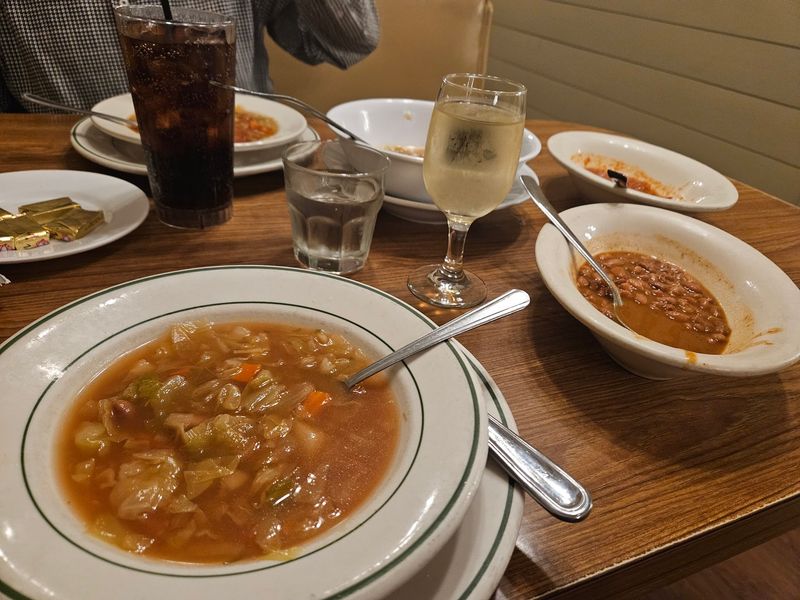
Ask anyone who has eaten here what to order and the answer comes back fast: lamb stew. I understand why after one spoonful.
The meat falls apart without any effort, sitting in a rich sauce with carrots and potatoes that soaked up every bit of flavor. It tastes like something cooked slowly by someone who has made it a thousand times.
Lamb chops are the other favorite, arriving tender enough that a knife feels optional. Lamb shank shows up on certain days, and grabbing the bone to watch the meat slide off is oddly satisfying.
Not everyone wants lamb, and the kitchen handles that easily. Pork chops, tri tip, New York steak, prime rib, and ribeye all rotate through, and shrimp appears when available.
Portions are large enough that leftovers are basically guaranteed. I took half of mine back to the car and was glad about it later that night.
The beef tongue appetizer, sliced thin with olive oil and garlic, is the most traditional thing on offer. It sounds intimidating but tastes mild and savory.
Dessert wraps things up simply with ice cream, which after five courses is exactly the right amount of sweetness.
Service That Treats You Like a Regular From Minute One
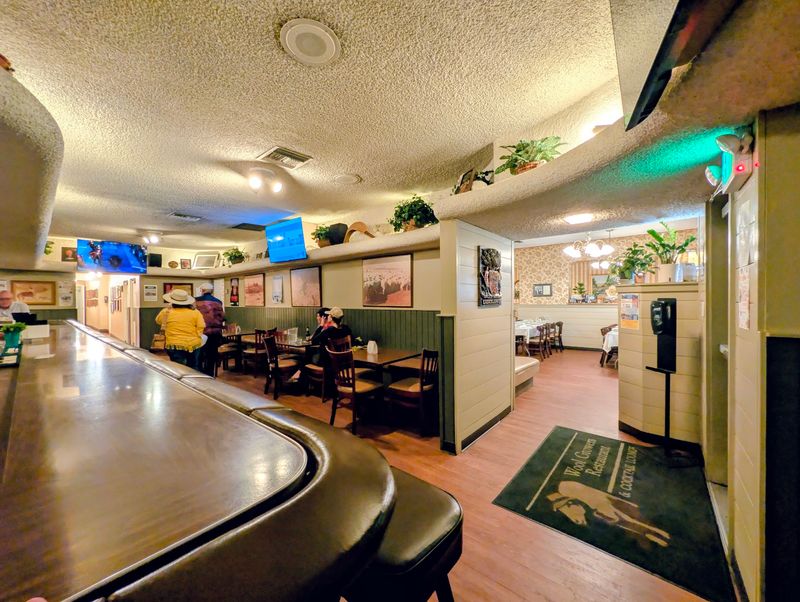
There is a rhythm to how the staff here work, quick but never rushed, and it makes the whole meal flow smoothly. Nobody hovers, yet plates arrive right when you want them.
Since there is no printed menu in the traditional sense, the server comes over and tells you what the kitchen is cooking that day. I found that simple exchange more helpful than any laminated list.
Questions get answered plainly, and if you are new to Basque food they will happily explain what each course is. No attitude, no upselling, just useful information.
Requests for seconds are met without a sigh, which matters when you are already overwhelmed by food. They seem genuinely pleased when guests dig in.
The bar staff have a similar easygoing manner, chatting with locals who clearly come in often. Even passing through once, you pick up on that familiarity.
Families celebrating birthdays and anniversaries get looked after warmly, and the room tends to notice and join in. It creates a good-natured buzz.
Tipping well feels natural here, because the service earns it through steady effort rather than performance. That kind of unpretentious hospitality is getting harder to find along California highways.
Old-School Atmosphere That Has Not Chased Trends
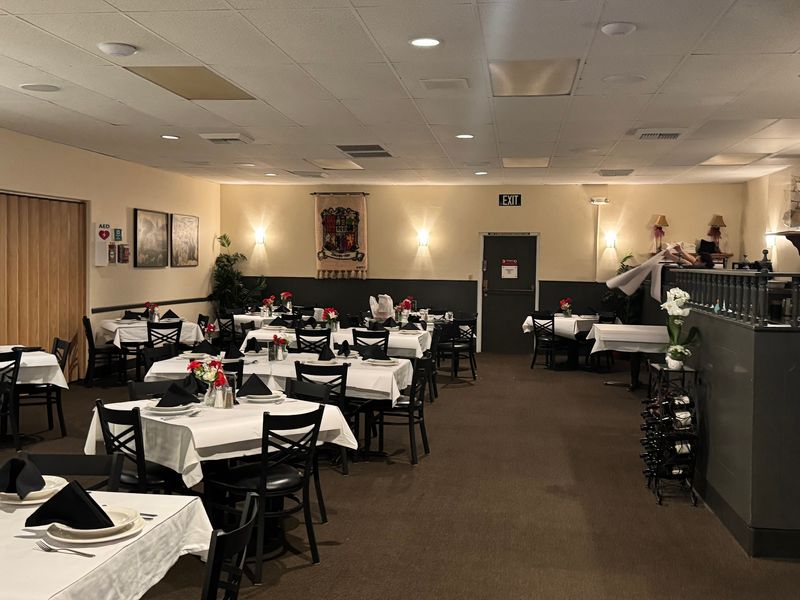
Some restaurants redecorate every few years to stay current. Wool Growers went a different direction and simply stayed itself.
Wood, worn floors, framed photos, and a layout that prioritizes seating people over looking sleek give the room a lived-in warmth. It is nostalgic without trying to be.
Music plays in the background, usually at a volume that lets conversation carry across the table. The bar corner draws a lively local crowd that adds to the energy.
I liked that nothing looked designed for photographs. The charm comes from decades of actual use rather than a decorator’s plan.
Lunchtime brings a mix of workers and travelers, while evenings fill up with bigger groups and celebrations. Both feel comfortable.
Because the space is homey rather than grand, you never feel underdressed. Jeans and boots fit right in, which suits a farming town.
Little details stick with you, like the water pitcher left on the table and the way servers weave between chairs without spilling a thing. Small stuff, but it adds up.
Places like this used to be common across the Central Valley. Finding one still running the same way makes the stop feel meaningful rather than just convenient.
Planning Your Visit to Los Banos Without Getting It Wrong
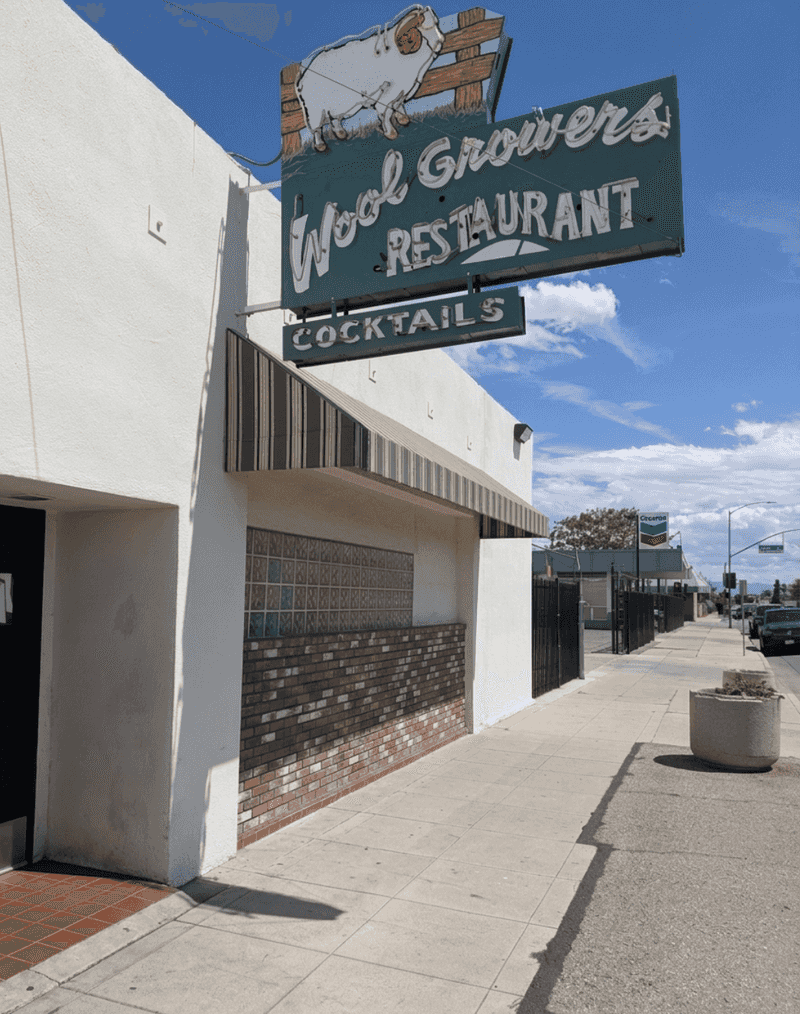
A little planning goes a long way here, mostly because the meal takes longer than you expect. Set aside a couple of hours and you will enjoy it far more.
The restaurant sits on H Street in Los Banos, an easy detour if you are crossing the valley on Highway 152. Parking is straightforward, which is a relief after highway driving.
Doors open at 11:30 in the morning Tuesday through Sunday, with Mondays closed. Most nights service runs until 8:30, and Sundays wrap up a bit earlier at 8.
Larger groups are welcome and actually make the experience better, since you can each pick a different entree and sample around the table. I would bring at least four people if possible.
Skip breakfast or eat light beforehand, because the courses genuinely add up. Asking for a container is normal and expected.
Treat it as a destination rather than a pit stop, and the whole thing clicks. Slow down, talk to your neighbors, and let the plates keep coming.
Address: 609 H St, Los Banos, California
