Low wooden buildings under giant trees do not belong in a landscape of strip malls, which is why the gravel lot feels like a wrong turn at first glance. People have been eating here since 1848, when stagecoaches rattled through this spot looking for shade and fresh creek water.
The famous highway had not even been named yet. That alone makes walking through the door feel like stepping into a piece of California that somehow escaped the bulldozers and development outside.
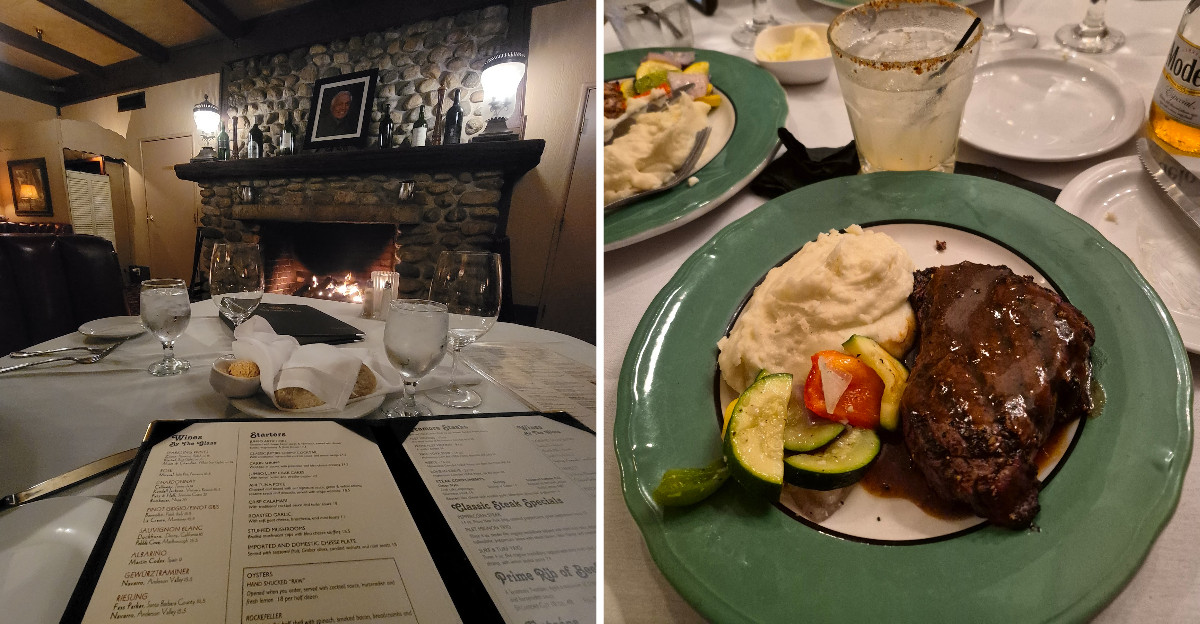
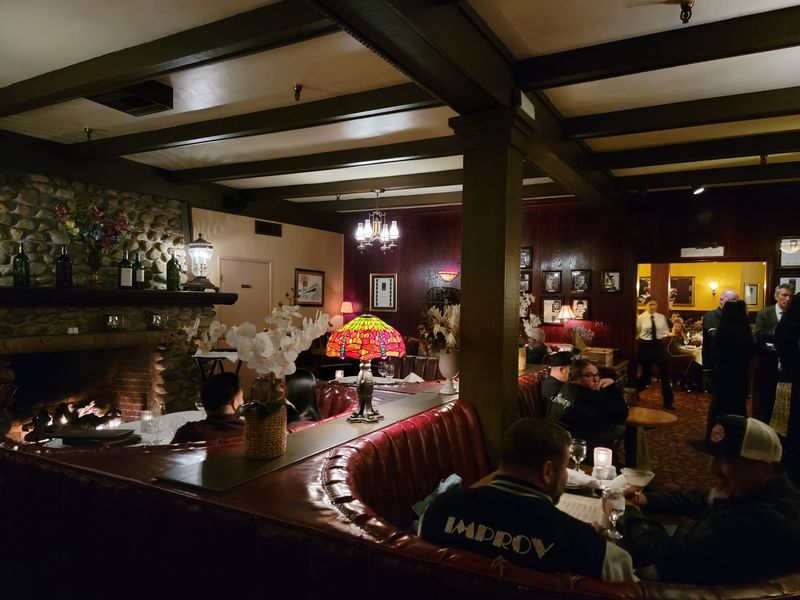
Inside, the light is soft, the wood is dark and warm, and the air carries the faint smell of a fireplace and a kitchen that knows what it is doing. Fireplace crackles somewhere in the background, and the kitchen sends out steaks that have been cooked the same way for generations.
The restaurant’s walls reflect a long local history, although the present building dates to 1920 and the property has changed over the generations. Two hours can disappear without notice in a room like this.
The appeal is the chance to enjoy dinner at a historic roadside landmark whose story began generations before the famous highway arrived.
A Roadside Oasis Older Than the Highway Itself
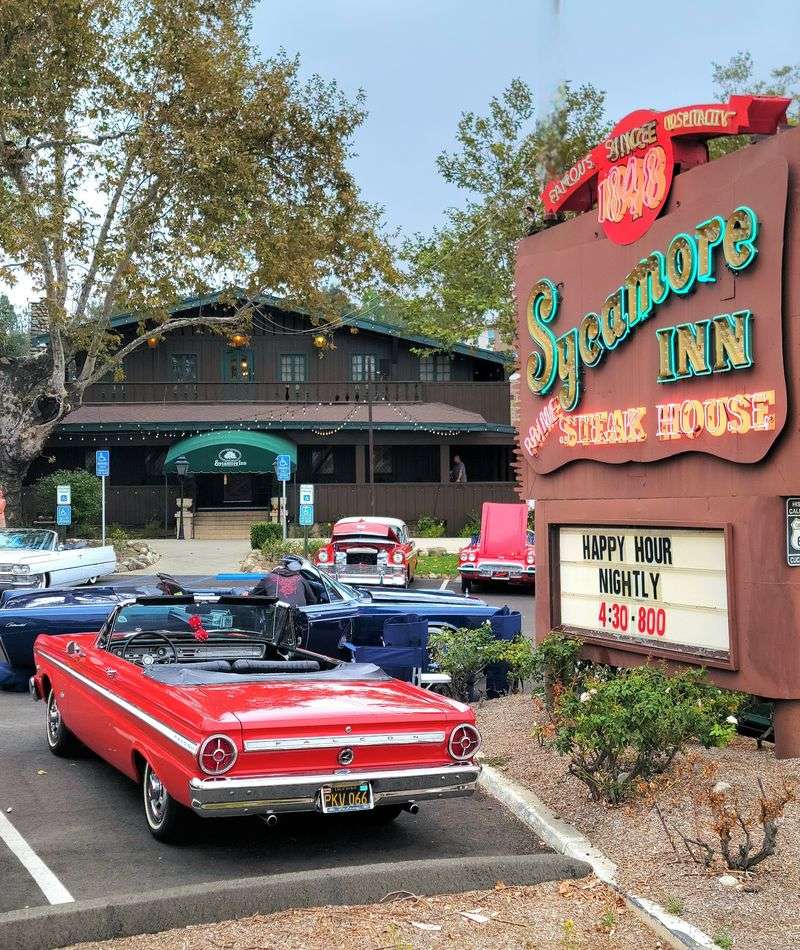
Long before anybody painted a highway shield on a road sign, this patch of ground was already famous for one simple reason: water and shade. Early Spanish explorers called the area Bear Gulch, and travelers knew it by the sycamore, cottonwood, and willow trees growing along a running creek.
The property’s hospitality history is commonly traced to 1848, when an early roadside inn served travelers passing through the area long before Route 66 existed. That makes it a rest stop that predates U.S.
Route 66 by nearly eight decades.
What I love is how little the purpose has changed. People still roll in tired and hungry, and they still leave full and happy.
Fires and floods hit the original inn more than once, so the building was rebuilt several times over the years. The building standing today was constructed in 1920, six years before U.S. Route 66 was established in 1926.
If you’re driving the old Mother Road, this is one of the rare stops that was already here waiting when the route arrived. I’d suggest parking, stepping back, and just looking up at those trees for a second before you walk inside.
The 1920 Building Built by a Citrus Rancher
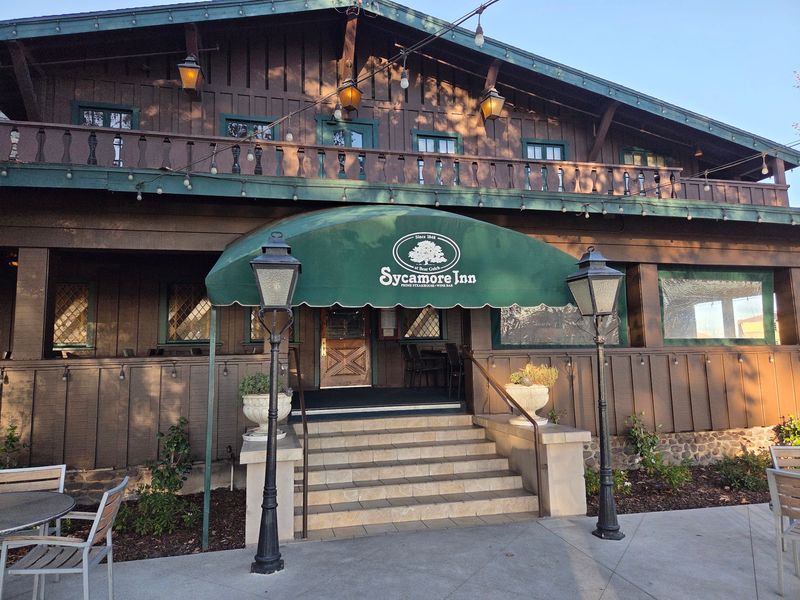
One of the most interesting details is that the present building was constructed by a local citrus rancher in 1920. John Klusman constructed the two-level wooden structure in 1920, and his goal wasn’t just profit.
He wanted a welcoming social gathering place for the community.
You can still feel that intention in the layout. Nothing about it is showy, and the rooms feel built for lingering rather than turning tables.
Citrus was king in this valley back then, and a place like this would have been where growers, ranchers, and road-weary drivers all ended up at the same time. The wood framing, the wide roofline, the porch, it all reads like early California rather than modern restaurant design.
In 1939 a Danish immigrant named Irl Hinrichsen bought the property and remodeled it, closing the upstairs hotel rooms and renaming it The Sycamore Inn. His family, including his son Vern, spent decades turning it into one of the Inland Empire’s best-known dining rooms.
Standing outside, I kept thinking about how many hands shaped this one building. Take a minute and notice the details before dinner.
Three Floors, Many Rooms, One Old Stone Fireplace
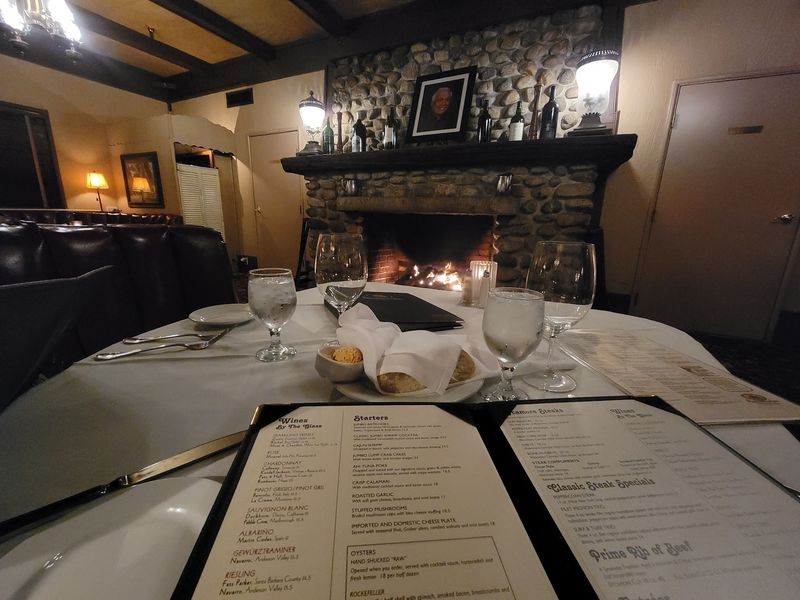
Getting a tour of this place feels a bit like exploring a friendly maze. The Inn spreads across three floors inside roughly 18,000 square feet, and each room has its own personality.
The Fireplace Lounge sits near an old stone hearth that anchors the whole building. It’s the kind of corner where you want a table on a cool night.
The Cucamonga Room is lined with historical photos of the local grape-growing district, which turns a wait for your table into a small history lesson. Then there’s the Flower Room, dressed up with gilded mirrors and chandeliers, and the Venetian Room with a stunning Murano glass chandelier overhead.
Downstairs, the Grove Room has its own rustic stone fireplace and handles larger groups comfortably.
Rich wood, patterned wallpaper, and exposed beams tie everything together, and the lighting stays low and golden all evening. My practical tip: when you call for a reservation, ask which room you’ll be seated in, since the mood shifts noticeably from one to the next.
Half the fun here is choosing your setting before you even choose your meal.
Prime Steaks That Built the Reputation
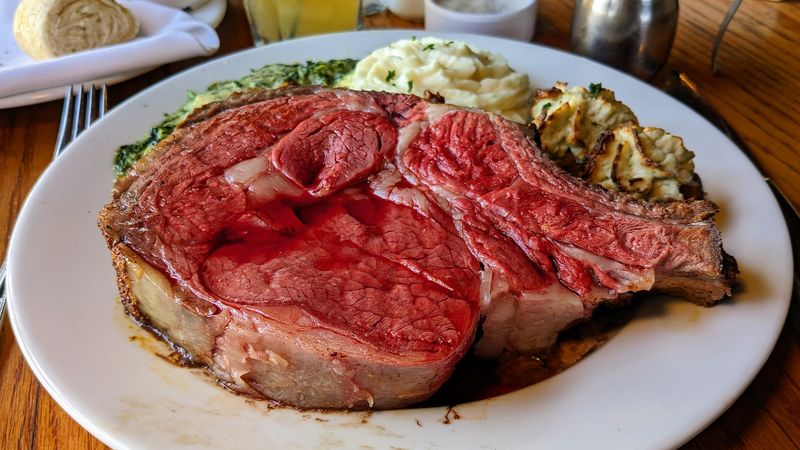
Ask anyone in the Inland Empire what to order here and the answer comes back fast. Midwestern corn-fed USDA Prime steaks and prime rib have been the backbone of this kitchen for generations.
Ribeye is one of the restaurant’s signature steakhouse choices, reflecting its longstanding focus on quality beef. That’s the mark of a kitchen confident in its meat.
Prime rib gets mentioned by guests more than almost anything else on the menu, and it comes in different cuts so you can match your appetite instead of overcommitting. Sides lean classic in the best way, with creamed spinach, potatoes au gratin, blue cheese mashed potatoes, and Brussels sprouts all in rotation.
Dinner typically comes with soup and salad, and the Caesar earns real affection from regulars.
My advice? Keep it simple.
Order a good cut, one side you actually care about, and save room, because the soufflé needs to be requested early in the meal.
It’s old-school steakhouse eating, done without gimmicks, in a room that has been serving plates like this for longer than most American restaurants have existed.
Seafood and a Soup Older Than Most Diners
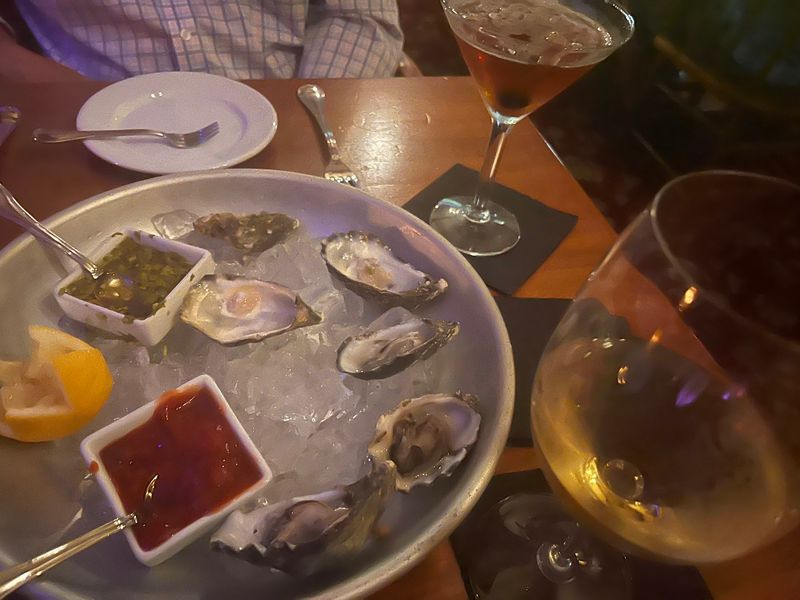
Not everyone at your table will want beef, and the kitchen clearly planned for that. The sake and miso caramelized Chilean sea bass shows up on plenty of plates, along with grilled salmon, mahi mahi, and jumbo scallops.
Fresh oysters land in the lounge regularly, and they’re one of the easiest things to fall for during your night out.
Starters keep one foot firmly in the past. A classic jumbo shrimp appetizer, stuffed mushrooms, and a bruschetta selection all feel like they belong in a room with wooden beams and low lighting.
Then there’s Luigi’s minestrone, a homemade soup that has been on the menu for more than fifty years. Fifty years is longer than most restaurants stay open at all, which tells you something about how seriously the recipe is protected.
Seasonal specials and changing menu selections give visitors a reason to check the latest offerings before making a dinner reservation.
What I appreciate is the balance. You can eat light and coastal or heavy and hearty here, and neither choice feels like a compromise.
The Wall of Famous Faces
One wall displays a collection of framed photographs that reflect the restaurant’s long connection to travelers and local history. Framed photographs recall the restaurant’s connection to famous travelers, while a longstanding local legend suggests that Marilyn Monroe once visited.
It isn’t arranged like a museum exhibit. The photos just hang there, casual, the way a family hangs pictures in a hallway.
That’s part of the charm. This restaurant sat right on the main route between Los Angeles and the rest of the country for decades, which meant a steady stream of people heading east or west stopping in for dinner.
Movie folks driving out to the desert, musicians on tour, families on vacation, all of them passing the same front door.
I’d recommend arriving a few minutes early just to walk the walls before you sit down. It’s free entertainment and it puts the meal in context.
Since 2002, Chuck and Linda Keagle and their partners have carried the place forward, handling renovations and landscaping while protecting exactly this kind of history.
Honestly, the photos make you feel like one more traveler in a very long line of them.
Planning Your Visit to an Inland Empire Landmark
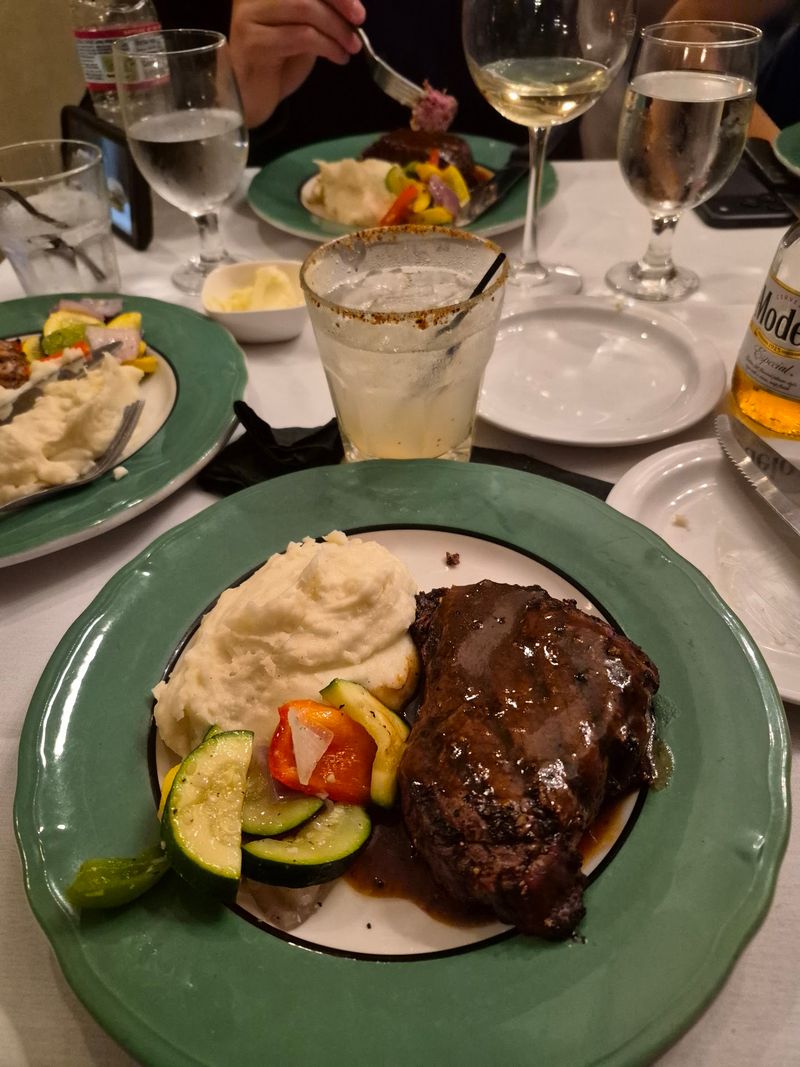
A few practical notes will make your trip smoother. The restaurant opens at 4:30 p.m. daily, closing at 9 p.m. Monday through Thursday, 10 p.m. Friday and Saturday, and 8:30 p.m. Sunday.
Reservations are genuinely worth making, especially on weekends and holidays.
Parking fills up as the night goes on. Arriving earlier gave me an easy spot near the entrance, while later arrivals were circling, so plan accordingly if you’re driving a larger vehicle.
The Inn has long been a go-to for celebrations, from birthdays and anniversaries to wedding dinners and private banquet gatherings, and the staff handle groups with real care. Smaller parties do just fine too, and the lounge is a relaxed option if you want something less formal.
You’ll find it right on historic Foothill Boulevard, which is Route 66 itself through this stretch of California. For anyone chasing the old road, it’s one of the most authentic dinner stops left.
Address: 8318 Foothill Blvd, Rancho Cucamonga, California
