Somewhere off a two-lane road in northeast Oklahoma, there’s a red barn where a stranger will put a handful of freshly shorn wool in your palm and show you how to turn it into yarn before lunch. No gift-shop gimmick, no costumed actors, just real sheep grazing a few yards away and a spinning wheel waiting for you to sit down.
I went expecting a quick photo stop and ended up with a lumpy little skein I made myself and refuse to throw away. It’s the kind of place you drive past a hundred times before someone finally tells you to pull in.
A Working Farm Off Highway 66 North
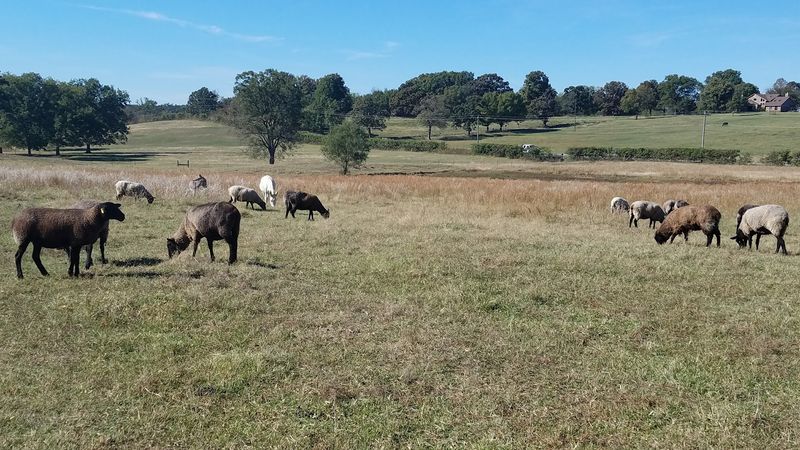
Shepherd’s Cross sits at 16792 E 450 Rd in Claremore, Oklahoma, about as far from a tourist strip as you can get while still being an easy drive from Tulsa. It spreads across 120 acres of working pasture where sheep and cattle graze, and the operation doubles as an accredited agritourism facility.
What makes it unusual is that nothing here is staged for show. The sheep are real, the wool comes off their backs, and the mill on site actually processes it.
Visitors often describe the property as calm and welcoming, the sort of place where nobody rushes you along.
The farm is also home to Heart of the Shepherd Inc., a public non-profit Christian organization that teaches Biblical references tied to farming and animals. That mission shapes the tone of a visit without overwhelming it.
Getting here from town is simple. Take Highway 66 North roughly 2.5 miles from the last stoplight in Claremore, turn right on EW 45 (Akin Road), then follow the trailblazer signs another 2.5 miles.
Gravel, pasture, and a red barn mark the end of the trip.
How a Sheep Pasture Became a Classroom
Farms that survive tend to do it by adding a second purpose, and that’s exactly the path this one took. Instead of selling wool off to a broker and calling it a day, the folks here built out a place where the public could walk in and watch fleece become fabric.
Heart of the Shepherd Inc. anchors the educational side as a 501(c)(3) non-profit, which explains why there’s never a charge simply to visit the farm. Guests come on a donation basis, and purchases like wagon rides, classes, and farm products support the work.
Recognition followed the effort. Shepherd’s Cross holds membership in the Oklahoma Museum Association and carries the Made in Oklahoma designation, two credentials that put a small sheep operation in unexpected company.
Longtime visitors talk about it the way people talk about a favorite aunt’s house: familiar, unhurried, worth returning to across the seasons. Homeschool groups have been coming for years, and grandparents bring grandkids the way they once brought their own children.
The story isn’t flashy. It’s just a farm that decided teaching mattered as much as producing.
Raw Fleece in Your Hands
Grab a handful of raw fleece and the first thing you notice is weight. It’s denser than it looks, springy, still faintly warm-feeling from the lanolin, and nothing at all like the tidy skeins hanging in a craft store.
Every bit of fiber used in the classes here is Oklahoma-grown and comes straight from the farm’s own pasture-raised flock. The wool carries Animal Welfare Approved standing and is handled without chemicals or hormones, which matters to anyone who has ever been itchy in a cheap sweater.
Staff walk you through the stages, from sheared fleece to cleaning, carding, and finally spinning. Guests frequently mention how satisfying it is to follow the material through every step rather than skipping to the finished product.
Wool shows up in conversation constantly among visitors, and demonstrations of felting, knitting, spinning, and shearing have long been part of the experience.
There’s a quiet lesson in it too. Something rough and tangled becomes smooth and useful with patience, a parallel the farm’s owners are happy to point out if you ask them about it.
Drop Spindling for Forty-Five Dollars
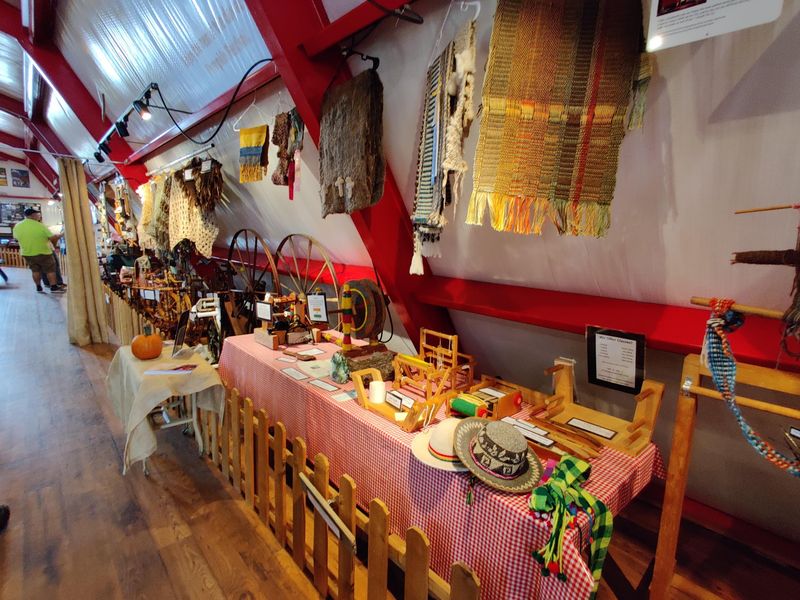
Forty-five dollars gets you a drop spindle class, all materials provided, and a piece of homespun yarn you made with your own two hands. For a craft that predates written history, the entry price feels almost unfair in a good way.
The drop spindle is about the simplest spinning tool ever devised: a weighted stick that twists fiber into thread as it turns. Beginners usually spend the first ten minutes producing something that looks like a caterpillar had a bad day, then suddenly the rhythm clicks.
Instructors keep the pace relaxed and mix in a bit of history along the way, explaining how the same basic tool clothed families for thousands of years before machinery arrived.
Best part? You take home what you spin.
It might be uneven and a little chunky, but it’s yours, and it came from sheep grazing a stone’s throw from where you’re sitting.
Classes run year-round for individuals and groups, so you aren’t locked into a single festival weekend. Calling ahead is smart, since scheduling and availability can shift with the season.
First Yarn on a Spinning Wheel in Under an Hour
Under an hour. That’s how long many first-timers need to produce actual yarn on a traditional spinning wheel here, which sounds impossible until you watch someone’s foot find the treadle rhythm.
The spinning wheel class runs $39 with all materials provided, and you can either bring your own wheel or borrow one on site. That borrowing option removes the biggest barrier for curious beginners who don’t own equipment and aren’t ready to buy any.
There’s real technique involved. Drafting the fiber, controlling the twist, keeping tension even, all of it takes coordination between hands and feet that feels awkward for exactly as long as it takes to stop thinking about it.
Instructors thread in the practical technology behind the wheel, explaining why the design works the way it does. It turns an hour of crafting into something closer to a workshop in mechanical history.
Guests who have taken it describe the experience as genuinely calming, a rare thing in a world of notifications. Several return for the monthly Spin-N-Knit-In, a three-hour block on the second Saturday for working on projects alongside other fiber folks.
Looms, Rag Rugs, and the Weaving Lineup
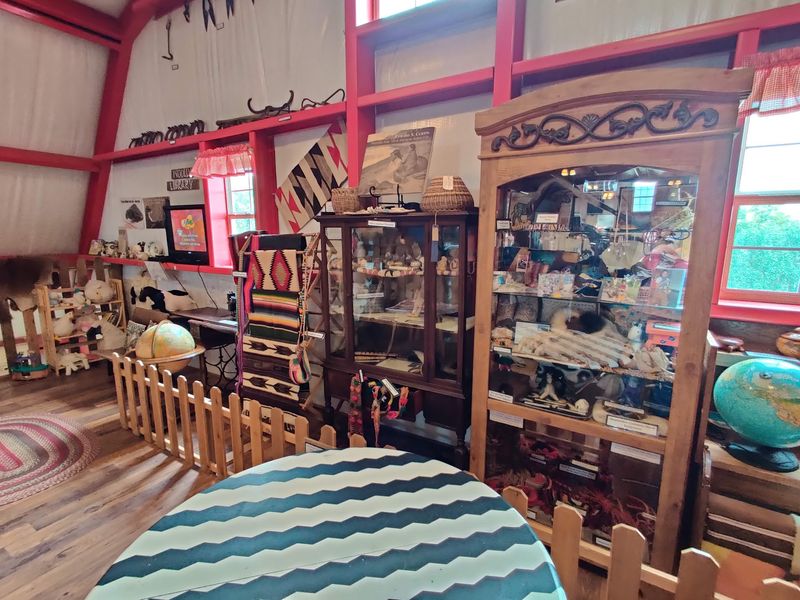
Weaving gets a full menu here, not a token demo. Inkle loom weaving starts things off at $49 with materials included, producing narrow bands that become bookmarks, sashes, or trim.
Step up and the options widen. Beginners rigid heddle weaving for mug rugs runs $99, freestyle rigid heddle weaving is also $99, table loom weaving for a scarf or table runner comes in at $159, and floor loom weaving sits at $259 with everything supplied.
My favorite pricing quirk belongs to rag rug weaving: $10 to start plus $10 per foot woven, materials included. You decide how long your rug gets, which is a refreshingly honest way to charge for a craft.
There’s also a Navajo Weaving Weekend Retreat at $299, with an optional $100 loom rental for those who want the full setup.
Across the board, participants leave carrying the thing they made. Scarves, table runners, mug rugs, wall hangings, bookmarks, and rugs all walk out the door with the people who wove them, which beats a refrigerator magnet by a wide margin.
The On-Site Wool Mill
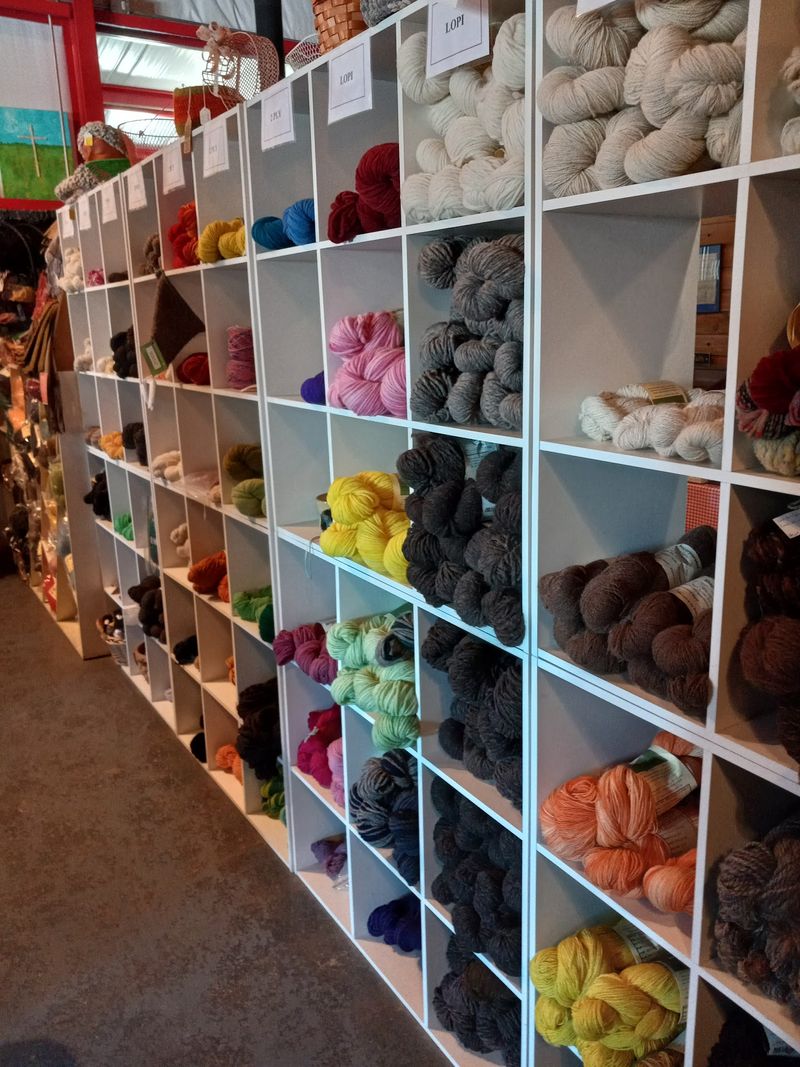
Most farms that sell wool ship it somewhere else for processing. Not here.
A working wool mill operates on the property, which closes the loop between the sheep in the pasture and the yarn on the shelf.
Watching fiber move through the mill helps the whole thing make sense. You see why washing matters, why carding aligns the fibers, and why a machine can do in minutes what hands take hours to accomplish.
Visitors regularly single out the mill as the detail that surprised them most. It’s one thing to pet a sheep; it’s another to trace that same animal’s fleece through equipment and out the other side as usable fiber.
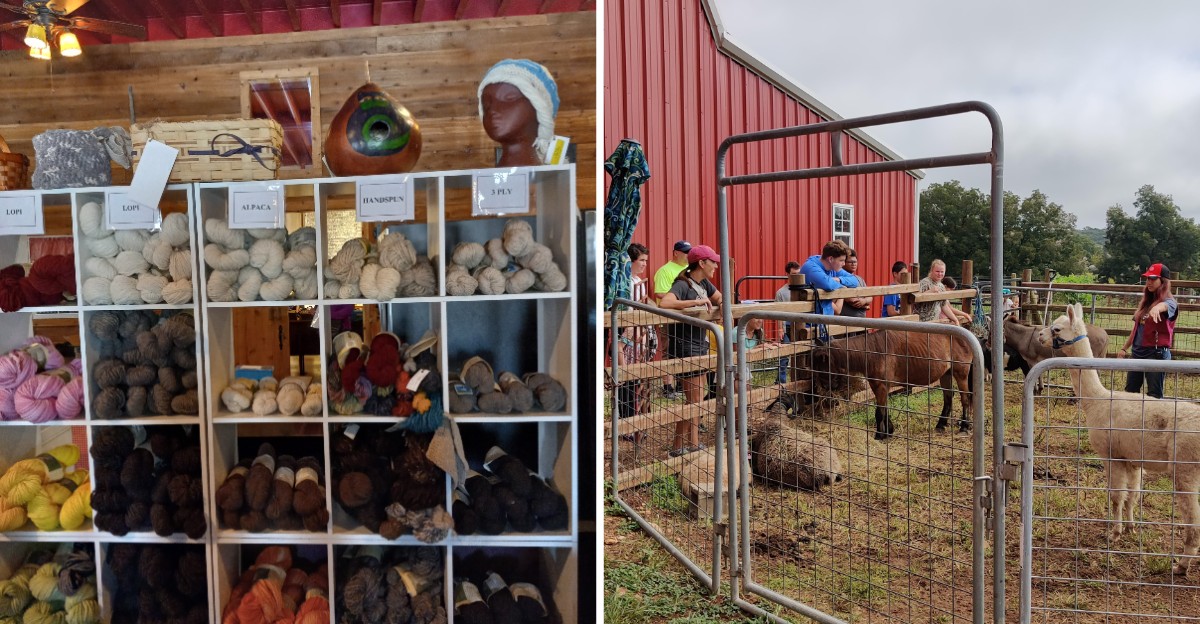
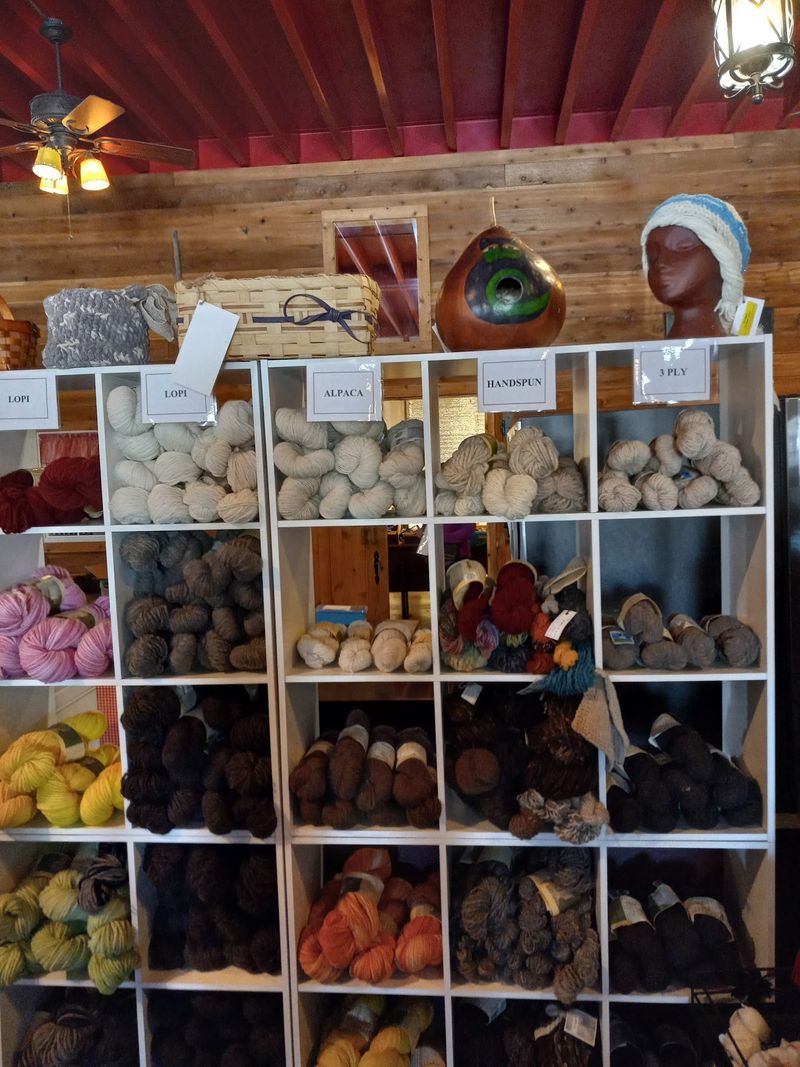
The store stocks the results, along with animal furs and fibers, and there have been enormous balls of wool sized for making chunky blankets, the kind of oversized novelty that stops shoppers mid-aisle.
For anyone who knits, crochets, felts, or just likes knowing where things come from, the mill gives the visit a backbone. It’s proof the wool story told here isn’t decorative, it’s operational.
Inside the Amish-Built Red Gambrel Barn
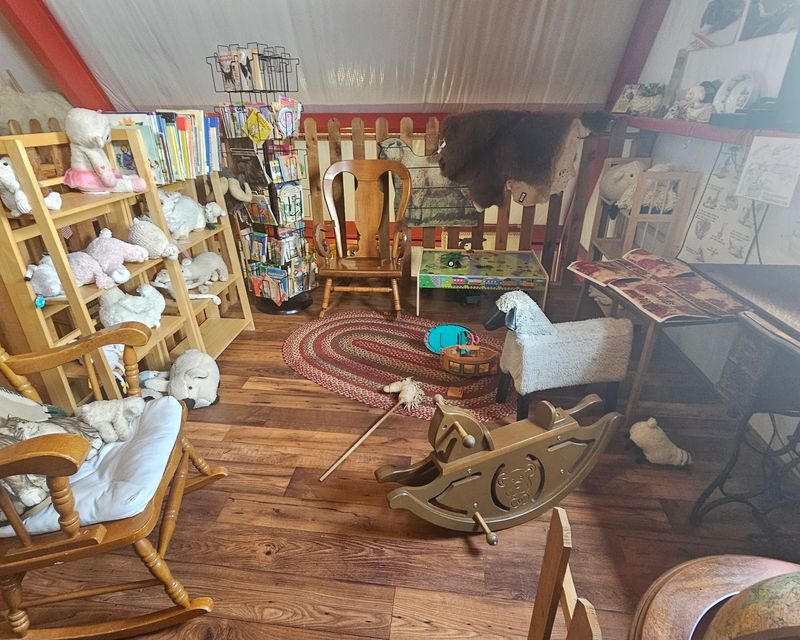
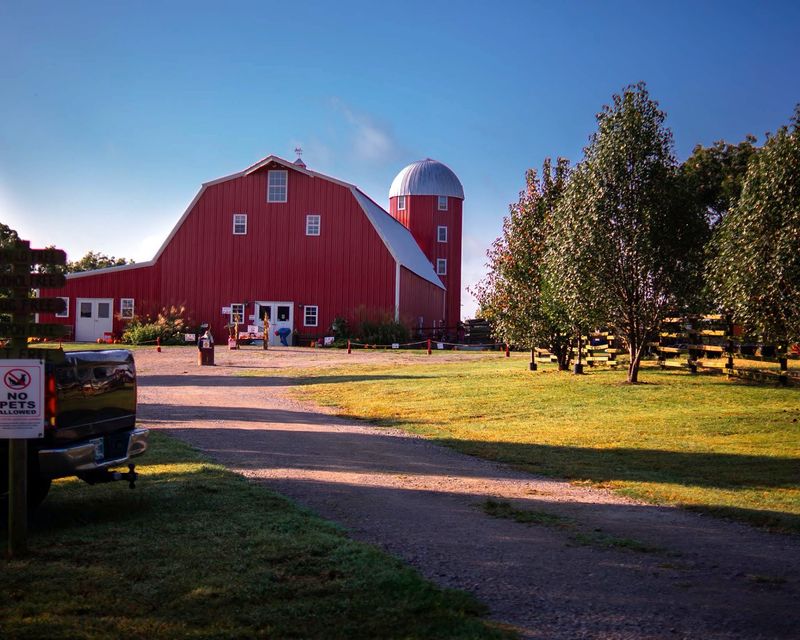
Red paint, a curved gambrel roof, Amish craftsmanship in the framing. The barn is the visual anchor of the property and the place most visits begin and end.
Inside, the gift shop leans hard into handmade. Shoppers find homemade jams and jellies, lye soaps, pecans, wool goods, animal fibers, and odds and ends that reward slow browsing.
Half or whole lamb is available for those shopping with a freezer in mind.
Informative displays line the barn interior, so even the retail space teaches something. Parents appreciate a dedicated area set up with toys where little ones can play while the grown-ups take their time at the shelves.
A reproduction 1920s farm home stands nearby, adding another layer of agricultural heritage to the walk between buildings.
Regulars describe the barn shop as charming rather than slick, stocked with things you’d actually use instead of dust collectors. On a hot Oklahoma afternoon or a windy winter morning, it doubles as the warmest, most comfortable stop on the property.
Farm Museum, Silo, and the Bible Garden
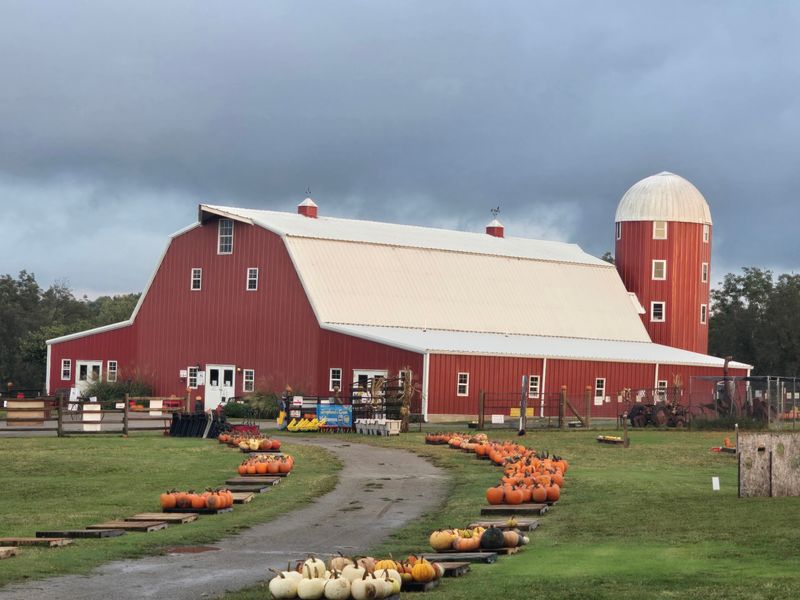
Tucked between the barn and the pastures sits a genuinely interesting educational Farm Museum, plus a silo that houses exhibits of its own. Old farm machinery, fiber tools, and displays on sheep and plants fill the space.
The Bible Garden is the sleeper attraction. More than 100 plants grow there, each marked with signage tying it to scripture and to practical agricultural use, and the whole thing makes a fine place to sit with a packed lunch.
Several guests bring picnics and spend an unhurried hour among the beds. Others pick up treats from the store and do the same.
One honest note from past visitors: some museum interpretation comes through recordings rather than a live guide, though staff are around to answer questions. If you want the full narrative, ask a person.
Museum Association membership isn’t just a plaque here. The exhibits reward curiosity, especially for kids working on a school unit about agriculture, textiles, or plants.
Gardeners, take note. The farm has hosted plant exchange days where visitors swap divisions from their own beds.
Sheep, Alpacas, Donkeys, and a Wagon Ride
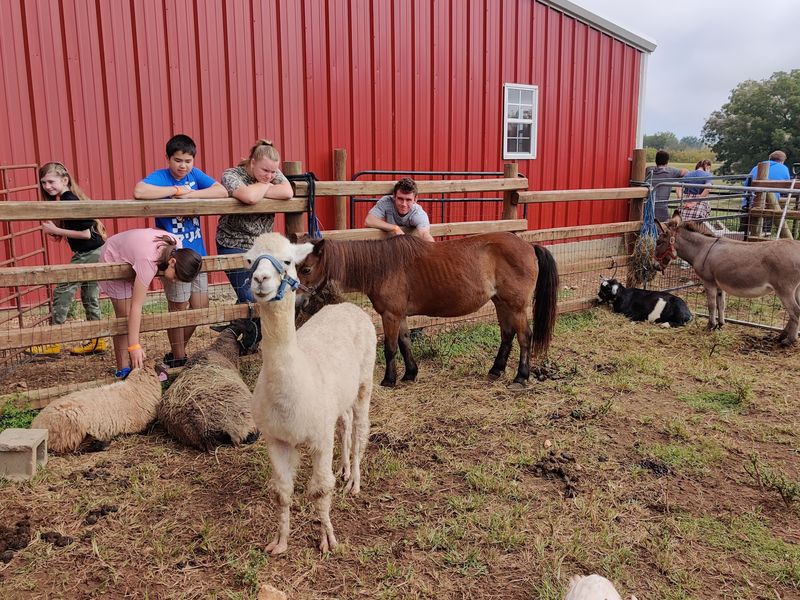
Kids don’t care about carding. They care about the animals, and the farm delivers plenty.
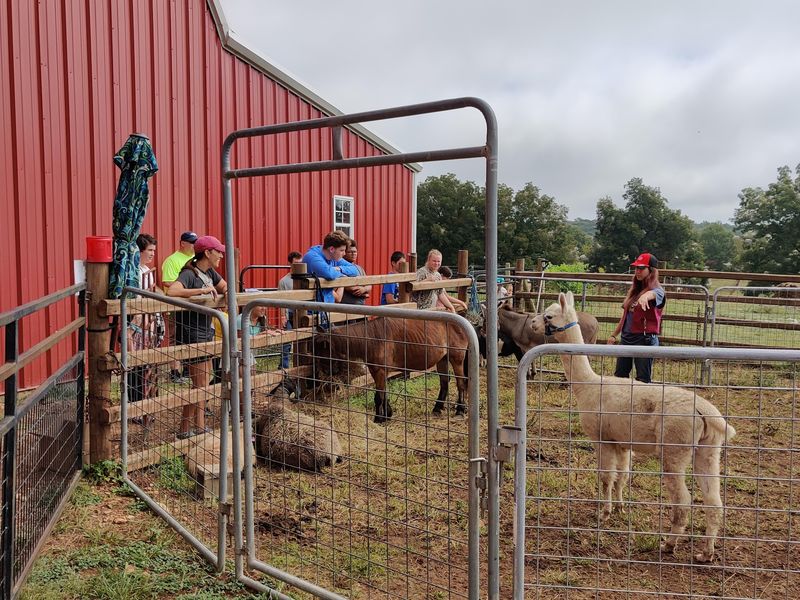
Sheep lead the roster, joined by goats, alpacas, and donkeys, with sheep dogs working the place as they should.
Petting areas let small hands make contact under supervision, and families consistently report that the animals are the part children refuse to leave behind. Family friendly comes up more than any other topic among visitors, by a wide margin.
Wagon rides are available for purchase and remain a favorite, particularly during fall when hayrides roll through the property.
Beyond the animals there are games, a maze in season, and weaving games designed to get children involved in fiber work without them realizing they’re learning.
Grandparents seem to have figured this place out first. Multiple visits mentioned bringing grandkids, then coming back the following year because it worked so well.
Strollers handle the main areas reasonably well, though it is a real farm, so closed-toe shoes beat sandals and a hat helps during Oklahoma’s hot months.
Woolly Weekend, Pumpkins, and the Living Nativity
Spring brings shearing. Woolly Weekend puts sheep shearing demonstrations front and center, alongside children’s activities like weaving games and wool projects, frequently with free admission.
Guests can follow the entire chain from fleece to finished shawl and get their hands into the major steps.
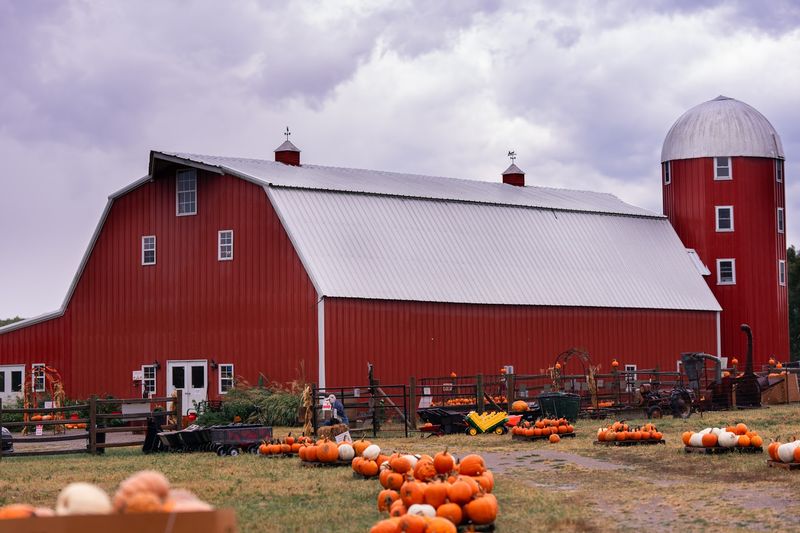
Autumn flips the whole property. Pumpkins dominate the conversation among visitors, and the patch comes with hay bales, corn stalks, tractor and hayrides, games, and animals to visit between selections.
December belongs to the Living Nativity, an annual tradition that draws families from across Green Country and gives the farm a completely different character after dark.
Barn sales pop up through the year, and the monthly Spin-N-Knit-In on second Saturdays keeps fiber people coming back when no festival is running.
Planning tip worth remembering: seasonal offerings shift, and Oklahoma weather can rearrange an outdoor event on short notice. Checking ahead by phone at 918-342-5911 or on the farm’s website helps avoid a wasted drive.
Fall weekends draw the biggest crowds, though even then the property rarely feels packed.
Hours, Costs, and Getting There from Tulsa
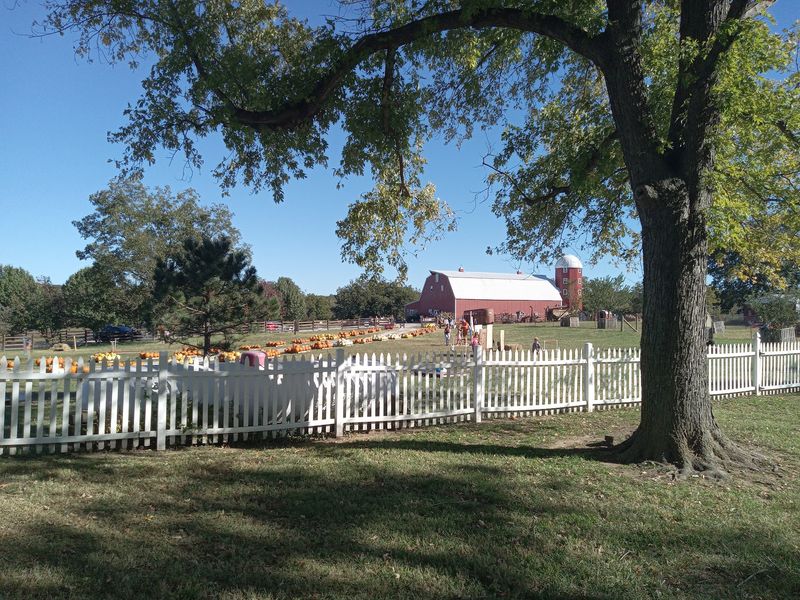
Plan around the calendar: open Tuesday through Saturday, 8:30 AM to 5:30 PM, year-round with some holiday closures. Sunday and Monday the gates stay shut, which catches weekend road-trippers off guard more often than you’d think.
Admission to the farm itself carries no set charge. Visitors come on a donation basis, and money changes hands only for wagon rides, classes, and farm products.
That structure keeps a family outing affordable even before you buy anything.
Class pricing spans a wide range, from the $39 spinning wheel session and $45 drop spindling up through $259 floor loom weaving and the $299 Navajo weekend retreat. Materials are included across the board.
Driving from Tulsa runs well under an hour for most routes, and folks from Owasso, Broken Arrow, and Bartlesville make it comfortably in a morning. Take Highway 66 North 2.5 miles past Claremore’s last stoplight, turn right on EW 45 (Akin Road), then follow the signs another 2.5 miles.
Parking is on-farm and free. Call 918-342-5911 to confirm class dates before committing.
Worth the Drive, Wool and All
Leaving with a skein you spun yourself changes how you look at a sweater forever. That’s the honest takeaway from a day spent on this farm, and it costs less than most family dinners out.
Who should go? Anyone curious about fiber arts, homeschool families hunting a field trip with real substance, grandparents needing an outing that holds a seven-year-old’s attention, and crafters who want the story behind their materials.
Who might pass? Travelers looking for polished attractions with concession stands and paved everything.
It’s a working farm with a strong Christian mission woven through the programming, and it doesn’t pretend otherwise.
The value is hard to argue with. Free entry on a donation basis, animals to meet, a museum and garden to wander, and classes priced from $39 for people who want to go deeper.
Pick a Tuesday through Saturday, allow a couple of hours minimum, and accept that you’ll probably stay longer. Claremore has plenty going on, but few stops send you home holding something you made from scratch.
