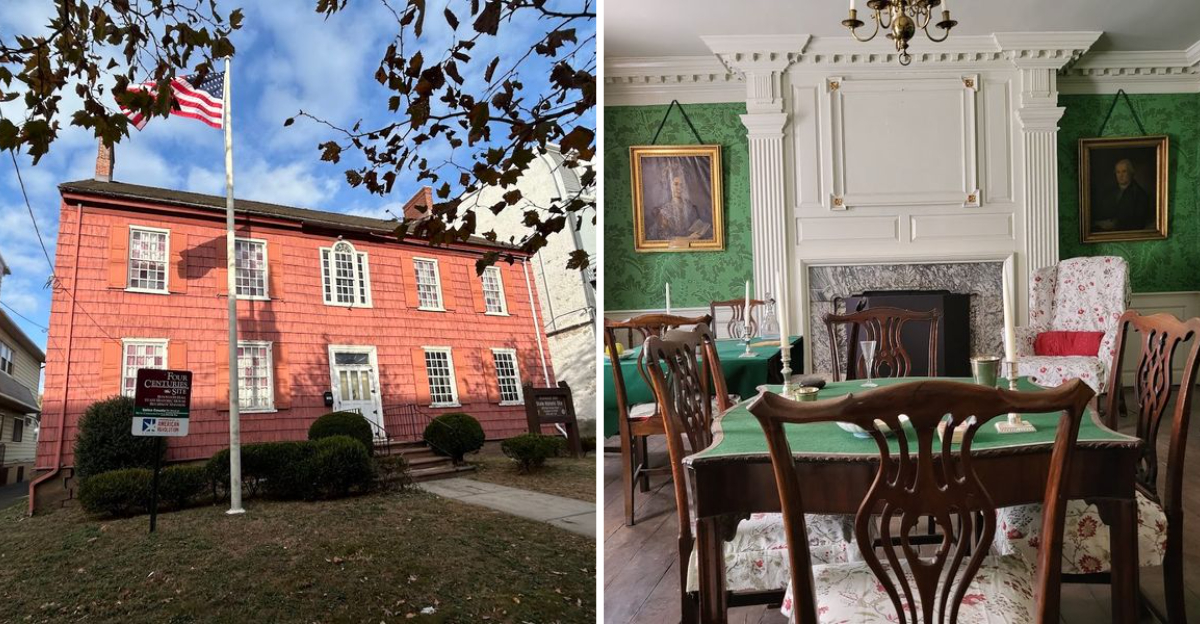
Before he was on the dollar bill, George Washington was just a guest with great taste. You have probably visited historic homes before.
Period furniture. Quiet halls. A guide talking about the wallpaper.
This New Jersey mansion offers something more alive.
The same rooms where Washington actually slept. The same floors he walked before becoming the first president.
Three times, actually.
In 1774, 1789, and 1790 he crossed through these doors .
It was also the private residence of William Livingston, who would later sign the Constitution and become New Jersey’s first elected governor.
You can almost hear the conversations that once filled these rooms.
Honestly, this is as close as you get to shaking hands with the father of our country.
George Washington Slept Here Before the Presidency
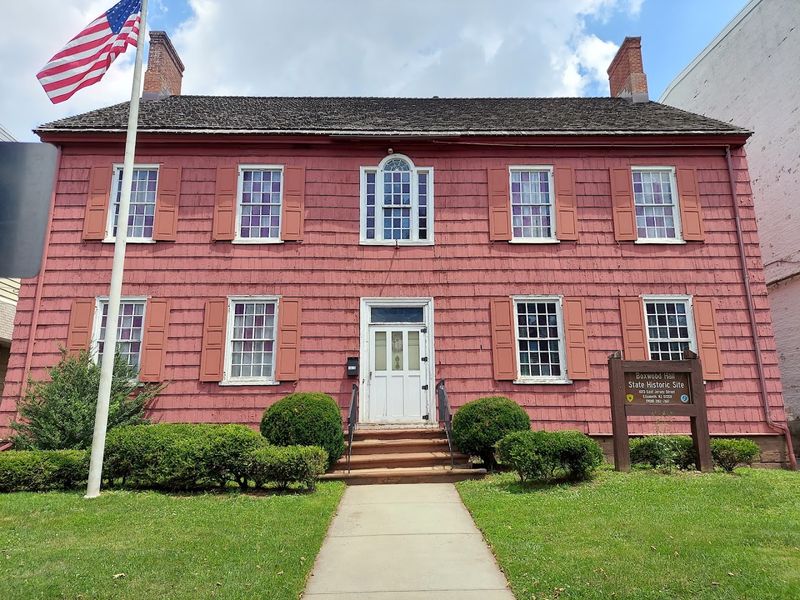
On April 23, 1789, George Washington sat down for a luncheon inside this very mansion, making it his final stop before crossing into New York City to be sworn in as the first President of the United States.
That single meal transformed Boxwood Hall from a fine colonial home into a place permanently woven into the fabric of American history.
The weight of that moment is almost impossible to fully absorb when you’re standing in the same rooms.
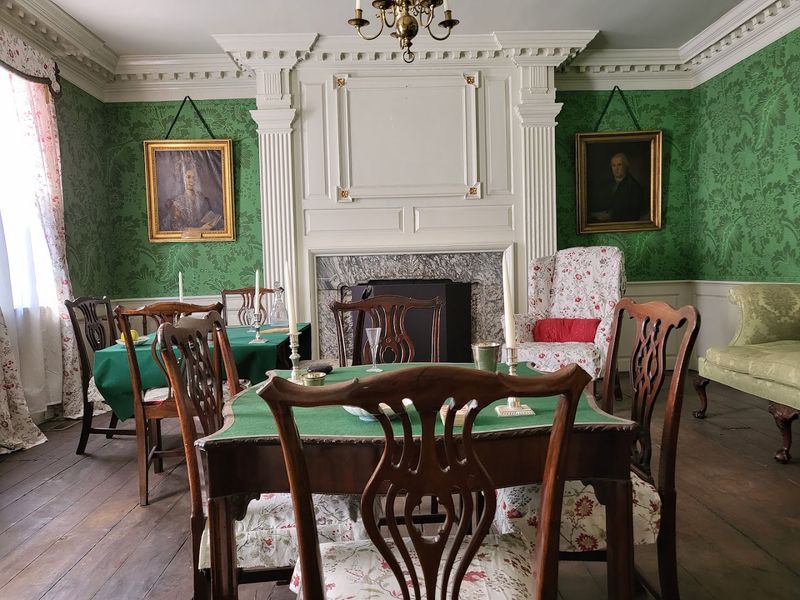
Colonial hospitality was no casual affair, especially for a guest of Washington’s stature. Every dish placed on that table would have been carefully chosen, presented with the kind of deliberate elegance that reflected both wealth and patriotic pride.
This was not just a meal; it was a farewell to private life.
Knowing that Washington paused here, gathered himself, and then moved forward into history makes the rooms feel charged with quiet significance. The mansion earned its place in American memory not through battle, but through the simple, powerful act of a shared meal.
A Colonial Mansion With Revolutionary Connections
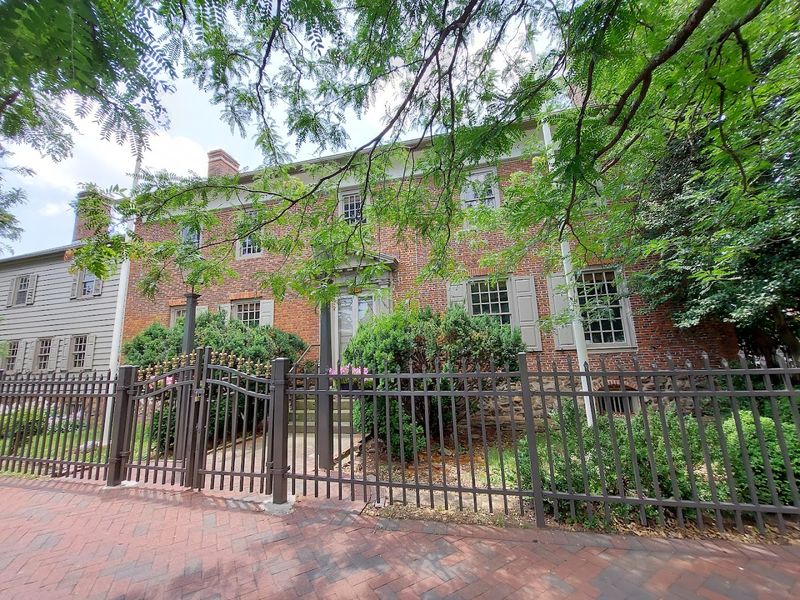
Built around 1750 by Samuel Woodruff, who served as the Mayor of Elizabethtown, this mansion was designed from the ground up to impress.
Its Georgian architecture, with a symmetrical five-bay facade, stately brick end chimneys, and a refined Palladian window above the entrance, announced the importance of whoever lived within.
From its earliest days, the house attracted people who mattered.
Elias Boudinot took ownership in 1772 and immediately transformed it into a hub of revolutionary activity. As President of the Continental Congress, he hosted discussions, received urgent dispatches, and maintained a household that operated at the pace of a nation in crisis.
The rooms hummed with purpose during those years.
Jonathan Dayton, a signer of the U.S. Constitution and later Speaker of the House, moved in after Boudinot and continued that legacy of significance.
The Marquis de Lafayette even stayed overnight in 1824, adding another legendary name to the guest ledger. Few colonial homes can claim a history this dense with meaning.
The House That Welcomed America’s Future Leaders
There is something almost staggering about realizing how many future American leaders passed through these particular doors. George Washington dined here on the eve of his presidency.
Alexander Hamilton lodged with the Boudinot family in 1773 while studying at Elizabethtown Academy, absorbing ideas and forming friendships that would shape his entire career.
Elias Boudinot himself was no ordinary host. As President of the Continental Congress, he was essentially leading the country before the formal presidency existed, and his dinner table conversations would have been extraordinary.
The intellectual energy inside this house during those years must have been remarkable.
Jonathan Dayton, who became the youngest signer of the U.S. Constitution, later called this mansion home, continuing the tradition of visionary occupants.
Each of these individuals brought ambition, brilliance, and a fierce commitment to building something new. Boxwood Hall did not simply witness history from the sidelines; it actively nourished the people who made it, one shared meal and conversation at a time.
History Still Lives Behind These Georgian Walls
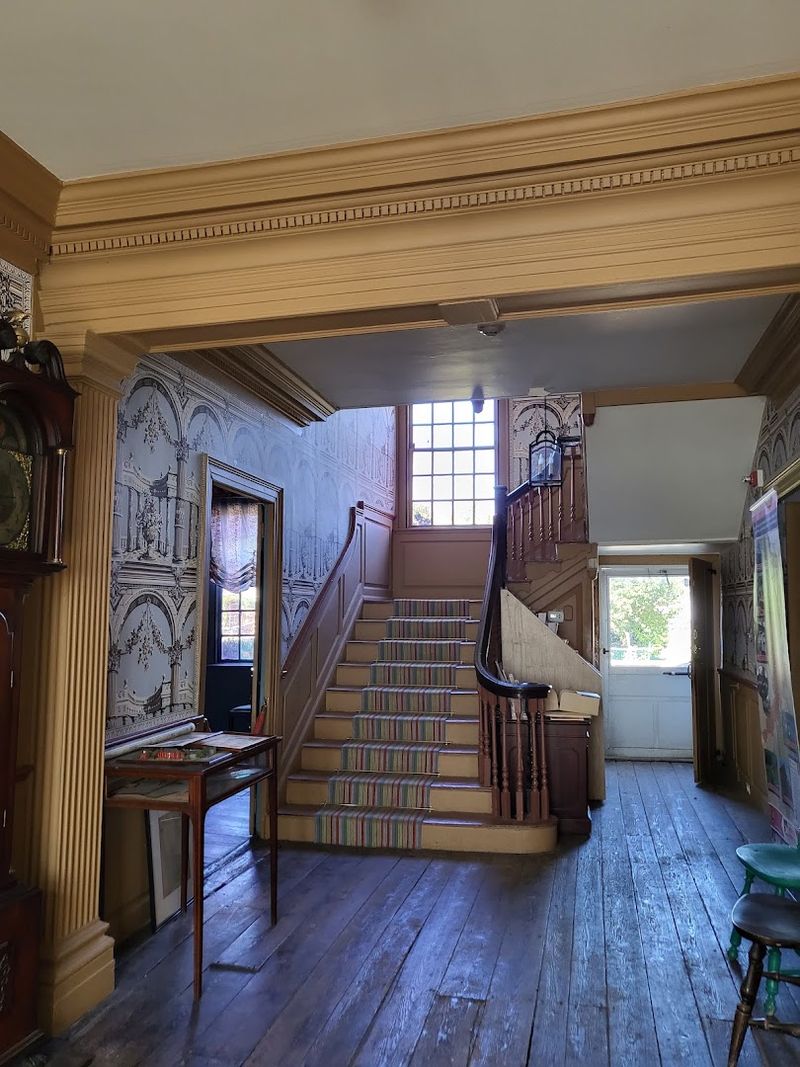
Walking through Boxwood Hall feels less like touring a museum and more like slipping quietly into another century.
The original interior paneling, wide-plank floors, and elaborately detailed crown moldings have survived remarkably intact, creating an atmosphere that no reproduction could replicate.
Authenticity has a texture, and this place has it in abundance.
The four-over-four center hall layout was a hallmark of Georgian design, organizing the home into formal and informal spaces with clear intention.
Each room served a specific social function, from the receiving parlor where guests would be welcomed to the dining room where the real business of colonial life was conducted.
Structure and hospitality were deeply intertwined.
Preserved through dedicated community effort and eventually saved from demolition in 1938, the mansion opened as a museum in 1947. The layers of careful restoration are visible in every corner without ever feeling artificial.
Spending time here means spending time with the real thing, and that distinction matters more than most people expect when they first arrive.
Alexander Hamilton Once Walked Through These Rooms
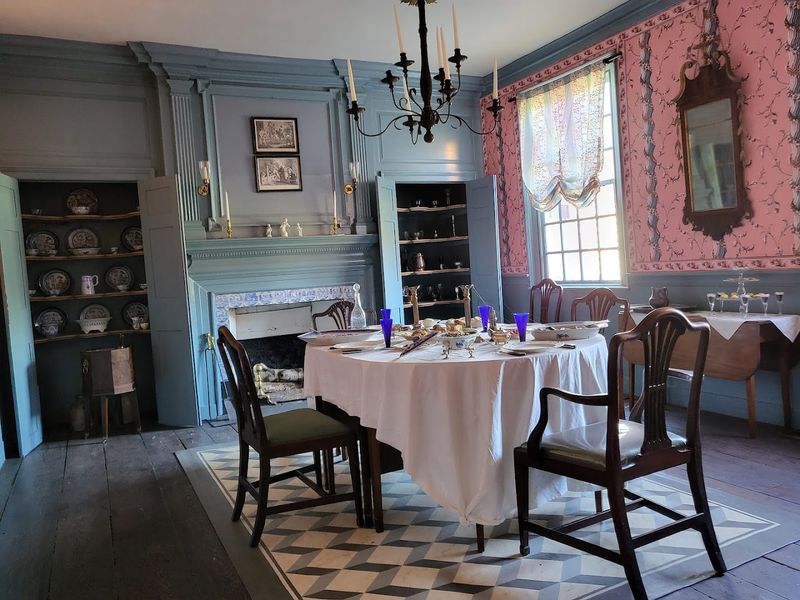
Long before Hamilton became a Broadway sensation, he was a scrappy, brilliant teenager navigating colonial New Jersey with enormous ambition and very little money. In 1773, while attending Elizabethtown Academy, he lodged with the Boudinot family at this very mansion.
The connections he built here, especially with Elias Boudinot, proved to be among the most consequential of his early life.
Shared meals in a household as intellectually charged as Boudinot’s would have been formative for any young person. Hamilton was absorbing political theory, revolutionary sentiment, and the social customs of the colonial elite, all while sitting at a table in rooms that still exist today.
That combination of education and immersion shaped him profoundly.
His later roles as aide-de-camp to Washington, first Secretary of the Treasury, and author of the Federalist Papers all trace back, in some meaningful way, to the intellectual foundations laid during this period.
Boxwood Hall gave him shelter, mentorship, and a front-row seat to the revolutionary world he would help define.
Elias Boudinot Filled This Home With Big Ideas
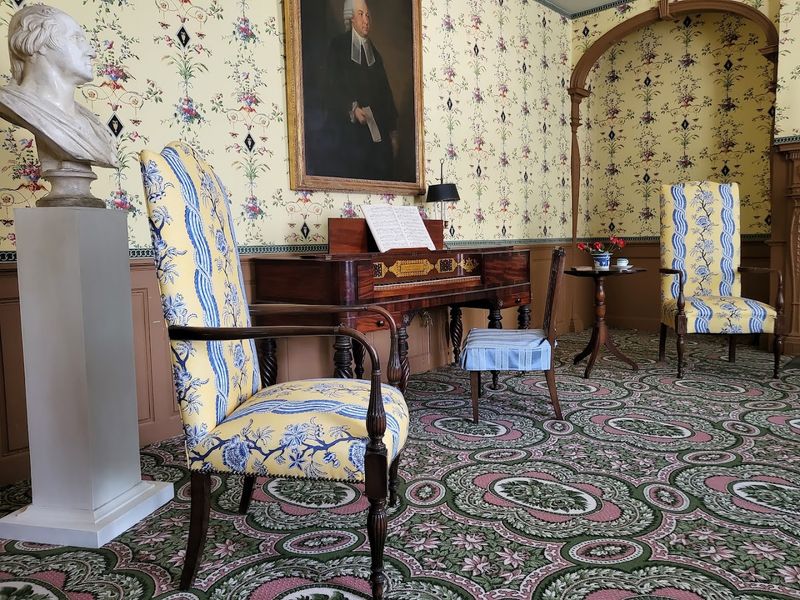
Elias Boudinot is one of those Founding Fathers who deserves far more recognition than history has typically given him. As owner of Boxwood Hall from 1772 to 1795, he used the mansion as both a personal residence and an informal headquarters for some of the most consequential work of the era.
The home reflected the man: serious, purposeful, and quietly impressive.
As President of the Continental Congress from 1782 to 1783, Boudinot was steering the country through the final, delicate phases of the Revolutionary War. On October 31, 1783, the official news of the Treaty of Paris arrived here, at this house, in his hands.
That moment of relief and triumph happened in these very rooms.
He also served as Commissary General for the Continental armies, managing the logistics of feeding and supplying soldiers during the war.
The meals served inside Boxwood Hall during his tenure were not just nourishment; they were fuel for the enormous mental and logistical labor of building a nation from the ground up.
A Presidential Stop Hidden in Downtown Elizabeth
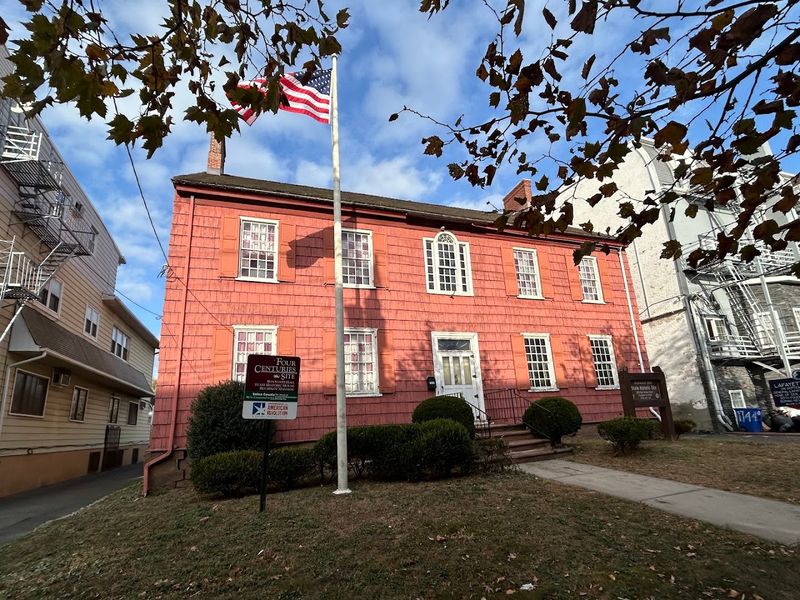
Most people driving through downtown Elizabeth have no idea they are passing a National Historic Landmark with a guest list that includes the first president of the United States.
Boxwood Hall sits quietly on East Jersey Street, looking modest enough from the outside that it would be easy to underestimate what happened within its walls.
That understated presence is part of what makes discovering it feel like such a genuine find.
On April 23, 1789, Washington’s journey to his inauguration paused here for a luncheon that now stands as one of the most historically significant meals ever served in New Jersey.
The mansion was not chosen by accident; it was the home of a respected statesman and longtime friend, making it a natural and meaningful stopping point.
The symbolism of that pause is still palpable today.
Open Monday through Friday from 9 AM to 5 PM, the site welcomes visitors who want to connect with that history directly. Tours are informative, personal, and genuinely memorable.
It is a remarkable experience for anyone who appreciates American history in its most tangible form.
Two Centuries of American Stories Under One Roof
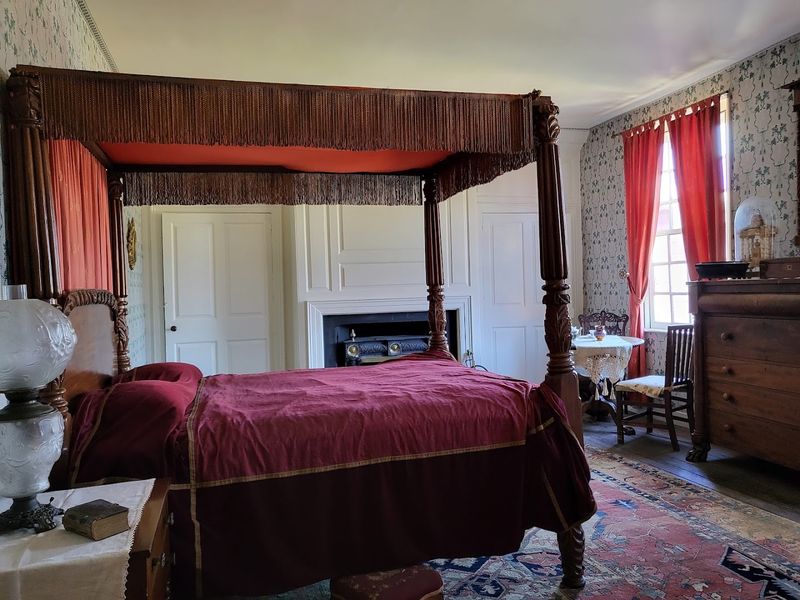
The story of Boxwood Hall does not begin and end with the Founding Fathers, impressive as those chapters are. Built around 1750, the mansion accumulated layer after layer of American life across more than two centuries, each phase adding its own texture to the building’s identity.
That depth of history is what separates a truly significant site from a merely old one.
Between 1845 and 1855, the mansion operated as a Young Ladies’ Academy, filling its historic rooms with the energy of a new generation seeking education.
Later, in the 1880s, it served as the Elizabeth Home for Aged Women, offering community and care within the same walls that had once hosted revolutionary deliberations.
Each transition brought different lives, different meals, and different daily rhythms into this enduring space.
The building was saved from demolition in 1938 through the determined efforts of community preservationists, and it opened as a museum in 1947.
Artifacts like Jonathan Dayton’s original Masonic apron are displayed inside, offering visitors a direct, tangible connection to the people who shaped this place and the nation it helped build.
This Elegant Mansion Had a Front-Row Seat to History
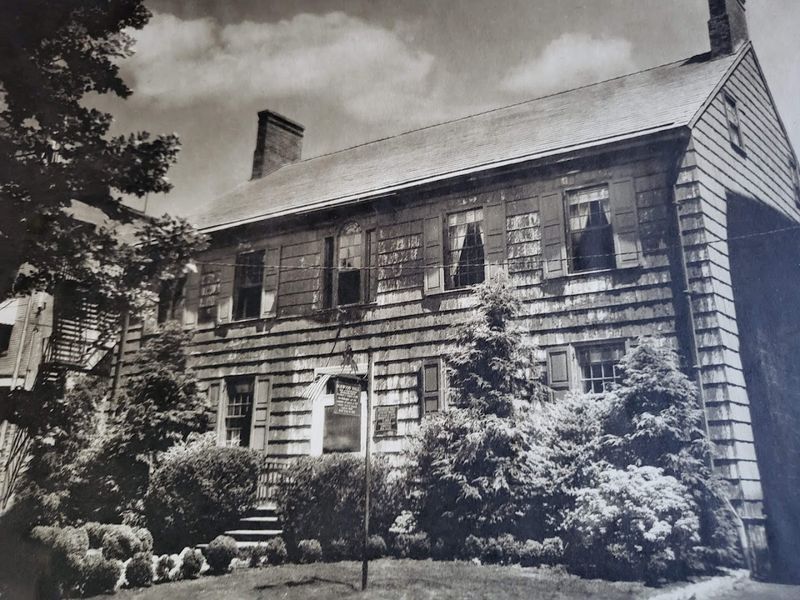
There are historic sites that sit on the edges of important events, and then there are places like Boxwood Hall, which somehow managed to be at the center of nearly everything. The Treaty of Paris news arrived here.
Washington lunched here before becoming president. Hamilton grew intellectually within these walls.
Lafayette slept under this roof. The concentration of significance is almost implausible.
Recognized as a National Historic Landmark, the mansion stands as one of New Jersey’s most important connections to the founding of the United States.
Its Georgian elegance provided the perfect backdrop for the kind of gracious, purposeful entertaining that colonial statesmen used to build alliances, cement friendships, and navigate the enormous challenges of nation-building.
Every meal served here carried weight beyond the food itself.
Visiting today means stepping into a space where the past is genuinely present, not reconstructed or reimagined, but preserved with care and integrity. It is the kind of place that rewards curiosity and leaves a lasting impression.
Address: 1073 E Jersey St, Elizabeth, NJ
