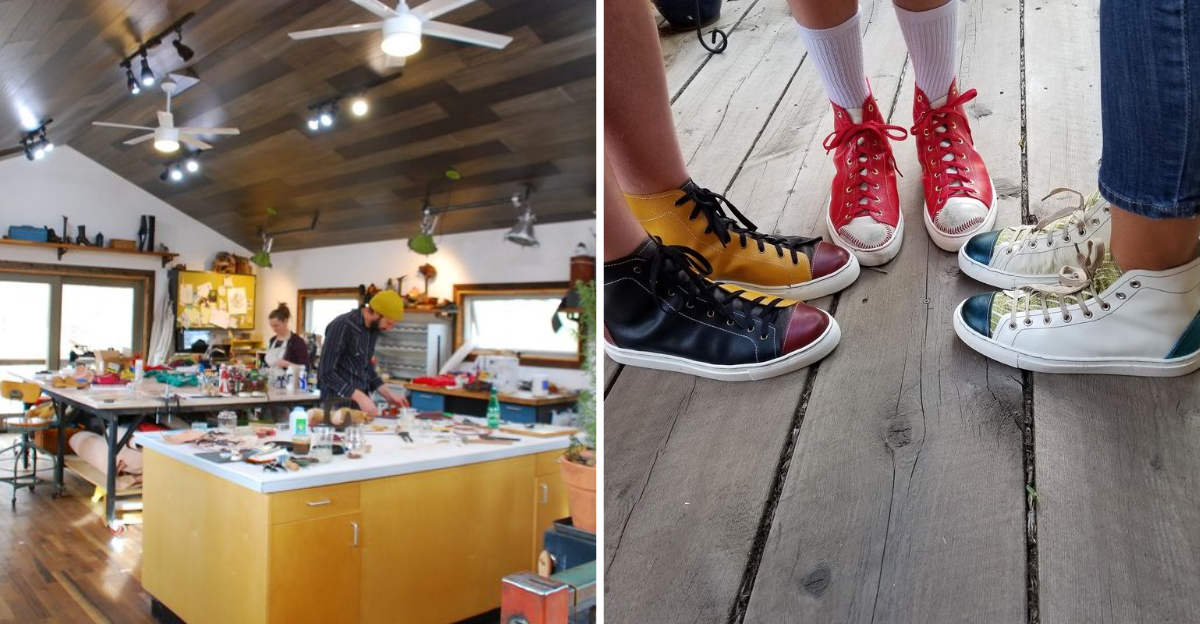
A quiet county road in Colorado, gravel crunching under the tires, and a garden that looks like someone let their imagination run loose. That is where I found myself after hearing you could drive fifteen minutes outside of town and come home wearing shoes you built with your own two hands.
I nearly laughed out loud at how simple it sounded. Then I pulled up to a property scattered with sculptures and workshops, and I knew I had the right place.
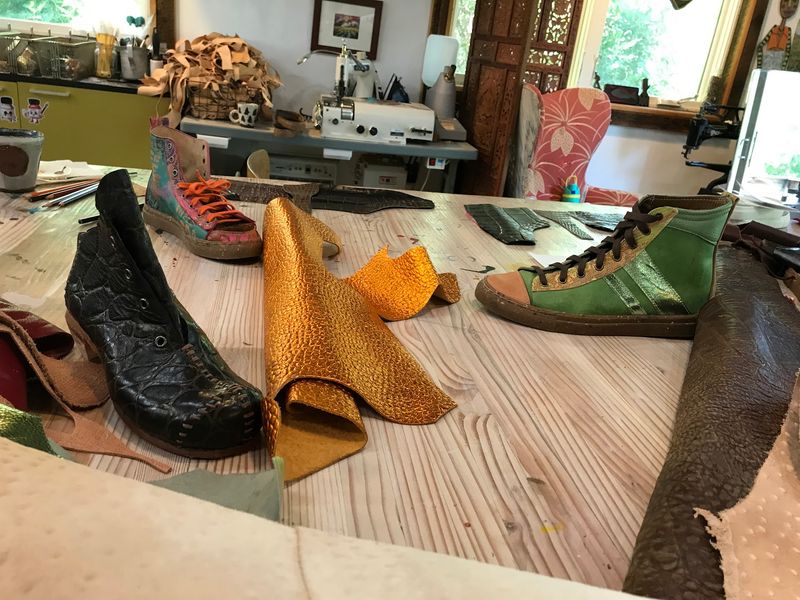
Inside, sewing machines hum and the smell of leather hangs in the air, and somehow a flat piece of hide starts turning into a sneaker. The couple who runs it started the school in their own backyard and now offer classes ranging from a single day to five days, teaching everything from simple slip-ons to elaborate high-top sneakers and boots.
I left with sore fingers, a head full of new skills, and a pair of shoes I still grin about every time I lace them up.
A Bellvue Backroad Detour That Barely Feels Like a Class
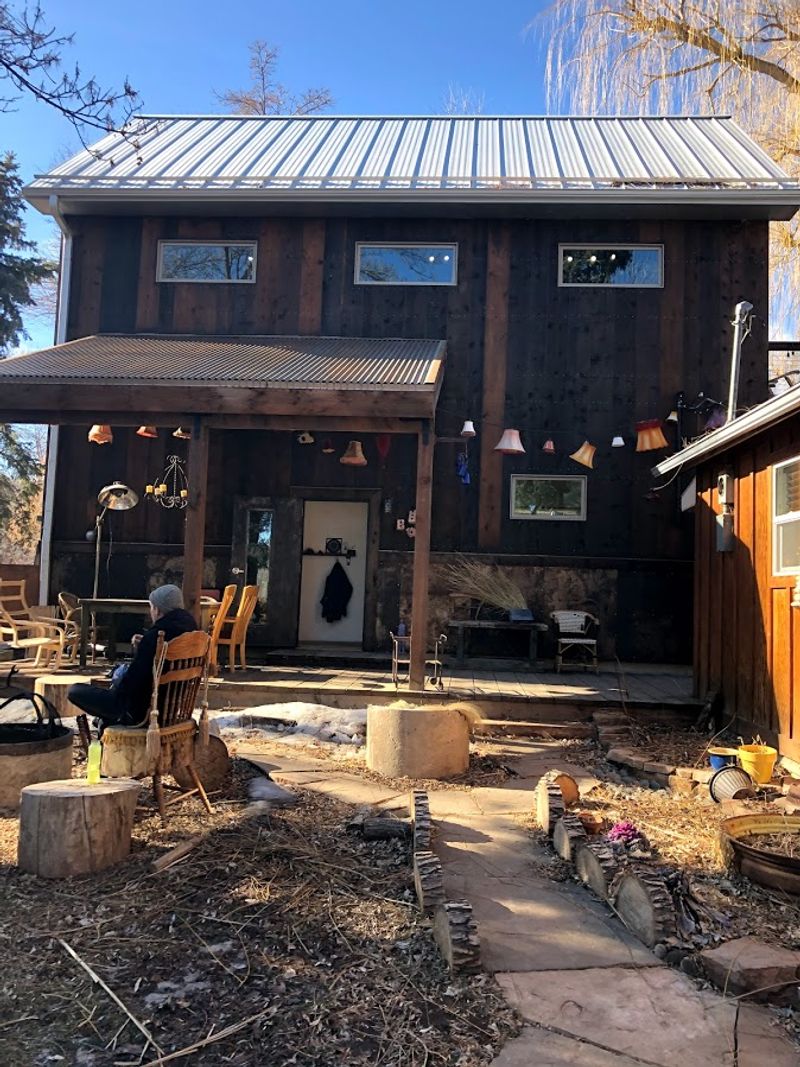
My drive out to Bellvue set the tone before I even parked. Cottonwoods, irrigation ditches, and low foothills replaced strip malls fast, and the whole trip took about fifteen minutes from Old Town Fort Collins.
Bellvue is a small, quiet village north of Horsetooth Reservoir, the kind of place where you slow down without meaning to. The Colorado Shoe School sits on a property that rewards a slow walk around.
There are welding projects, woodwork, odd sculptures poking out of garden beds, and a general sense that the people who live here never stopped tinkering. I kept stopping mid-step to look at things.
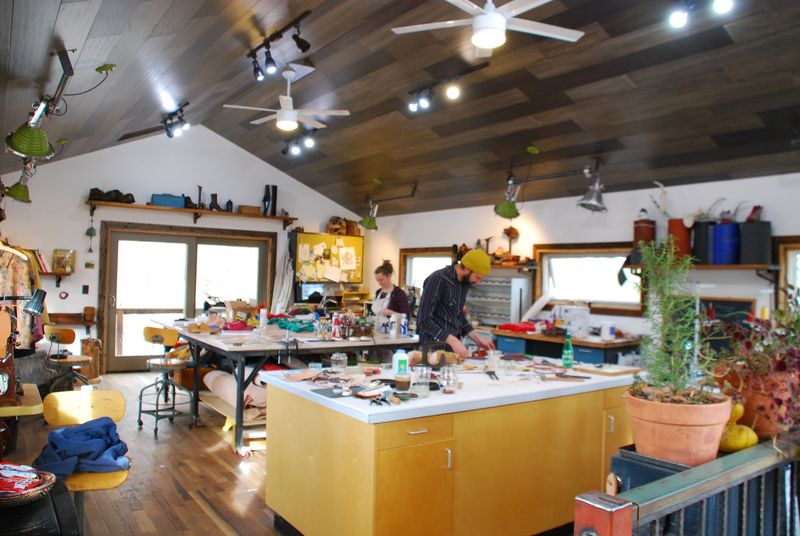
The studio itself is cozy rather than grand, which I liked. Custom-built work tables fill the space, professional sewing machines wait at each station, and shelves hold stacked leather in a dozen finishes.
Nothing about it feels like a factory tour or a polished retail experience. It feels like being invited into somebody’s actual workshop, which is exactly what it is.
Practical tip from my visit: give yourself extra time on arrival instead of racing in at the last minute. Wandering the grounds for ten minutes puts you in a better headspace for the day ahead.
Bring a packed lunch, too. Students often eat outside in the garden between steps, and there is something genuinely lovely about sitting among the greenery with glue on your fingers, halfway through building a shoe you designed an hour earlier.
Pick Your Project, Sneakers, Boots, Sandals, or Something Smaller
Choosing what to build turned out to be the hardest decision of my whole visit. The lineup runs from one-day sessions all the way up to five-day intensives.
Chuck Taylor-style sneakers are the crowd favorite, available in both high-top and low-top versions, and plenty of people knock out a finished pair in a single day.
If you want more time under the hood, the five-day intensive walks you through custom boots. Sandals are on the menu too, along with a three-day wet-lasted shoe class that uses a wider set of tools and techniques.
Not everyone comes for footwear, though. Half-day workshops cover fanny packs and leather journal covers, which makes the school a solid pick for a small group outing or a birthday celebration.
Families show up together often. I met grandparents working next to grandkids, couples splitting a two-day sneaker class, and one visitor on their second course of the year.
My honest advice: start with the one-day sneaker class if you have never touched a leather machine. You get the full arc of the process in a single stretch, and you drive home wearing the result.
Then, if you catch the bug the way many students do, come back for something longer. Multiple people in my group were already scheming about their next design before the glue had fully set on the first pair.
Meet the Makers Behind the Machines
Annabel Reader and Dan Huling started the school in 2018, and their backgrounds explain a lot about how the place runs. Annabel studied Contemporary Dance and Choreography.
Dan earned a BFA in Sculpture and Printmaking from Colorado State University.
Between them, they have spent more than two decades in creative work: costume making, performing, dancing, and building strange contraptions for their own companies, The Handsome Little Devils and EyeSoar Performance.
Their projects have also connected them with Cirque du Soleil and New Belgium Brewing Co. Annabel’s time as a wardrobe supervisor at Cirque du Soleil, where she looked after shoe care and maintenance, is what first pulled her toward shoemaking.
The real spark came in late 2017, when the two of them took a shoemaking course in New Zealand. They came home wanting a place where other people could try the craft too, and the school opened not long after.
What I noticed while working alongside them is how comfortable they are letting students make choices. Nobody hovers.
Nobody rushes you.
Dan has also talked about making the craft more reachable, including the idea of scholarship options for people who might not otherwise get a chance to take a course like this.
That attitude shows up in the room. Beginners and experienced leather workers end up at neighboring tables, and both get the guidance they need without anyone feeling behind or babysat.
From Flat Leather to a Shoe That Fits Your Foot
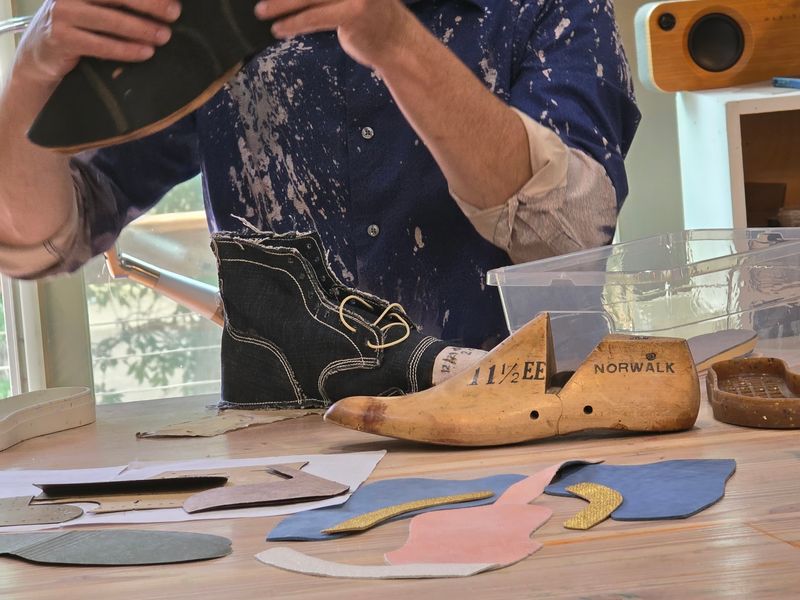
Turning something flat into something foot-shaped is genuinely the strangest part of the whole day. It starts with a last, a wooden or plastic form shaped like a foot.
You tape the last, draw your design right onto the tape, then peel it off to create your pattern. Suddenly a 3D object becomes a flat template you can trace onto leather.
Cutting comes next, and precision matters more than speed. Then sewing, where the studio’s Sailrite walking foot machines earn their keep.
Those machines run on servo motors, which means you can stitch incredibly slowly and stay right on your line. As someone with no sewing background, I found that slow control weirdly calming.
Lasting is the step where the shoe stops being a craft project and starts being a shoe. You stretch and shape the upper over the last, pulling and tacking until the curves appear.
Attaching the sole finishes the job. Punching holes, setting grommets, dyeing, stamping, and gluing all get folded in along the way.
By the way, there is a word for what you become in that room. A cordwainer makes new shoes, while a cobbler repairs them, and yes, I have used that fact in conversation since.
One small tip that helped me: practice your stitching on scrap leather first. Nobody skips that step, and it saves your good material from your first shaky seam.
Recycled Billboards, Old Jackets, and Tennis Ball Soles
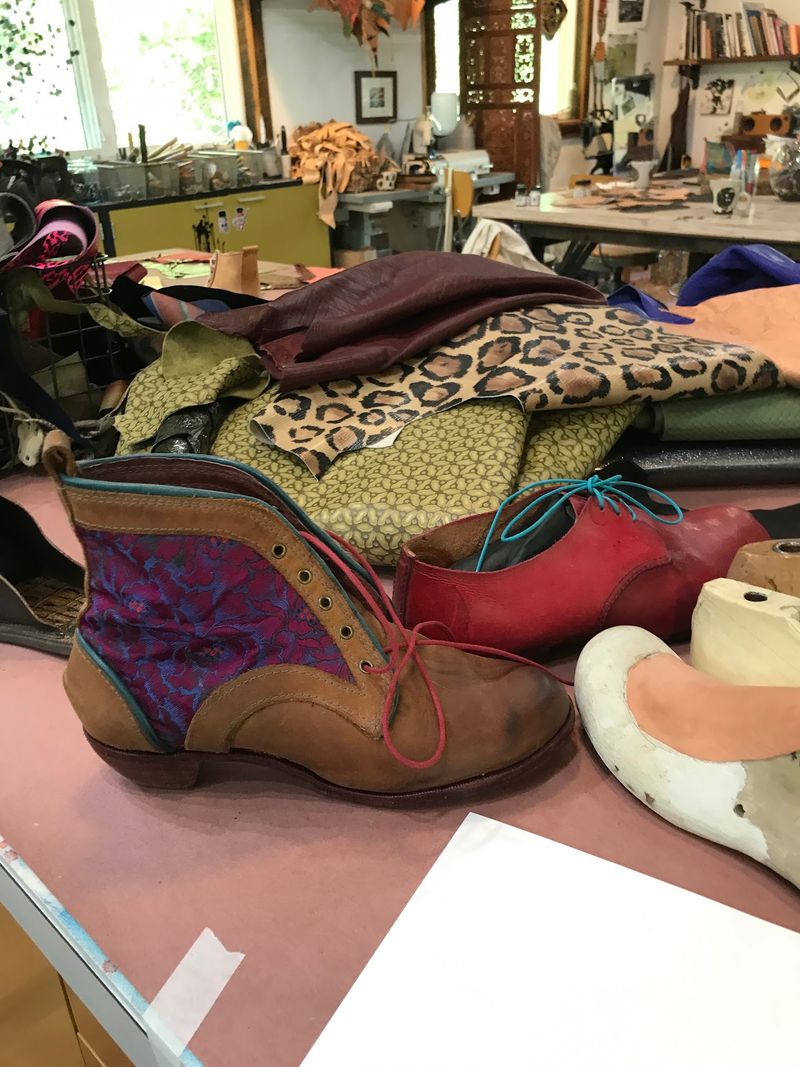
Here is the detail that stuck with me longest: the sneaker sole cups are made from recycled tennis balls and balloons. I did not expect that, and I like my shoes more knowing it.
Most of the leather in the studio would otherwise have been thrown away. It comes from the fashion industry’s waste stream, plus old leather jackets, chaps, and upholstery hides.
Digging through those shelves is half the fun. Colors and textures sit side by side in combinations no store would ever put together, which pushes you toward designs you would not have planned.
Students are also encouraged to go further off the map. Past projects have used old billboard material, plastic bags, and even bicycle tires worked into the build.
If you have something meaningful at home, bring it. A worn-out jacket, a scrap of upholstery, a garment you cannot bring yourself to donate, all of it can end up in your finished pair.
That approach does two things at once. It keeps usable material out of the landfill, and it forces a bit of creative problem solving that makes the whole day more interesting.
One student I chatted with put it plainly: the greenest shoes are the ones you actually wear for years. Building them yourself, in colors you picked on purpose, makes that a lot more likely.
Walking Out in Shoes You Built Yourself
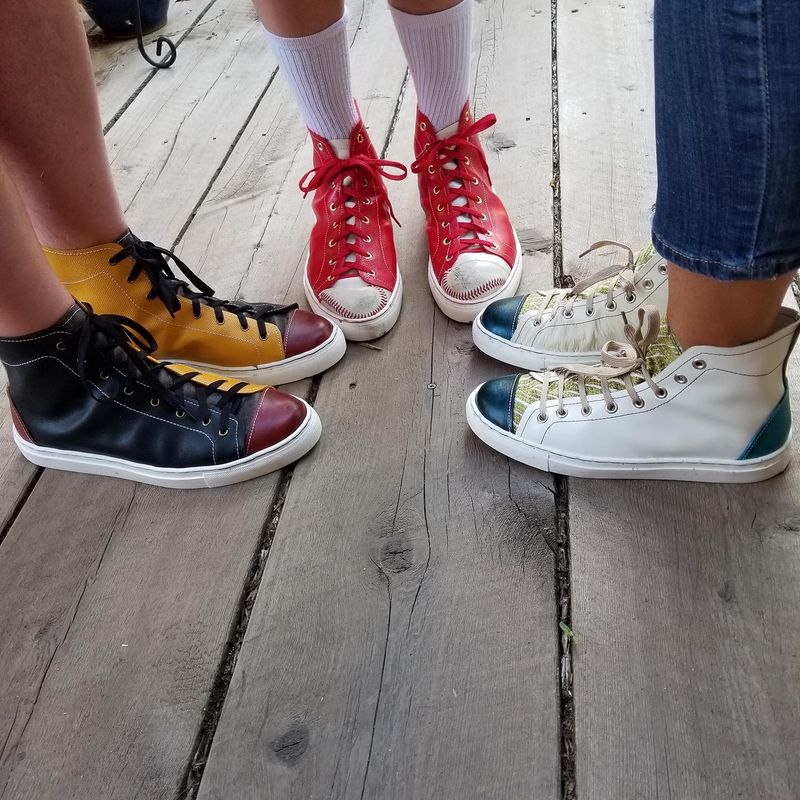
Around six in the evening, my class finished lacing up. Everyone stood, took a few careful steps, and then started laughing at how comfortable the shoes felt.
That moment is the payoff. You spent the day cutting, stitching, and shaping, and now you are wearing the result out the door.
The school’s whole philosophy leans into individual expression, playful art, and sustainable practice. Shoes are meant to fit your personality, not just your feet.
Which explains why the room stays loose. There is whimsy baked into the instruction, and mistakes get treated as design opportunities rather than failures.
What surprised me most was how much I learned about a heritage craft in such a short window. Pattern making, machine sewing, lasting, sole attachment, these are real skills, and they transfer to other projects.
Fair warning, though. Plenty of visitors come back for a second or third class, and I understand exactly why.
If you are planning a trip, pair it with a wander through Old Town Fort Collins afterward, or a stop near Horsetooth Reservoir on the way in. The drive is short and the scenery earns the detour.
Bring closed-toe shoes you do not mind getting glue on, tie back long hair, and expect a full day on your feet. Then get ready for strangers to compliment your kicks so you can say the best four words: thanks, I made them.
Address: 2829 N County Road 23, Bellvue, CO 80512
