More than 6,000 artifacts sit behind these doors, and nobody asks you for a single dollar to see them. That alone made me look twice.
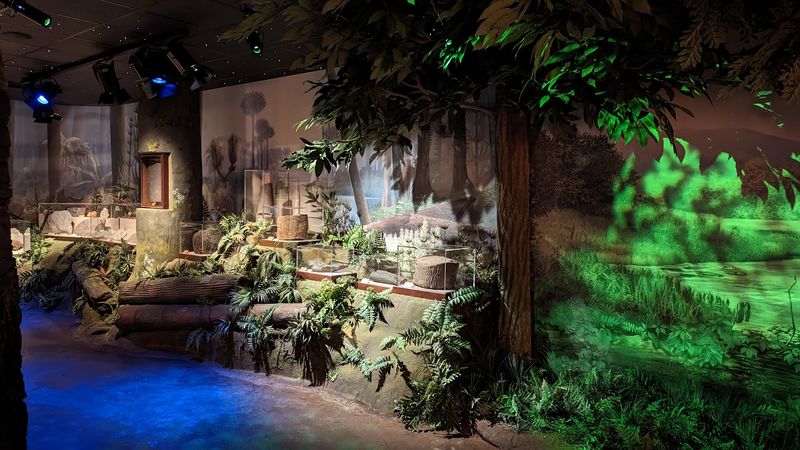
The route starts with coal forests from millions of years ago. Then it marches you forward through time, with the years marked right on the floor beneath your feet.
I love that kind of built-in roadmap, especially for anyone who tends to wander off in museums.
Step outside afterward, and the setting gets even bigger. The building shares its grounds with West Virginia’s golden-domed Capitol and a cluster of memorials honoring the state’s veterans.
It’s history indoors, history outdoors, and your wallet stays closed.
I can’t imagine a better rainy-day plan for curious grown-ups. So how does a free stop pack in enough exhibits to fill more than 26 hours?
A Free Ticket To The Whole Mountain State Story
Free admission is the headline, and the West Virginia State Museum earns it every single day it opens. The museum lives inside the Culture Center on the State Capitol Complex in Charleston.
That location is no accident. The state built its cultural home right beside the seat of government, so the past and present share a front lawn.
Inside, more than 6,000 artifacts are on display. The museum’s stated mission is to inspire, educate, and enrich lives by collecting, preserving, and exhibiting the state’s cultural and historic traditions.
Big words, sure, but the scope backs them up. Exhibits cover art, culture, paleontology, archaeology, and geology, so the story reaches far beyond politics and famous names.
For parents watching a travel budget, that changes the math on a Charleston trip. A full morning or afternoon of real learning costs nothing beyond gas and maybe a snack.
Kids get plenty out of it too. Still, this place clearly speaks to adults who enjoy reading the fine print, spotting old family surnames, and connecting dots across centuries.
Free admission makes it easy to treat the visit as a test run. If the timing runs short, coming back another day costs exactly what the first visit did.
Roots Reaching Back To 1890
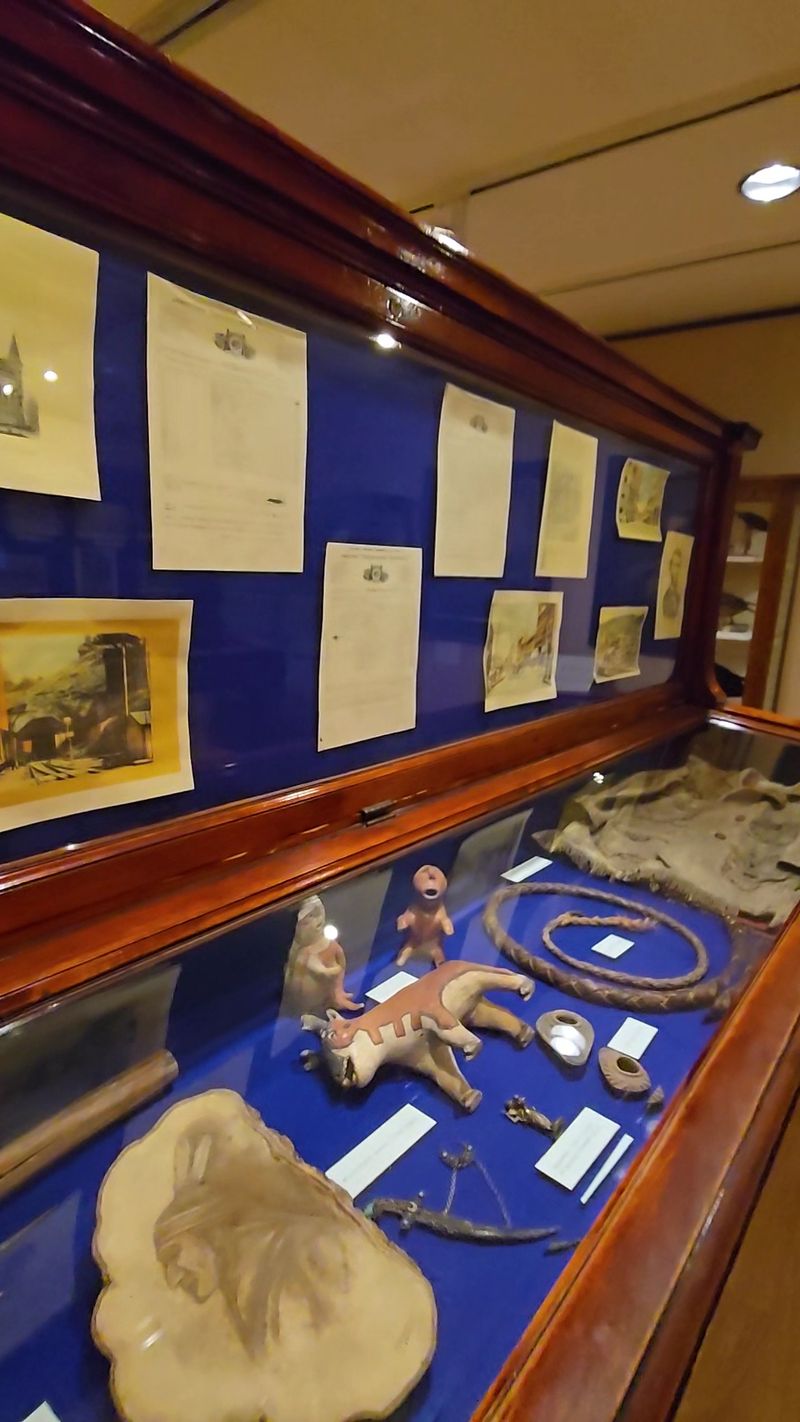
Long before touchscreens, a group of history-minded West Virginians started gathering relics. The collection began in 1890 with the founding of the West Virginia Historical and Antiquarian Society.
Four years later, the museum officially opened on April 3, 1894. Its first home was the 1885 State Capitol building, a very different setting from today’s polished galleries.
The Society’s artifacts formally joined the State Museum on February 18, 1905. That handoff gave the collection a permanent public steward, which is exactly why so much survived.
Fast forward more than a century. In June 2009, a newly renovated museum reopened with updated exhibitions, modern conservation mounts, and fresh architectural design.
Those mounts matter more than they sound. They protect fragile pieces so future visitors can see the same objects you’ll see, without wear chipping away at the past.
I like knowing the museum itself carries history in its bones. It reportedly ranks among the older state collections still serving the public today, and it shows in the depth of the holdings.
So when you admire a centuries-old relic, remember someone in 1890 cared enough to save it. That’s a nice thought to carry from room to room.
Years Printed Right Under Your Shoes
Getting lost in a museum is practically a tradition. Here, the designers solved that problem with something called the show path.
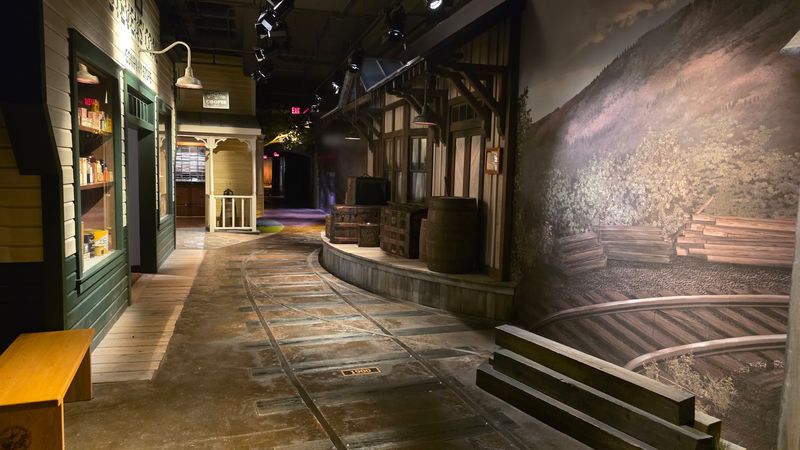
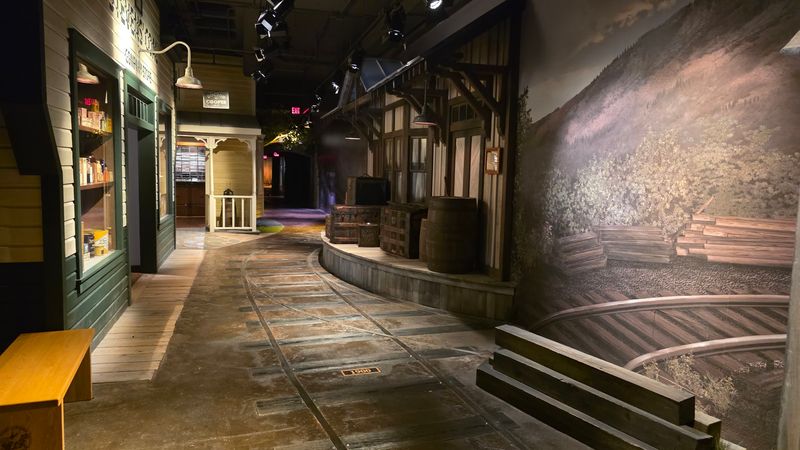
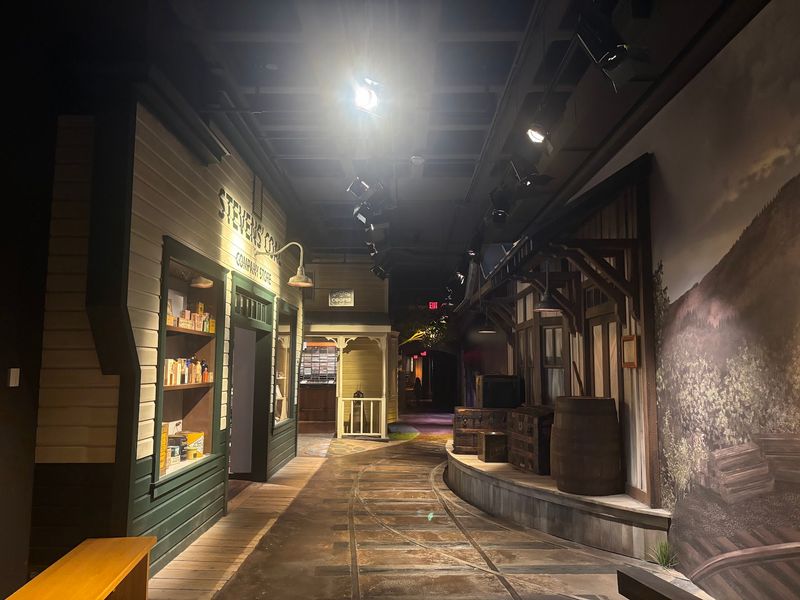
The route guides you in chronological order, from prehistoric times to the twenty-first century. Years appear on the floor as you walk, so you always know which century you’re standing in.
The opening chapter goes back millions of years to ancient coal forests. It’s a clever start, since coal later shapes so much of the state’s story.
From there, first-person accounts and dynamic re-creations carry the narrative forward. History feels less like a lecture and more like a guided stroll through other people’s lives.
The flow seems built for readers and skimmers alike. Panels share plenty of detail without burying you under one giant wall of text.
That balance helps groups with mixed attention spans stay together. One person can linger over a document while another heads to the next display, and nobody wanders off track.
Plan your pace before you start. A basic loop takes a couple of hours, while dedicated readers could easily stretch it into most of a day.
Twenty-Six Rooms That Could Fill A Weekend
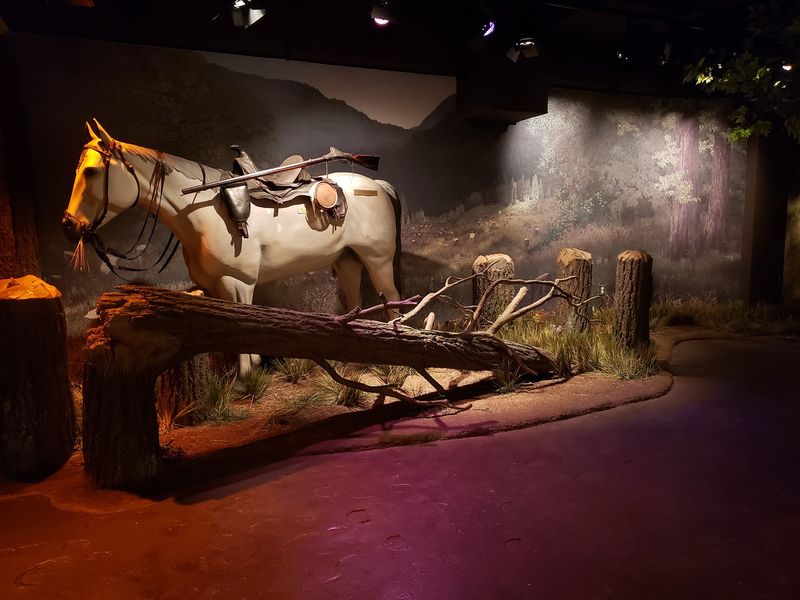
Here’s a number that made me laugh. Watching every documentary and reading every display would reportedly take more than 26 hours.
That figure comes from the museum’s 26 Discovery Rooms. Each one is packed with artifacts, artwork, stories, and audio-visual presentations tied to a theme or era.
Topics stretch across Native American history and early settlement. They continue into the 1860s split that created the state, plus industrialization, railroads, coal mining, and Appalachian culture.
Many rooms are staged to feel like entering a different period. Life-size displays sit beside original pieces and careful replicas, which keeps the eye moving.
Fiber crafts, music, and agriculture also get their spotlight. That mix makes the rooms feel like a full portrait of everyday life, not just a parade of officials.
Nobody expects you to finish all 26 hours in one go. Pick a few favorite eras, slow down there, and breeze through the rest.
Honestly, that’s the beauty of free admission. You can treat the rooms like a series and come back for the next episode whenever you pass through Charleston.
Touchscreens For The Deeply Curious
Some people finish a room and still have questions. The museum planned for them with two Connections Rooms.
These spaces offer touchscreens for deeper exploration of West Virginia history and cultural roots. You choose the topic, and the screen does the digging.
I like that kind of control. It turns a guided route into something personal, especially for anyone tracing a hometown, an industry, or a family trade.
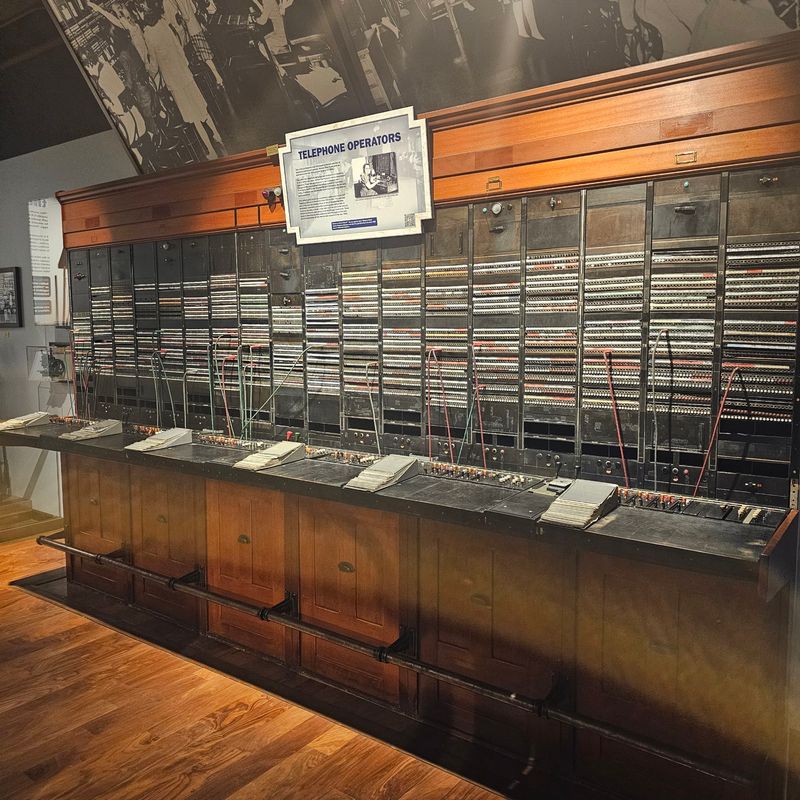
Hands-on fun shows up elsewhere too. An old-school interactive telephone switchboard sits among the exhibits, a delightful throwback for anyone who remembers party lines.
Older visitors may find that one sparks stories. Younger ones may simply wonder how anyone placed a call before smartphones, which leads to great conversations.
The interactive pieces never replace the artifacts. Instead, they add a second layer for people who learn better by tapping, listening, or poking around.
If your group splits up, the Connections Rooms make a natural meeting spot. One person can research while another finishes the last gallery, and both leave feeling satisfied.
Coal Mines, Quilts, And Famous Names
Walk far enough and you’ll reach a re-created coal mine. For a state built on that industry, it’s one of the most fitting stops on the route.
Mining appears again and again throughout the galleries. It ties directly back to those ancient coal forests at the very start of the show path.
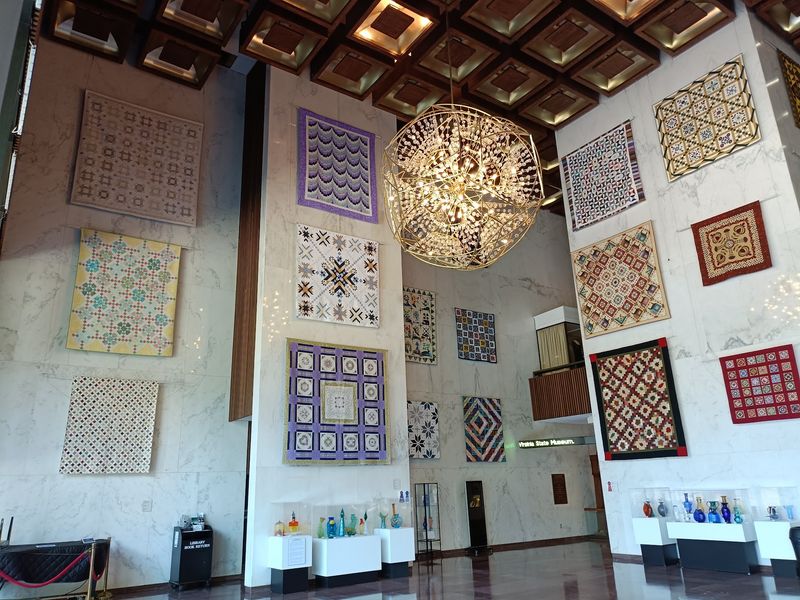
Quilts deserve their own mention. Handmade pieces have been displayed in the lobby, showing the patience and craftsmanship that generations of West Virginia families poured into everyday warmth.
Anyone who grew up with a quilting grandmother may feel that one in the heart. Those stitches hold a lot of winter evenings.
Big historical names show up too. The collection reportedly includes items connected to George Washington, Daniel Boone, and abolitionist John Brown, including shackles linked to him.
State employees’ artwork has also hung on the second floor. It’s a nice reminder that culture here isn’t only something from the past.
Exhibits can rotate, so specific pieces may change between visits. That’s part of the fun, since a return trip might reveal something you missed.
Theater, Archives, And A Building Full Of Culture
Think of the Culture Center as a cultural apartment building, with the museum as its most famous tenant. Several other state offices share the address.
The Division of Culture and History keeps its administration offices here. A State Theater also sits inside, along with the State Archives and History library.
That library is a big deal for genealogy fans. Anyone chasing family roots can pair a museum visit with research time in the same complex.
The West Virginia Commission on the Arts calls the building home too. So does the State Historic Preservation Office, which helps protect landmarks across the state.
All of that turns a single stop into a broader look at how the state cares for its heritage. Few free attractions offer that much under one roof.
The Culture Center has also been tied to the Vandalia Gathering, a celebration of traditional music and crafts held on the Capitol grounds. Check event calendars before planning around it.
Even on a quiet weekday, the building feels connected to living culture. History isn’t just stored here, it’s actively studied and shared.
An Oval Tribute Right Next Door
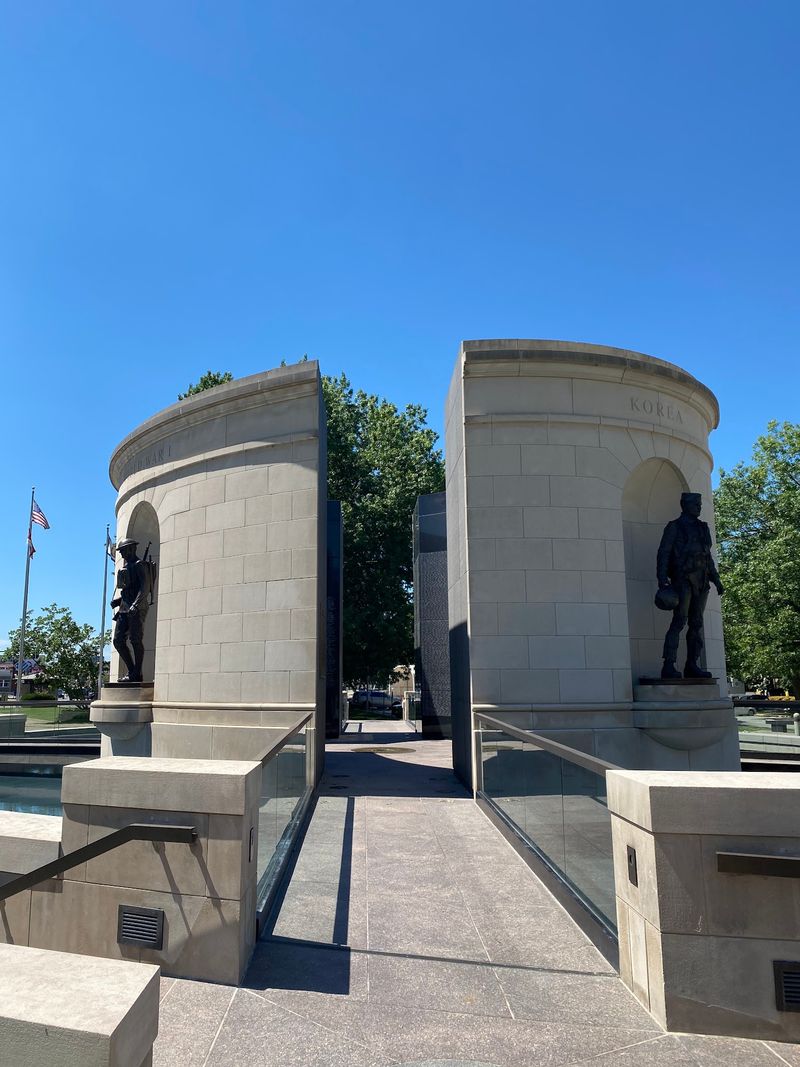
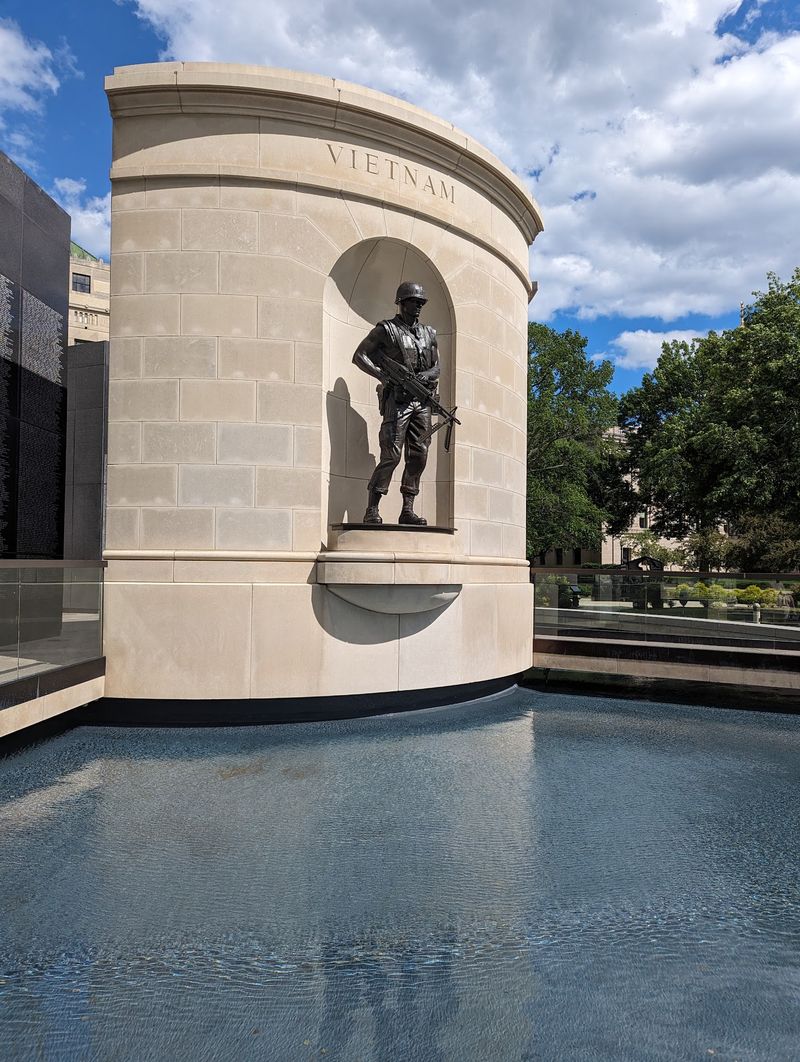
Right beside the museum stands the West Virginia Veterans Memorial. Its two-story oval form catches your eye the moment you step outside.
The memorial honors more than 10,000 West Virginians lost in twentieth-century conflicts. Names connect to service in both World conflicts, Korea, and Vietnam.
It was dedicated on November 11, 1995, which is Veterans Day. Architect P.
Joseph Mullins designed the structure.
Many families in West Virginia have a relative tied to that service. Finding a hometown name can make the history inside the museum feel suddenly very close.
Give yourself a few unhurried minutes here. The setting invites quiet reflection, a nice contrast to the busy galleries next door.
Pairing both stops makes sense for grandparents and grandkids alike. The museum explains the bigger story, and the memorial puts real names to it.
Bring a notebook or phone if you plan to look for a specific person. Having the full name ready saves time and makes the search more meaningful.
Statues That Map The State’s Complicated Birth
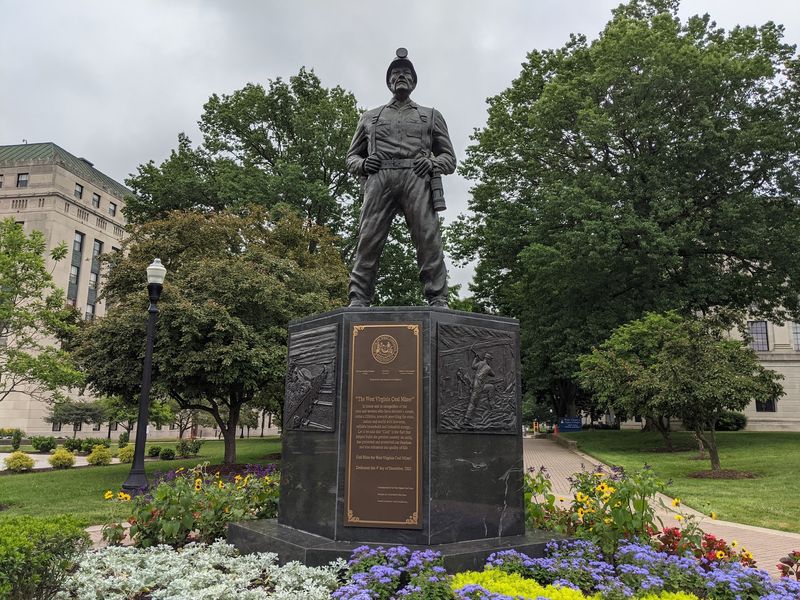
West Virginia exists because of a split during the 1860s, and the Capitol lawn tells that story in bronze and stone. A short walk reveals several chapters.
The Soldiers and Sailors Monument was commissioned in 1927. It honors the roughly 32,000 West Virginians who served with the Union.
A statue of Abraham Lincoln also stands on the grounds. Considering he signed the bill admitting the state, his presence feels especially fitting.
Visitors also find a Union soldier statue and a statue of Thomas Stonewall Jackson, first dedicated in 1910. Jackson was born in what is now West Virginia, which adds another layer.
Together, these figures show a state with divided loyalties at its founding. The museum’s galleries fill in the details, so seeing both helps the pieces click.
History lovers can easily spend half an hour circling the lawn. Reading each plaque adds context you won’t get from photos alone.
Comfortable shoes help here. The Capitol Complex covers a lot of ground, and the monuments are spread out rather than lined up in a row.
Honors For Women Veterans And Officers
Not every memorial on the grounds focuses on battlefields long ago. A few newer tributes widen the circle of who gets remembered.
The West Virginia Female Veterans statue was unveiled on November 11, 2011. It recognizes the service and sacrifices of women who wore the uniform.
That one tends to hit home for families with mothers, aunts, or daughters in the service. Their stories often get overlooked, so seeing them honored in bronze matters.
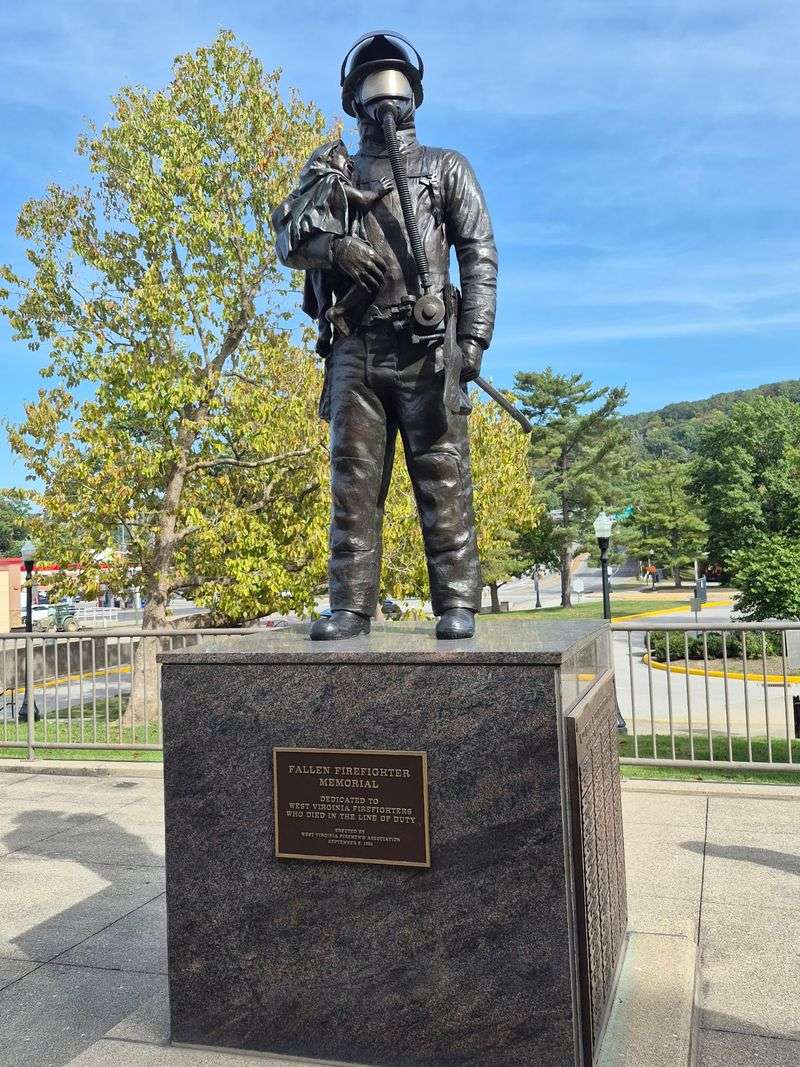
The Fallen Partner memorial was dedicated in May 1990. It pays tribute to West Virginia law enforcement officers lost in the line of duty.
Plans have also been underway for another monument honoring servicemembers lost in Iraq, Afghanistan, and related conflicts. Remembrance here keeps growing alongside the state’s history.
Each tribute adds a different voice to the lawn. Walking from one to the next feels like reading a book with many authors.
These spots make a peaceful finish after a long museum session. Fresh air and quiet benches give everyone a chance to talk over what they just learned.
The Side Door Secret And Other Handy Tips
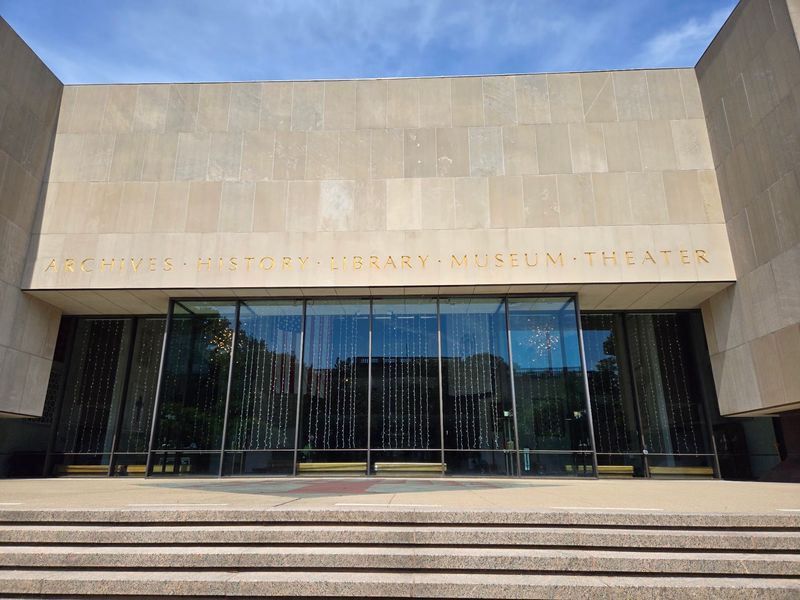
First tip, and it’s a good one. The museum entrance sits on the side of the building facing the Capitol, not the streets or parking lots.
The official address is Building 9, 1900 Kanawha Blvd E #435, Charleston, WV 25305. Plug that into your map, then head toward the Capitol side once you arrive.
Hours run Monday through Saturday, from 9 a.m. to 5 p.m. The museum closes on Sundays and major holidays.
Parking is shared with the Capitol buildings, with metered and app-pay spaces. Free parking has reportedly been available on Saturdays in the complex lots, but confirm before relying on it.
Accessibility looks thoughtful. There’s an elevator, open rooms suited to scooters and wheelchairs, and accessible restrooms, including a single-room family restroom on the first floor.
A small cafe has offered prepackaged sandwiches, snacks, and coffee. A gift shop carries educational toys and West Virginia souvenirs, though it may close occasionally for renovations.
Arriving early can mean quieter galleries. It also leaves time to tour the Capitol rotunda afterward and turn the outing into a full day.
Why This Belongs On Your Next Charleston Day
Free things usually come with a catch. Honestly, I can’t find one here, unless running out of time counts.
The West Virginia State Museum delivers millions of years of story in a single walkable path. Add the memorials outside, and the Capitol grounds become an open-air history lesson.
It suits retirees who love details and parents who want a meaningful outing without spending a dime. Teenagers might even put their phones down, which is practically a miracle.
Rainy days and hot afternoons are perfect excuses to go. Then again, a sunny morning on the lawn has its own appeal.
Plan at least two hours for the museum. Budget more if you want the monuments, the rotunda, or a slow lunch break between eras.
For West Virginians, the visit can feel like flipping through a family album. For newcomers, it’s a crash course in what makes the Mountain State tick.
Either way, you’ll leave knowing more than when you arrived. And with admission still free, the only real question is which day you’ll pick to go back.
