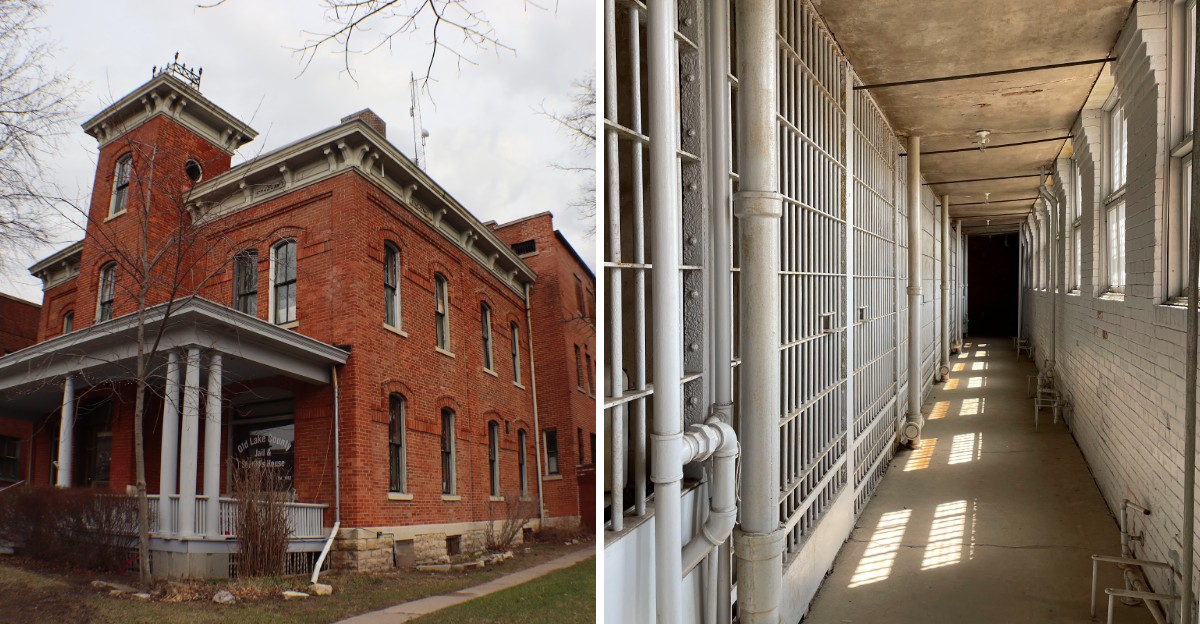
A gangster supposedly broke out of an escape-proof jail using a gun he carved from wood. Then he drove away in the sheriff’s own brand-new Ford.
That wild story happened in Indiana in 1934, and the building still stands today. The sheriff had even posed for photos with him shortly before, which made the whole thing extra awkward.
Now you can stand in the same cell block and trace the rumored escape route yourself. Volunteers have spent years restoring the old rooms, and ghost hunters show up after dark with gadgets and high hopes.
I can’t imagine being the jailer who fell for a fake gun. I like to think I would have spotted it, but who knows?
Maybe that hallway was darker than we realize.
The Sheriff Had Every Reason To Stay Mad
Sheriff Lillian Holley had a rough week in early 1934. She had posed for photos with Dillinger when he arrived, and then he left in her car.
Not just any car, either. It was her brand-new Ford V-8 Tudor, and he drove it right out of town.
That getaway carried bigger consequences than embarrassment. Driving a stolen car across state lines brought federal authorities into the chase.
The case helped turn Dillinger into a national target. His run ended in Chicago later that same year, but the Crown Point chapter stayed famous.
Holley’s frustration became part of the legend too. She reportedly stayed furious about the escape for the rest of her life.
I can’t blame her one bit. Your proudest new purchase became the getaway car in a story people still tell nearly a century later.
Her role adds a very human side to the visit. A woman leading the county sheriff’s office in the 1930s makes her story worth hearing on its own.
Keep her in mind as you tour the house where Lake County sheriffs once lived. The building tells her side of the story as much as his.
Escape-Proof Turned Out To Be A Pretty Bold Promise
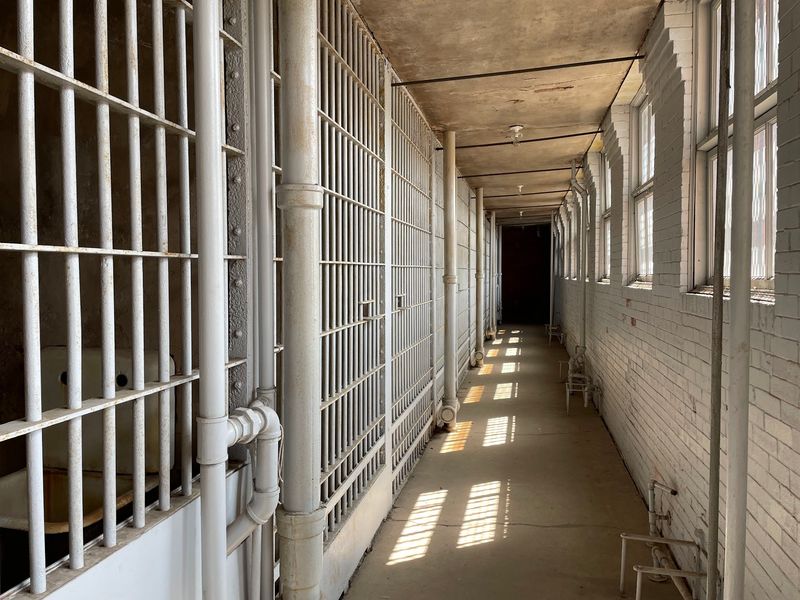
March 3, 1934, gave one Indiana jail a reputation it still carries today. John Dillinger, the most famous bank robber of his era, walked out of a building many called escape-proof.
The Old Lake County Jail, officially the Lake County Sheriff’s House and Jail, held him while he waited for trial. He had been brought in from Tucson, Arizona, over an East Chicago bank robbery.
That case involved the shooting of Detective William O’Malley, so security was supposed to be tight. Officials felt confident the jail could hold anyone, even a celebrity outlaw.
Accounts differ on exactly how he pulled it off. The popular legend says he carved a fake gun from wood or a washboard piece and used it to bluff the guards.
He did not leave alone, either. Fellow inmate Herbert Youngblood joined him, and the pair took hostages on their way out.
Stories like this usually grow bigger with every retelling. Here, the basic facts are wild enough without any extra help.
Knowing the story before you visit makes every hallway feel more exciting. You’ll start studying doors and locks like a detective solving a very old puzzle.
That Mansard Roof Is Doing A Lot Of Heavy Lifting
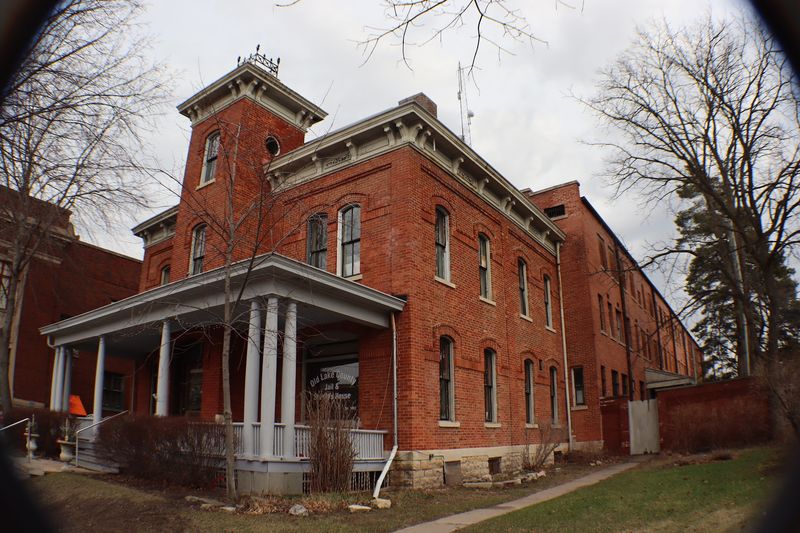
Fancy is not the word most people expect for a jail. Yet the front of this place looks more like a stately home than a lockup.
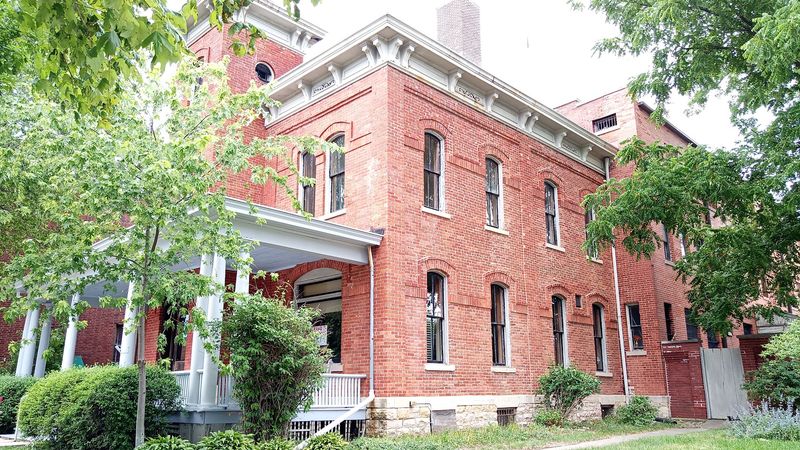
The building is a two-story brick structure in the Second Empire style. A three-story tower projects from the front and draws your eye straight up.
Then there’s that mansard roof, with its steep sides and classic shape. It’s the only Second Empire house with a mansard roof in all of Crown Point.
Around 1890, builders added a one-story porch with a flat roof. Tuscan order columns hold it up and give the entrance a polished, welcoming feel.
The building sits within the Crown Point Courthouse Square Historic District. That means it shares the neighborhood with other historic structures worth a look.
Take a minute outside before your tour starts. Snap a photo of the tower from across the street to capture the full shape.
The contrast between the pretty exterior and the cell blocks behind it is part of the fun. One side says dinner party, while the other says lockdown.
Architecture fans can spend a while studying the brickwork and trim. Everyone else will at least appreciate a very photogenic jail.
The Sheriff Lived Right Next Door To The Inmates
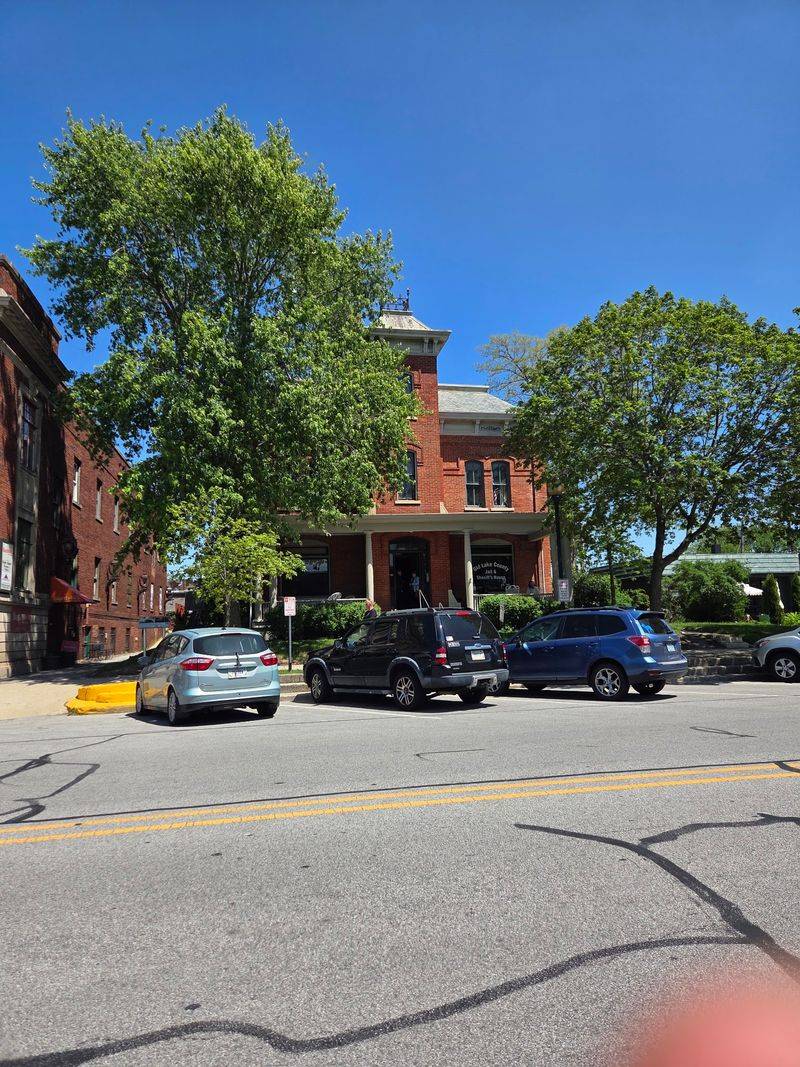
Talk about bringing work home. When the building opened in 1882, the front portion served as the sheriff’s own residence.
It was the first permanent structure of its kind in Crown Point, Indiana. The original jail section was surprisingly small, with only ten cells.
Six of those cells held men, and four held women. Compared to what came later, that early setup sounds almost cozy.
Living steps away from a cell block must have shaped daily family life. I suspect quiet evenings were hard to come by.
Restoration work has opened up more of the house over the years. Visitors can now explore the second floor of the Sheriff’s House too.
Moving through the home side gives you a clear sense of scale. You see where a family lived, then turn toward the cells.
I like how the house keeps the story grounded. It reminds you that real people lived and worked here, not just famous outlaws.
Pay attention to how the rooms connect. The layout explains a lot about how a sheriff kept an eye on everything at once.
Ten Cells Grew Into More Than 150
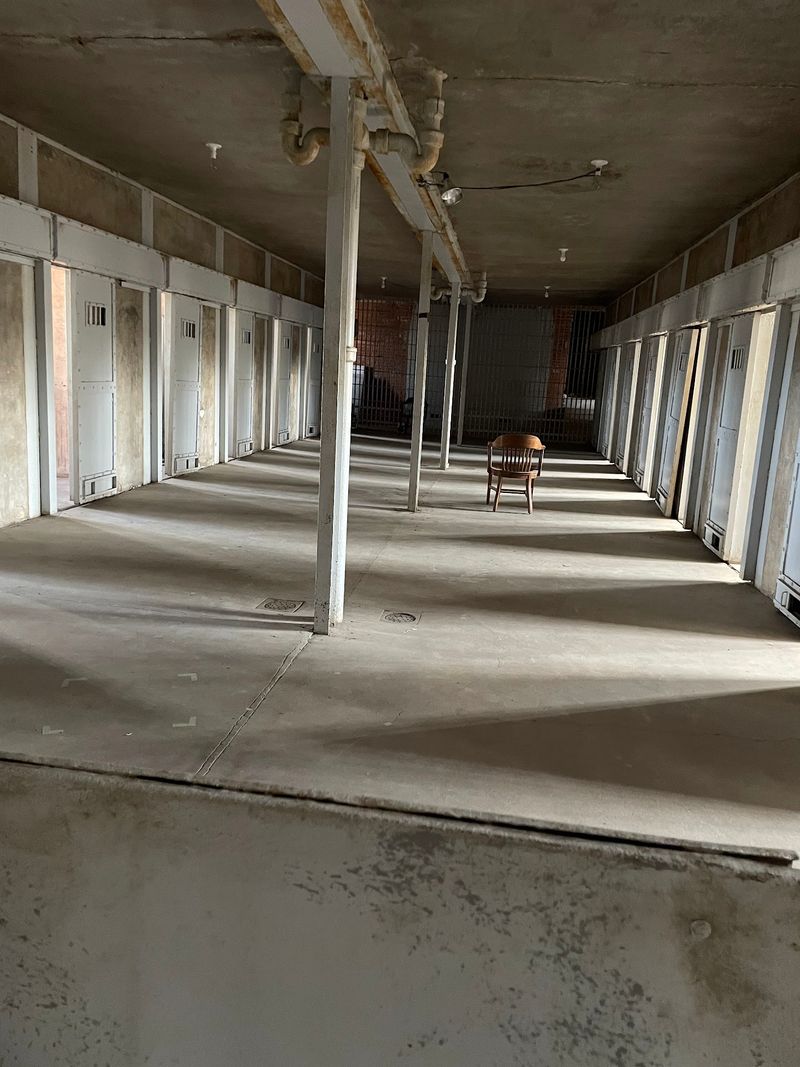
Growth spurts are normal for kids, not usually for jails. This one kept expanding as Lake County grew around it.
Builders added new sections in 1908 and again in the late 1920s. By the end, the jail held more than 150 cells.
It served as the main jail for all of Lake County. That’s a big job for a building that started with just ten cells.
Even the expansions could not keep up. Reports from 1966 described 55 men packed into a cell block built for far fewer.
Numbers like that help explain why the county eventually needed a new facility. The old building simply ran out of room.
Size is one of the biggest surprises here. The cell blocks stretch much farther back than the tidy front suggests.
As you move through the different sections, notice how they fit together. Each addition was built to answer a crowding problem of its own time.
The day room, also called the bullpen, shows how inmates shared space. Standing inside makes those old crowding reports feel very real.
Comfortable shoes are a smart choice for exploring. A building this large means plenty of steps, and you’ll want to see every corner.
Volunteers Rescued It From Years Of Silence
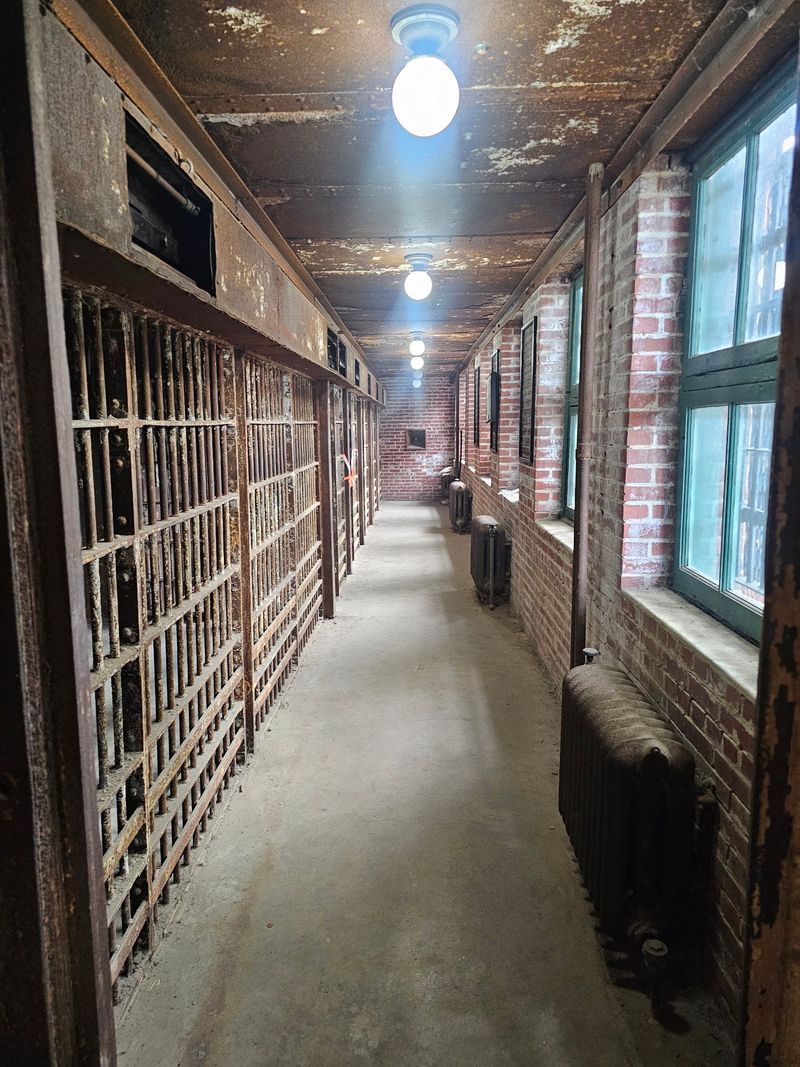
After 1974, the cells went quiet. That year, Lake County opened a new government center and correctional facility, and the old jail closed.
The building then sat empty until 1987. Plenty of historic places vanish during gaps like that, so its survival feels like a small miracle.
Hope arrived with the Old Sheriff’s House Foundation, Inc. The group formed to support restoration and still maintains the site today.
In 1989, the Lake County Sheriff’s House and Jail earned a spot on the National Register of Historic Places. That recognition helped secure its place in Indiana history.
You’ll find it at 226 S Main St, Crown Point, IN 46307, right in the historic downtown. The location makes it easy to pair with a stroll around the square.
Restoration is an ongoing effort, and visitor support helps keep it moving. Tickets and donations contribute to the care of the old building.
I believe places like this survive because ordinary people refuse to let them go. That makes a visit feel like joining a long community project.
Look for signs of the work as you tour. Restored rooms sit alongside jail spaces that remain largely original.
Stand Where The Most Famous Inmate Once Waited
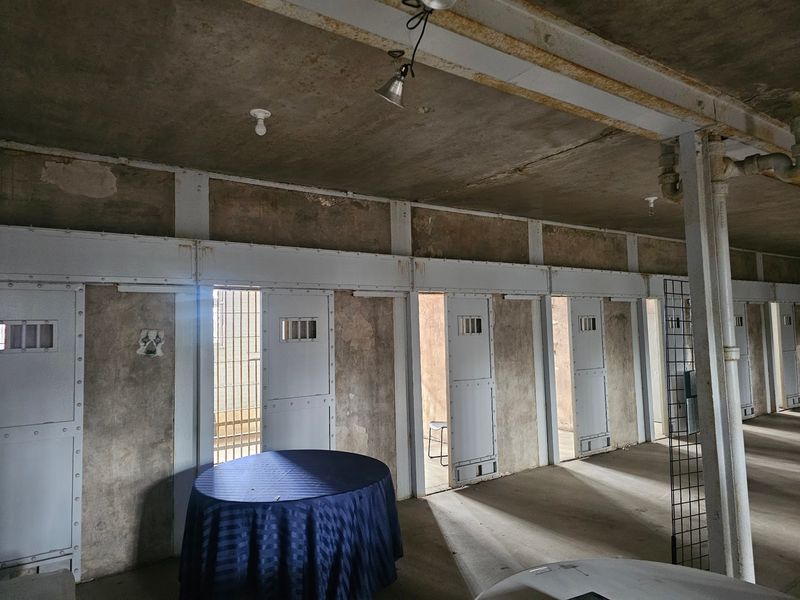
Got a question ready for your tour guide? Asking which cell held Dillinger is a great place to start.
Daytime historical tours lead visitors through the restored residence and the jail itself. Highlights include John Dillinger’s cell and the general population day room.
The rumored escape route is another stop that sparks plenty of conversation. Following it lets you think through the legend step by step.
Guides explain how the jail worked when it was still in use. Since much of the cell area remains original, the details are easy to follow.
Twilight and night tours offer a longer, moodier option. They’re a good pick if you want more time inside after the sun goes down.
Planning ahead is smart, since reservations are recommended. Check the schedule before you go so you don’t end up staring at a locked door.
History buffs and true crime fans can both find plenty to enjoy. School groups have visited too, which says a lot about its teaching value.
Bring questions, because the history here runs deep. The more you ask, the more stories seem to come out.
Ghost Hunters Bring Their Gadgets After Dark
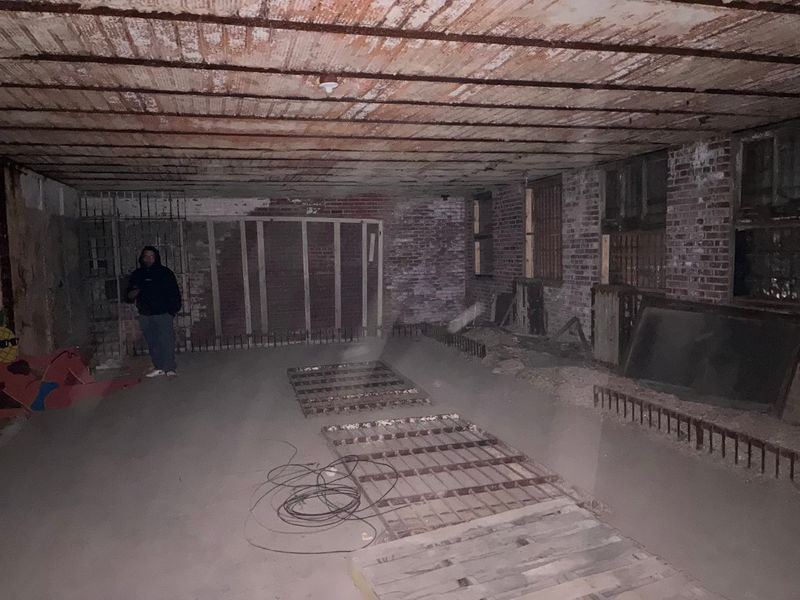
Some visitors come for history, and others come hoping something taps them on the shoulder. The jail hosts paranormal investigations for people curious about unexplained activity.
A long history of crowded cells and famous inmates makes it a natural draw for ghost hunters. Whether you believe or not, the setting delivers plenty of atmosphere.
These events take place during evening hours, when the building feels very different. Long hallways and empty cells take on a new mood without daylight.
Paranormal fans often bring their own tools, like recorders or spirit box apps. Even skeptics might enjoy watching the process unfold.
Expect lots of stairs and plan your clothing for the season. A historic jail was not built for modern comfort, so dress in layers.
Spring and fall are good times to consider an investigation. Milder temperatures make long hours inside more pleasant.
I like that the site lets curiosity lead. You can come for the legends and leave with your own opinion.
Check event dates early, since investigations don’t run every night. Then bring a friend who startles easily for the best story on the ride home.
Hollywood And Halloween Both Found Their Way Here
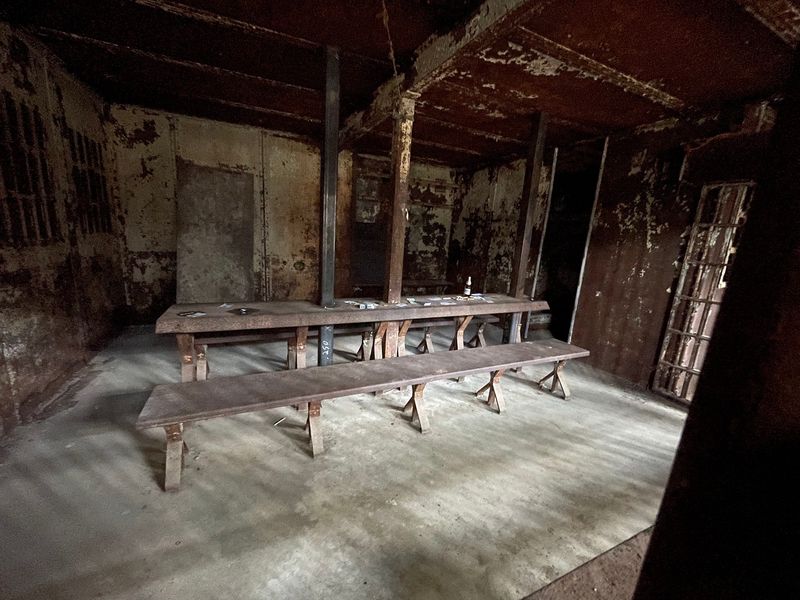
Johnny Depp’s Dillinger needed a real jail, and filmmakers knew exactly where to look. The building served as a set for the 2009 movie Public Enemies.
Seeing the actual site after watching the film is a treat. It’s rare to tour the same spot where both the real story and the movie version unfolded.
Each year, the jail also hosts a haunted house event called Criminally Insane. That title alone tells you it isn’t aiming for gentle giggles.
Special events add even more reasons to return. The site has hosted historical walking tours of Crown Point and a Dillinger Slept Here event.
Downtown sits right outside the door, so you can easily stretch your visit. The Courthouse Square area makes a pleasant walk before or after a tour.
Indiana has plenty of historic buildings, but few mix gangsters, Hollywood, and ghost stories this well. That blend makes the Old Lake County Jail stand out.
Watch the movie before you go if you have time. Then try spotting familiar corners as you explore.
You might leave with a new favorite history lesson. Just don’t try carving anything out of wood on the way home.
