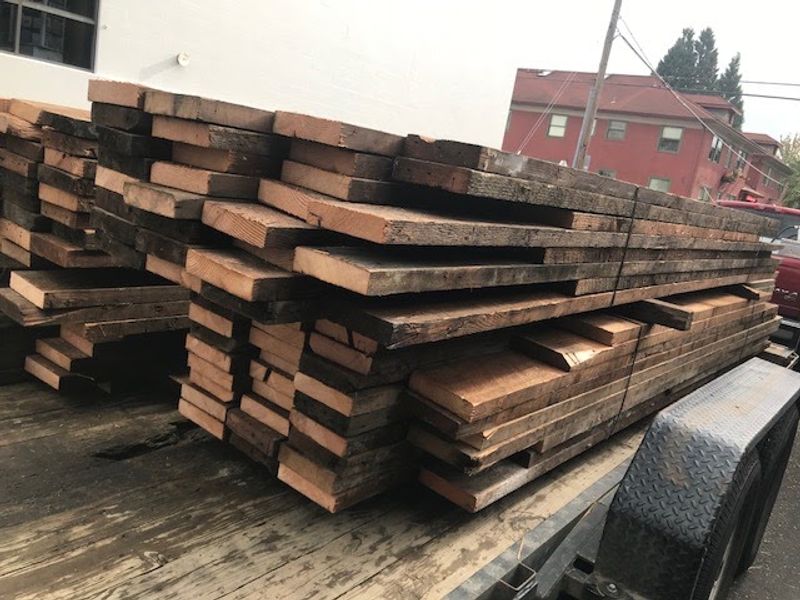
Some of the lumber stacked in this warehouse came from barns, mills, and gyms built 80 to 150 years ago. That wood can pack 15 to 30 growth rings into a single inch.
Modern plantation lumber usually manages only 4 to 8. I find it easy to appreciate wood that old still having a second life ahead of it.
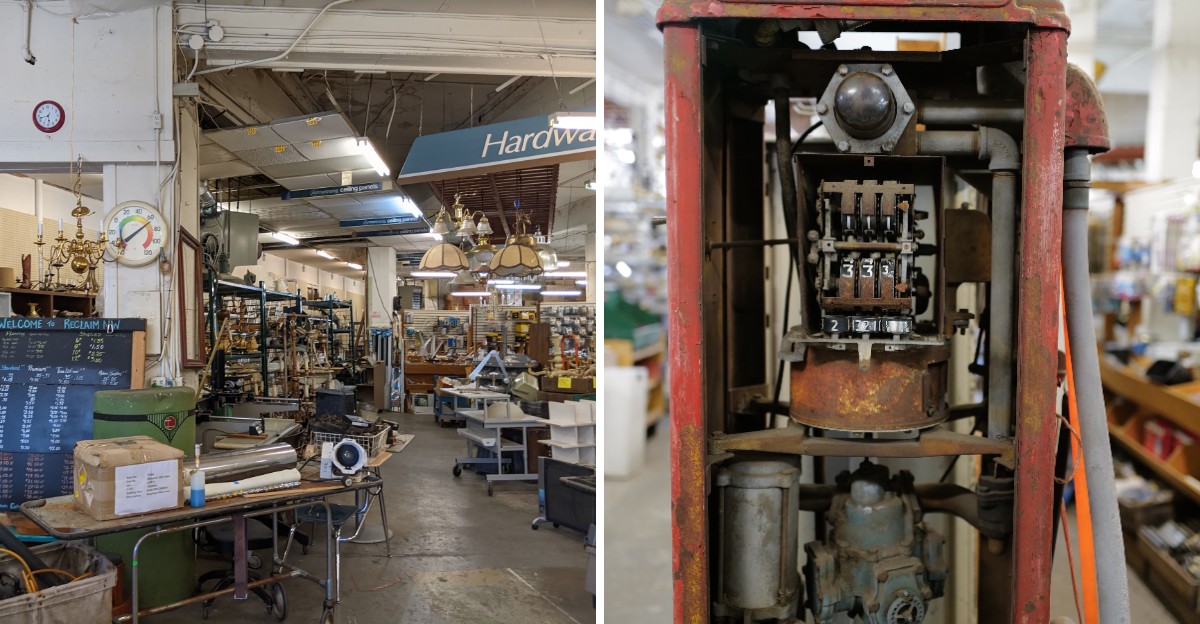
The whole place covers nearly 50,000 square feet of warehouse and yard in Oregon. Doors, windows, lighting, hardware, and odd vintage pieces fill the space alongside all that timber.
Nearly 50,000 Square Feet Means You Should Clear Your Afternoon
Reclaim NW is the kind of place where a quick errand rarely stays quick. The warehouse and yard together stretch across nearly 50,000 square feet.
That is a lot of ground to cover on foot. Comfortable shoes are a smart call, and so is a little patience.
The business works as a true architectural salvage yard in Portland, Oregon. Instead of glossy displays, you get rows of real building materials pulled from real structures.
Lumber, doors, windows, lighting, plumbing, and hardware all share the space. Kitchen components, lockers, flooring, and wall cladding show up too.
Because inventory comes from deconstruction work, it keeps changing. What you see one week may be gone the next, and something new may take its place.
The shop actually encourages people to come in person and explore. Photos online can only tell you so much about a stack of old fir.
A good plan is to arrive with a list and a few measurements. Then leave some room for surprises, because salvage yards love throwing curveballs.
Bring a tape measure, a phone camera, and maybe a friend. You’ll want a second opinion when that perfect old door appears out of nowhere.
Old-Growth Lumber With More Rings Than You Can Count
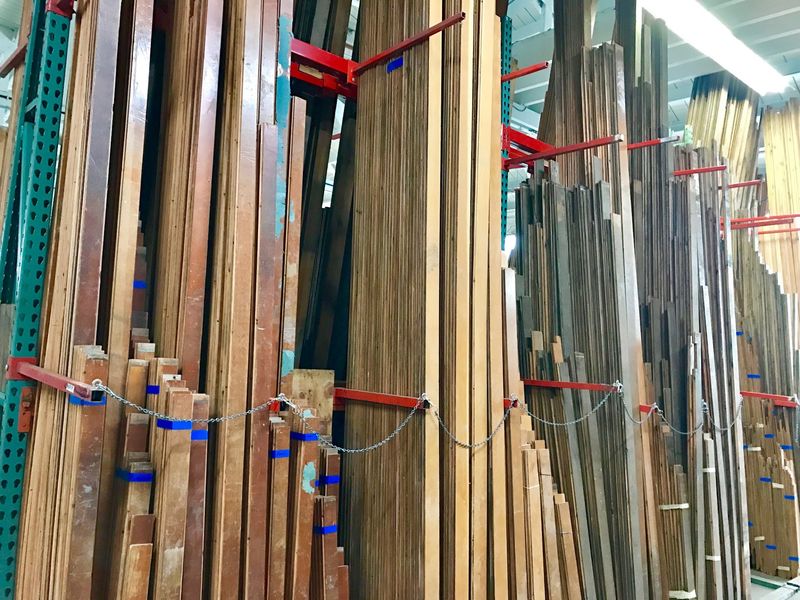
Fifteen to thirty growth rings per inch. That number explains why builders get excited about the reclaimed wood here.
Modern plantation-grown softwoods usually show only 4 to 8 rings per inch. Trees back then grew slowly in old forests, so the wood turned out dense and strong.
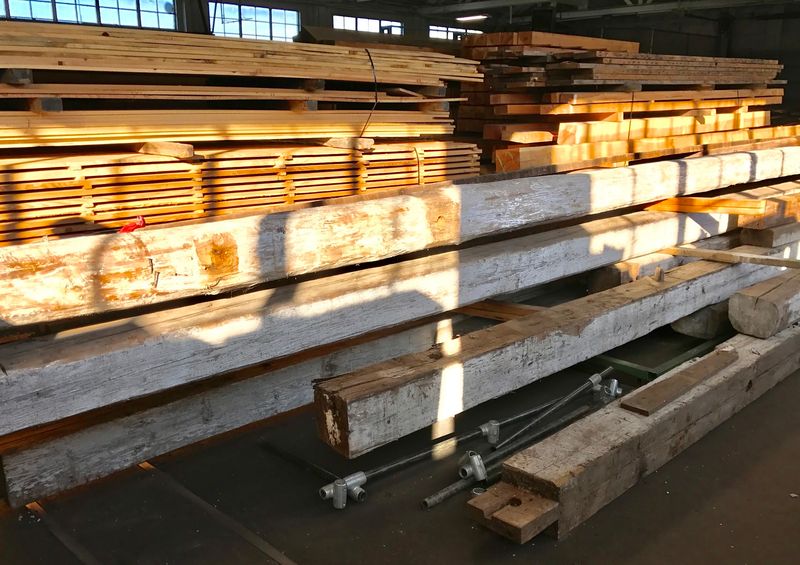
Reclaim NW carries reclaimed lumber salvaged from older buildings and structures. Think barns, factories, warehouses, mills, schools, gymnasiums, and demolished homes.
Each of those buildings gave up beams and boards that already survived a century of use. That’s a pretty solid resume for a piece of wood.
Dense old-growth lumber holds nails better and resists warping. It also helps dampen sound and carries a richer look than most new boards.
Common species include Douglas Fir, White Oak, Heart Pine, and Ponderosa Pine. Each one brings its own color and grain to a project.
A dining table, a mantel, or a set of floating shelves can all benefit. So can a full floor if you’ve got big plans.
Here’s a tip worth remembering. Ask what building a stack came from, because the backstory makes a finished piece far more fun to show off.
The Wood Gets A Serious Spa Treatment Before Sale
Old barn wood sounds charming until you hit a buried nail with a saw blade. That’s why the prep work here matters so much.
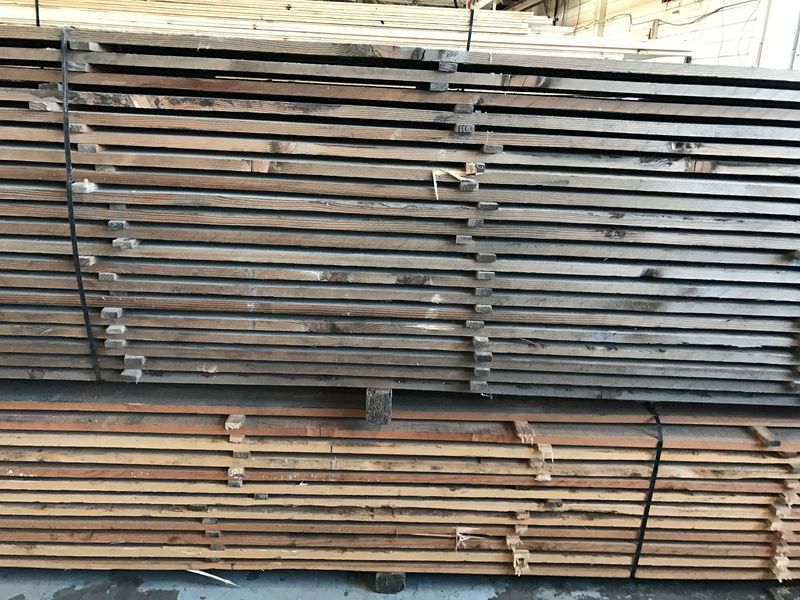
Reclaim NW sells reclaimed lumber that buyers should inspect carefully before using in their projects. Workers de-nail it using hand tools and industrial metal detectors.
Those detectors help catch hidden bits of metal that eyes would miss. Your tools will thank you later.
Next comes the kiln. Buyers should ask the staff about moisture levels and any drying treatments used on the reclaimed lumber.
Proper kiln drying can help control insects and reduce moisture, but it does not guarantee that all mold has been removed. It also helps the boards stay stable instead of shrinking or twisting once they’re inside your home.
Buyers should check whether reclaimed lumber has been graded for structural use before choosing it for a building project. Some boards suit heavy-duty building, while others shine as decorative accents.
Knowing this saves you guesswork as a buyer. You can focus on picking the color and character you love.
It also makes reclaimed wood friendlier for first-time DIYers. Building a bookshelf feels less scary when the hidden hazards are already handled.
Ask the staff about grading if you’re unsure what fits your project. A quick question now can prevent a wobbly result down the road.
A Wall Of Doors Waiting For A New Address
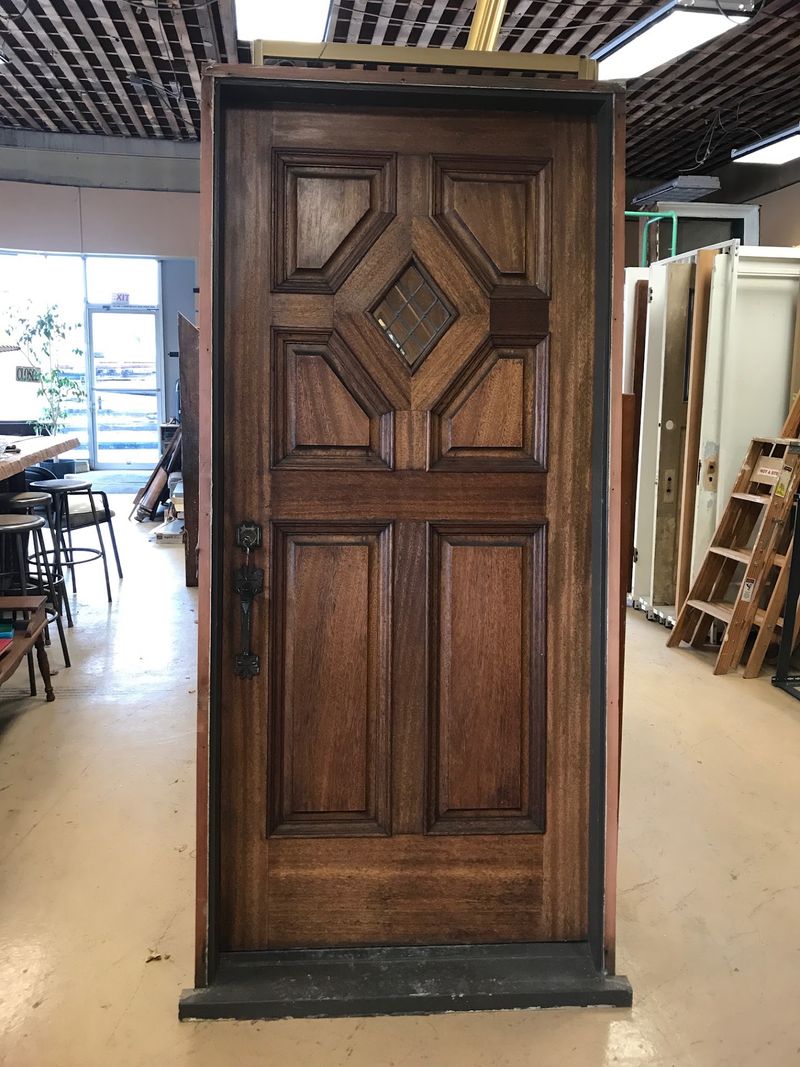
Every old door has opened for somebody before. At this salvage yard, plenty of them are lined up and ready to do it again.
Doors are one of the core categories at Reclaim NW. Windows sit nearby, which makes it easy to plan matching pieces for an older house.
Owners of vintage homes know the struggle. Big box stores rarely carry doors that fit odd sizes or match century-old trim.
Salvaged doors solve that problem in a satisfying way. They often bring solid wood and craftsmanship that’s hard to find new.
Not every door has to hang in a frame, either. People turn them into headboards, tables, and room dividers.
Old windows can become wall art, greenhouse panels, or picture frames. A little imagination goes a long way here.
Measure your openings before you go, and write the numbers down. Check height, width, and thickness, since older doors don’t always follow modern standards.
Also look closely at hinges and knob holes. Those details tell you how much work a door will need before it’s ready.
Shiplap, wall cladding, and flooring round out the options. You could practically rebuild a room from this section alone.
Lights, Knobs, And The Tiny Parts Nobody Else Stocks
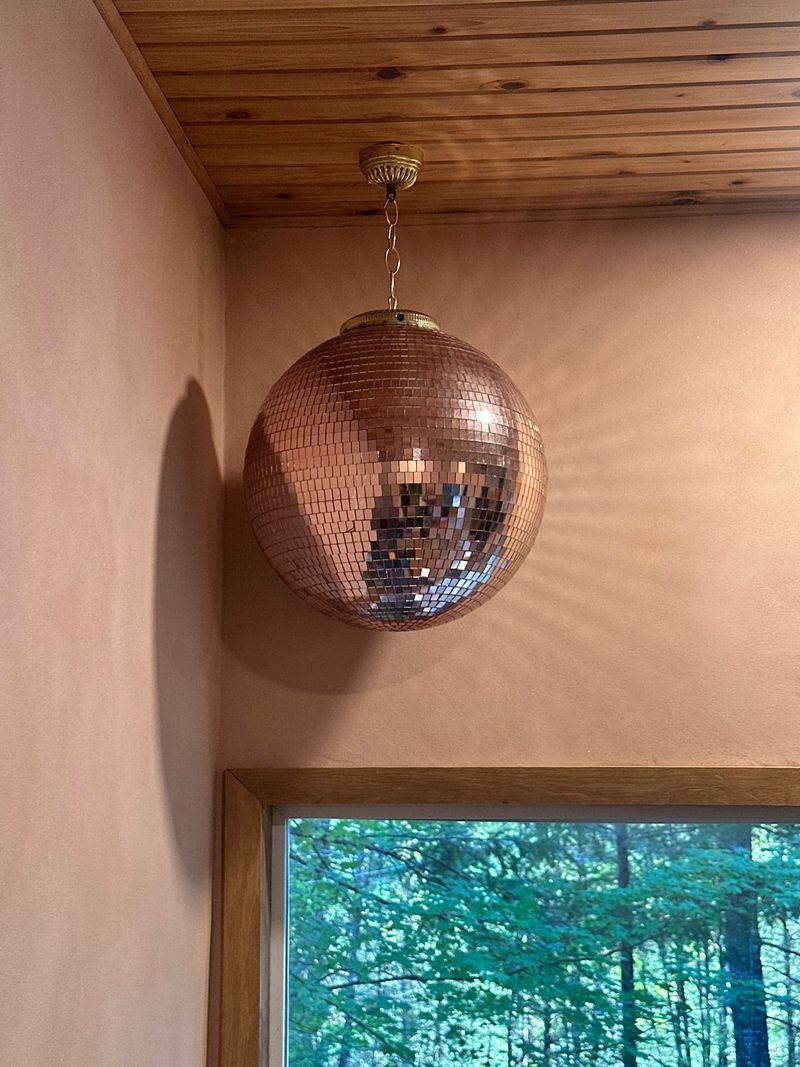
Sometimes the smallest piece is the hardest to find. A single matching hinge can stall a whole renovation.
Reclaim NW carries lighting, hardware, and plumbing alongside its bigger items. This is where restoration projects often get rescued.
Vintage light fixtures can give a room instant personality. An old pendant or sconce adds charm that a new fixture usually can’t copy.
Hardware bins are worth slow browsing. Knobs, pulls, latches, and hinges all turn up in salvage stock.
Plumbing parts matter too, especially in older homes. Matching an original fixture can save you from replacing far more than you planned.
The shop also carries surplus lumber and kitchen components. That mix means one trip can cover several items on your list.
Bring the old part with you if you can. Holding it side by side with a possible match beats guessing from memory every time.
Photos of your space help as well. Staff can picture the job better when they see what you’re working with.
And yes, a lamp might sneak into your cart. That’s just part of the deal at a place like this.
Rare Finds Keep Things Weird In The Best Way
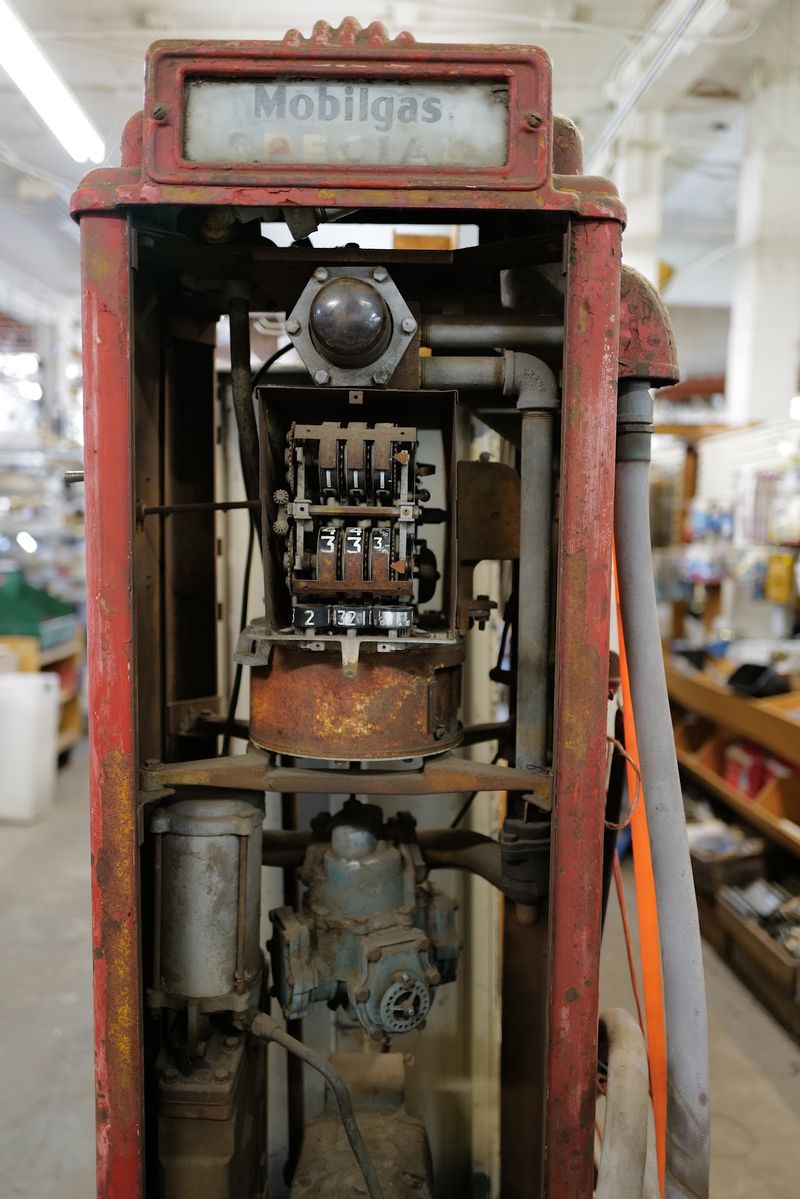
Not everything here fits neatly into a category. That’s exactly why the rare finds section is so much fun.
Reclaim NW lists rare finds as part of its inventory. These are the pieces that add character you can’t order from a catalog.
Old lockers are one example of the unexpected stock. They can become mudroom storage, garage cubbies, or a bold bedroom accent.
Since salvage arrives from many different buildings, the mix never stays the same. Industrial parts may share space with homey vintage pieces.
This is where creative people tend to slow down. Artists, crafters, and furniture makers all find raw material in odd places.
A strange metal bracket could become a shelf support. A worn cabinet piece might turn into a planter box.
The best approach is simple. Walk the aisles twice, because the second pass often reveals what you missed.
Try thinking about shape and texture instead of original purpose. Salvage rewards people who ask what something could be.
Be ready to decide fast if you love something. One-of-a-kind items don’t wait around, and regret over a missed find stings for weeks.
Got Old Materials? They Might Turn Into Store Credit
Your garage pile of leftover boards might be worth more than clutter. Reclaim NW accepts materials for partial trade credit.
That turns the shop into a two-way street. You can bring in usable materials and put the credit toward something you need.
It’s a smart system for anyone finishing a remodel. Extra doors, fixtures, or lumber can head back into circulation instead of a landfill.
The arrangement fits the whole spirit of salvage. Materials keep moving from one project to the next.
For larger jobs, the business is associated with NW Deconstruction Specialists. Deconstruction means taking a building apart carefully so parts can be reused.
That approach differs from regular demolition, which often just smashes everything. Careful removal saves wood, hardware, and fixtures for another life.
Before hauling anything over, call ahead about what they accept. Not every item will qualify, and checking first saves you a wasted trip.
Clean, intact pieces have the best chance. Pull obvious nails when you can, and keep matching parts together.
Think of it like a library for building materials. Things go out, things come in, and Oregon projects keep getting new character.
Real Salvage Yard Energy Without The Museum Vibe
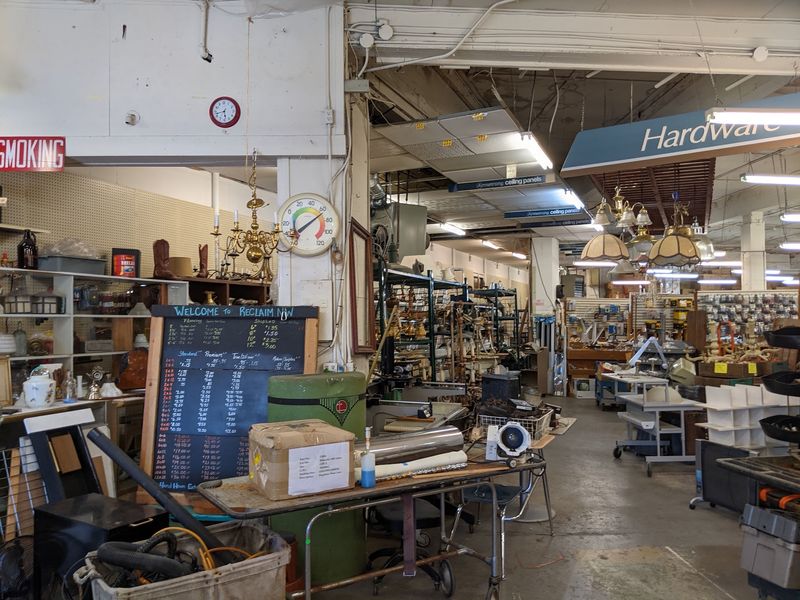
Portland has fancy architectural salvage shops where everything sits under perfect lighting. Reclaim NW leans the other way, with a hands-on salvage yard feel.
That difference matters for your wallet. Local discussion often points to lower prices here than at more museum-like salvage stores.
The atmosphere feels practical and real. Materials are here to be used, not just admired from a distance.
That makes it friendly for regular homeowners and small builders alike. You don’t need a designer budget to shop here.
Some prep makes a visit smoother. Wear clothes that can handle a little dust, and closed-toe shoes are a wise choice.
Bring gloves if you plan to dig through lumber. Old boards can have rough edges even after careful processing.
A vehicle with room helps too. Long beams and full-size doors don’t fit well in a small hatchback.
Staff can assist with your questions as you shop. Don’t be shy about asking where something lives in the warehouse.
Honestly, the slightly rugged setting is part of the fun. It feels like a treasure hunt, and that’s hard to recreate in a polished store.
Plan Your Foster Road Trip Around These Hours
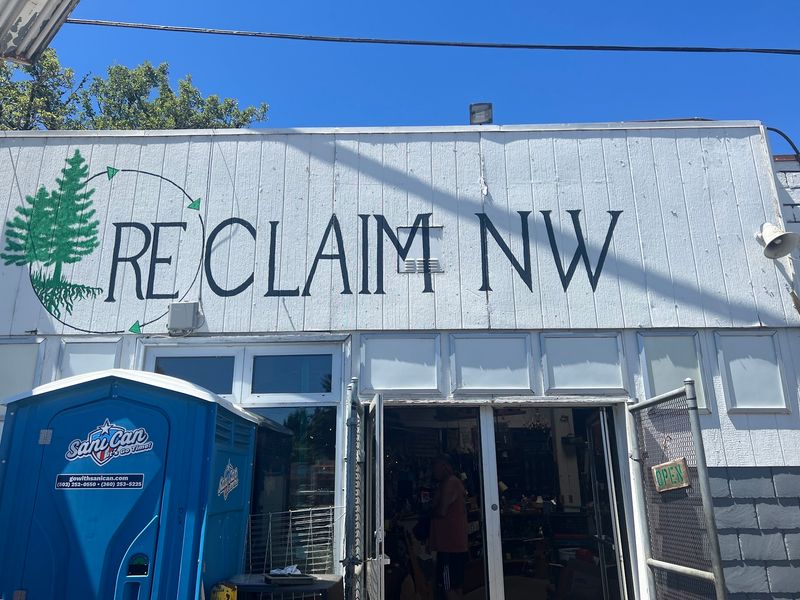
Mondays are off the table. That’s the first thing to remember before planning a visit.
You’ll find Reclaim NW at 7639 SE Foster Rd, Portland, OR 97206. It sits in southeast Portland, along a busy stretch of Foster Road.
Tuesday through Friday, the doors open at 8:30 AM and close at 5 PM. That early start is great for contractors and anyone tackling a weekday project.
Saturday hours run from 10 AM to 5 PM. Sunday opens a little later at 11 AM, also closing at 5 PM.
Weekend trips work well for casual browsing. Weekday mornings suit people who want to grab supplies and get straight to work.
Give yourself at least an hour, especially on a first visit. The space is big, and rushing is the fastest way to miss something great.
Pack a list, measurements, and maybe a snack for the drive home. Your brain will be buzzing with project ideas.
Oregon has plenty of spots for vintage lovers. Still, few combine century-old lumber, quirky finds, and trade credit under one huge roof quite like this one.
