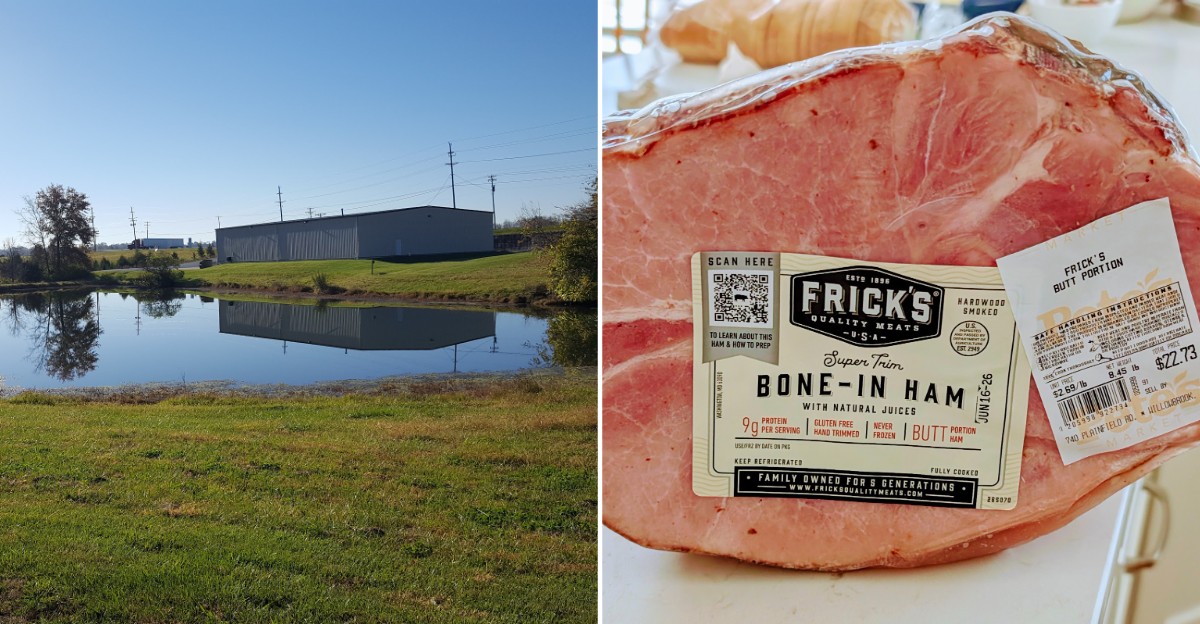
Five generations later, the smokehouse is still doing its thing. This Missouri meat company started with a small butcher shop in 1896 and grew into a family business known for hams, sausages, and other smoked meats.
The operation is much bigger now, but the focus on slow cooking and hardwood smoke has stuck around. Hams are cured, cooked low and slow, and made with the kind of process that clearly takes more patience than a quick production line.
The company now ships products across most of the country, yet it is still headquartered where the family story began. That long run gives this Missouri business a nice mix of old-school tradition and modern scale.
The Butcher Shop That Started Everything
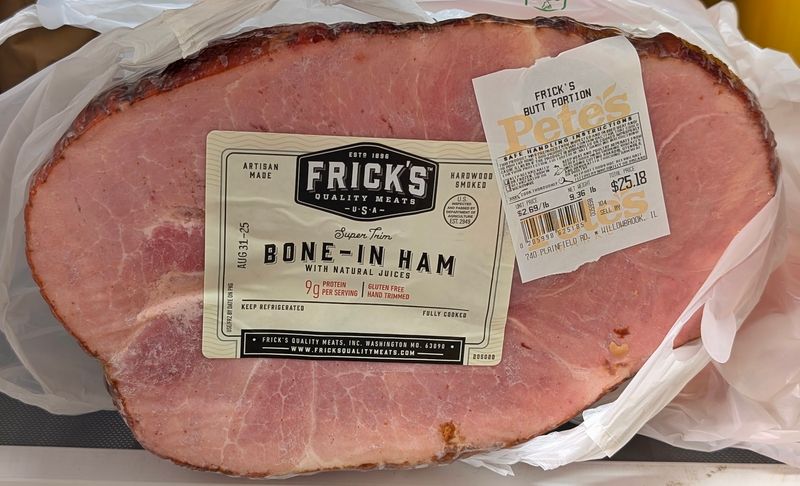
Picture a small butcher shop in a Missouri river town, the kind of place where the butcher knew every family in the neighborhood by name and probably knew what they were having for dinner too. That is where Frick’s began, when Edward Frick set up shop in Washington and started cutting and curing meat for local folks.
Nothing about that beginning suggested the business would still be running generations later, let alone shipping product nationwide. But butcher shops that do good work tend to build loyalty, and loyalty is a surprisingly durable thing in a small town.
The family kept the operation going through wars, recessions, changing eating habits, and the rise of massive national meat brands, which is honestly the part that impresses me most. Plenty of family food businesses sell out or fade away, and this one simply did not.
What I like about knowing the origin story is that it changes how the product feels when you see it in a grocery cooler. You are not looking at a faceless label, you are looking at something that traces back to one guy with a knife and an apron.
History like that does not get manufactured later, it either happened or it did not.
Where To Find The Operation In Washington
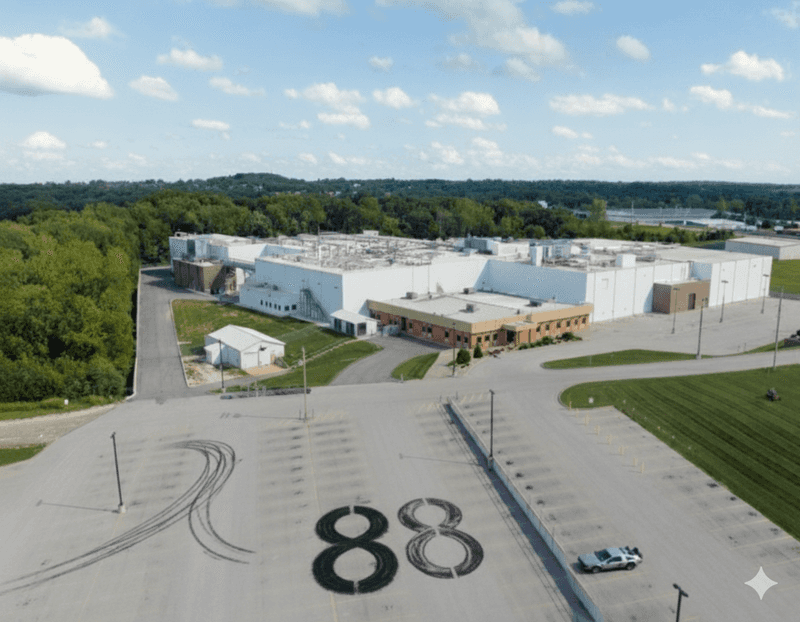
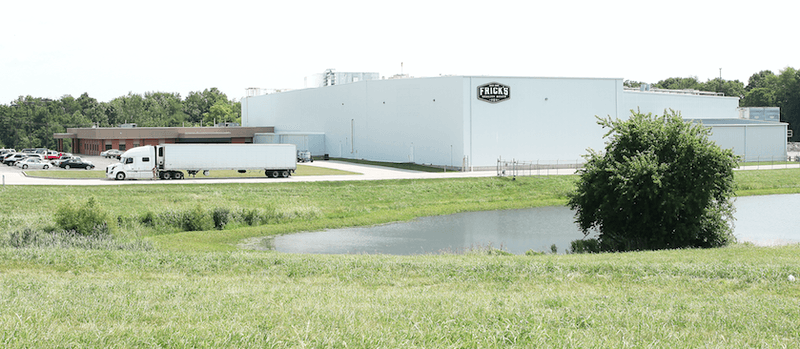
If you are curious where all this actually happens, the company sits at 360 M. E.
Frick Dr, Washington, MO 63090, on a road that literally carries the family name. That detail alone tells you how woven into the town this business is.
Washington itself is a Missouri river town about an hour west of St. Louis, full of brick buildings, a walkable downtown, and the kind of riverfront that makes for a genuinely nice afternoon. People come through for the shops and the scenery, and the meat company hums along on the edge of it all.
Now, I want to be straight with you about expectations, because this is a production facility rather than a tourist attraction with a gift shop and a tasting counter. You are looking at an industrial-scale plant, not a roadside smokehouse with picnic tables out front.
Still, there is something satisfying about driving past and realizing the ham in your kitchen came from that building. If you are already exploring this part of Missouri, it is worth knowing what you are looking at.
Treat it as a landmark rather than a stop, and pair it with time spent downtown.
Real Hickory Smoke Doing The Heavy Lifting
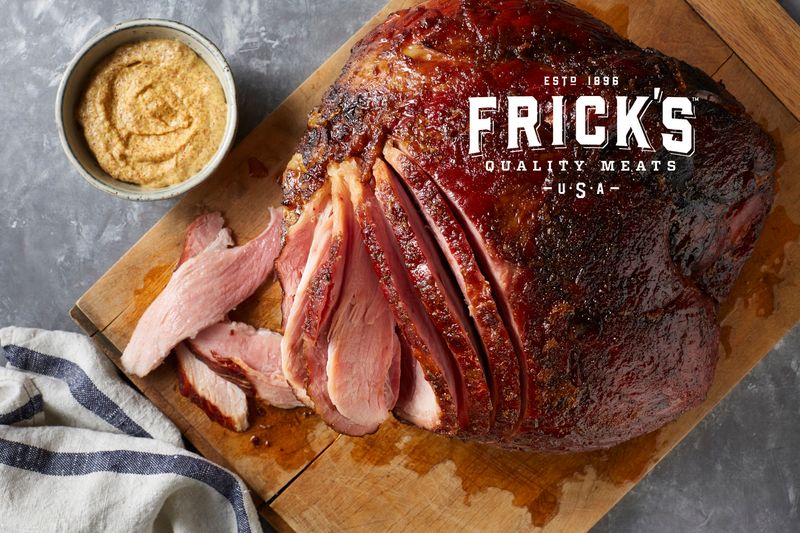
Here is the thing that separates a good ham from a forgettable one, and it is not a secret ingredient or fancy packaging. It is wood, actual American hardwood, and in this case real hickory chips doing the smoking rather than a liquid shortcut sprayed on at the end.
Hickory has a particular personality. It is bold without being harsh, a little sweet, and it clings to fat in a way that makes each slice taste like it spent real time in a smokehouse instead of a production line.
The hams here get slow-roasted in small batches, cooking for roughly half a day before they are finished. That is a long time in food manufacturing terms, and long cook times cost money, which is exactly why so many producers skip them.
You can taste the difference in the texture too, not just the flavor. Meat that cooks slowly holds onto moisture better and slices cleaner, which matters when you are trying to lay out a nice platter for people.
If you have ever wondered why some hams taste flat and watery while others taste like something, the answer usually comes down to smoke and patience.
Cane Sugar And Brown Sugar In The Cure
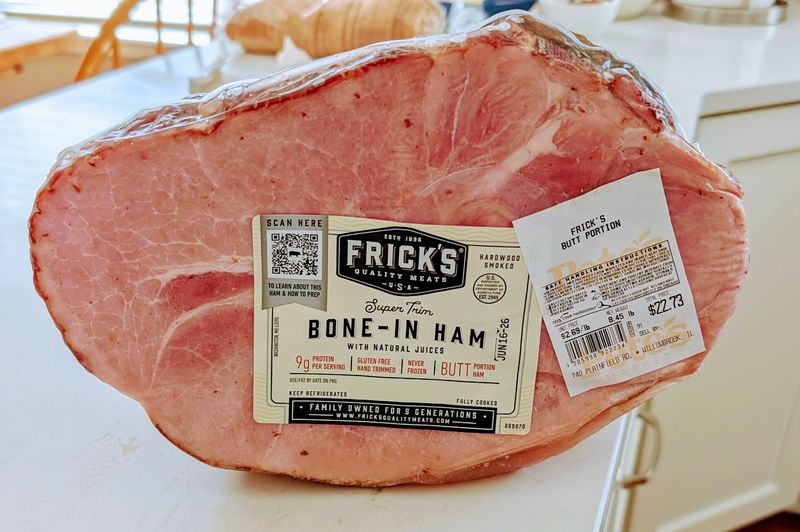
Curing is where a lot of the flavor decisions get made, and this company leans on real cane sugar and real brown sugar rather than mystery sweeteners. That choice shows up in the finished ham in a way you notice even if you cannot name it.
Brown sugar brings a molasses depth that plays beautifully against smoke and salt. It also helps the outside caramelize during roasting, which is where you get those darker, slightly sticky edges that everybody fights over at the table.
The hams are made with natural juices, meaning they are not pumped full of extra water to inflate weight. That matters more than people realize, because water-heavy ham shrinks in the pan and gives you a spongy bite.
Handpicked cuts go into the process, which is another one of those behind-the-scenes details that never makes it onto the front of a package. Selection at the start determines a lot about the finish.
When you serve one of these at a holiday table in Missouri or anywhere else, you mostly just need to warm it and maybe brush on a glaze. The hard work already happened before it reached your kitchen.
Fifth Generation, And A Daughter Taking The Reins
Family businesses usually hit a wall around the third generation, so the fact that this one reached a fifth is genuinely unusual. Ellory Frick Brunkhorst stepped into the president role, taking over from her father, Dave Frick.
There is something quietly meaningful about a leadership handoff inside a family company. It is not a boardroom shuffle or an outside hire brought in to shake things up, it is a continuation of something that started with a butcher shop counter.
Having a fifth-generation family member at the top also suggests the company plans to stay independent rather than getting folded into some larger conglomerate. That is increasingly rare in the meat industry, where consolidation happens constantly.
I always think these transitions say a lot about how a business treats its recipes and its people. When the person in charge grew up around the smokehouse, they tend to be protective of the things that made it work.
For customers, the practical upside is consistency, because the product is less likely to get quietly reformulated to shave costs. Legacy tends to make owners stubborn in the best possible way, and stubborn is good when it comes to ham.
An Allergen-Free Plant That Changed The Game
Anybody who cooks for someone with food allergies knows the low-grade anxiety of reading every single label. Frick’s took a big step on that front by making its Washington processing facility free of the so-called Big Nine allergens.
That is not a small adjustment to a recipe, it is a top-to-bottom commitment across an entire plant. Ingredients, equipment, cleaning procedures, and supplier relationships all have to line up for something like that to hold.
On top of that, most of the hams are certified gluten-free, which opens the door for a lot of households that otherwise have to skip the centerpiece protein. Holiday hosting gets noticeably easier when the main dish is safe for everyone at the table.
The facility also pulls a high food safety rating consistently, which is the sort of thing you never think about until something goes wrong somewhere else. Quiet reliability is underrated.
If you have a kid with a nut allergy or a family member managing celiac, this is probably the single most useful thing to know about the company. Missouri has plenty of meat producers, but not many have gone this far on allergen control.
Sausage, Bologna, And The Braunschweiger Crowd
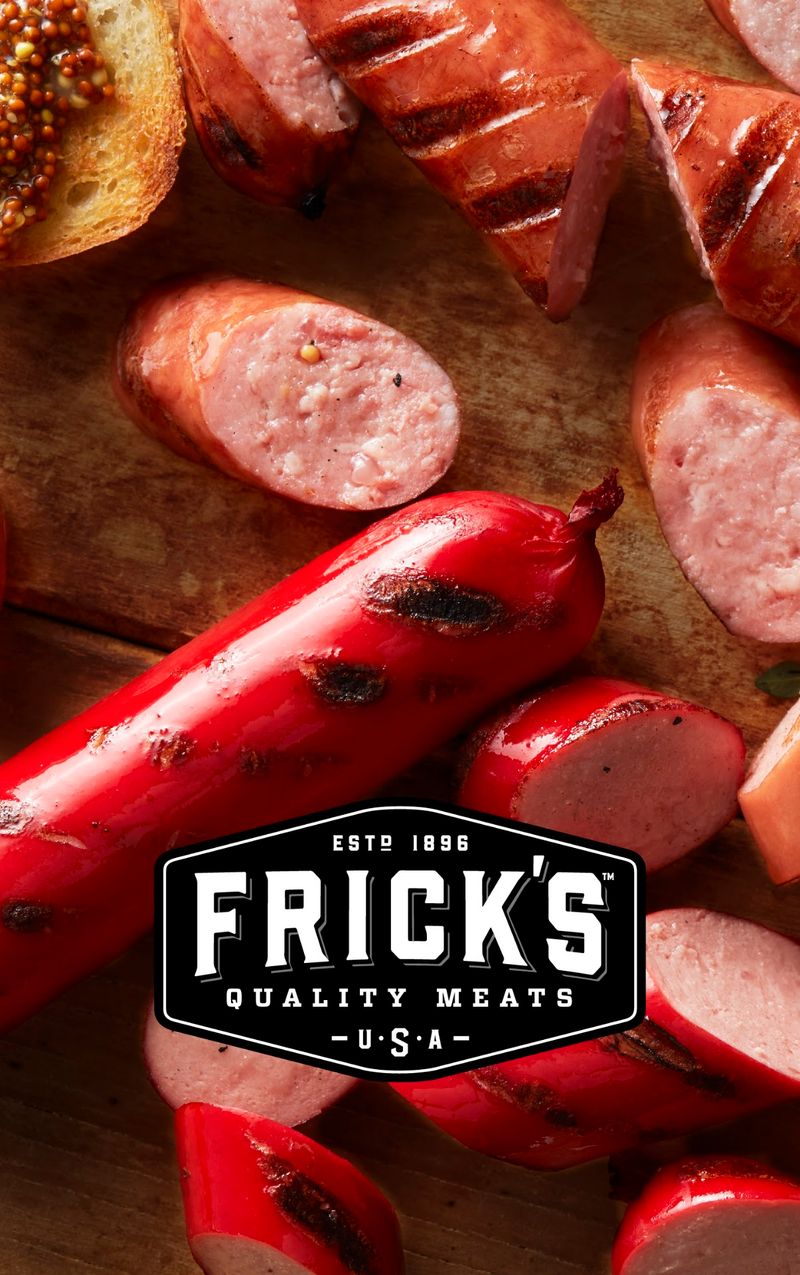
Ham gets the headlines, but the rest of the lineup deserves a mention because it covers a lot of Midwestern kitchen ground. Sausages, bologna, gourmet sliced meats, braunschweiger, and even young turkey hen all come out of this operation.
Braunschweiger is one of those foods that divides a room instantly. Some people grew up eating it on rye with mustard and onion and will defend it forever, while others have never touched it and are a little suspicious of the whole idea.
The bologna is worth taking seriously too, especially thick-sliced and seared in a skillet until the edges curl up. Fried bologna sandwiches are a legitimate regional comfort food and not remotely ironic.
Gourmet sliced items make weekday lunches significantly better, which is a small thing that adds up over a month of packed sandwiches. Good deli meat versus mediocre deli meat is a real quality-of-life difference.
Having turkey in the mix gives you a lighter option when everyone at the table is not in the mood for pork. Range like that is how a family meat company stays relevant across generations and changing tastes.
A Massive Plant Hiding In A Small Town
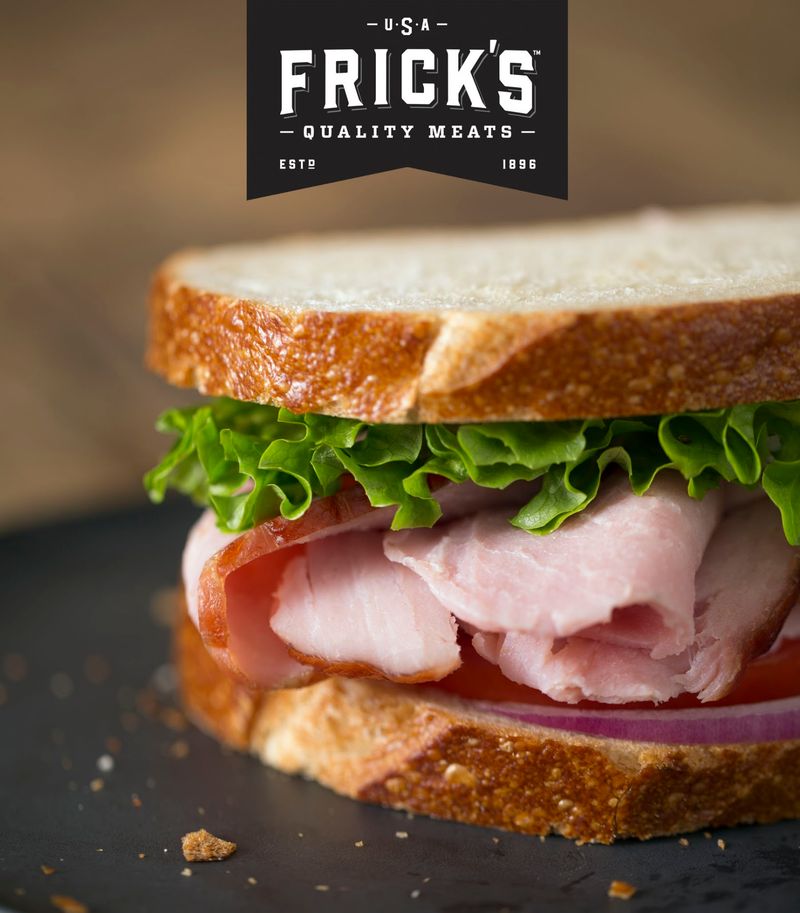
Would you guess that a town like Washington houses a food production facility stretching across hundreds of thousands of square feet? The scale of the plant is honestly hard to picture until you see the building in person.
An expansion was approved to add a sizable freezer, cooler, and dock space, all aimed at making distribution smoother and faster. Cold storage is the unglamorous backbone of the meat business, and running out of it creates headaches everywhere downstream.
What strikes me is the contrast between the old-fashioned product and the very modern operation producing it. Hickory smoke and small-batch roasting happening inside a state-of-the-art plant is a combination you do not see every day.
Growth like this also means jobs, and in a town this size a large employer shapes the whole local economy. Families build lives around steady work at a place like that.
Missouri has a long agricultural backbone, and facilities like this one are part of how that tradition keeps going in a modern form. The equipment changed dramatically over the generations, but the fundamental job stayed the same.
