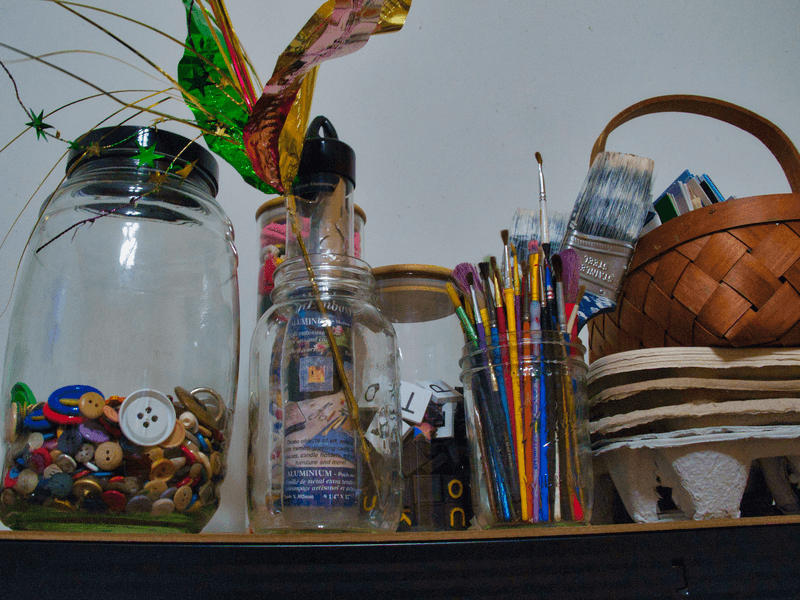
A whole drawer of googly eyes and sequins once waited in a back room where you could stuff a bag with art supplies. That detail alone made me sit up.
Who doesn’t want a drawer like that?
The room was built around a simple, clever idea. Leftover craft materials don’t belong in a landfill.
They belong with someone who will actually use them, and the fill-a-bag setup made sharing them feel like a game.
I love that this West Virginia spot treats half-used markers and odd buttons like buried treasure. I believe every crafter has a junk drawer that secretly wants a second life.
This place gave those supplies one.
The story has shifted lately, and I think the new chapter is just as interesting. So where did this treasure room come from, and where is it headed?
A Mountain Town Art Shop Built On Other People’s Leftovers
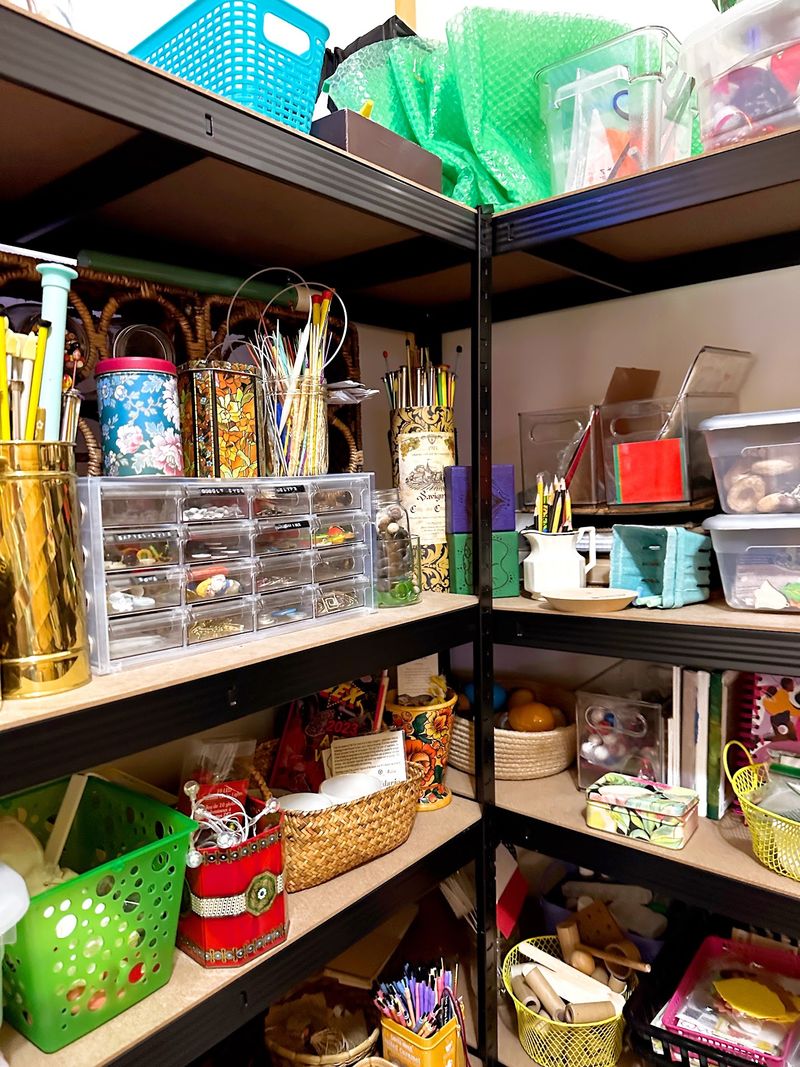
Thistlebit Creative Reuse calls Elkins home, in the heart of the Randolph County mountains of West Virginia. On paper, it’s listed as an art supply store.
In spirit, it’s more like a rescue mission for paint, paper, and everything sparkly in between.
The concept is refreshingly simple. Donated and secondhand art supplies come in, and makers carry them back out at a friendly cost.
Nothing fancy, no complicated rules, just good materials finding new hands.
Elkins already carries a creative reputation in this corner of the state. A reuse shop fits that personality like a well-worn apron.
It gives artists, crafters, teachers, and curious tinkerers one more reason to wander downtown.
What makes the place memorable isn’t size or polish. It’s the treasure-hunt feeling that comes with digging through supplies someone else no longer needed.
Every bin holds a question mark, and that’s half the appeal.
I like how the whole idea respects both creativity and thrift. Mountain folks have always known how to stretch a resource.
Thistlebit simply applied that old habit to glue sticks and glitter.
Before you plan a trip, though, there’s an update worth knowing. The shop’s story has been changing, and later sections cover what that means for visitors.
Art Supplies Waiting Patiently For Their Next Artist
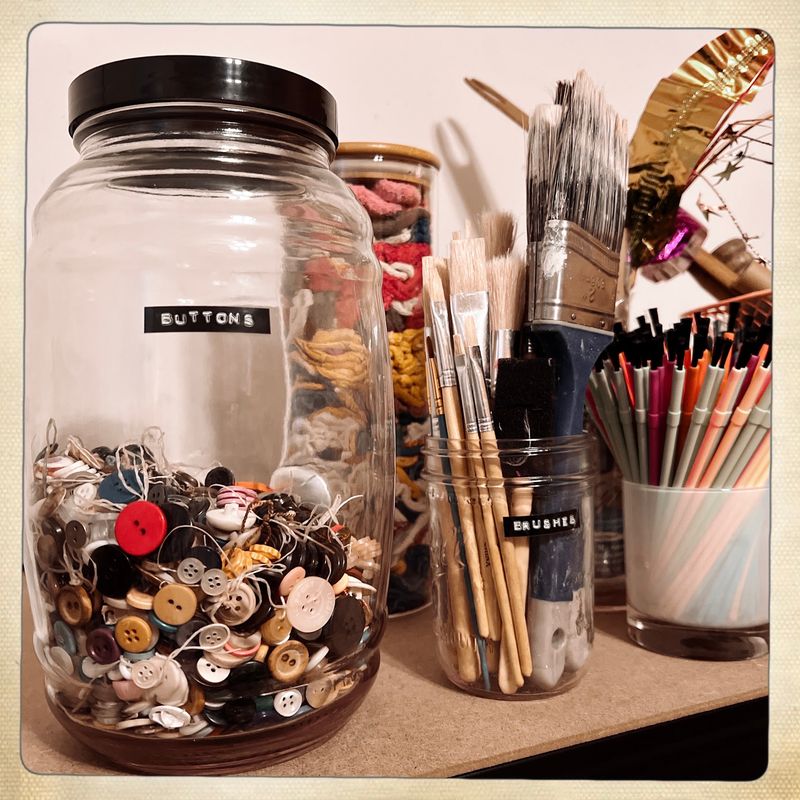
Half a skein of yarn. A box of crayons missing only the blue one.
Somewhere, those leftovers sit in a closet, and creative reuse exists to get them out again.
Thistlebit was built around that thought. The shop focused on secondhand art supplies that still had plenty of life left in them.
Think of it as an adoption center, only the orphans are paintbrushes and fabric scraps.
Creative reuse centers have popped up across the country for a few good reasons. They keep usable materials out of the trash.
They also make art more affordable for people who might otherwise skip it.
That second point matters a lot in rural West Virginia. Craft stores can be a long drive away in some hollows.
A local spot stocked with donated goods can make a real difference for a family or a classroom.
There’s also a quiet satisfaction in using something that almost got tossed. A thrifted ribbon carries a little mystery about where it came from.
Maybe it decorated a wedding favor or a church bake sale table.
Either way, it gets a new job. And honestly, isn’t that how most of us like to be treated, too?
The Fill-A-Bag Room That Stole The Show
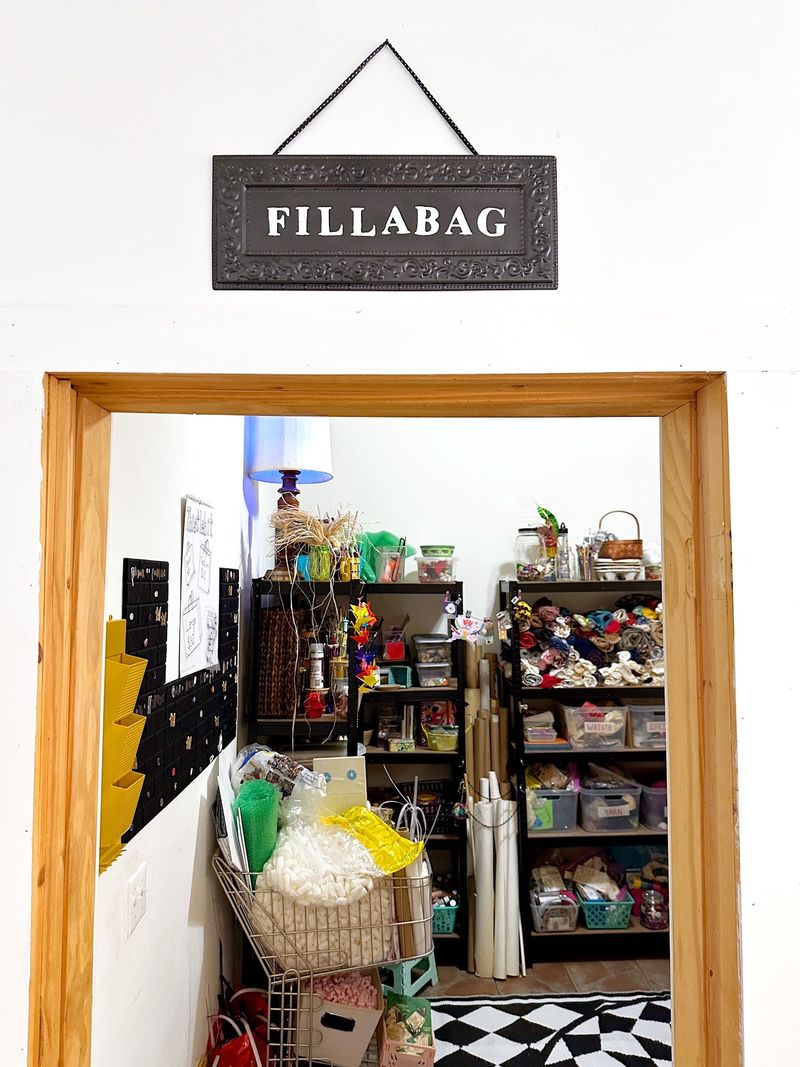
Grab a bag, fill it up, and walk out with whatever fits. That was the deal in Thistlebit’s Fill-A-Bag room, and it might be the most fun shopping rule ever invented.
The room turned buying supplies into a game of strategy. Do you go for bulky yarn or pack in tiny beads?
Every choice becomes a delightful little puzzle.
Bulk-style setups like this work beautifully for reuse shops. Sorting and pricing every single sequin would take forever.
A bag system keeps things simple for the shop and exciting for the shopper.
It also encourages experimentation. When you aren’t paying item by item, trying an unfamiliar material feels less risky.
That stack of odd foam shapes might become the start of a new hobby.
I can’t imagine a better way to spark ideas in kids, either. Handing a young artist an empty bag and some freedom feels like handing over a treasure map.
The results could be wonderfully weird.
Adults aren’t immune to the thrill, of course. Grown-ups who swear they only need one thing tend to discover they need twelve.
The Fill-A-Bag room was basically designed for that happy weakness.
Drawers Full Of Googly Eyes And Other Small Surprises
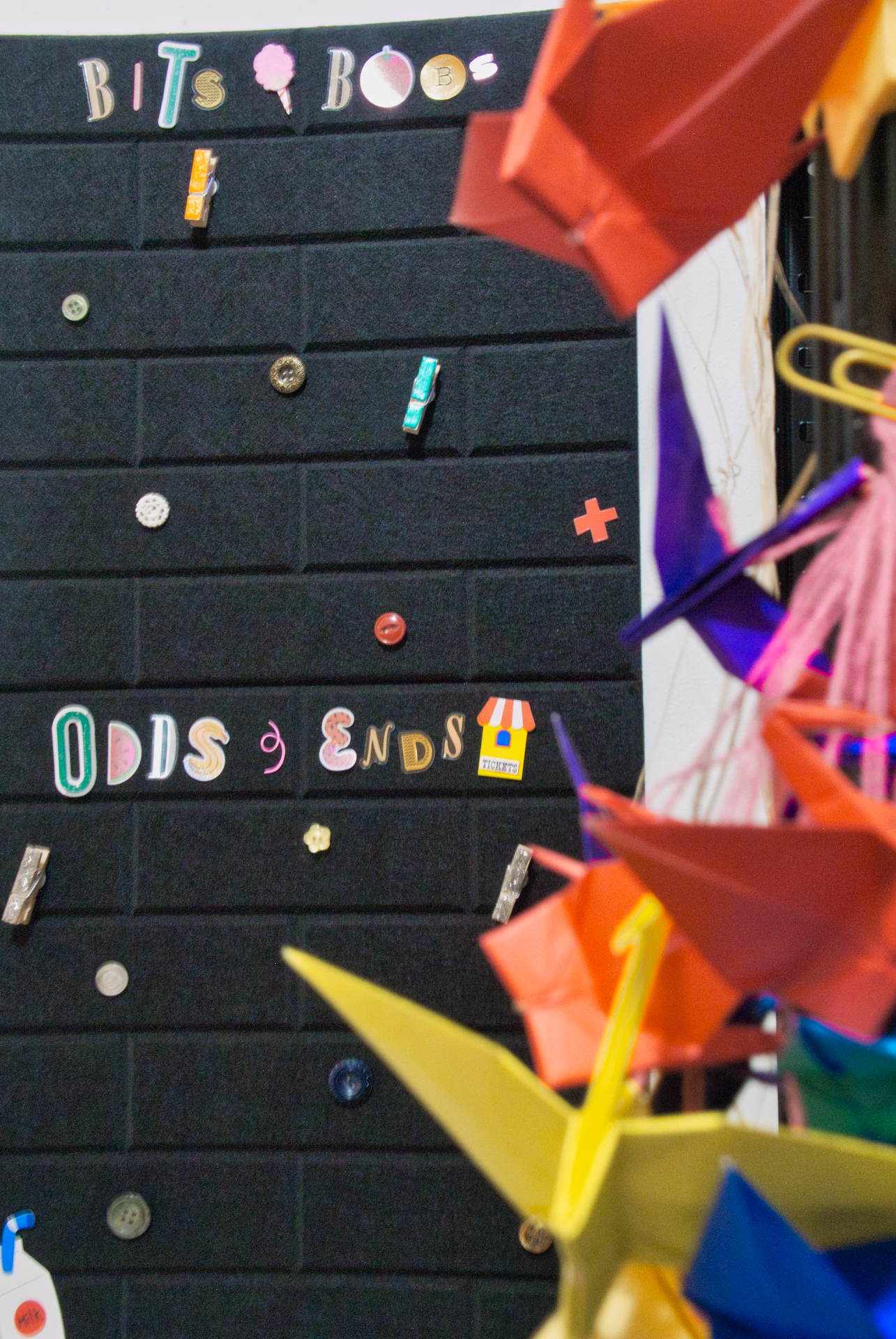
Googly eyes deserve more respect. A pair of them can turn a rock, a sock, or a soup can into a character with a whole personality.
At Thistlebit, a full drawer of googly eyes and sequins once turned up in the Fill-A-Bag room. That’s the kind of detail that makes a reuse shop unforgettable.
You never quite know what the next drawer holds.
Small items like these often get overlooked at big craft stores. They come in tiny packets that cost more than they should.
A reuse drawer flips that script and lets you scoop up a handful.
The joy here is in the hunt. Opening drawer after drawer feels a bit like a scavenger game at a church carnival.
Some drawers might be ordinary, and then one suddenly sparkles.
Crafters who make cards, scrapbooks, or kids’ projects know the value of little embellishments. A few sequins can lift a plain project into something cheerful.
Googly eyes, meanwhile, make everything funnier.
Plan to open every drawer you can find. The best surprises seem to hide right when you think you’re finished.
That’s practically the unofficial motto of any good reuse room.
Prefer To Browse? The Front Room Had Options Too
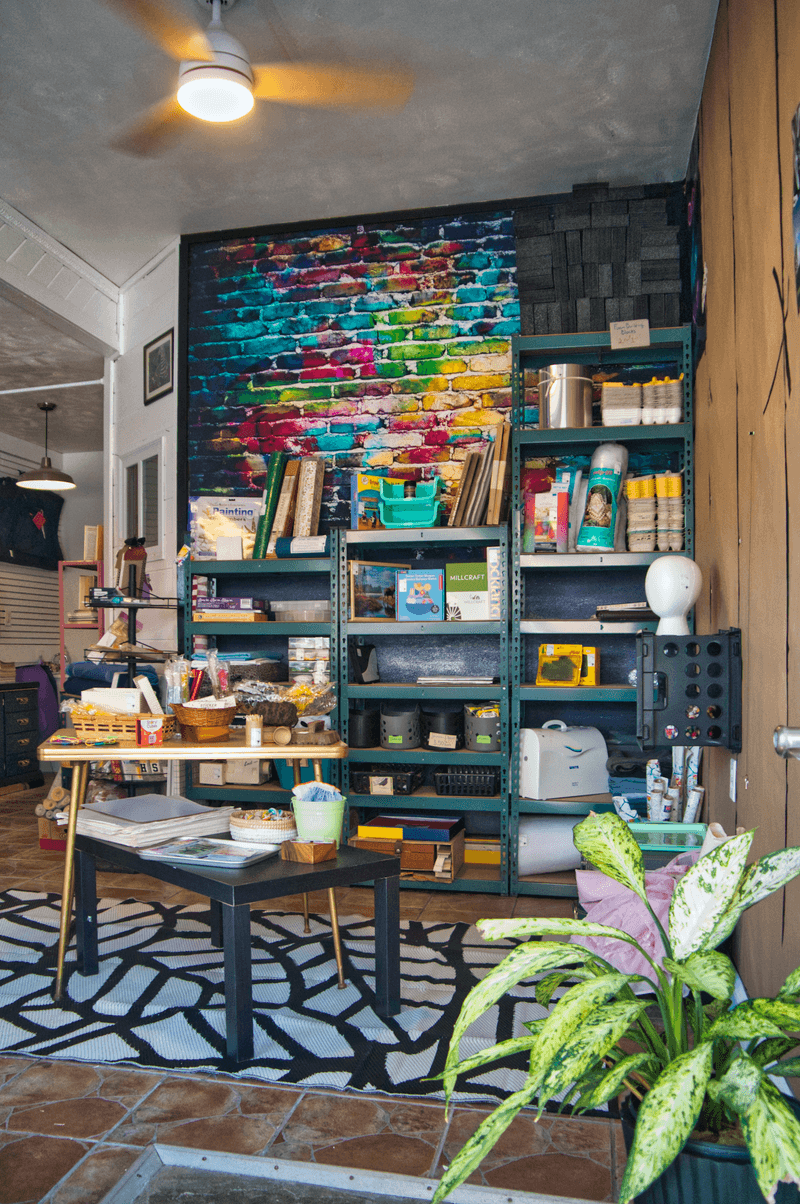
Not everyone wants to wrestle a paper bag into submission. Thistlebit understood that and offered another path for shoppers.
Besides the Fill-A-Bag room, you could pick individual items from the front of the shop. That made it easy to grab exactly what a project needed.
No bag-stuffing strategy required.
This two-lane setup was a smart touch. Some visitors arrive with a clear list, like a specific canvas or a set of brushes.
Others just want to poke around and let inspiration lead.
Having both choices meant the shop could serve a planner and a dreamer on the same afternoon. A teacher might pick a few useful items up front.
A crafty grandkid might head straight for the bag room.
It’s a little like a country store with a candy counter and a bulk bin. You can buy one perfect piece or scoop a mix of everything.
Both approaches end with a satisfied grin.
I believe this flexibility is part of why the shop felt welcoming. Nobody had to shop one specific way.
You simply found what fit your project, your mood, and your budget.
Friendly Faces Behind The Craft Bins
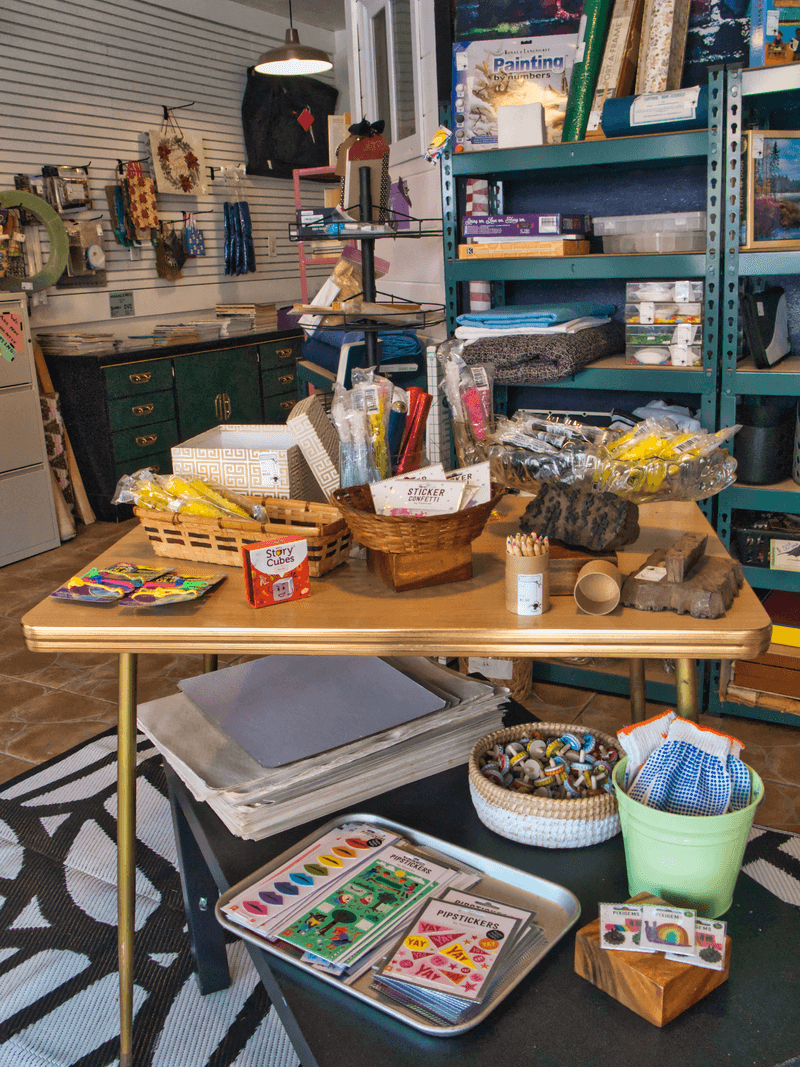
A warm hello goes a long way in a small town. At Thistlebit, friendly staff made a point of welcoming people through the door.
That matters more than it might seem. Reuse shops can feel a little overwhelming at first, with bins, drawers, and odd treasures everywhere.
A kind greeting helps newcomers relax and start exploring.
West Virginians tend to value that kind of neighborly spirit. It’s the same feeling you get at a local diner where someone remembers your name.
Creative spaces work best when people feel at home in them.
Friendly help also sparks ideas. Someone who knows the inventory can point you toward materials you never considered.
Suddenly that pile of fabric scraps becomes a quilt square plan.
Plenty of materials filled the space, and the welcome made them easier to enjoy. Together, they encouraged visitors to try new paths with their art.
That’s a lovely thing for any shop to offer.
It’s easy to underestimate how much atmosphere shapes creativity. A relaxed, cheerful space invites play instead of pressure.
Thistlebit seemed to get that, and it showed in the way people talked about the place.
A Shared Home With Mycelium Art Supplies
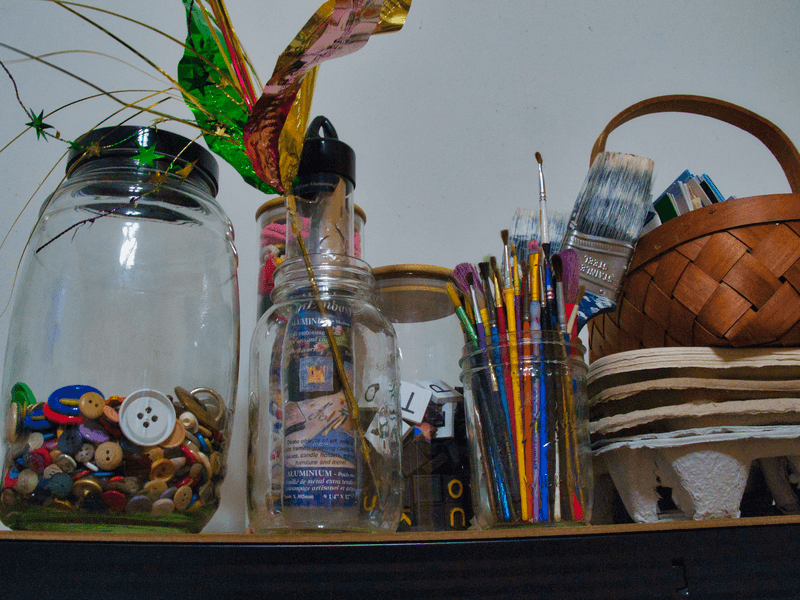
Thistlebit didn’t operate alone. It was tied closely to Mycelium, an art supply shop in Elkins, and the two shared an online home.
The pairing made a lot of sense. One side offered art supplies, while the other gave secondhand materials a second chance.
Together, they covered both fresh and rescued goods for local makers.
Naming a reuse project after a thistle and pairing it with something called Mycelium feels pretty fitting. Both names nod to nature and to things that grow in unexpected places.
That earthy theme suits the Mountain State perfectly.
Here’s the bittersweet part, though. Recent updates suggest Mycelium may be closing its physical location in Elkins.
For a town that loves its makers, that’s a real change.
Small creative businesses often shift and adapt over time. Rent, staffing, and energy all play a role in how long a storefront lasts.
Changes like this don’t erase what the shop meant to its community.
If you’re planning around these businesses, check their official social media first. Updates can move quickly with small operations.
A quick look before you drive could save you a disappointing trip.
Thrifty Making, Mountain Style
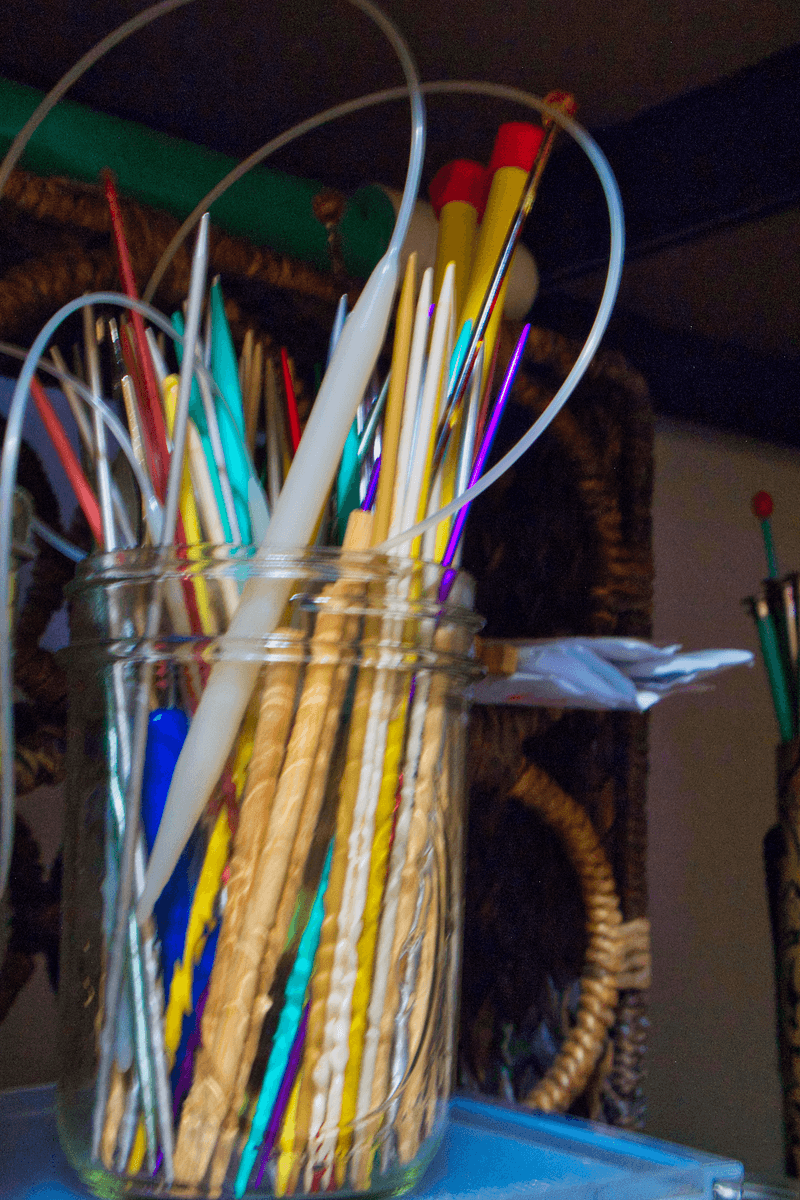
Grandma never threw out a button, and she was onto something. West Virginia has a long tradition of making do, mending, and reusing whatever was on hand.
Creative reuse takes that habit and gives it a modern twist. Instead of hoarding scraps alone, a community pools them.
Then anyone can pick through the collection and find what they need.
That approach can help folks on a fixed income keep crafting. Art supplies at big stores add up fast.
A reuse model often makes hobbies feel within reach again.
Retirees with time for quilting, painting, or card making may especially appreciate this. So might parents trying to fill rainy weekends without spending much.
Teachers stocking classrooms out of their own pockets would surely cheer, too.
There’s also a feel-good bonus. Every reused item is one less thing headed to the landfill.
That’s a quiet win for these beautiful hills and rivers.
I like how the idea honors both frugality and creativity. Neither one has to win out over the other.
In a reuse shop, they sit happily side by side, like sweet tea and a porch swing.
Who Gets The Most Out Of A Reuse Shop
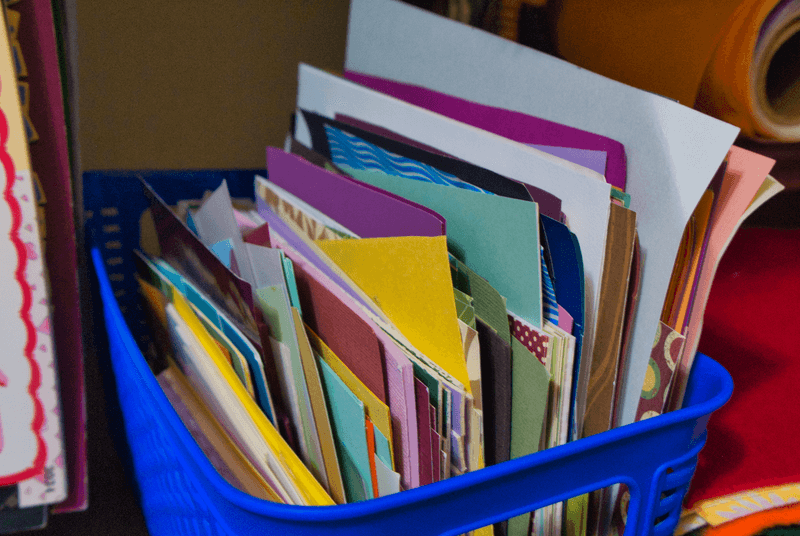
Scrapbookers, start your engines. A creative reuse shop like Thistlebit is a playground for anyone who loves making things by hand.
Kids may be the biggest winners. Bins of odd materials invite them to build, glue, and invent without fear of wasting expensive supplies.
Their imaginations do the heavy lifting.
Classroom teachers can stretch their budgets with donated goods. Homeschool families might find fresh project ideas in every visit.
Scout leaders could stock up for a whole season of badge activities.
Experienced artists get something out of it, too. Unusual materials can push a painter or sculptor in new directions.
Sometimes limits spark the best creativity.
Then there are the dabblers, the folks who’ve always wanted to try a craft. A low-pressure, low-cost place to experiment removes a lot of hesitation.
You can try collage today and jewelry next month.
Even people who don’t consider themselves creative might catch the bug. A drawer of sequins has a funny way of changing minds.
Who knows, you might leave with a bag full of plans and a brand-new hobby.
Give Yourself More Time Than You Think
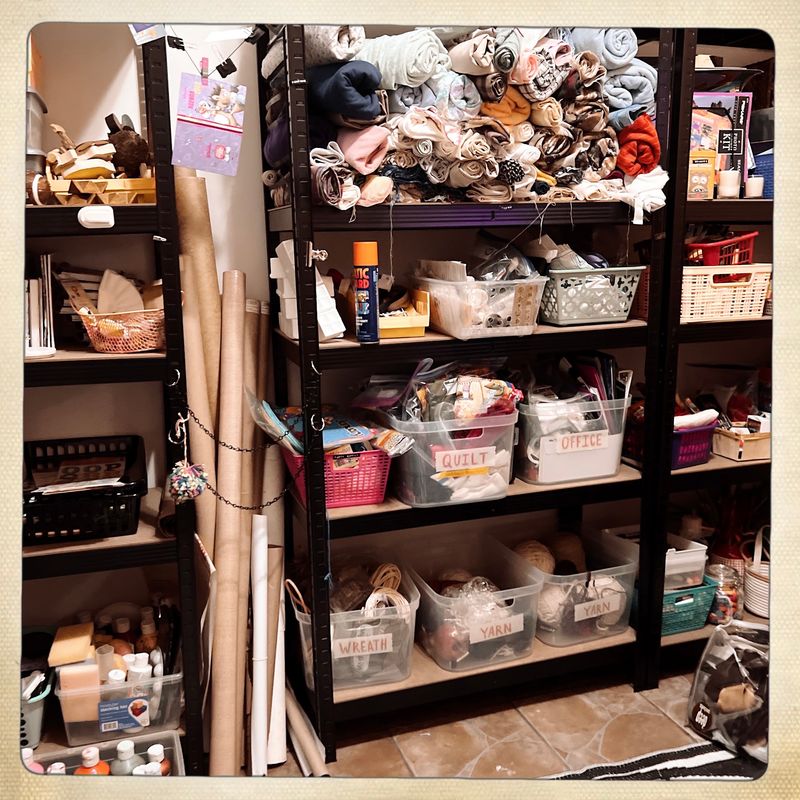
Fair warning: a quick stop rarely stays quick in a room full of drawers. The Fill-A-Bag room at Thistlebit was known for swallowing a good chunk of an afternoon.
Just when you think you’ve seen everything, another drawer reveals something new. That’s the charm and the danger.
Your plans for lunch might need to wait.
Reuse shops work differently than regular stores. Items aren’t lined up in neat rows by category.
Discovery takes patience, and patience gets rewarded.
A smart approach is to come with a loose idea but an open mind. Maybe you need fabric, but you’ll leave with fabric and a box of vintage beads.
That’s how the best projects start.
If you’re bringing kids, consider setting a gentle time limit. Otherwise, they may try to inspect every single sequin.
Honestly, so might you.
Treat the visit like a slow Saturday at a flea market. Wander, pick things up, and imagine what they could become.
Thistlebit’s whole spirit was about giving creativity some room to breathe, and that includes time.
A New Chapter Of Pop-Ups And Events
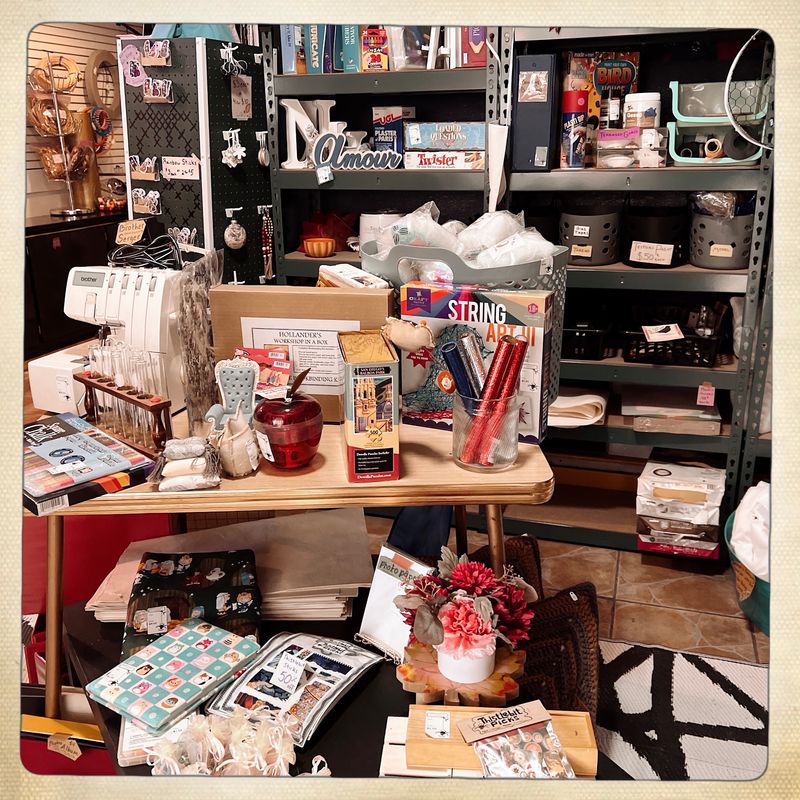
Change came to Thistlebit, and it’s an interesting one. Recent updates indicate the organization is decentralizing and moving away from a traditional storefront model.
Instead of a steady shop, Thistlebit plans to continue creative reuse through pop-ups and events. Think of it as the treasure drawer going on a road trip.
The mission stays, even if the address may matter less.
Pop-up models suit small creative groups well. They lower the cost of keeping doors open every day.
They also let supplies travel to festivals, markets, and community gatherings.
For locals, that could mean bumping into Thistlebit somewhere unexpected. A fall festival or downtown event might suddenly include bins of rescued art supplies.
That’s a fun surprise to stumble upon.
The best way to catch them is to follow their official social media. Event dates for pop-ups can change quickly.
Checking ahead keeps you from missing the fun.
I believe this shift says something hopeful. The idea mattered enough to keep going in a new form.
In true mountain fashion, Thistlebit is adapting rather than giving up on its purpose.
Finding Your Way To Davis Avenue
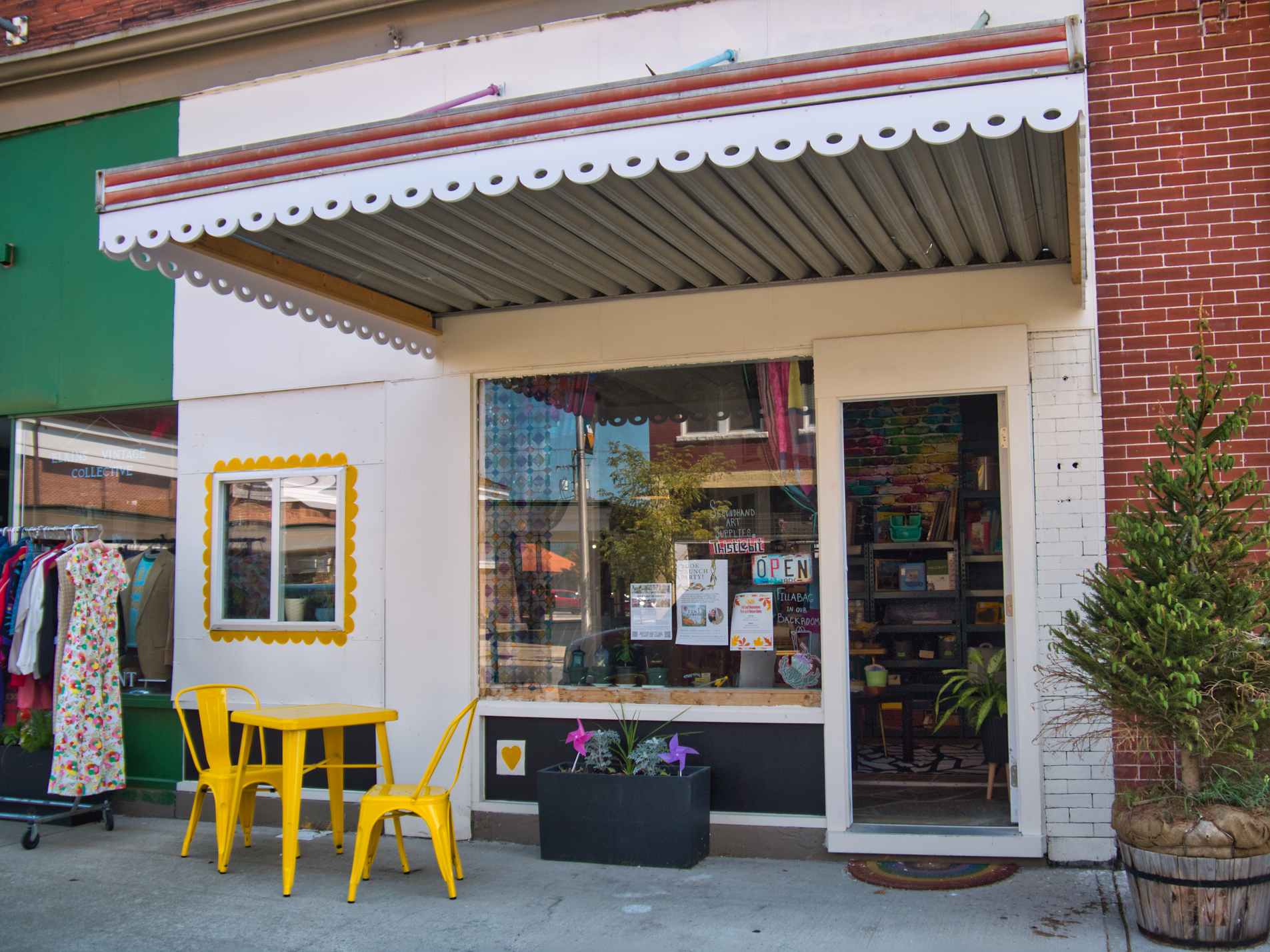
Elkins sits in the mountains of Randolph County, and its downtown is easy to wander on foot. Davis Avenue runs right through that walkable core.
Thistlebit Creative Reuse has been listed at 212-1/2 Davis Ave, Elkins, WV 26241. That half-number address is a fun little quirk.
It hints at the kind of tucked-away spaces old downtown buildings often hold.
Because the organization is shifting toward pop-ups, don’t assume the doors are open. Check official social media before making a trip.
A few minutes online can save a long drive through the hills.
If you do head to Elkins, the town makes a pleasant outing anyway. Downtown has shops and places to eat that can round out a day.
Mountain scenery comes free with the drive.
Travelers from Charleston or Morgantown can make it a scenic day trip. The roads wind through classic West Virginia country.
Fall color season makes the journey especially pretty.
Hours and pop-up schedules aren’t something to guess about. Follow Thistlebit’s announcements for the latest.
That way your bag-filling dreams line up with reality.
What You Could Make With A Bag Of Rescued Supplies
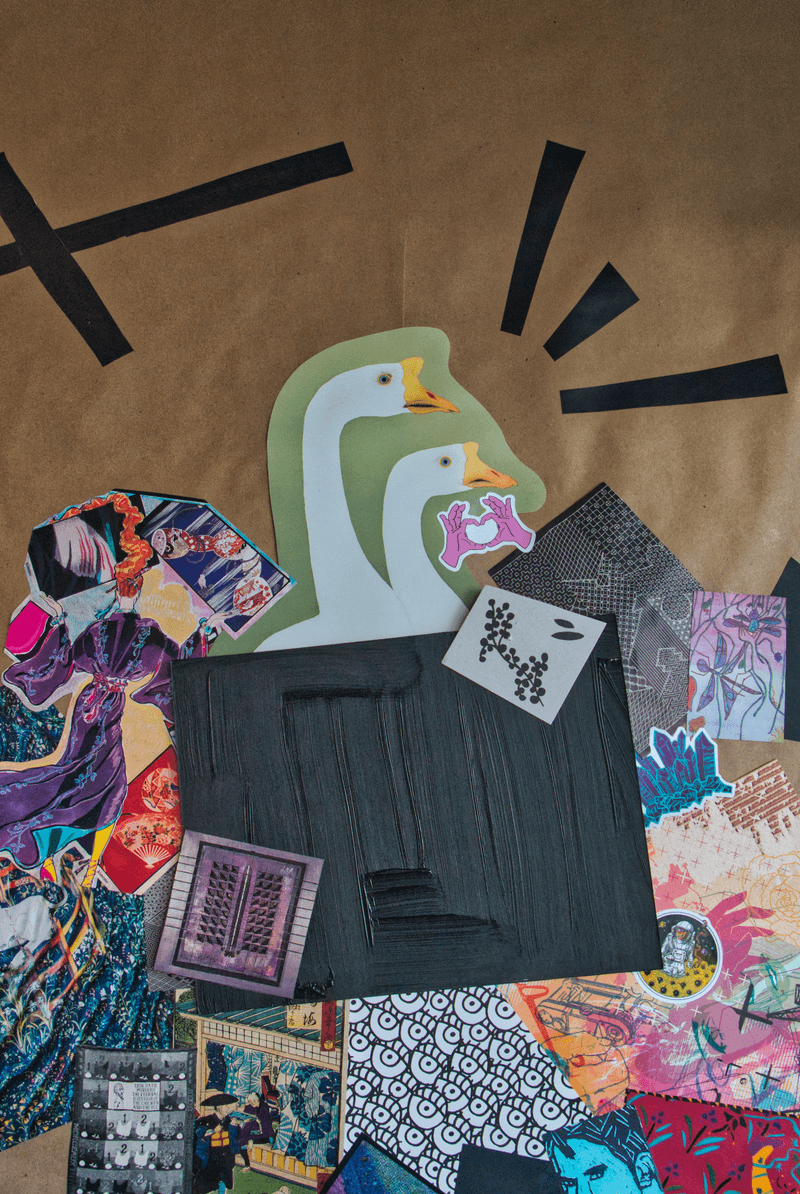
A sock, two googly eyes, and some yarn walk into a craft room. They come out as a puppet with an attitude.
That’s the magic of reuse supplies. Random materials push you to think creatively instead of following a pattern.
The results often feel more personal than anything store-bought.
Collage is an easy place to start. Old papers, magazine clippings, and fabric scraps layer beautifully on cardboard or canvas.
Add some sequins, and you’ve got instant sparkle.
Button art makes a charming gift, too. Arrange buttons into a tree, a heart, or a family initial.
Frame it, and Grandma will likely hang it in a place of honor.
Kids can build robots from boxes and bottle caps. Card makers can turn ribbon ends into tidy little bows.
Quilters can stretch scraps into patchwork pieces.
The point is that nothing needs to be perfect. Reuse crafting celebrates imperfection and experimentation.
Thistlebit’s whole approach encouraged that playful mindset, giving supplies and makers alike a fresh start. Honestly, a drawer of odds and ends might be the best creative teacher around.
Why This Little Treasure Room Still Matters
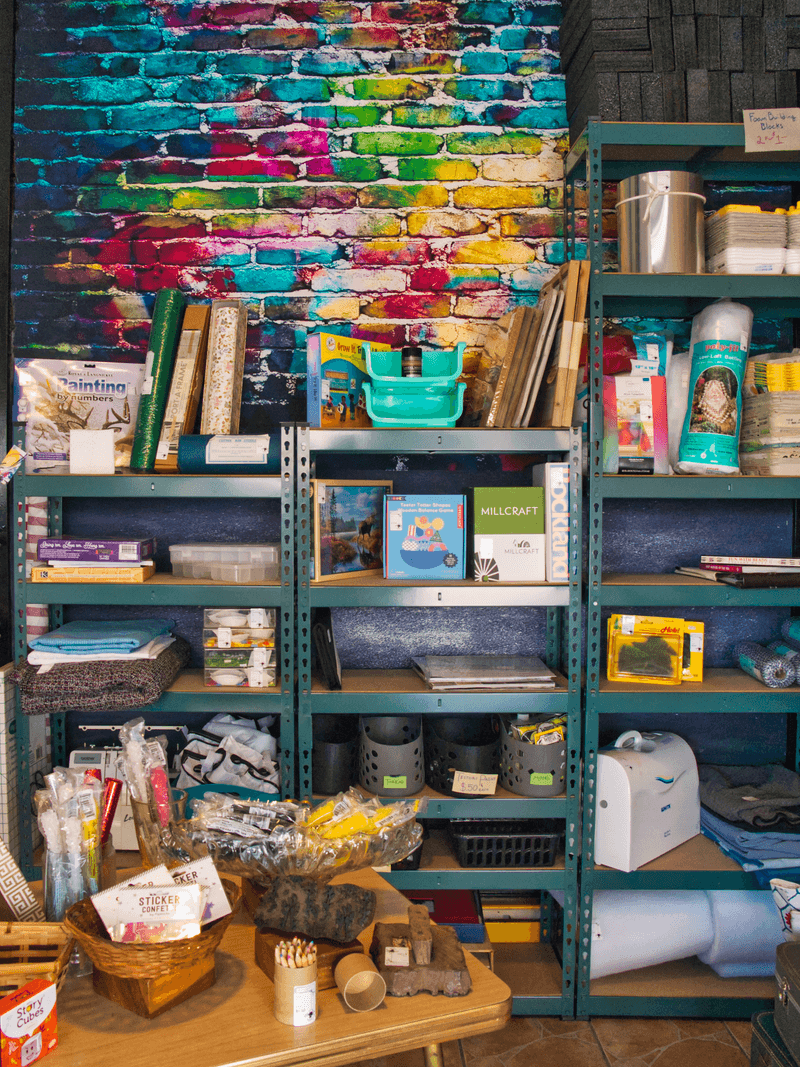
Some ideas outgrow their rooms, and that might be the best way to describe Thistlebit. A fill-a-bag treasure hunt in Elkins grew into a mission that keeps moving.
The storefront model may be fading, but the heart of it remains. Thistlebit plans to keep sharing secondhand supplies through pop-ups and events.
That keeps creativity flowing around this part of West Virginia.
I like that the project always centered on people, not profit. It gave forgotten materials a purpose and gave makers a place to play.
Few shops can claim both.
For anyone who loves crafting on a budget, it’s worth keeping an eye on. Follow their updates and watch for event announcements.
The next pop-up could be the start of your next project.
It’s also a good reminder to look at your own craft closet. Those half-used supplies could inspire someone else.
Donating to a reuse effort keeps the cycle going.
Thistlebit Creative Reuse proved that treasure doesn’t need to be shiny or new. Sometimes it’s a drawer of googly eyes waiting for the right person.
And in Elkins, that person might just be you.
